Taking our stories from Belfast to Birmingham

During 2025-26, researchers from Queen’s University Belfast worked with National Museums NI (NMNI), Chinese Welfare Association Northern Ireland (CWA NI) and Avila Media to deliver the Bridges to China project, generating meaningful social impact in Belfast and Dublin. At the beginning of November 2026, the project reached another milestone as the team shared its experiences and outcomes with an audience at the Museums Association’s annual conference in Birmingham.
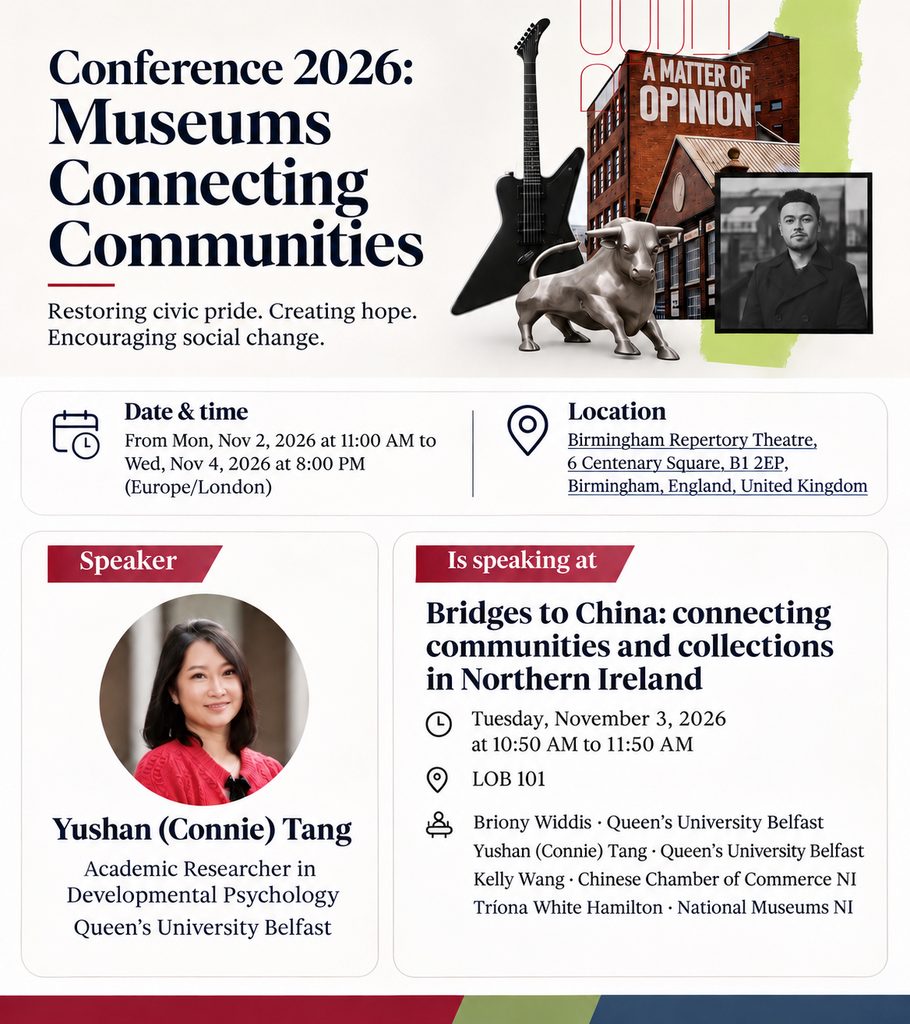
Yushan (Connie) Tang, a PhD researcher in developmental psychology at Queen’s University Belfast, was among the project participants and contributors.

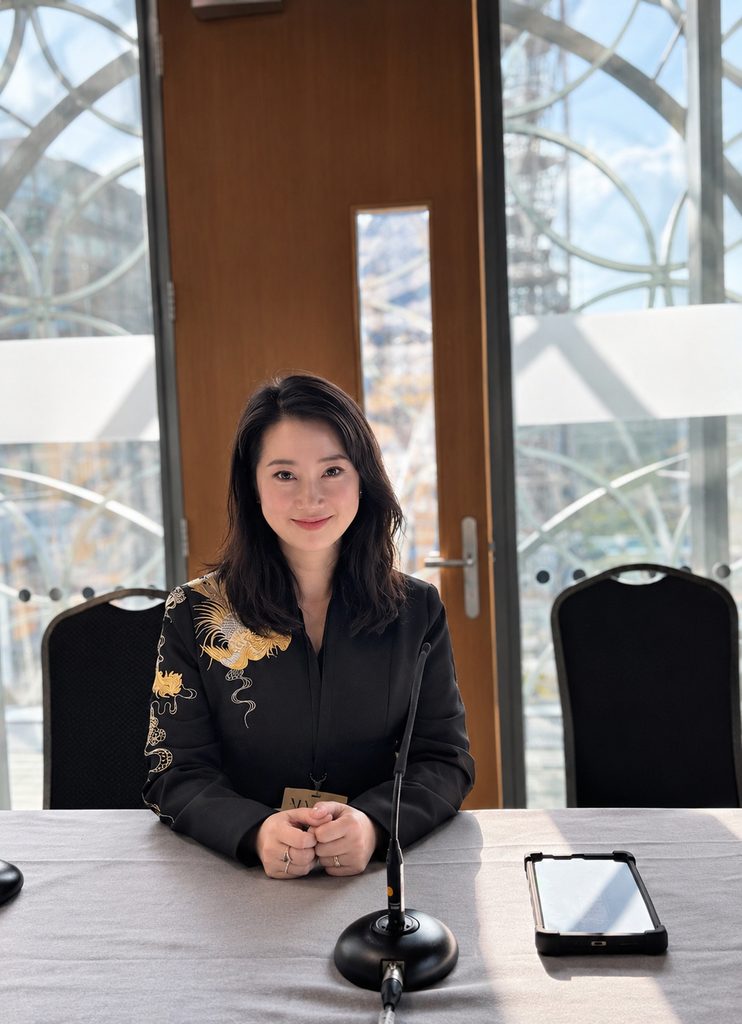
On 3 November, she joined a panel discussion at the conference to share her reflections on the project and her experience as a workshop participant. Yushan kindly shares her post-conference thoughts below.

The panel, titled “Bridges to China: connecting communities and collections in Northern Ireland”, was chaired by Dr Briony Widdis (Research Fellow, Queen’s Centre for Public History). Yushan joined Kelly Wang (Board Member, CWA NI) and Tríona White Hamilton (Curator of Modern History, NMNI) to share her experience of the project.
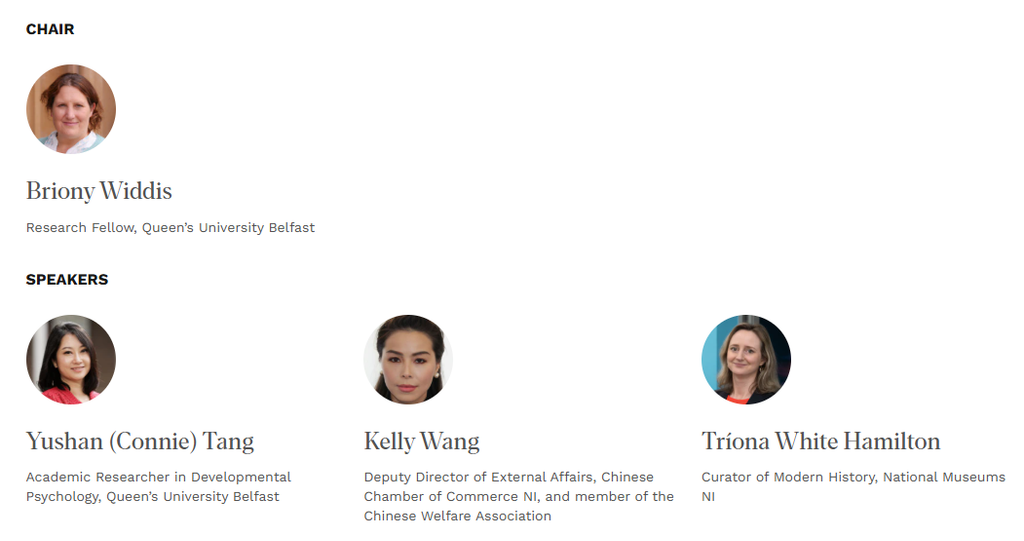
The snapshot of Panel information on the Museums Association’s webpage

Connecting cultural objects with personal stories

For me, the workshops created space for conversations that rarely happen in everyday life. Participants from different regions and generations brought their own knowledge and memories. Something familiar to one person could be a discovery for another. I enjoyed getting to know people through these exchanges and discovering fresh perspectives on our shared cultural heritage.

One conversation during a workshop exploring the museum collections became especially personal. A pair of lotus shoes reminded me of my grandmother, who cared for me when I was little. A question raised during the workshop prompted me to reconsider the story I had grown up with about why her mother had stopped binding her feet. I began to recognise how my own need for a strong female role model had shaped my understanding of her life. Revisiting those memories helped me appreciate the strength she had shown in the way she lived and cared for our family. I felt closer to her, and more at ease with myself. I shared this reflection in my story for the project. The filming team’s response made me feel heard and understood. That moment stayed with me: an object had opened up a conversation through which people from different backgrounds could connect over a deeply personal experience.
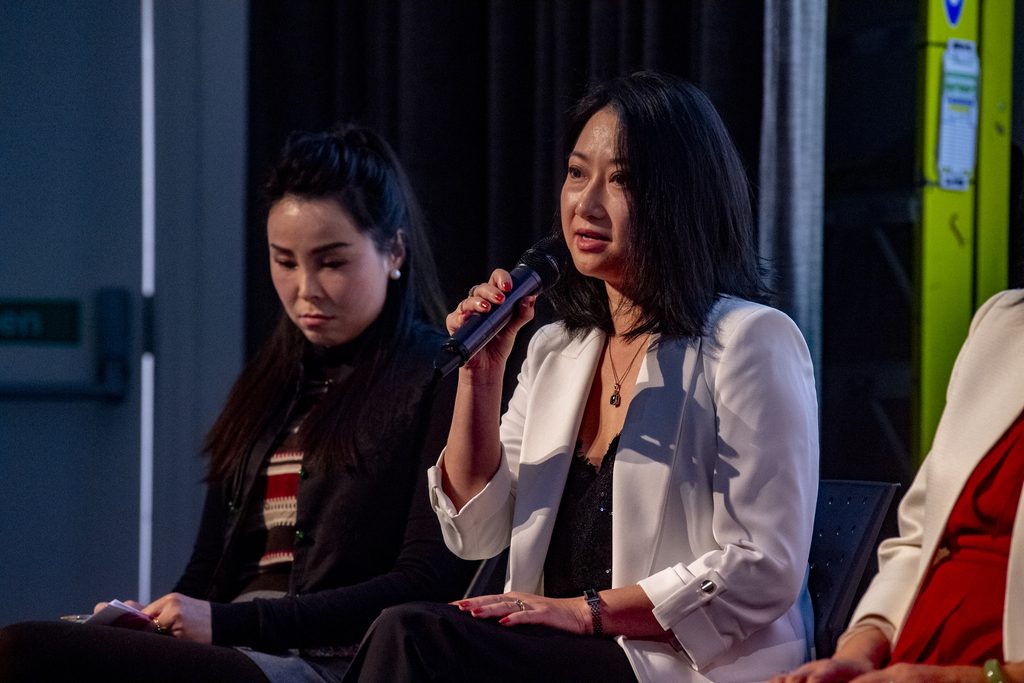
Yushan shared her thoughts at the Bridges to China Launch in March 2026. Photo credt: QUB

This was the experience I wanted to bring to Birmingham. Listening to the other panellists, I recognised a similar appreciation of the relationships and learning that had developed through the workshops. Museum colleagues were interested in how we had worked together and gathered knowledge from participants, and a few stayed afterwards to continue the conversation.

Making time for community

Balancing doctoral research, family life and running a business means that making time for activities outside my usual responsibilities takes some thought. I’m glad I made room for this project. It kept me connected with the Chinese community and gave me a meaningful way to contribute, while opening up conversations I might otherwise have missed.

The support of Queen’s colleagues, CWA, the museum and the filmmaking team created an opportunity to contribute, learn and build relationships that extended beyond the workshops.

The experience also deepened my appreciation of the people who helped bring the university and community together. Dr Liang Wang (Language Support Officer, Queen’s Language Centre) helped facilitate the project through his connections with CWA and the Ulster Museum. He also took part in person, sharing his own objects and memories alongside other community members. For me, this brought the relationship between the university and its neighbouring communities to life.
I hope fellow students who are curious about community projects will find something encouraging in my experience. I began with questions about what I could offer, but discovered that there was also room for my curiosity, my family memories and the things I was still trying to understand.

Being able to share these experiences in Birmingham felt like a valuable next step.

I’m grateful to everyone who helped make it possible, and pleased that this project has become part of my journey at Queen’s.

Author: Yushan (Connie) Tang (汤毓珊)
Editor: Liang Wang (王亮)
From Dialogue to Discovery: Reflections on UK-China Exchanges and the Impact of Higher Education

October offered two valuable opportunities to reflect on the role of international education and academic collaboration. Through her participation in the Humanities Reimagined: Sino-British Forum on Research, Innovation and Education at Fudan University on 10 October and the Russell Group Exploration Tour in Shanghai on 24 October, Queen’s alumna Yu YAN of Queen’s Business School shares her perspectives on how universities connect cultures, foster innovation and prepare future generations for an increasingly interconnected world.

The UK–China Forum at Fudan University

On 10 October, I attended the Humanities Reimagined: Sino-British Forum on Research, Innovation and Education at Fudan University, Shanghai. Bringing together academics, educators, students and alumni from China and the UK, the forum provided a valuable platform for cross-cultural exchange, interdisciplinary collaboration and shared learning. The involvement of the British Consulate-General in Shanghai further highlighted the importance of Sino-British cooperation in higher education.

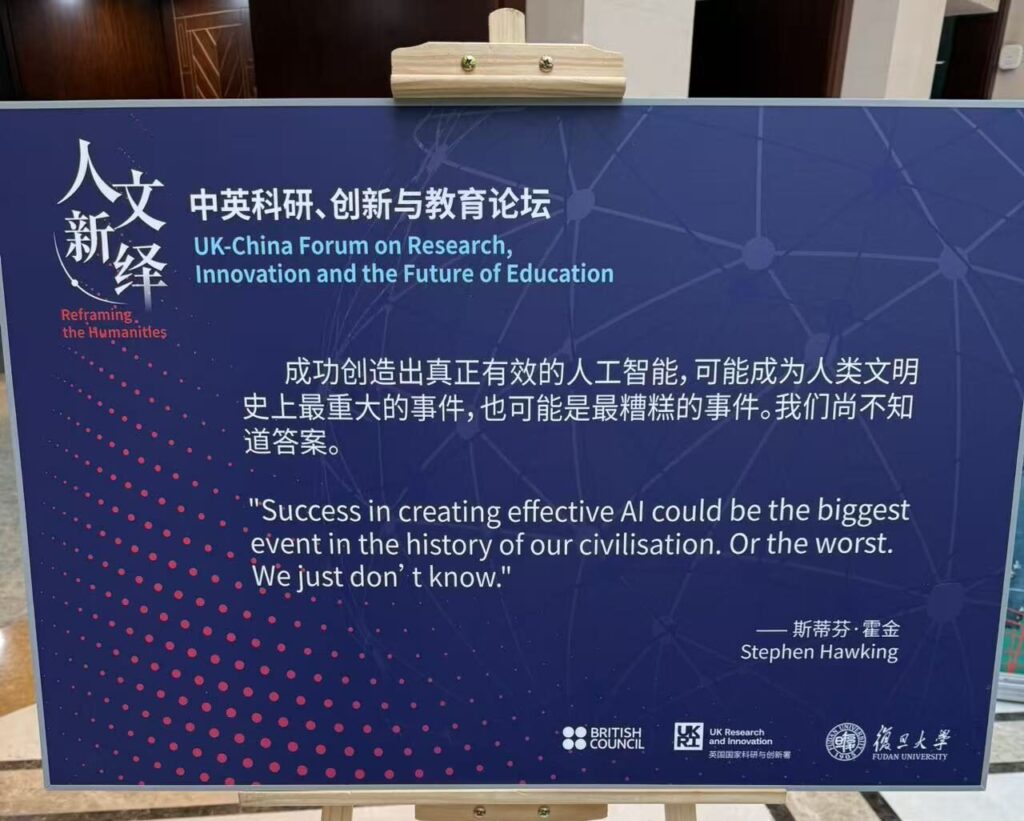
UK-China Forum Information Board. Image credit: Yu YAN

As a Queen’s alumna, I was particularly proud that my university was one of the forum’s sponsoring institutions. The event reminded me that being an alumna means more than having studied overseas; it represents an enduring connection with my university’s academic values, international outlook and spirit of openness. The conversations demonstrated how universities can bring people together, connect academic networks and turn the exchange of ideas into opportunities for collaboration.

Discussions on the humanities, artificial intelligence (AI) and educational innovation prompted me to reflect on the relationship between technological progress and human values. As AI continues to transform knowledge creation and education, questions of ethics, culture, responsibility and human dignity become increasingly important.

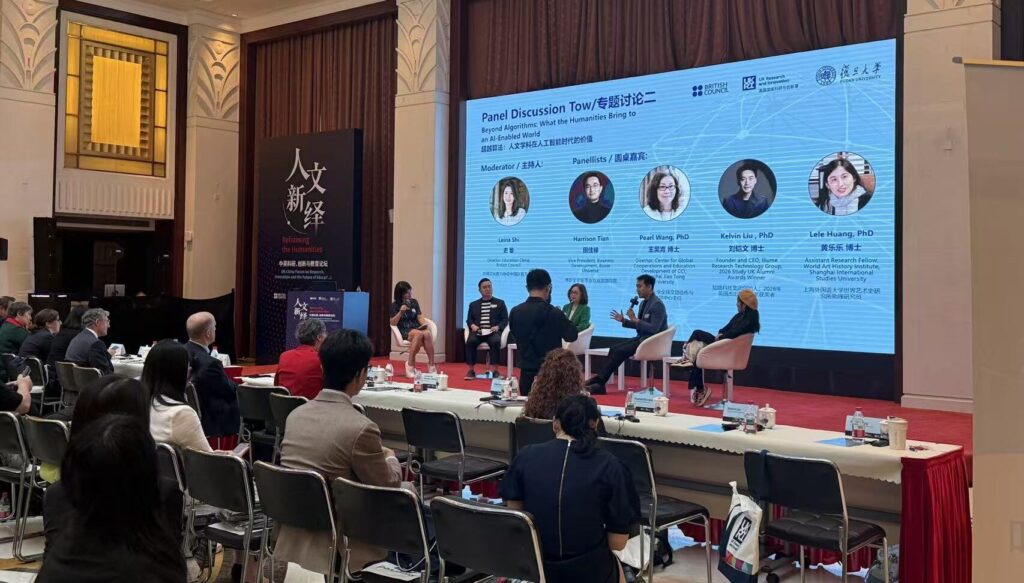
Panel discussion at the Forum. Image credit: Yu YAN

I believe the humanities and AI are complementary rather than opposing forces. While AI offers new ways to process information, analyse data and solve problems, the humanities provide the ethical and philosophical perspectives needed to guide technological development. Collaboration among humanities scholars, engineers, educators and industry practitioners can help ensure that innovation addresses genuine human needs.

This is particularly important in education. Beyond technological skills, future generations need critical thinking, creativity, intercultural understanding and social responsibility. Education in the age of AI should not simply prepare people to adapt to technology; it should empower them to use it wisely while preserving independent thought and creative expression.

The forum reinforced my belief that international education is about more than studying abroad. It connects cultures, knowledge systems and disciplines, creating opportunities for ideas to generate meaningful impact. Two weeks later, these reflections continued at the Russell Group Exploration Tour, which offered a different perspective on the institutions and academic communities shaping higher education.

The Russell Group Exploration Tour

Held at The Langham, Shanghai Xintiandi on 24 October, the Russell Group Exploration Tour provided an opportunity to reconnect with the UK university experience and explore the breadth, diversity and international outlook of British higher education.

Representatives from 15 leading UK research-intensive universities, including Queen’s, showcased their academic strengths, research capabilities and international opportunities. Learning about their distinctive histories, institutional cultures and research achievements offered valuable insight into the UK’s contribution to higher education and innovation.

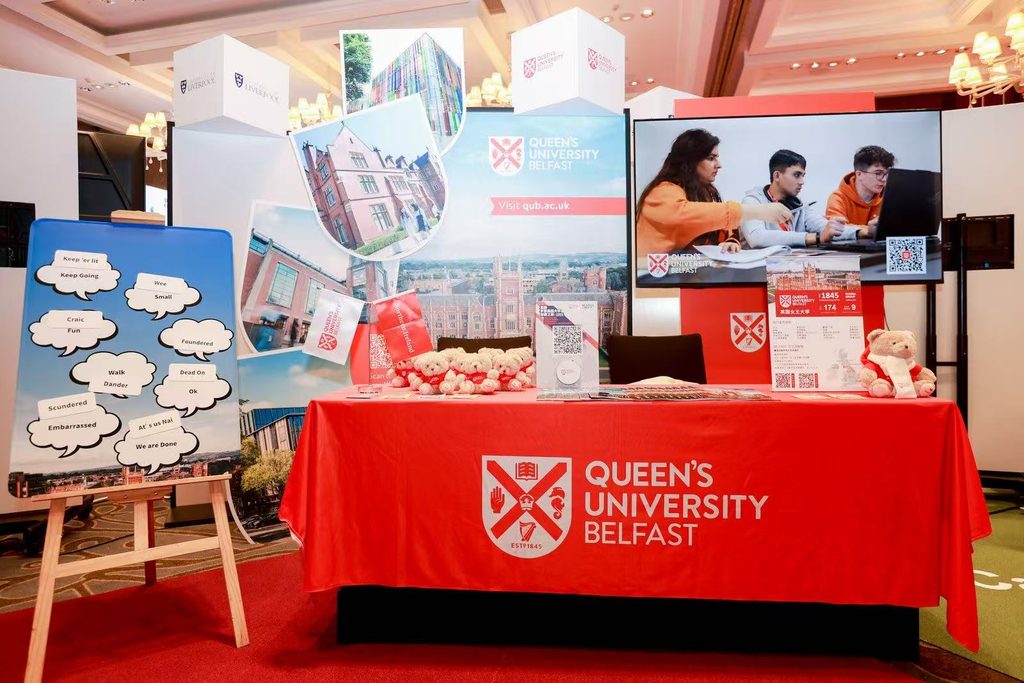
Queen’s University Belfast stand at the Russell Group Exploration Tour. Image credt: Photoplus

One highlight was the opportunity to speak directly with university representatives. Beyond information available online, these conversations provided a more personal understanding of academic programmes, research opportunities, international student development and future study pathways. For prospective postgraduate students and others exploring international education, such events offer a valuable opportunity to ask questions and make informed decisions.

The university stands combined informative presentations with interactive activities and engaging displays, creating a welcoming and lively atmosphere. It was a pleasure to explore the different institutions, discover their distinctive identities and connect with people who share an interest in education and international exchange.

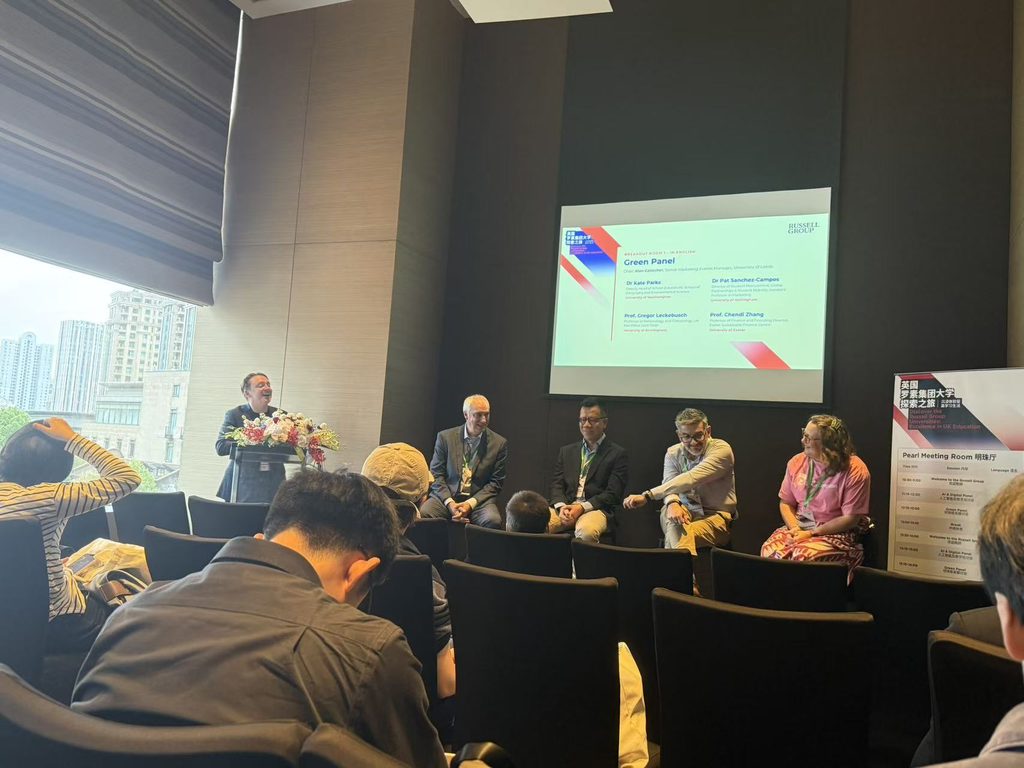
Panel discussion at the Russell Group Exploration Tour event. Image credit: Yu YAN

The experience reminded me that the value of international education extends far beyond earning a degree. It lies in broadening perspectives, engaging with different cultures and ideas, and building relationships that transcend geographical boundaries.

Connecting Ideas, Institutions and Cultures

Together, these two experiences highlighted the complementary roles of intellectual exchange and institutional engagement in strengthening UK–China educational relationships. The Fudan forum encouraged reflection on the humanities, AI and the future of education, while the Russell Group Exploration Tour offered direct engagement with the universities, opportunities and academic communities behind these conversations.

As a Queen’s alumna, I was delighted to take part in both events and witness the opportunities created when people and institutions connect across borders. I look forward to further collaboration between Chinese and British universities, bringing together the humanities, technology and interdisciplinary research to translate dialogue into meaningful progress in education and society.

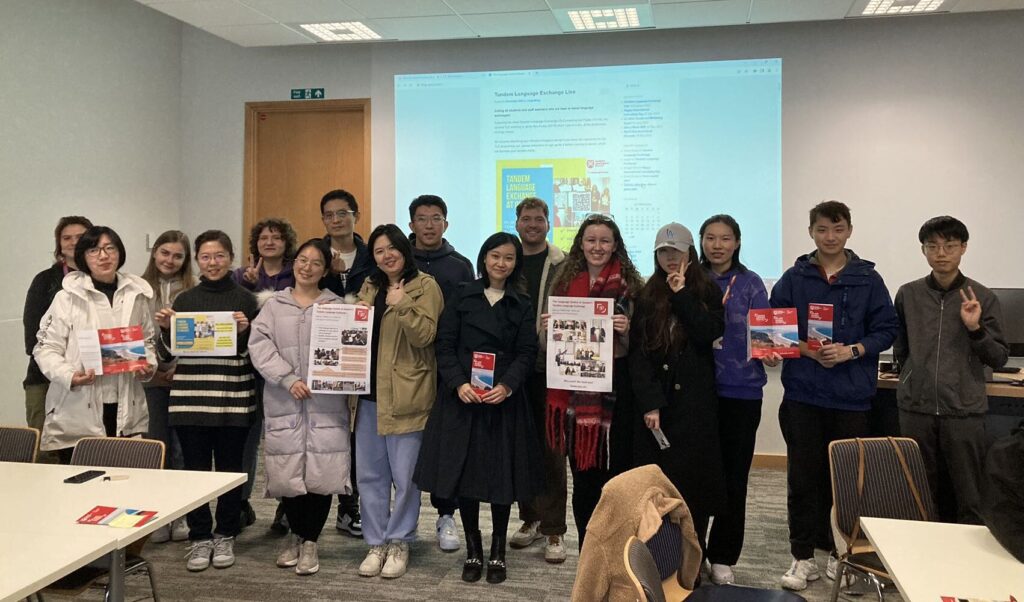
Yu YAN (centre in black coat) participated in the Tandem Language Exchange programme in October 2023. Image credit: Liang Wang

Author: Yu YAN (晏羽)
Editor: Liang Wang (王亮)