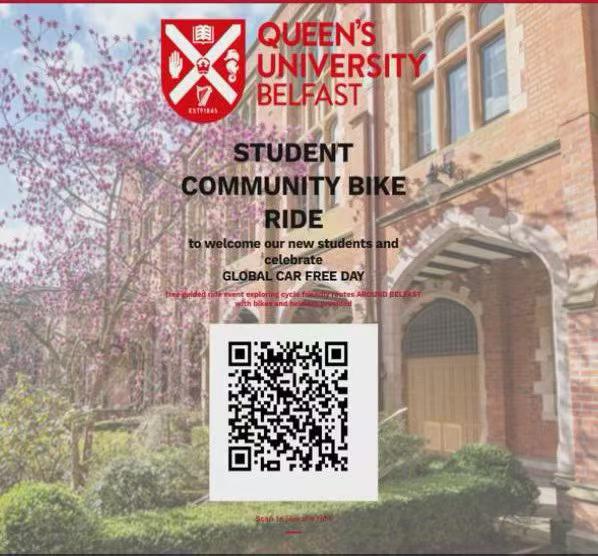
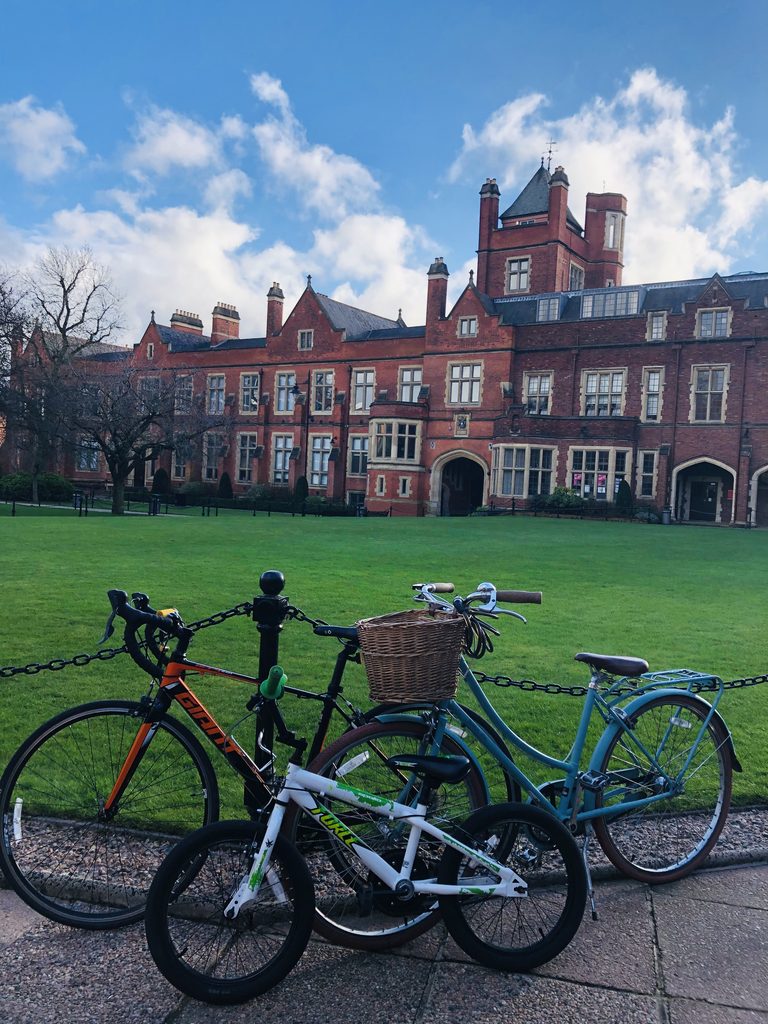
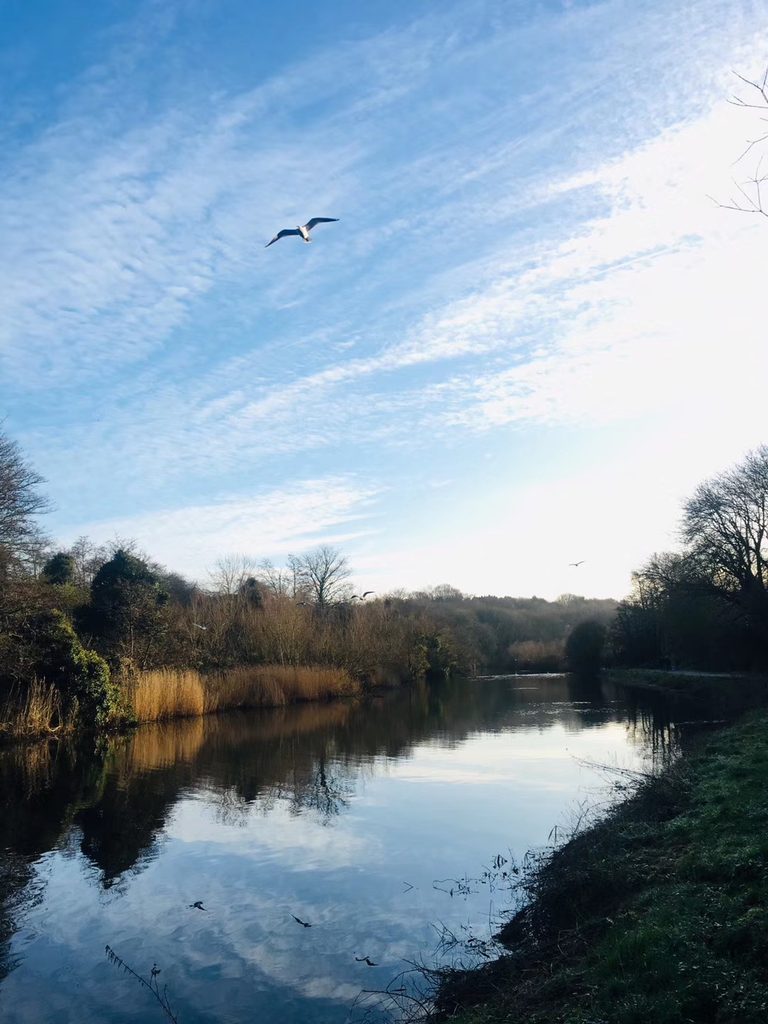
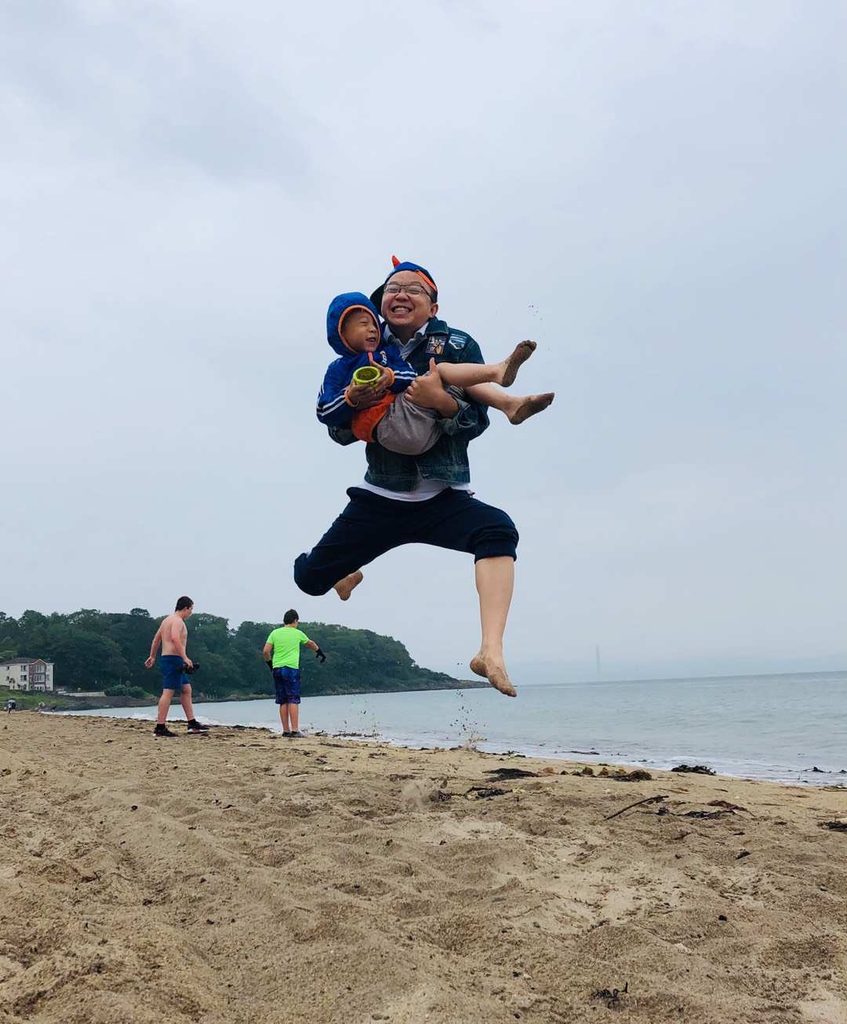
On Global Car-Free Day (22 September), Queen’s alumnus Dr Zhidong Cui joined the University’s celebration from Changchun, China, reflecting on his cycling experiences, family life in Belfast, and the special romance of riding together along the River Lagan.
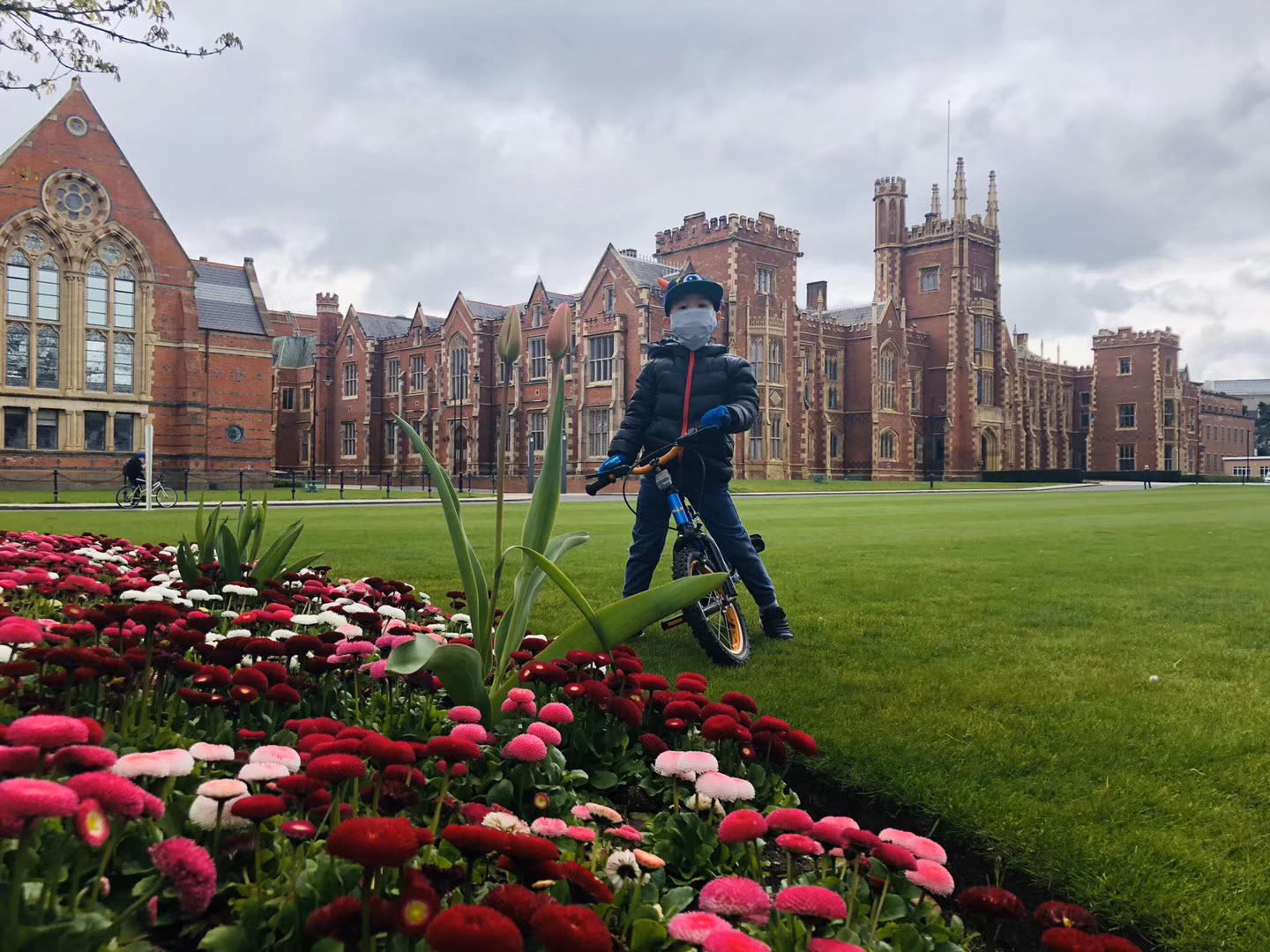
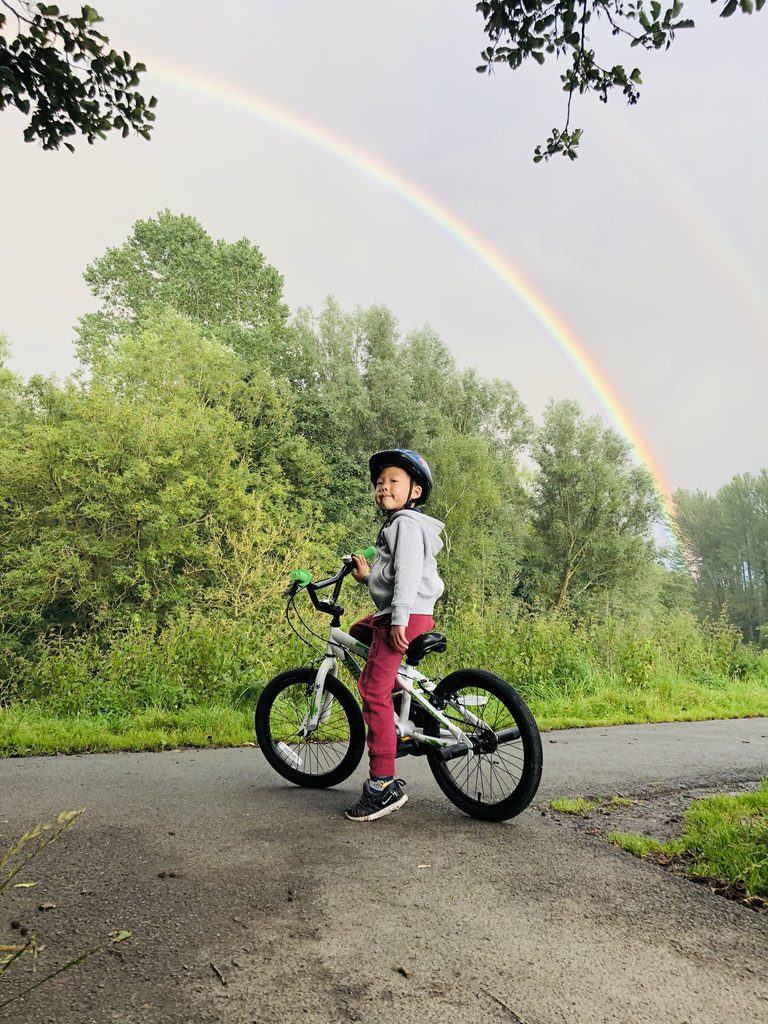
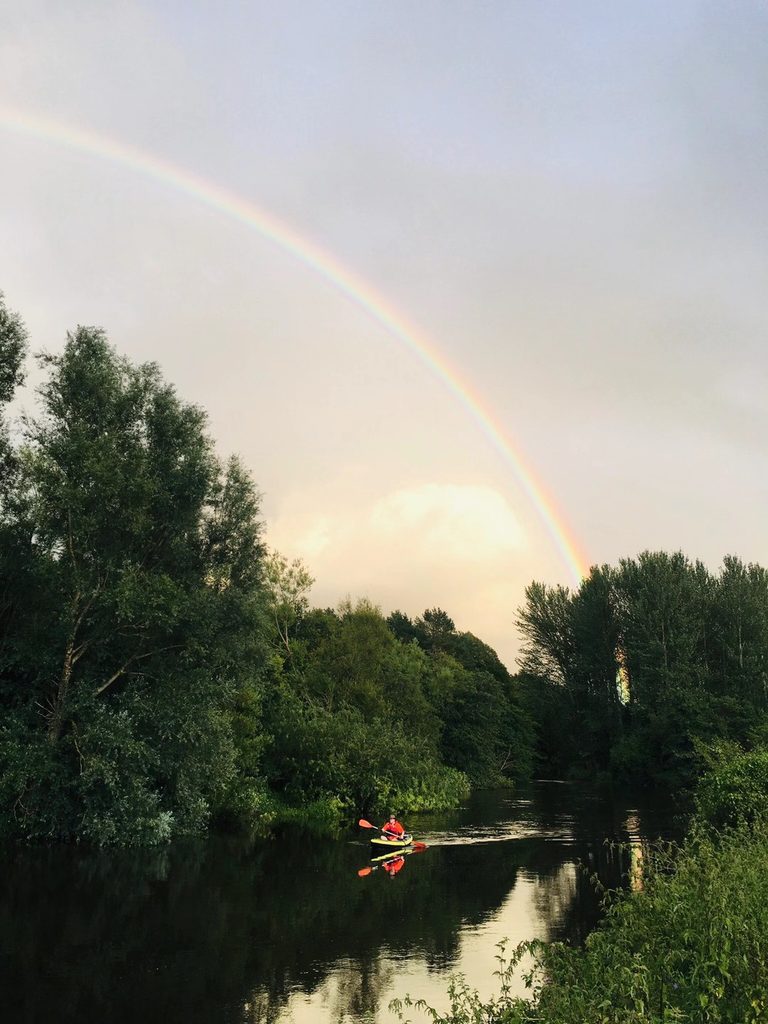
On reading Queen’s University news about a cycling event in Belfast for the World Car-Free Day, it immediately brought back memories of cycling along the River Lagan with Molly and Liam. Belfast’s changeable weather often gave us sunshine, rain and sometimes even double rainbows. Those windy, rainy and rainbow-filled rides remain among my warmest family memories.
I am far from a professional cyclist and I have never worried about whether a bike is a road bike or a mountain bike. As long as the wheels roll, the journey can begin.
I came to Changchun to study at Jilin University in 1995 and have lived here ever since. After thirty years, I thought I knew the city well. Cycling proved me wrong.
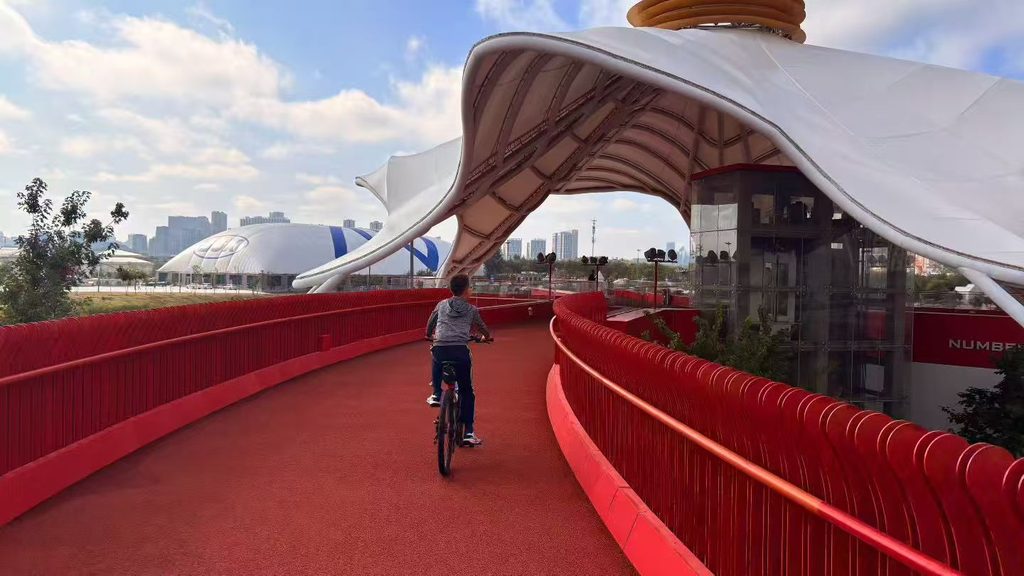
Riding slowly with the breeze, I discovered places I had never noticed before: Nanxi Cultural and Tourism Town, the Yitong River walkways, Light and Shadow Island, Moon Bay and North Lake Park. Places that were once unknown to me suddenly came alive with greenery, architecture, children’s laughter, basketball courts and evening lights.
I used to cycle alone to enjoy a rare sense of freedom and peace. Now, I prefer to ride with my wife Molly and our son Liam, which gives us another kind of happiness – the simple pleasure of discovering places together, which also reminds me that seeing a familiar world through someone else’s eyes can make it new again.
The romance of cycling crosses distance and borders. Today, I ride beside the Yitong River in Changchun; years ago, my family and I rode beside the Lagan in Northern Ireland. The places are different, but the feeling is the same: the breeze, the movement, the freedom and the joy of discovering something new.
Perhaps we do not need perfect equipment or a perfect plan. Sometimes, we simply need the courage to change our pace, choose a new road and start again. Then, wherever we are, we can still chase the wind, embrace the light, and discover a new version of life.
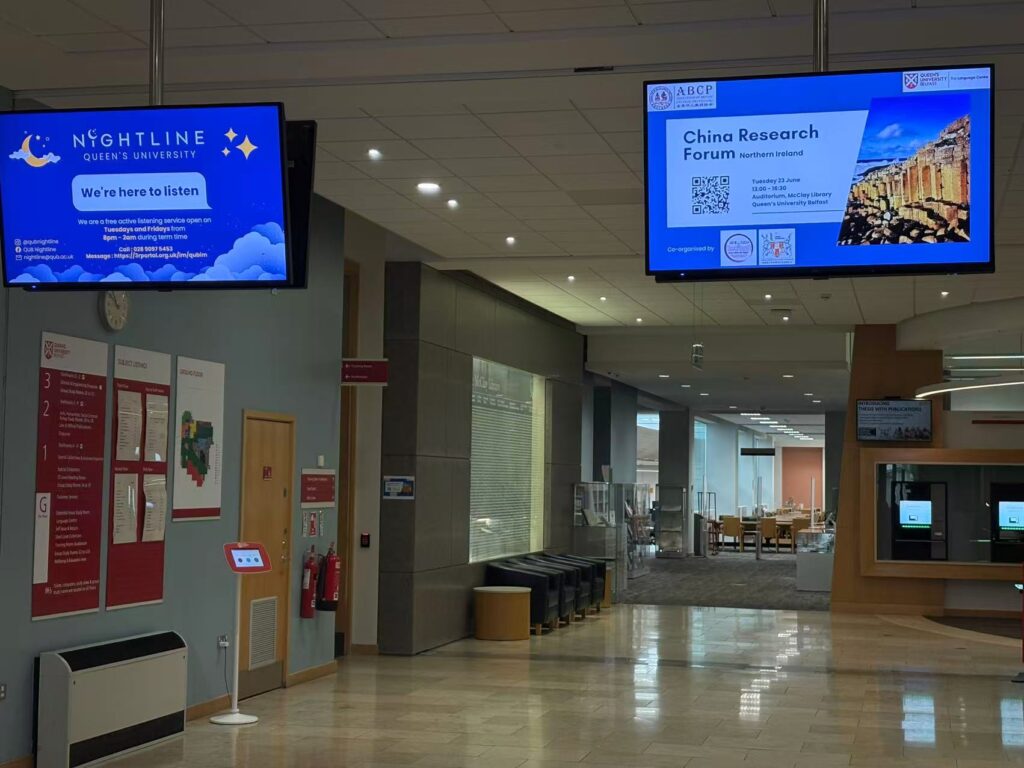
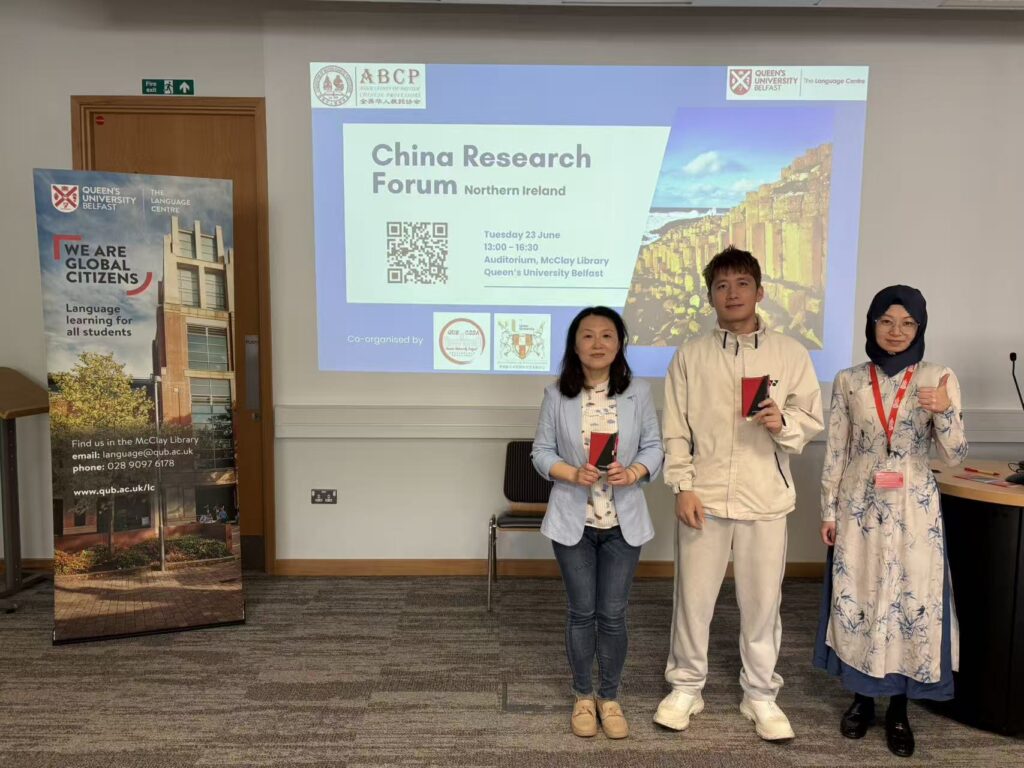
On 23 June, Northern Ireland (NI) experienced its hottest day of the year so far. The inaugural China Research Forum NI matched the heat with an equally energetic atmosphere, bringing together around 30 participants for lively discussions on a wide range of China-related topics at the McClay Library Auditorium, Queen’s University Belfast.
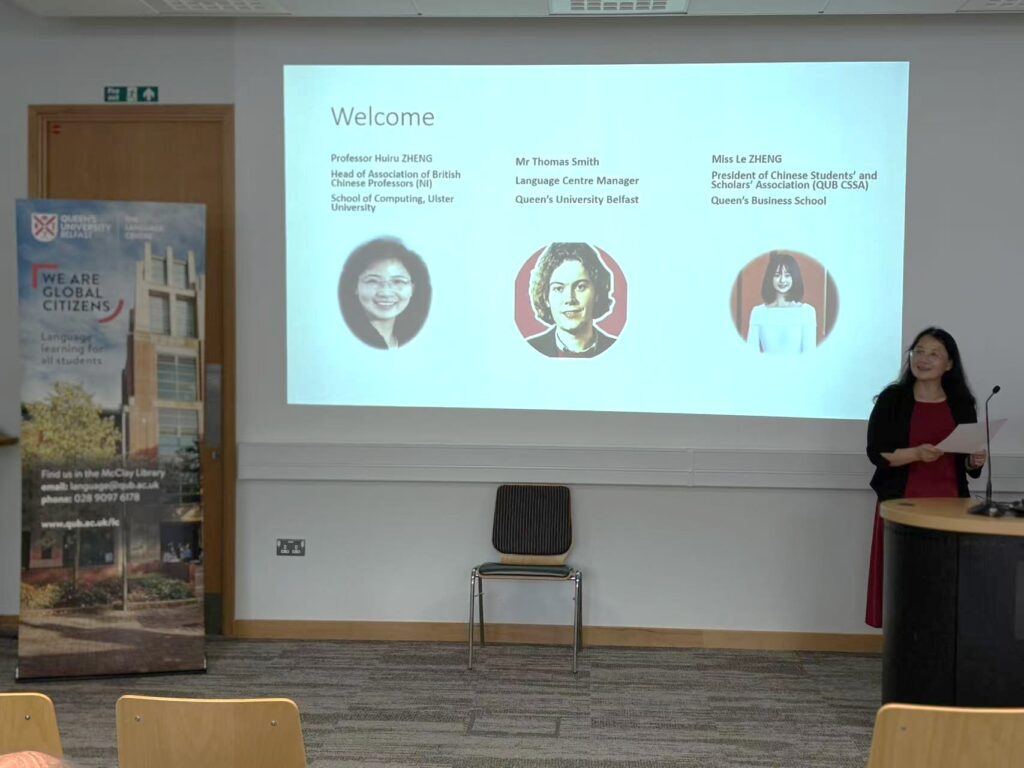
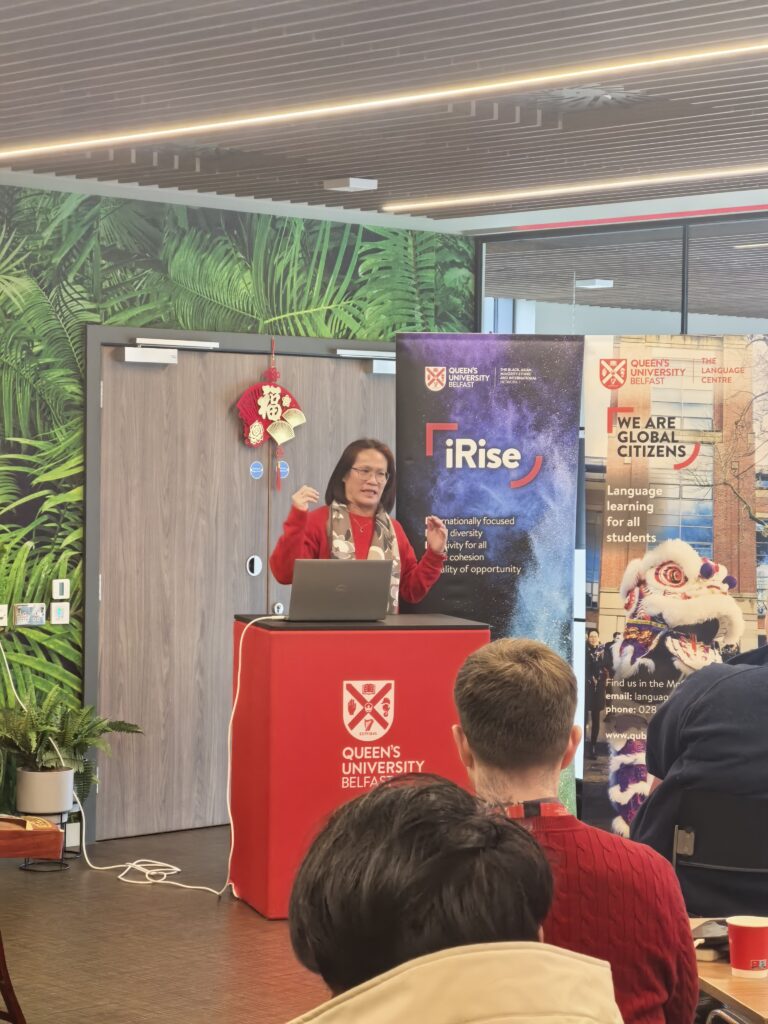
Jointly organised by the Chinese Students’ and Scholars’ Associations of Queen’s University Belfast and Ulster University, under the guidance of the Association of British Chinese Professors (ABCP) Northern Ireland Region and Queen’s Language Centre, the Forum provided a vibrant platform for academic exchange and interdisciplinary dialogue. Professor Huiru Zheng, coordinator of ABCP NI, in her welcome speech, emphasized that
“At a time when global challenges increasingly require international perspectives and cross-cultural understanding, initiatives such as this forum play an important role in promoting informed dialogue and constructive engagement. Beyond the academic programme, the forum’s commitment to public lectures, roundtable discussions, and community engagement reflects the broader goal of connecting scholarship with society and fostering mutual understanding.
ABCP is especially proud to support this student-led initiative. By encouraging research excellence, intercultural competence, and active community participation, the forum embodies values that are central to our mission. We hope it will not only showcase outstanding research but also inspire new partnerships, future collaborations, and lasting academic networks.”
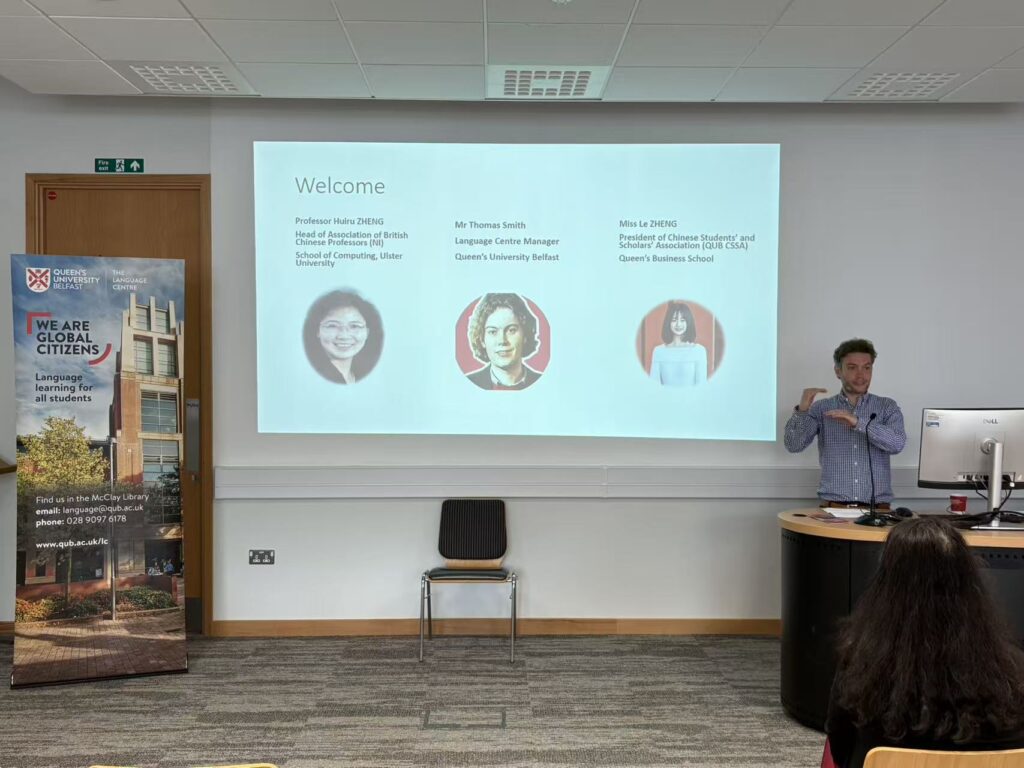
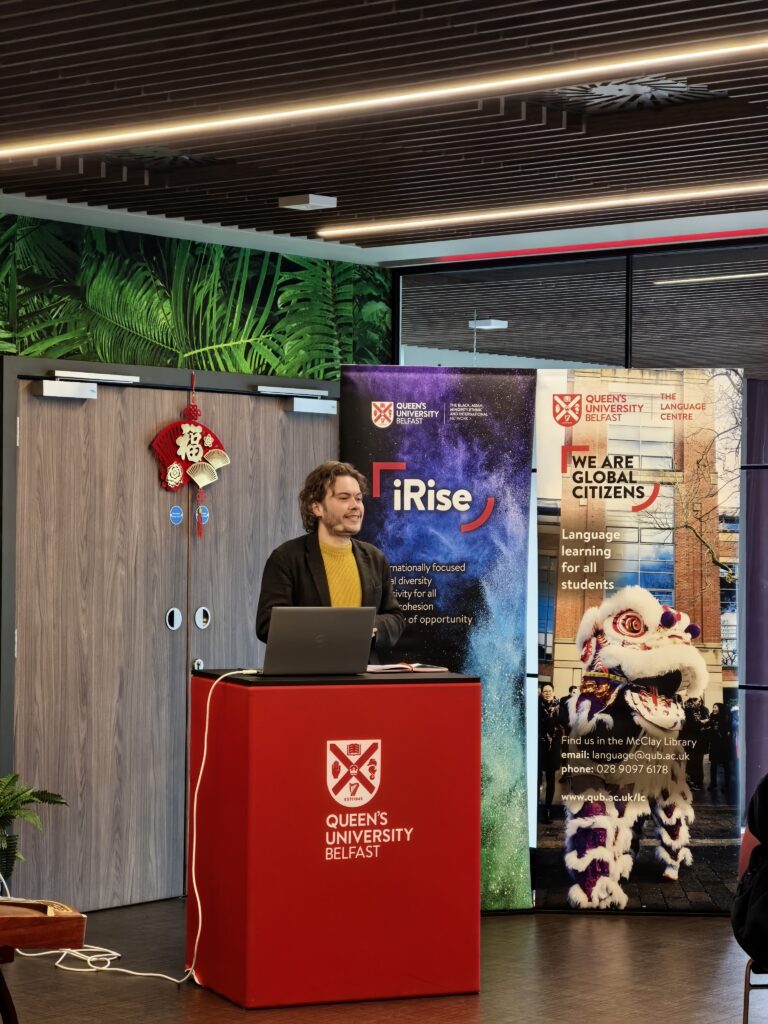
Mr Thomas Smith, Queen’s Language Centre Manager, welcomed participants from both universities and elsewhere, highlighting the value of forstering academic and professional skill sets through intercultural awareness, in which language and cultural understanding plays a pivotal role. The Language Centre at Queen’s does not merely provide foreign language courses, but also help promote a multicultural campus and society.
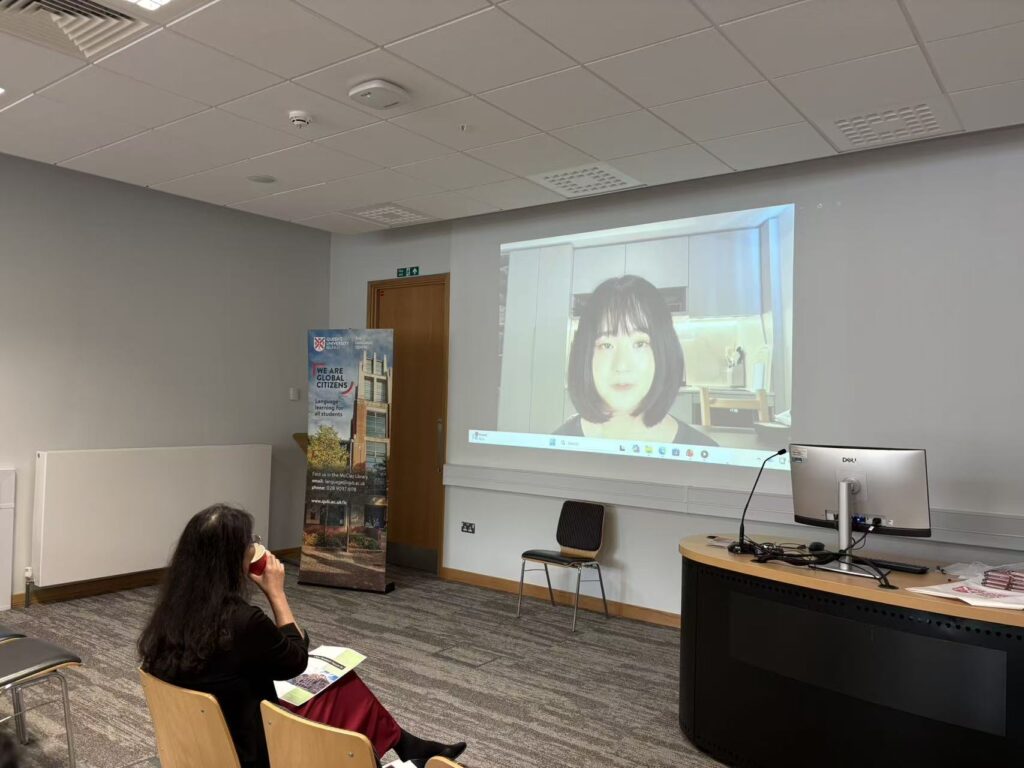
Miss Le Zheng, President of the Chinese Students’ and Scholars’ Association (CSSA) at Queen’s, although unable to attend the Forum due to a conference commitment outside Belfast, sent a recorded welcome message to participants, expressing her support for the initiative and encouraging attendees to make the most of this valuable opportunity for meaningful interdisciplinary dialogue and exchange. She wished everyone a productive and engaging forum, fostering new ideas, connections, and collaborations across disciplinary boundaries.
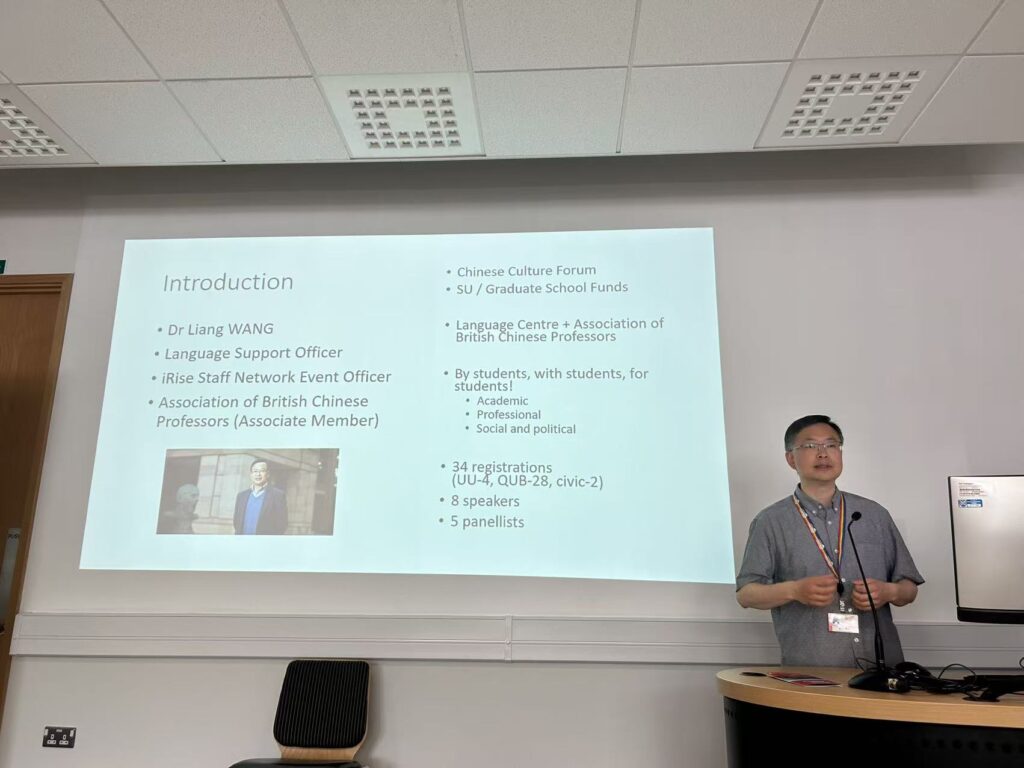
Dr Liang Wang, facilitator of this event, made a brief introduction to the foundation of the Forum and emphasized the goal of this initiative — a platform by students, for students and with students. He expressed his sincere gratitude to all speakers, volunteers, sponsors and participants’ support in making it happen within a relatively short period of preparation.
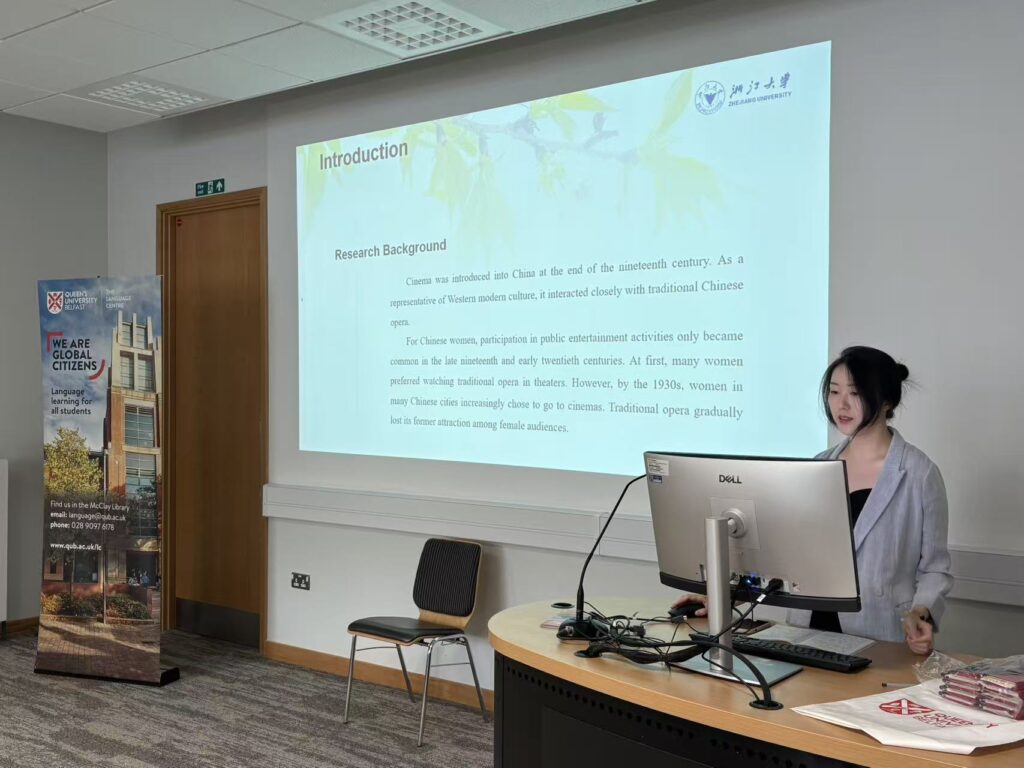
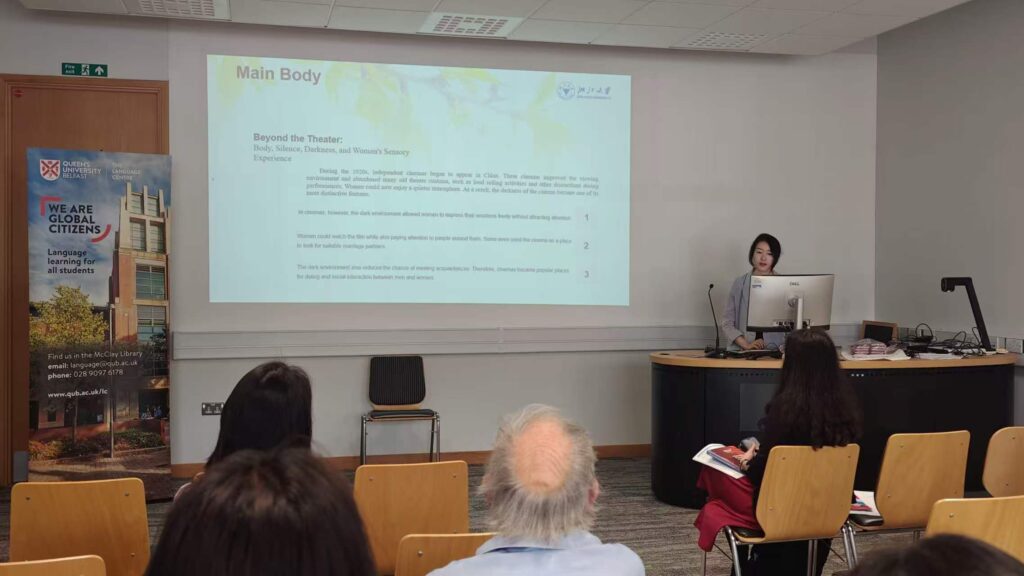
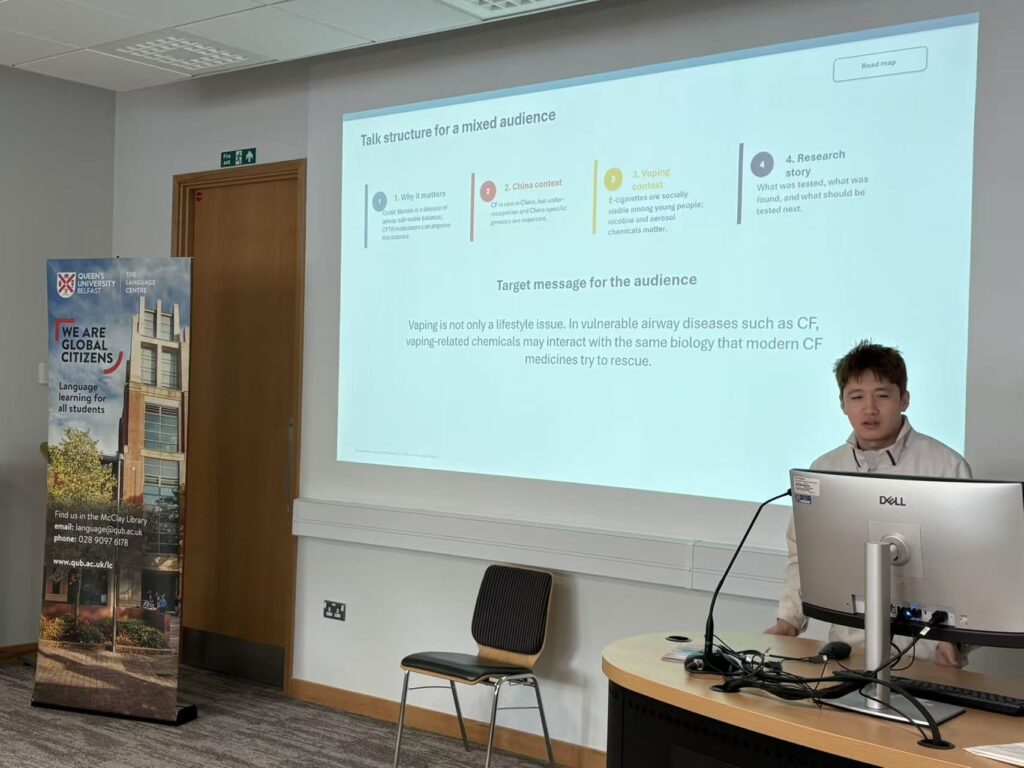
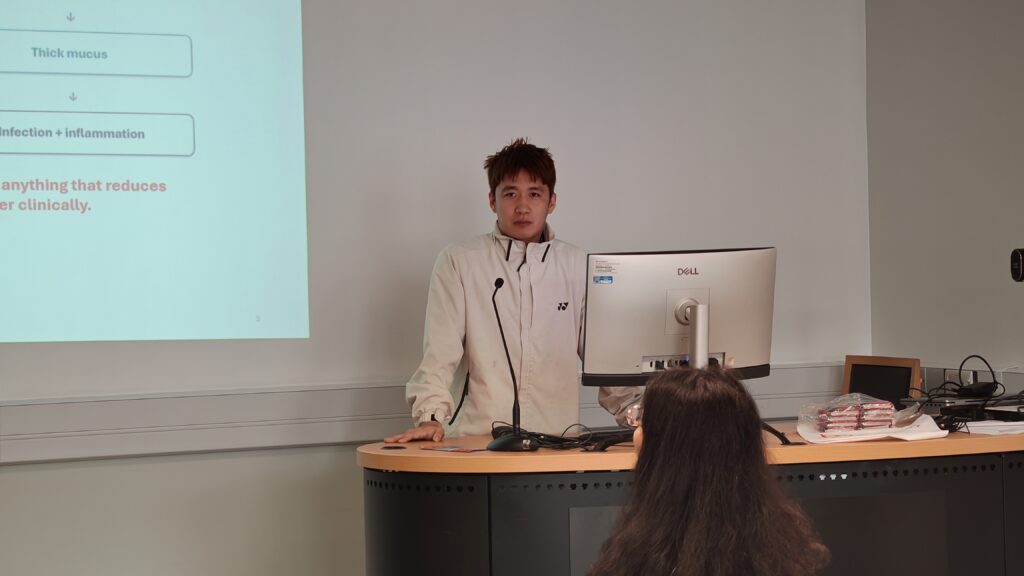
The presentations covered a rich variety of themes, including heritage literacy, religious practices, women and fashion, technology and healthcare, history and literature, language learning and the impact of artificial intelligence (AI), mothering and migrant motherhood, as well as student-led initiatives such as a film festival and an academic journal.
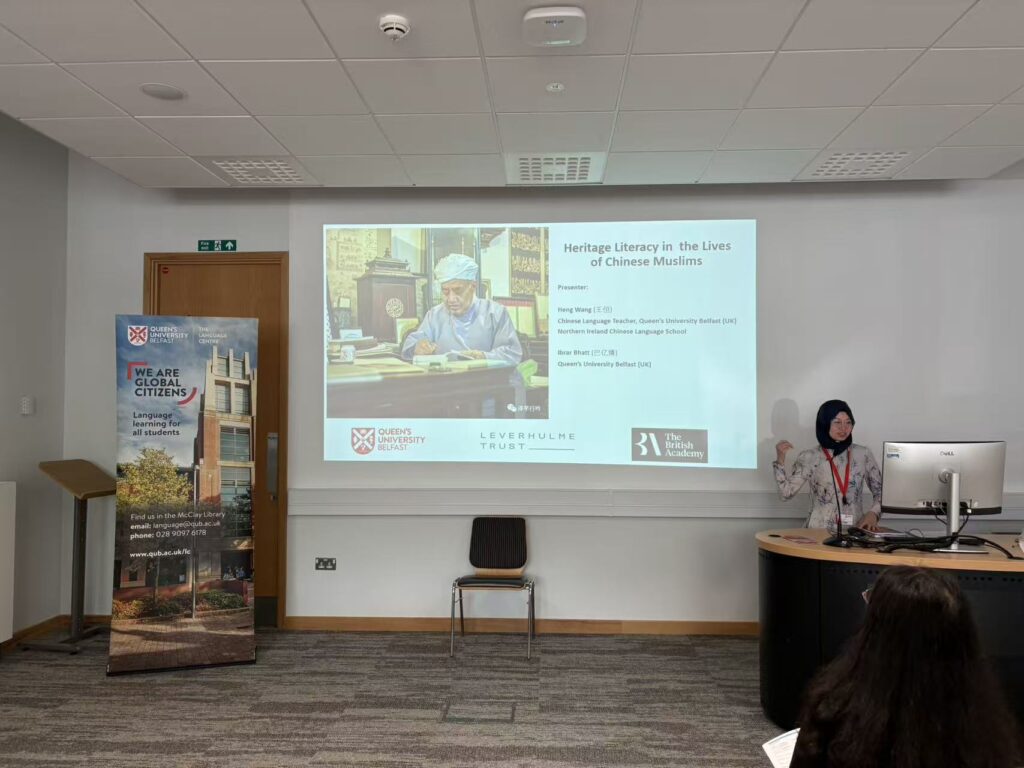
Speaker Heng WANG
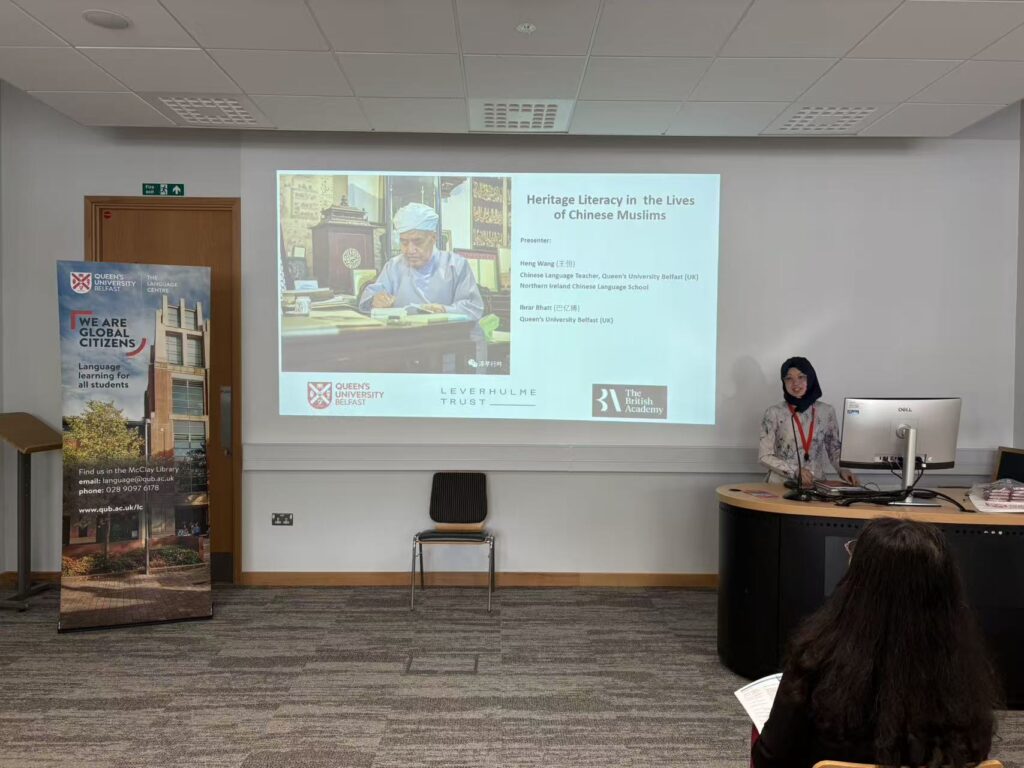
Speaker Heng WANG
Speaker Wanyu LI
Speaker Wanyu LI
Speaker Caoyang SHI
Speaker Caoyang SHI
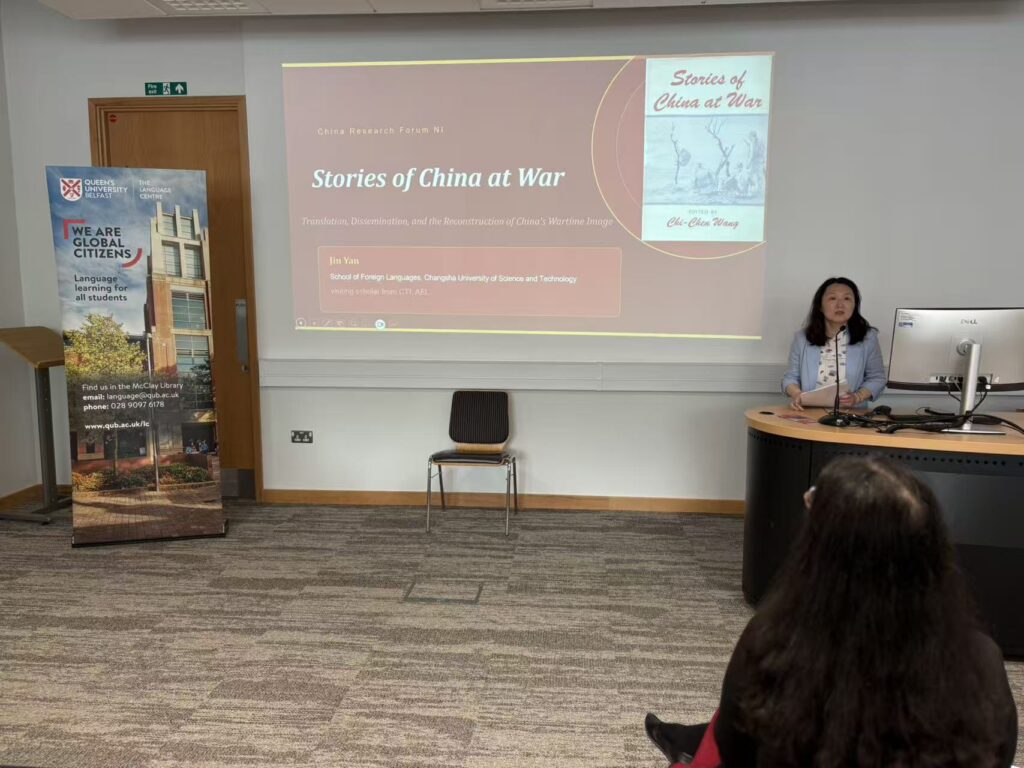
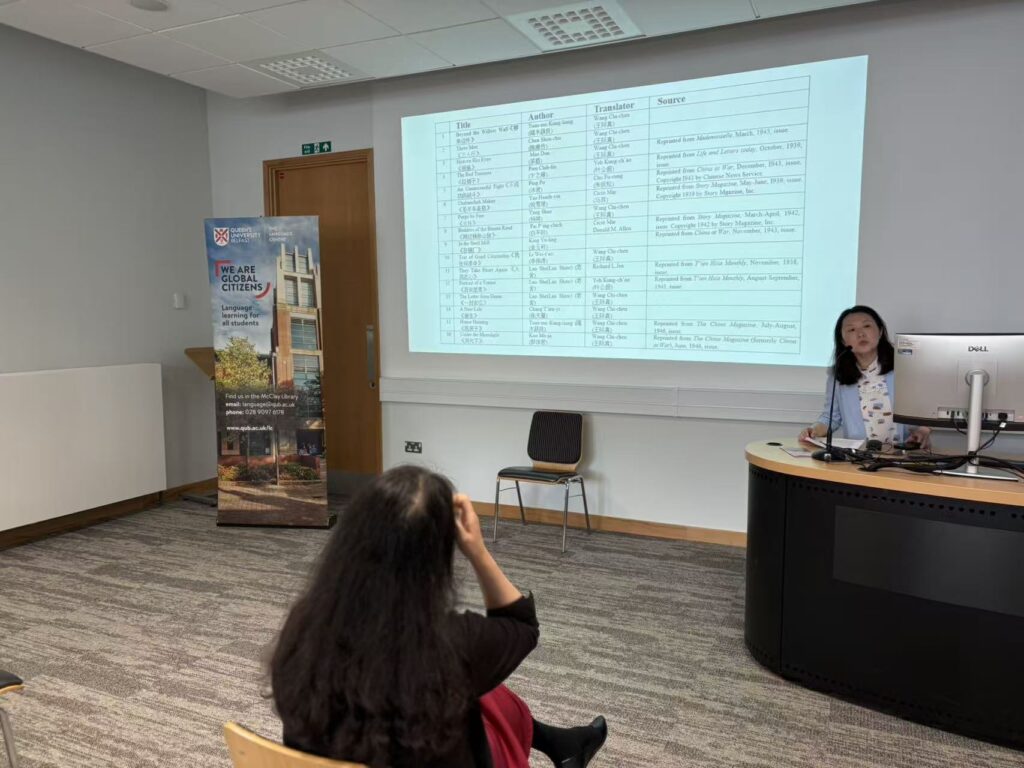
Speaker Jin YAN
Speaker Jin YAN
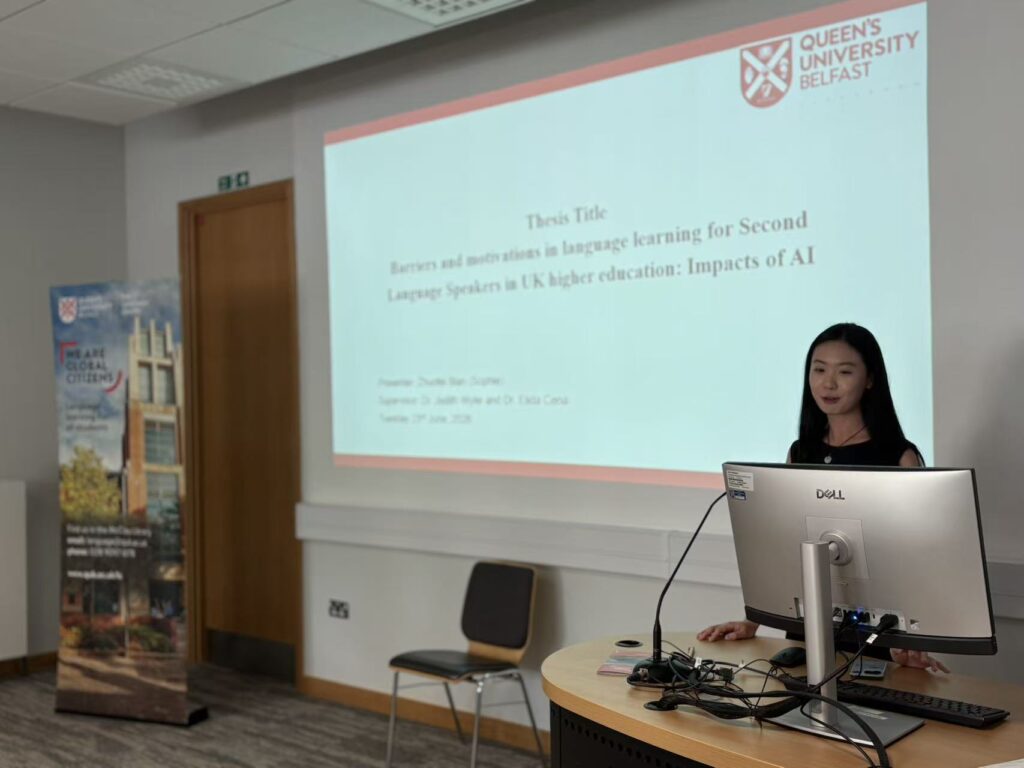
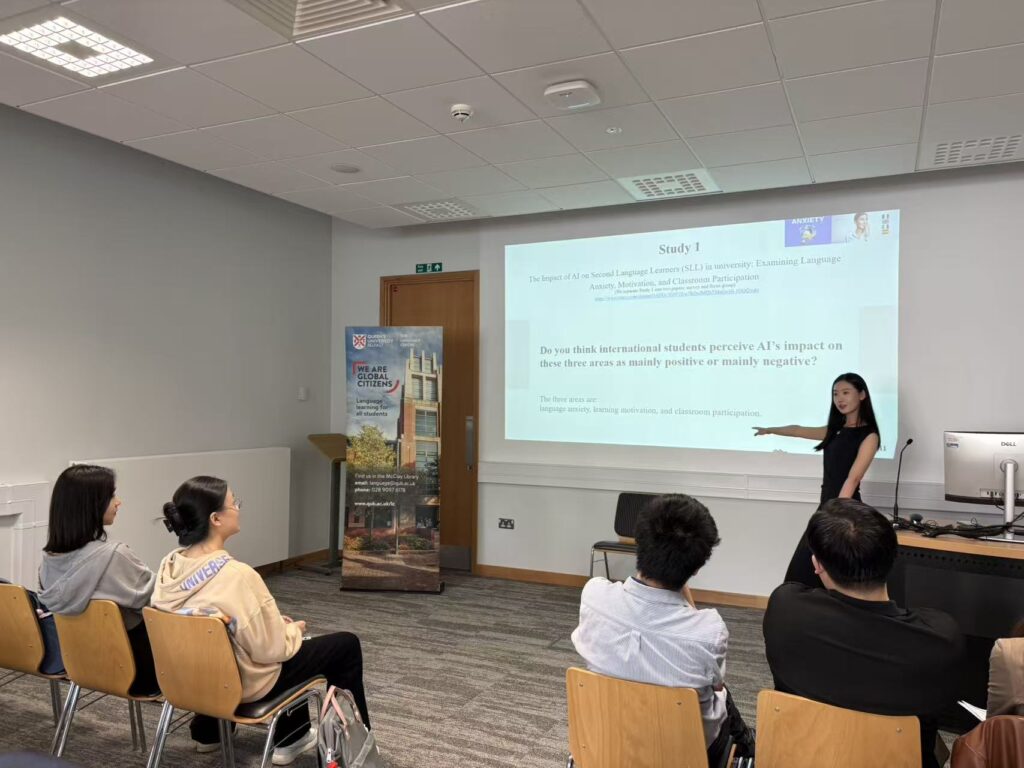
Speaker Zhuofei BIAN
Speaker Zhuofei BIAN
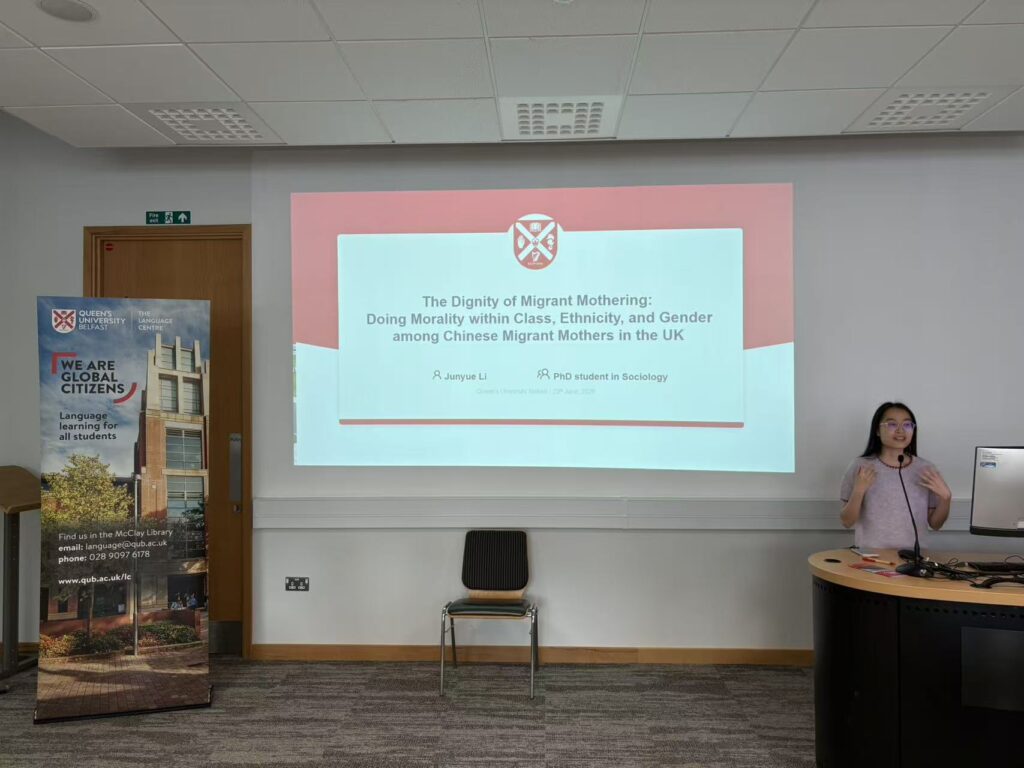
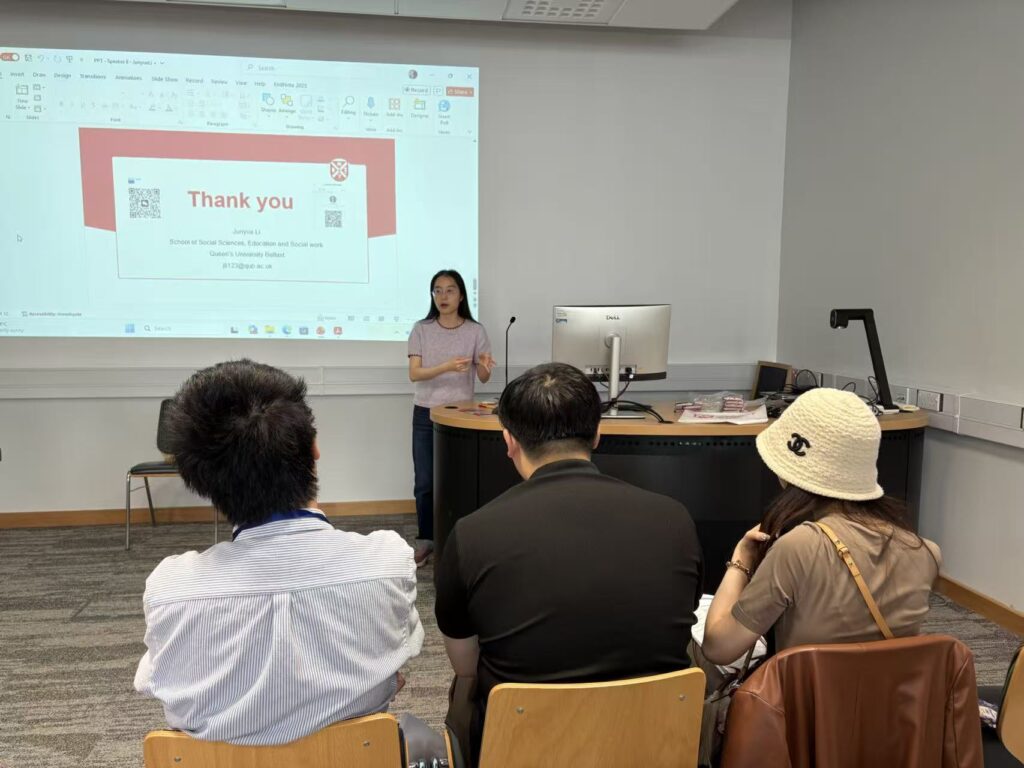
Speaker Junyue LI
Speaker Junyue LI
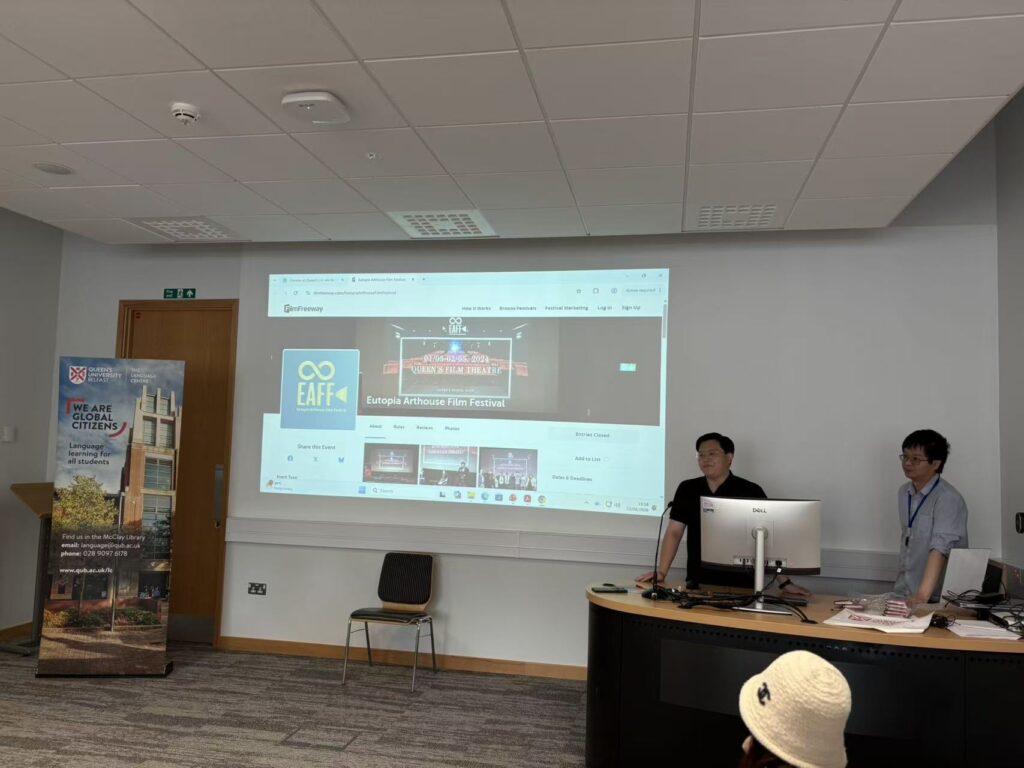
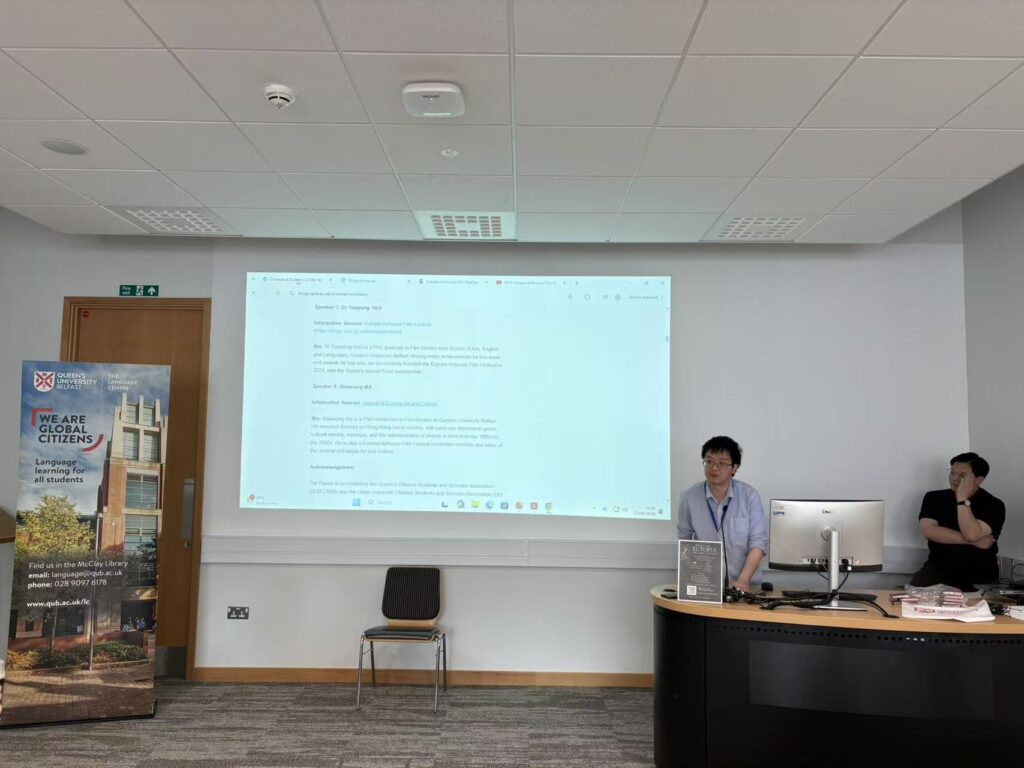
Speakers Tianpeng YAO and Xiaoxiang MA
Speakers Tianpeng YAO and Xiaoxiang MA
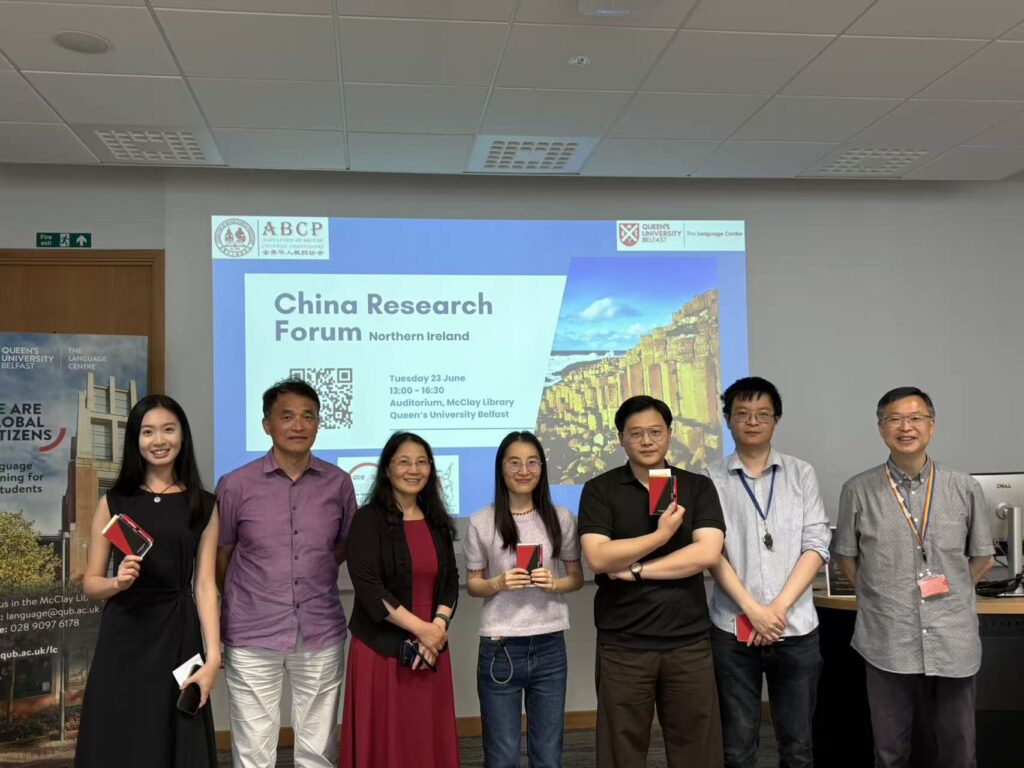
Group photo of speakers
Group photo of speakers
This breadth of topics fostered a highly interactive and intercultural environment, encouraging meaningful discussions and insightful exchanges between speakers and audience members from diverse disciplinary and cultural backgrounds. Thanks to the speakers, a collection of their presentations can be reviewed from the following link:
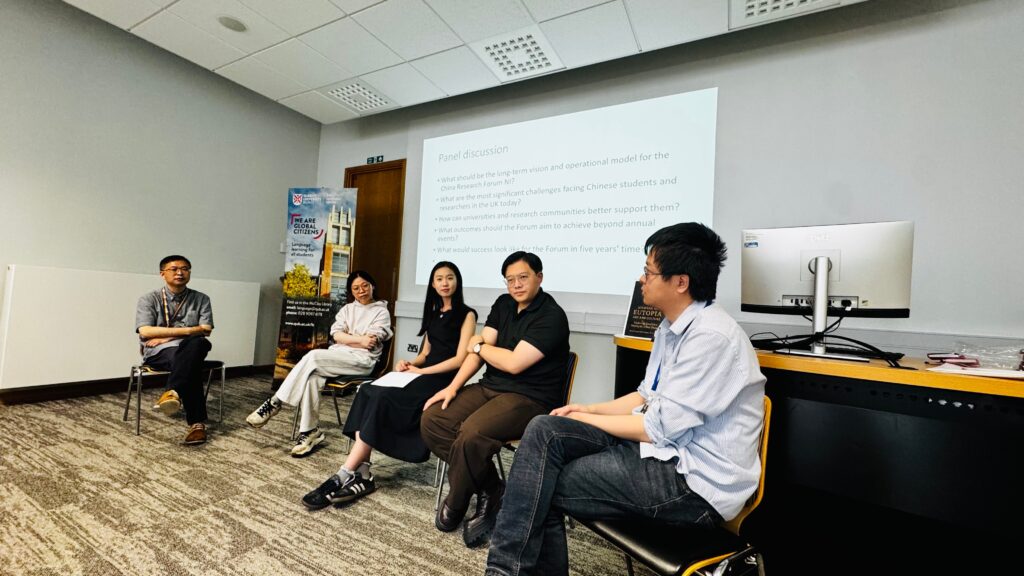
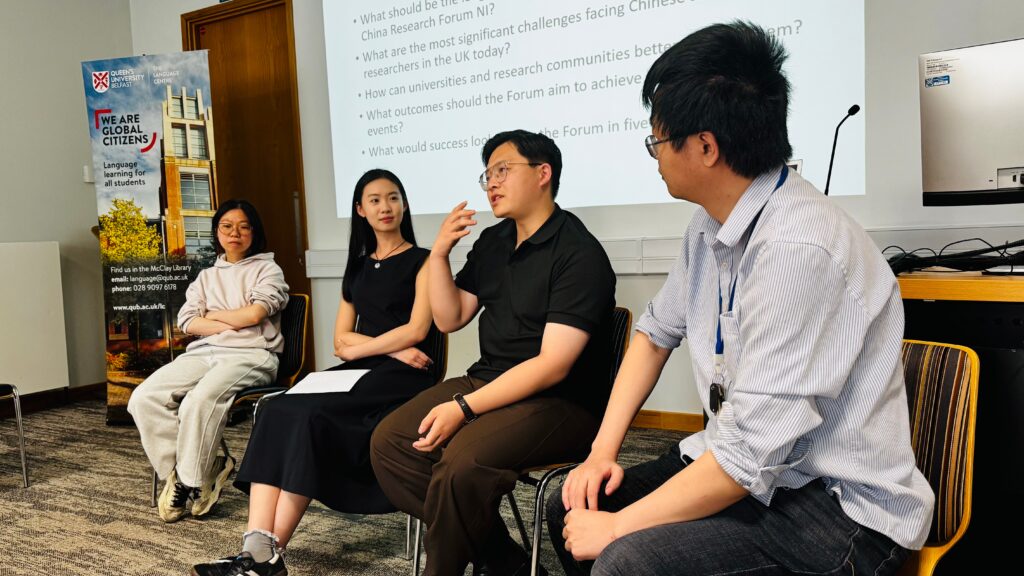
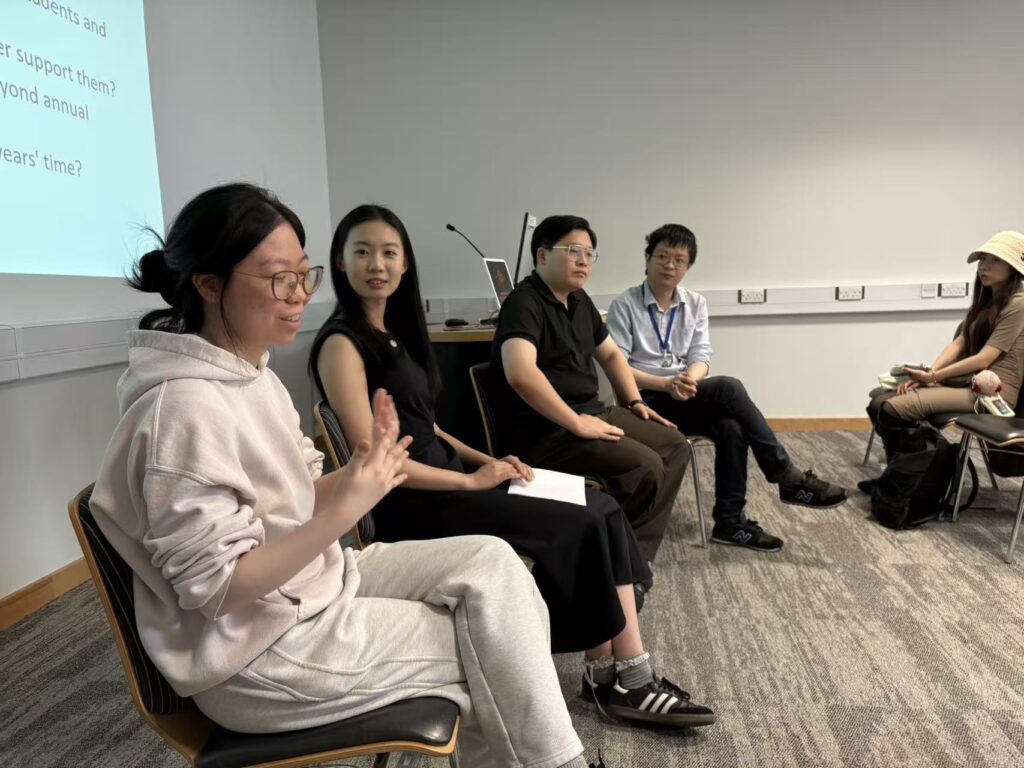
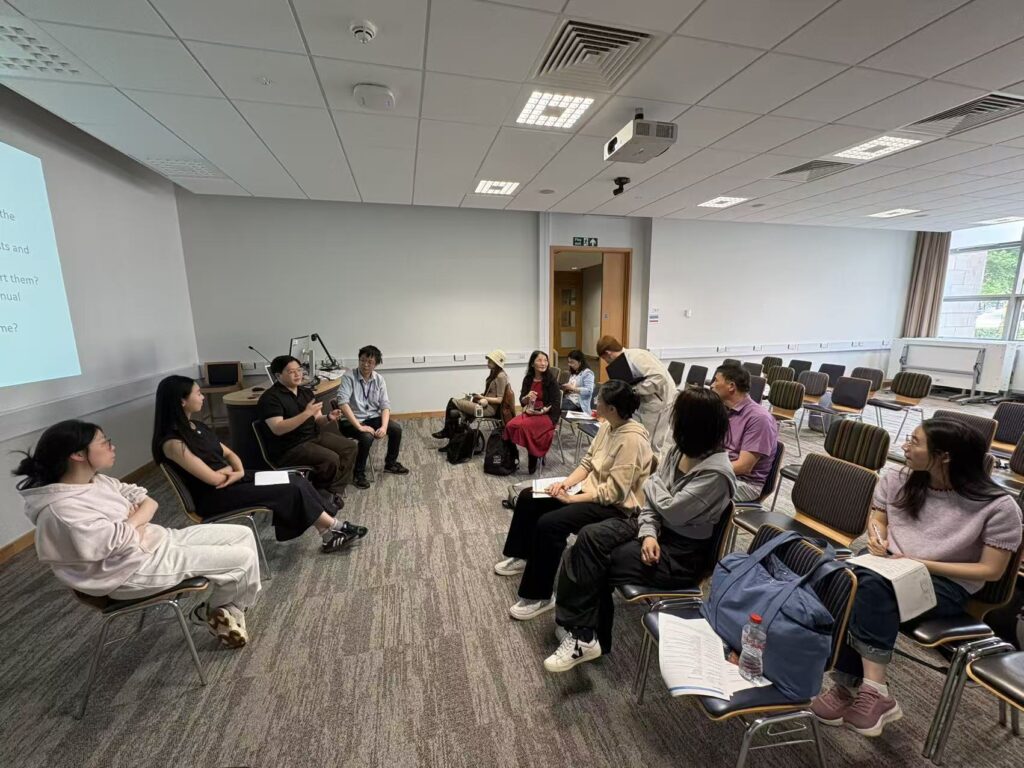
The Panel Discussion, chaired by Dr Liang Wang, welcomed student representatives Lijun Xue, Zhuofei Bian, Tianpeng Yao, and Xiaoxiang Ma as panellists. The discussion focused on the Forum’s vision, operational model, the challenges faced by Chinese students and early-career researchers, institutional support, potential outcomes, and future development. The panel was further enriched by contributions from Professor Sha Wei, Academic Lead for Race and Cultural Inclusion at Queen’s, and Professor Huiru Zheng, coordinator of ABCP NI.
A clear consensus emerged among both panellists and audience members that the Forum provides a valuable platform for researchers to meet, exchange ideas, and learn from one another across disciplinary boundaries. Participants agreed that this mutually beneficial spirit should remain central to future Forum activities, regardless of their format. Another key benefit identified was the opportunity for presenters to step outside their disciplinary comfort zones. Rather than presenting solely to supervisors and specialists within their own fields, participants were encouraged to communicate their research to a broader audience from diverse academic and professional backgrounds. This shift promoted the development of transferable communication and engagement skills, aligning closely with the objectives of the Vitae Researcher Development Framework.
Panellists also expressed a shared aspiration for the Forum to become more inclusive by attracting non-Chinese scholars and research students working on China-related topics or research involving local Chinese communities. Professor Zheng noted that comparative studies involving both China and other contexts, such as Northern Ireland, could be particularly effective in fostering dialogue and attracting wider participation. Drawing on their recent conference experiences in Dublin, both Lijun Xue and Dr Liang Wang suggested that expanding the Forum’s scope to include broader Asian or East Asian studies may be a worthwhile long-term goal.
Regarding the challenges faced by Chinese students in the UK, Zhuofei Bian observed, based on her own research, that many obstacles are shared by international students more generally, including language barriers and the development of professional and practical skills required for success in intercultural academic environments. While emphasising the importance of students proactively seeking support from supervisors and university services, she also argued that universities should provide more streamlined and accessible signposting to key resources, including academic English support, careers guidance, and skills development opportunities, especially in the age of AI.
In addition to academic challenges, participants discussed the impact of cultural adaptation, local living conditions, and wider political and economic developments on students’ wellbeing. Drawing on her own experiences, Lijun Xue highlighted how unfamiliar cultural norms and practical aspects of daily life can create uncertainty and anxiety for international students. She suggested that universities should strengthen orientation programmes and cultural awareness initiatives to help students better understand local contexts and engage confidently with surrounding communities. Professor Sha Wei echoed these concerns and reaffirmed the University’s responsibility to ensure that students experiencing difficulties receive appropriate support and guidance.
Another topic that generated considerable interest was the impact of technological advancement on research and professional development. Drawing on his recent job application experiences in China, Tianpeng Yao explained how AI is increasingly becoming a factor in recruitment processes and professional assessment. He suggested that AI is likely to have a profound influence on the future academic and employment landscape, creating both opportunities and challenges for emerging researchers.
When discussing the future dissemination of Forum outcomes, Xiaoxiang Ma, Chief Editor of the Journal of Eutopia Art and Culture, highlighted the importance of transforming suitable presentations into publications. Alongside more immediate forms of dissemination, such as blogs and online platforms, he suggested that publication opportunities could provide a strategic mechanism for sustaining the Forum’s academic impact and visibility.
Due to time constraints, the discussion could not explore all topics in depth. Participants were therefore invited to continue contributing their ideas and suggestions through the Forum evaluation form, enabling a broader collection of feedback to inform future development.
Written by Dr Liang Wang, with contributions from notes taken by Junyue Li during the panel discussion.
This year Duanwu Festival (端午节 Duānwǔjié), also known as Dragon Boat Festival (龙舟节 Lóngzhōujié), falls on Friday 19th June.
To mark the occasion, two celebratory events were organised prior to the festival: one on campus at Queen’s University Belfast and the other in the local community. Together, these events provided opportunities to explore the history, customs, and cultural significance of one of China’s traditional festivals.
Celebration 1: Two Festivals, One Celebration: Duanwu and Dano Mid-Summer Social
Jointly organised by QUB iRise Staff Network and The Language Centre, Queen’s staff enjoyed attending a mid-summer social event that successfully celebrated both the Chinese Duanwu Festival and the Korean Danoje Festival, two traditional East Asian festivals that occur around the same time of year. The event was organised as an opportunity to promote intercultural understanding, community building, and a sense of belonging among staff from a diverse cultural background.
Dr Bee-Yen gave a welcome.
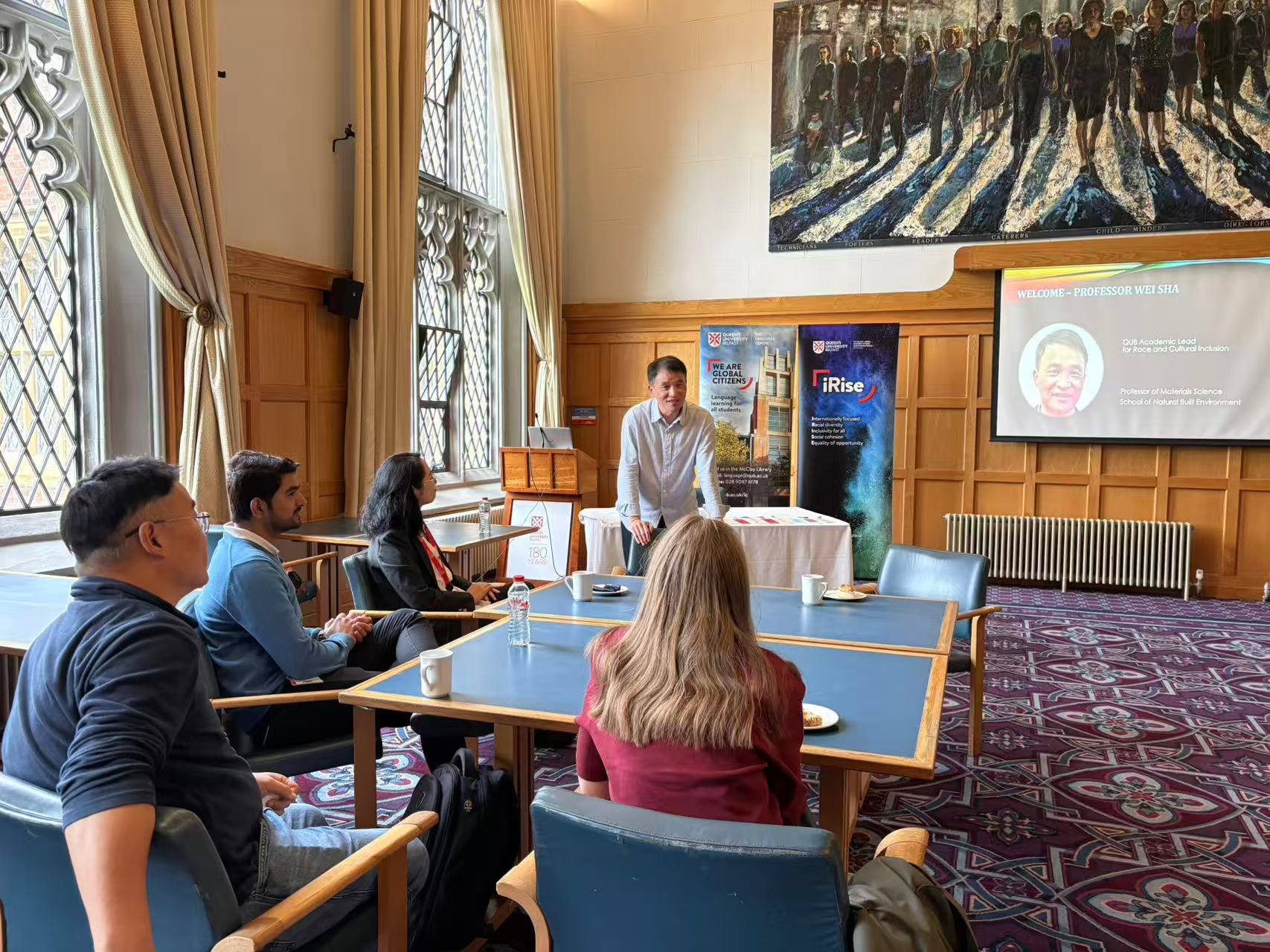
Prof Wei Sha gave a welcome.
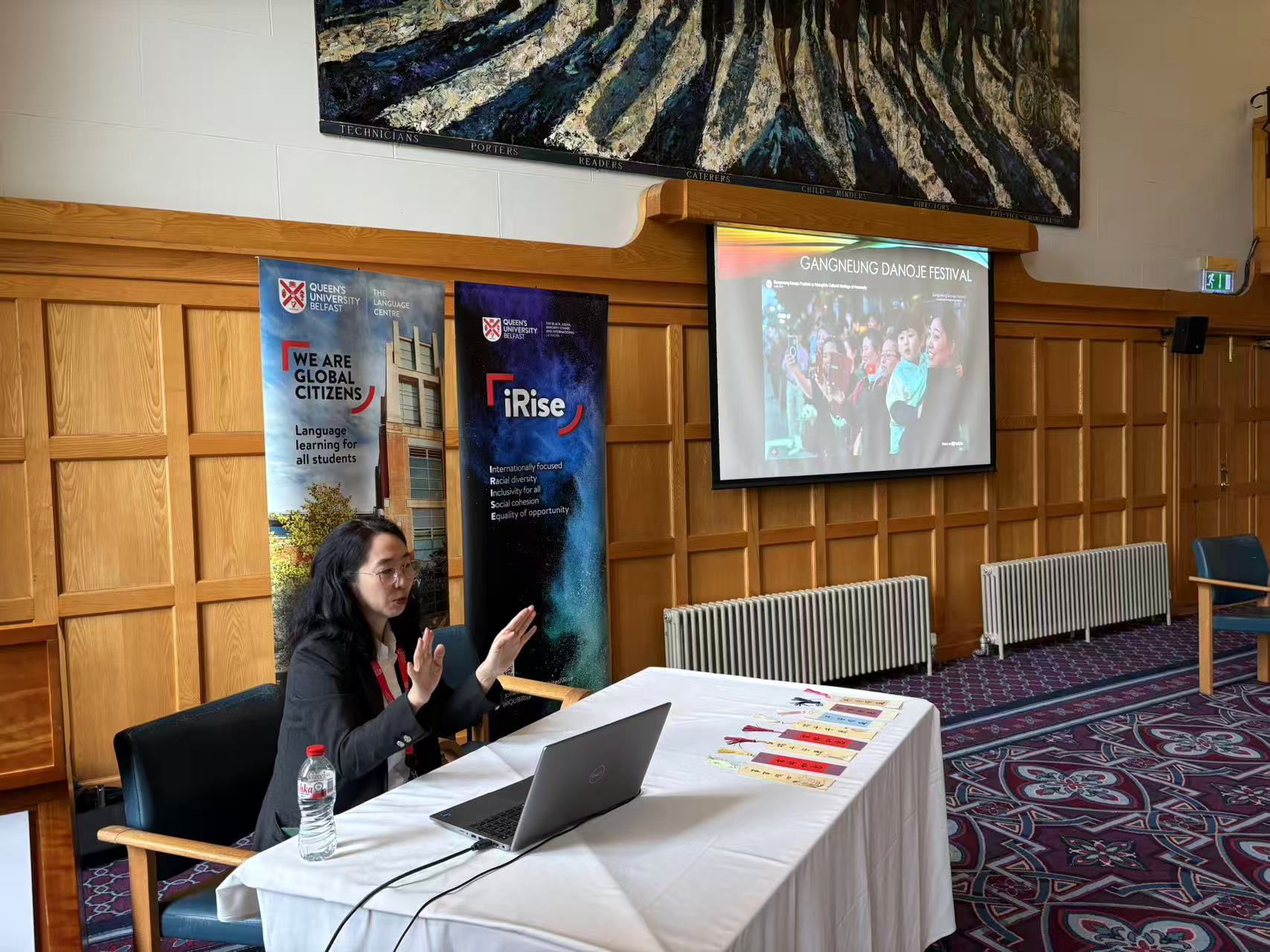
The morning began with opening remarks from the iRise Co-Chair, Dr. Bee-Yen Toh who introduced the work of iRise and reflected on the network’s growing programme of activities, encouraging more staff participantion and contribution to its Cultural Diversity Scheme. The REC Academic Lead Prof Wei Sha also offered welcoming remarks before the event moved into two cultural presentations: Dr. Liang Wang from China introduced Duanwujie, while Dr Suyhun Kim from Korea introduced Danoje.
Dr Liang Wang introduced Duanwu Festival.
Dr Shuyun Kim introduced Dano Festival.
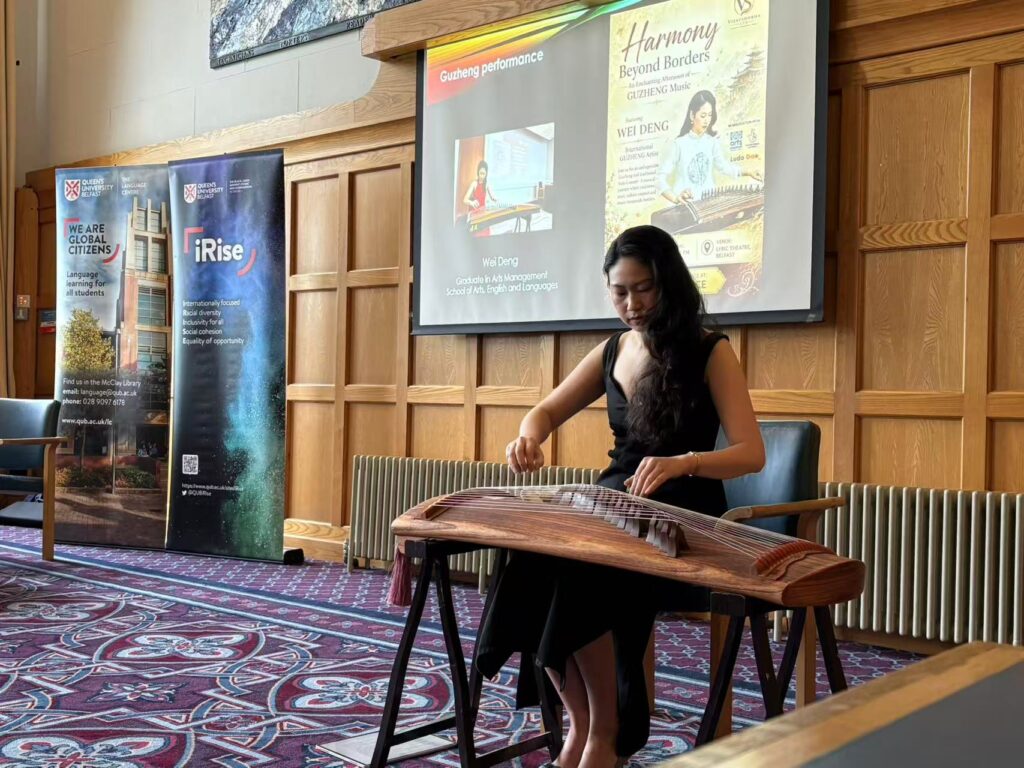
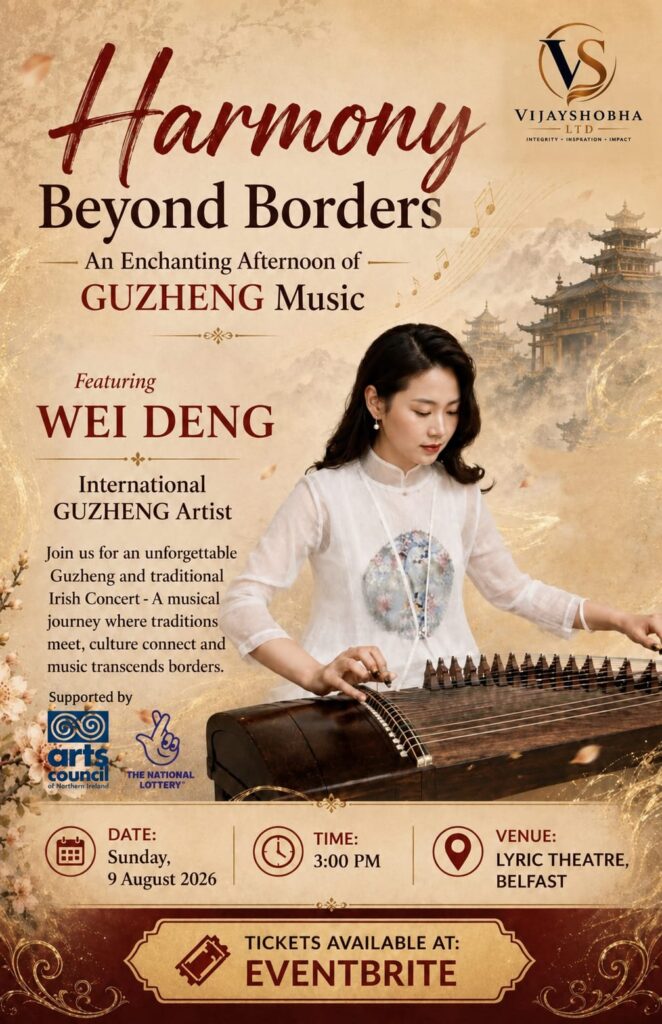
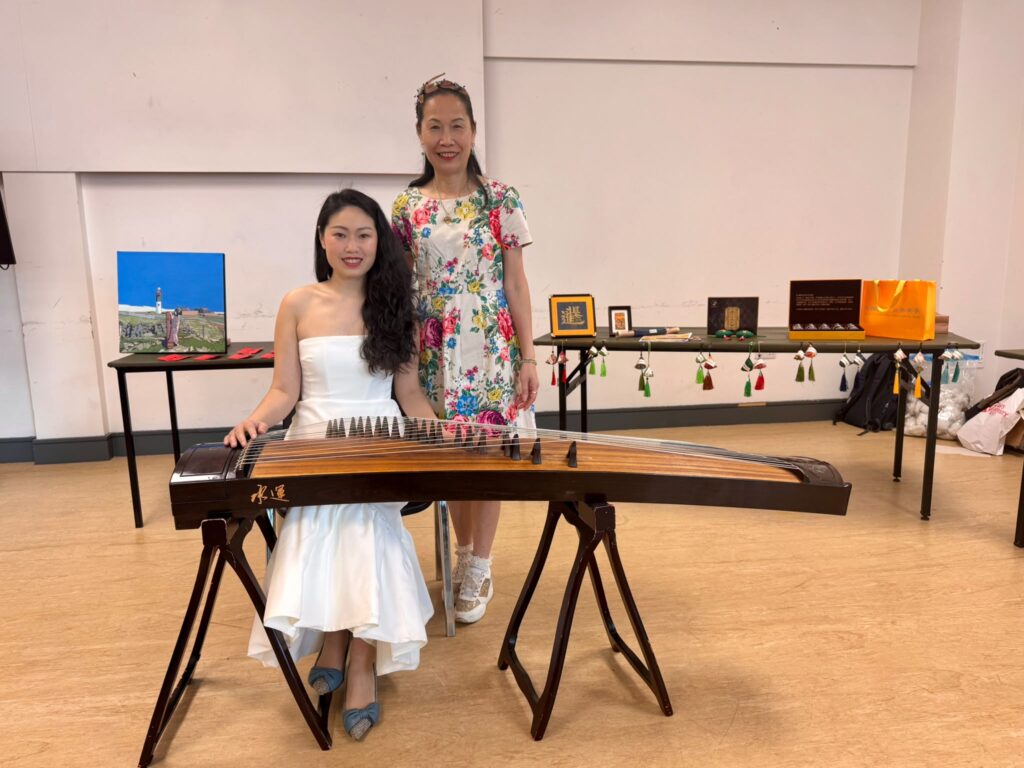
The event was further enriched by a guzheng performance from Wei Deng, a graduate in Arts Management from the School of Arts, English and Languages. Wei, holding a Global Talent Visa, has been committed to integrating guzheng techniques with Irish music elements, with which she is going to host her guzheng concert at the Fleadh Cheoil na hÉireann (the world’s largest celebration of Irish traditional music). Wei extended her invitation to QUB staff to attend her concert in coming August.
Wei Deng performed guzheng music.
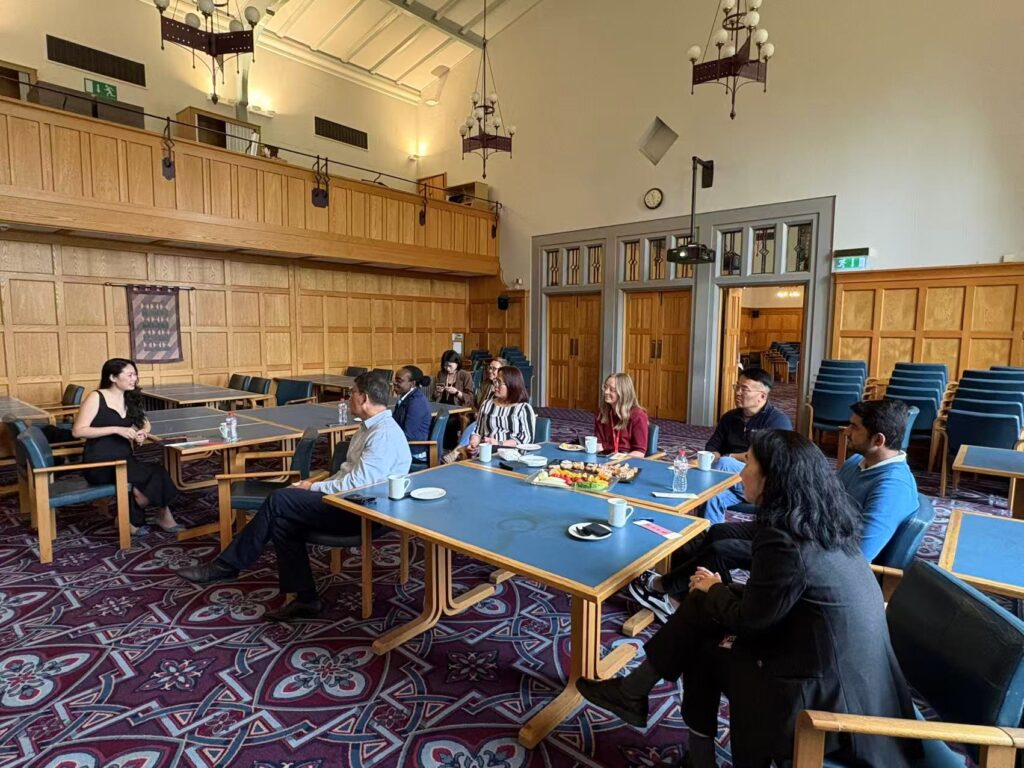
Wei Deng communicated with Queen’s staff about her upcoming guzheng concert.
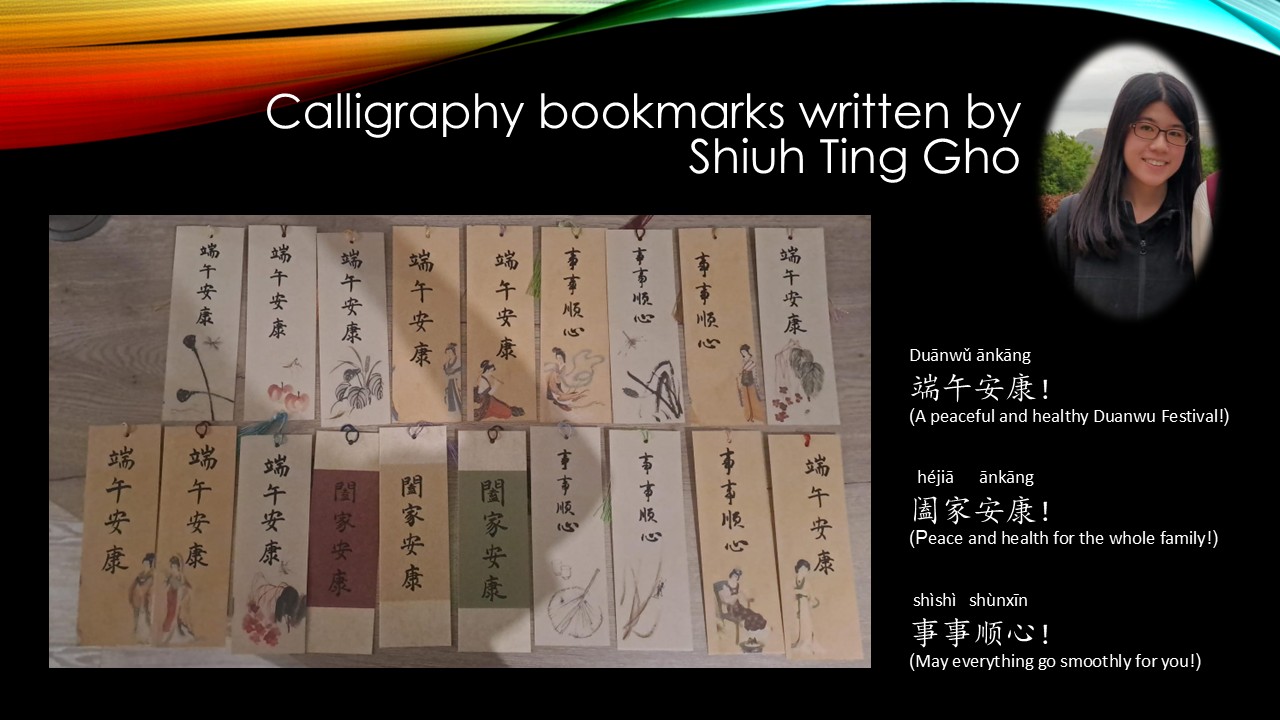
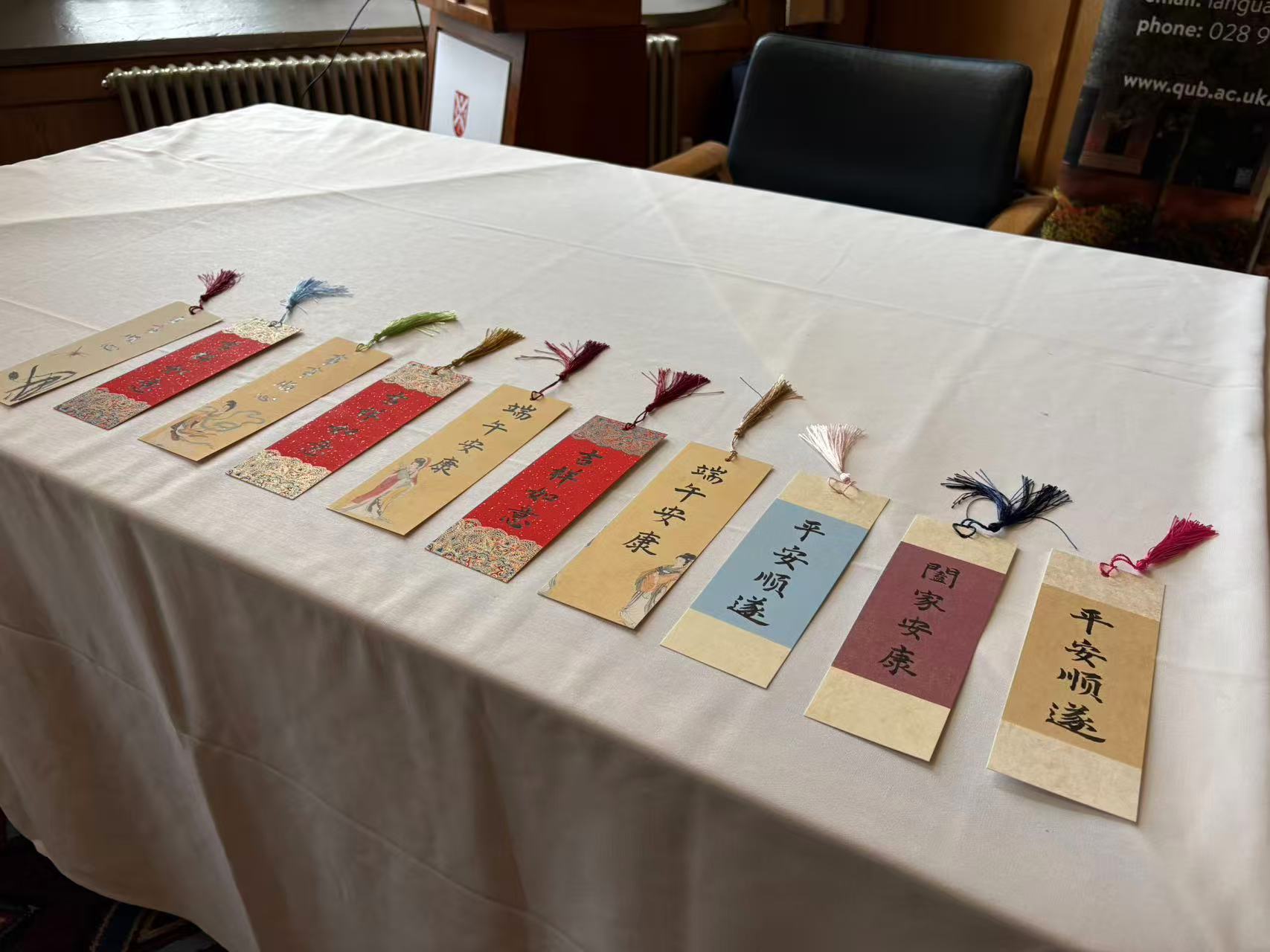
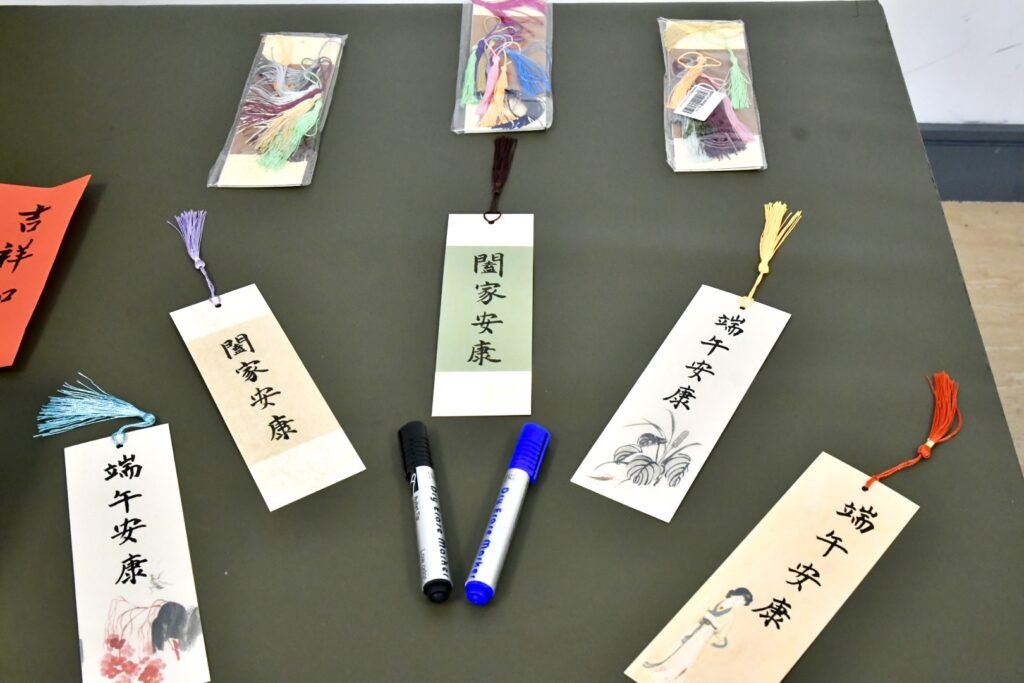
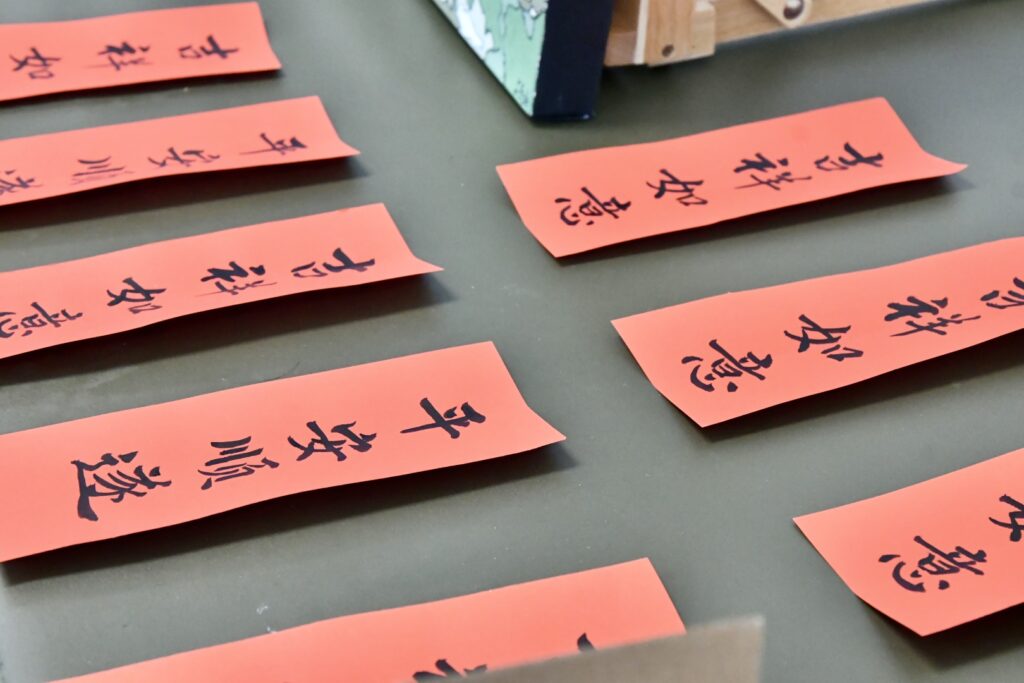
Colleagues also received calligraphy bookmarks featuring Chinese Duanwu Festival greetings and well-wishes, including messages of peace, health and good fortune. These small keepsakes, written by QUB Law student Shiuh Ting Gho, offered participants something personal to take away from the event, while also introducing the beauty of Chinese calligraphy and the meaning carried through written language.
Calligraphy bookmarks written by Shiuh Ting Gho.
Calligraphy bookmarks carrying festival greeting messages.
The Mid-Summer Social was a warm celebration of culture, language and shared learning. Through stories, music, food traditions, language and calligraphy, the event offered colleagues an opportunity to learn about Duanwujie and Danoje while strengthening a sense of connection across the University community.
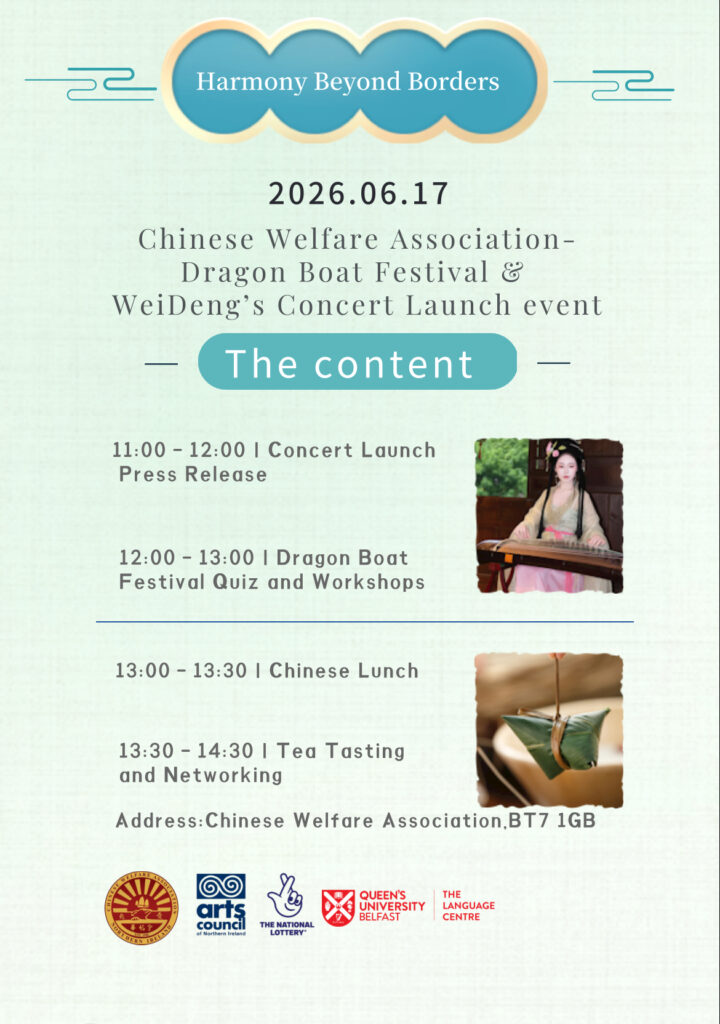
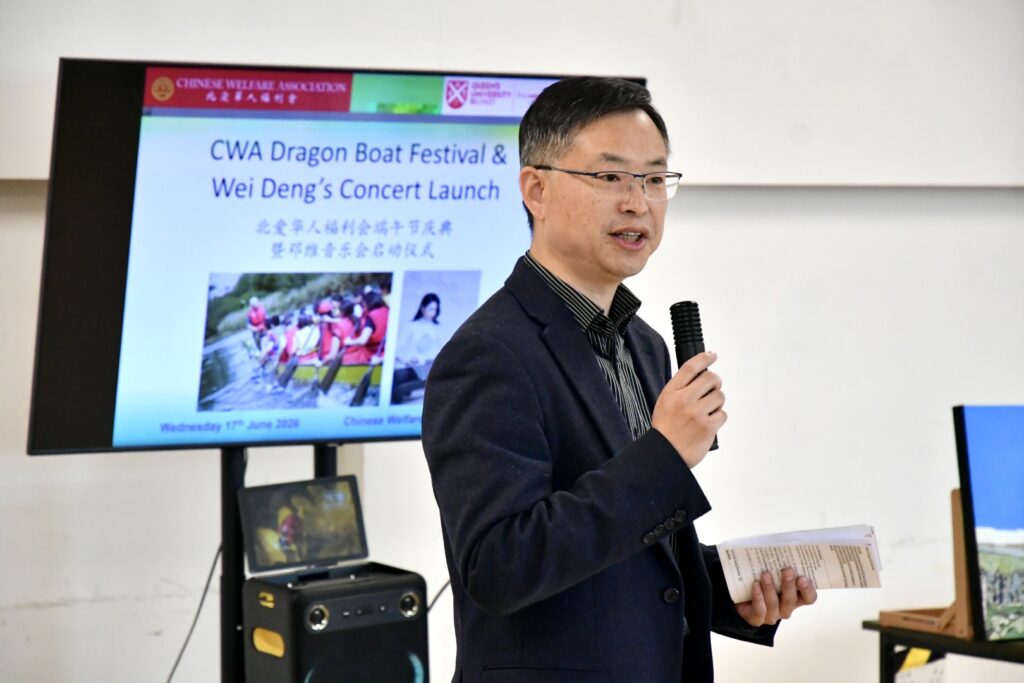
Celebration 2: CWA Dragon Boat Festival and Wei Deng’s Concert Launch
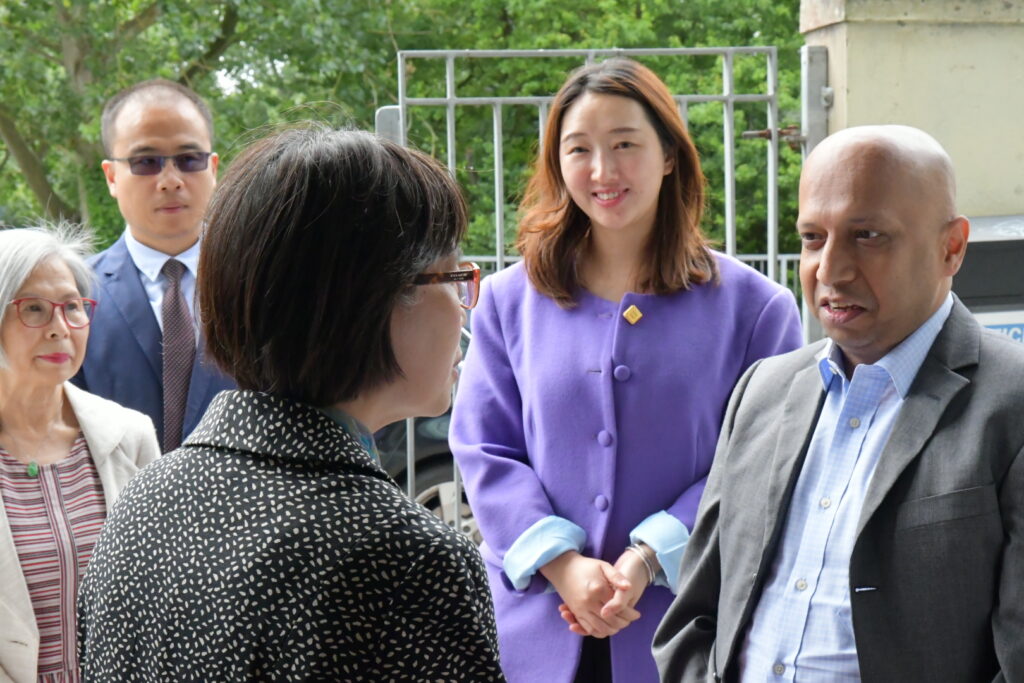
The second celebration was hosted by the Chinese Welfare Association Northern Ireland (CWA) to support the local community’s Dragon Boat Festival celebration and the launch of Wei Deng’s upcoming concert. Distinguished guests included representatives from organisations and associations such as the Consulate General of the People’s Republic of China in Belfast, Arts Council Northern Ireland, National Museums NI, as well as members of other ethnic communities.
Ms Lili Wu, Directing Manager of CWA and Dr Liang Wang, Language Support Officer from Queen’s Language Centre, co-chaired the event.
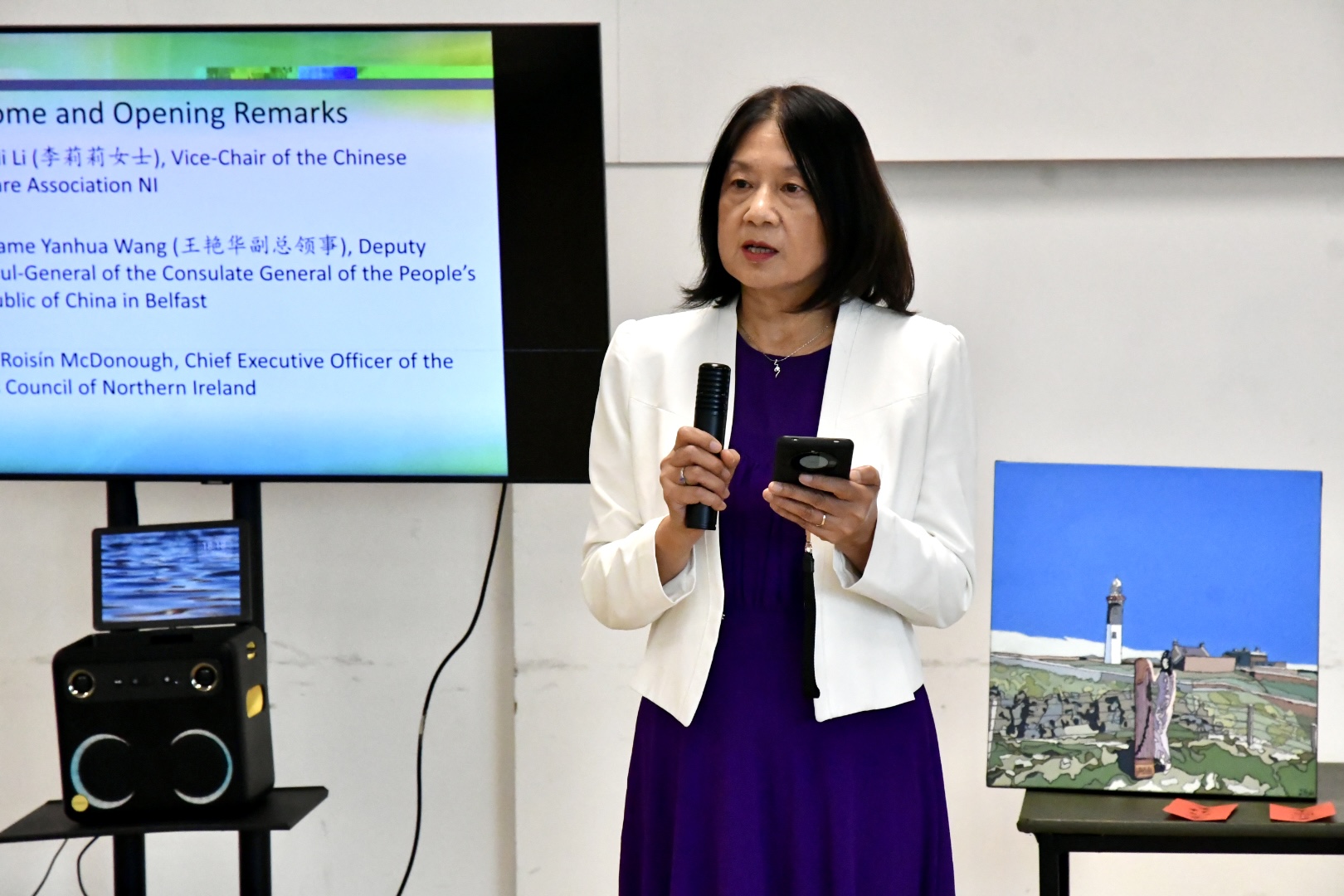
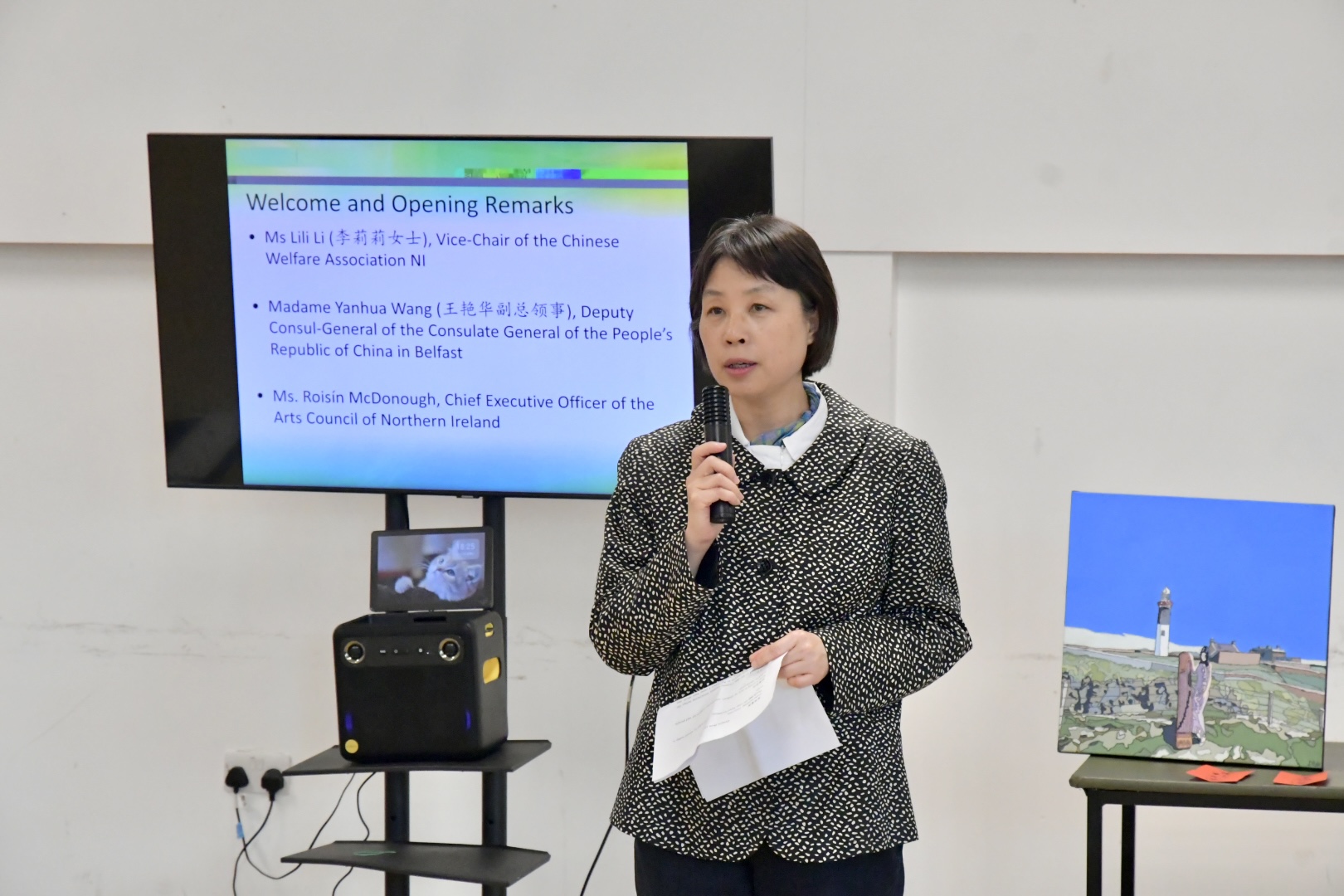
Ms Lili Li, Vice-Chair of CWA, expressed her gratitude for the support received from partner organisations and individuals, whose contributions have helped foster the continued development of the Chinese community and its growing role in Belfast’s civic engagement and social cohesion. Madame Yanhua Wang, Deputy Consul-General of the Consulate General of the People’s Republic of China in Belfast, highly commended CWA’s long-standing service to the Chinese community and its important role in promoting multiculturalism and community integration in Belfast.
Ms Lili Li gave a welcome speech.
Madame Yanhua Wang gave a welcome speech.
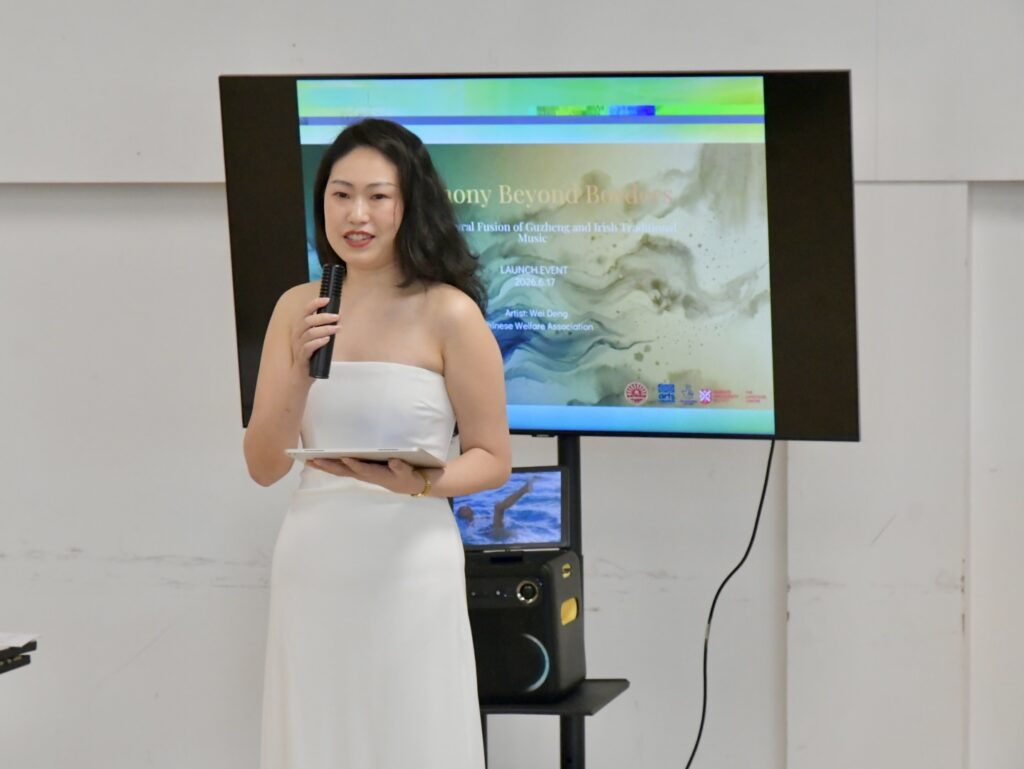
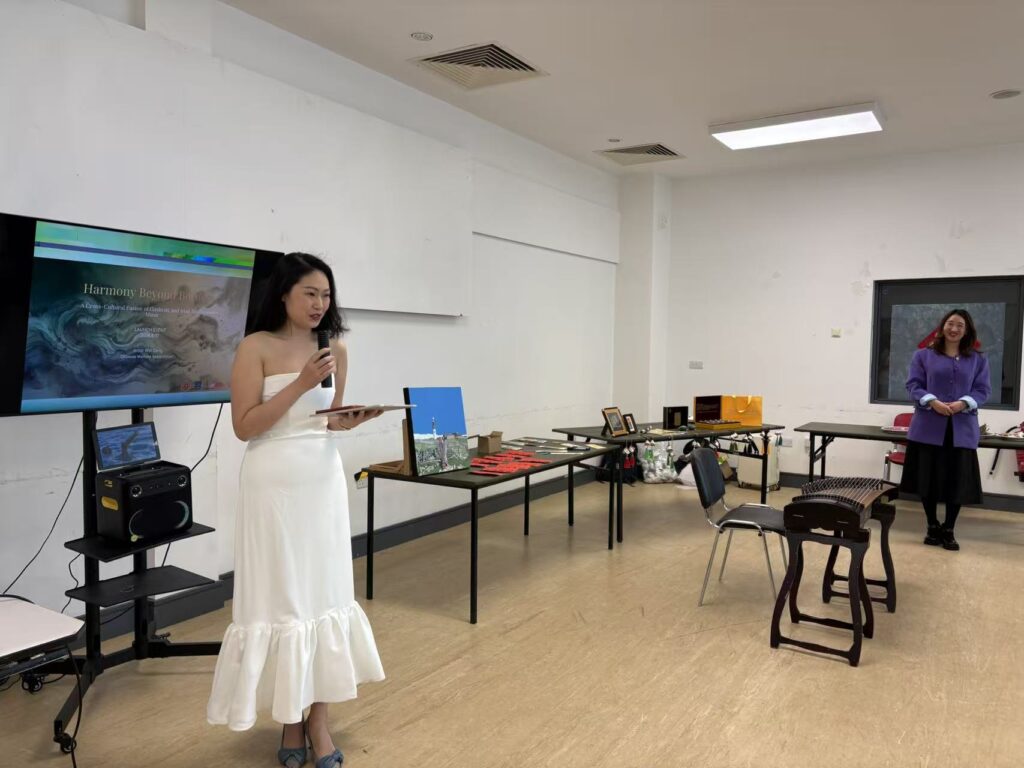
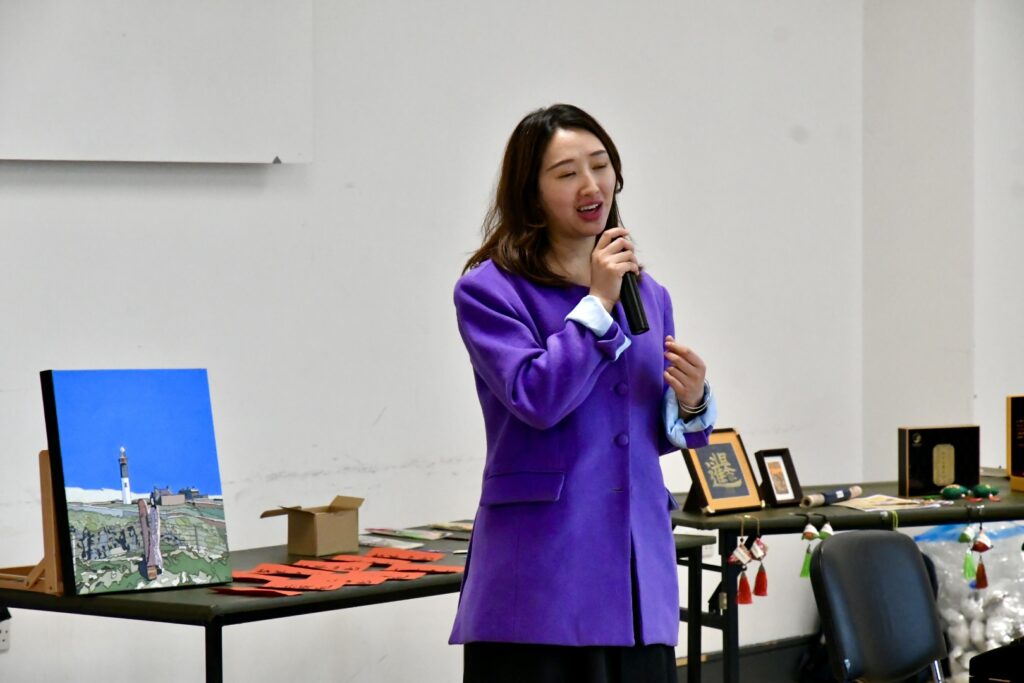
The first half of the celebration featured the launch of Wei Deng’s concert. Wei shared stories from her artistic journey and personal development through intercultural learning since arriving at Queen’s as a postgraduate student in Arts Management. She also spoke about her continued engagement in innovative guzheng practice following her studies, both in China and Northern Ireland.
Wei Deng introduced her guzheng project and concert.
Wei Deng introduced her guzheng project and concert.
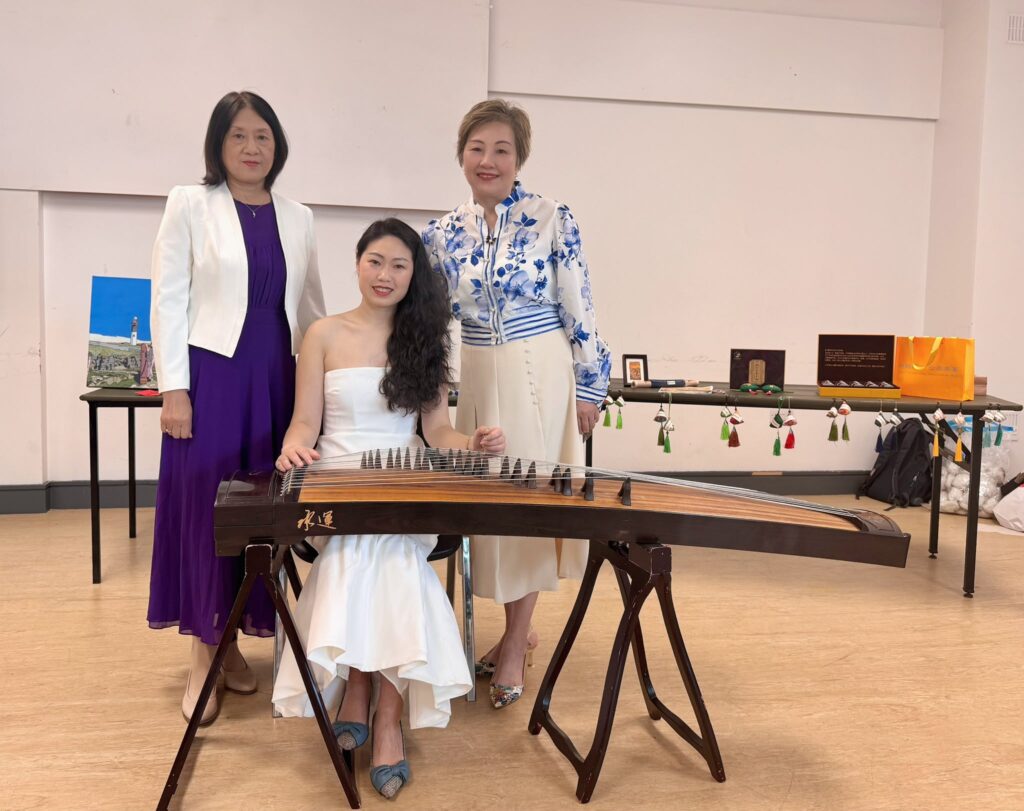
Wei Deng performed guzheng music.
Wei Deng performed guzheng music.
Wei Deng performed guzheng music.
Emphasising the value of intercultural exchange, she highlighted the integration of Irish musical elements into traditional Chinese guzheng performance and warmly invited the audience to attend her concert in August.
Event: Harmony Beyond Borders – An Enchanting Afternoon of Guzheng Music
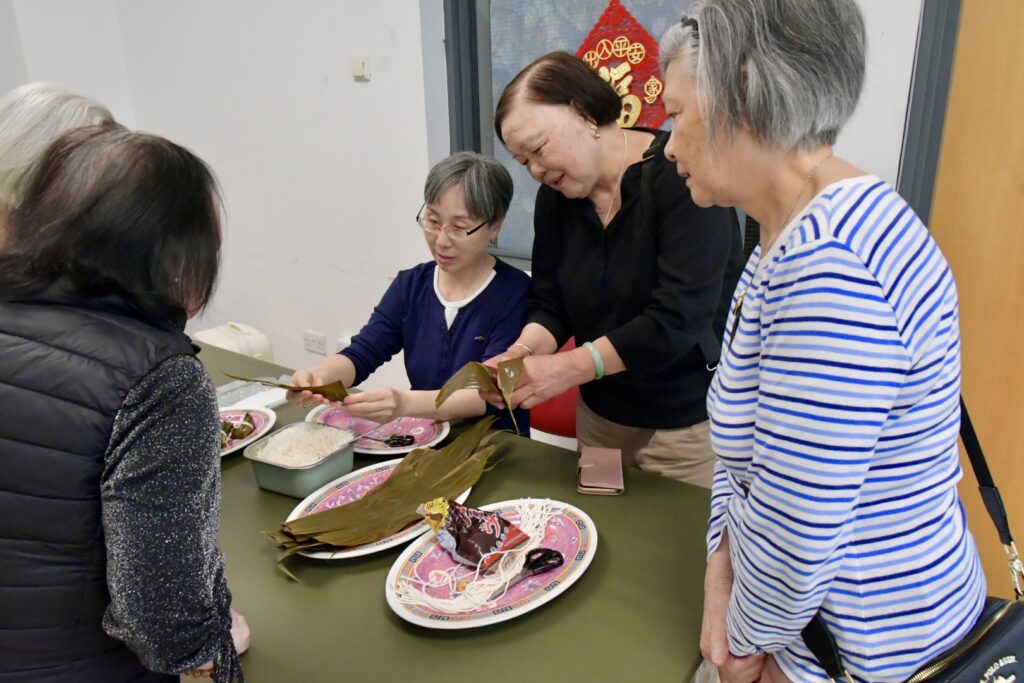
Following Wei’s wonderful live performance, the second half of the celebration began with three cultural workshops, including Chinese calligraphy bookmark writing, zongzi-shaped ornament making, and a demonstration of traditional zongzi wrapping techniques. Making and eating zongzi (粽子) – traditional Chinese sticky rice dumplings wrapped in bamboo or reed leaves and filled with a variety of sweet or savoury ingredients – has been a symbolic Dragon Boat Festival custom for thousands of years.
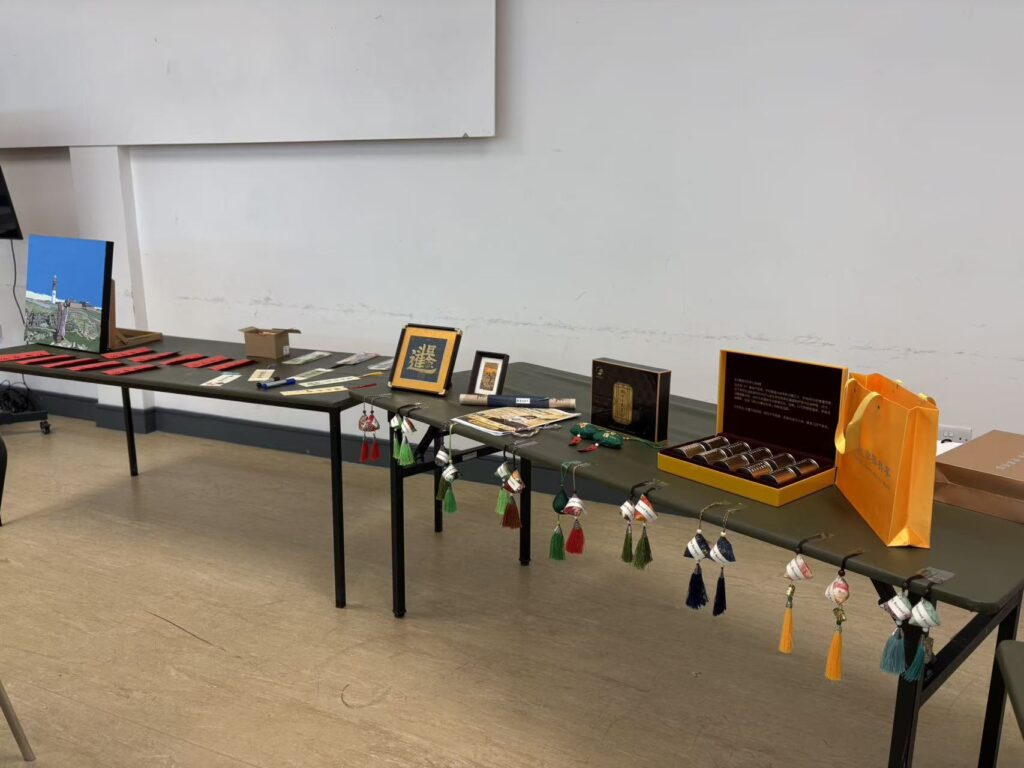
Workshop tables set with decorations.
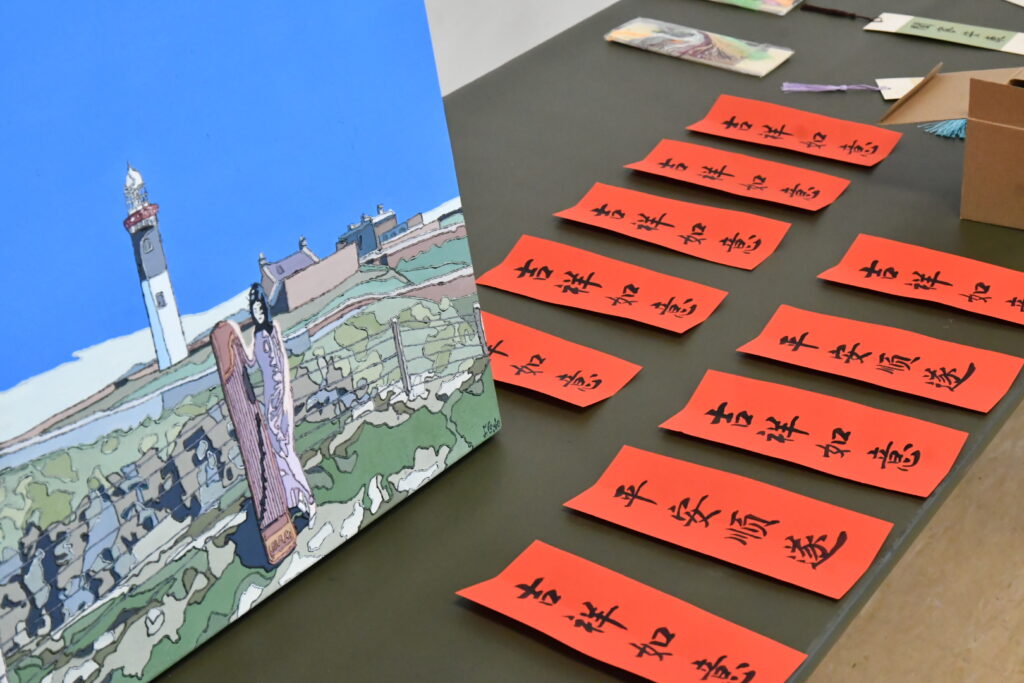
Workshop tables set with calligraphy bookmarks.
Workshop tables set with calligraphy bookmarks.
Workshop tables set with calligraphy bookmarks.
Zongzi-shaped ornaments
Frame with an artisitc form of combined characters.
Calligraphy script and Wei’s concert poster
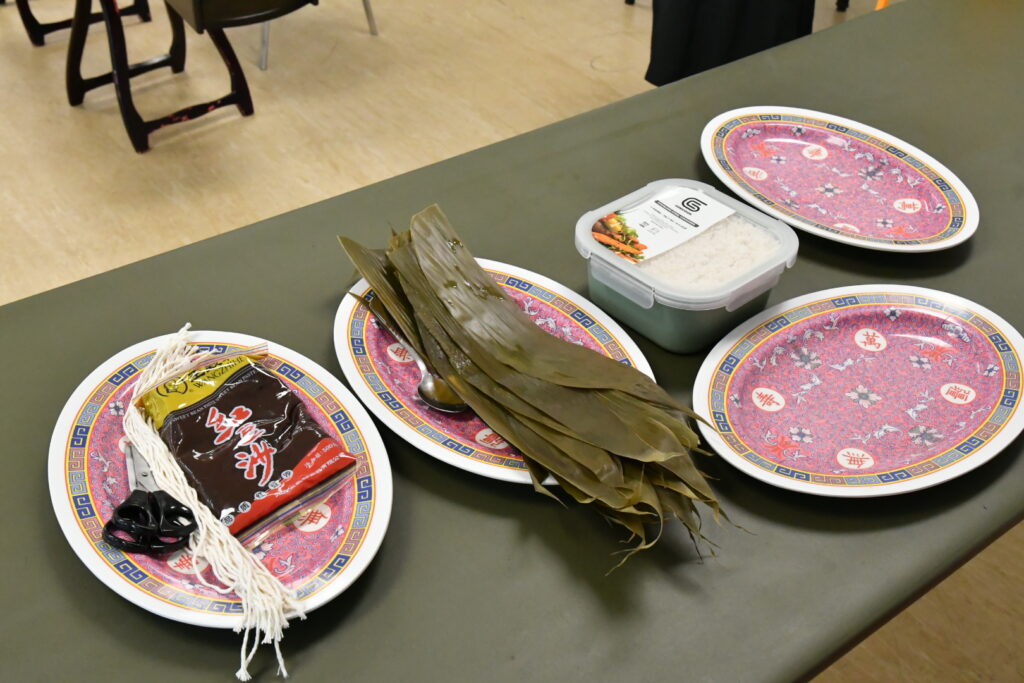
Zongzi materials ready for wrapping
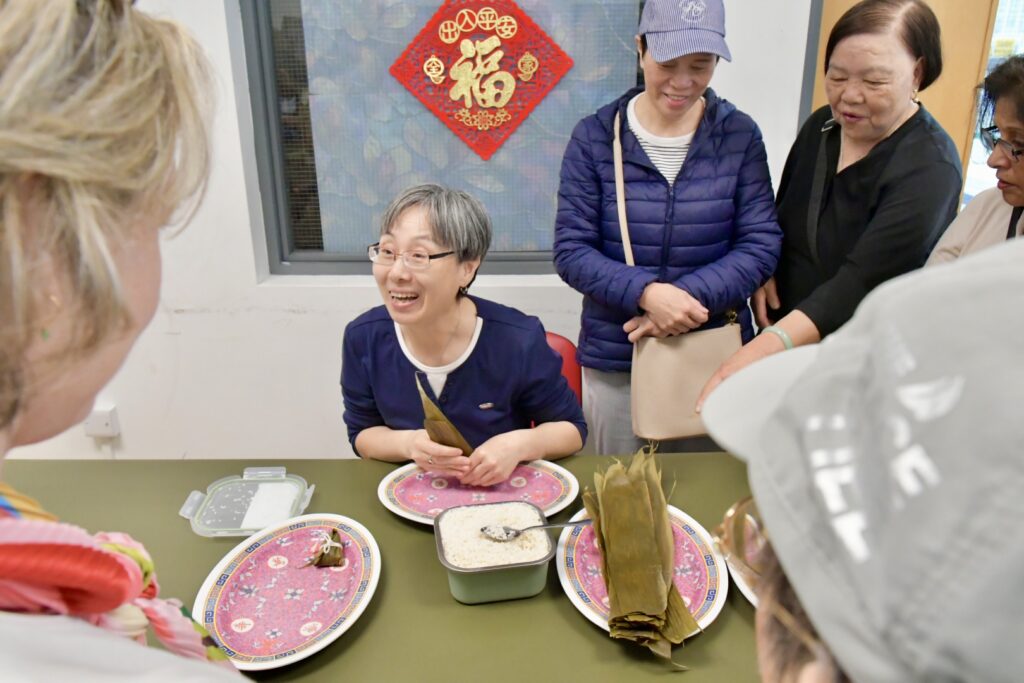
Zongzi master answering questions.
Zongzi master deomstrating zongzi wrapping up techniques.
Zongzi master deomstrating wrapped-up zongzi.
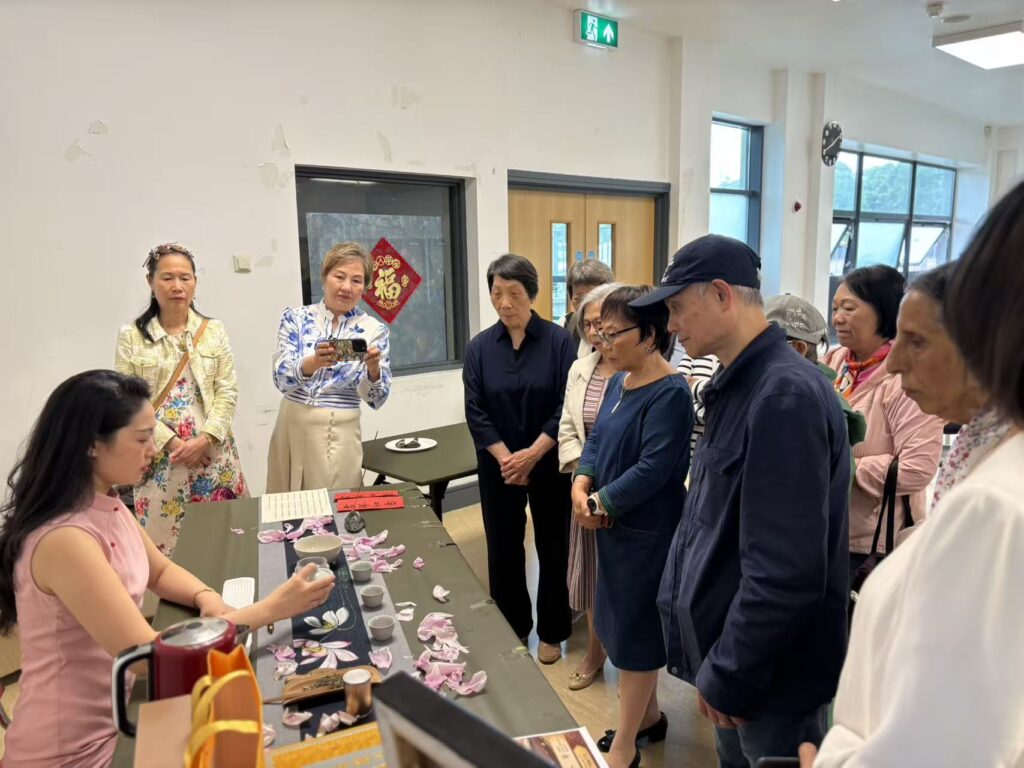
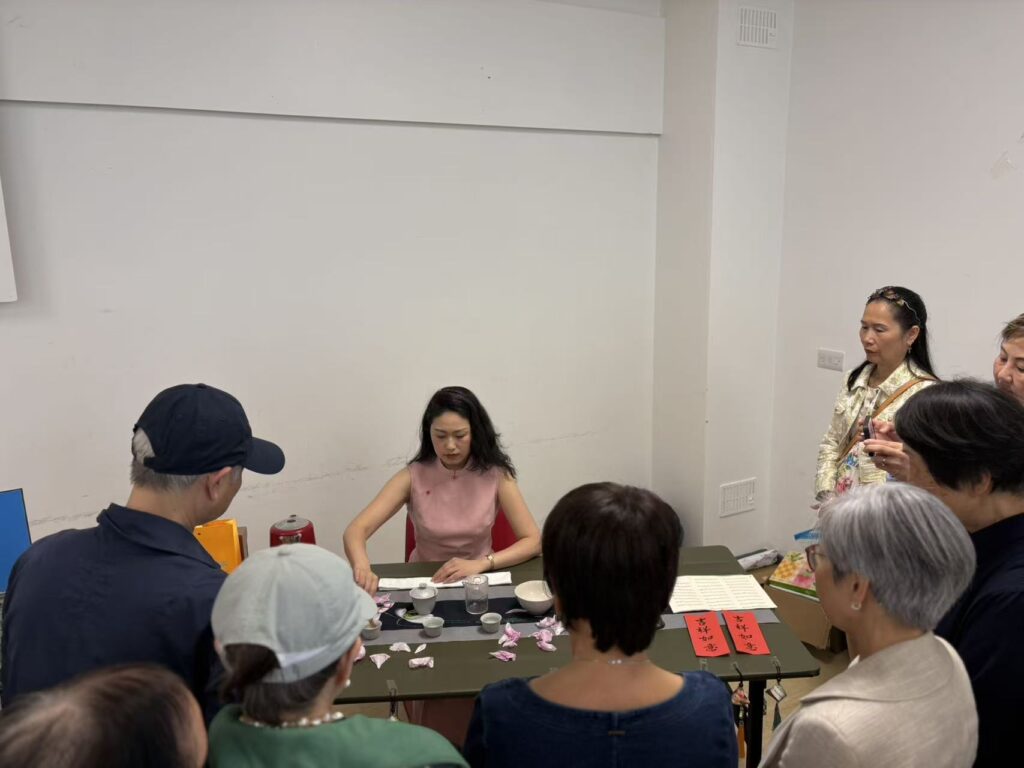
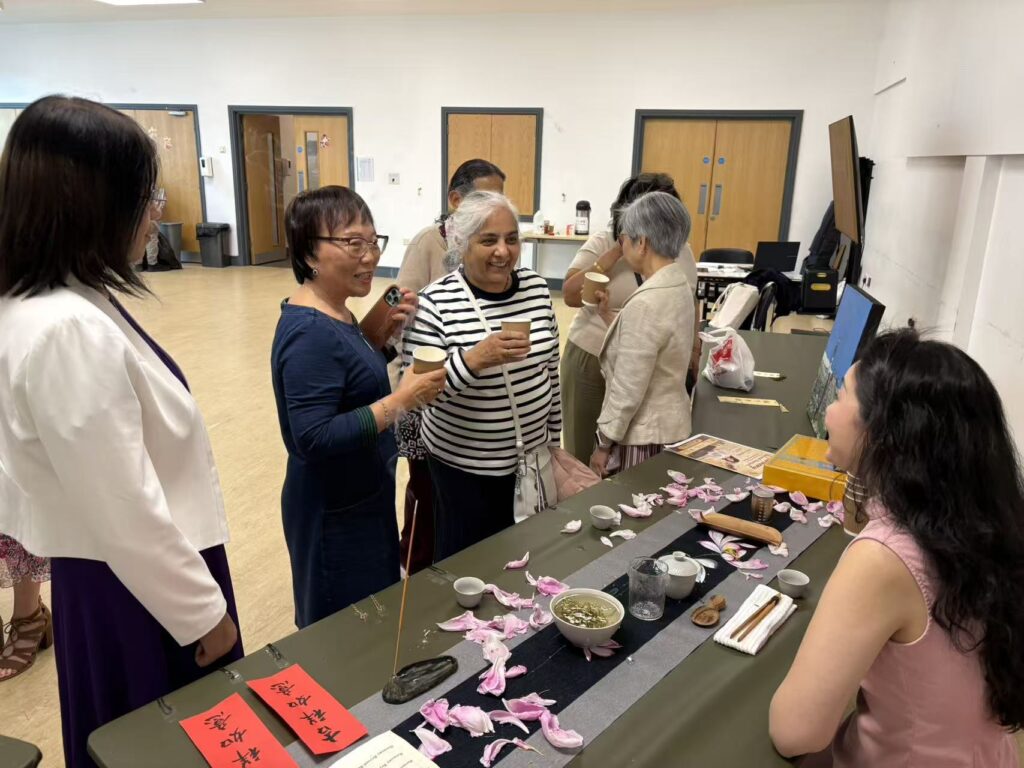
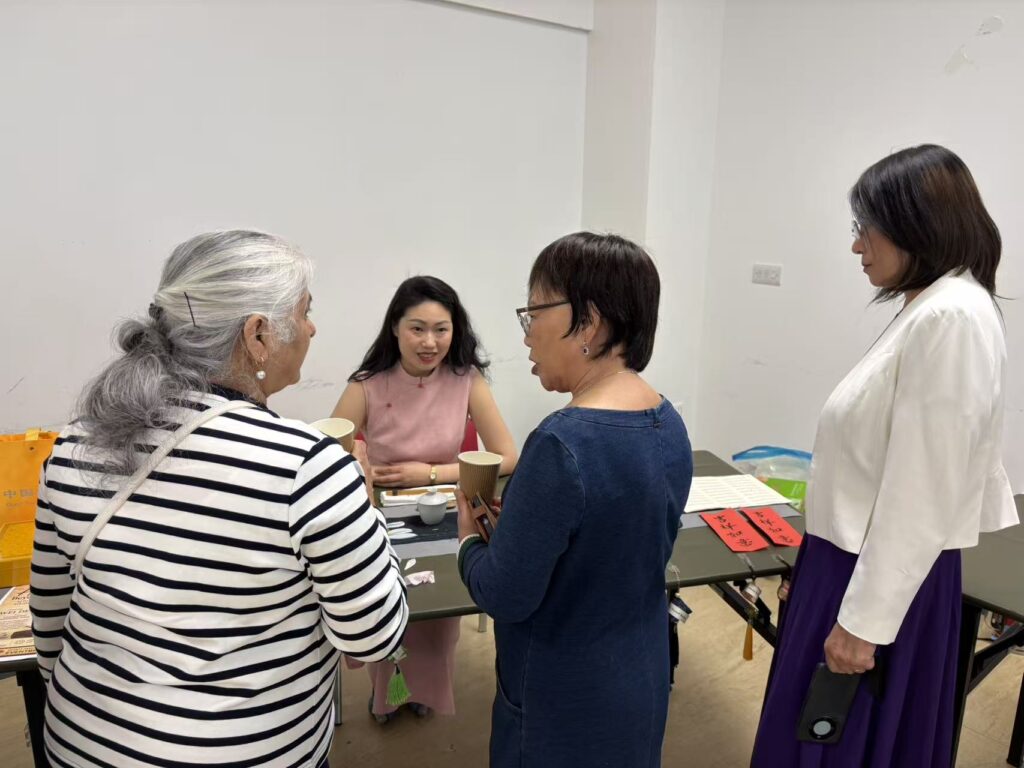
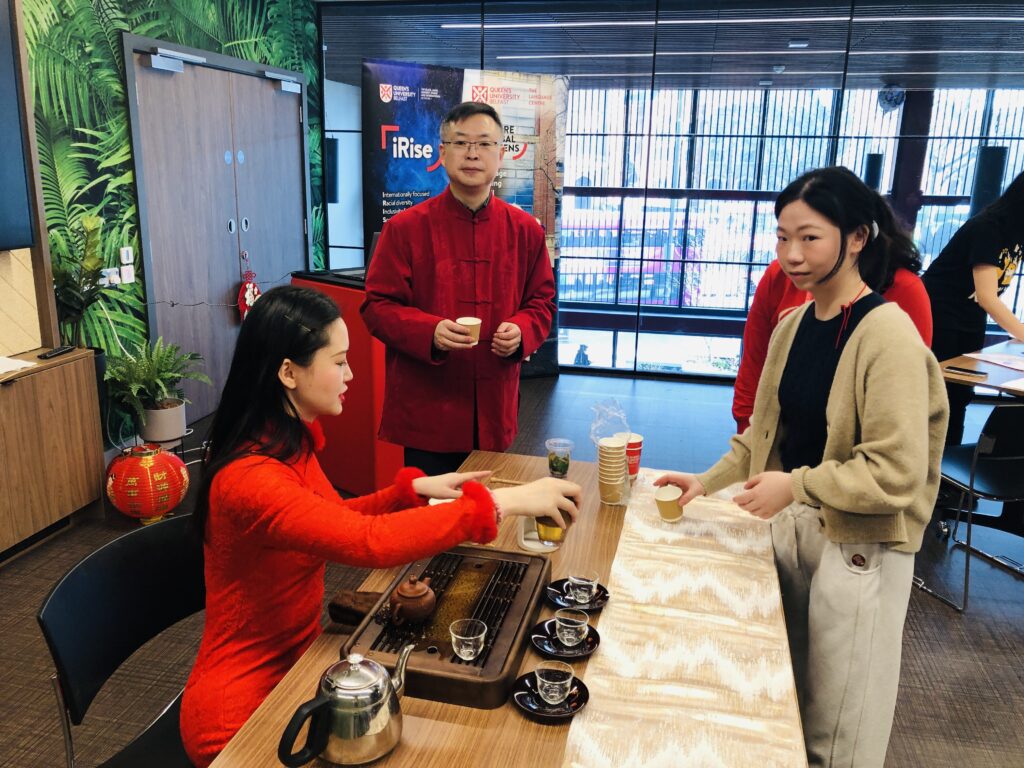
After a delicious lunch was served, featuring mini-sized zongzi as a tasting dish, Dr Liang Wang hosted a Duanwu (Dragon Boat Festival) Culture Quiz, helping non-Chinese participants gain a deeper understanding of the festival’s history, traditions, and customs. This was followed by a tea-tasting session facilitated by Wei, who demonstrated traditional tea preparation and serving practices using Yungong Tea (云宫茶), a renowned tea produced in Chongqing, her hometown.
Tea ceremony preparation
Wei Deng demoed tea making technique
Wei Deng demonstrated tea making technique
Wei chatted with the audience
Wei surrounded by participants
Wei surrounded by participants
Culture, language, music, food, and entertainment combined to provide participants with a fascinating experience of intercultural discovery, cultural demonstration, and artistic appreciation. The guzheng-enhanced Dragon Boat Festival celebration fostered meaningful cultural exchange and friendship not only within the Chinese community but also among a wide range of communities across Belfast.
Welcome guests at the entrance
Dr Liang Wang co-chaired at the event.
Ms Lili Wu co-chaired at the event.
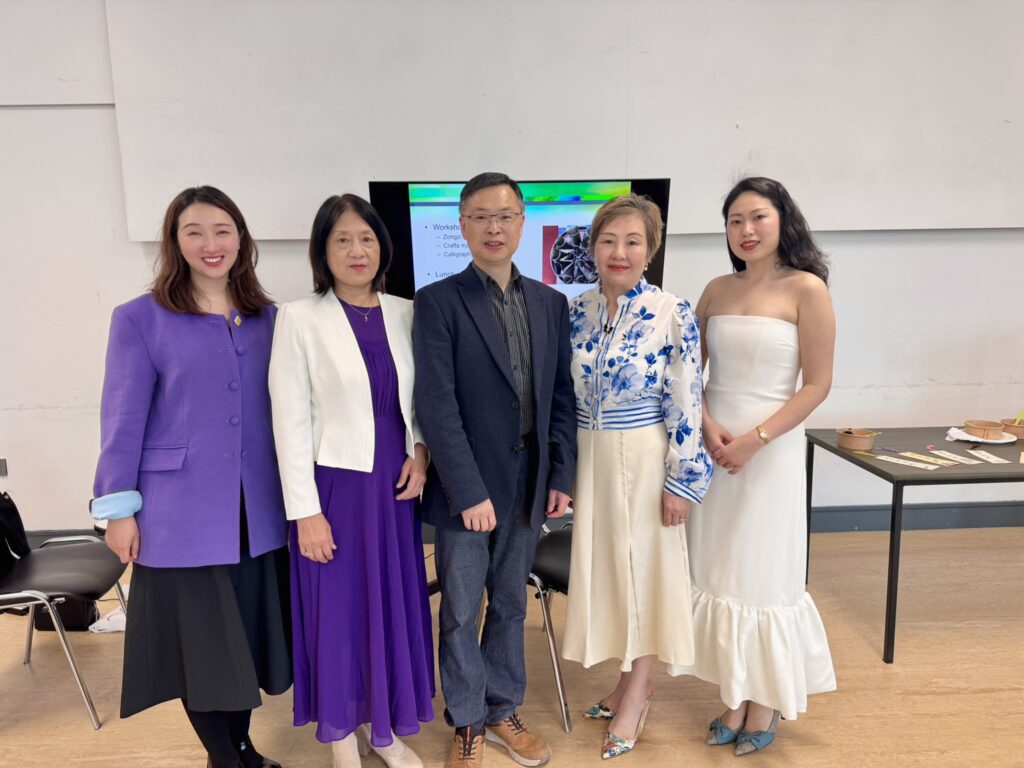
Group photo
Group photo
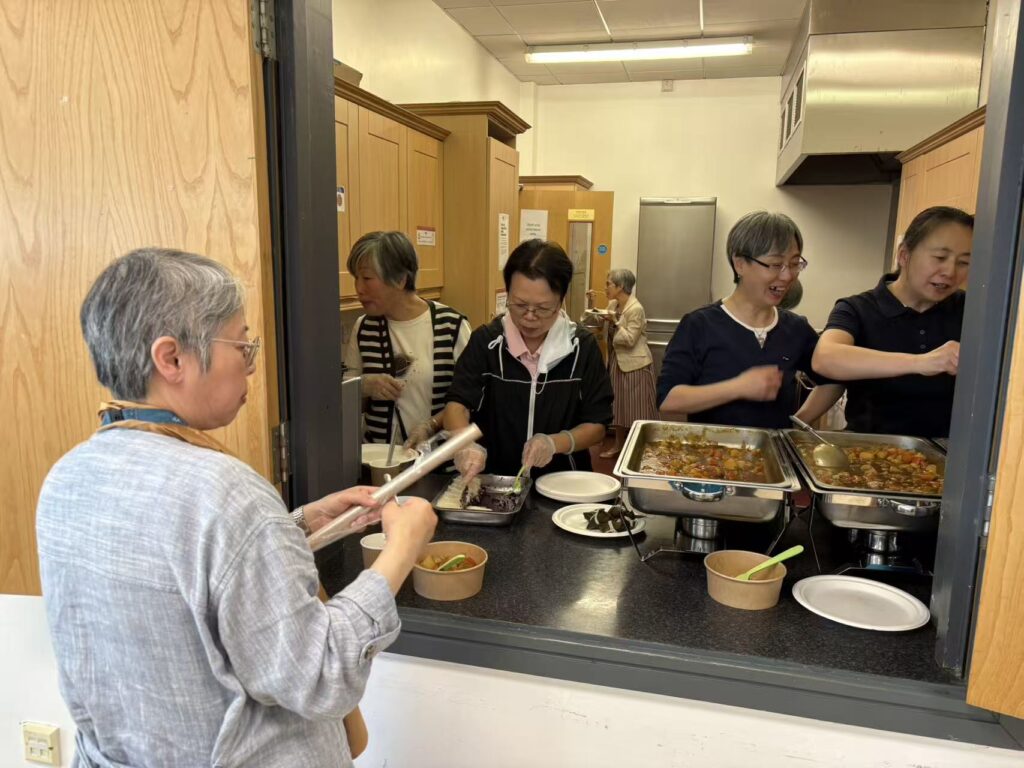
Volunteers busy preparing food.
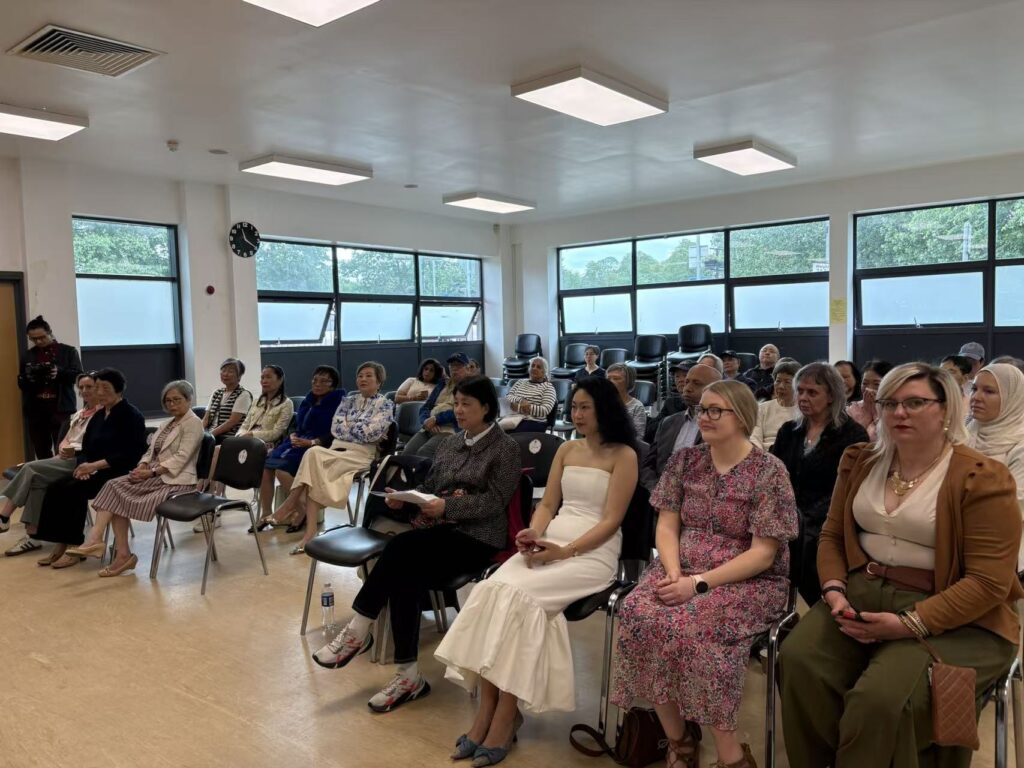
Audience waiting in the hall for the start.
Deng Wei with Lili and Sally
Deng Wei with Rebecca Zhang
The event also served as an excellent example of Queen’s University’s commitment to civic engagement and community partnership, demonstrating its continued support for local communities through language, cultural and festival celebrations.
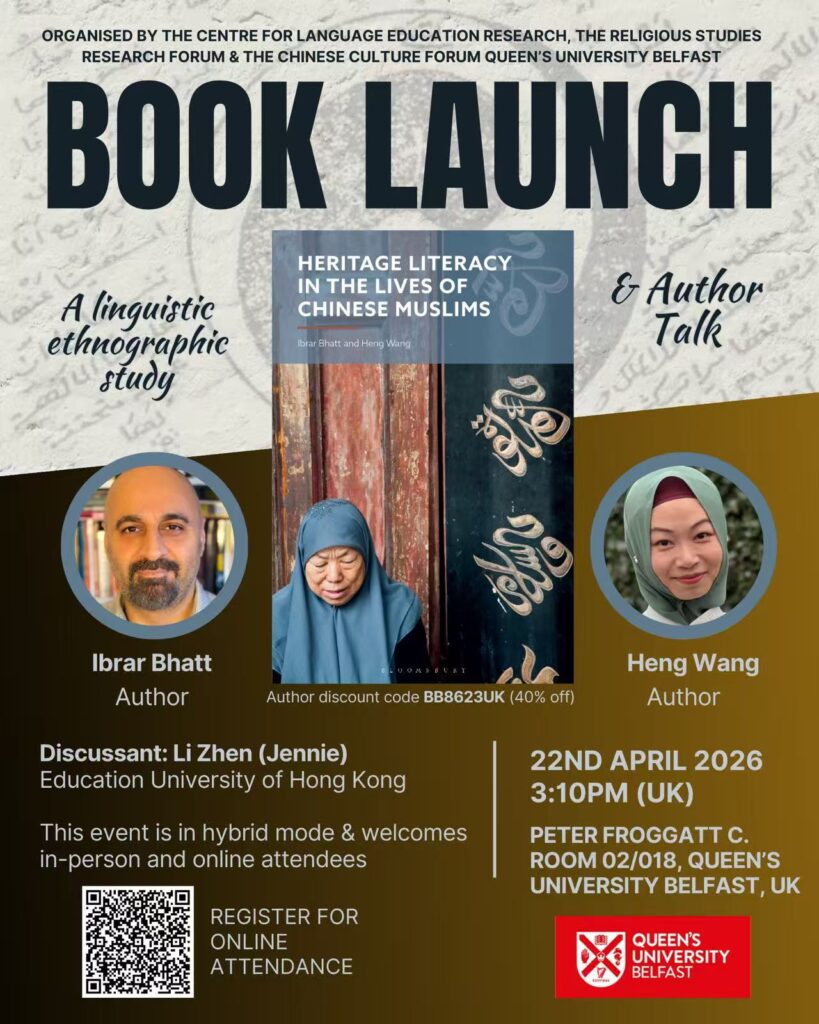
There will be a book launch at Queen’s University Belfast on Wednesday 22nd April. While it is an in-person event, there is an option to tune in via MS Teams. All welcome!
Book Title: Heritage Literacy in the Lives of Chinese Muslims: A Linguistic Ethnographic Study Authors: Dr Ibrar Bhatt and Heng WANG (Queen’s University Belfast) Discussant: Zhen (Jennie) LI (Education University of Hong Kong) Organiser: Dr Aisling O’Boyle (Queen’s University Belfast)
Co-Organisers:
The Centre for Language Education Research, School of Social Sciences, Education and Social Work
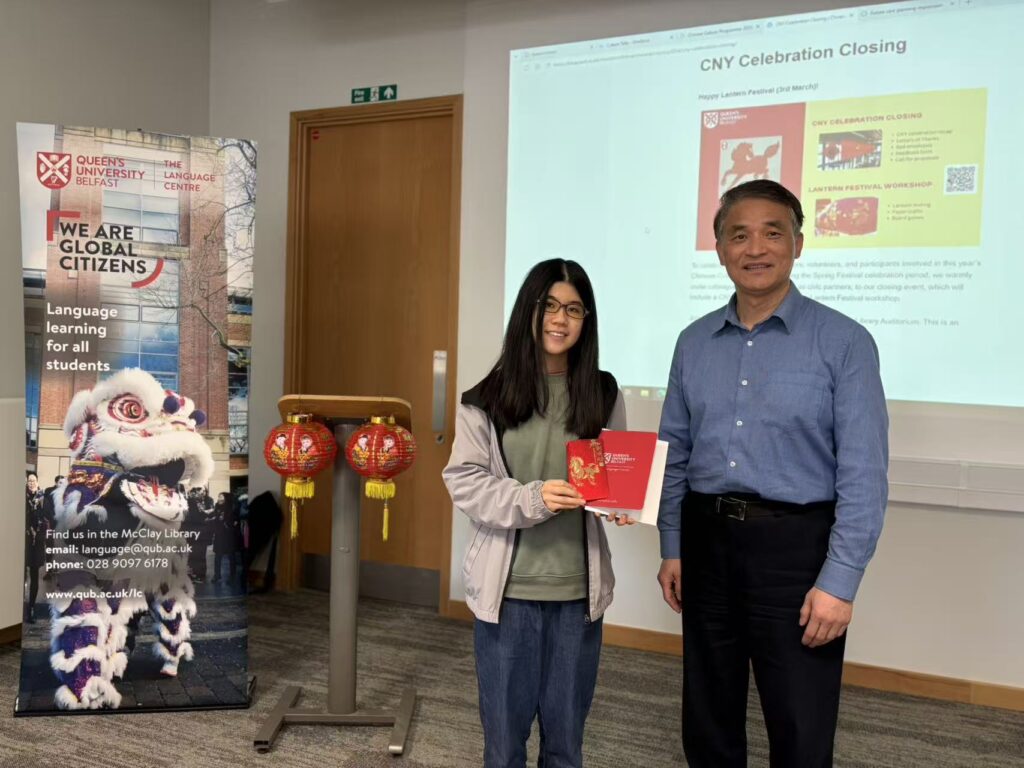
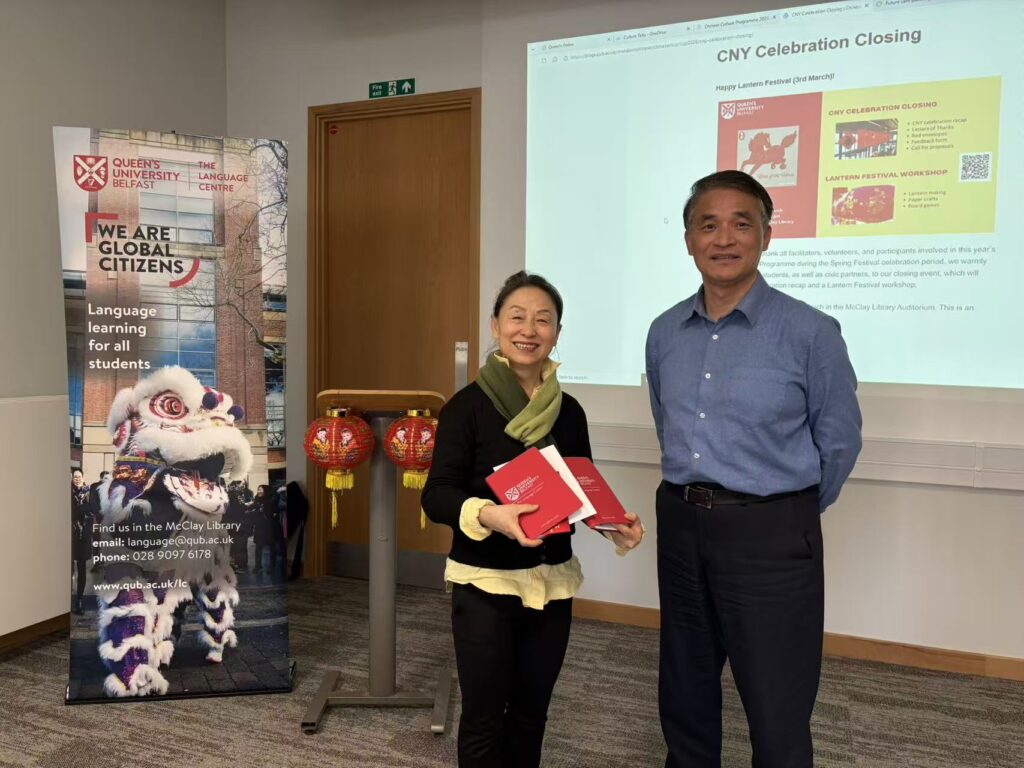
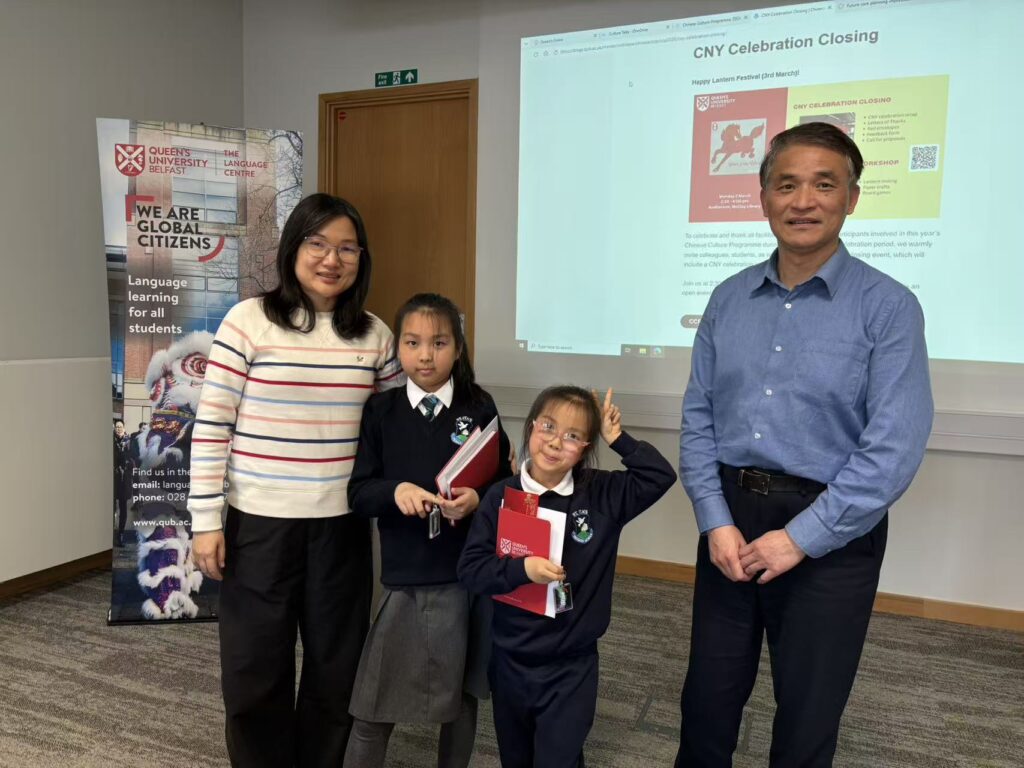
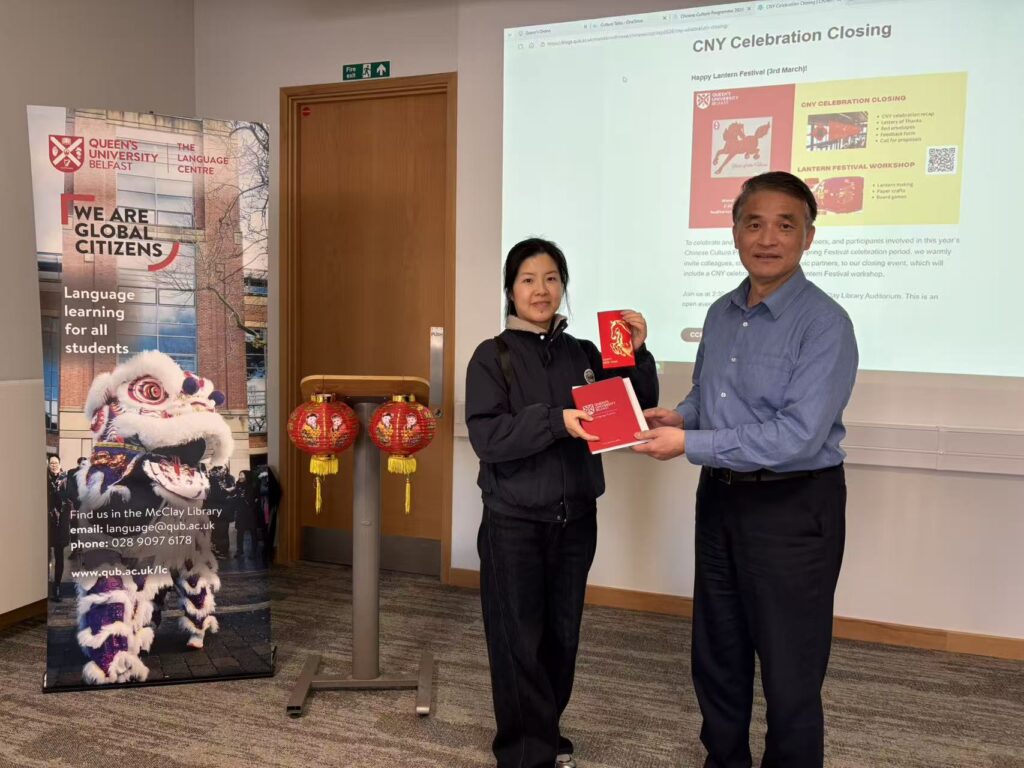
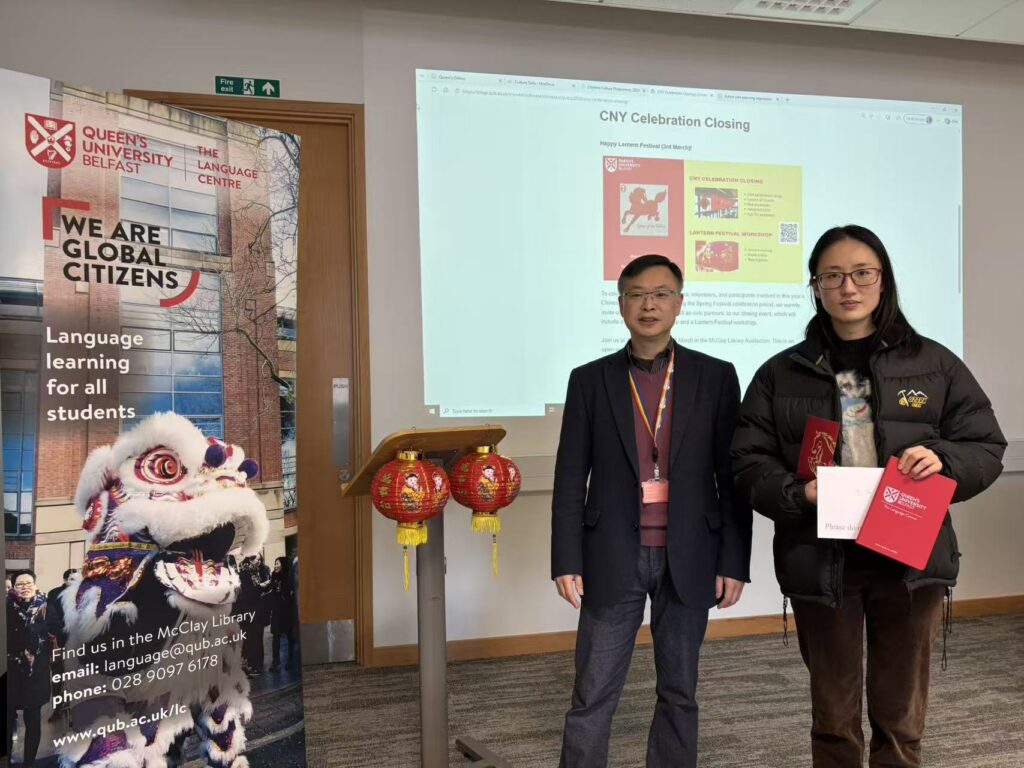
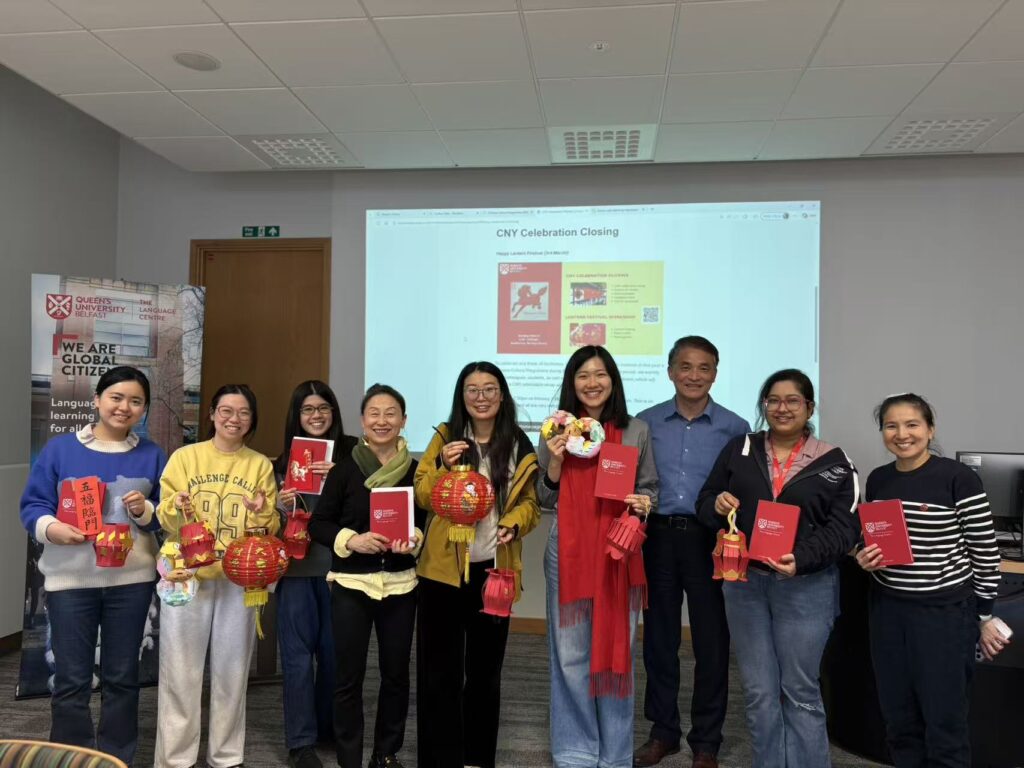
Lantern Festival Marks the Grand Finale of QUB’s Chinese New Year Celebrations
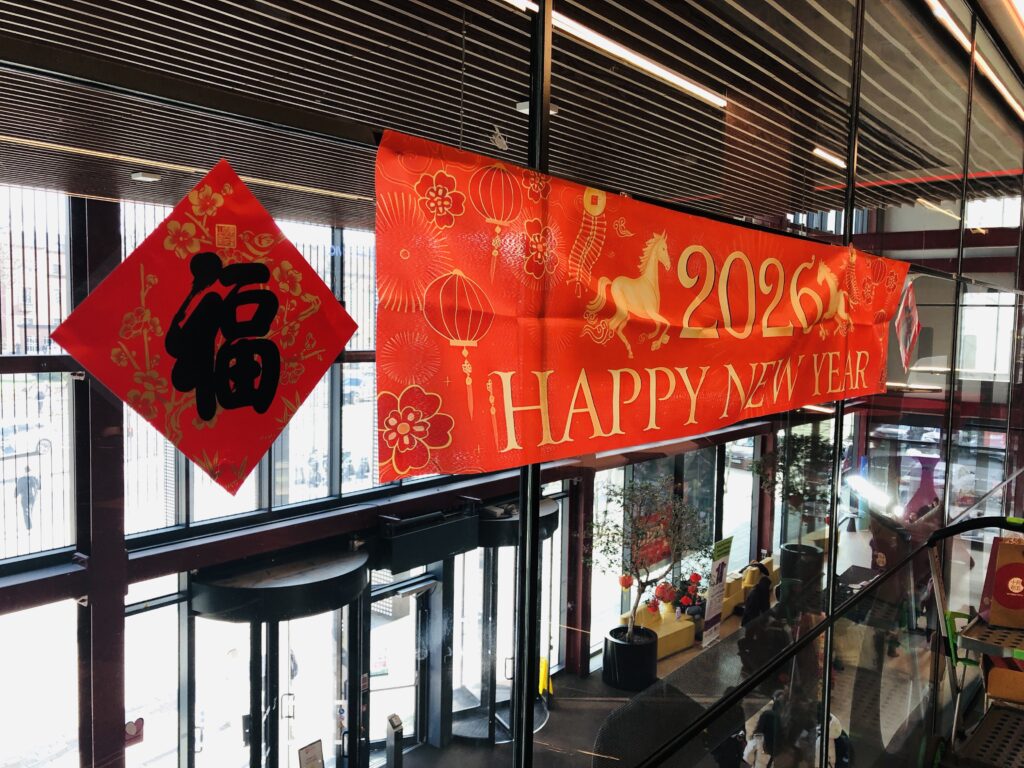
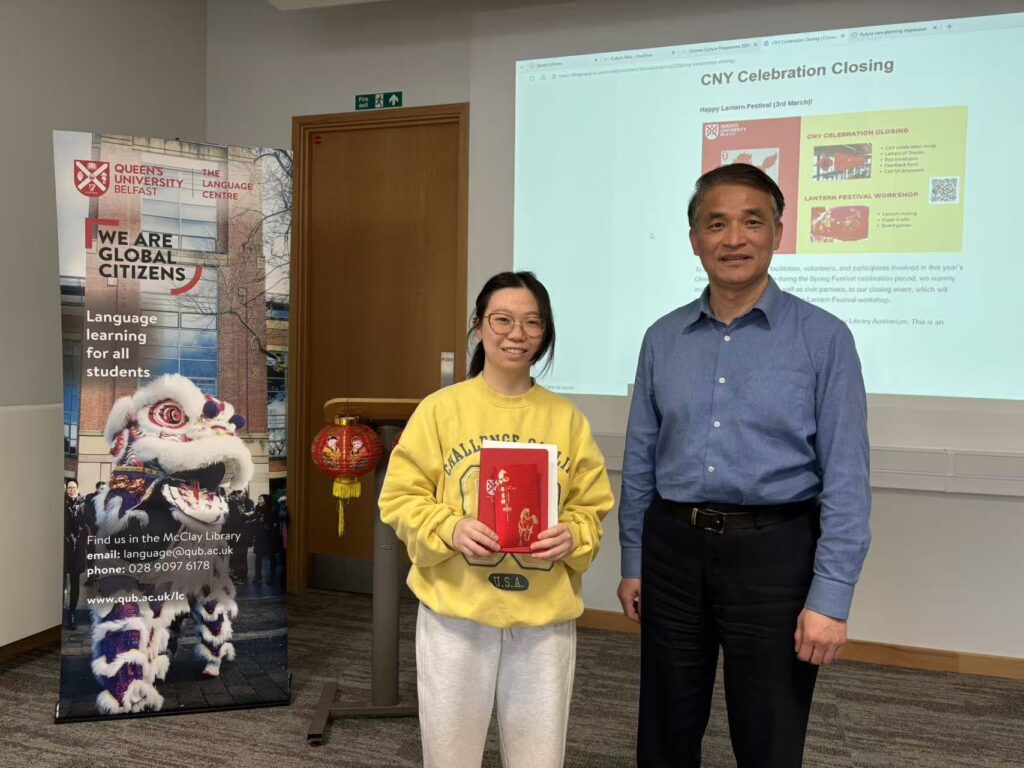
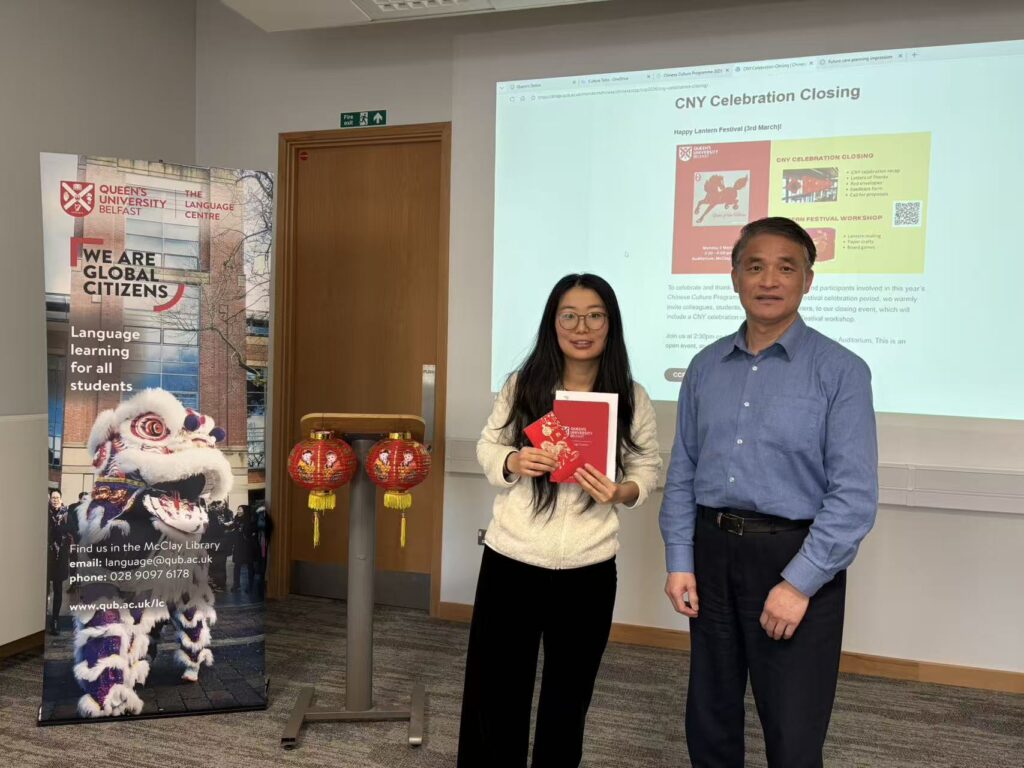
As the Lantern Festival arrives (Tuesday 3 March), we bring this year’s Chinese New Year celebrations at Queen’s to a joyful close.
Over the past weeks, colleagues, students, and community members have come together to celebrate the Year of the Horse through a vibrant programme of events.
_cuva
_cuva
_cuva
_cuva
_cuva
Press Eye – Belfast – Northern Ireland – 17th February 2026 –
Photo by Kelvin Boyes / Press Eye.
Press Eye – Belfast – Northern Ireland – 17th February 2026 –
Photo by Kelvin Boyes / Press Eye.
Photographer – Tianpeng Yao
Press Eye – Belfast – Northern Ireland – 17th February 2026 –
Photo by Kelvin Boyes / Press Eye.
Press Eye – Belfast – Northern Ireland – 17th February 2026 –
Photo by Kelvin Boyes / Press Eye.
Press Eye – Belfast – Northern Ireland – 17th February 2026 –
Photo by Kelvin Boyes / Press Eye.
Press Eye – Belfast – Northern Ireland – 17th February 2026 –
Photo by Kelvin Boyes / Press Eye.
Press Eye – Belfast – Northern Ireland – 17th February 2026 –
Photo by Kelvin Boyes / Press Eye.
Press Eye – Belfast – Northern Ireland – 17th February 2026 –
Photo by Kelvin Boyes / Press Eye.
Press Eye – Belfast – Northern Ireland – 17th February 2026 –
Photo by Kelvin Boyes / Press Eye.
Press Eye – Belfast – Northern Ireland – 17th February 2026 –
Photo by Kelvin Boyes / Press Eye.
Press Eye – Belfast – Northern Ireland – 17th February 2026 –
Photo by Kelvin Boyes / Press Eye.
Press Eye – Belfast – Northern Ireland – 17th February 2026 –
Photo by Kelvin Boyes / Press Eye.
From cultural talks and creative workshops to online exhibitions, the programme has highlighted the richness of Chinese heritage while fostering intercultural dialogue and shared learning. Our Culture Talks series sparked thoughtful conversations, while hands-on activities created space for connection, creativity, and community spirit.
The Lantern Festival, traditionally symbolising reunion, light, and new beginnings, offers a fitting conclusion to this journey. As we gather for our closing event, we celebrate not only the end of the festive season, but also the partnerships, friendships, and cultural understanding strengthened along the way.
Thank you to all our facilitators, volunteers, participants, and supporters who made this year’s celebrations such a success. We look forward to welcoming you again next year.
While the Chinese Culture Programme will continue to deliver culture talks, workshops, and other related events throughout the year, we are sincerely grateful for your willingness to contribute to and participate in our activities. Your support and engagement are what make the programme meaningful and impactful.
We would greatly value your feedback. If you have any suggestions, proposals, or reflections, please take a few minutes to complete the form below and let us know your thoughts on this year’s programme, as well as any ideas you may have for future activities. Your input will help us continue to grow and improve.
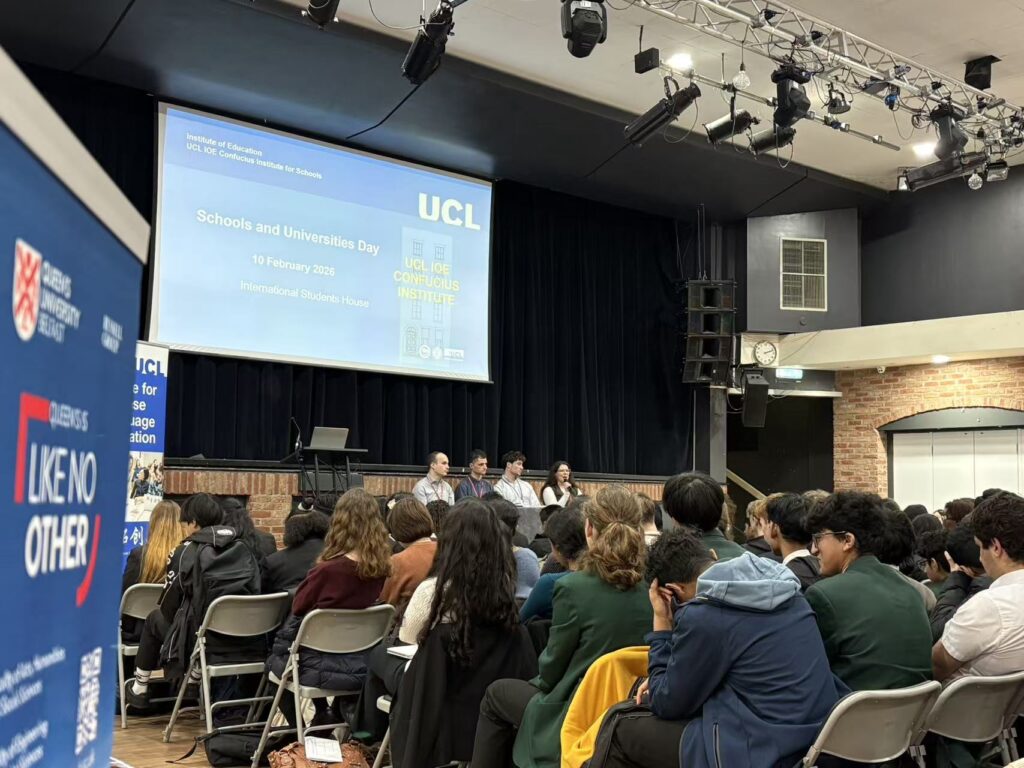
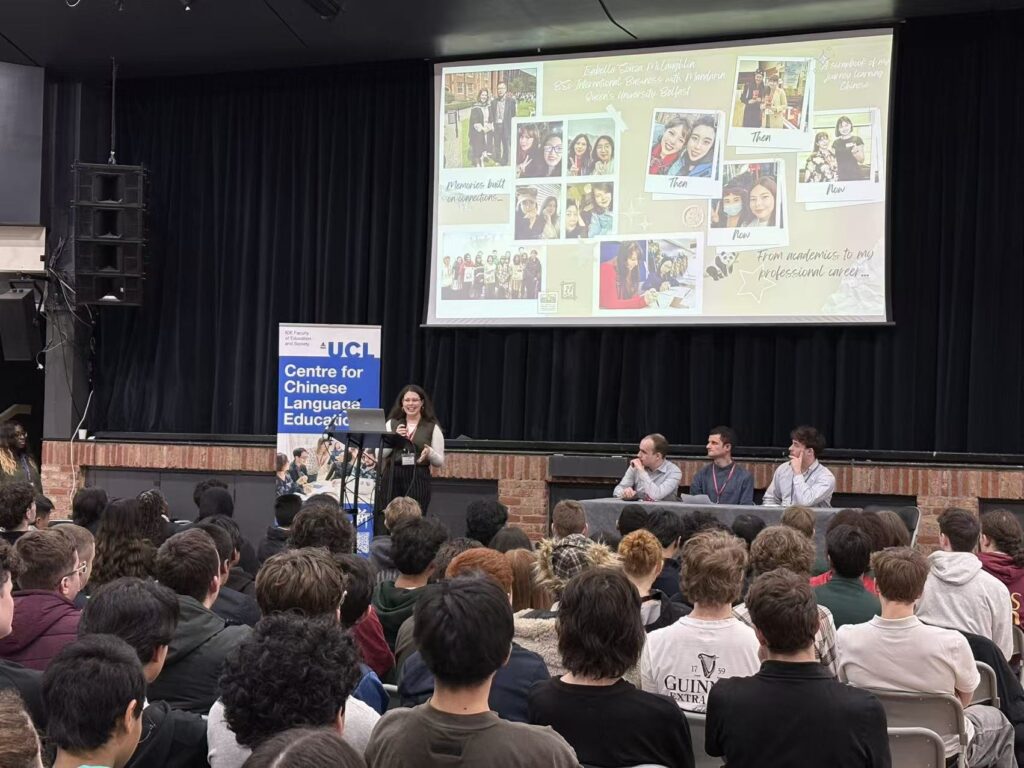
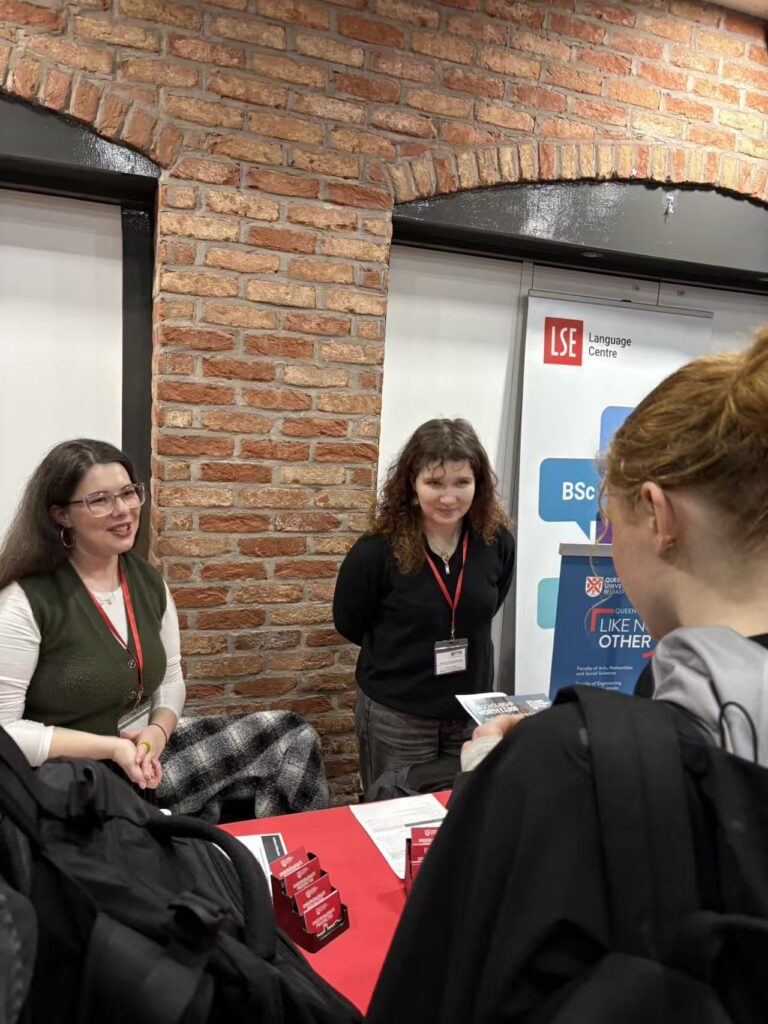
On Tuesday 10 February, Queen’s University Belfast took part in the 8th Schools and Universities Day – Chinese (and related) Learning Pathways, hosted by the UCL IOE Centre for Chinese Language Education. Bringing together 15 universities and over 400 school students and teachers from across England, the event was a vibrant space for sharing ideas, building connections, and inspiring the next generation of Chinese language learners.
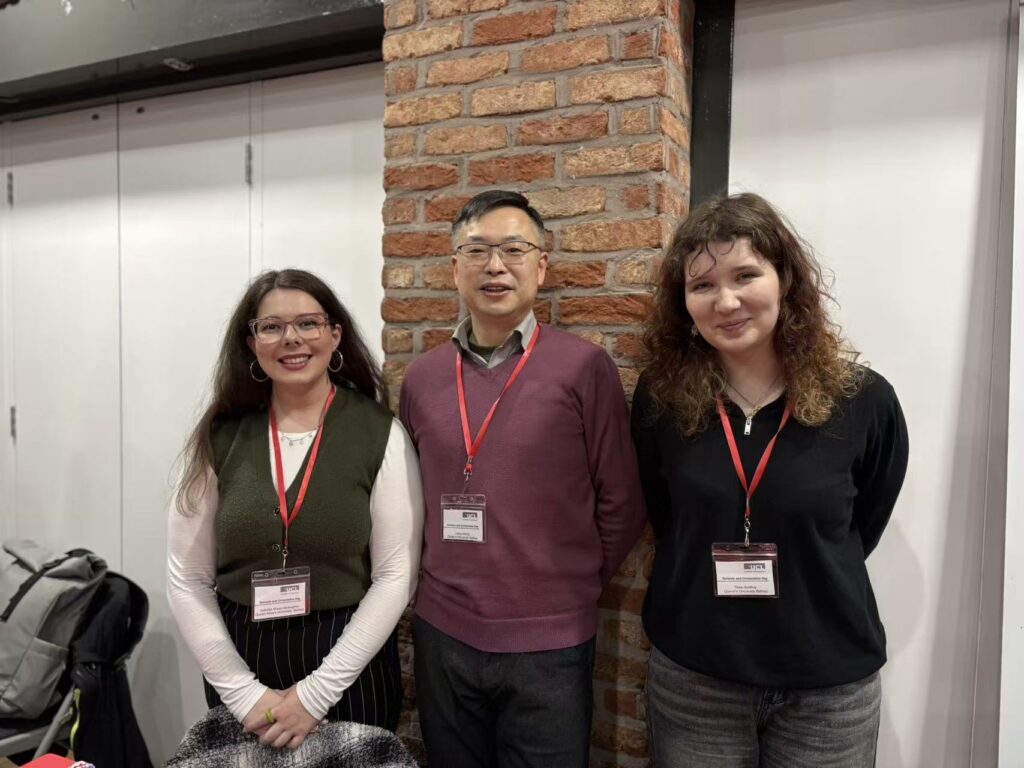
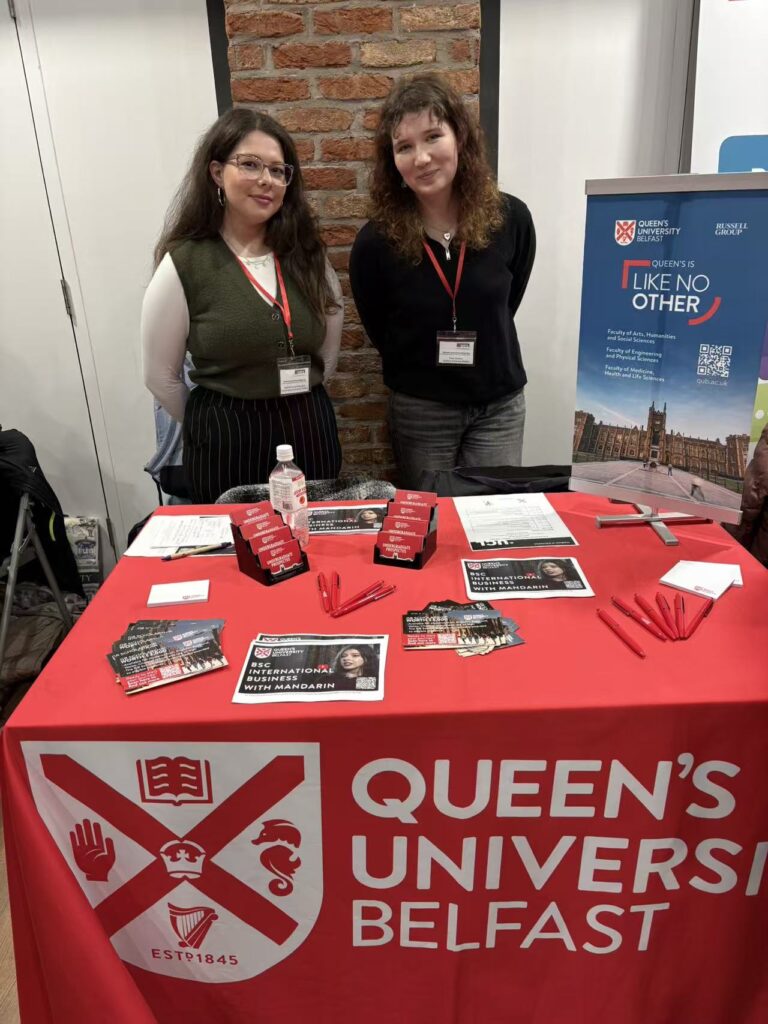
Isabella, Liang and Thea (left to right)
Dr Liang Wang (Queen’s Language Centre) was invited to a round-table discussion on developing “China-literate” talent, exploring how schools and universities can work together to strengthen progression pathways. He showcased Queen’s innovative approach to intercultural learning through communities of practice, including initiatives such as the Chinese Culture Forum and Tandem Language Exchange Programme.
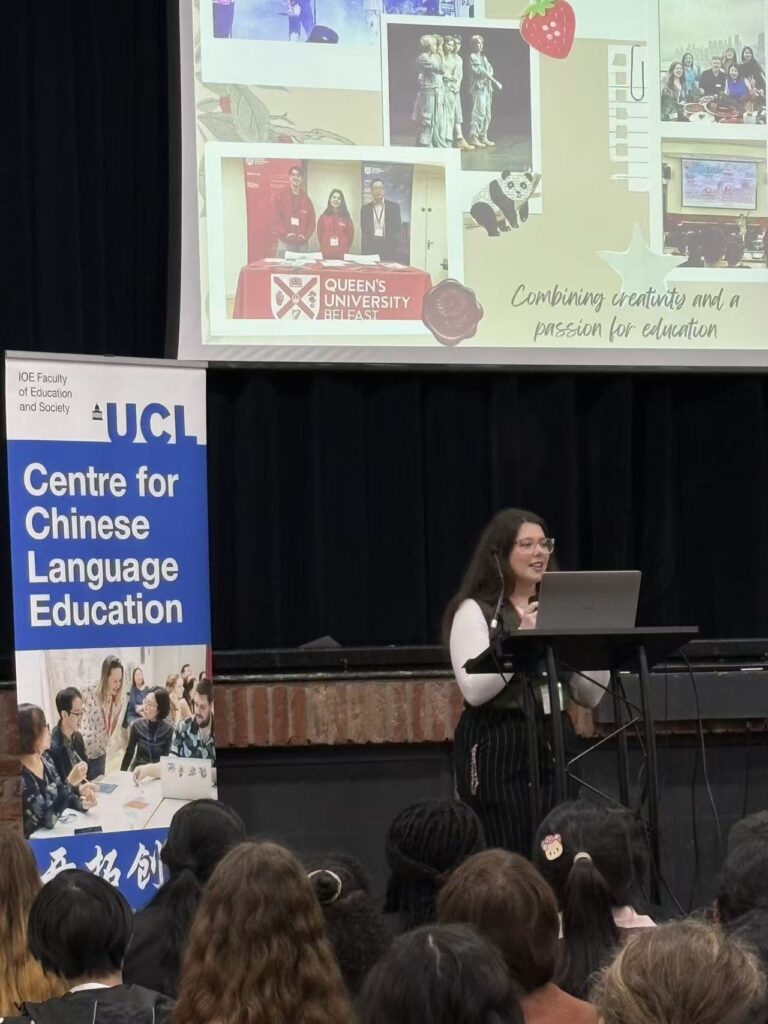
Alumna Isabella Souza McLaughlin (Global Student Recruitment) shared her journey of studying Mandarin Chinese as part of her International Business degree. Speaking on a university student and alumni panel, she emphasised the value of adaptability and openness in intercultural contexts, while reflecting on the challenges of completing her work placement during the pandemic. She also spoke about the rewarding experience of working with Chinese colleagues in both the UK and China in her role at Queen’s today.
Supported by student ambassador Thea Godfrey, the team also hosted an information stand throughout the day, engaging with prospective students and teachers. From course details and scholarships to life in Belfast, Queen’s showcased the many opportunities available to students interested in combining Chinese with their degree and career ambitions.
The outreach and engagement provided an excellent opportunity to raise the profile of Queen’s and connect with the next generation of globally minded students in the UK.
About Schools and Universities Day (Click to expand)
This free event offers a unique opportunity for school teachers and secondary-school learners of Mandarin to meet departments from universities across the UK. Through these dialogues, learners can explore the range of opportunities and pathways for continuing Mandarin at university.
Since its inception, feedback on the day has been overwhelmingly positive. It creates space for informed discussions between students and university representatives and facilitates connections between teachers and universities.
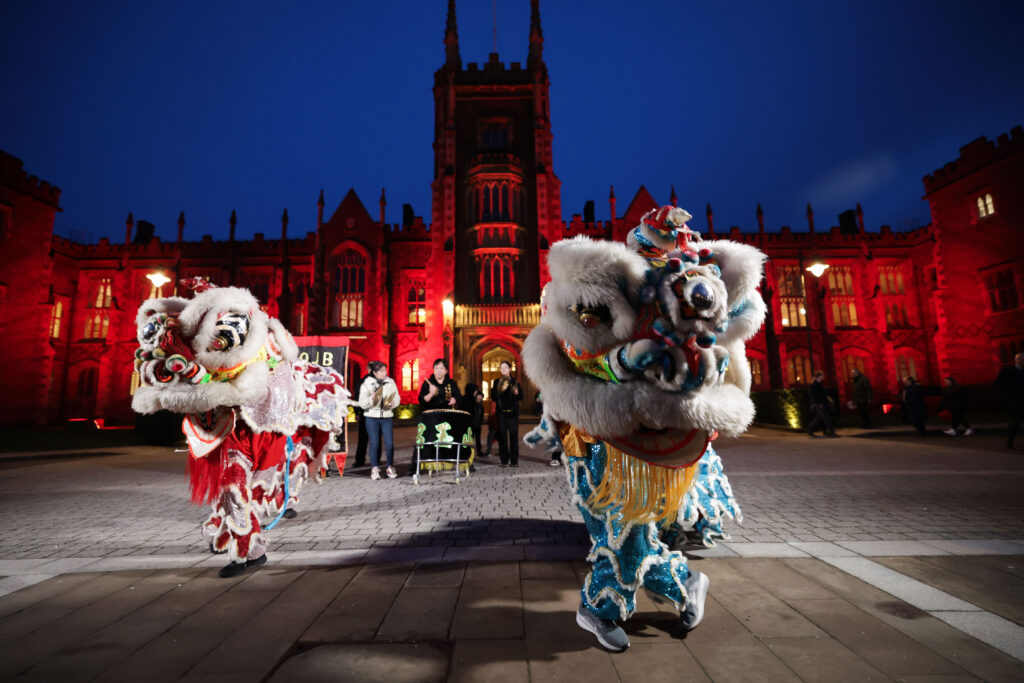
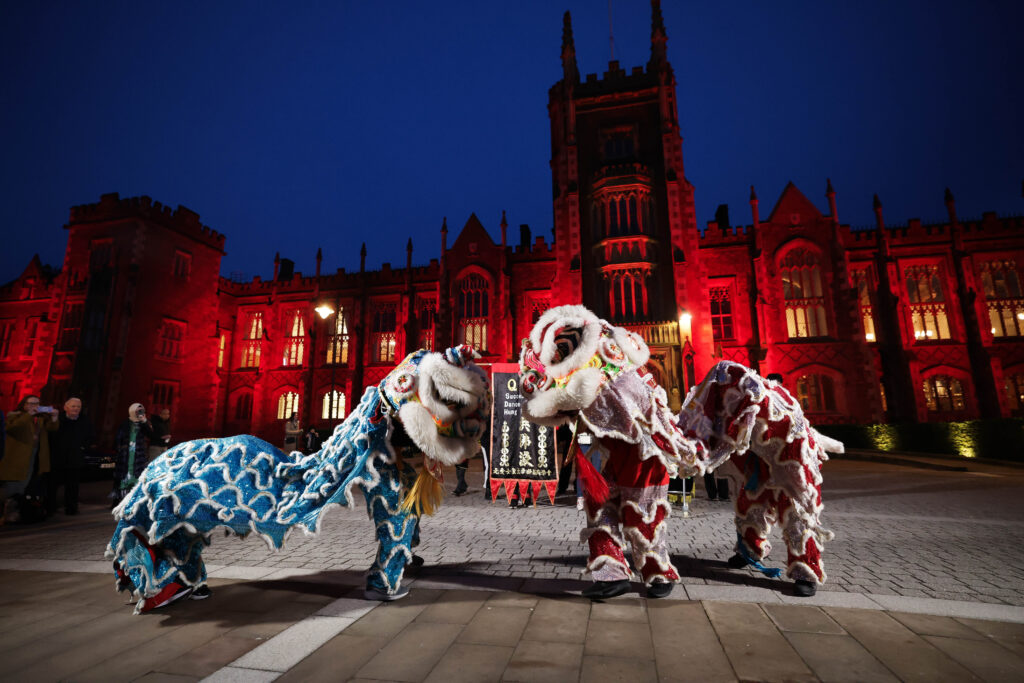
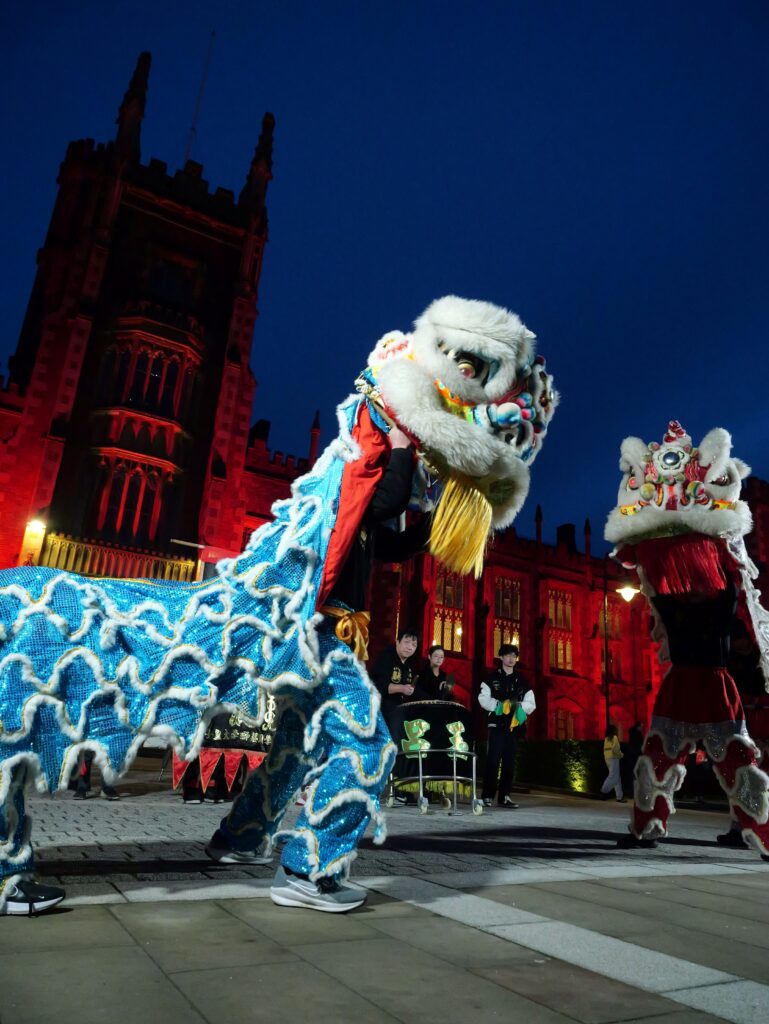
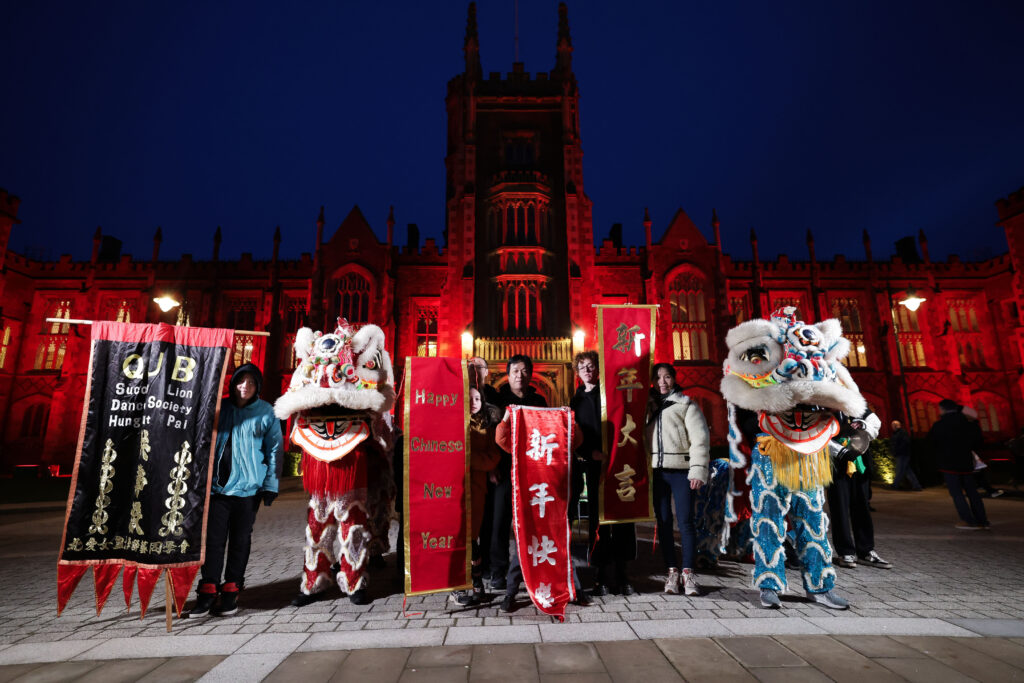
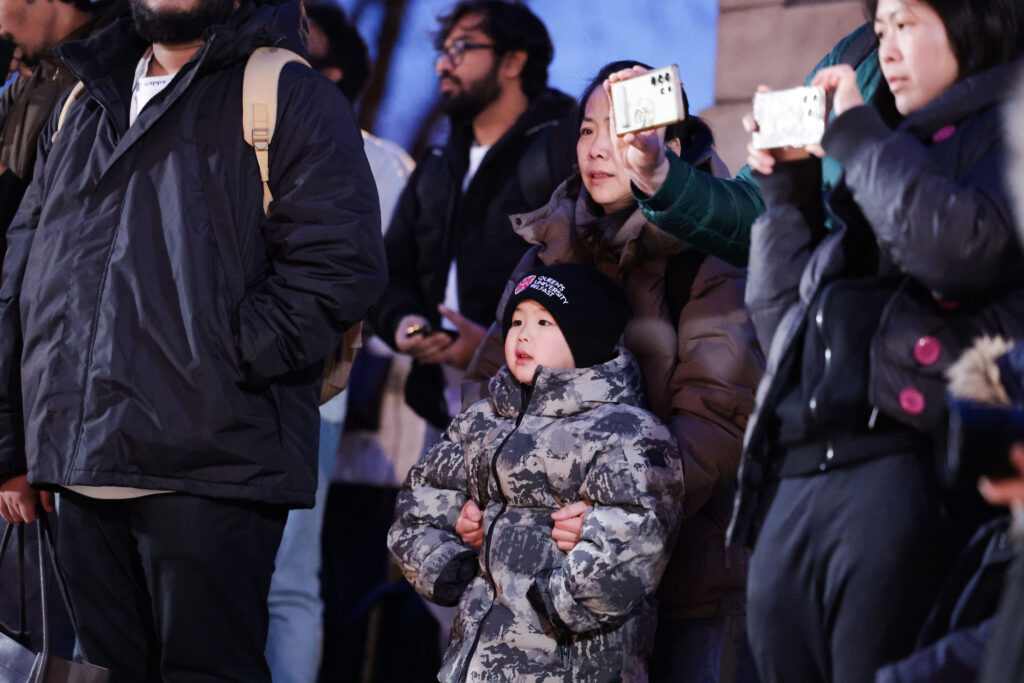
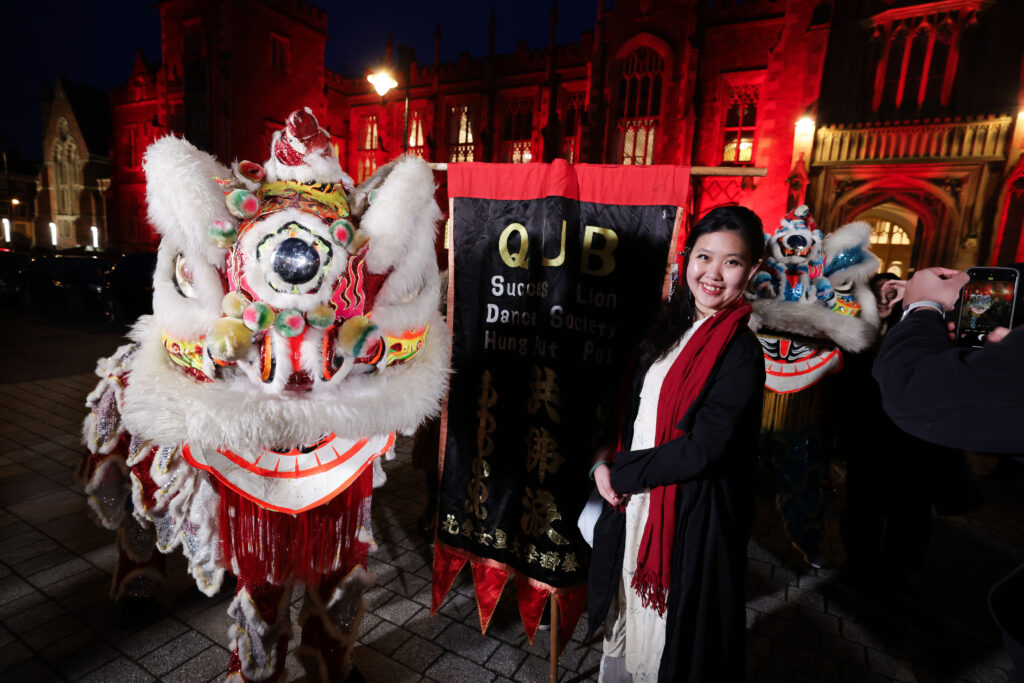
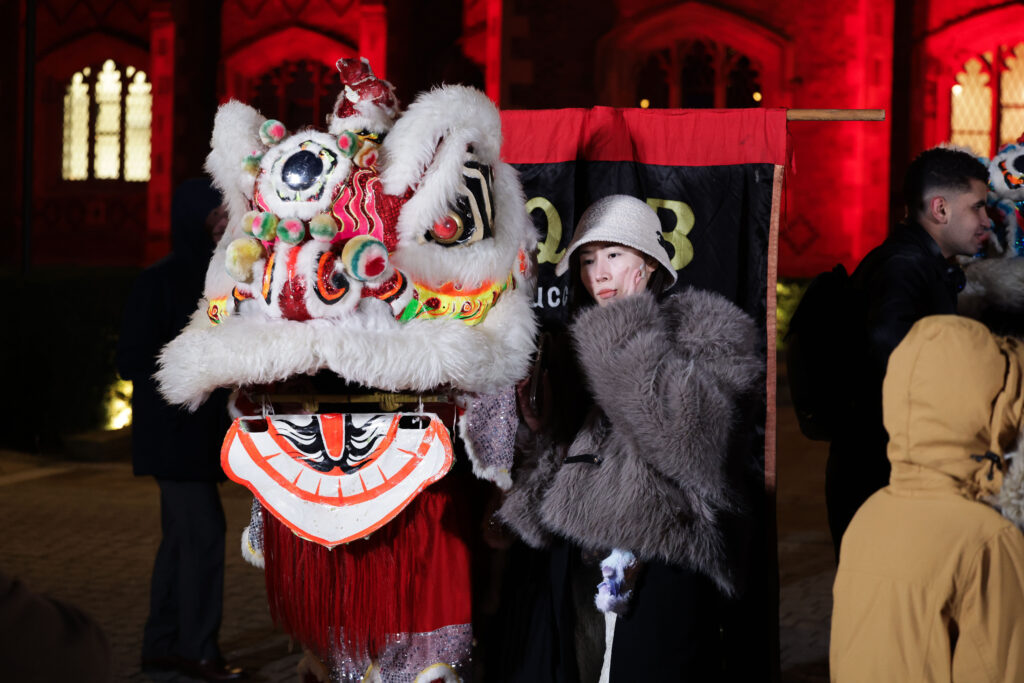
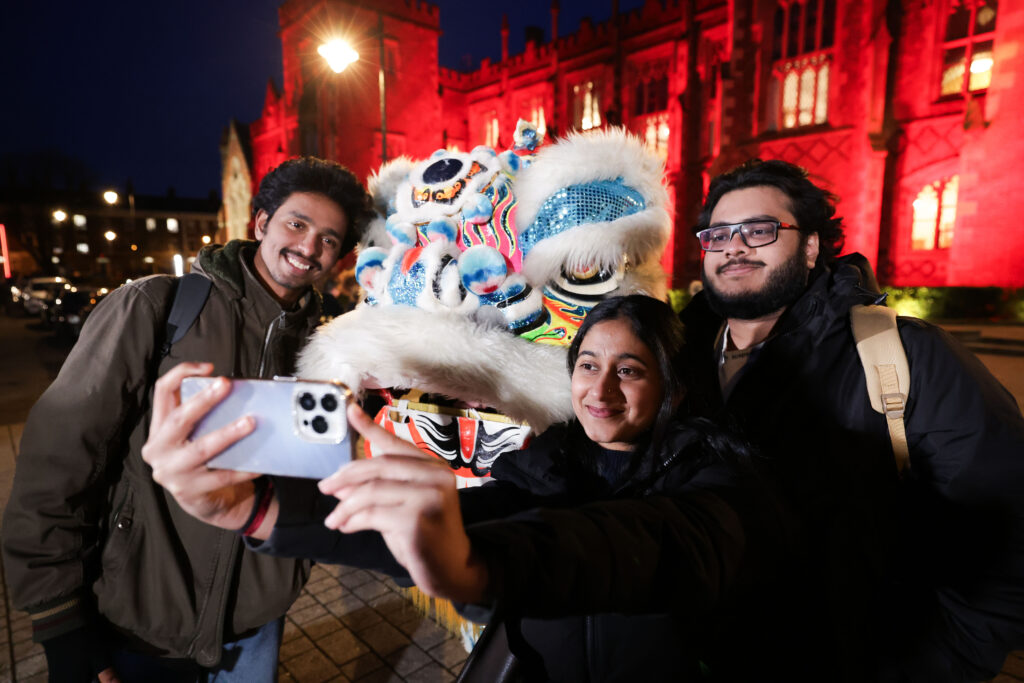
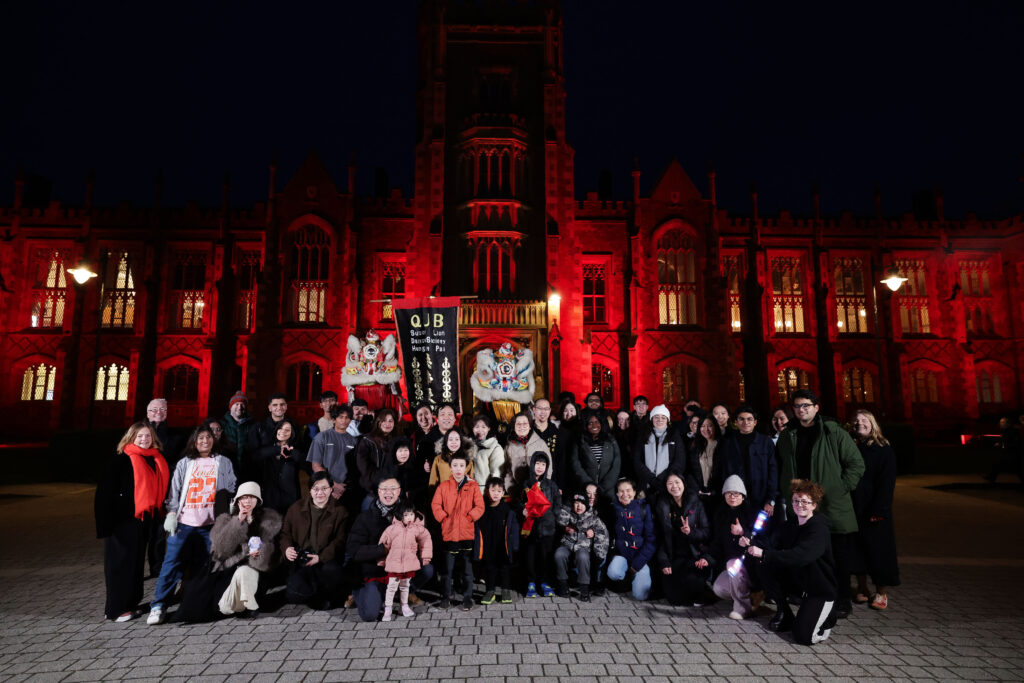
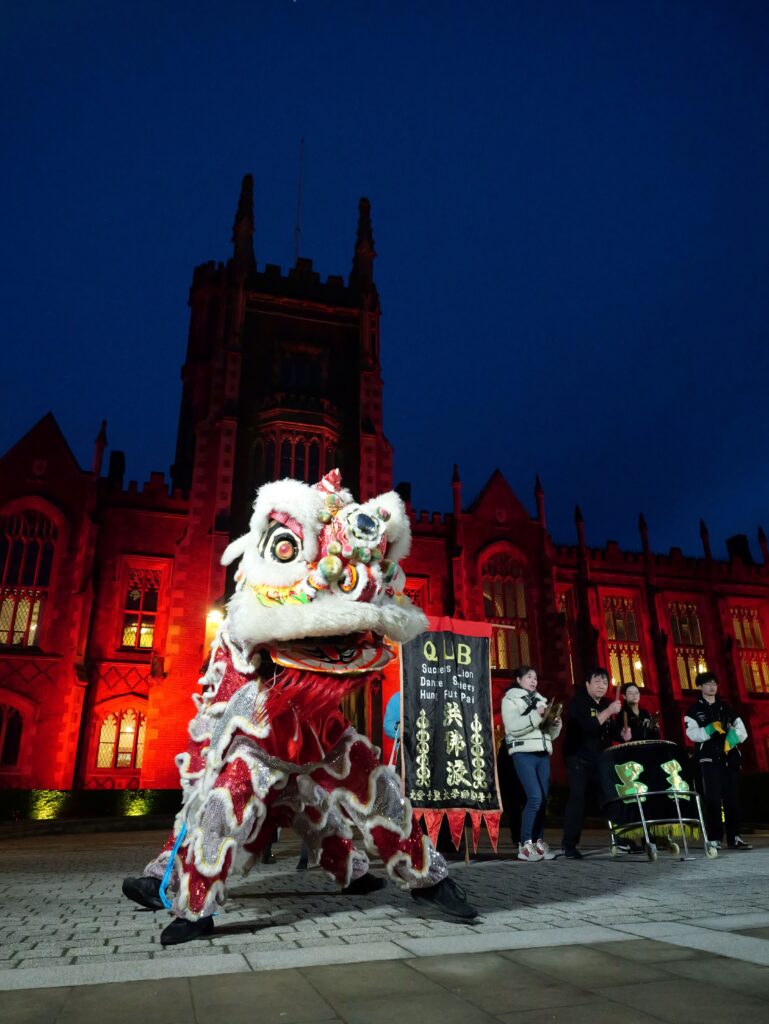
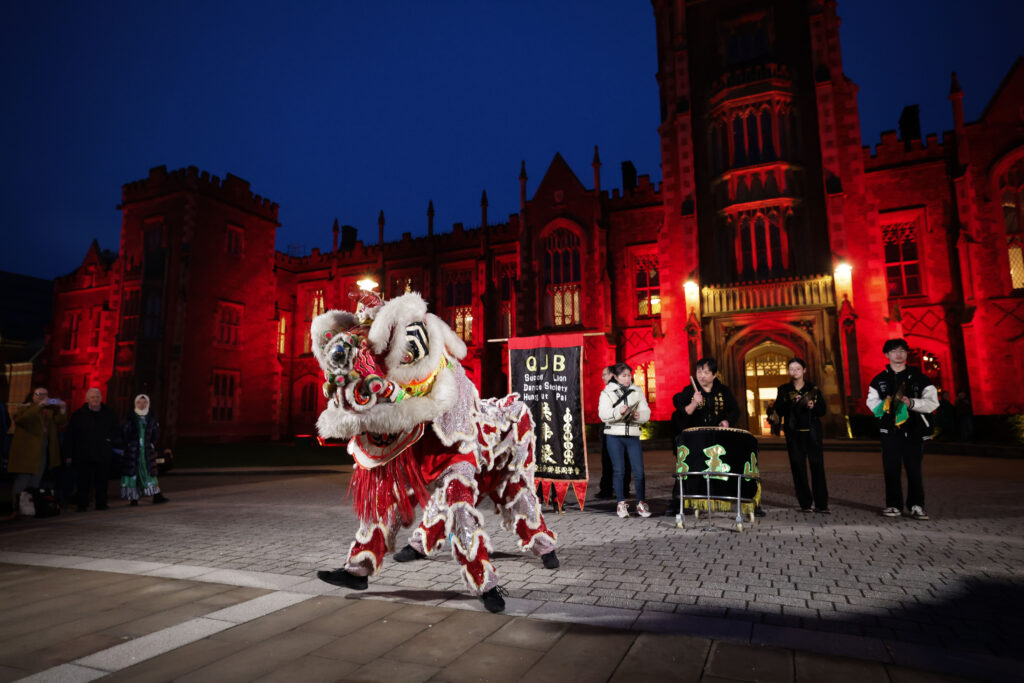
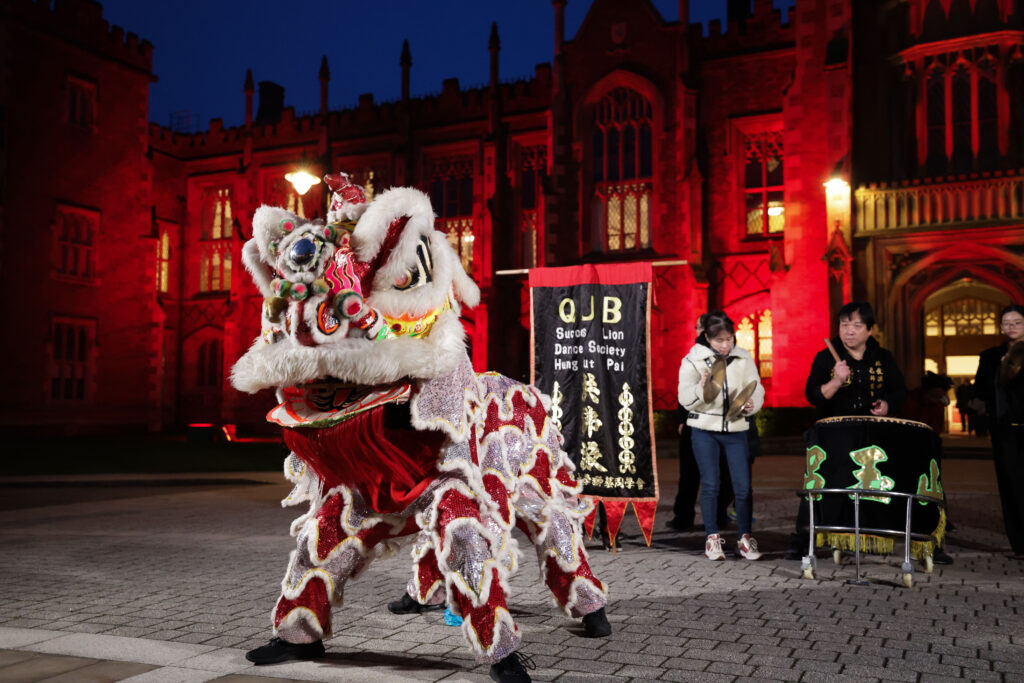
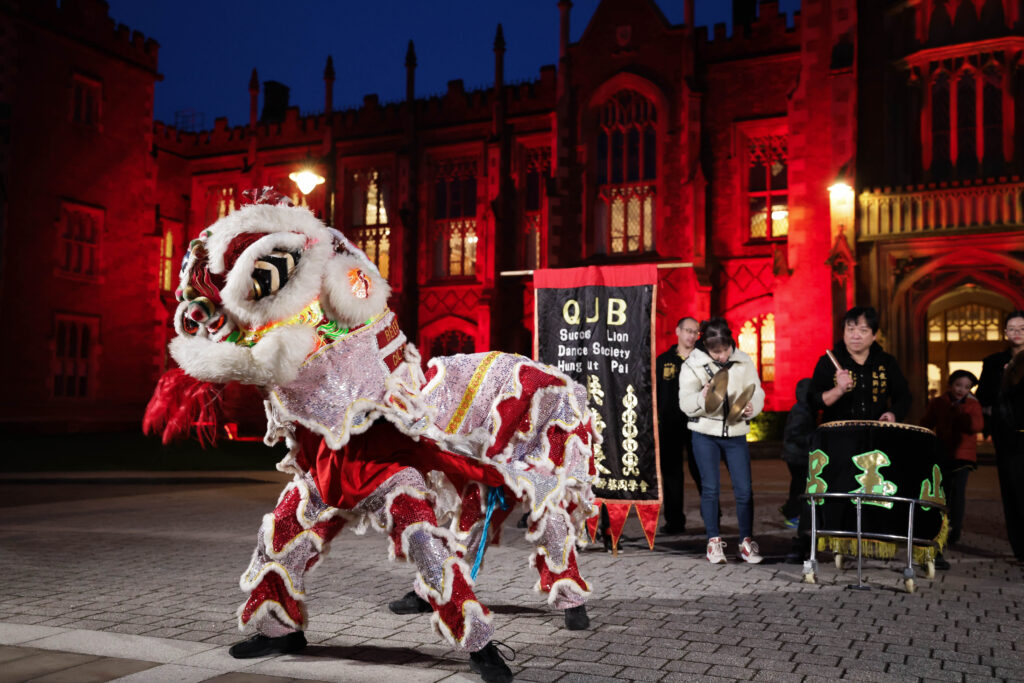
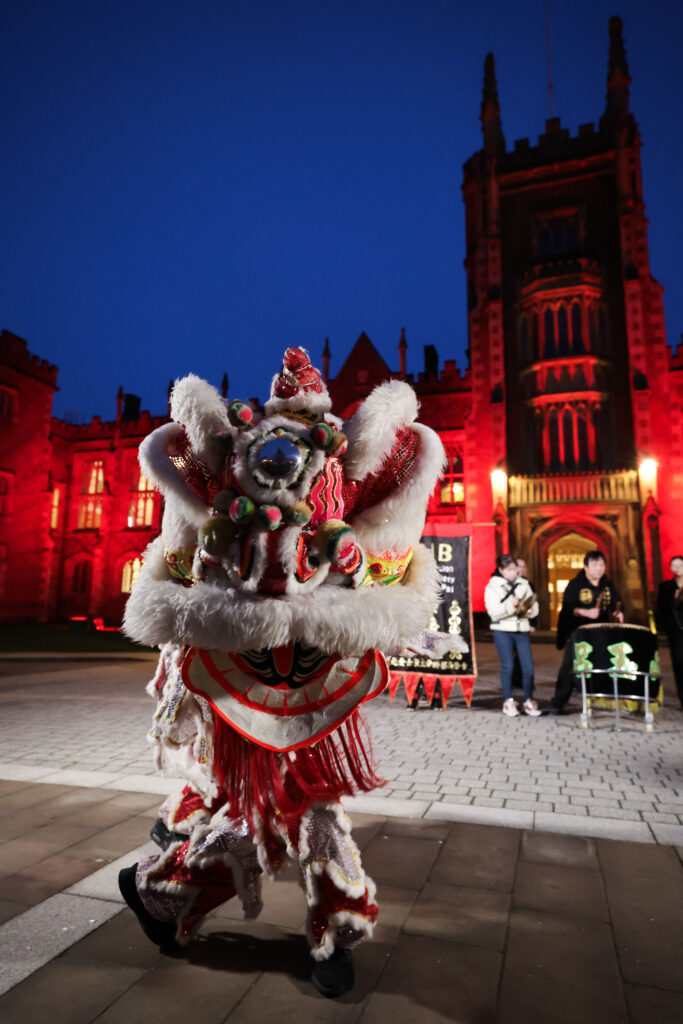
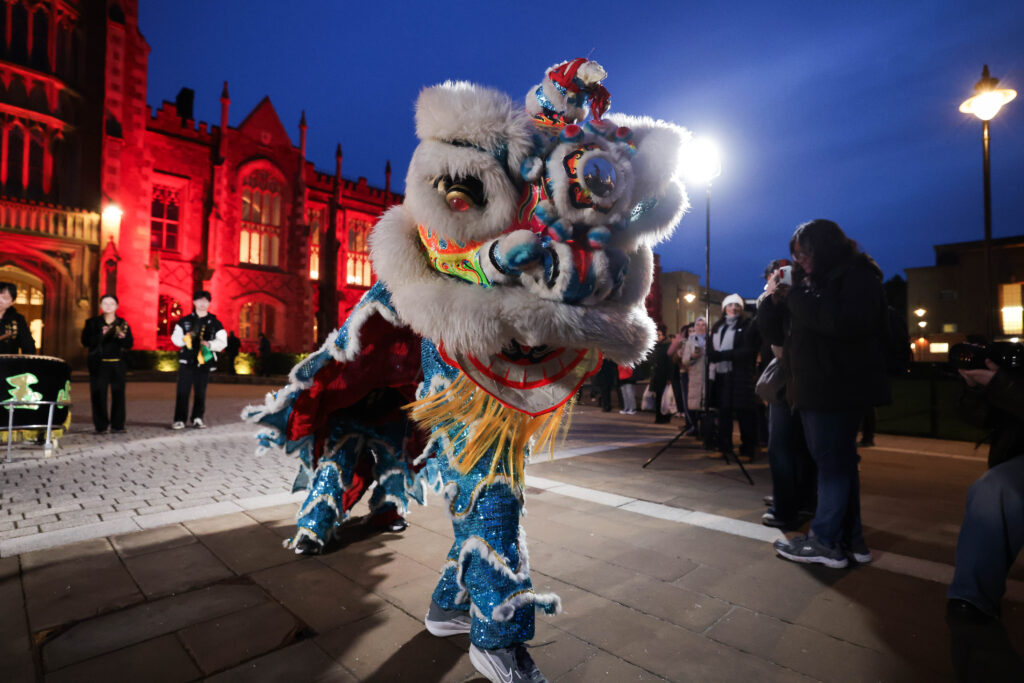
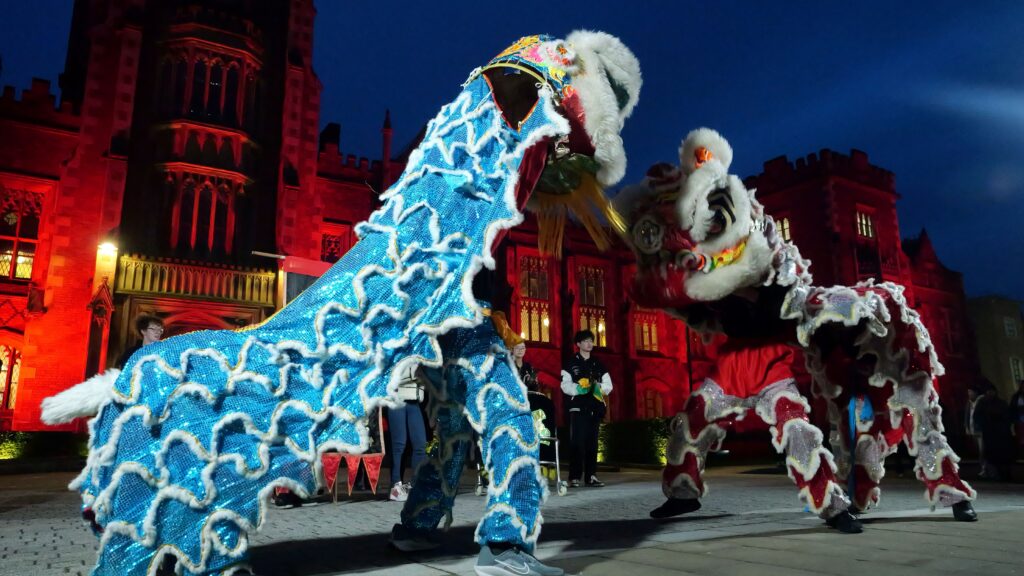
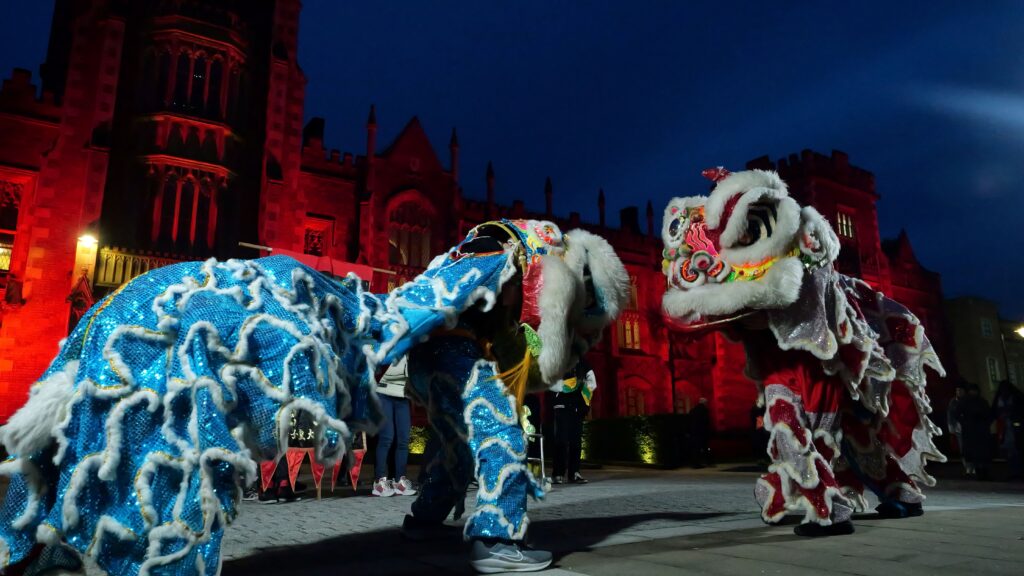
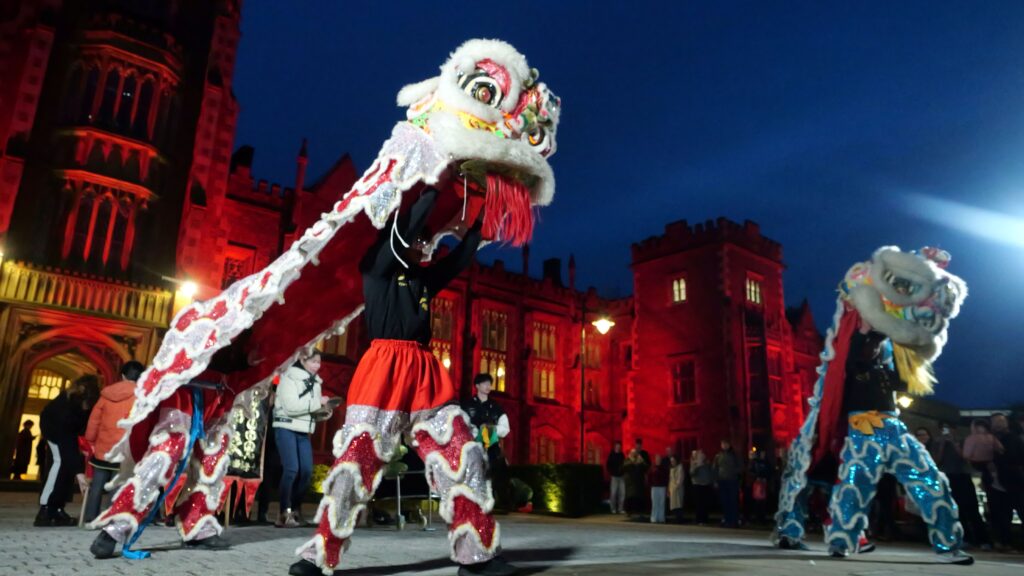
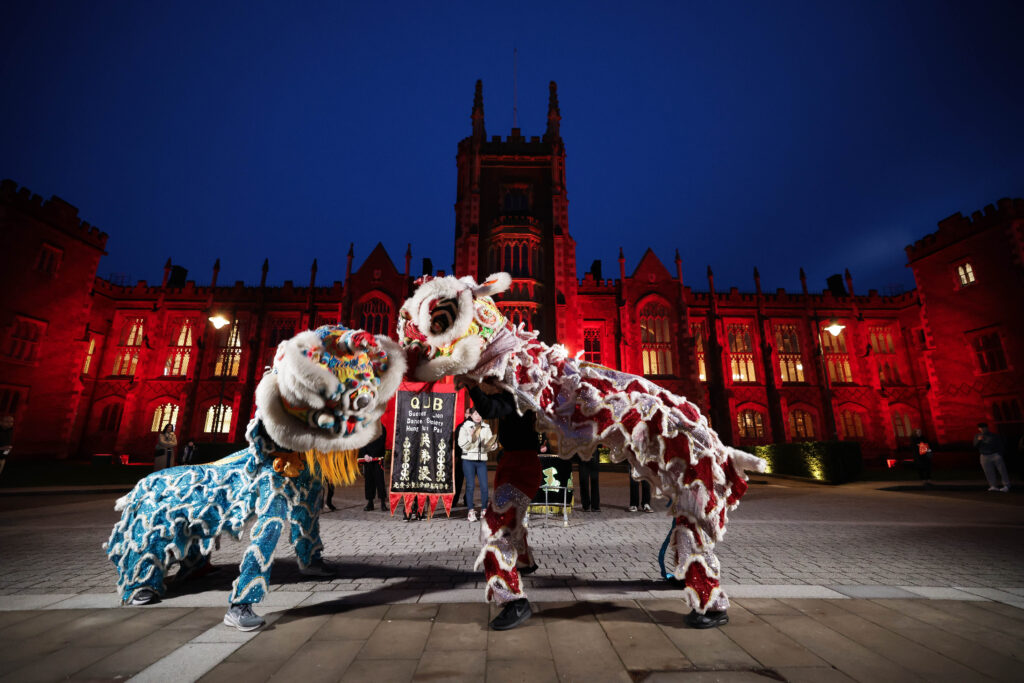
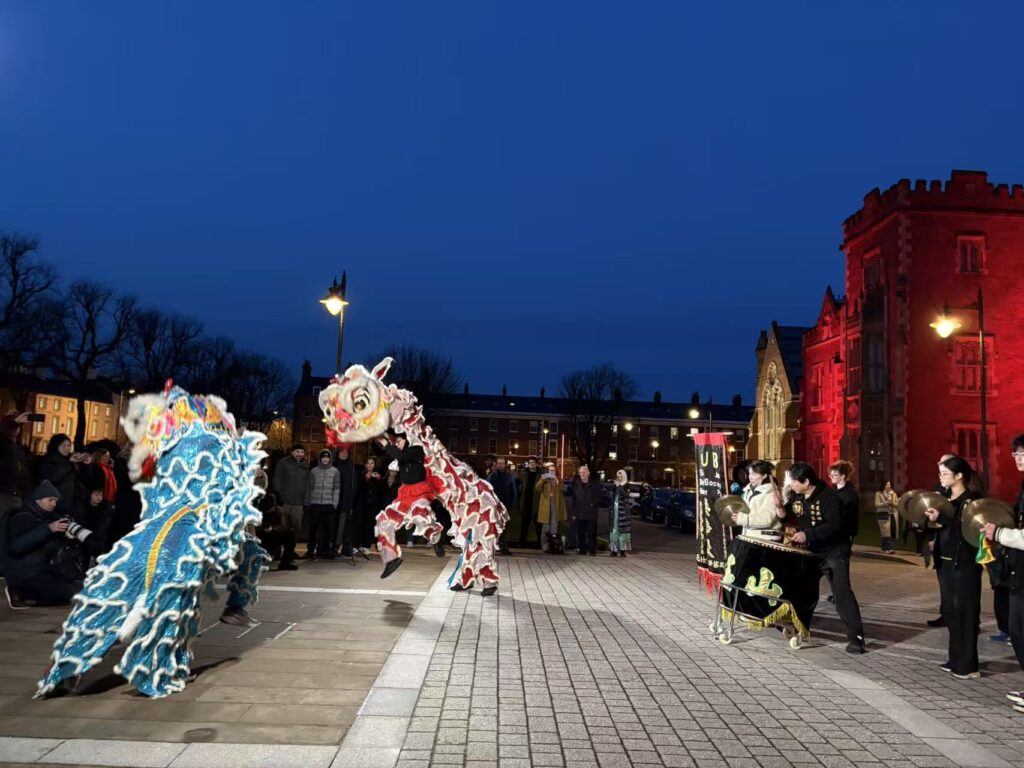
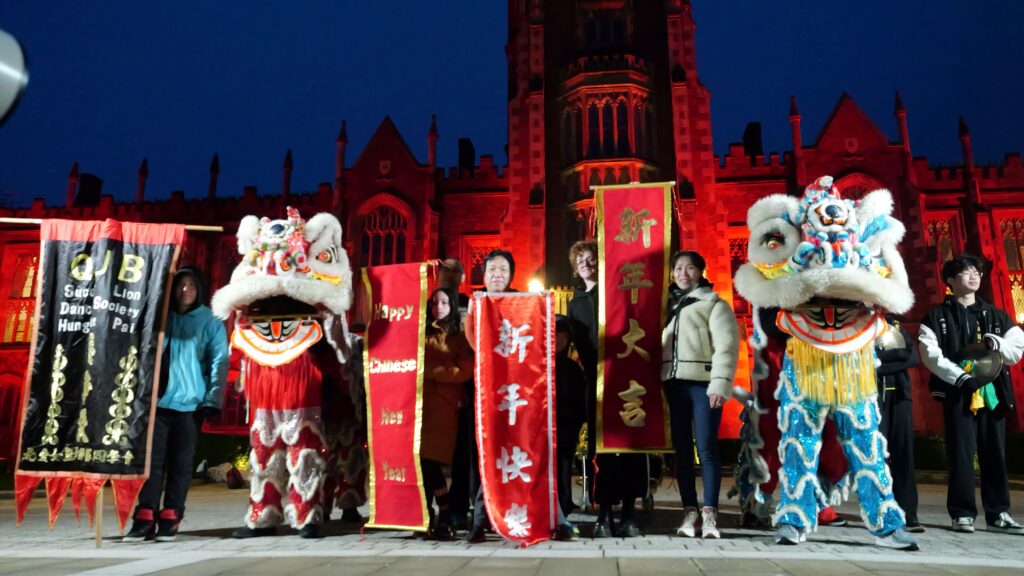
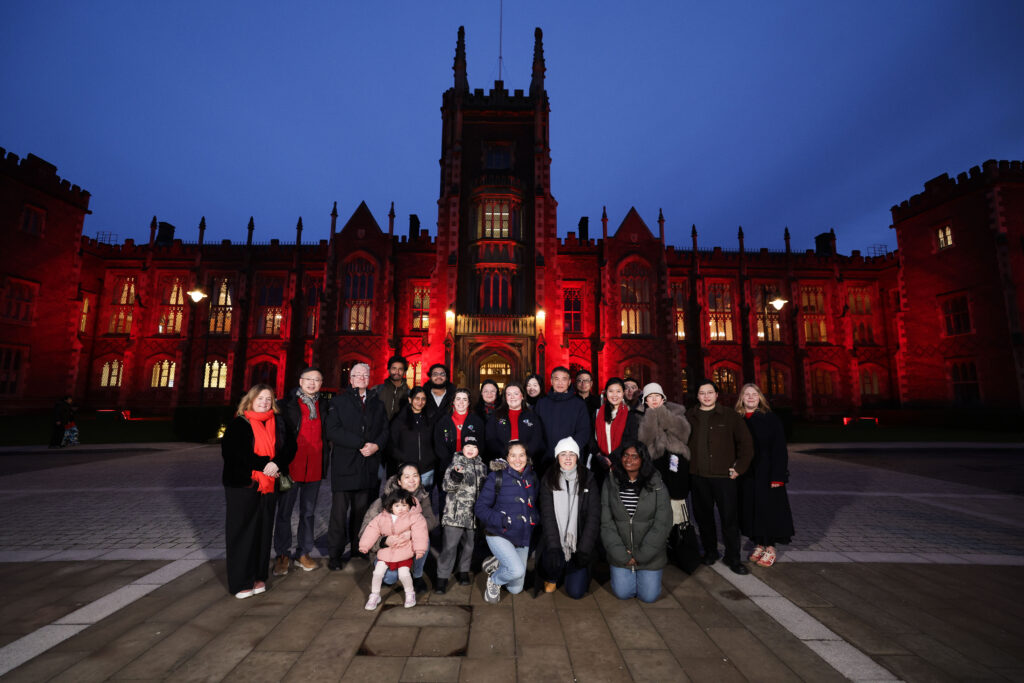
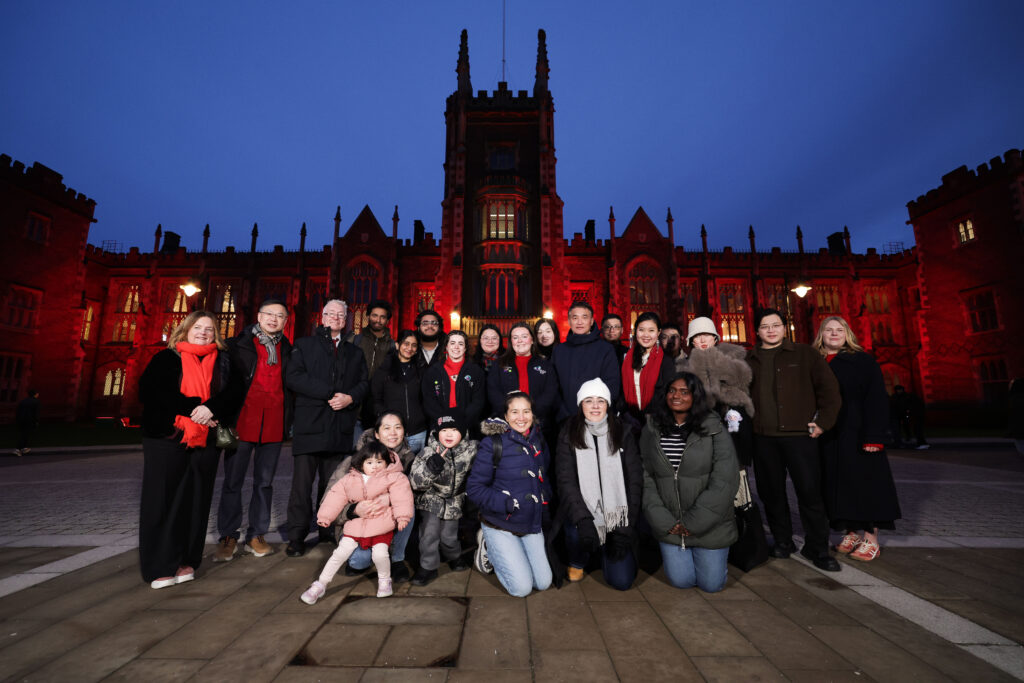
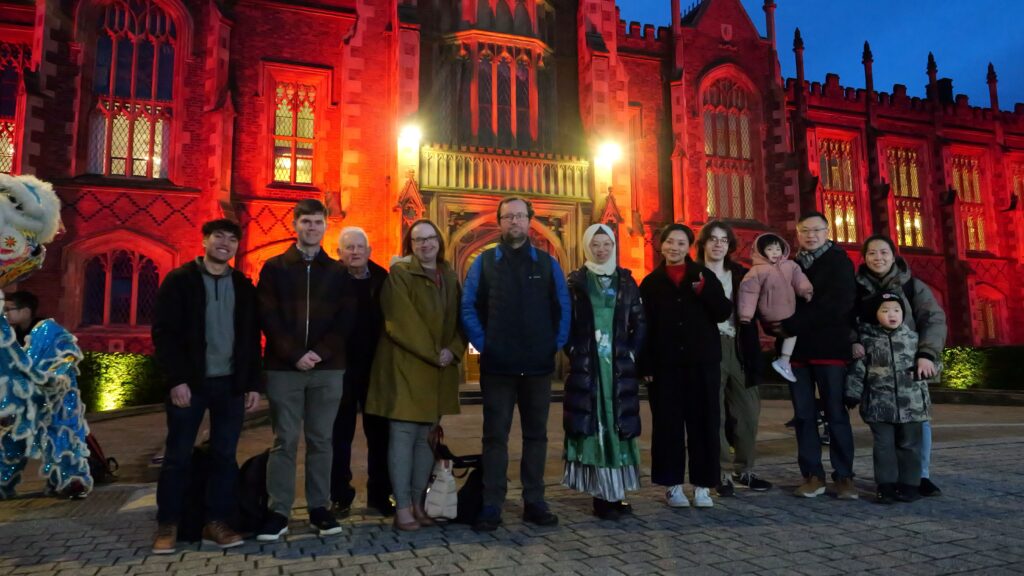
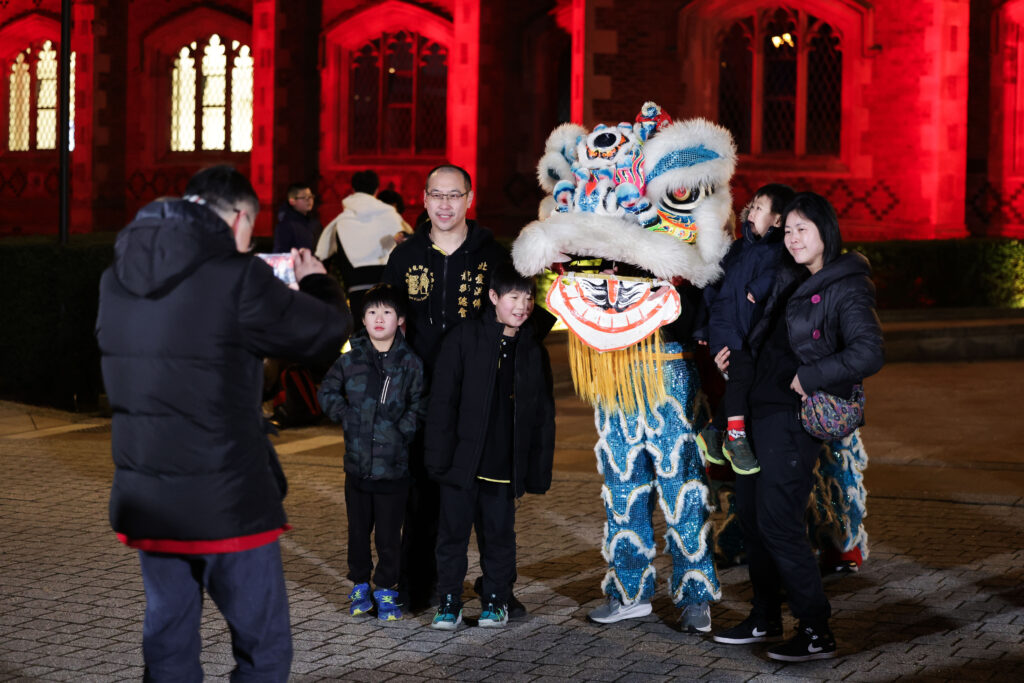
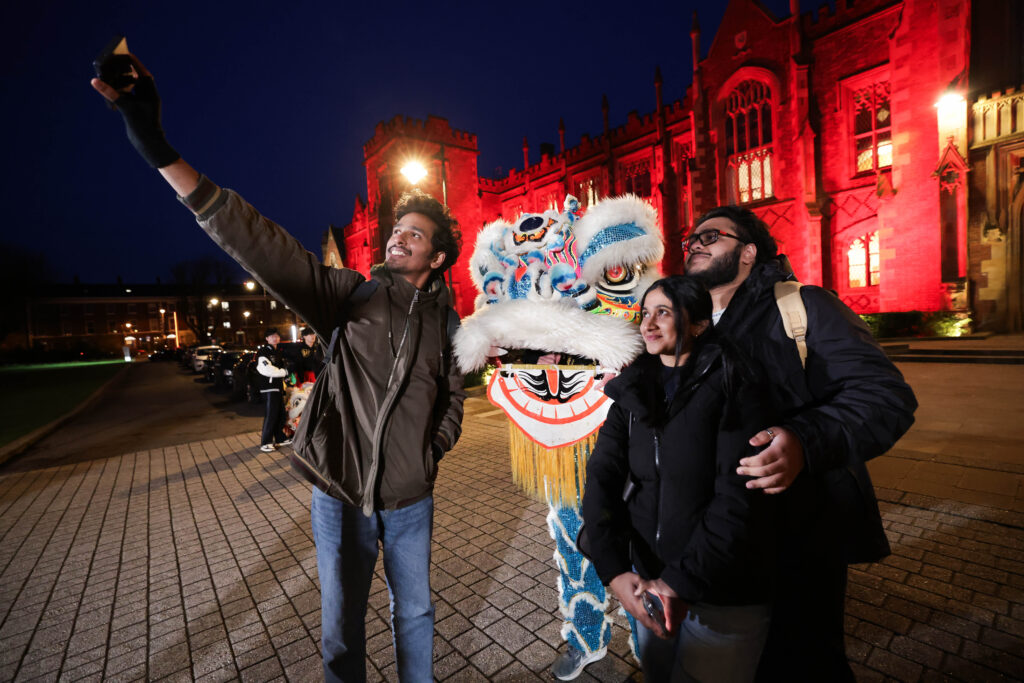
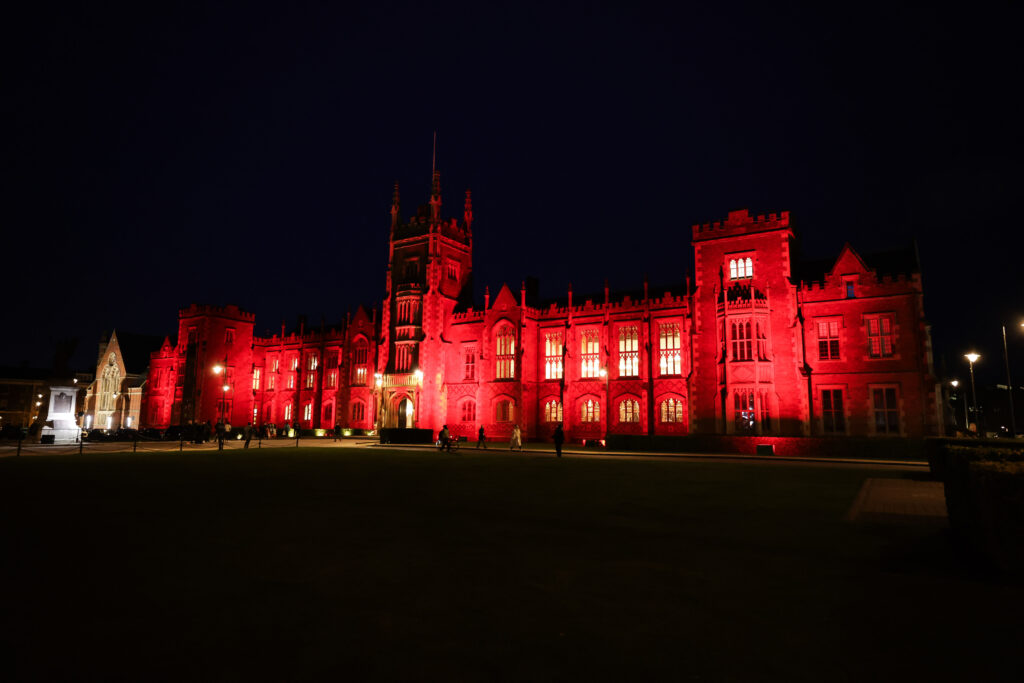
To mark us galloping towards another successful year, our beautiful Lanyon building was illuminated in red tonight. ❤️
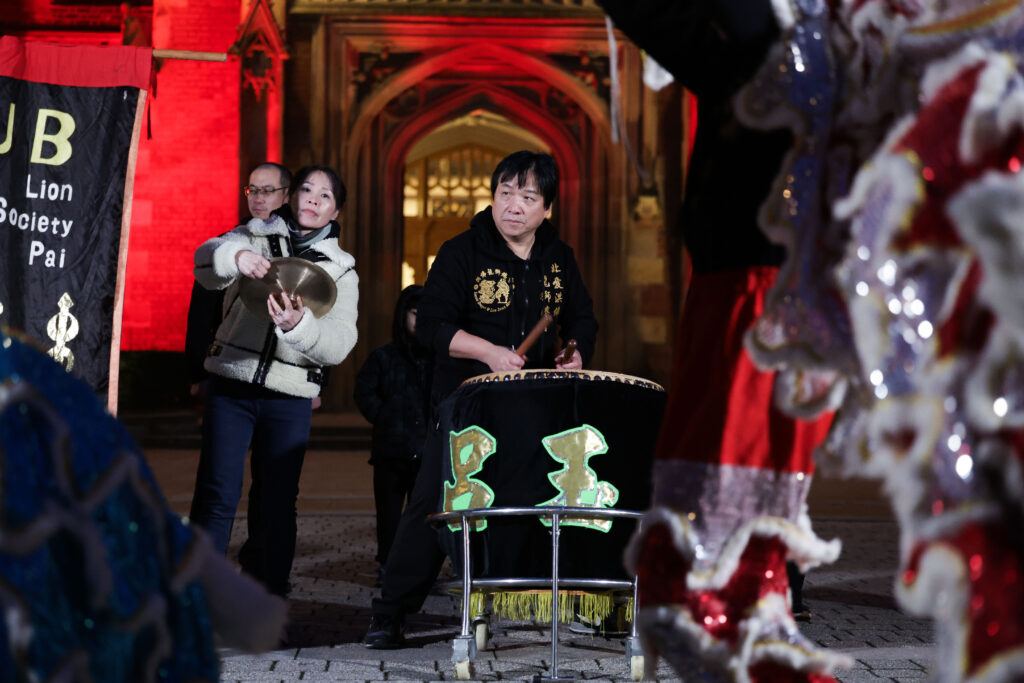
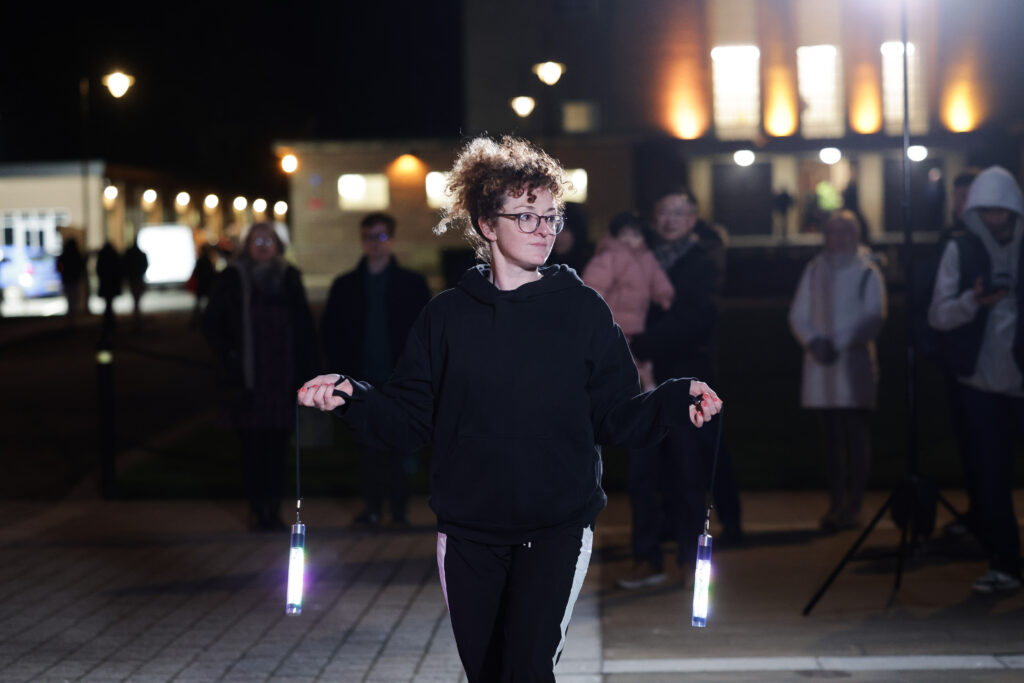
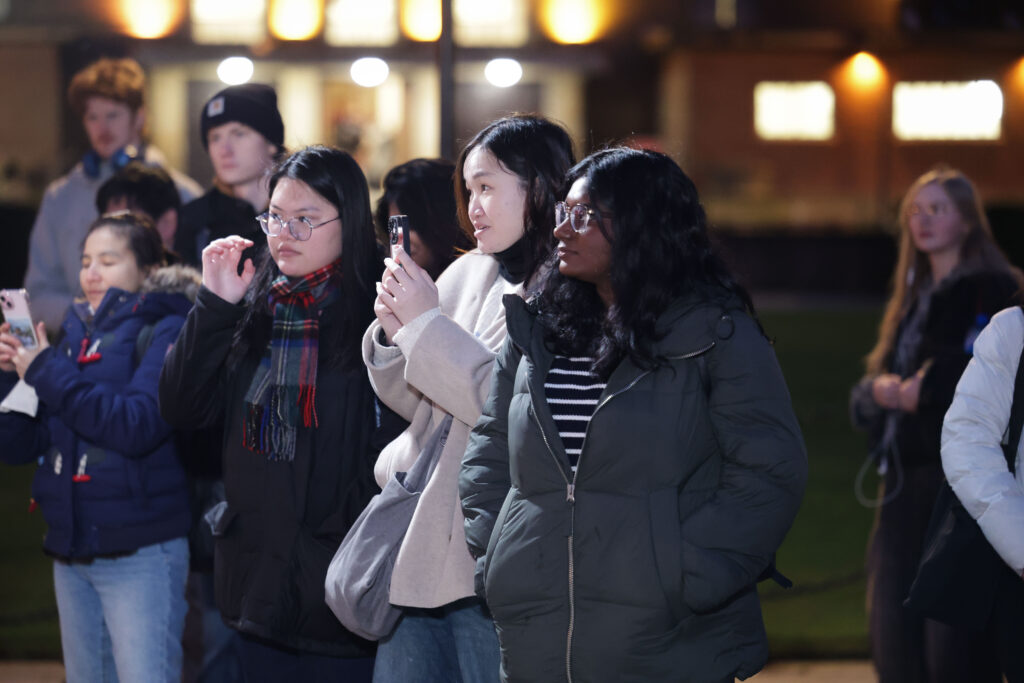
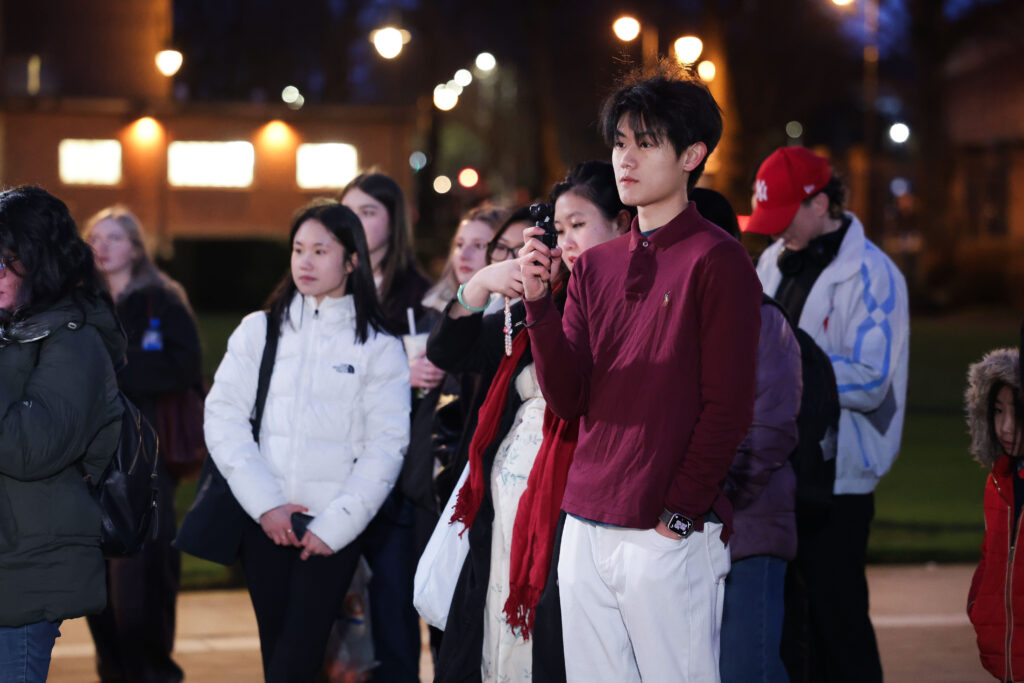
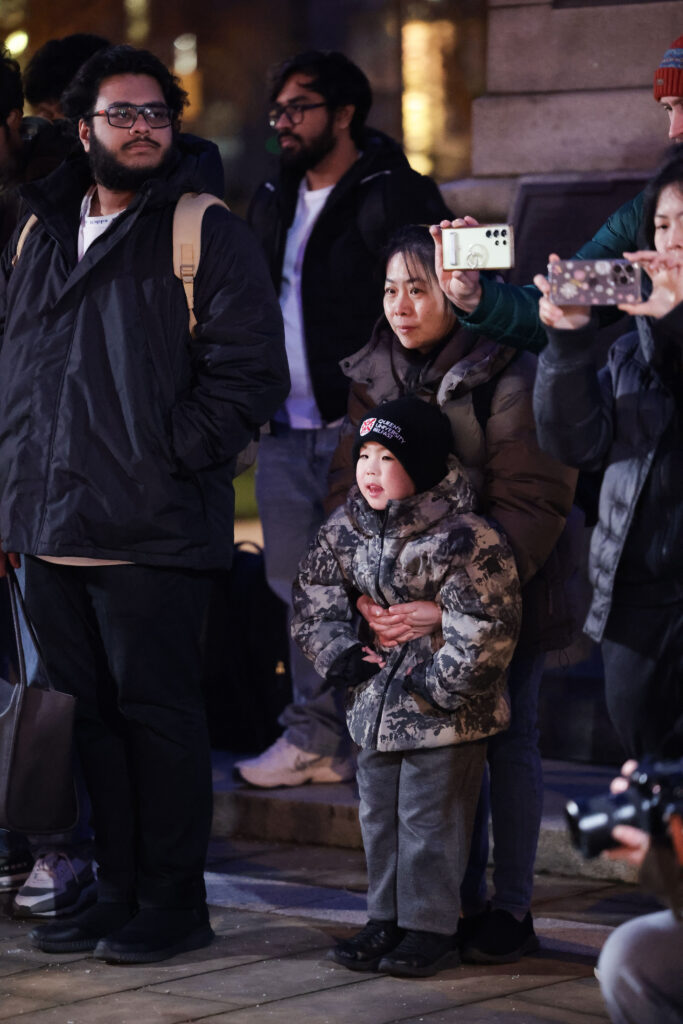
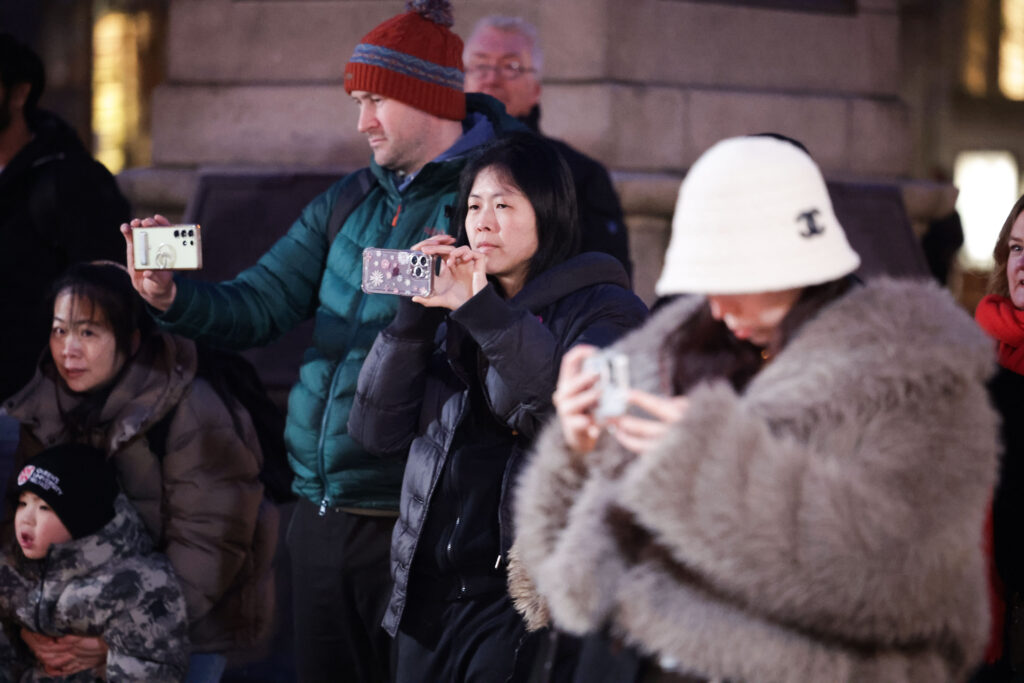
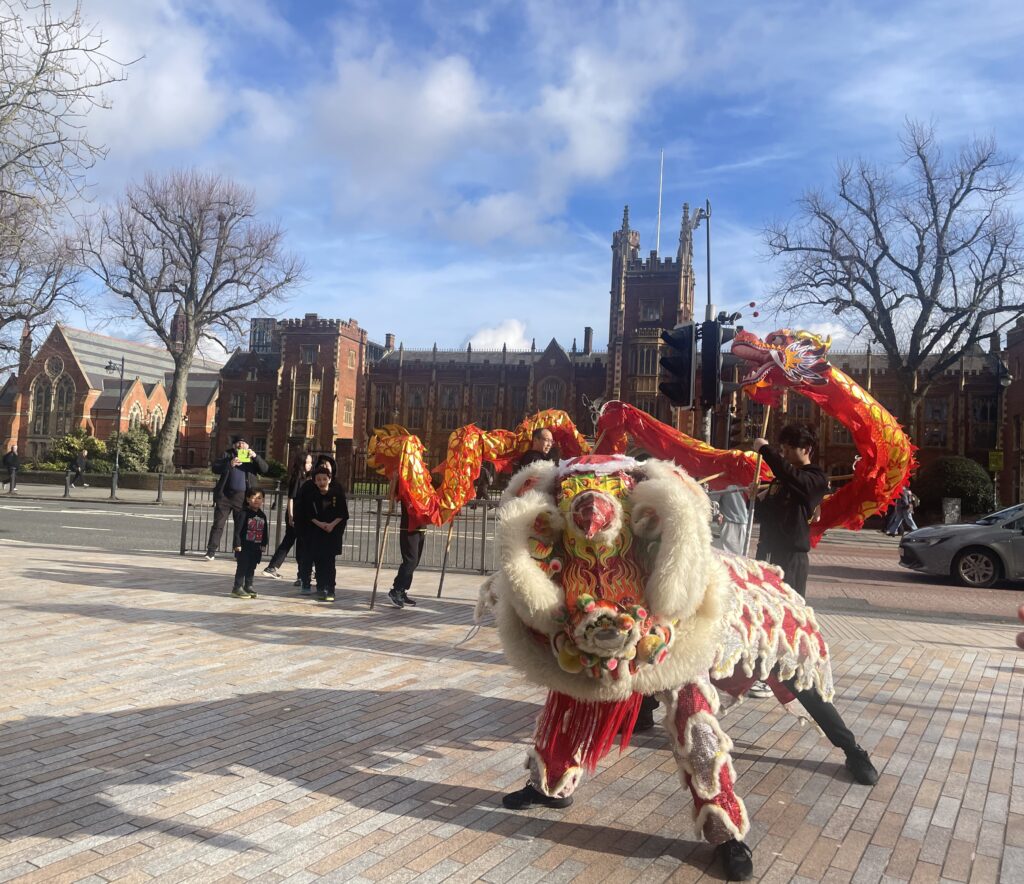
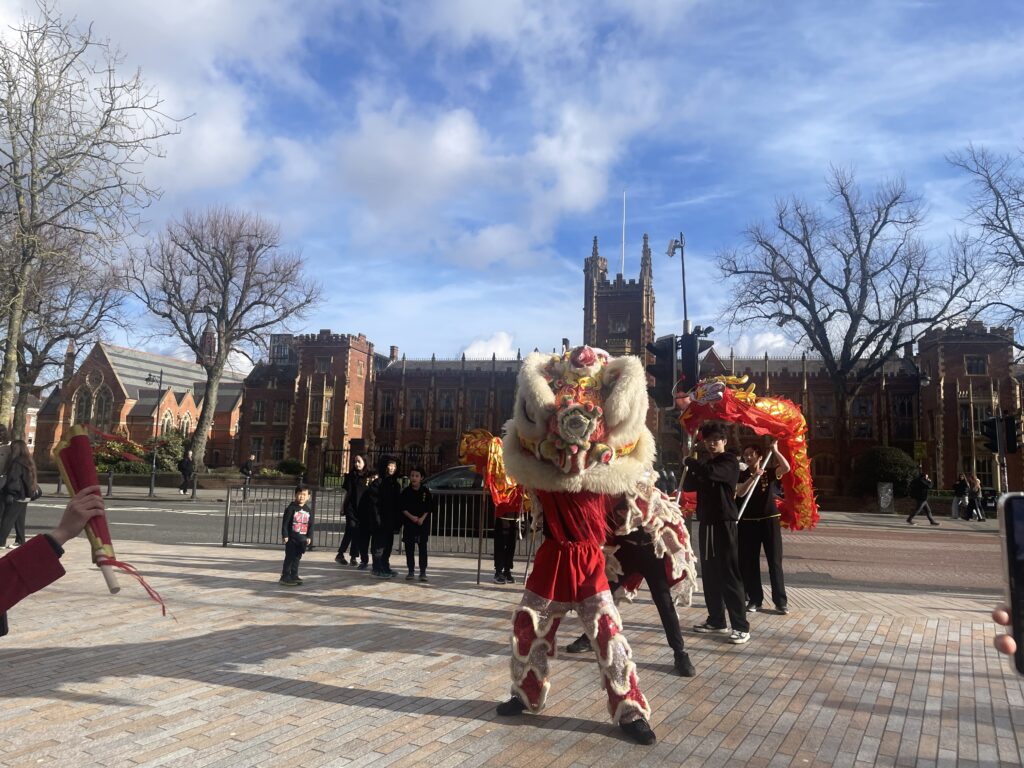
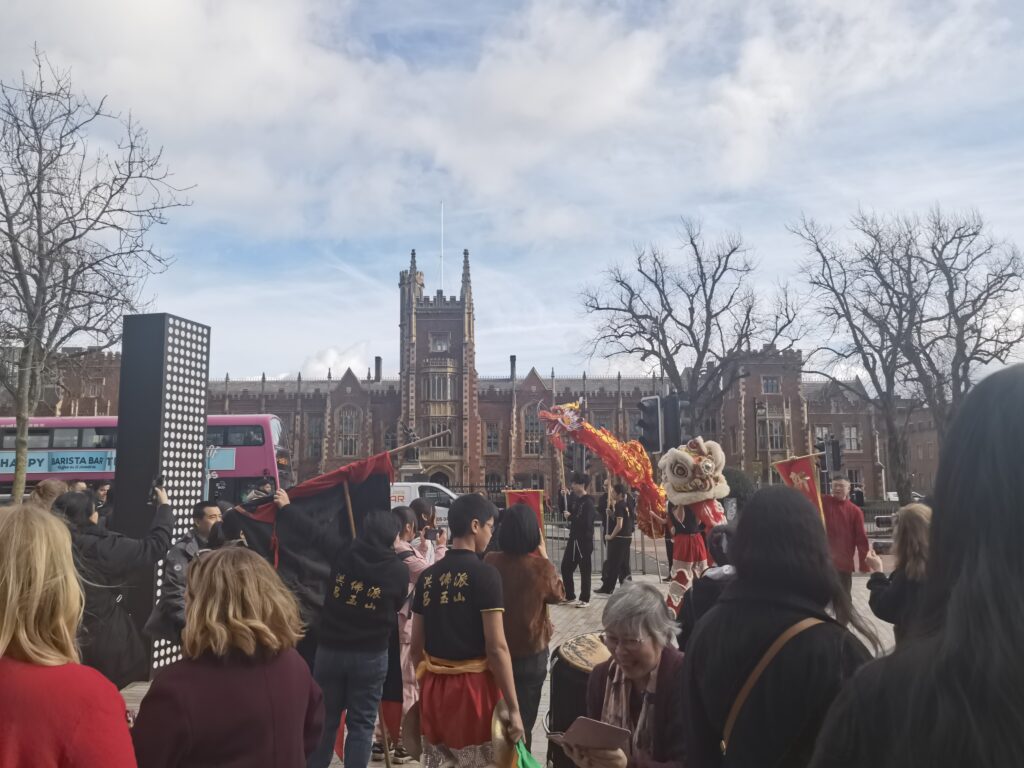
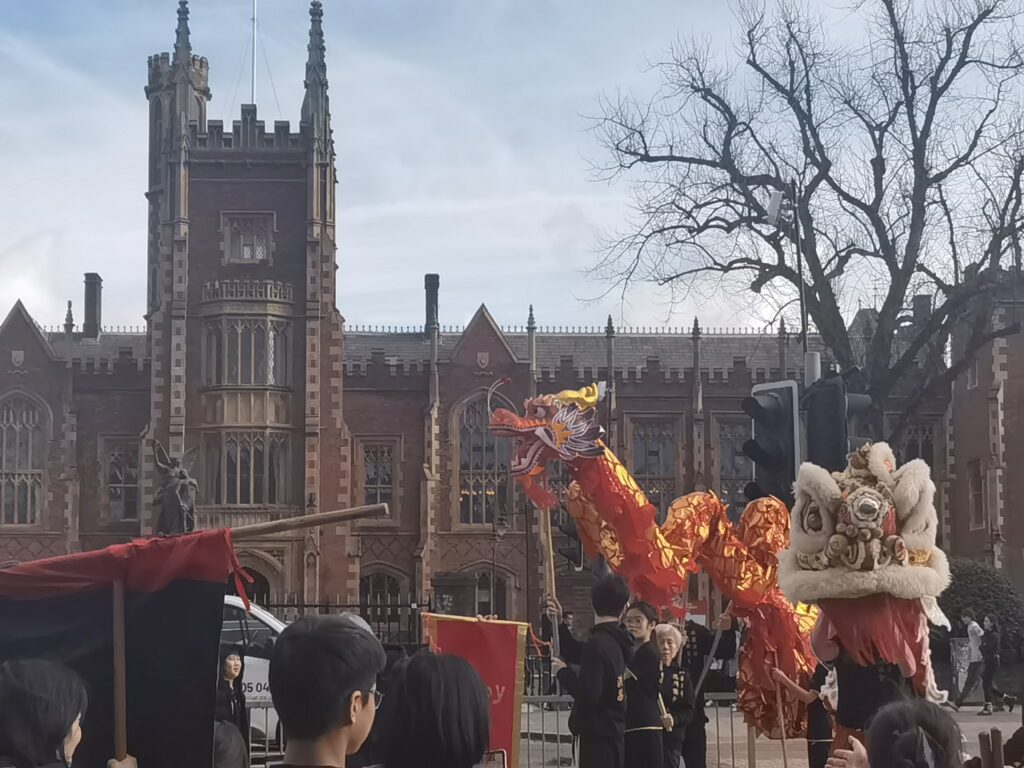
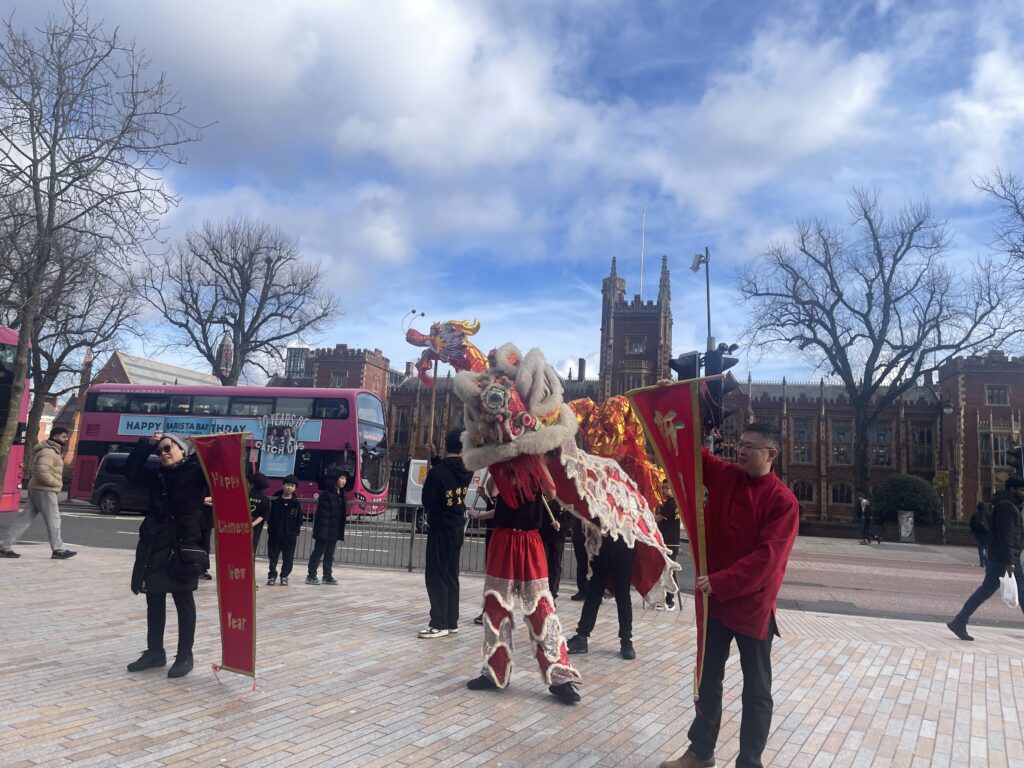
Meanwhile staff and students were treated to a magical lion dance performance, a tradition known to spread blessings and good fortune for the year ahead.
Photographer – Tianpeng Yao
Press Eye – Belfast – Northern Ireland – 17th February 2026 – Photo by Kelvin Boyes / Press Eye.
Press Eye – Belfast – Northern Ireland – 17th February 2026 – Photo by Kelvin Boyes / Press Eye.
Press Eye – Belfast – Northern Ireland – 17th February 2026 –
Photo by Kelvin Boyes / Press Eye.
Press Eye – Belfast – Northern Ireland – 17th February 2026 –
Photo by Kelvin Boyes / Press Eye.
Press Eye – Belfast – Northern Ireland – 17th February 2026 –
Photo by Kelvin Boyes / Press Eye.
Press Eye – Belfast – Northern Ireland – 17th February 2026 –
Photo by Kelvin Boyes / Press Eye.
Photographer – Tianpeng Yao
Photographer – Tianpeng Yao
Photographer – Tianpeng Yao
Photographer – Tianpeng Yao
Press Eye – Belfast – Northern Ireland – 17th February 2026 –
Photo by Kelvin Boyes / Press Eye.
Press Eye – Belfast – Northern Ireland – 17th February 2026 –
Photo by Kelvin Boyes / Press Eye.
Photographer – Liang Wang
Press Eye – Belfast – Northern Ireland – 17th February 2026 –
Photo by Kelvin Boyes / Press Eye.
Press Eye – Belfast – Northern Ireland – 17th February 2026 –
Photo by Kelvin Boyes / Press Eye.
Photographer – Tianpeng Yao
Press Eye – Belfast – Northern Ireland – 17th February 2026 –
Photo by Kelvin Boyes / Press Eye.
Press Eye – Belfast – Northern Ireland – 17th February 2026 –
Photo by Kelvin Boyes / Press Eye.
Press Eye – Belfast – Northern Ireland – 17th February 2026 –
Photo by Kelvin Boyes / Press Eye.
Press Eye – Belfast – Northern Ireland – 17th February 2026 –
Photo by Kelvin Boyes / Press Eye.
Photographer – Tianpeng Yao
Press Eye – Belfast – Northern Ireland – 17th February 2026 –
Photo by Kelvin Boyes / Press Eye.
Press Eye – Belfast – Northern Ireland – 17th February 2026 –
Photo by Kelvin Boyes / Press Eye.
Press Eye – Belfast – Northern Ireland – 17th February 2026 –
Photo by Kelvin Boyes / Press Eye.
Press Eye – Belfast – Northern Ireland – 17th February 2026 –
Photo by Kelvin Boyes / Press Eye.
Press Eye – Belfast – Northern Ireland – 17th February 2026 –
Photo by Kelvin Boyes / Press Eye.
Press Eye – Belfast – Northern Ireland – 17th February 2026 –
Photo by Kelvin Boyes / Press Eye.
Press Eye – Belfast – Northern Ireland – 17th February 2026 –
Photo by Kelvin Boyes / Press Eye.
Press Eye – Belfast – Northern Ireland – 17th February 2026 –
Photo by Kelvin Boyes / Press Eye.
Press Eye – Belfast – Northern Ireland – 17th February 2026 –
Photo by Kelvin Boyes / Press Eye.
Press Eye – Belfast – Northern Ireland – 17th February 2026 –
Photo by Kelvin Boyes / Press Eye.
We thank you for joining us in this meaningful celebration and hope you have enjoyed yourselves with nice snapshots. If you would like to share yours to be added to the album, please send your photos to liang.wang.
We are also keen to invite you to attend many of our upcoming events:
Culture Forum Talks
Fun Time with Table Tennis
Bridges to China Launch (fully booked)
Check the Chinese Culture Programme 2026 Homepage for more upcoming events throughout the year.
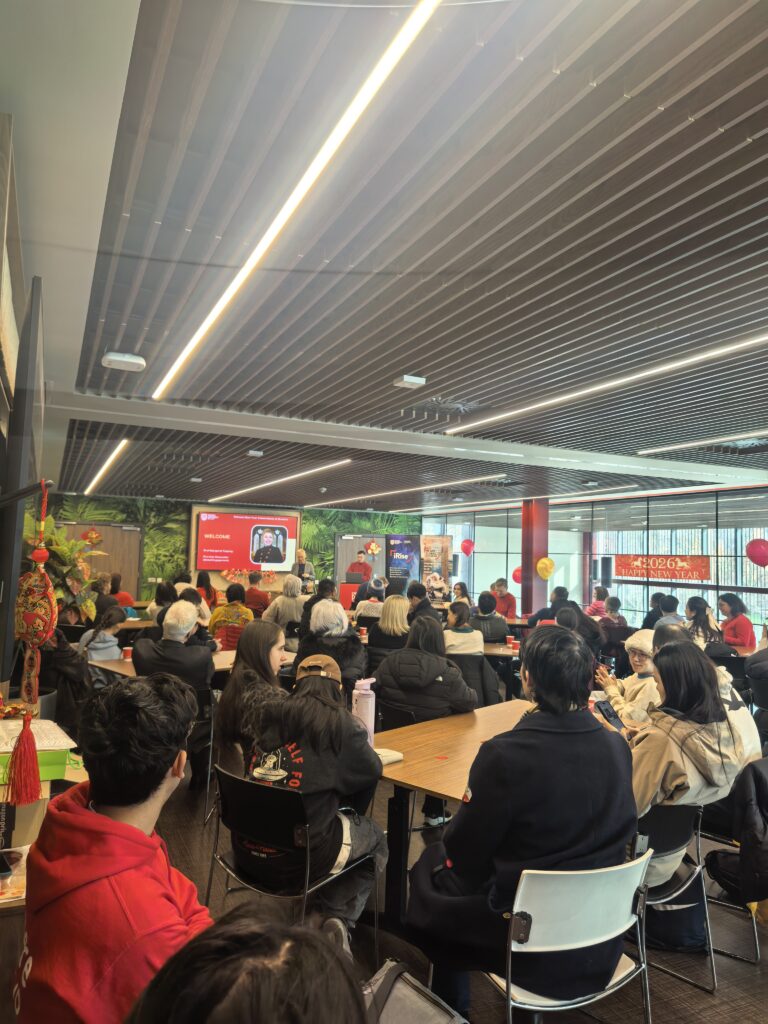
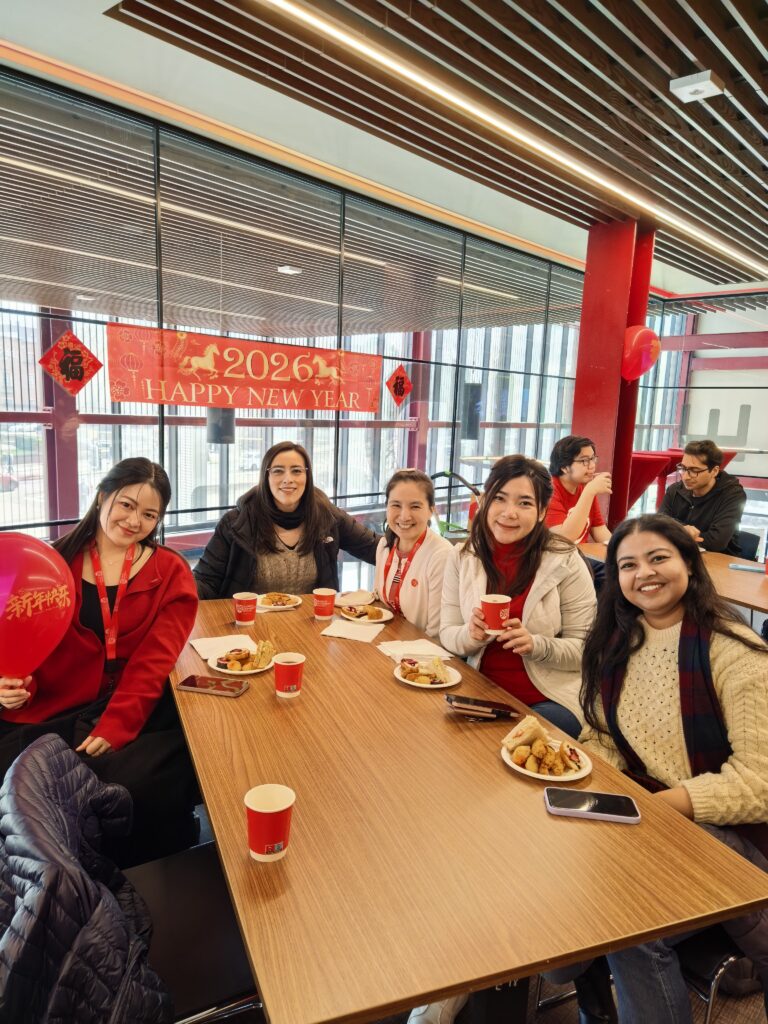
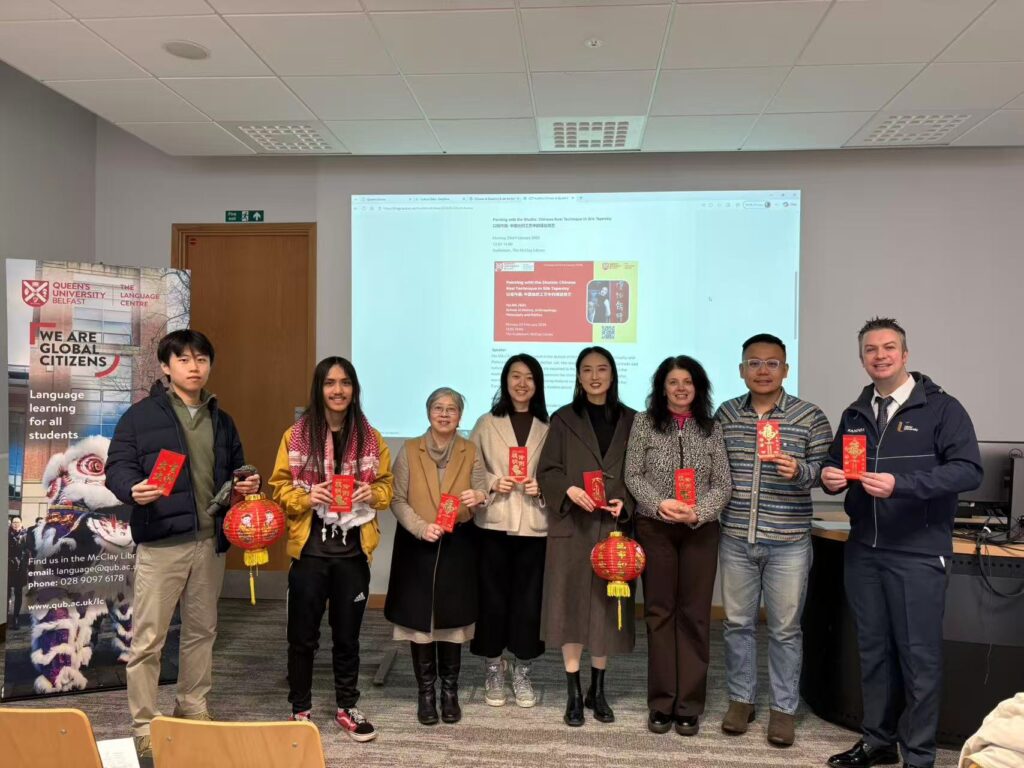
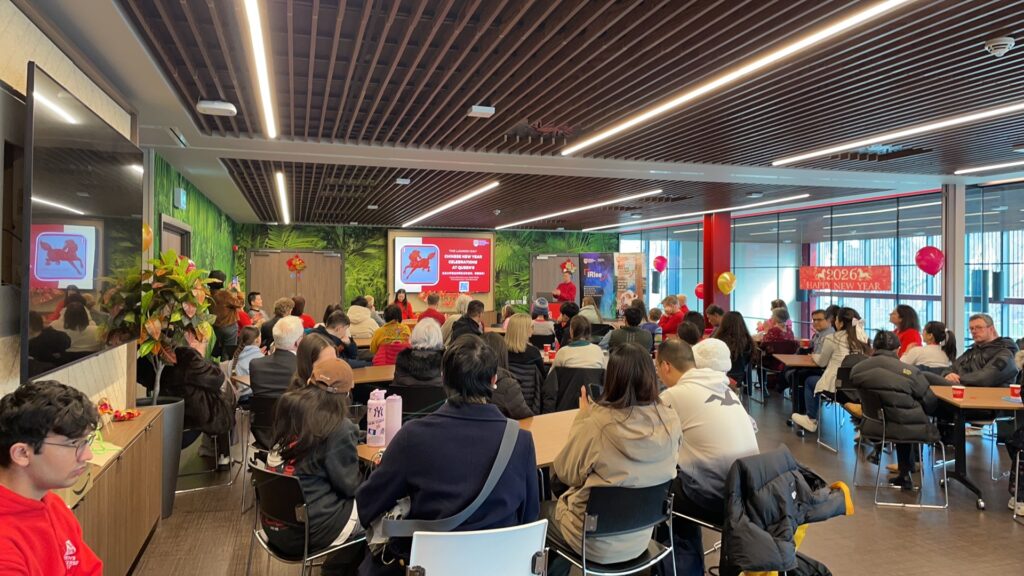
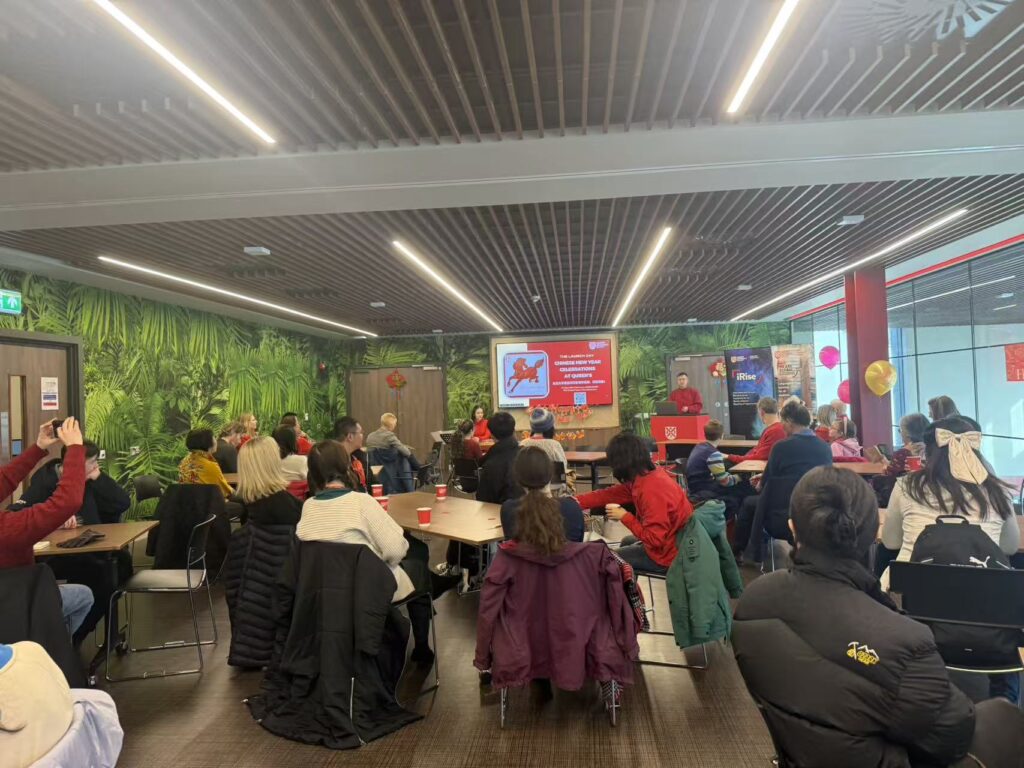
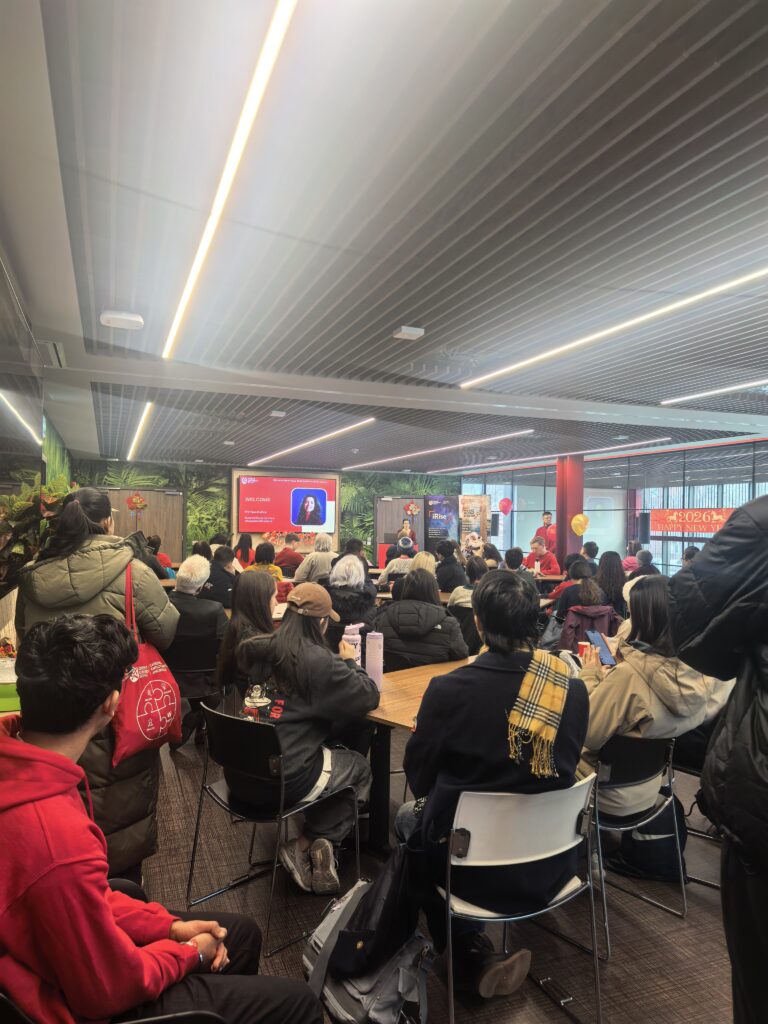
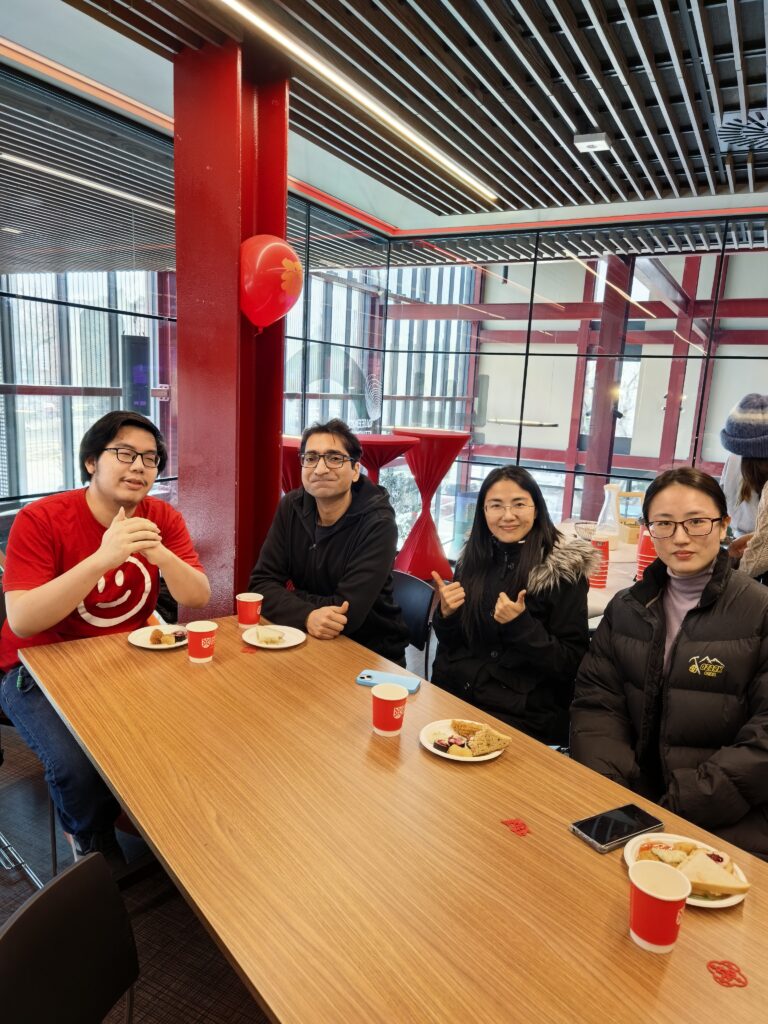
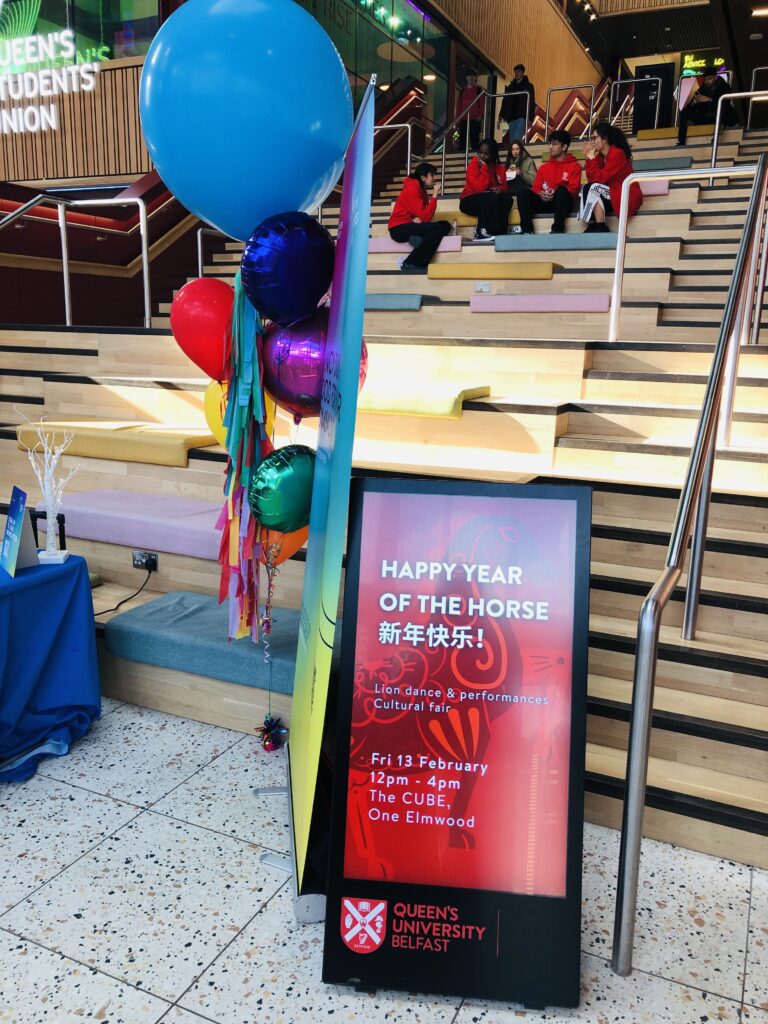
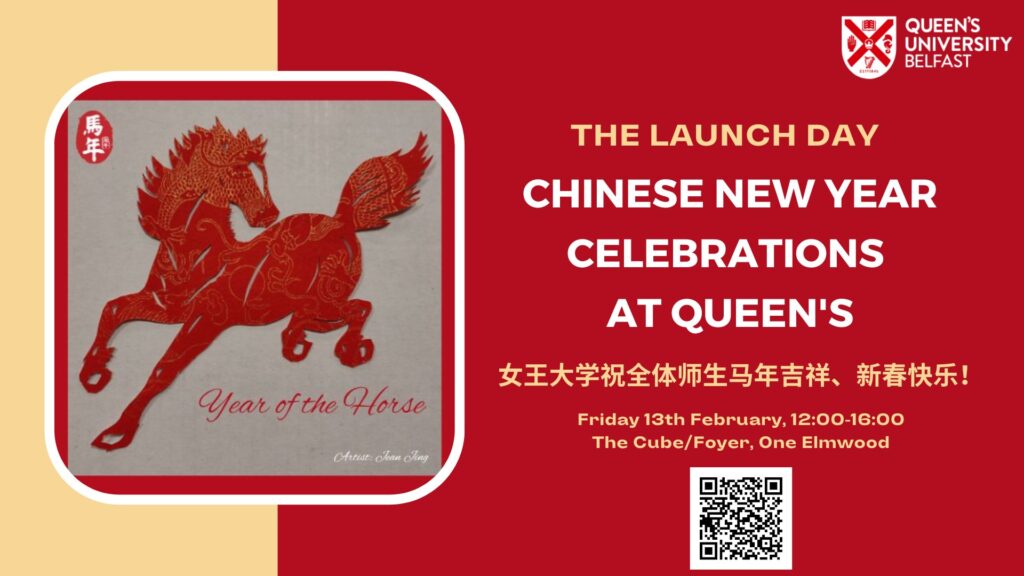
What could be better than a splendid day of sunshine on Friday 13 February, following such a long period of gloomy, rainy weather? On the day, over 60 Queen’s students, staff members, as well as civic partners and guests, joined the Chinese New Year celebration programme at One Elmwood, Queen’s – the hub for intercultural encounters and exchanges.
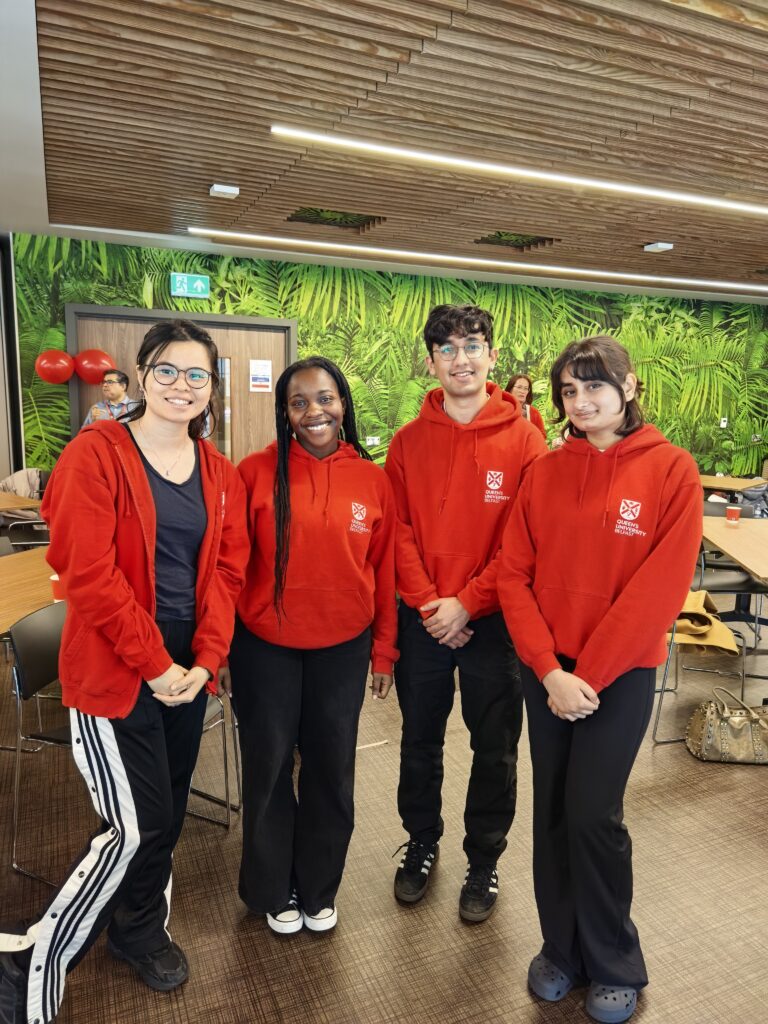
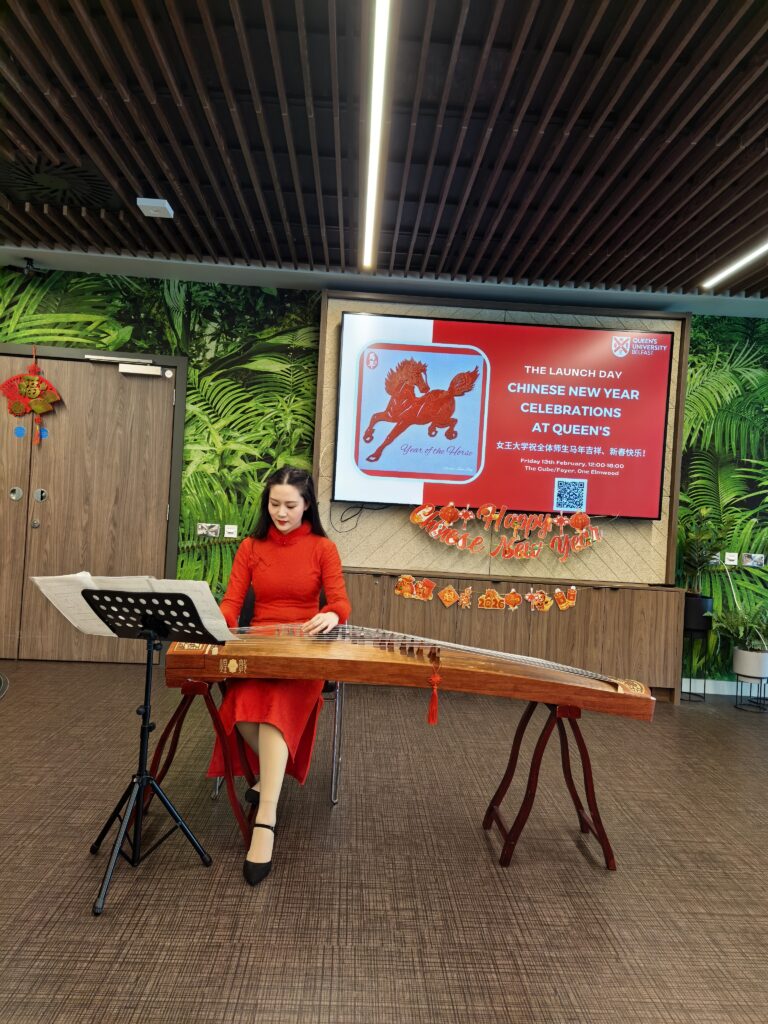
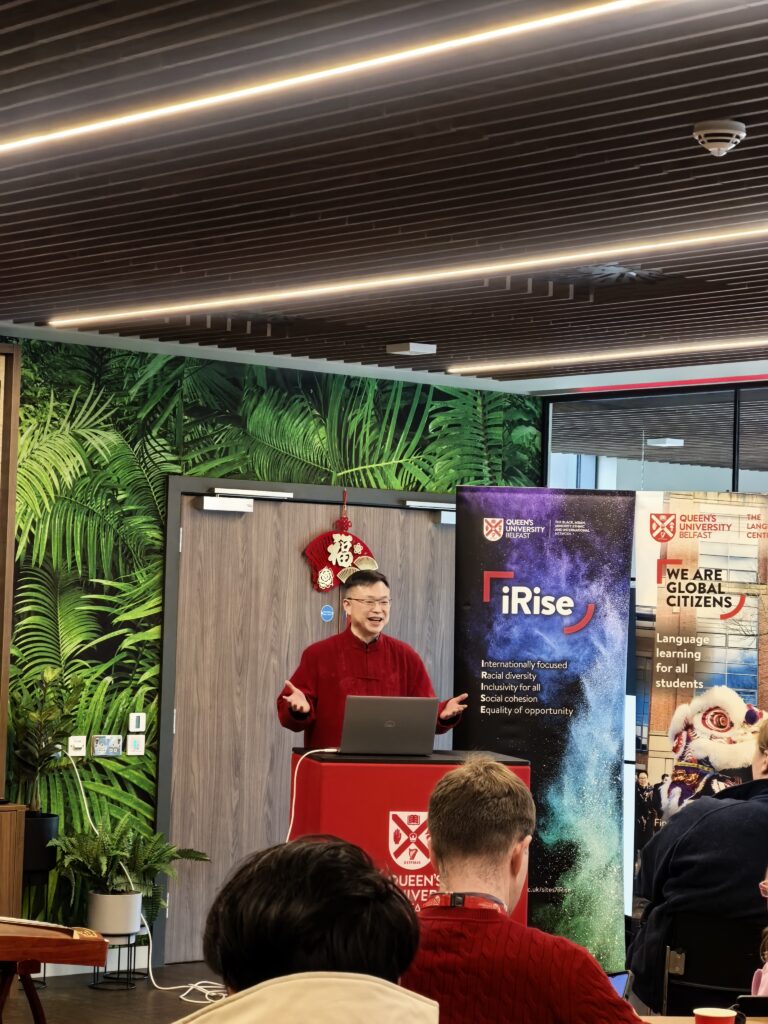
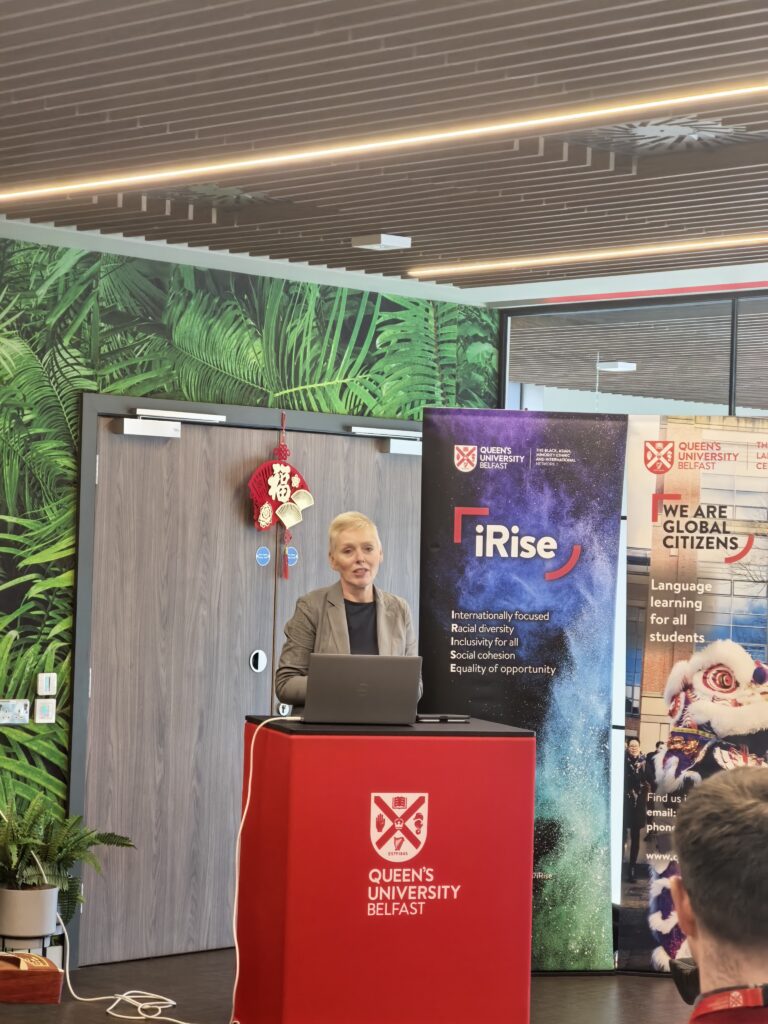
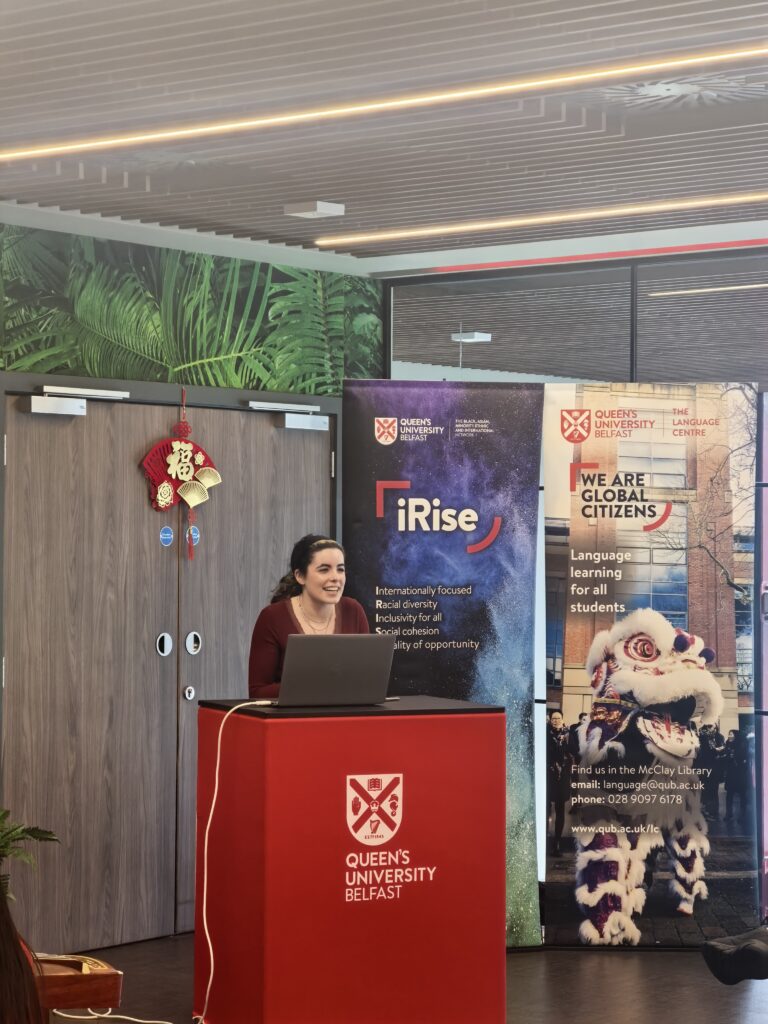
Chaired by Dr Liang Wang, the launch began with a captivating performance of traditional guzheng music by PhD candidate Fei Li from Queen’s Business School. Pro-Vice-Chancellor Professor Margaret Topping delivered the opening remarks on behalf of the University, highlighting Queen’s achievements in global engagement over the past year, particularly with Asian countries such as China and India. Dr Bee-Yen Toh, Co-Chair of the iRise Staff Network, and Thomas Smith, Language Centre Manager, also extended their welcomes to staff, students, and civic partners, emphasising the importance of intercultural understanding through language learning, dialogue and shared activities. Mórrigan McEvoy, Student Officer for Accessible Education, offered her greetings and encouraged students to actively participate in university events and contribute to building a multicultural campus.
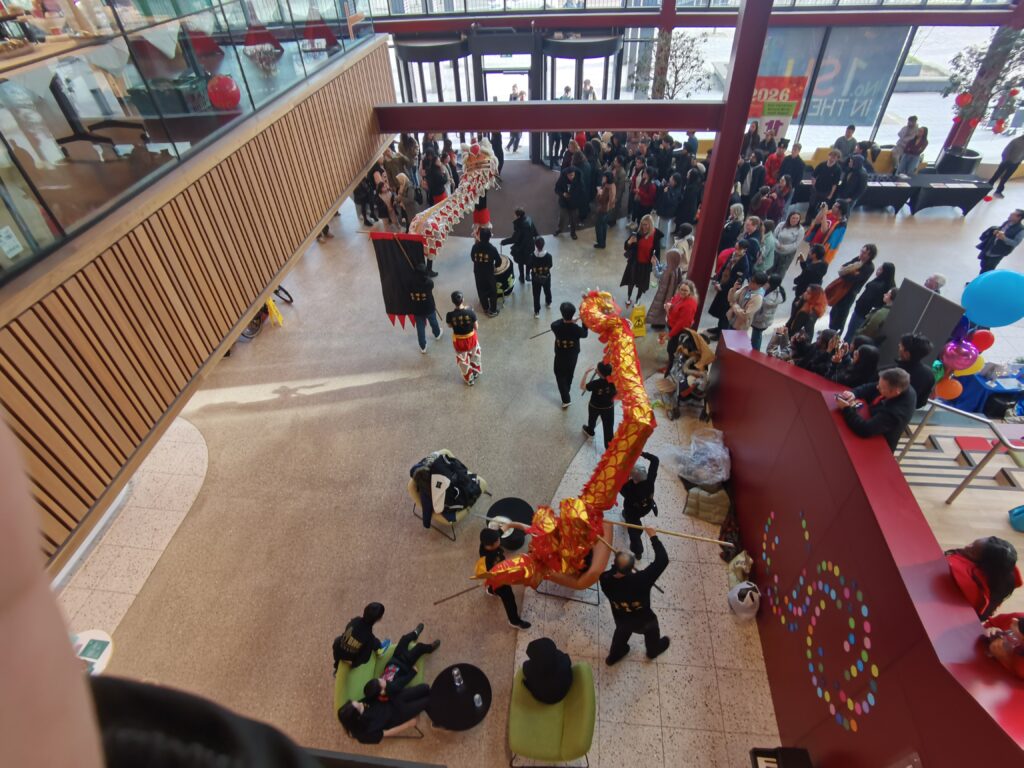
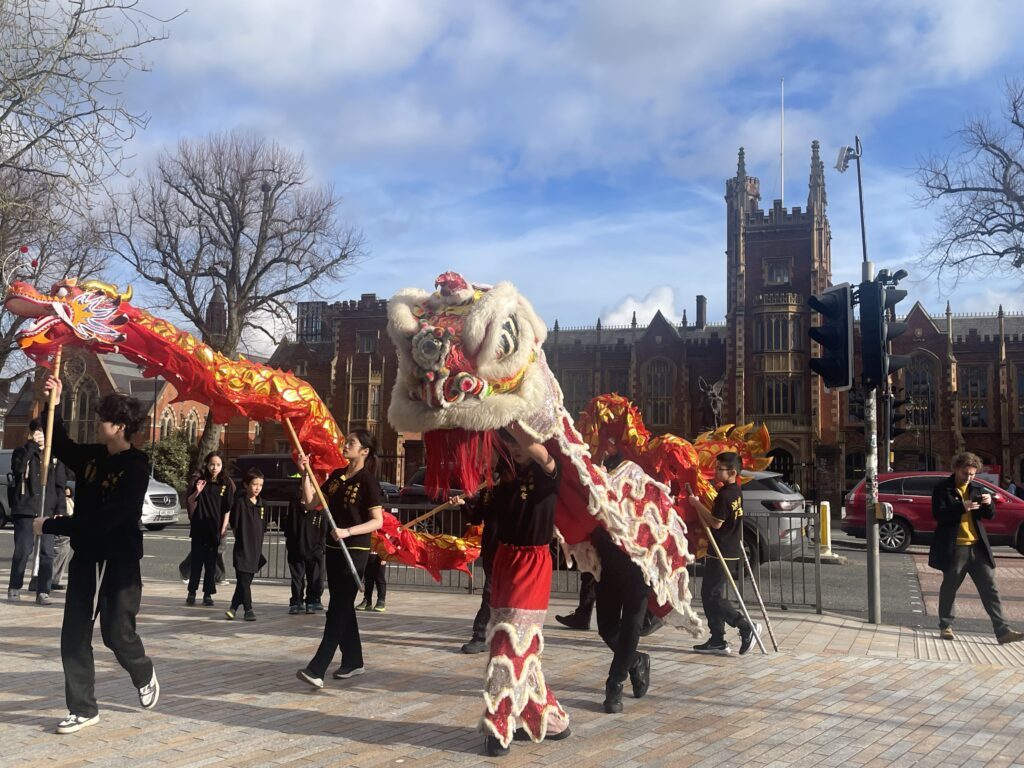
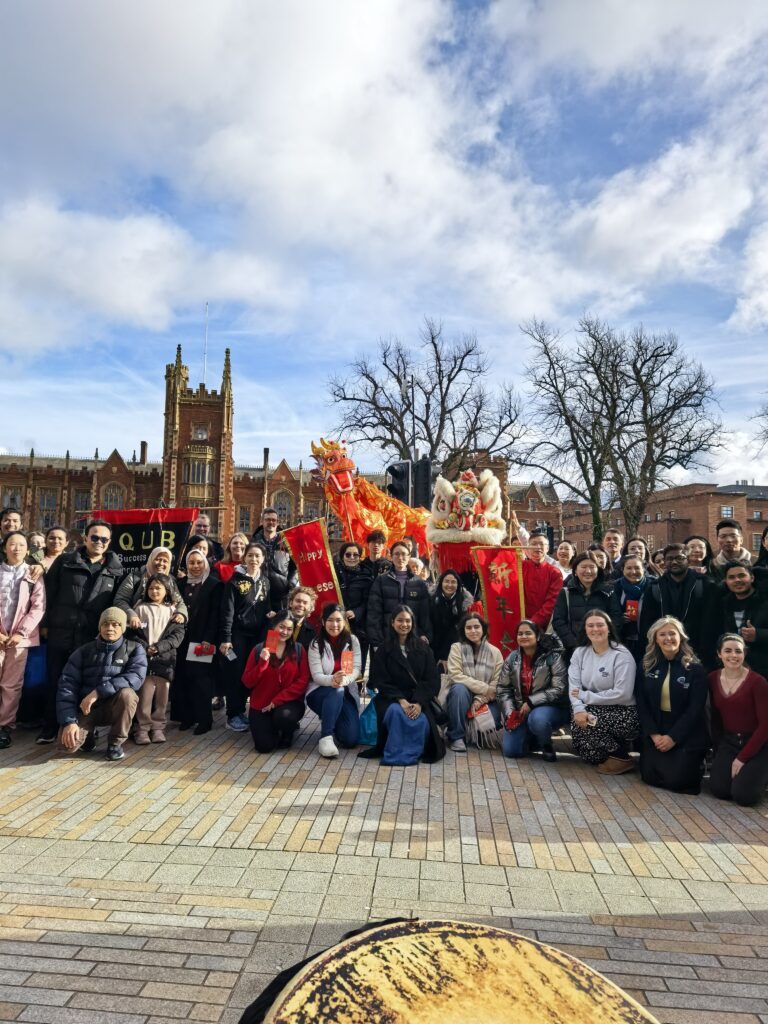
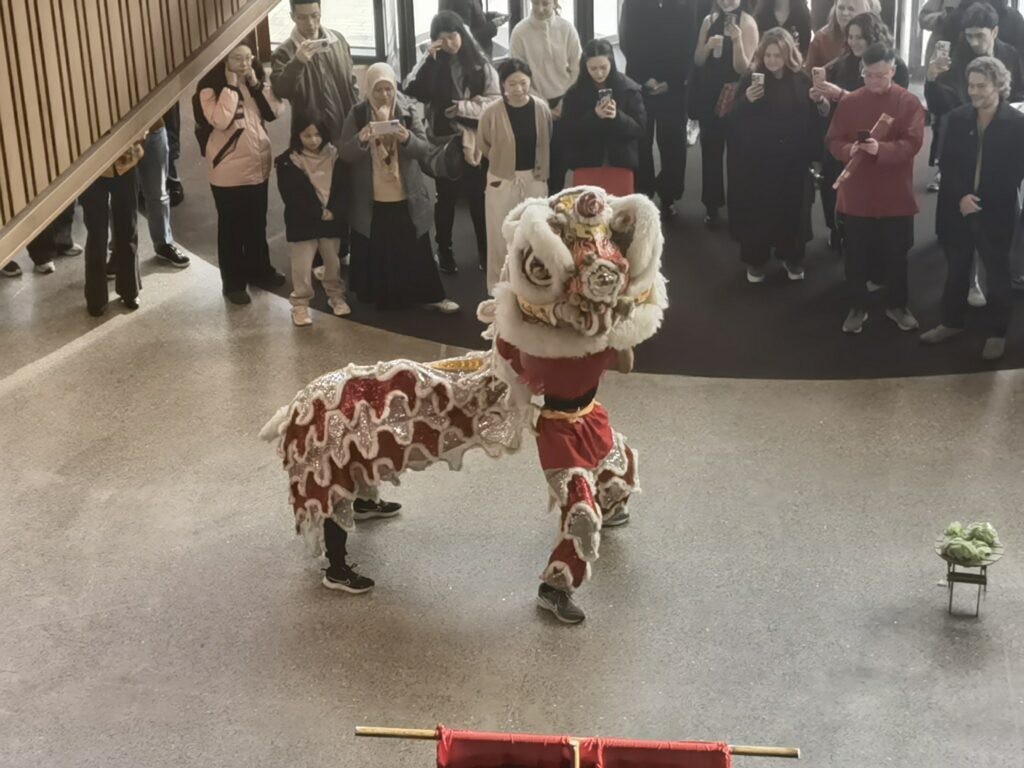
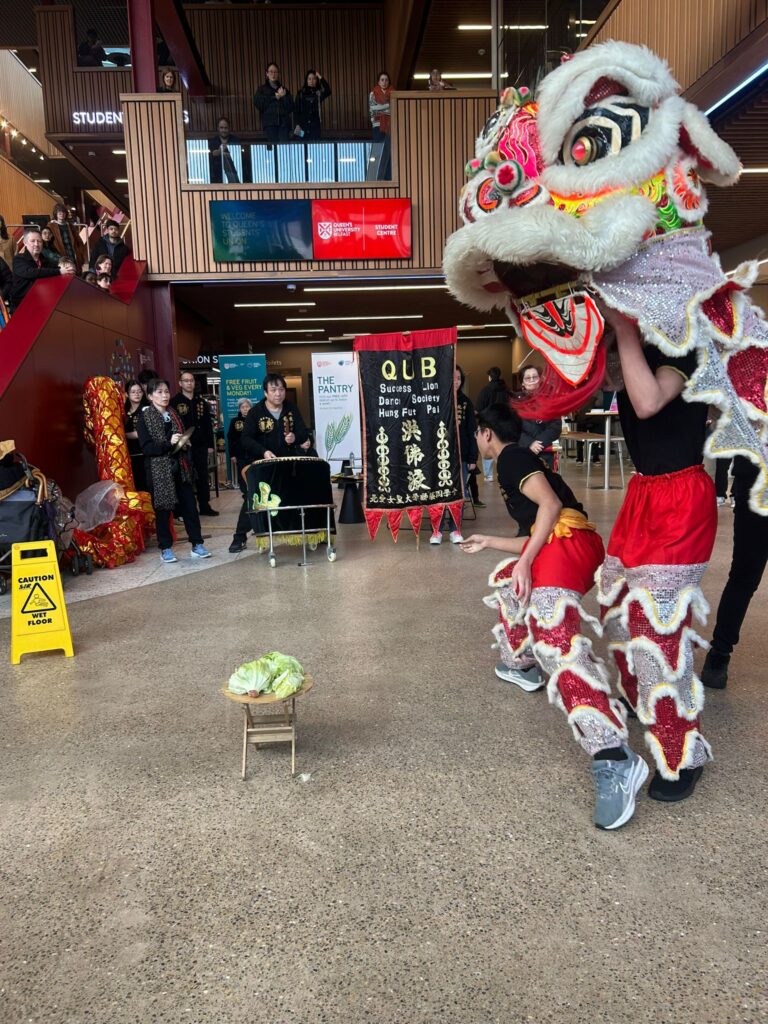
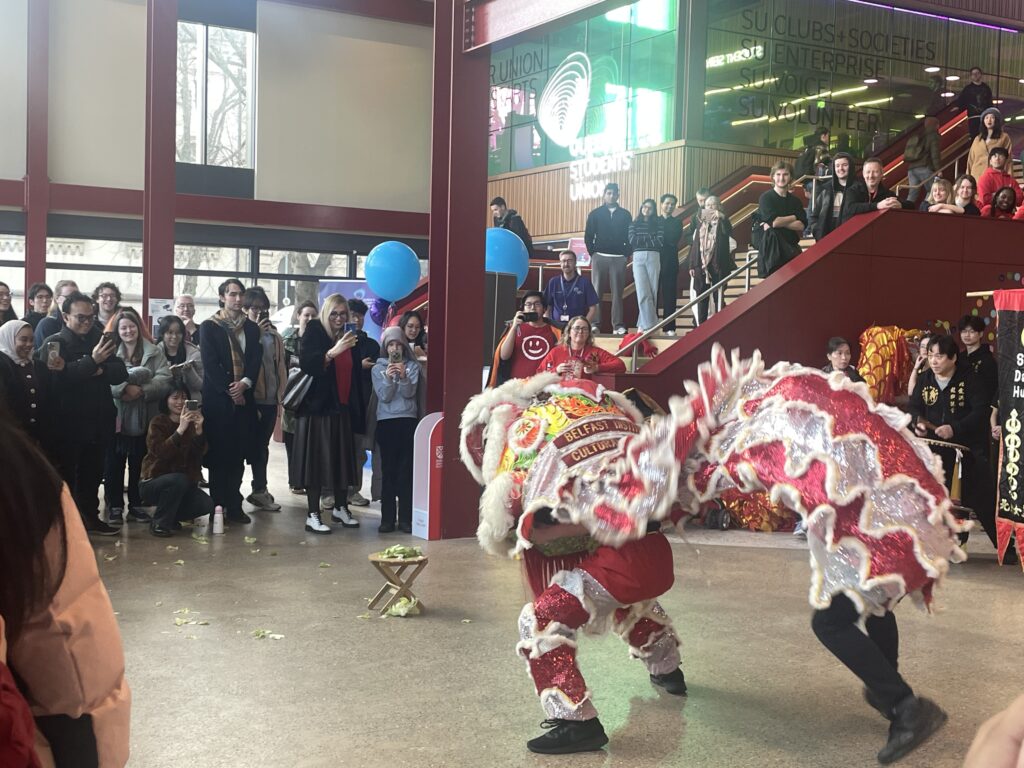
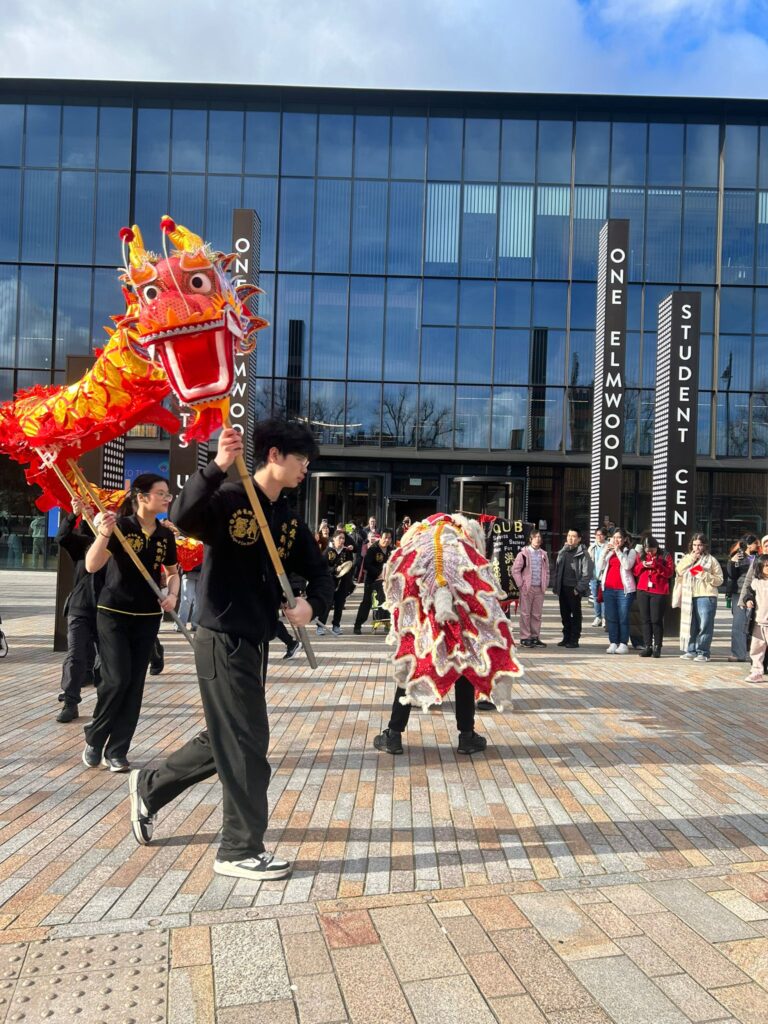
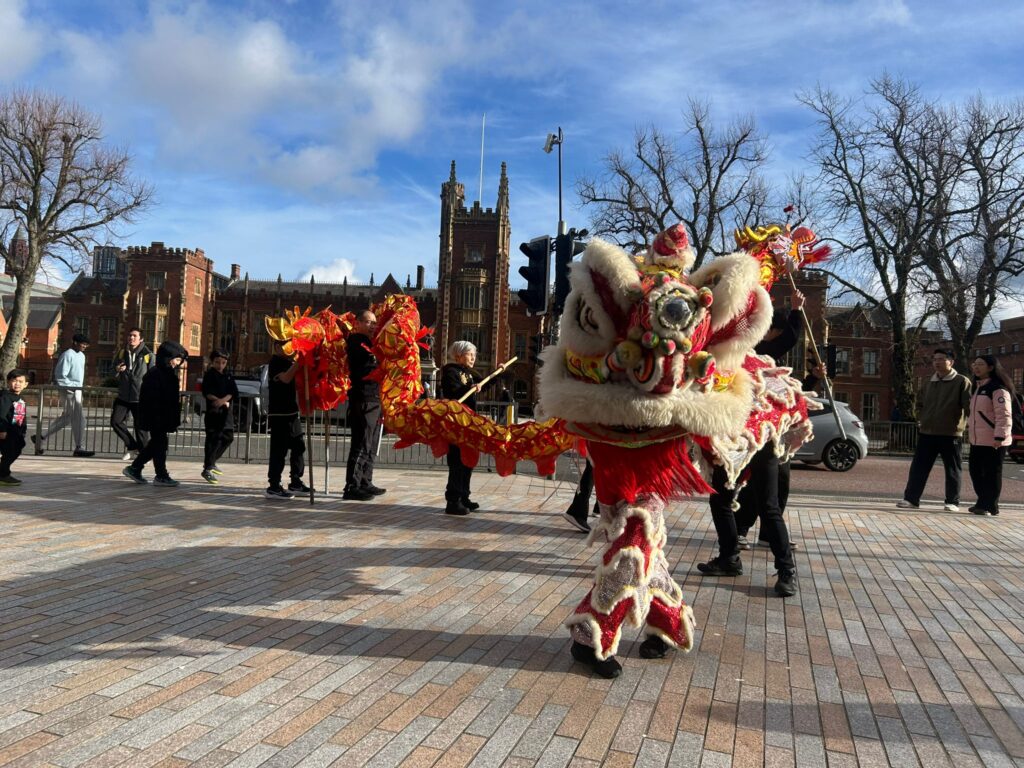
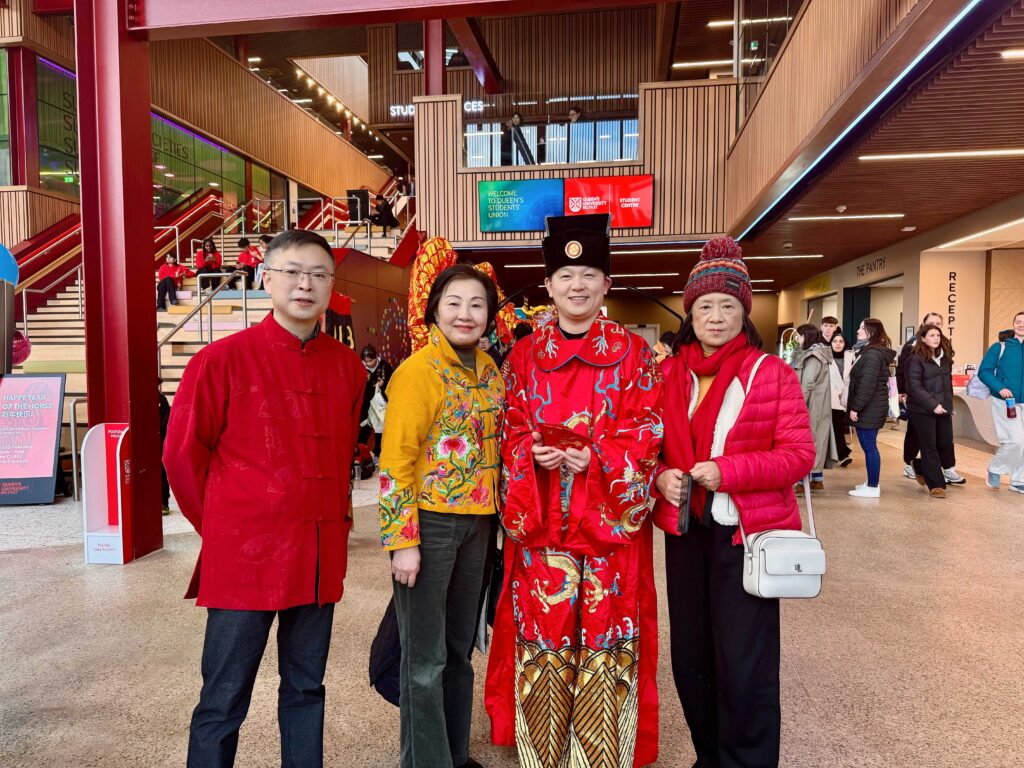
Following the launch, attendees were invited to the ground floor, where the traditional Dragon and Lion dance began in the foyer and continued outside the One Elmwood building. The celebration concluded with a group photo featuring all participants, symbolising the farewell to the Year of the Snake and the welcoming of the Year of the Horse.
_cuva
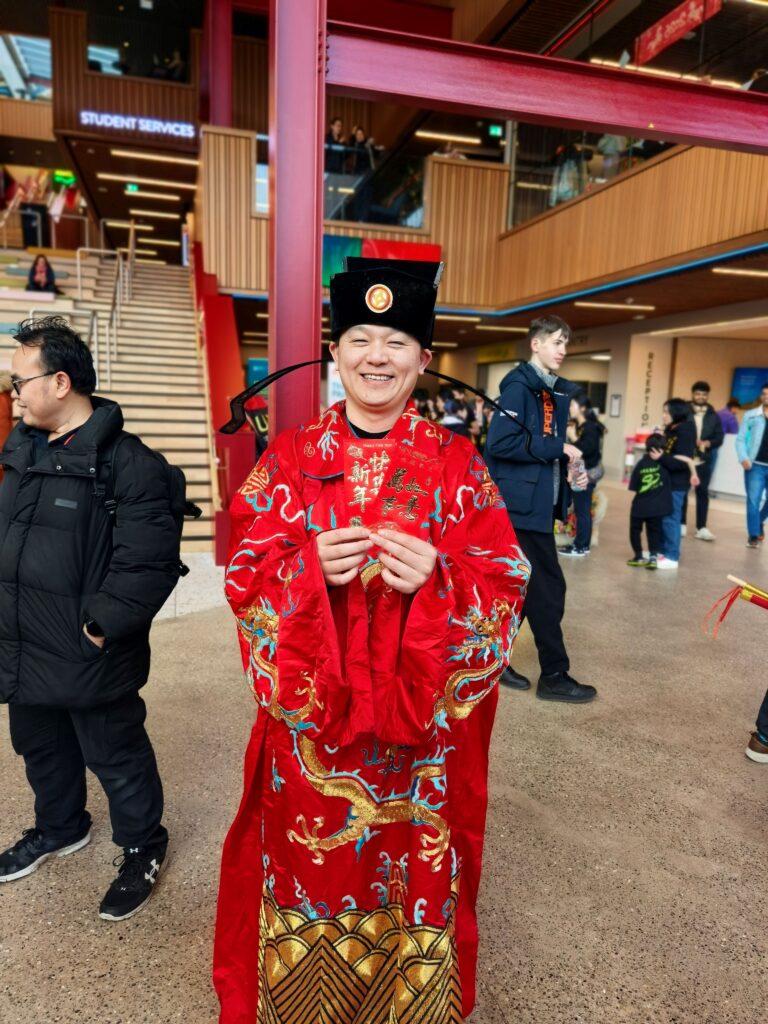
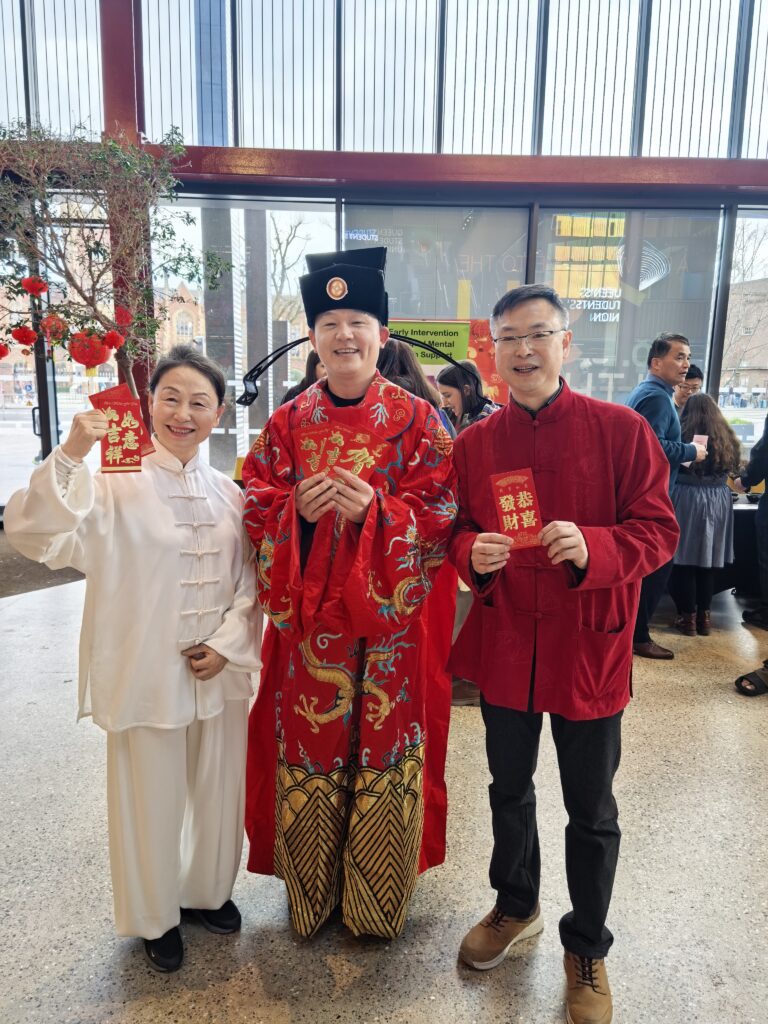
Another highlight of the celebration was the appearance of the God of Fortune, who generously distributed lucky “money” – chocolate coins and replica ancient Chinese coins – to those wishing to embrace good fortune in the year ahead.
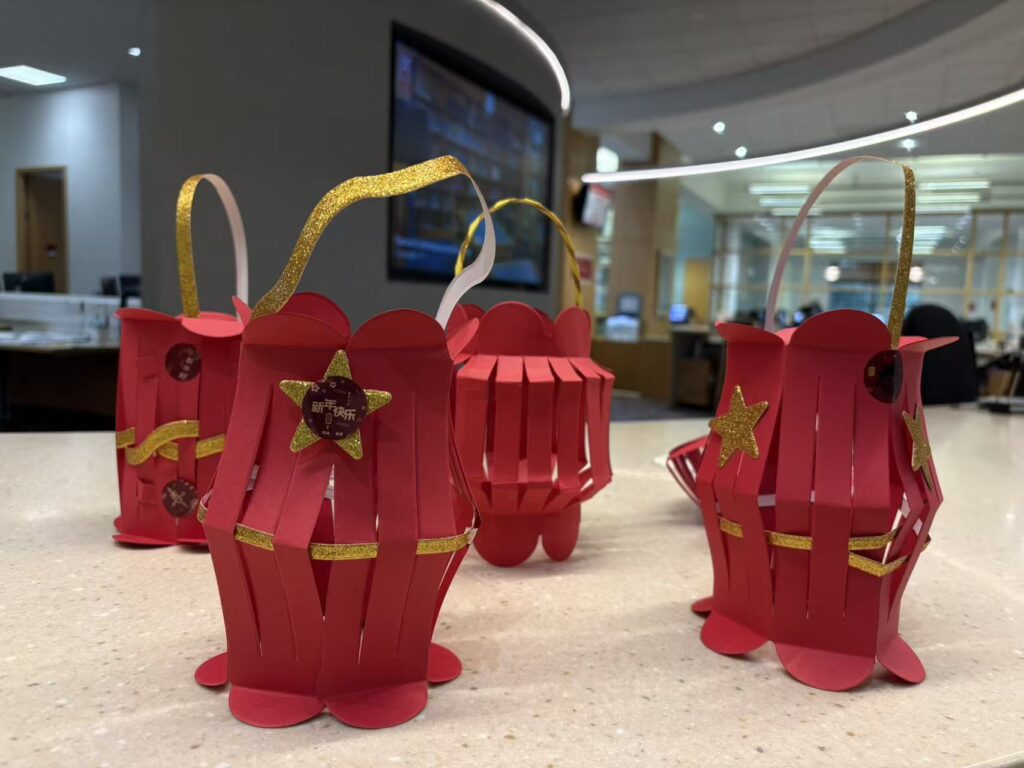
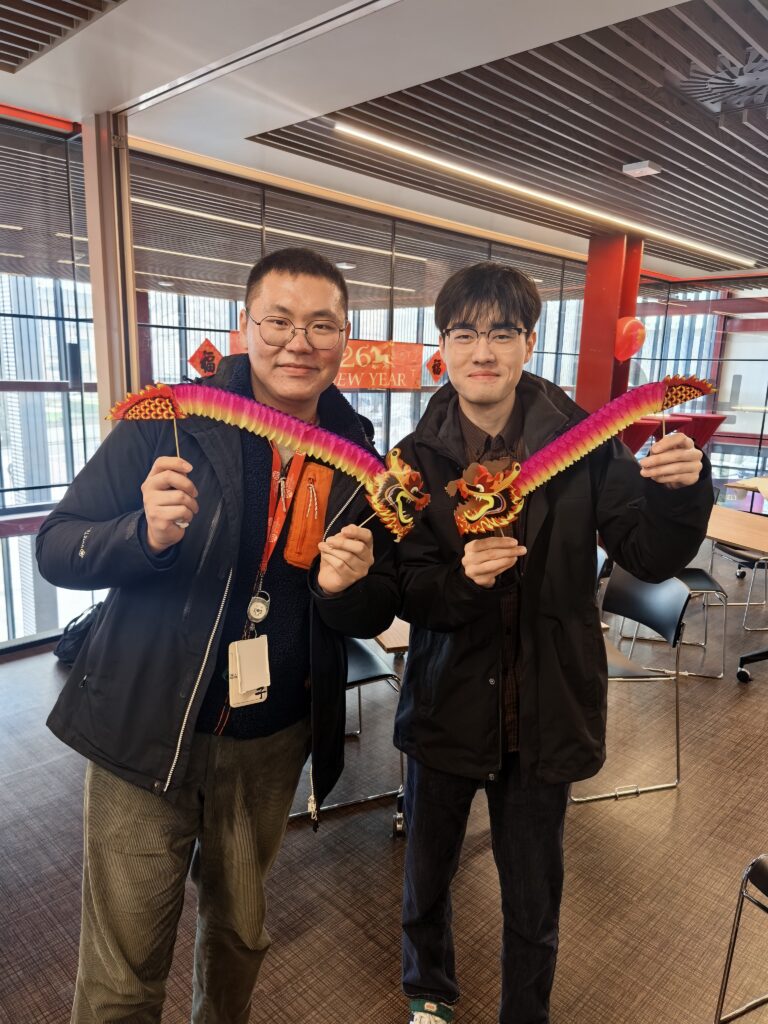
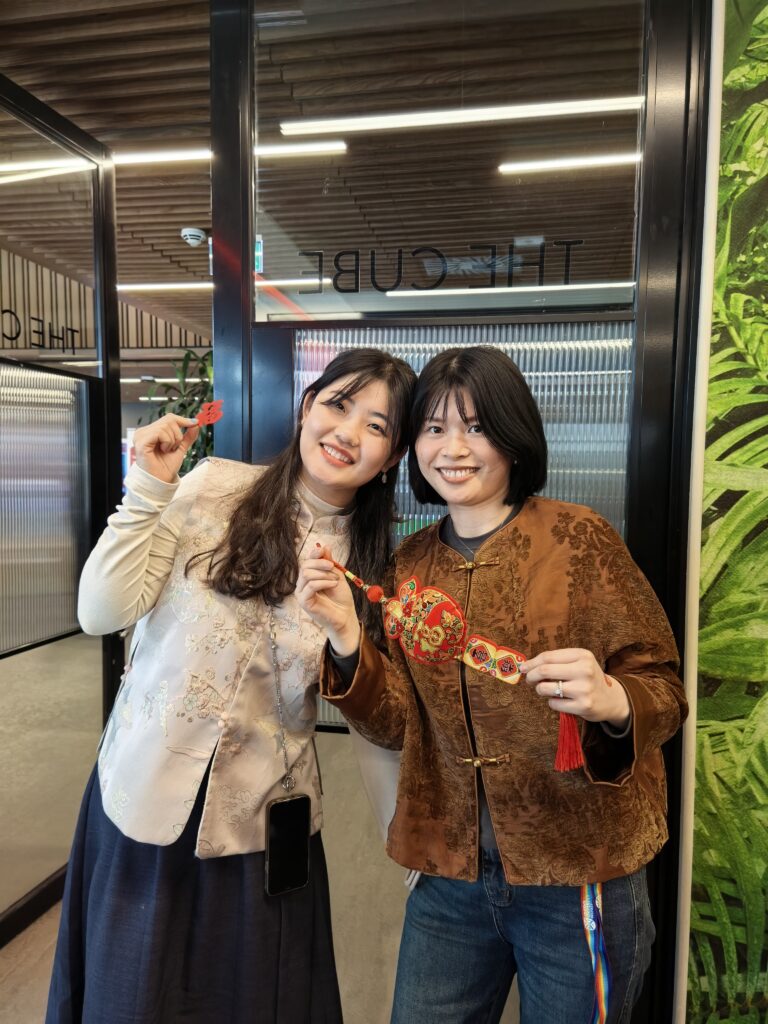
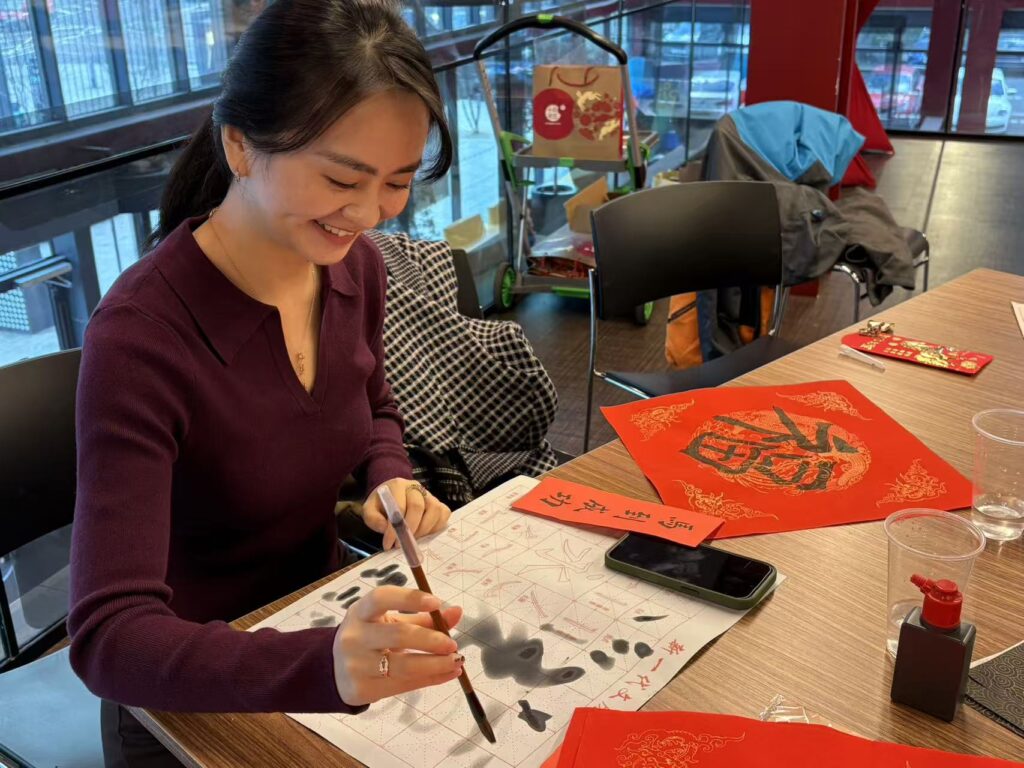
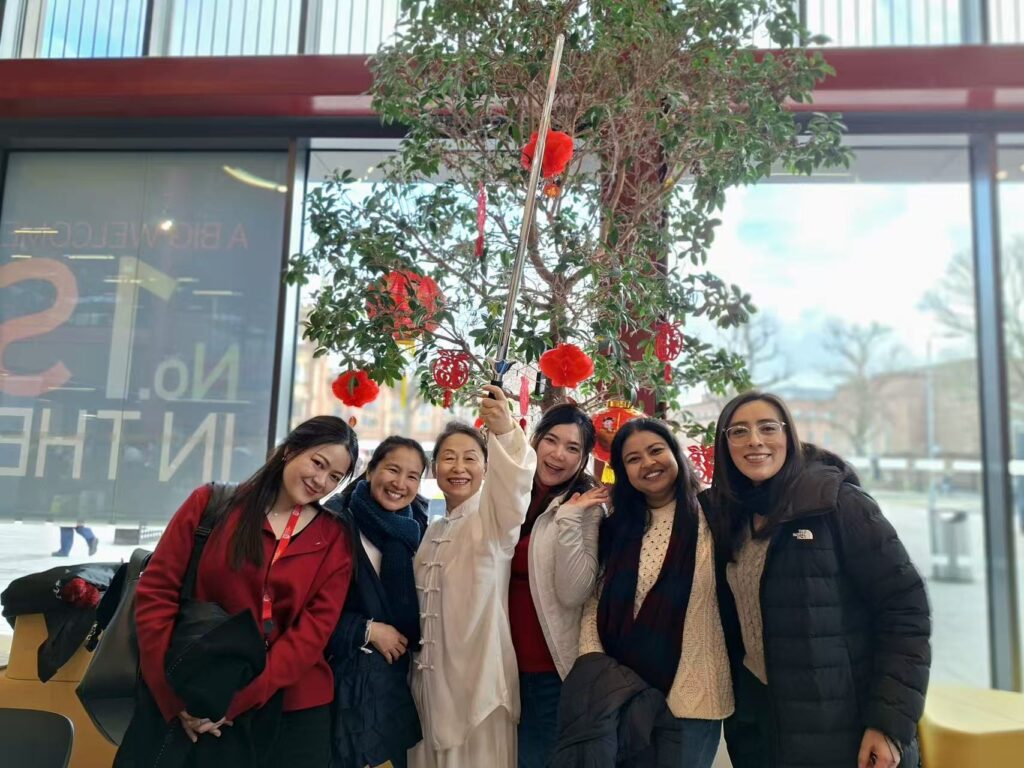
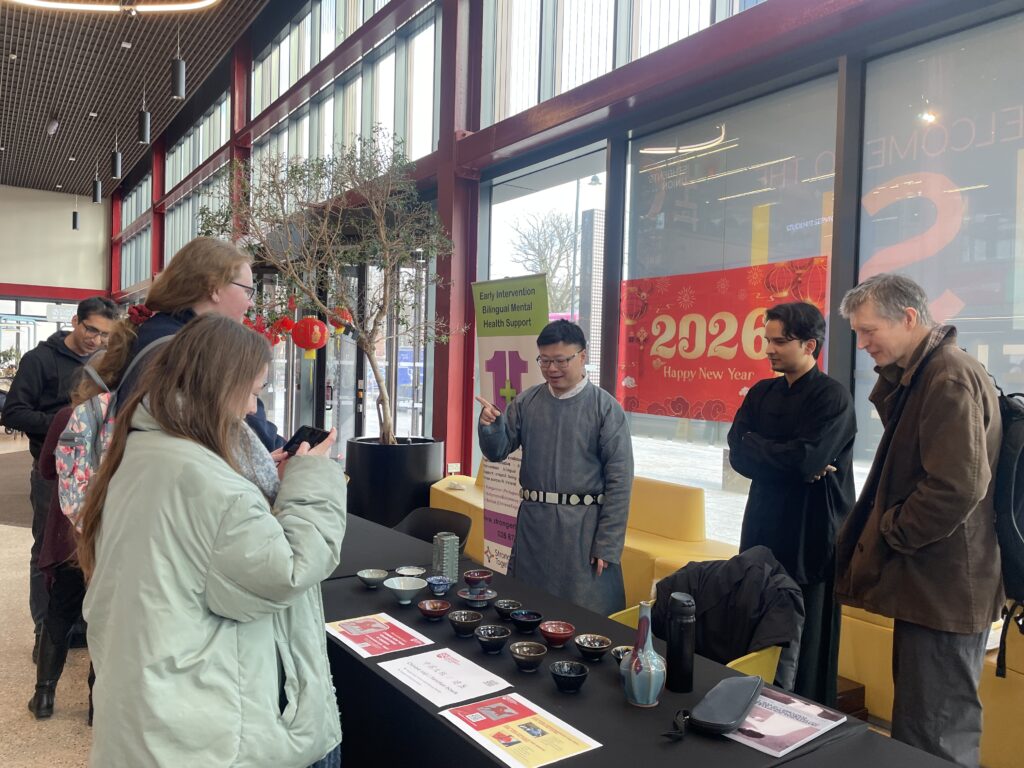
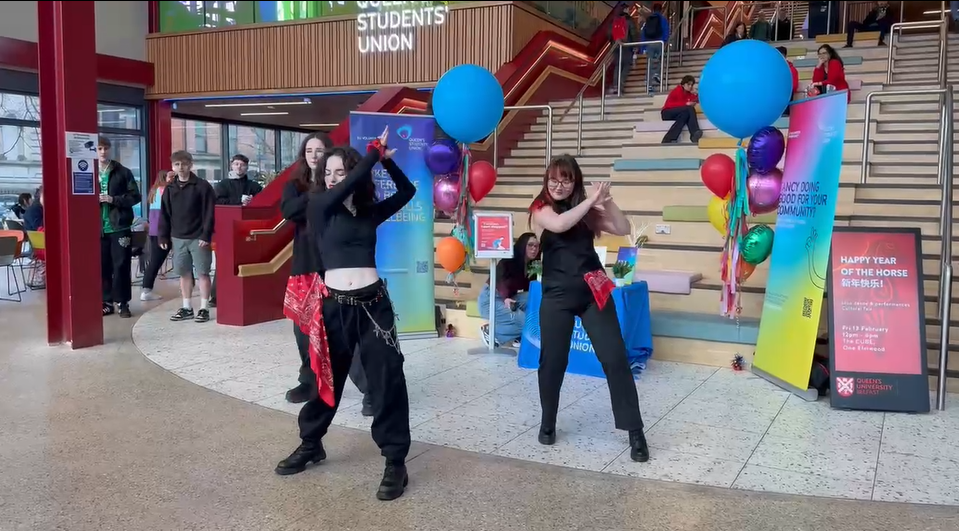
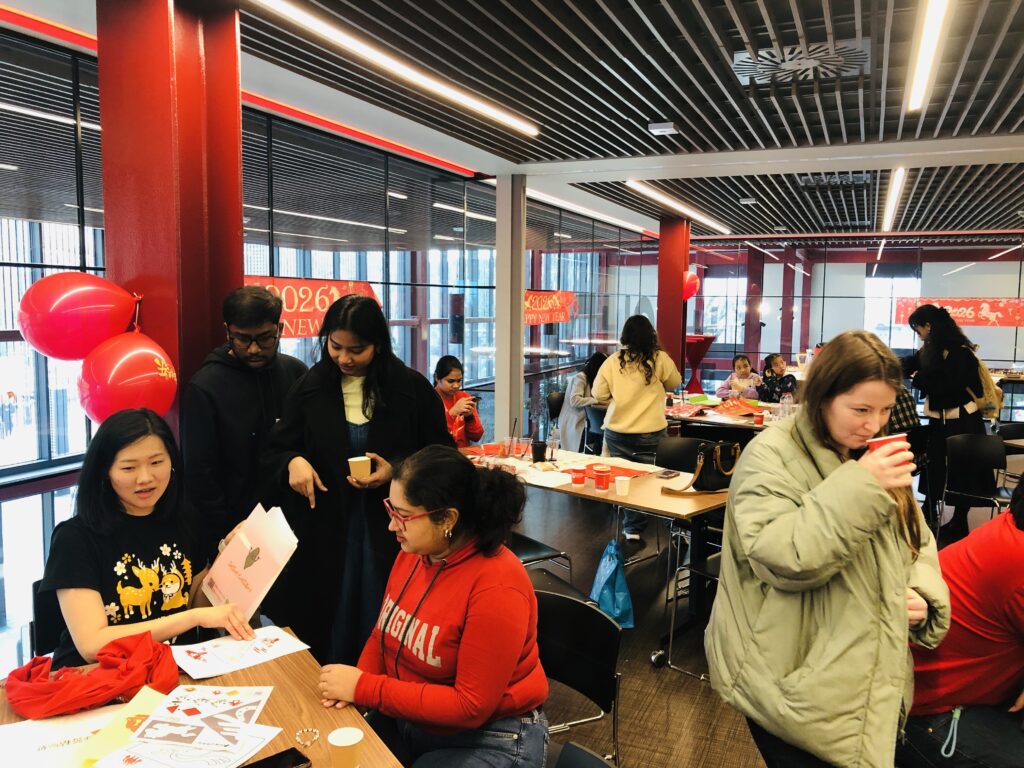
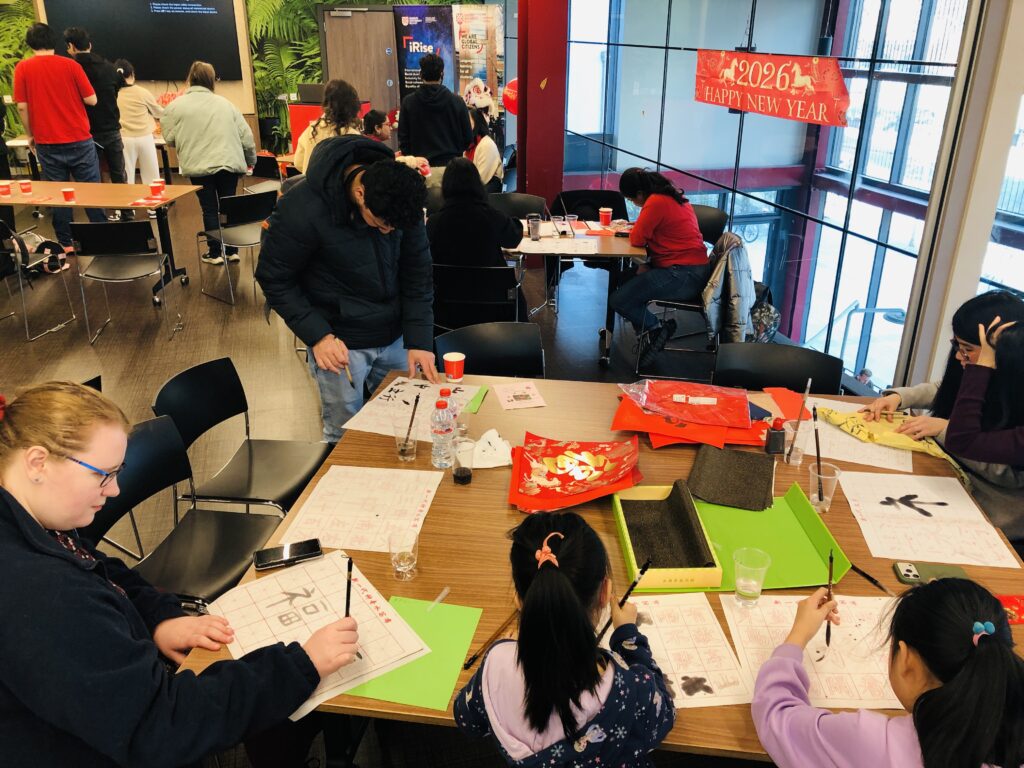
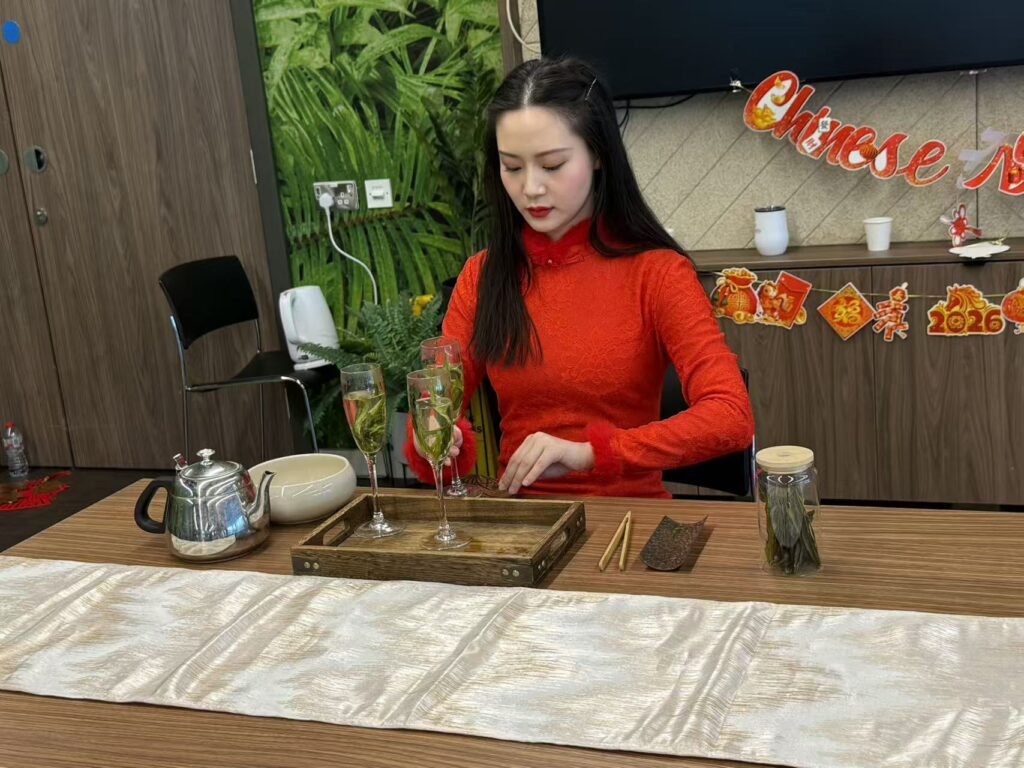
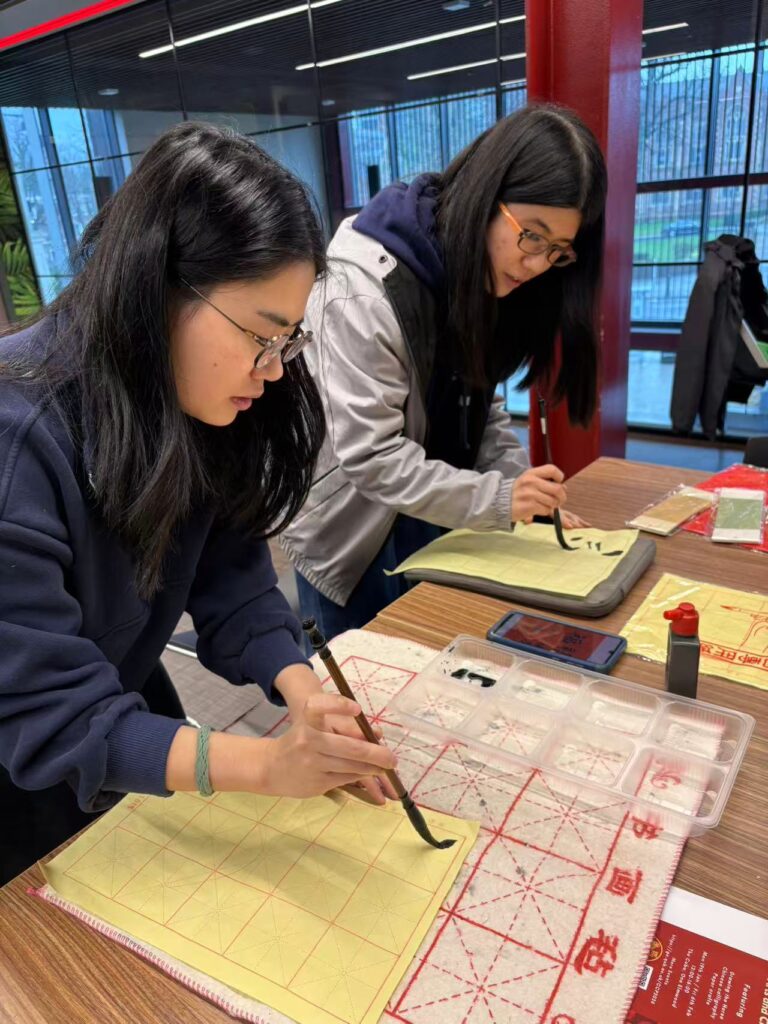
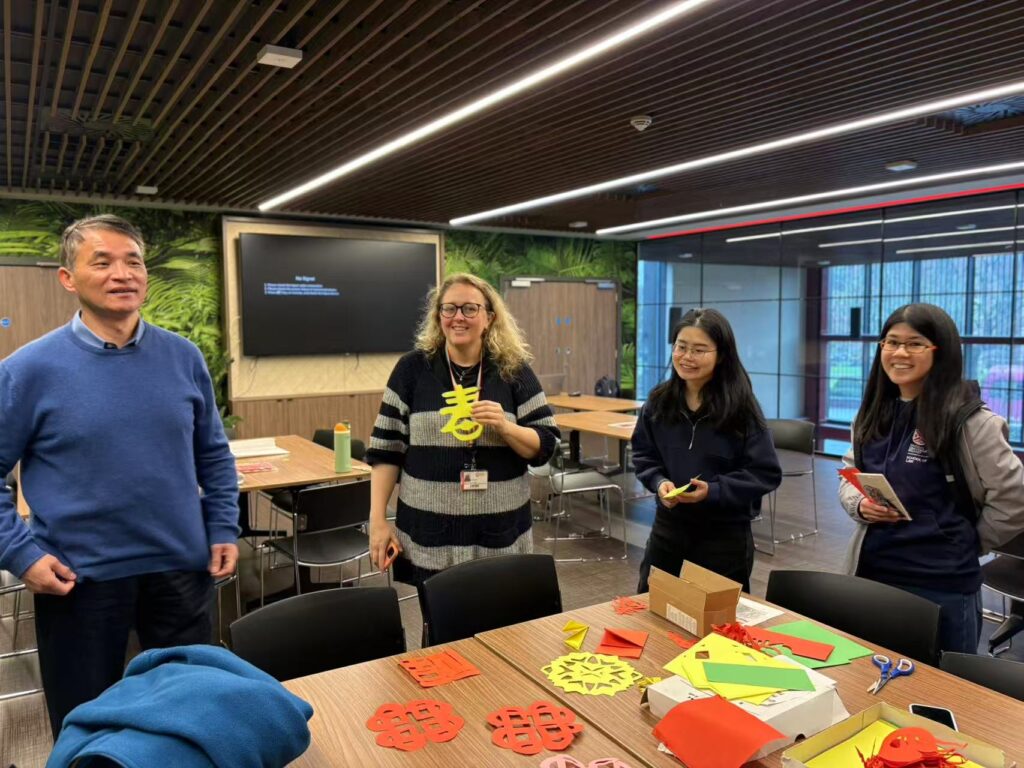
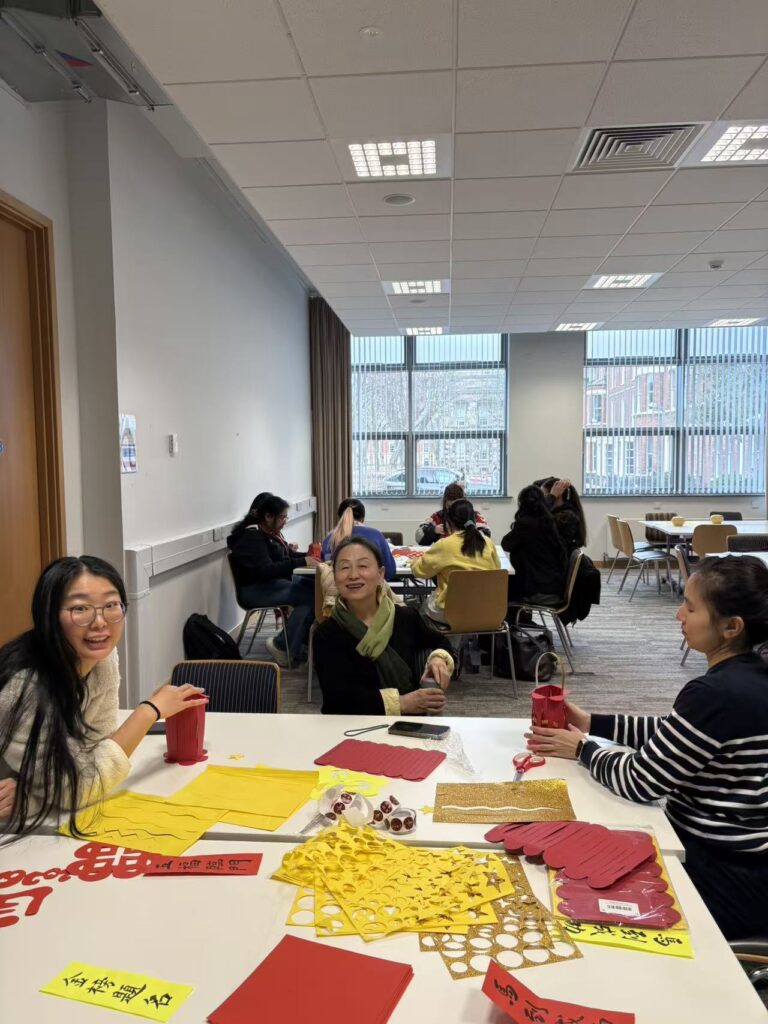
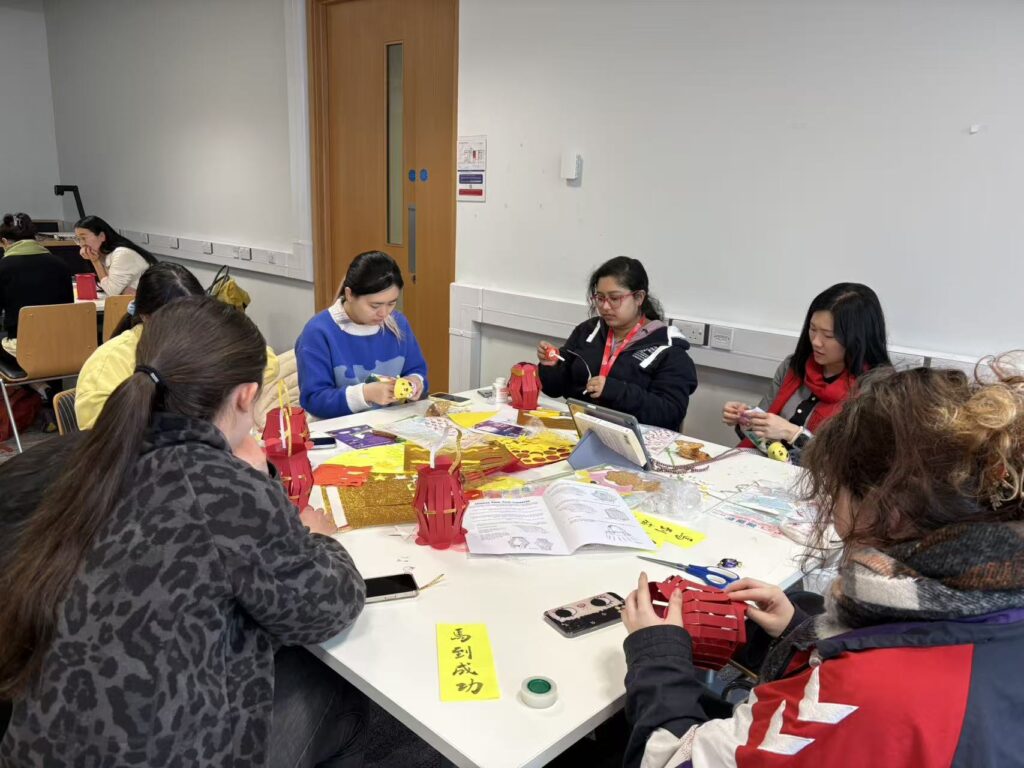
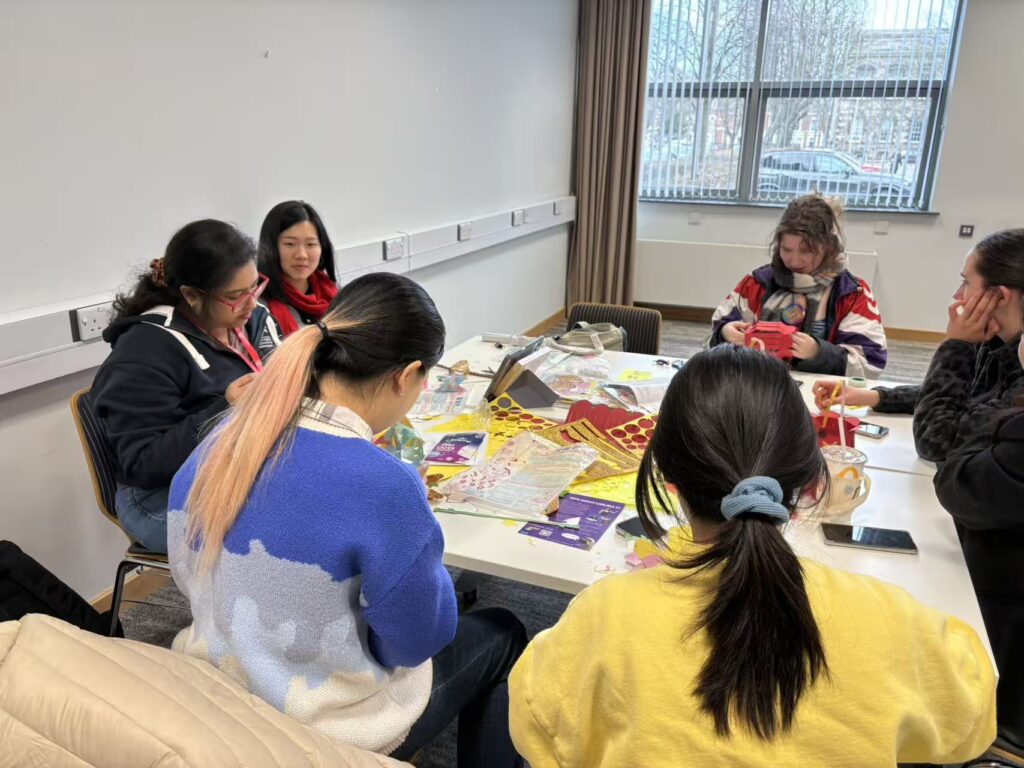
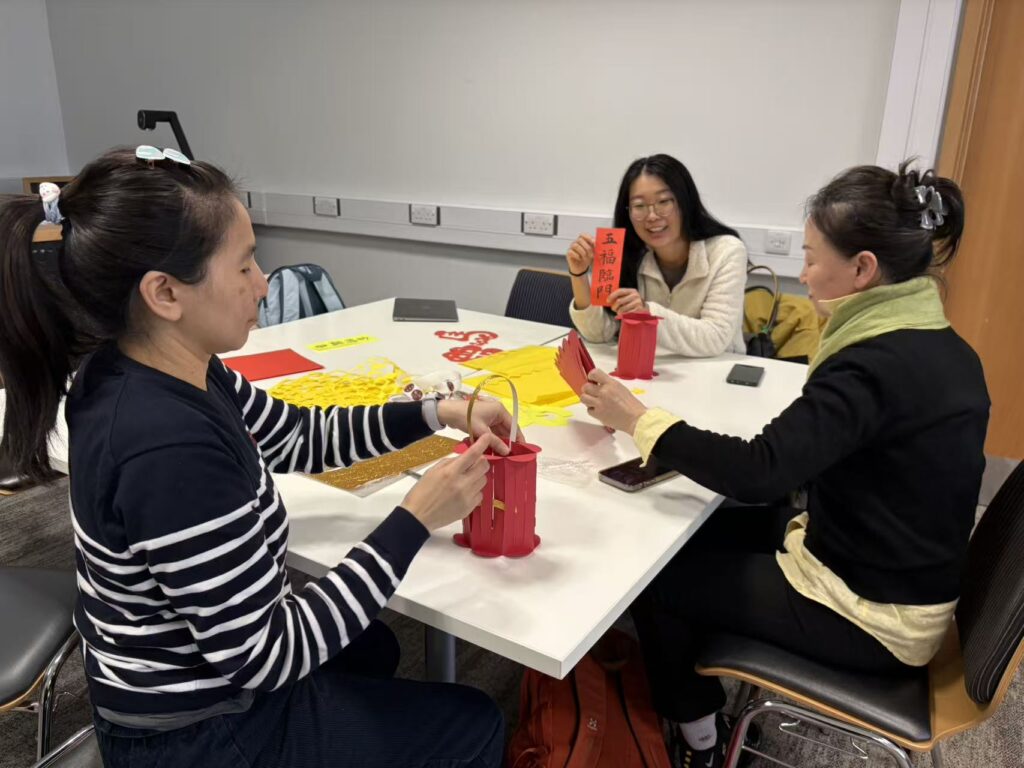
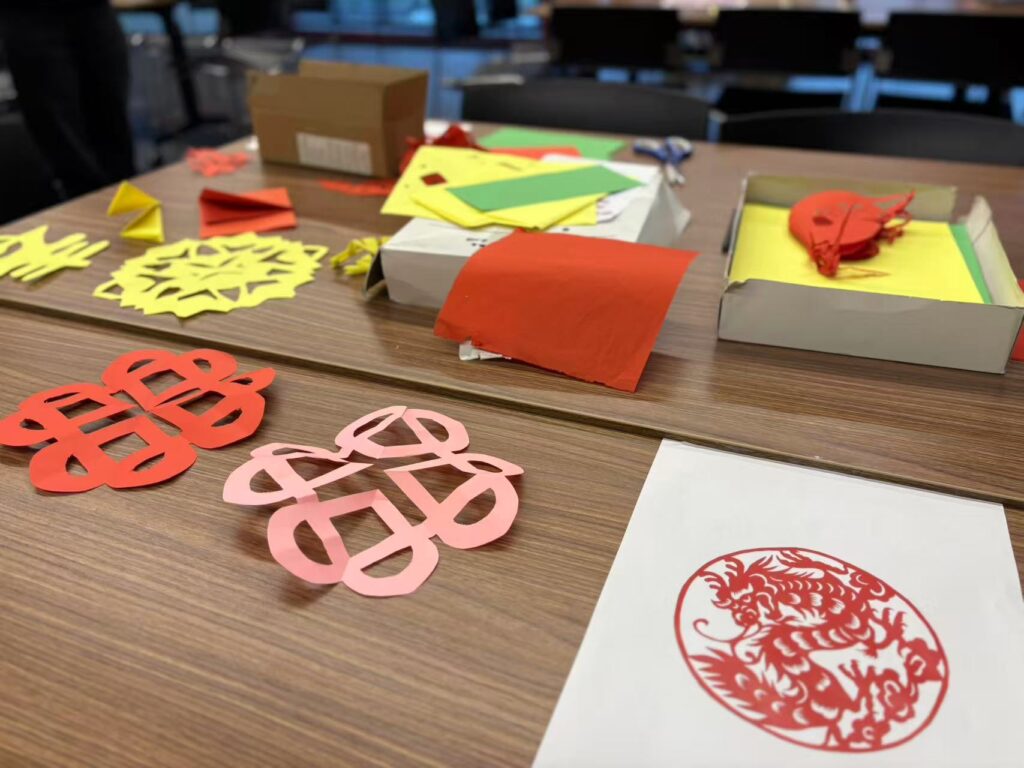
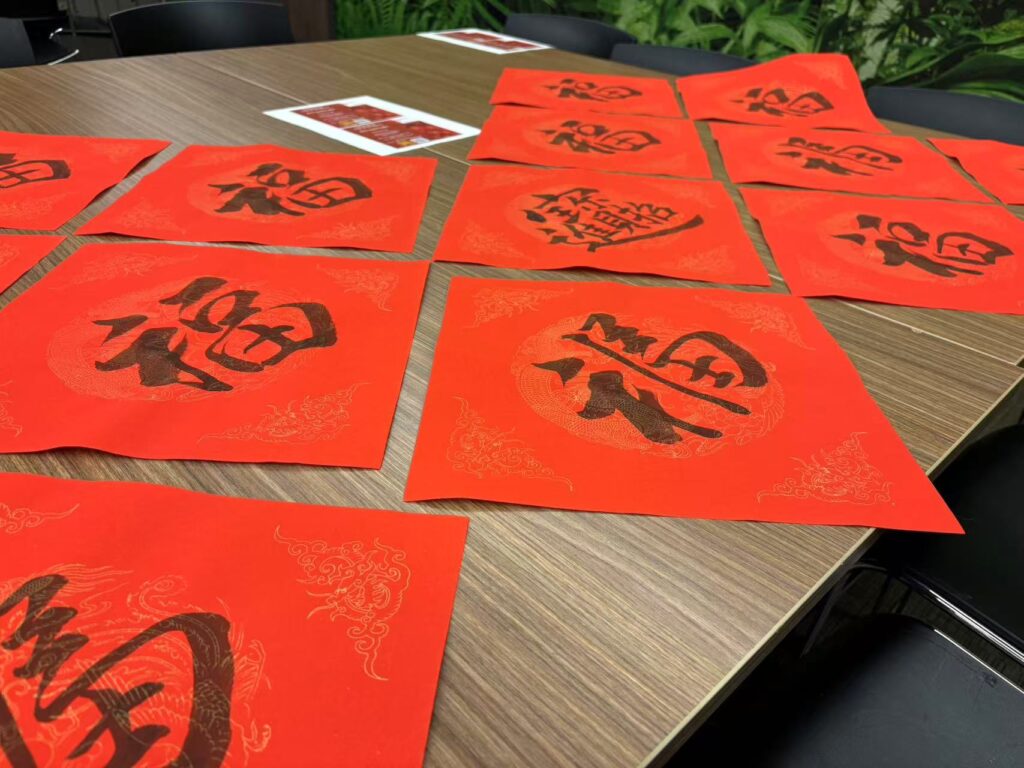
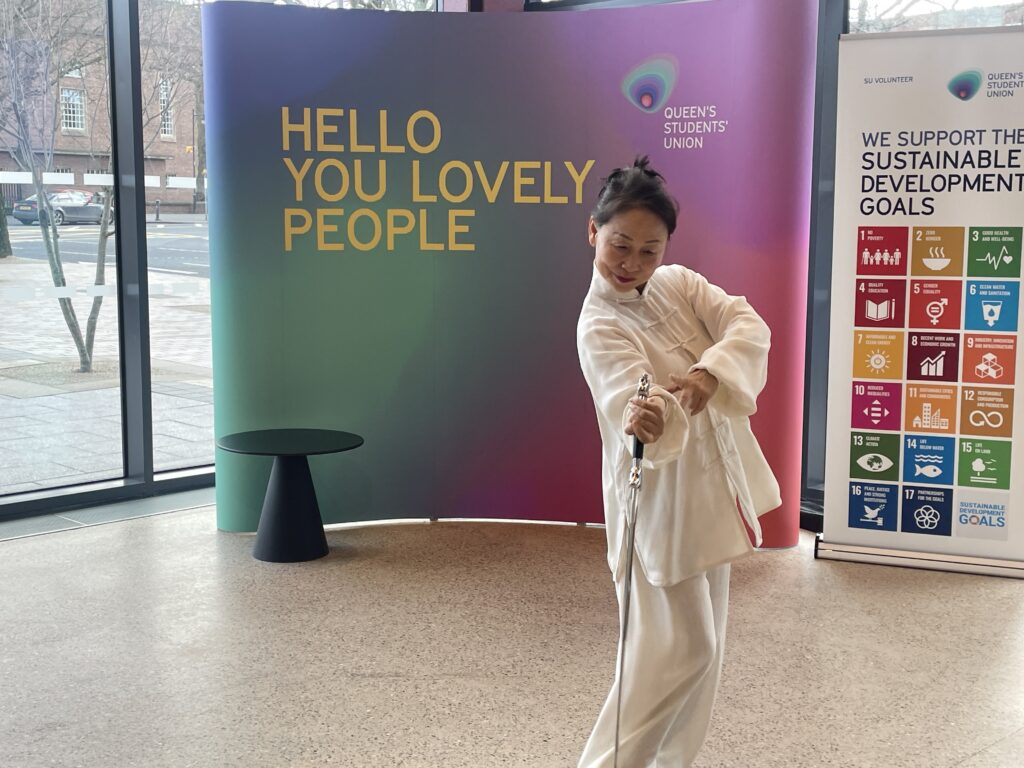
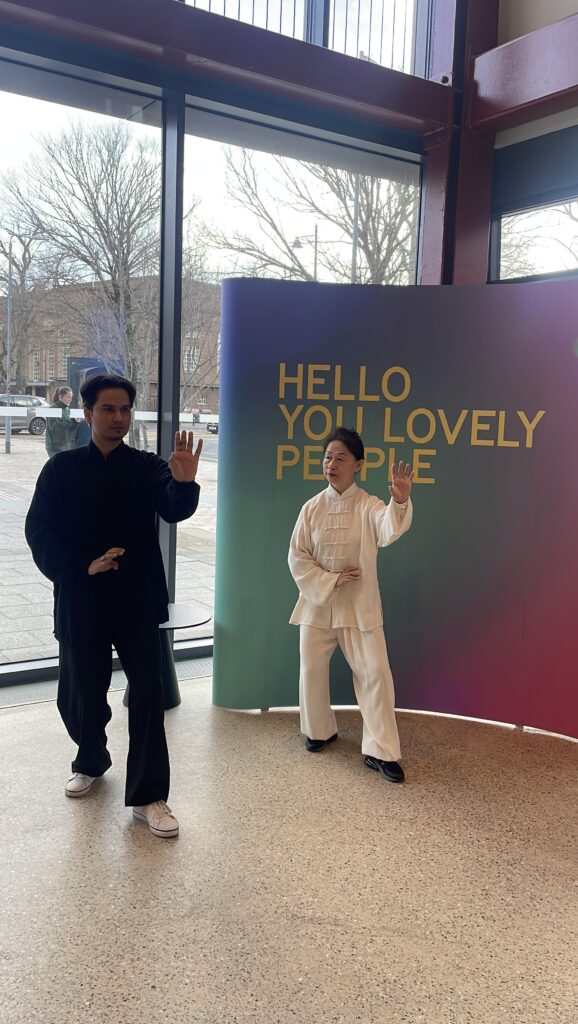
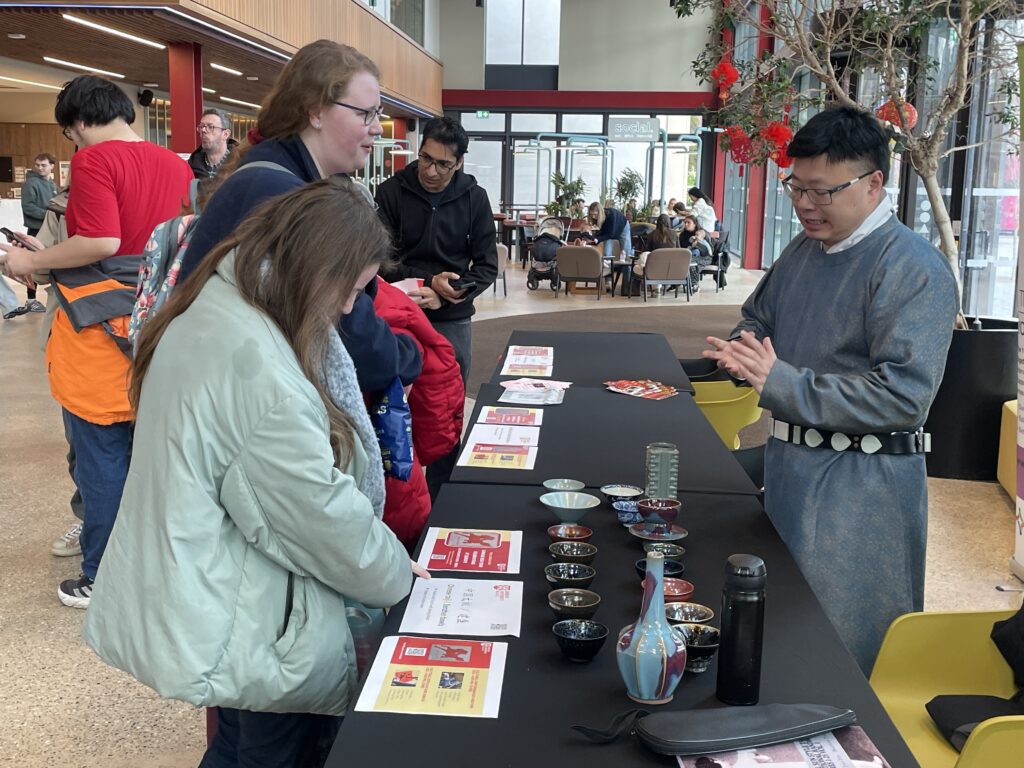
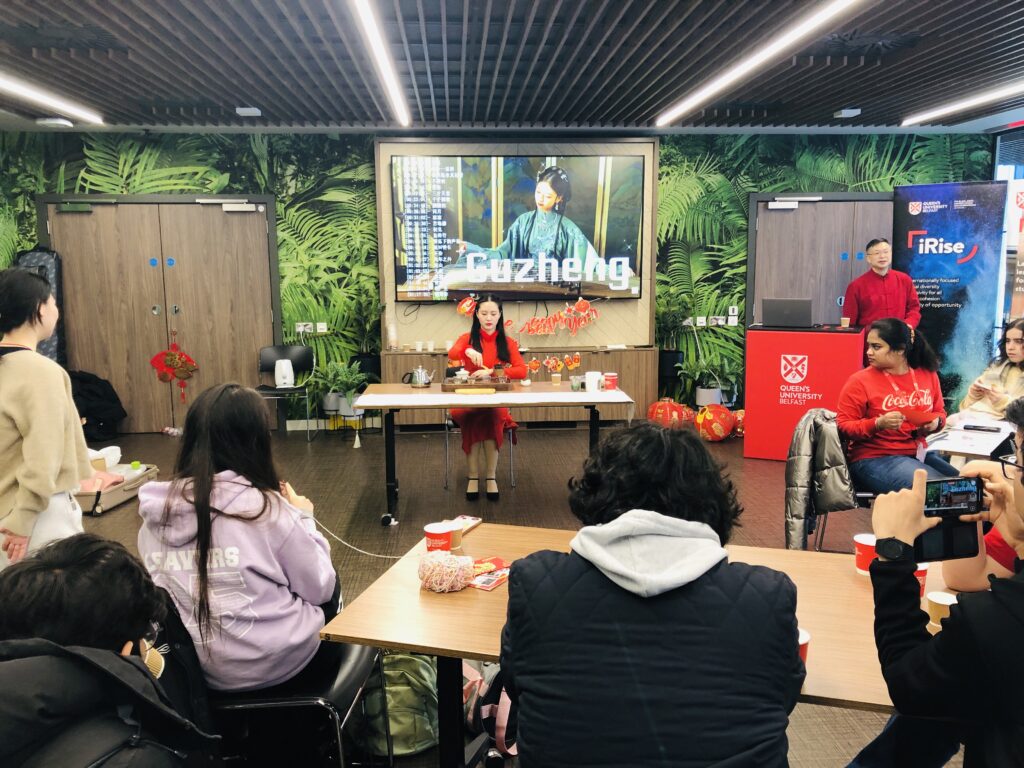
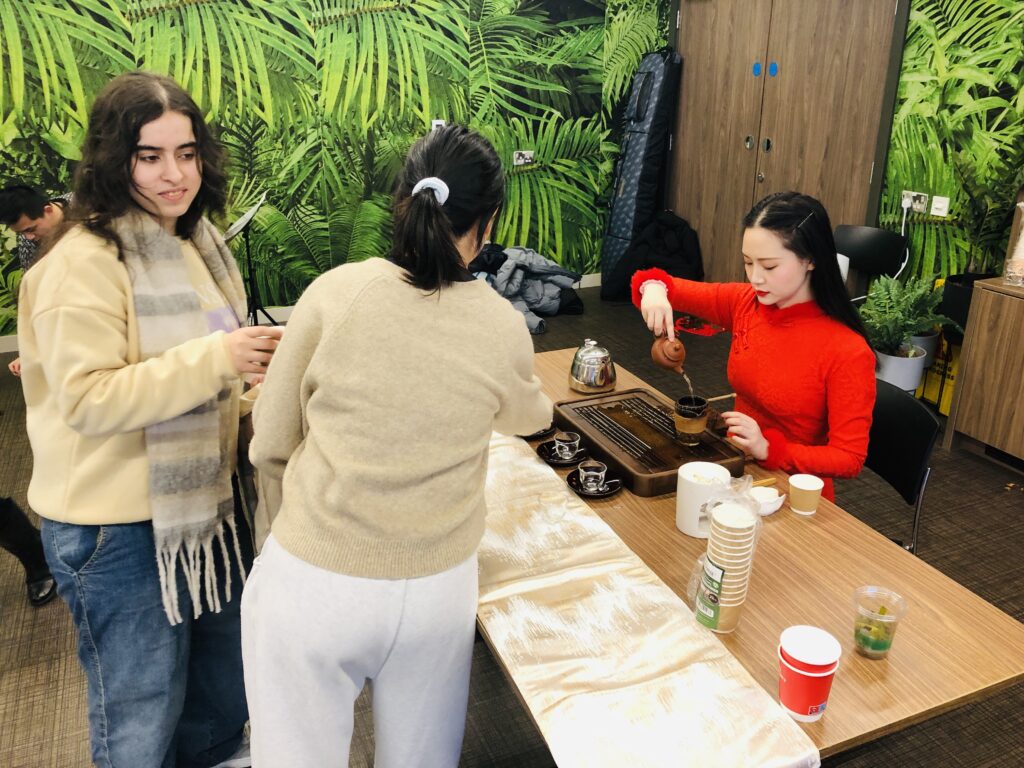
Additional performances included a vibrant K-pop dance, a graceful Tai Chi demonstration, and a Chinese Jianzhan tea cup display in the foyer. Meanwhile, cultural workshops such as calligraphy, paper crafts, tea and incense ceremonies, and guzheng appreciation sessions were held in the Cube, engaging and entertaining participants throughout the afternoon.
_cuva
_cuva
_cuva
_cuva
Blessed by the sunshine and strong support from One Elmwood Student Engagement Team, the event was a great success, with strong attendance and positive social impact. Queen’s is proud of its role as a civic university, promoting diversity, equality, inclusion, and belonging, supported by its vigorous academic and educational innovation.
_cuva
In keeping with Chinese New Year traditions, the celebrations will continue over the next two weeks, featuring six culture talks, a table tennis event, and a QUB-supported collaborative “Bridges to China” launch. All are warmly welcome!
With the Year of the Horse fast approaching, Queen’s University Belfast has released its celebration programme, alongside a few civic Chinese New Year (CNY) celebrations. In this post, we would like to highlight the events and activities that may generate shared interest.
Queen’s colleagues are warmly invited to take part in a range of cultural activities celebrating the Year of the Horse. The celebrations will highlight a Launch Event on Friday 13 February, 12:00–1:00 pm, at One Elmwood Cube, followed by a Dragon Parade and Cultural Fair in the One Elmwood Foyer and Cube areas throughout the afternoon.
Online Exhibitions
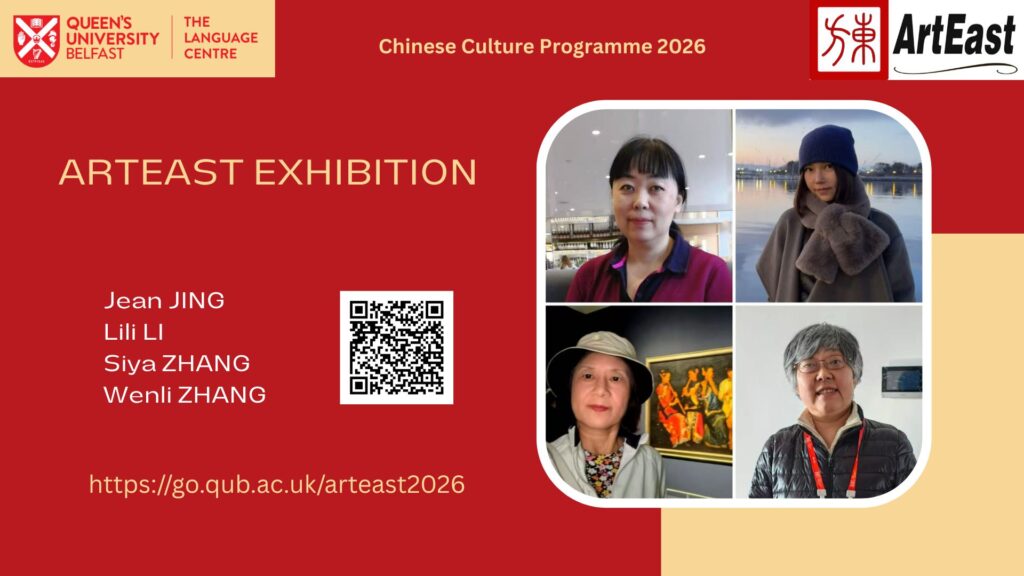
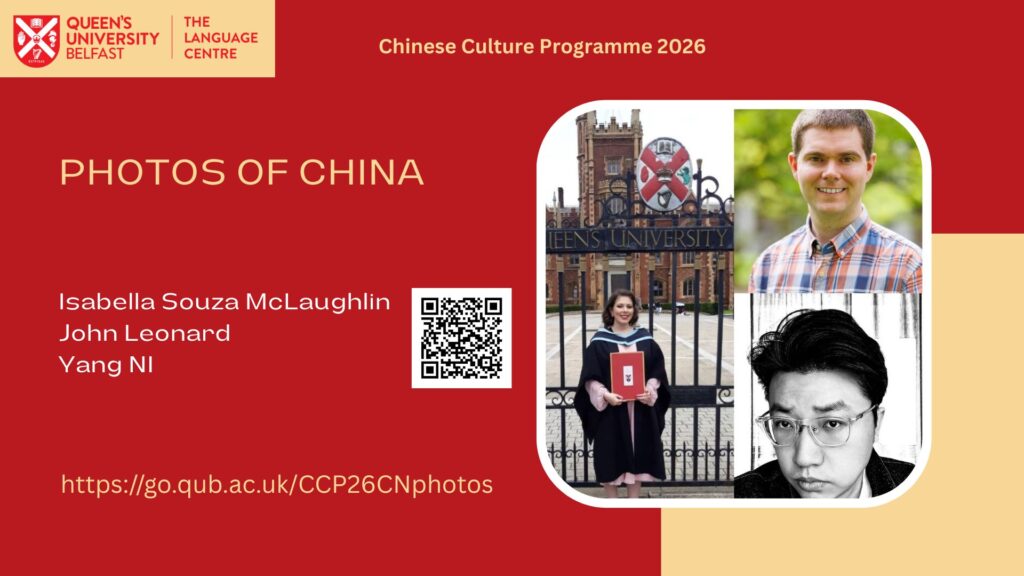
We are grateful to have collected paintings from ArtEast Club members in the 6th consecutive year and the photos of China with intercultrual reflections from three Queen’s photographers.
The coming weeks’ highlights are:
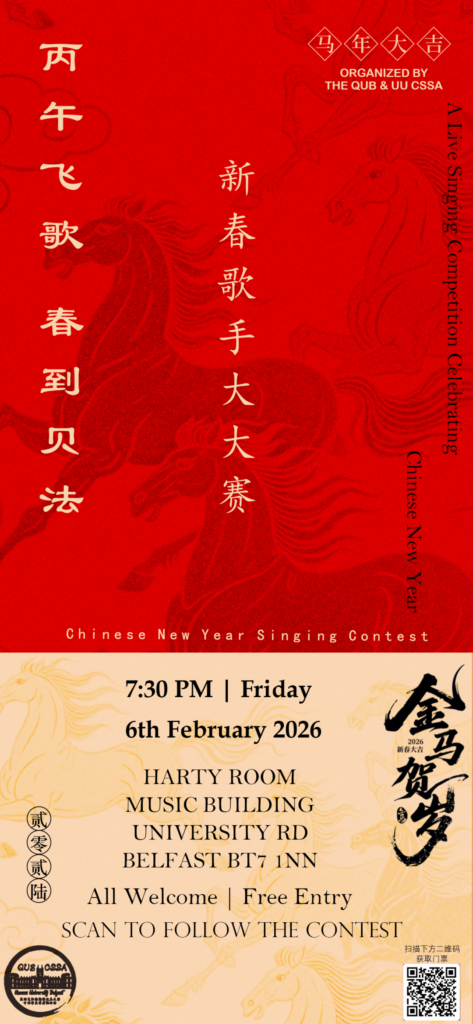
Student-led activities (Friday 06/02)
CNY Arts and Crafts Workshop & Drawing Competition 1:00–4:00 pm, The Cube, One Elmwood
Chinese Singing Competition 7:30 pm, Harty Room, Music Building
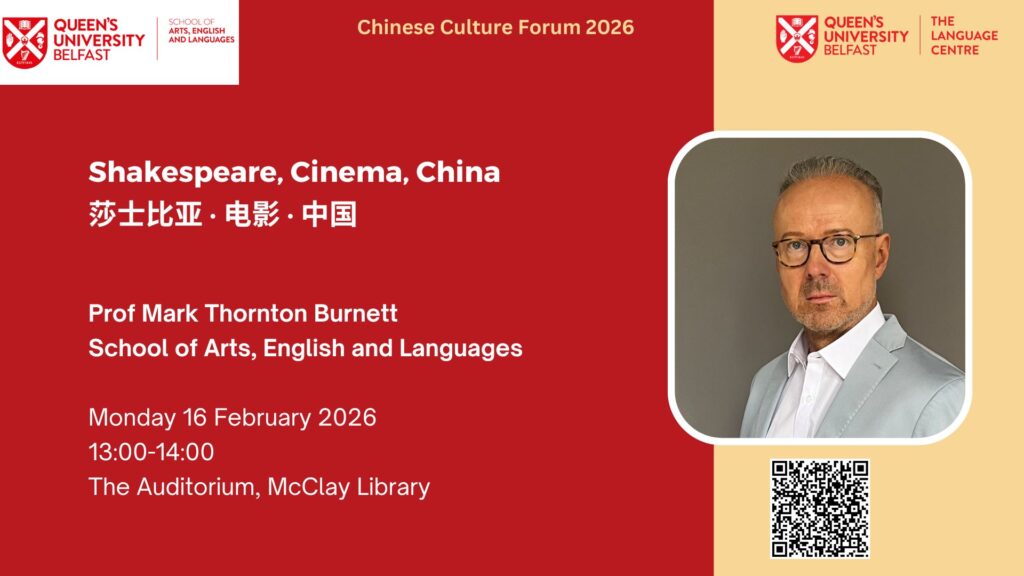
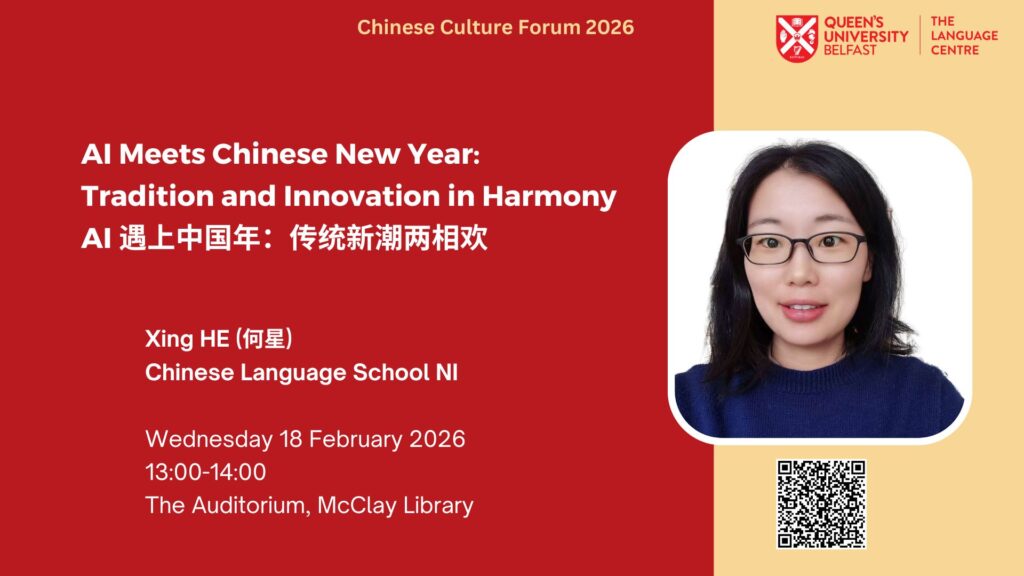
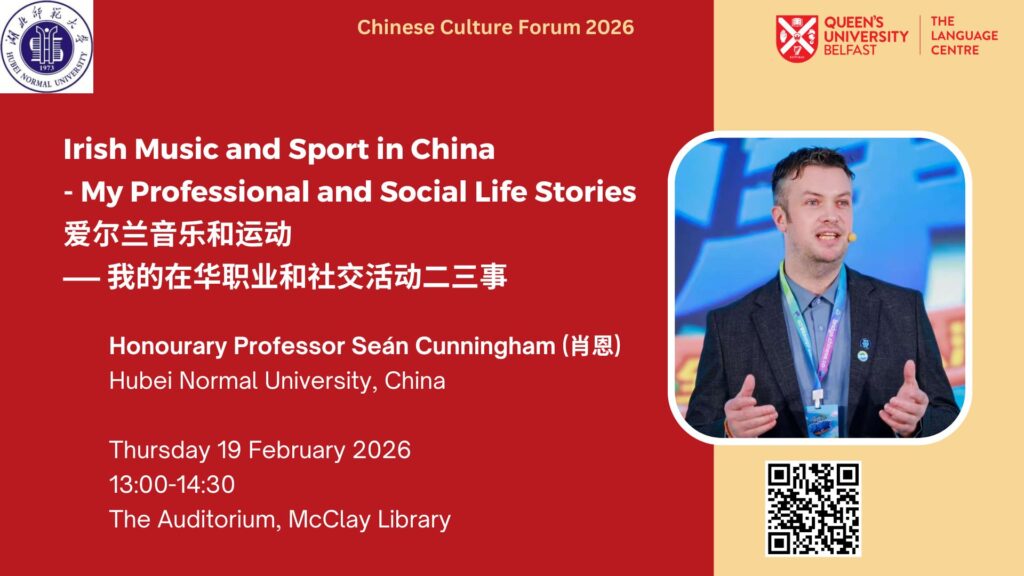
Culture Talks(Monday 16/02 – Thursday 26/02)
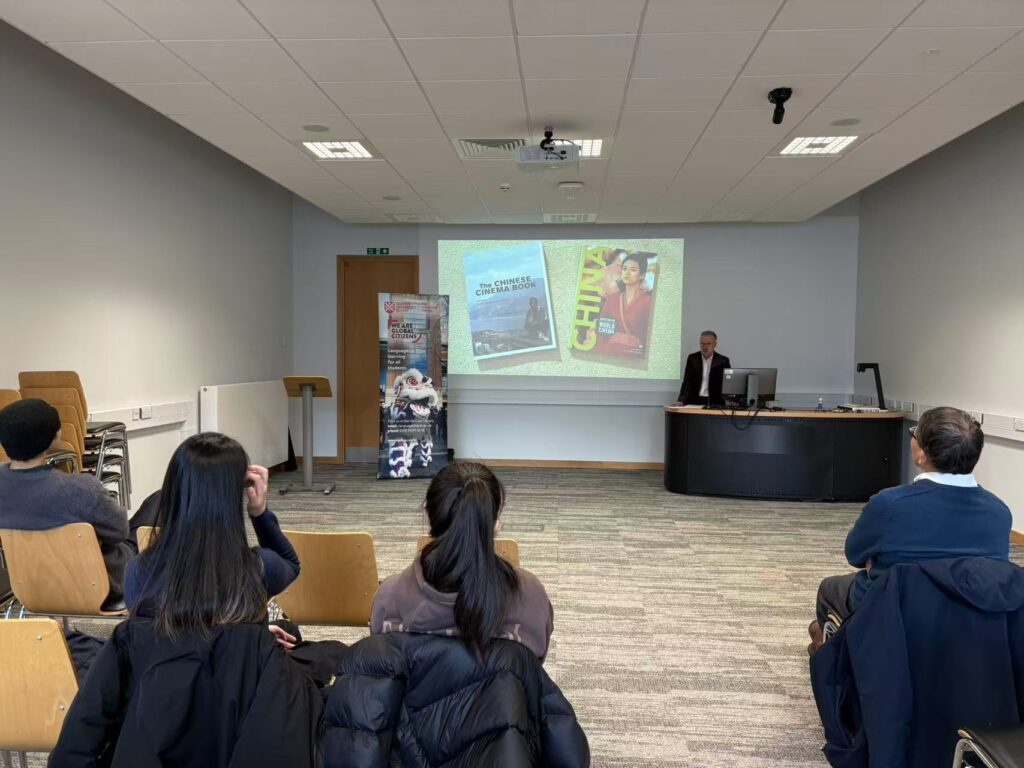
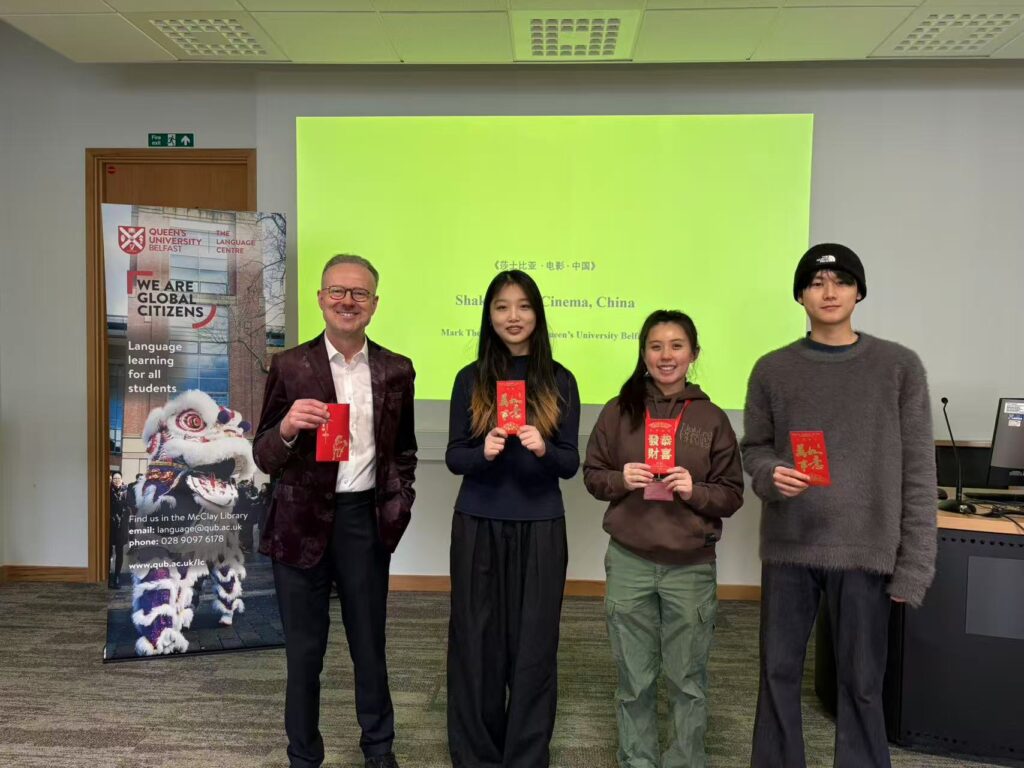
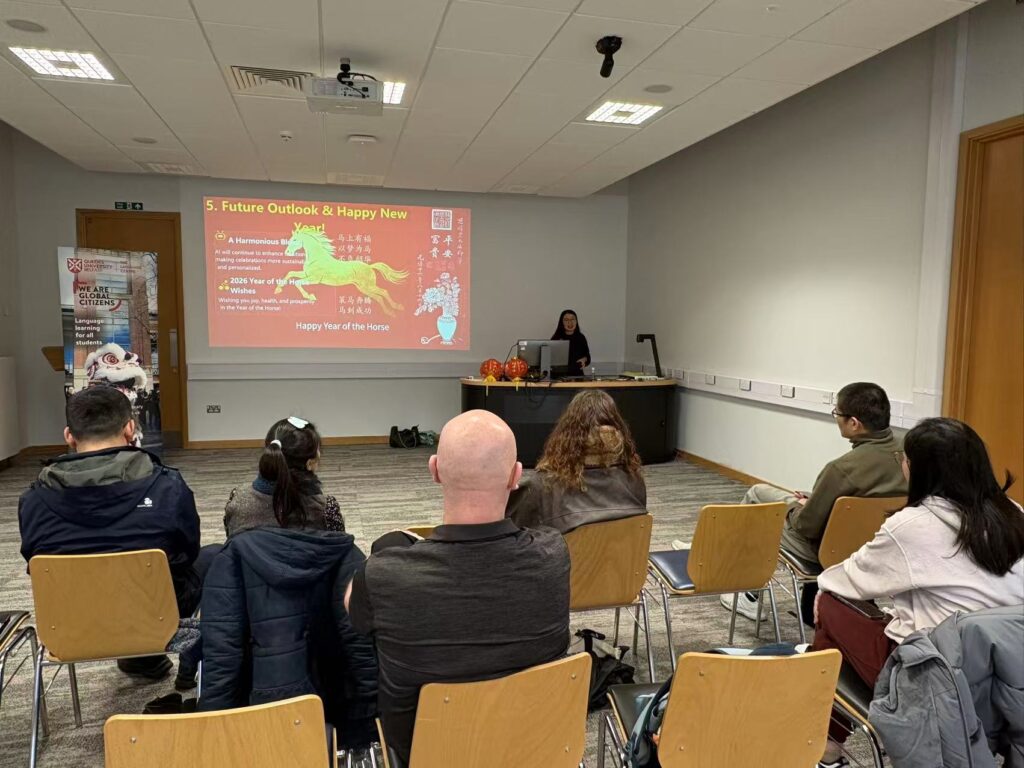
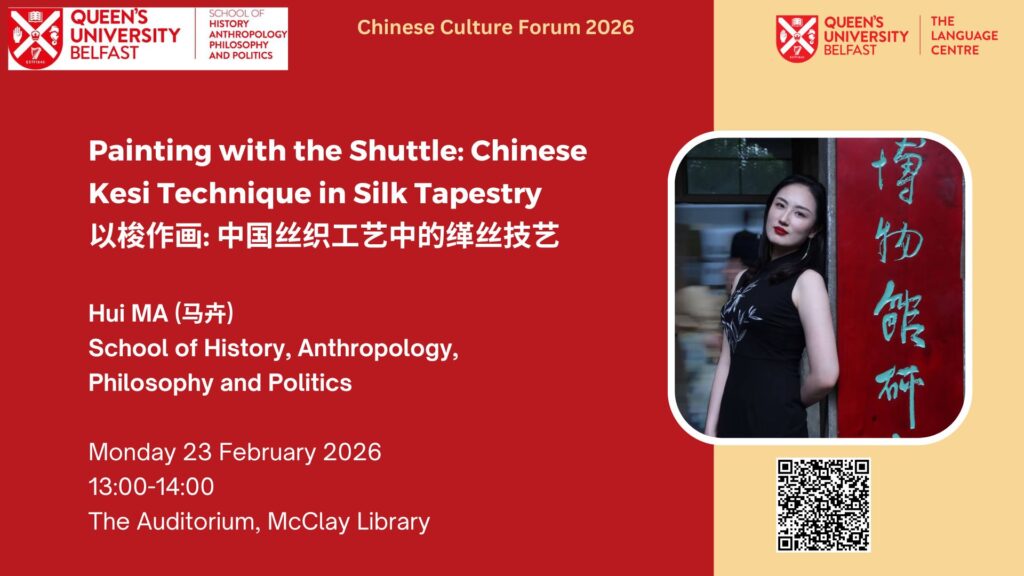
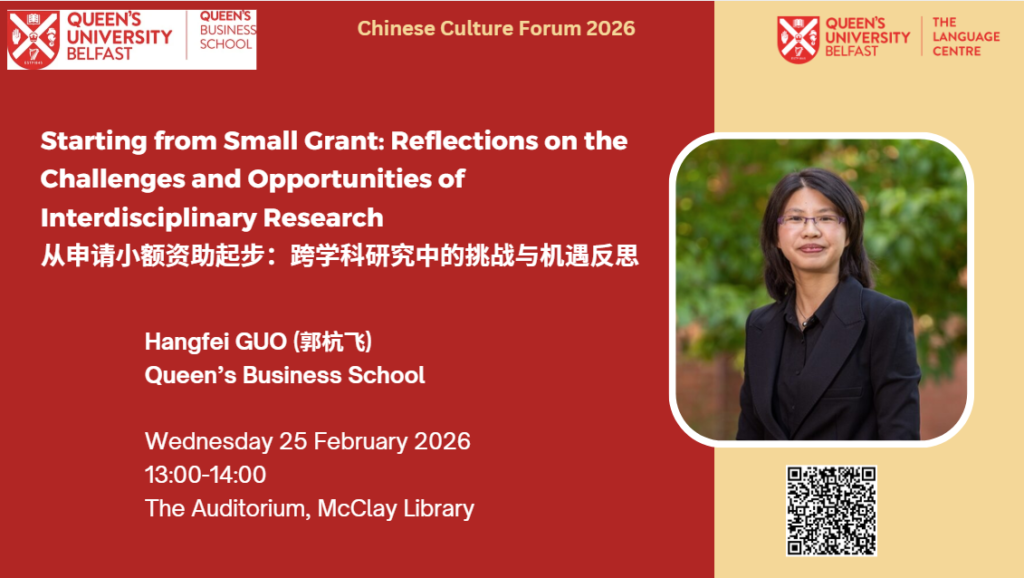
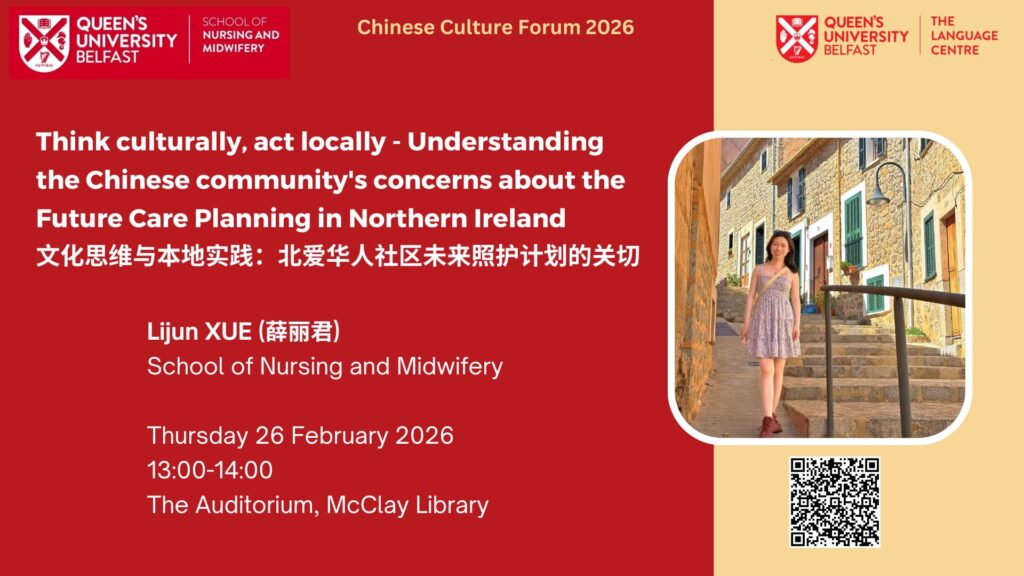
Beginning from Monday 16th, there will be a cluster of culture talks contributed by Queen’s academics, research students and guest speakers from a wide range of subject areas and professional backgrounds, as below:
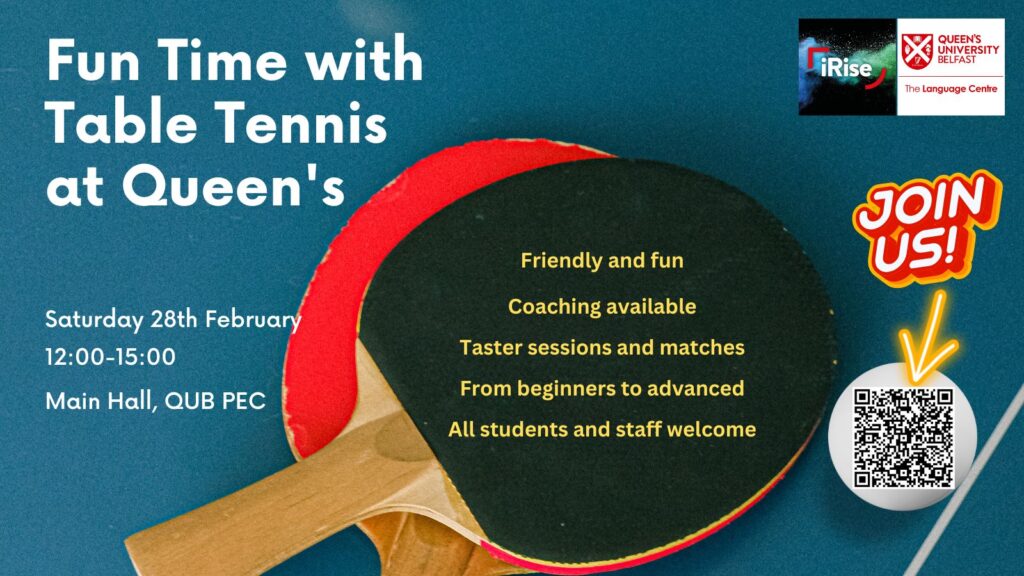
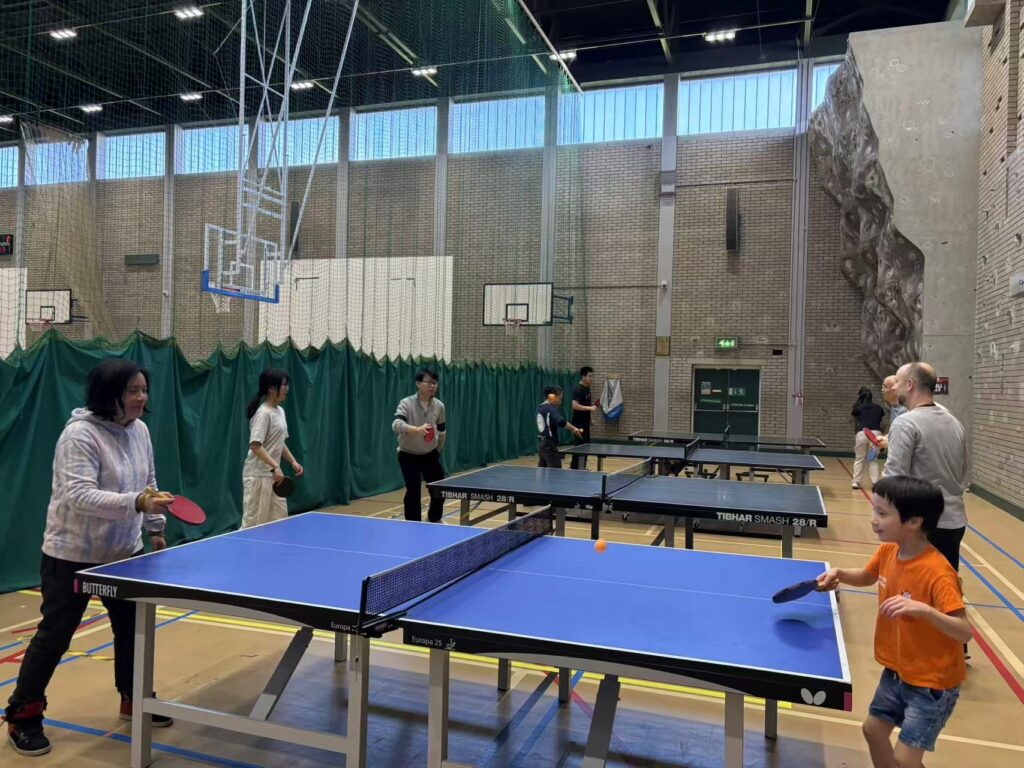
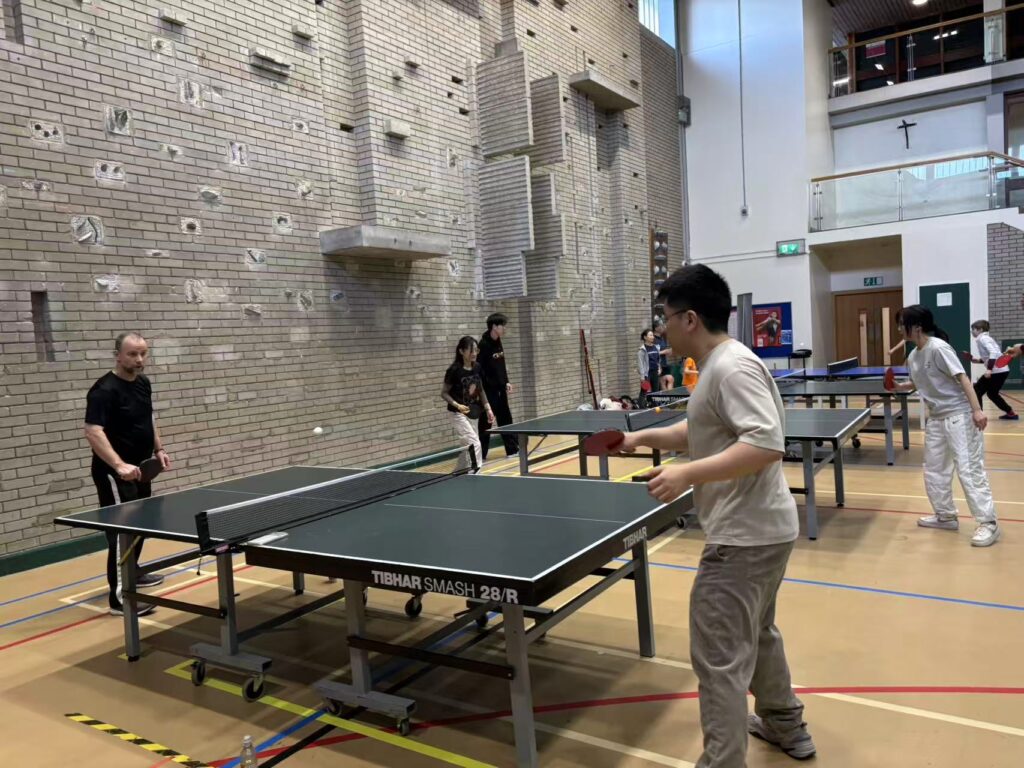
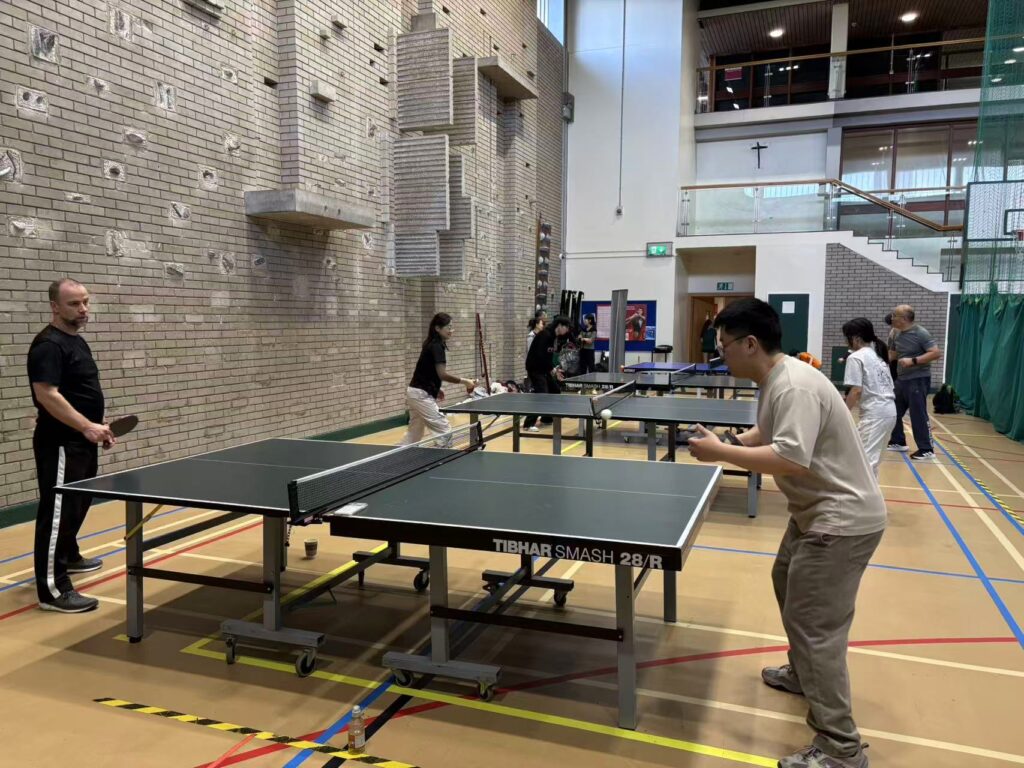
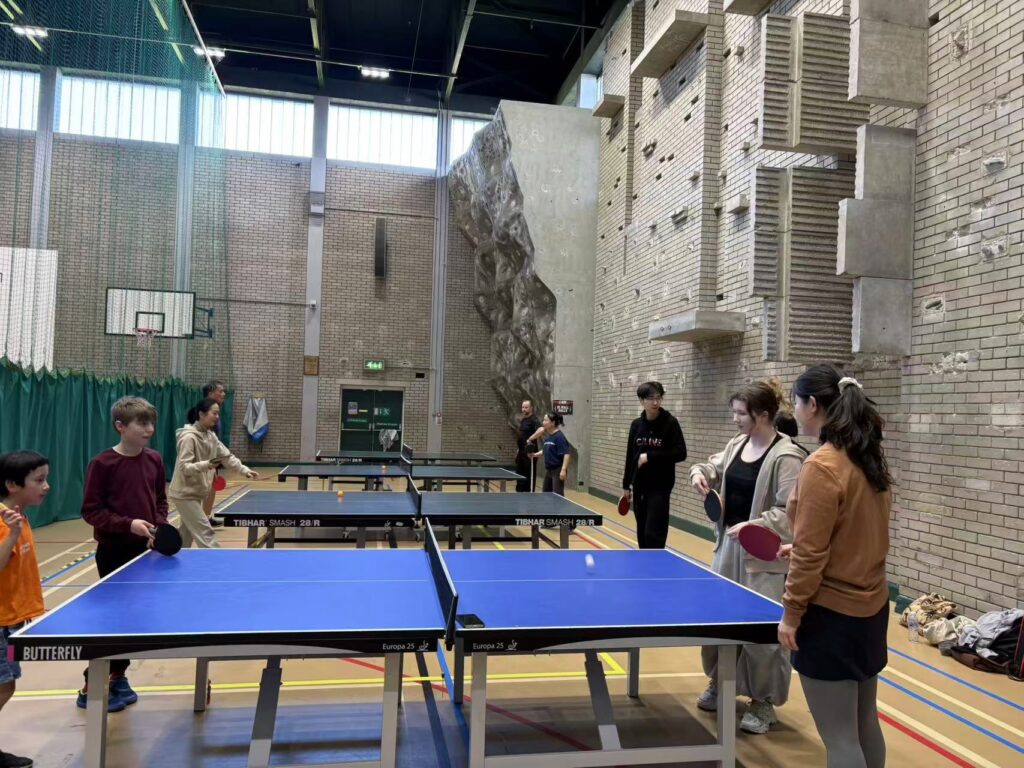
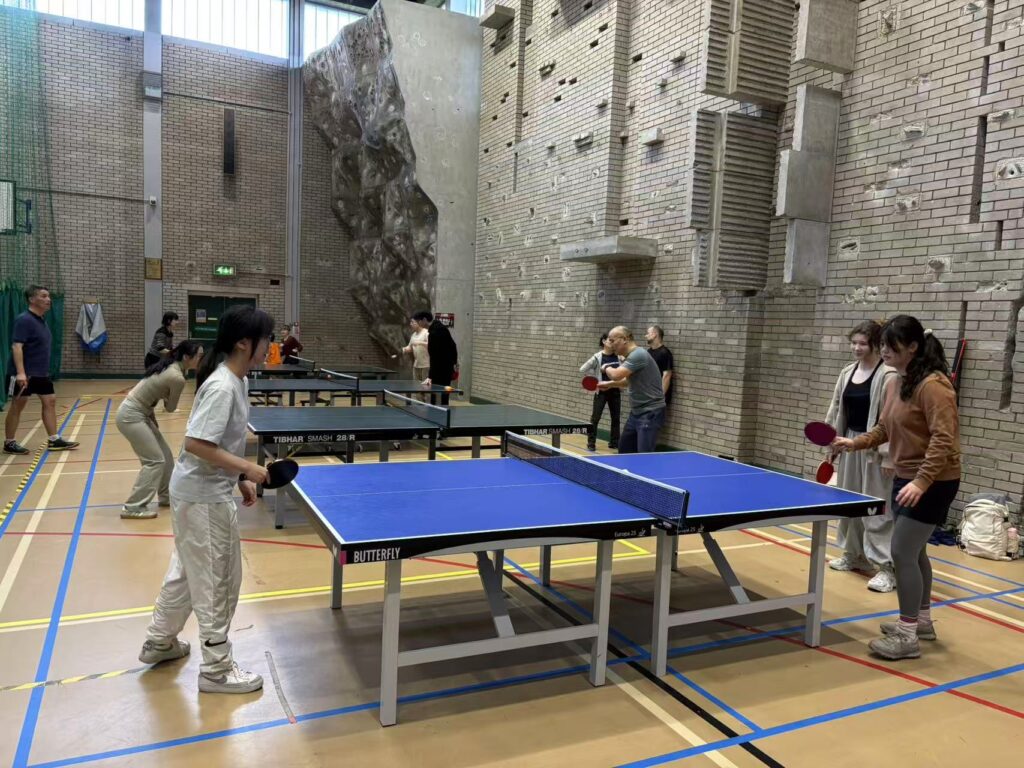
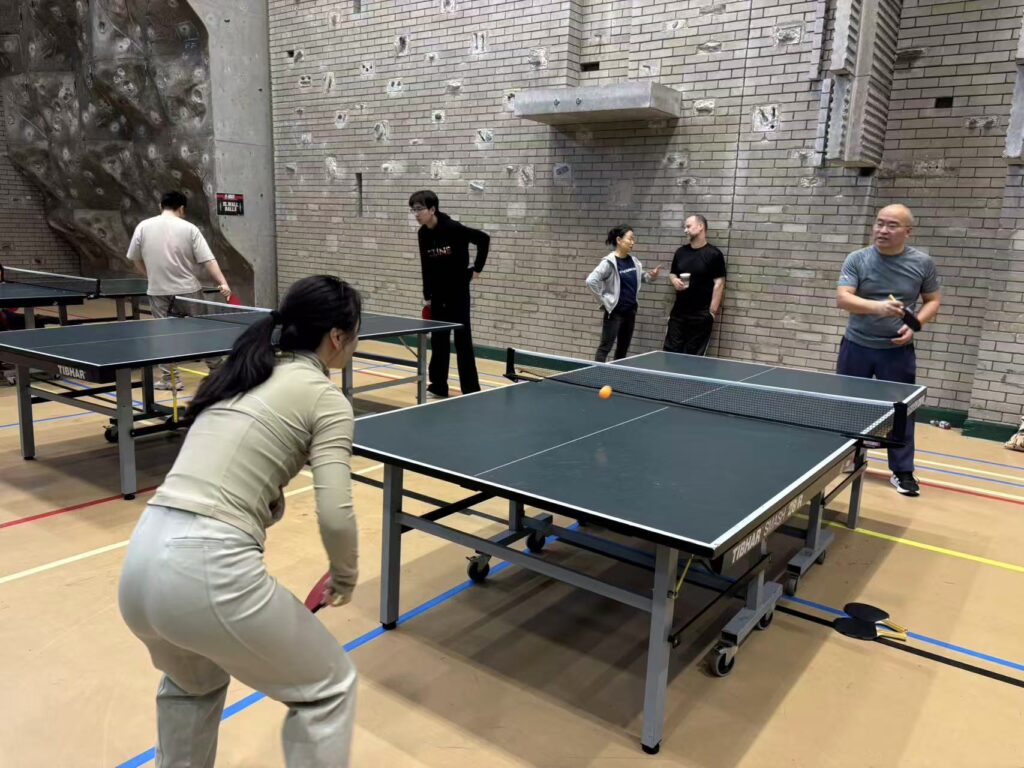
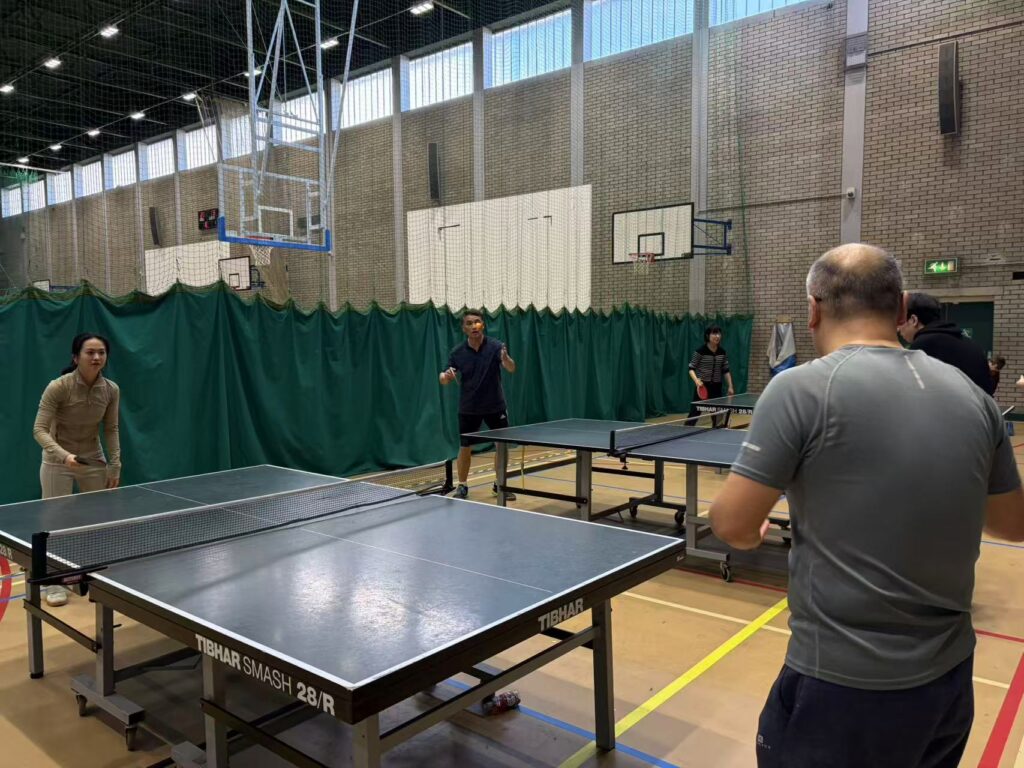
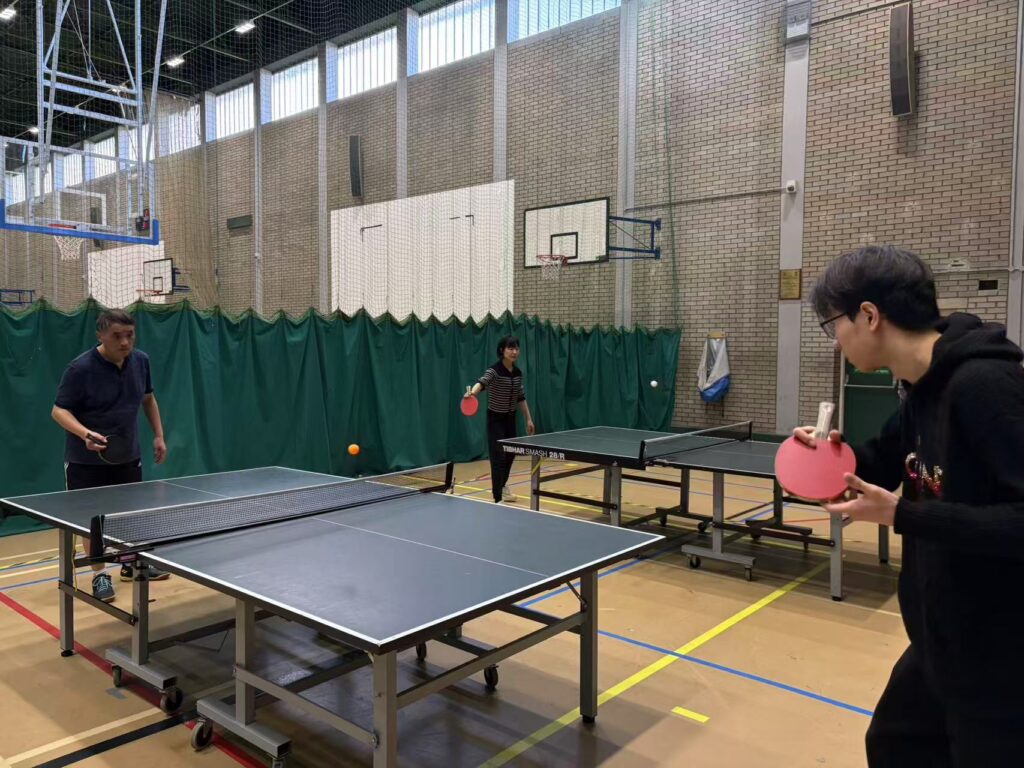
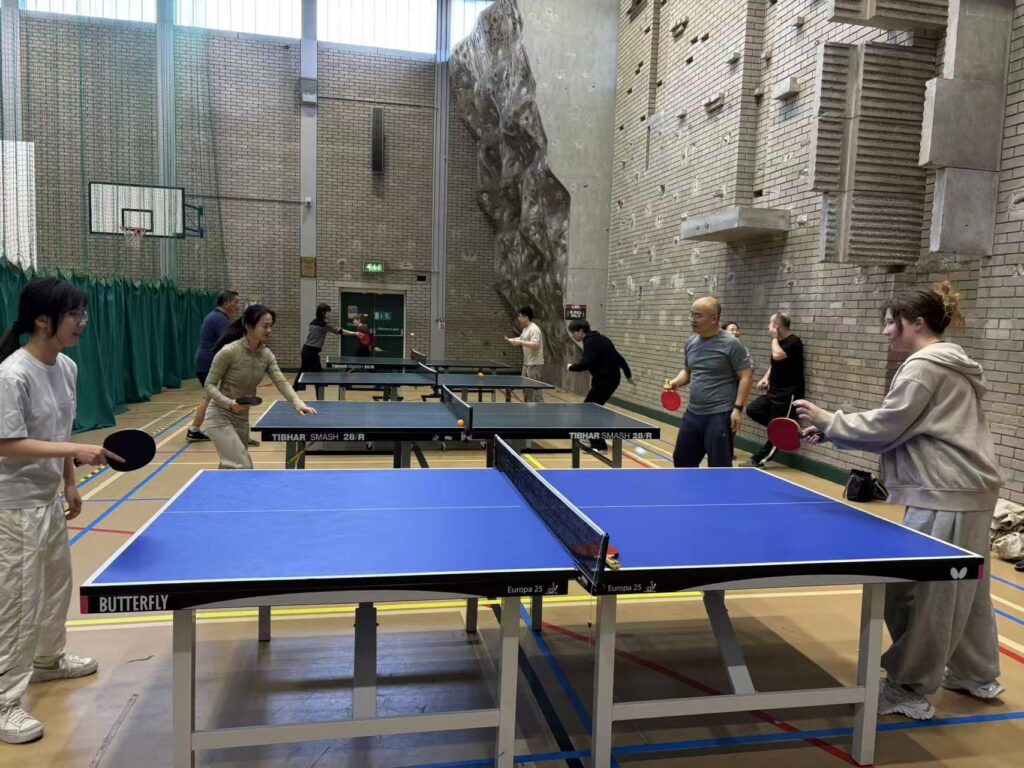
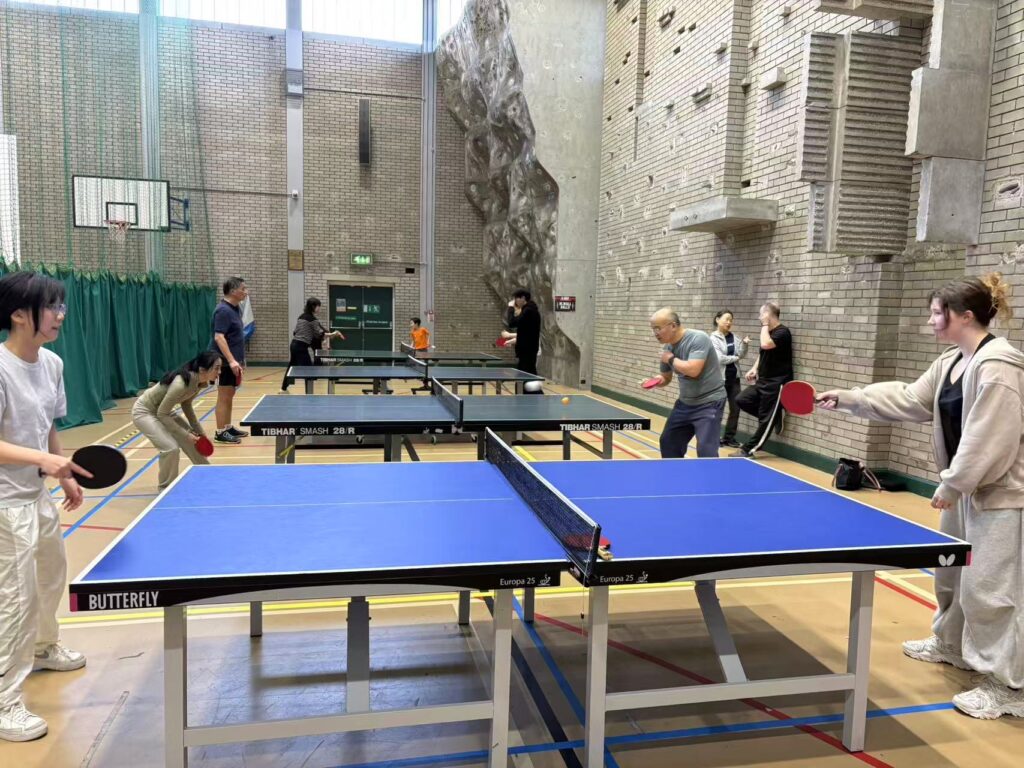
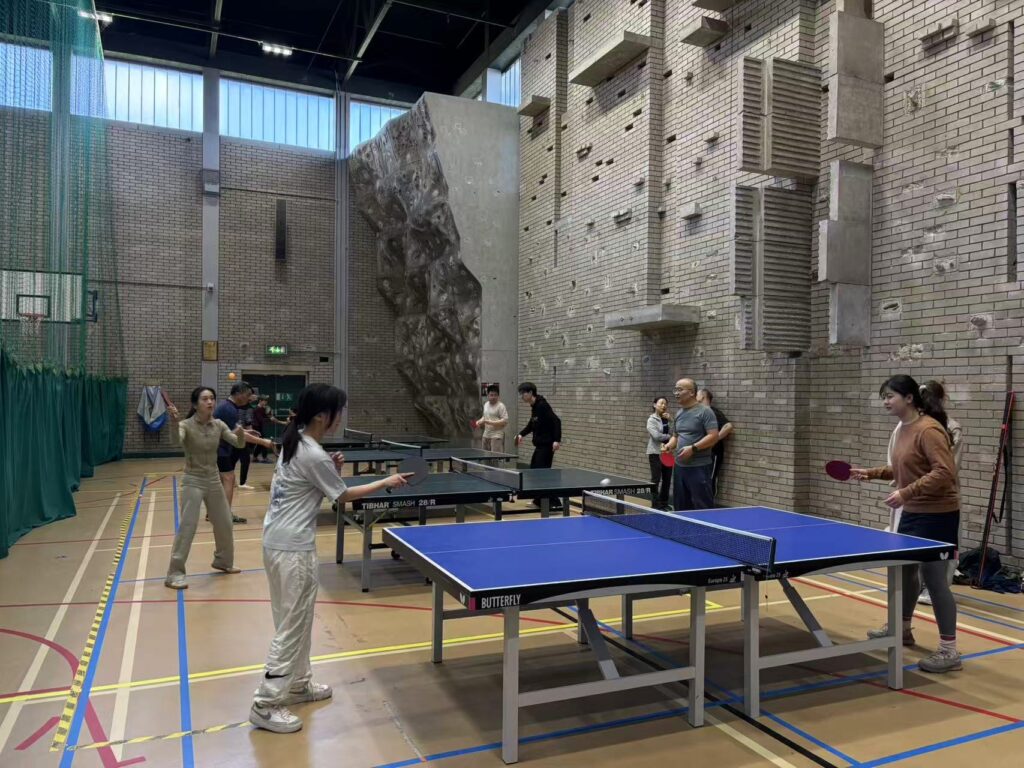
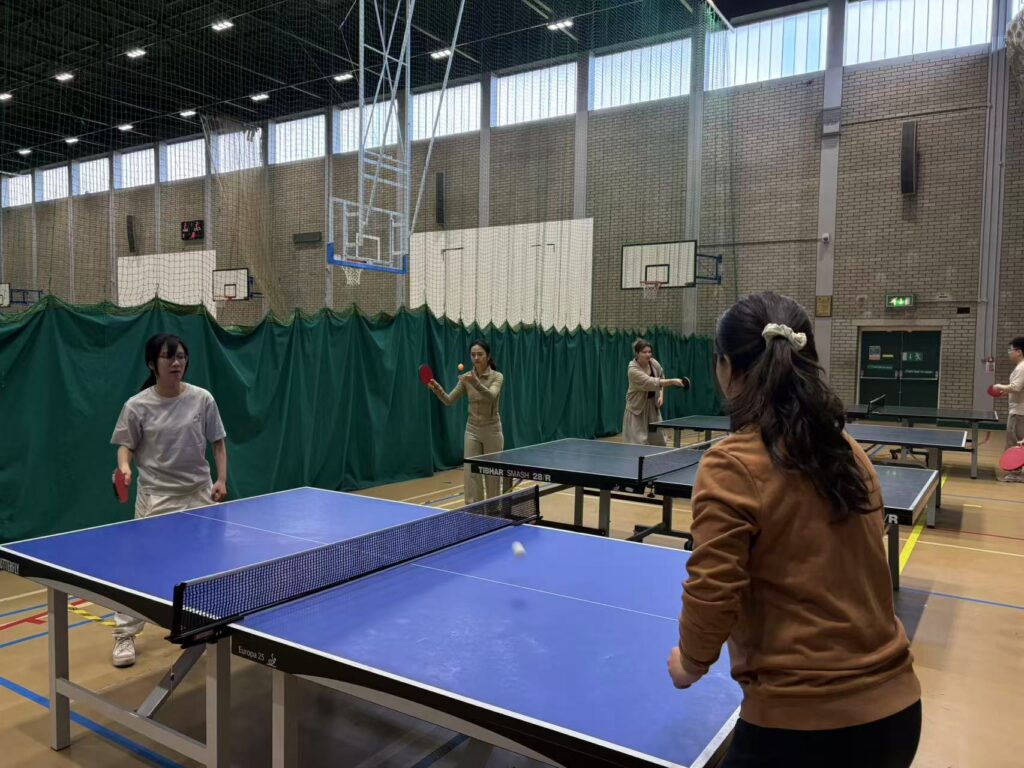
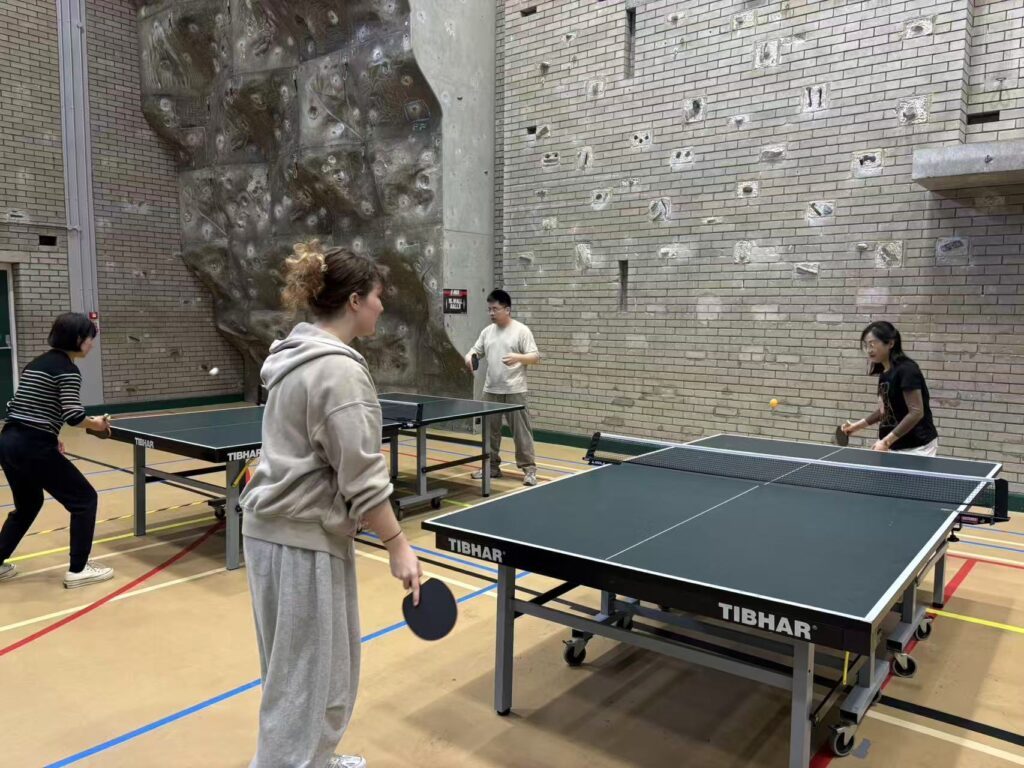
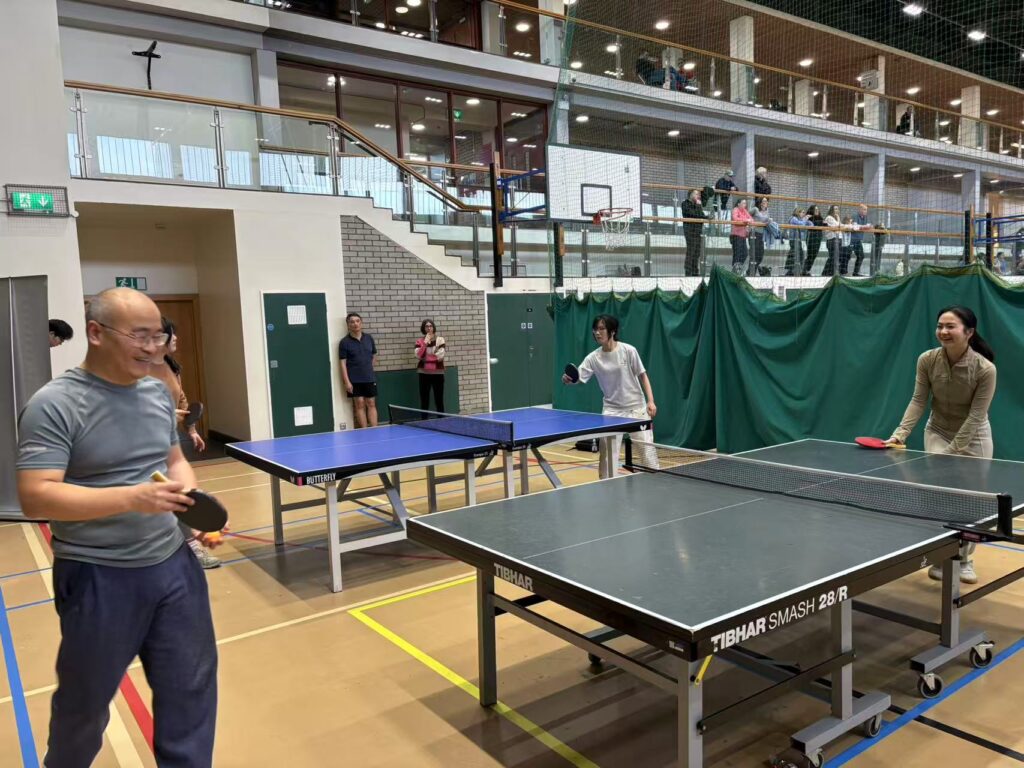
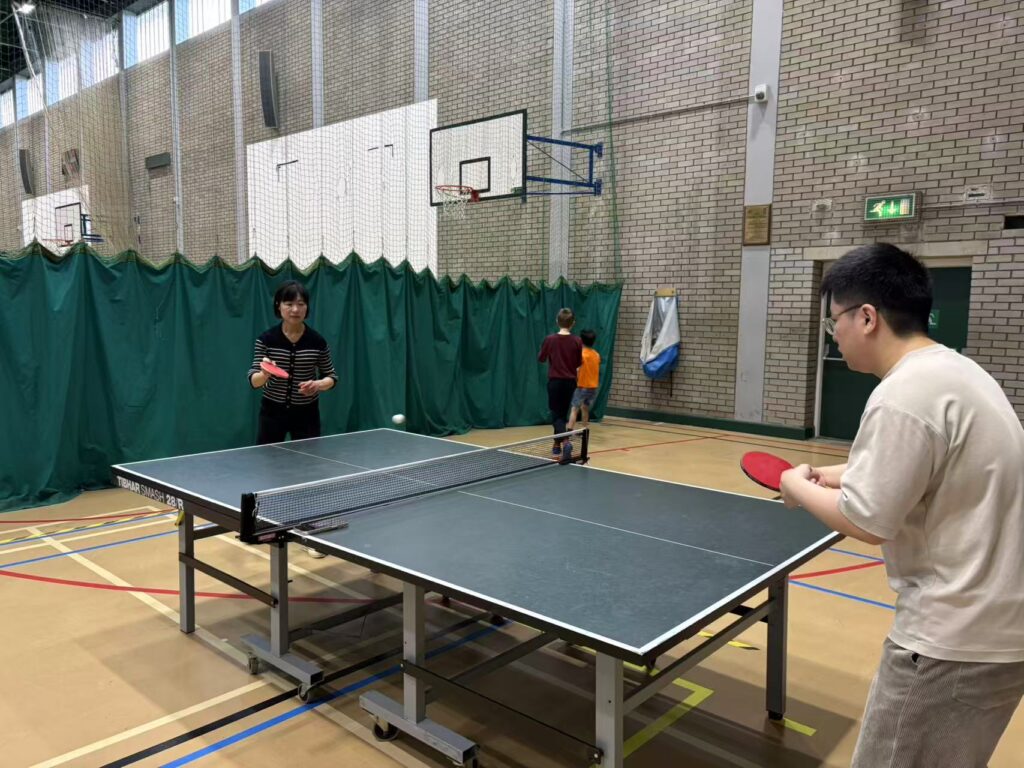
Fun Time with Table Tennis (Saturday 28/02)
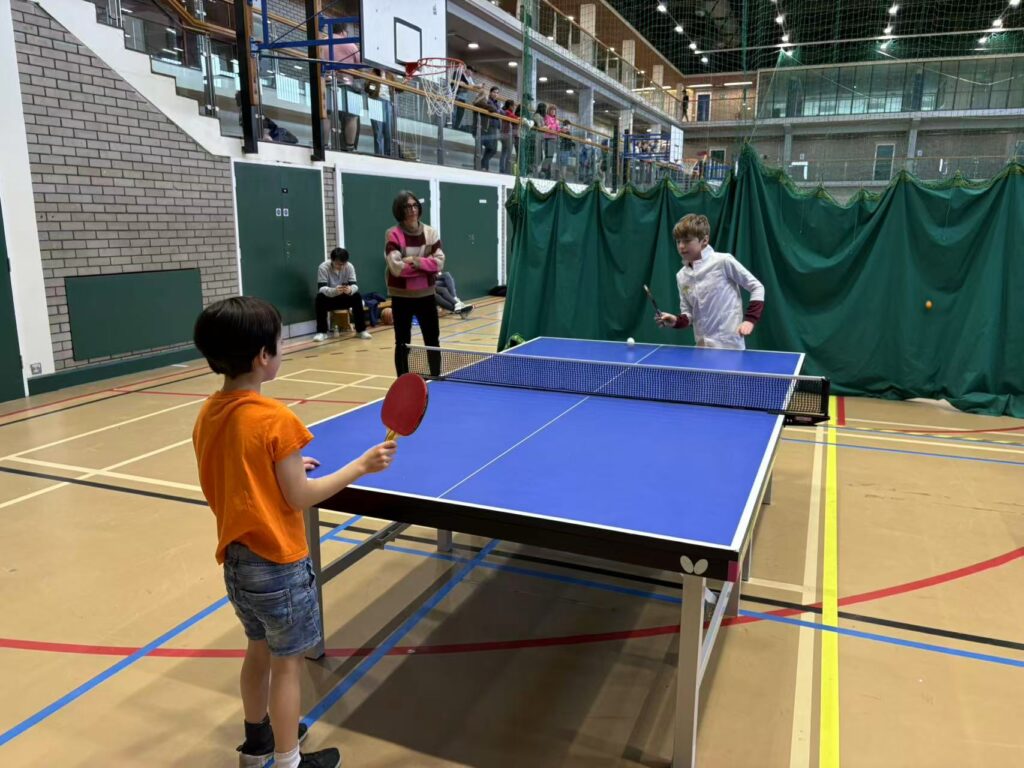
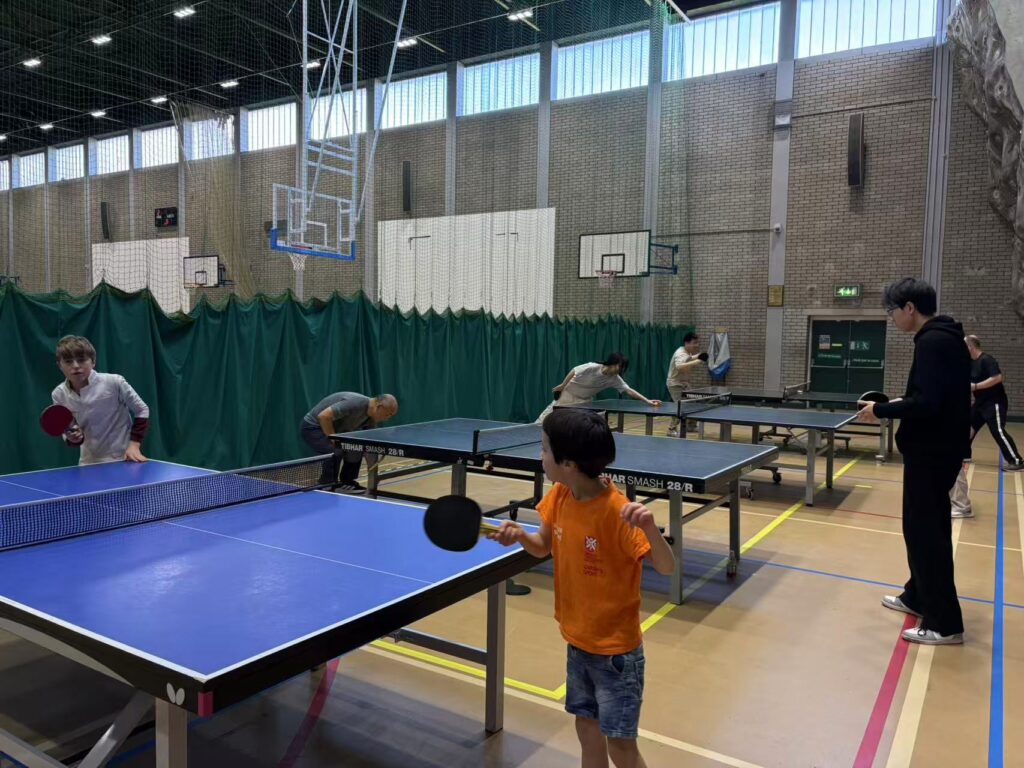
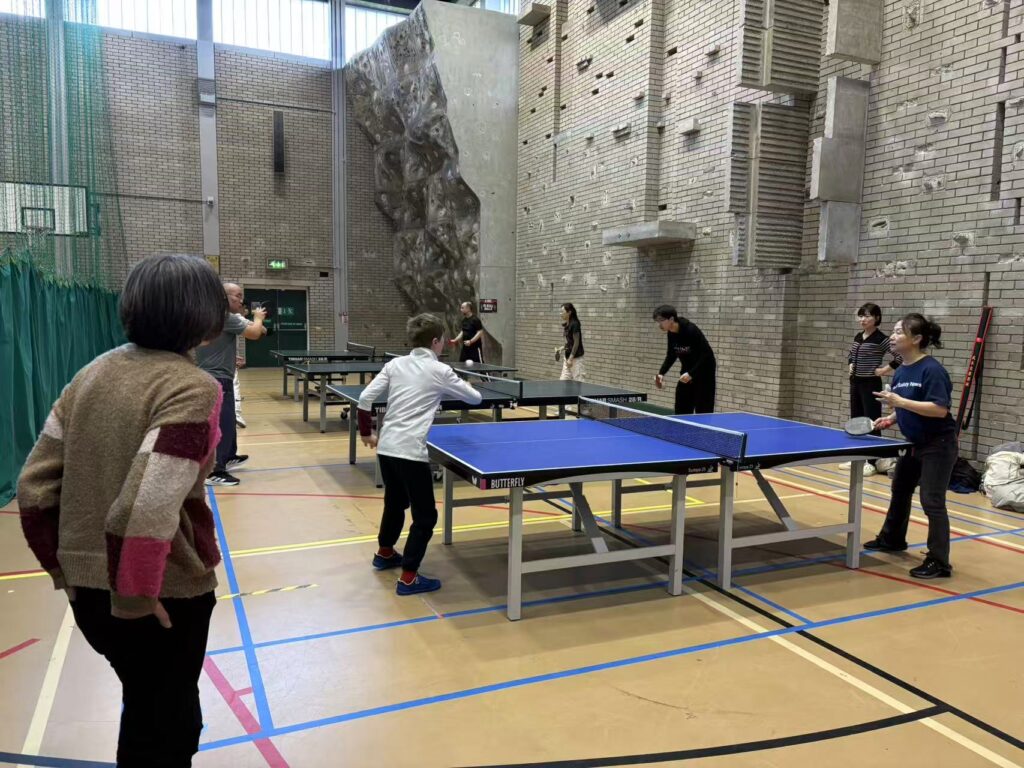
Sponsored by QUB iRise Staff Network and One Elmwood Student Engagement Team, we would like to invite all staff members and students, and their families as well, to join this fun and friendly event to engage with this popular sport among the Chinese communities, as well as providing an opportunity for enhancing student and staff wellbeing through sport. Both beginners and more advanced players are welcome to sign up for the fun event, with an appreciation of its unique culture, as well as developing some practical skills in body movements and mediation.
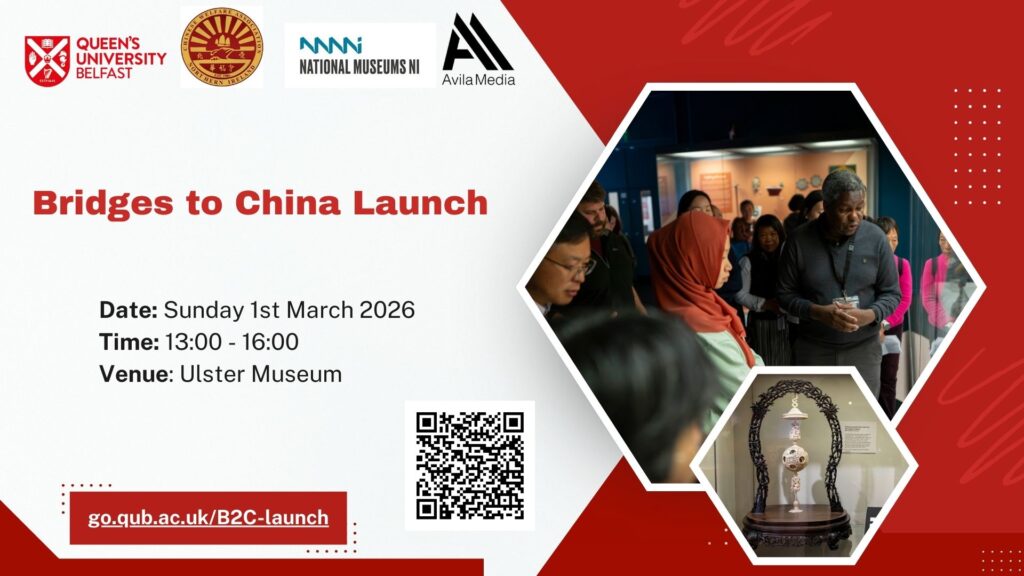
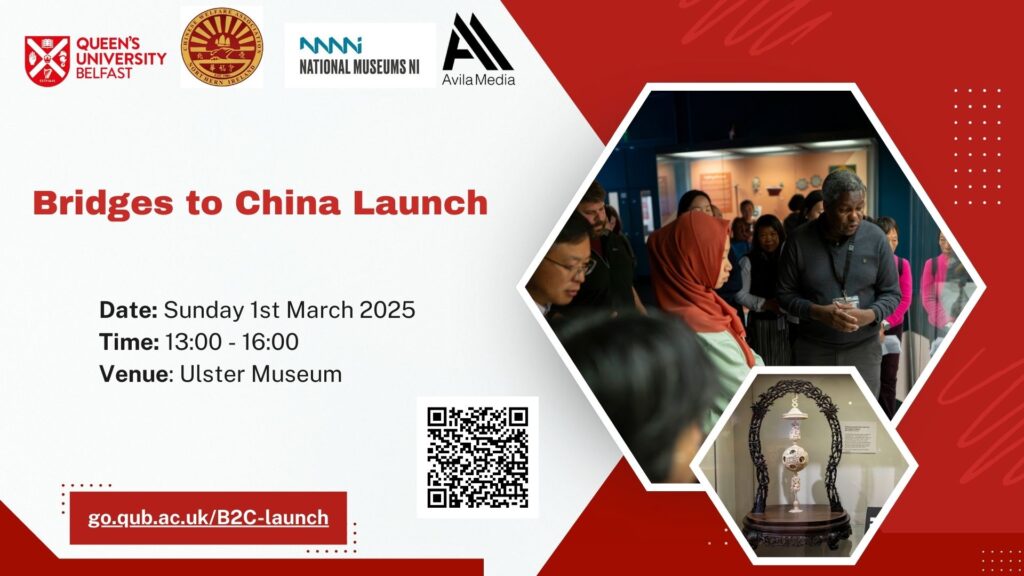
Launch of Bridges to China Project (Sunday 01/03)
Finally, it is worth recommending this launch of Bridges to China Project, which is a collaboration between Queen’s researchers and their civic partners including Chinese Welfare Association, National Museum NI and AvliaMedia on creating a repertoire to enhance public understanding of Chinese heritage and culture in Northern Ireland. It also aims to foster community partnerships leading to further collaboration and community engagement around the longstanding links between Northern Ireland and China.
For more information and registration, please visit the full programme below. You are all very welcome to join us and enjoy the cultural celebrations of the Year of the Horse. If you would like to help with us in any of the events and activities, you may consider filling in the volunterring form below.
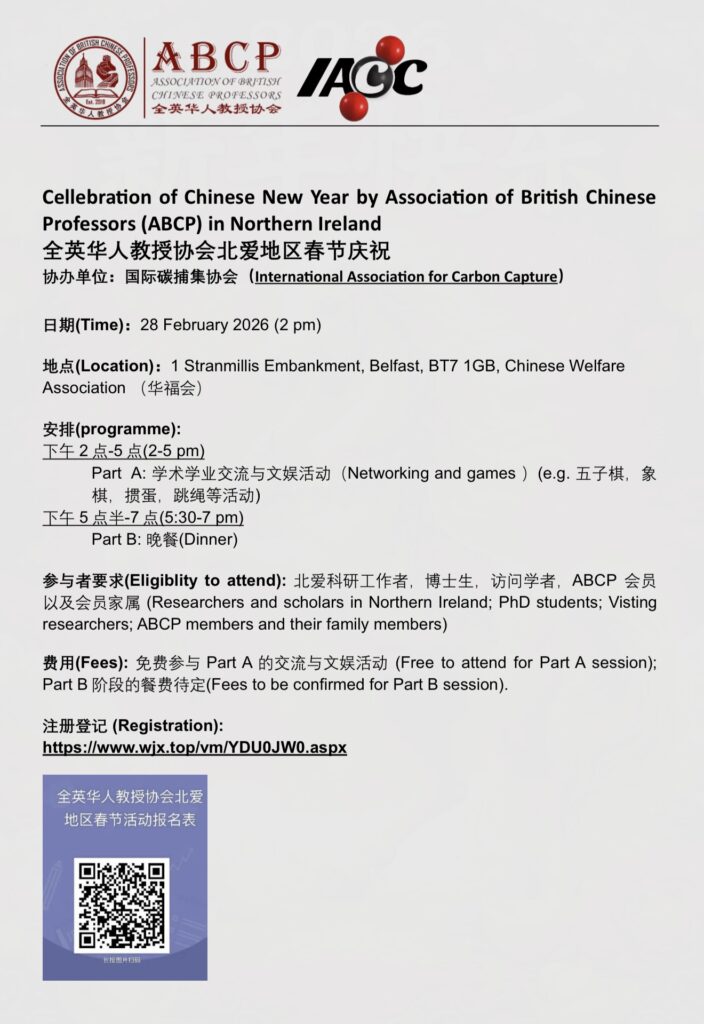
If you would like to know more about CNY celebration events outside Queen’s, we hope you find the following information useful.
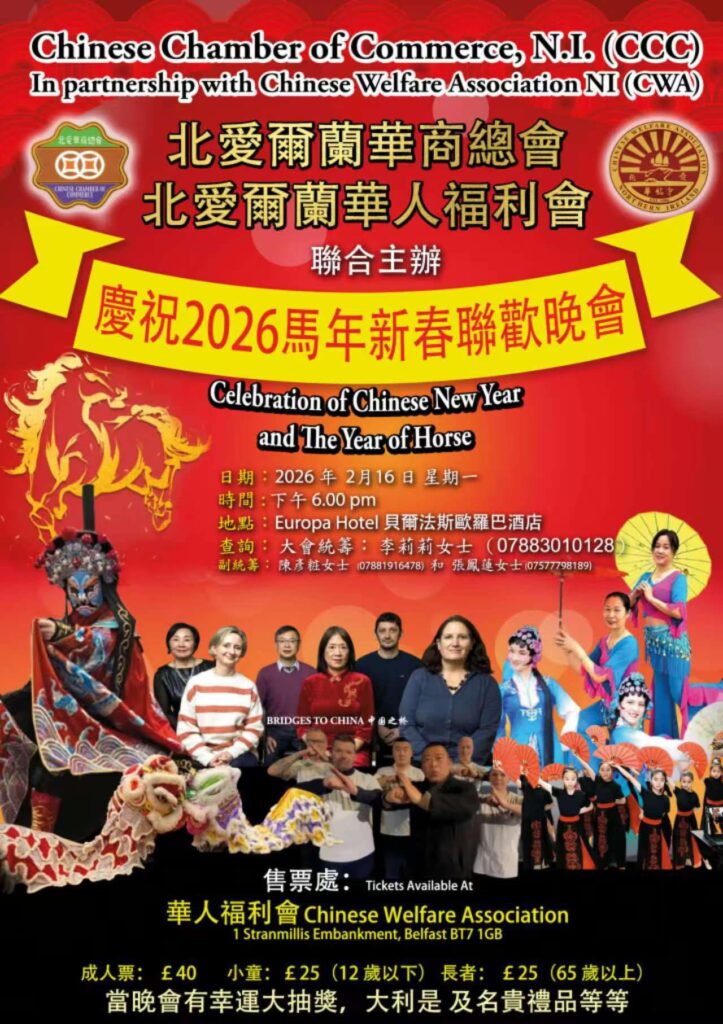
Monday 16/02 by CCC NI and CWA NI
The annual Spring Festival Gala, jointly organised by the Chinese Chamber of Commerce, N.I. and Chinese Welfare Association N.I., returns this year to the Europa Hotel. Save your date on Monday 16th February at 6pm.
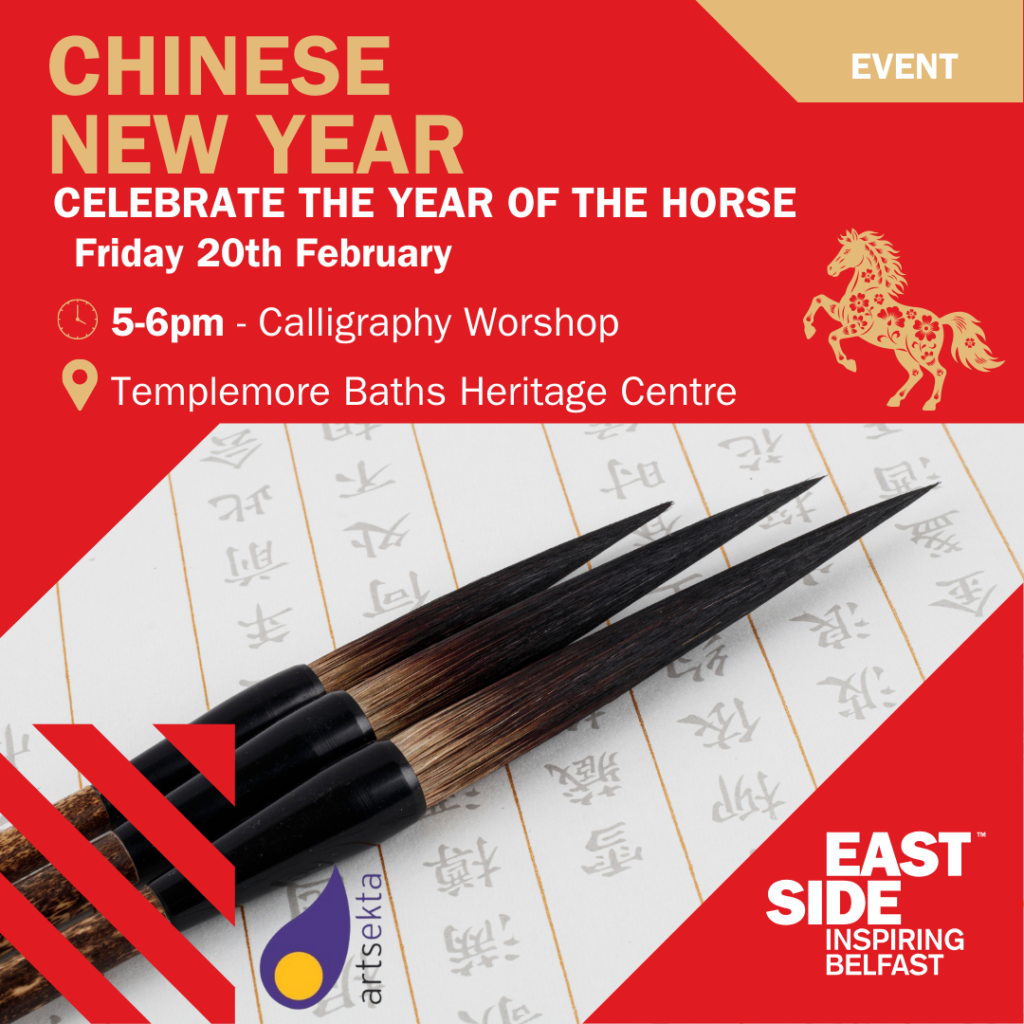
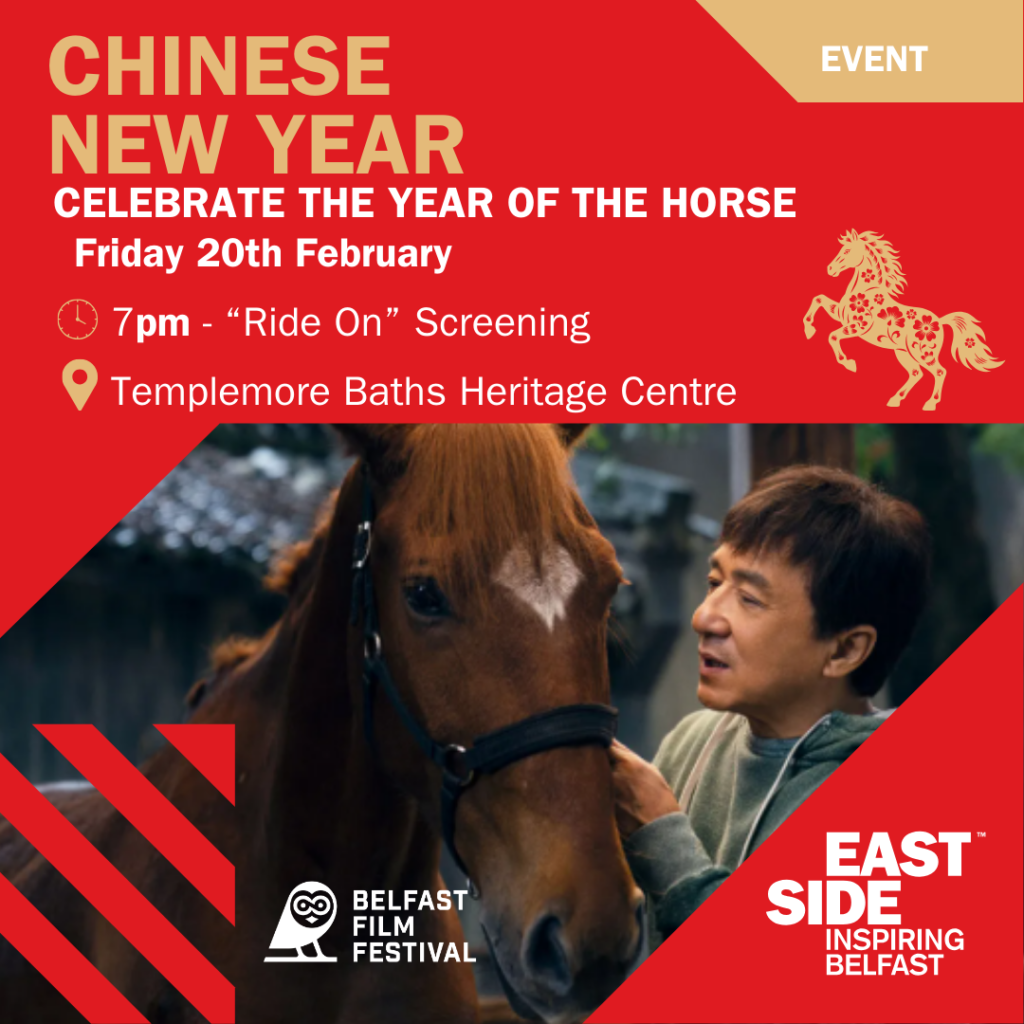
Friday 20/02 by East Side Arts(with Artsekta and Belfast Film Festival)
Celebrate the Year of the Horse at Templemore Baths Heritage Centre with a creative workshop and light hearted action packed film.
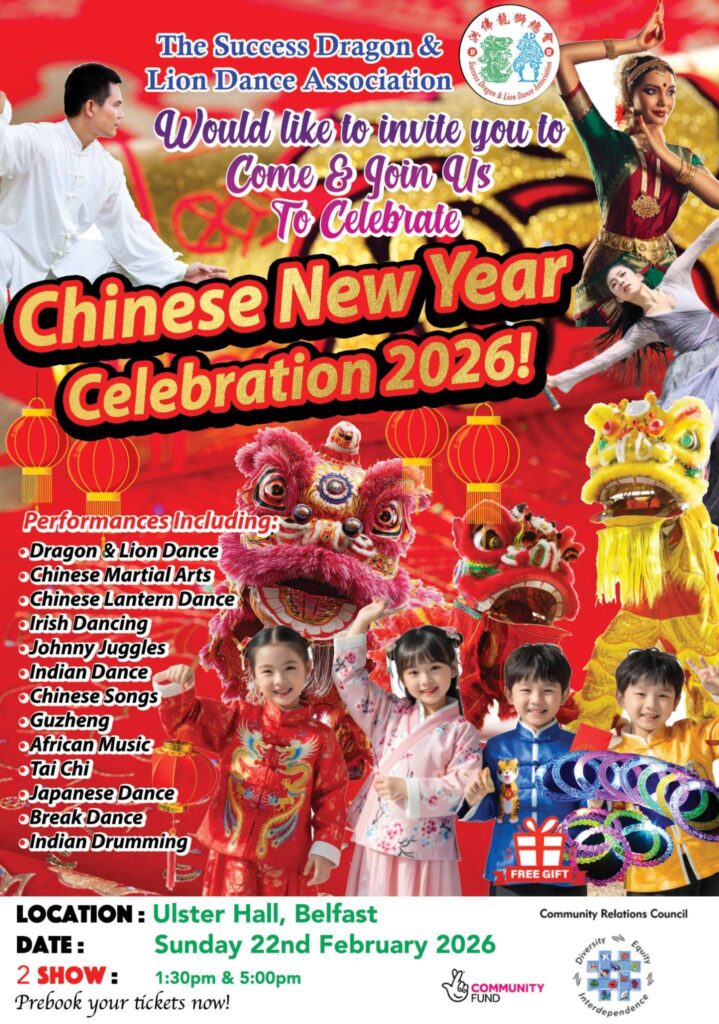
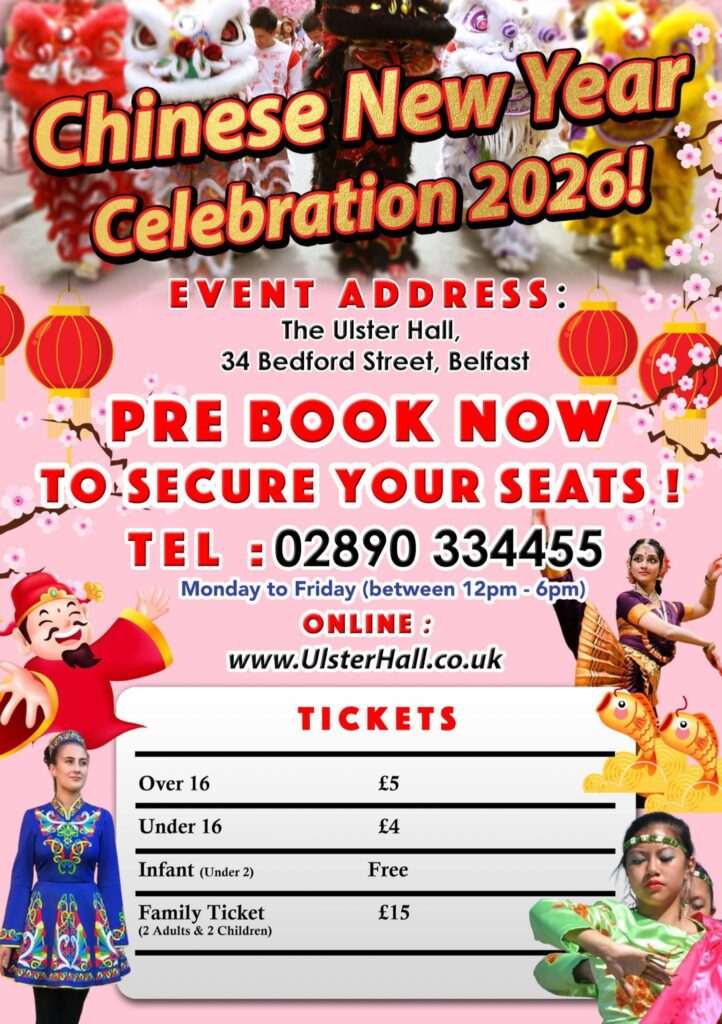
Sunday 22/02by Success Dragon and Lion Dance Association
The Chinese New Year Celebration returns to the Ulster Hall Belfast on Sunday 22nd February 2026 celebrating the Year of Horse. Come to enjoy a day is full of fun and joy, rich in Colours and Culture. With over 12 global dances and music not to be missed.
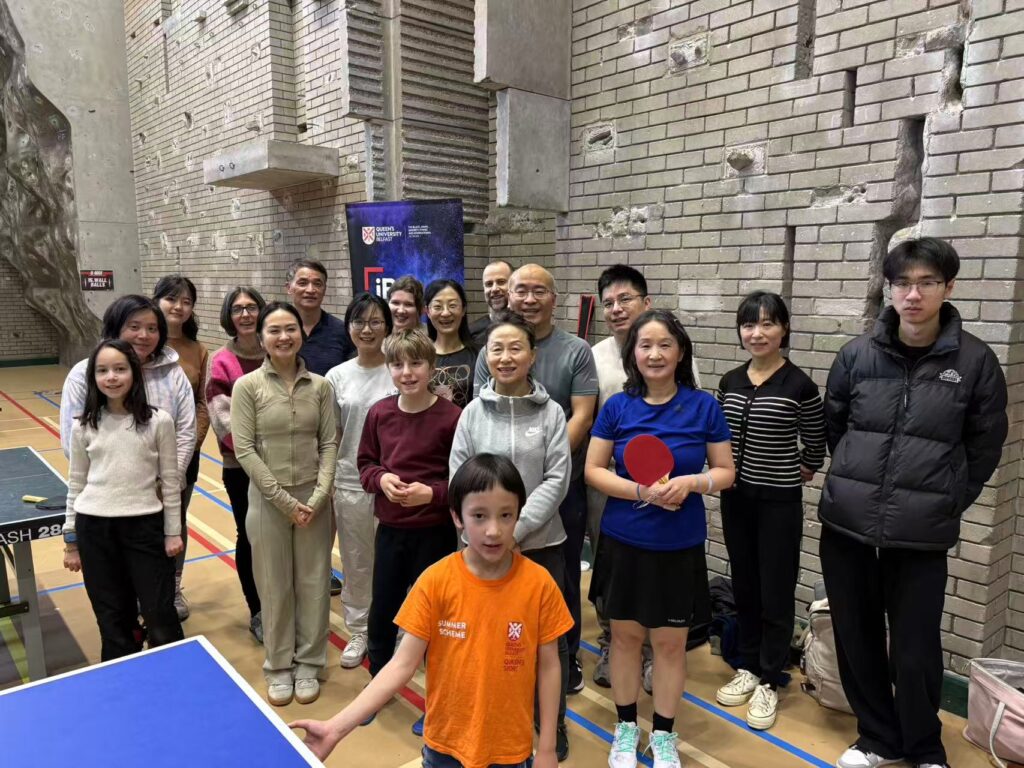
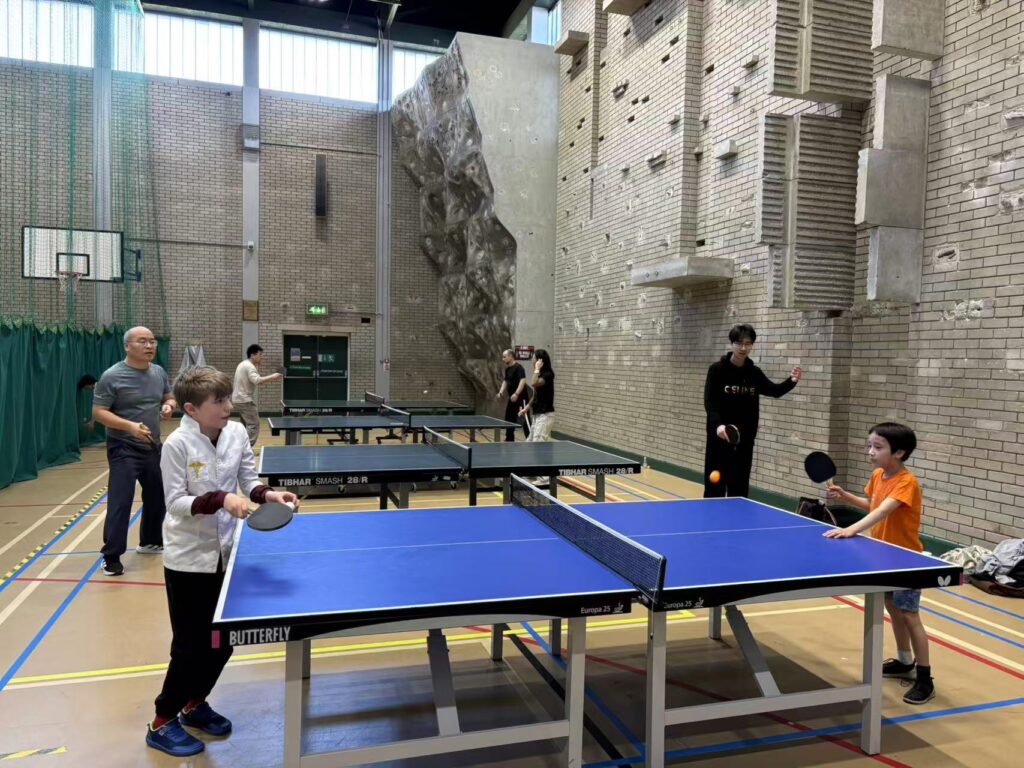
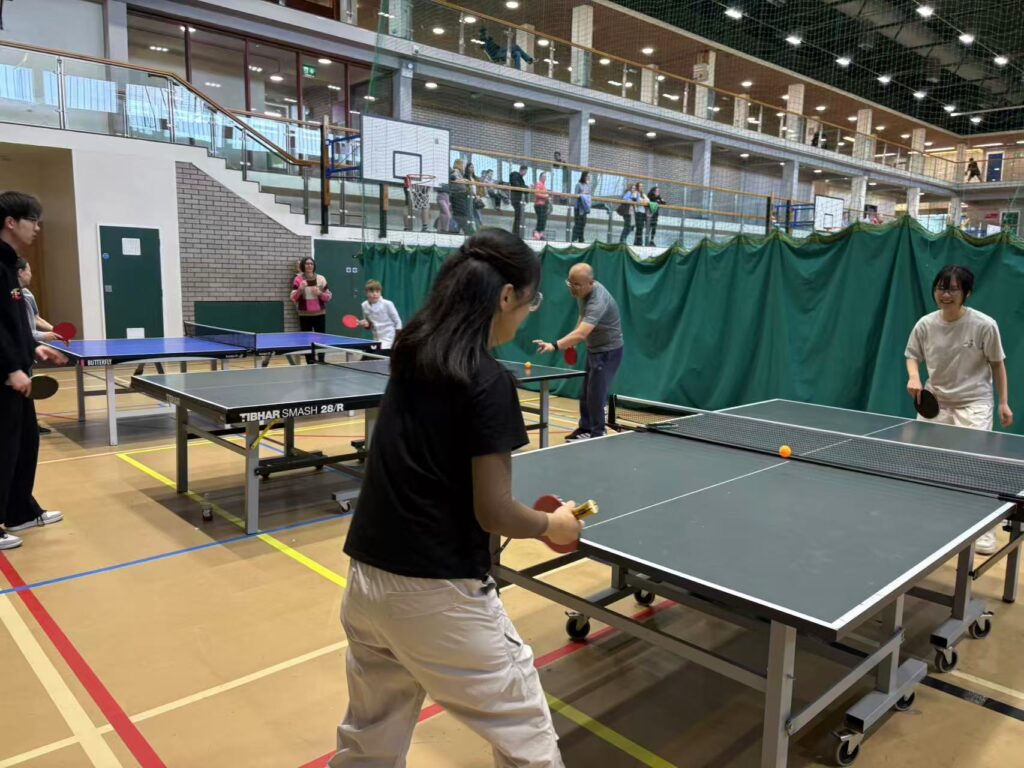
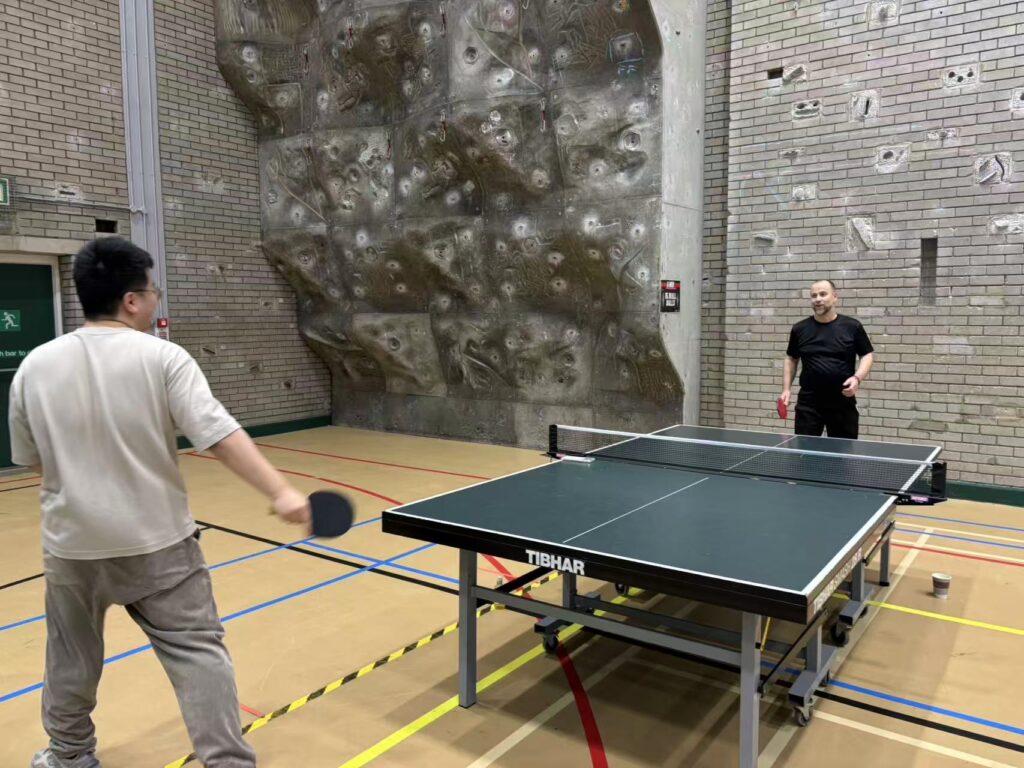
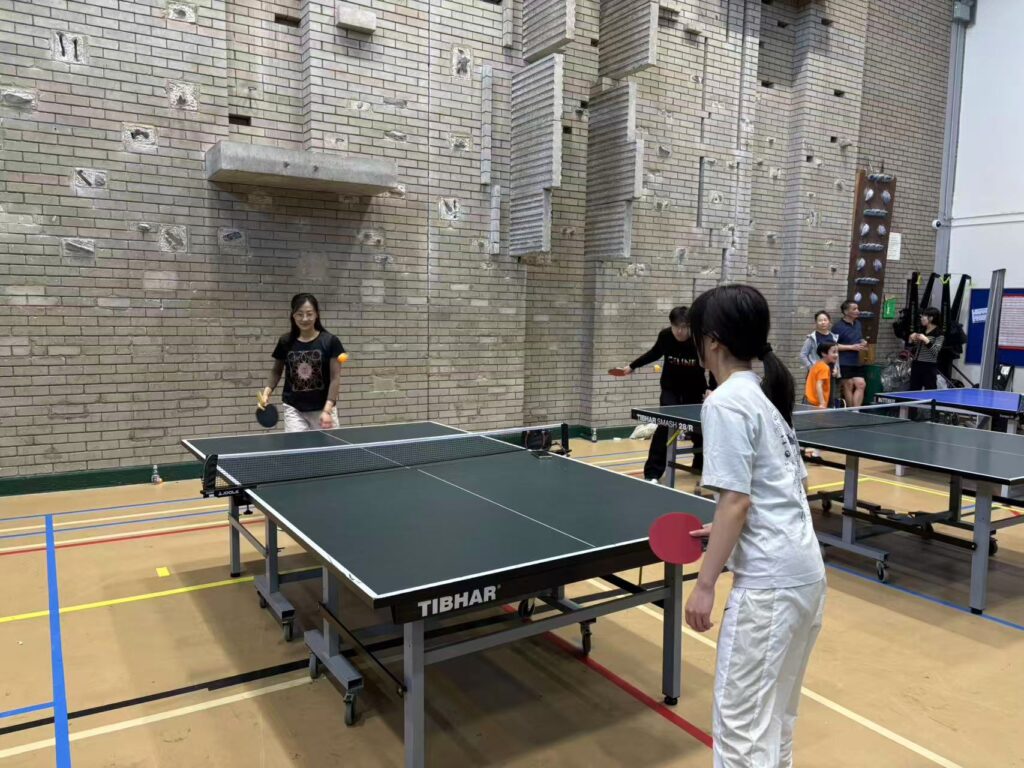
Date: Saturday 28 February 2026 Time: 12:00 – 15:00 Venue: Main Hall Table Tennis Court, QUB PEC
About the Event:
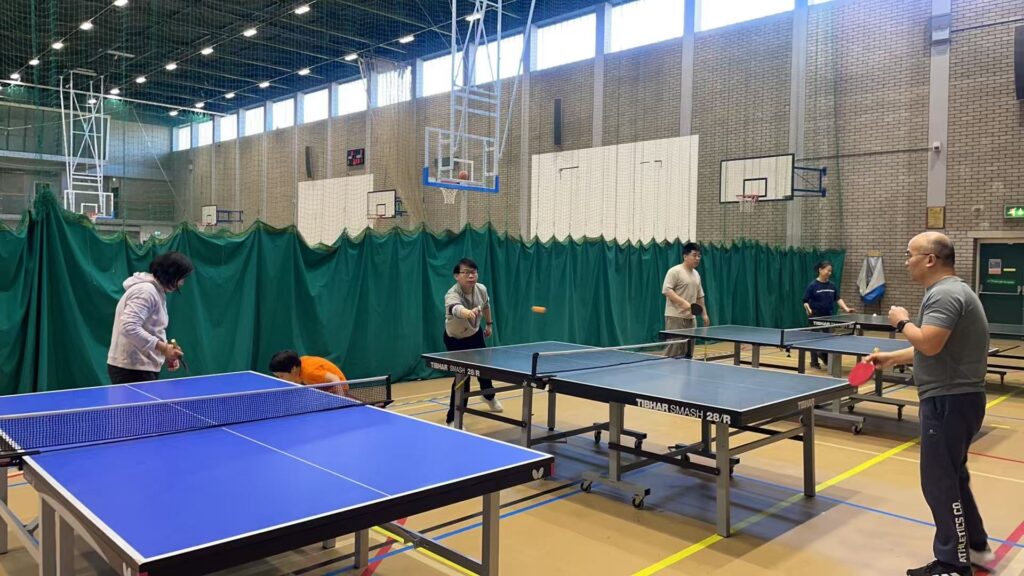
This event is part of the Chinese New Year Celebrations (Year of the Horse) at Queen’s. Sponsored by the QUB iRISE Staff Network, supported by One Elmwood Student Engagement Team and The Language Centre, we would like to invite all staff members and students, and their families as well, to join this fun and friendly event to engage with this popular sport among the Chinese communities, as well as providing an opportunity for enhancing student and staff wellbeing through sport.
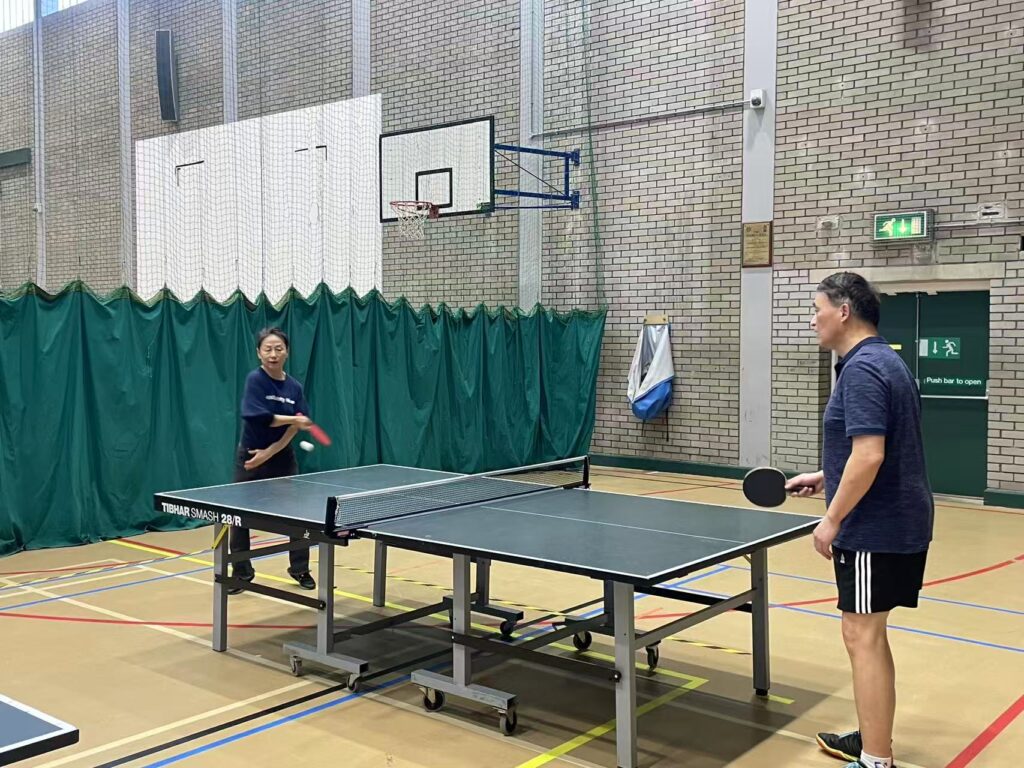
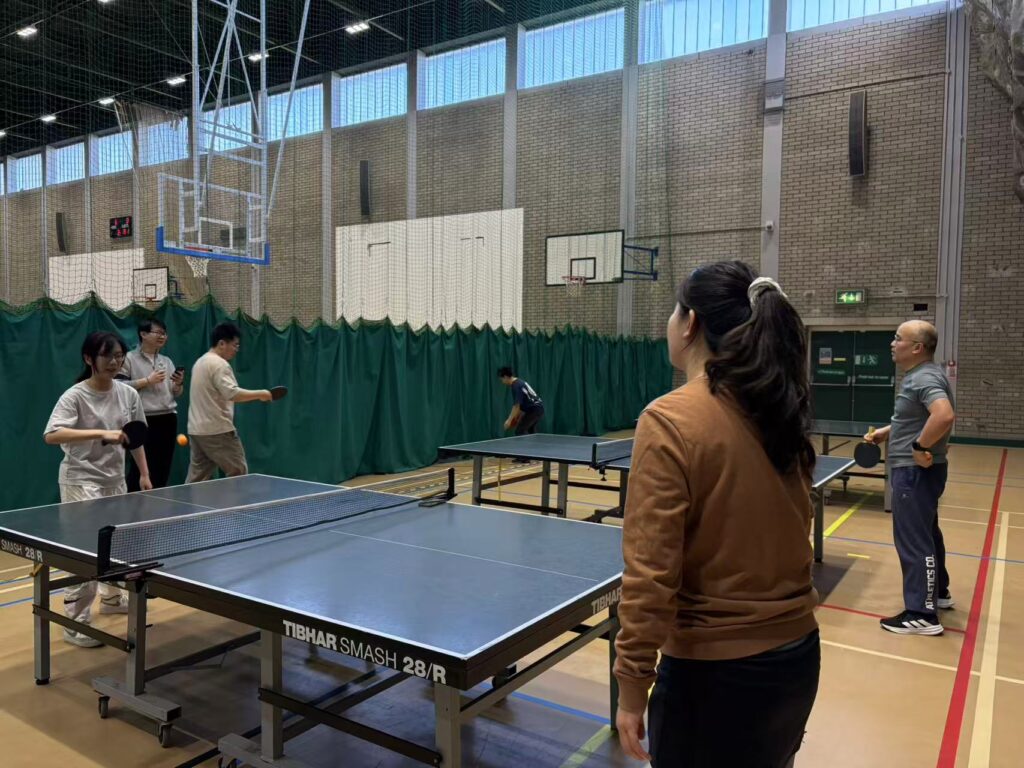
Both beginners and more advanced players are welcome to sign up for the fun event, with an appreciation of its unique culture, as well as developing some practical skills in body movements and mediation. We hope this fun game will also demonstrate the charm of the table tennis playing. We will provide basic equipment such as rackets and balls, and feel free to bring your own equipment and wear properly. Children must be attended by parents or guardians.
This 3-hour-long event is free for all as non-PEC members’ entry fees are covered. Booking is needed due to capacity (up to 40 players) and access request. Please complete the registration form below.
Car Parking Parking at the PEC is free for the initial 3 hours of your reservation. After that period, there is a fee of £1.80 per hour. Please register your car at the terminals inside the main PEC Building. To avoid this inconvenience, you may wish to park your cars outside the parking area, alongside the River Lagan Annandale Embankment.
Pictures:
Part of the participants
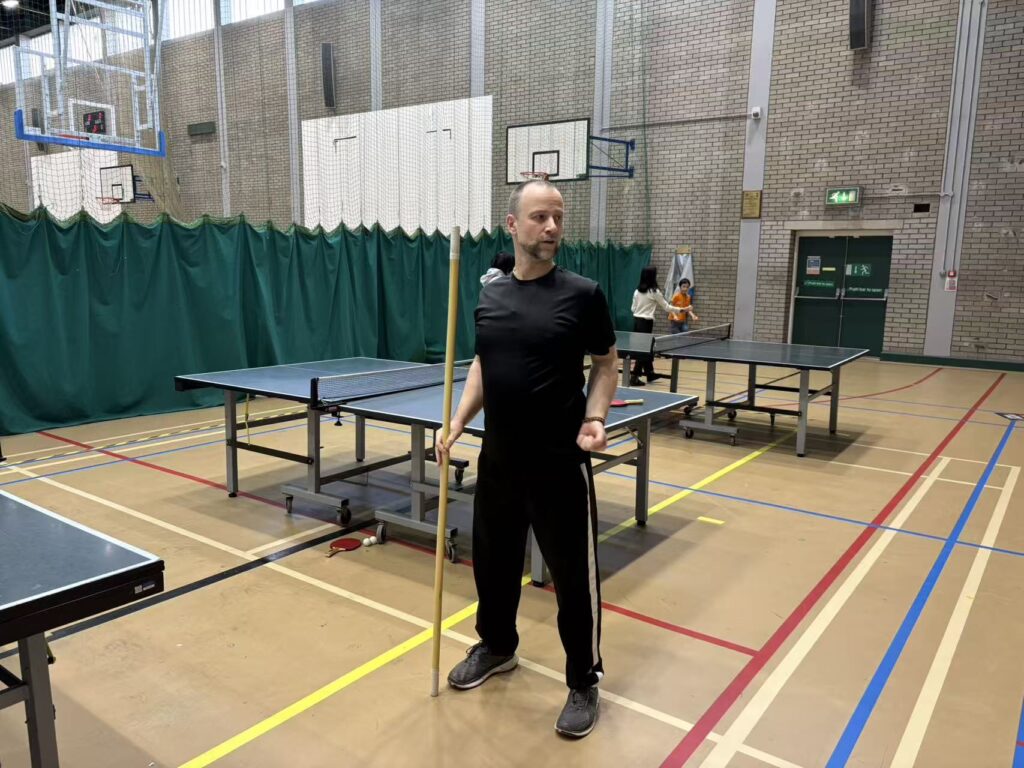
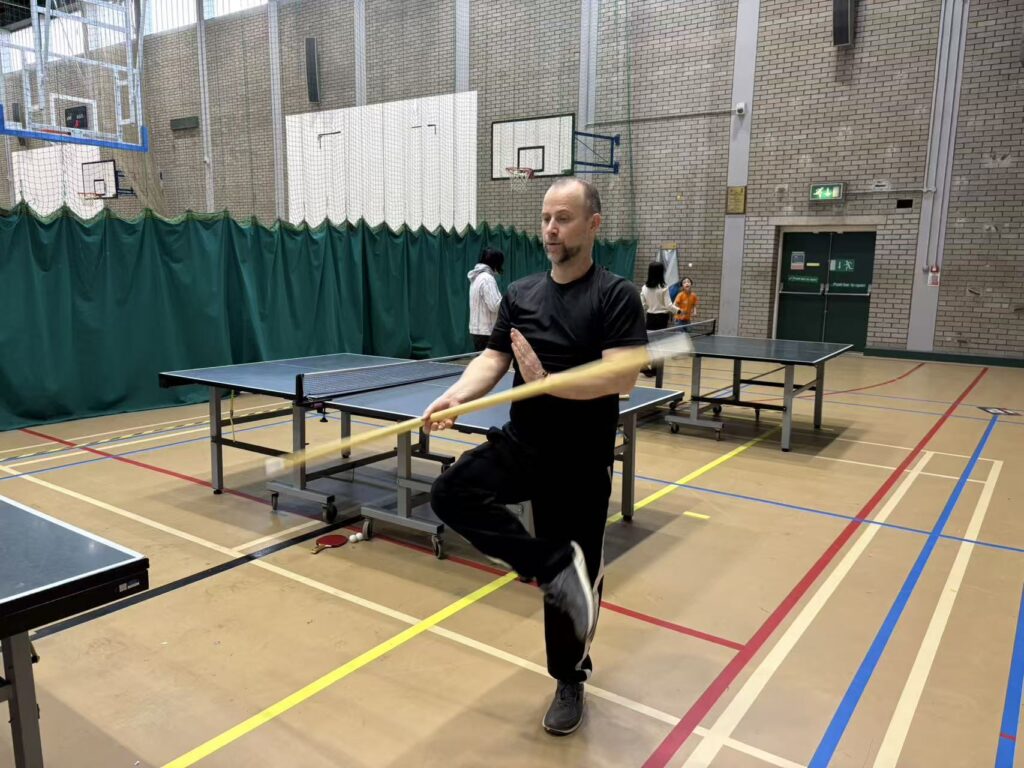
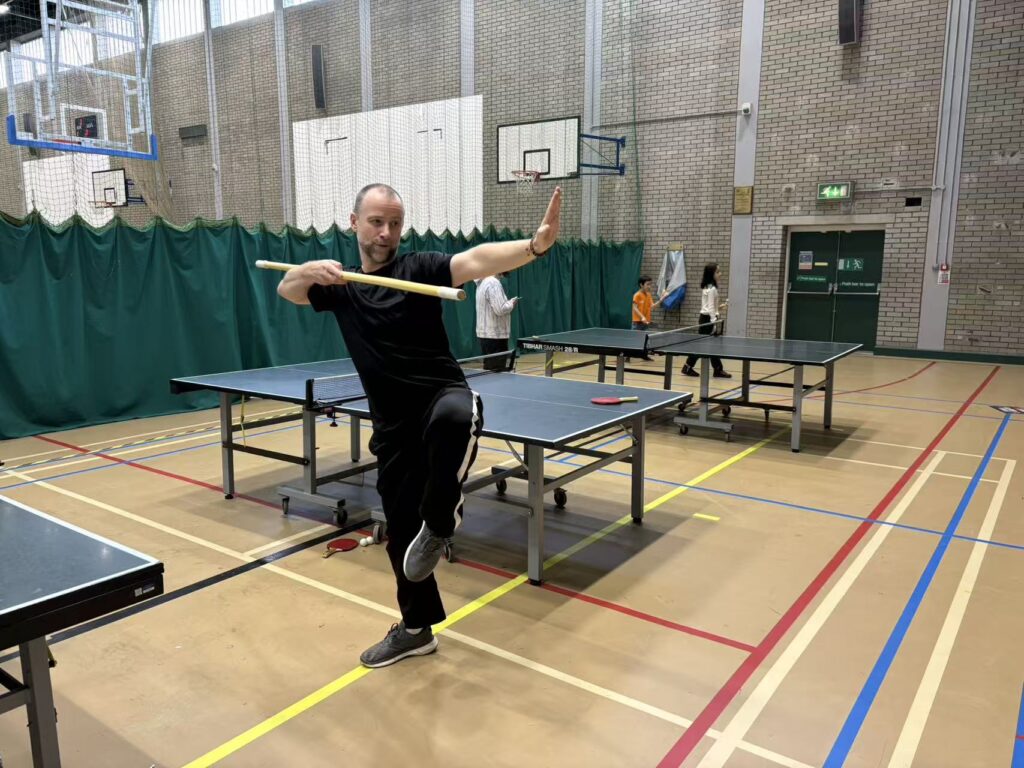
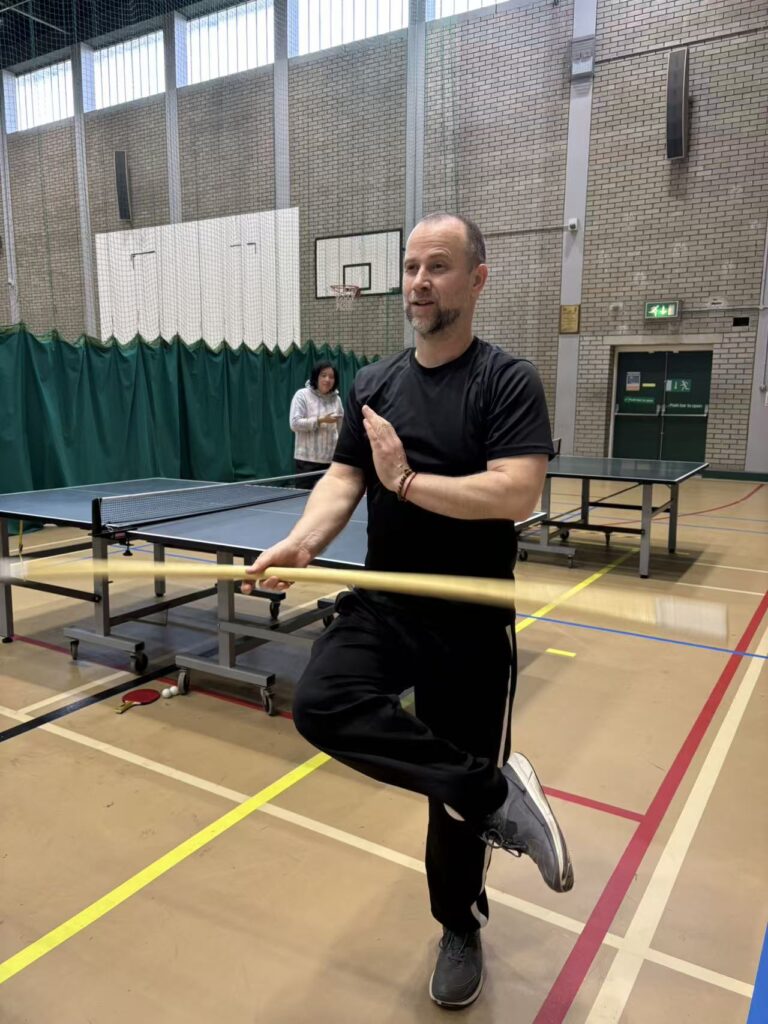
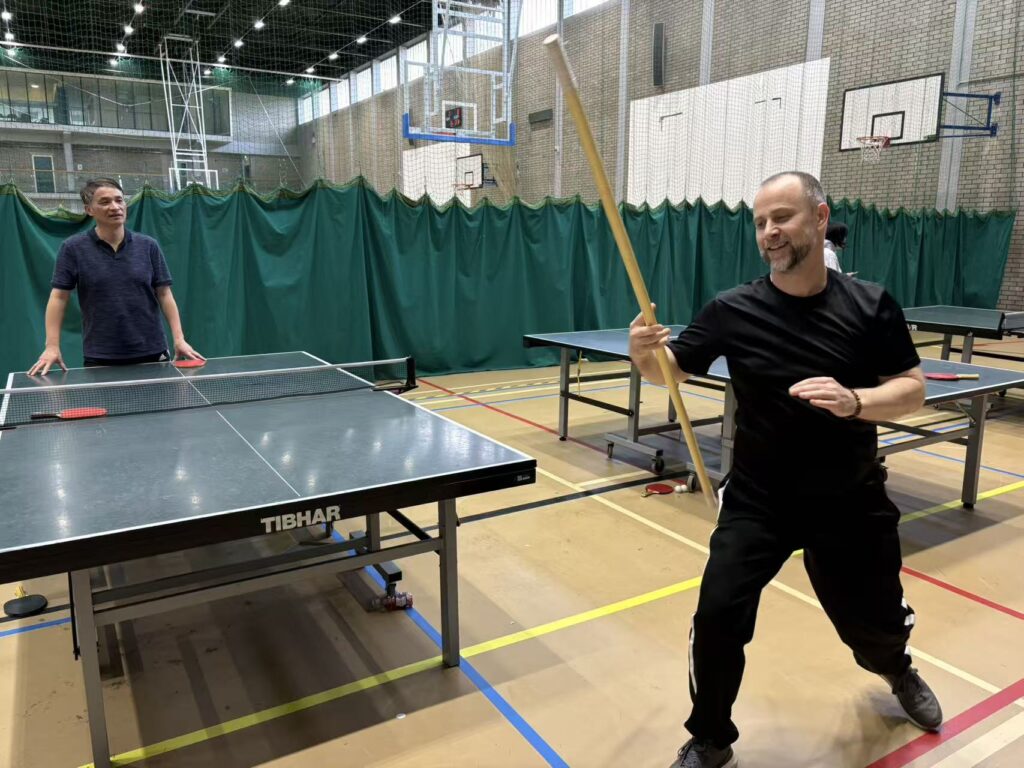
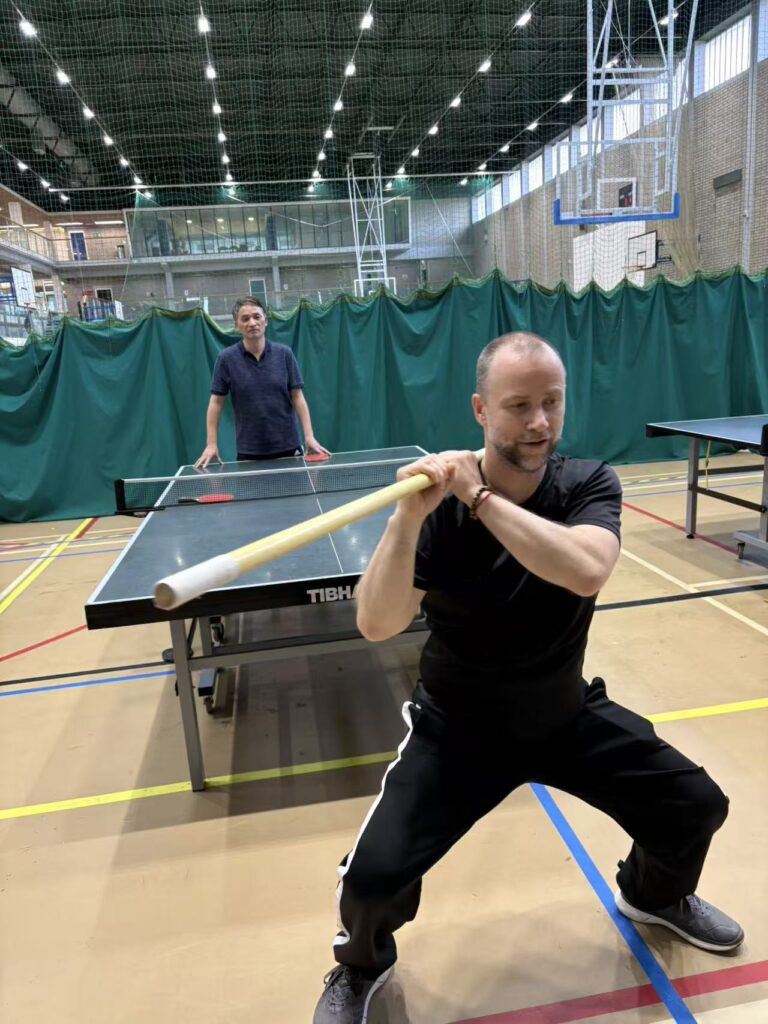
Martial Arts Demo by Brendan
Manage Consent
To provide the best experiences, we use technologies like cookies to store and/or access device information. Consenting to these technologies will allow us to process data such as browsing behavior or unique IDs on this site. Not consenting or withdrawing consent, may adversely affect certain features and functions.
Functional
Always active
The technical storage or access is strictly necessary for the legitimate purpose of enabling the use of a specific service explicitly requested by the subscriber or user, or for the sole purpose of carrying out the transmission of a communication over an electronic communications network.
Preferences
The technical storage or access is necessary for the legitimate purpose of storing preferences that are not requested by the subscriber or user.
Statistics
The technical storage or access that is used exclusively for statistical purposes.The technical storage or access that is used exclusively for anonymous statistical purposes. Without a subpoena, voluntary compliance on the part of your Internet Service Provider, or additional records from a third party, information stored or retrieved for this purpose alone cannot usually be used to identify you.
Marketing
The technical storage or access is required to create user profiles to send advertising, or to track the user on a website or across several websites for similar marketing purposes.