China Research Forum NI inaugurated

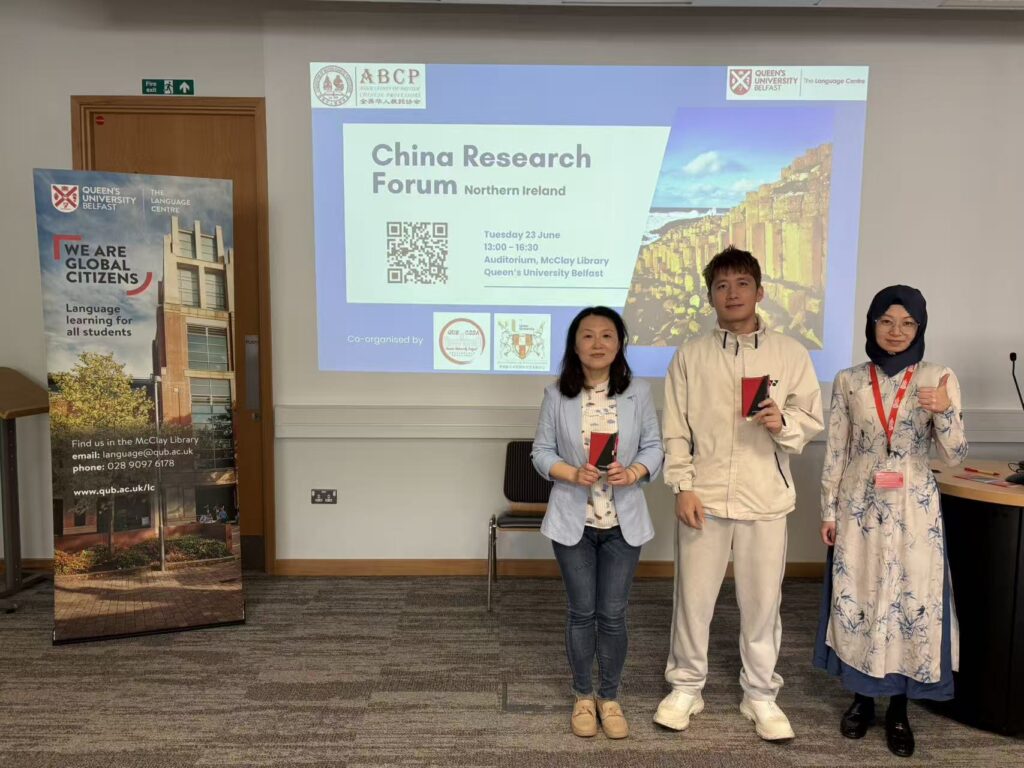
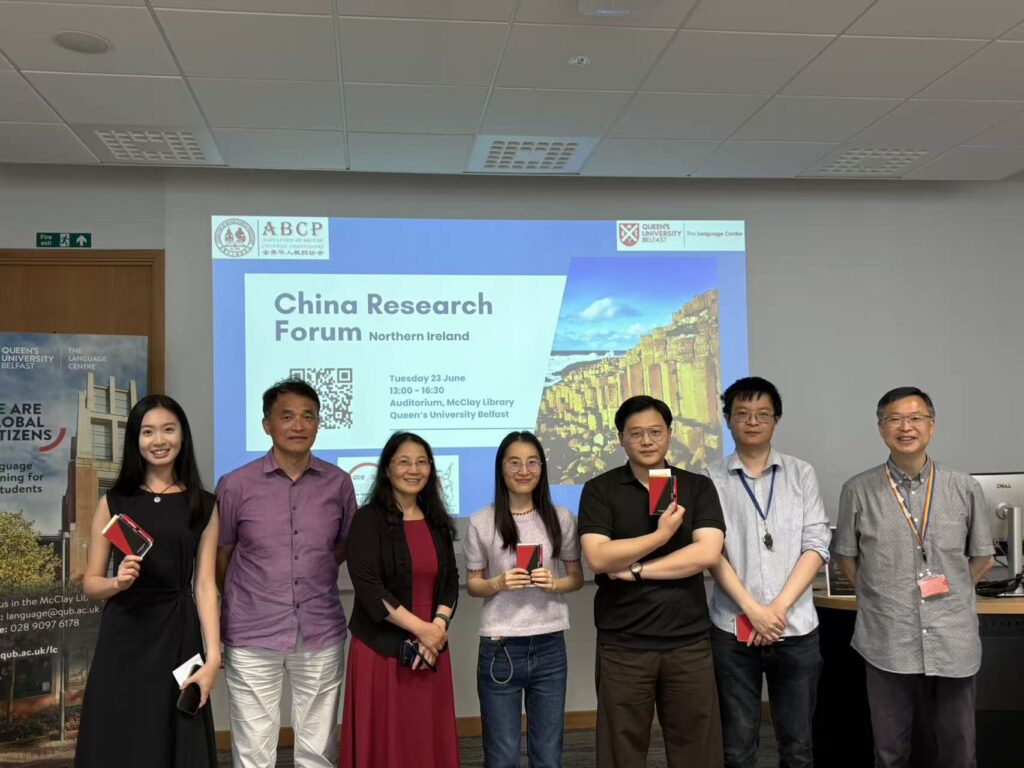
On 23 June, Northern Ireland (NI) experienced its hottest day of the year so far. The inaugural China Research Forum NI matched the heat with an equally energetic atmosphere, bringing together around 30 participants for lively discussions on a wide range of China-related topics at the McClay Library Auditorium, Queen’s University Belfast.
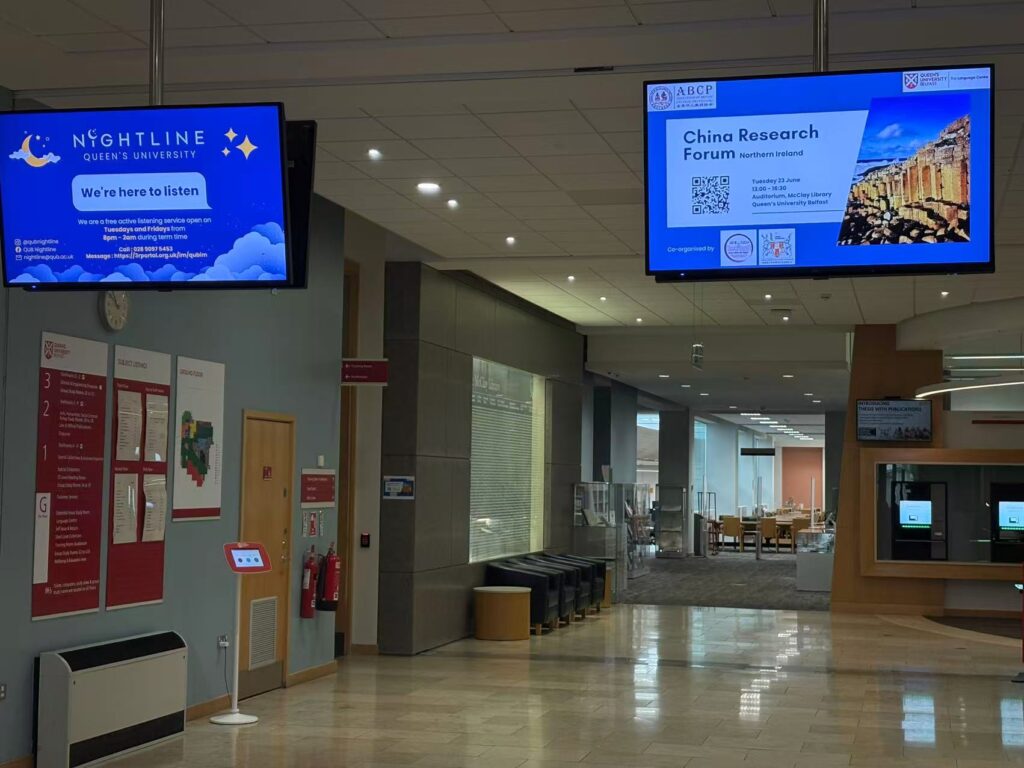
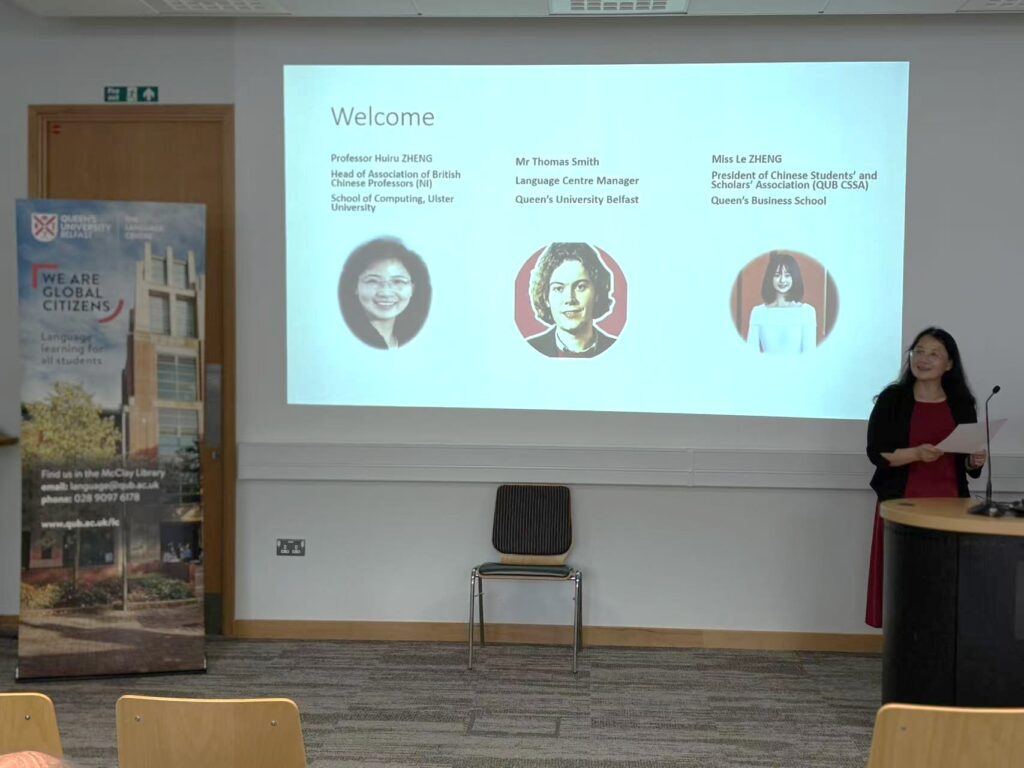
Jointly organised by the Chinese Students’ and Scholars’ Associations of Queen’s University Belfast and Ulster University, under the guidance of the Association of British Chinese Professors (ABCP) Northern Ireland Region and Queen’s Language Centre, the Forum provided a vibrant platform for academic exchange and interdisciplinary dialogue. Professor Huiru Zheng, coordinator of ABCP NI, in her welcome speech, emphasized that

“At a time when global challenges increasingly require international perspectives and cross-cultural understanding, initiatives such as this forum play an important role in promoting informed dialogue and constructive engagement. Beyond the academic programme, the forum’s commitment to public lectures, roundtable discussions, and community engagement reflects the broader goal of connecting scholarship with society and fostering mutual understanding.

ABCP is especially proud to support this student-led initiative. By encouraging research excellence, intercultural competence, and active community participation, the forum embodies values that are central to our mission. We hope it will not only showcase outstanding research but also inspire new partnerships, future collaborations, and lasting academic networks.”
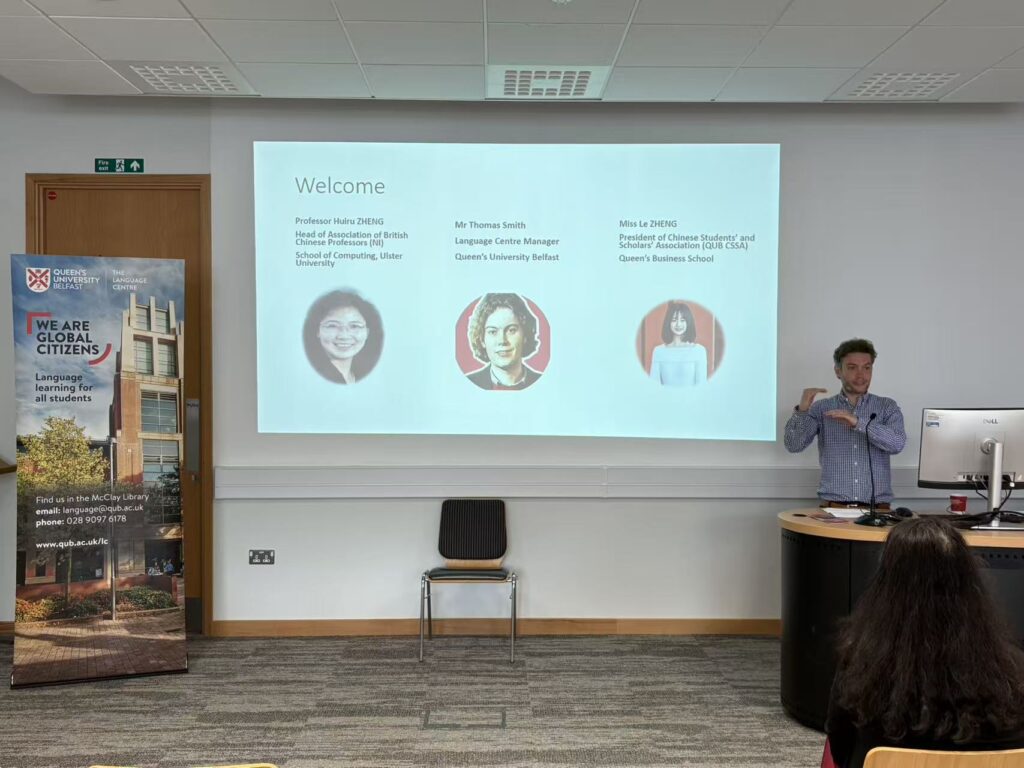
Mr Thomas Smith, Queen’s Language Centre Manager, welcomed participants from both universities and elsewhere, highlighting the value of forstering academic and professional skill sets through intercultural awareness, in which language and cultural understanding plays a pivotal role. The Language Centre at Queen’s does not merely provide foreign language courses, but also help promote a multicultural campus and society.
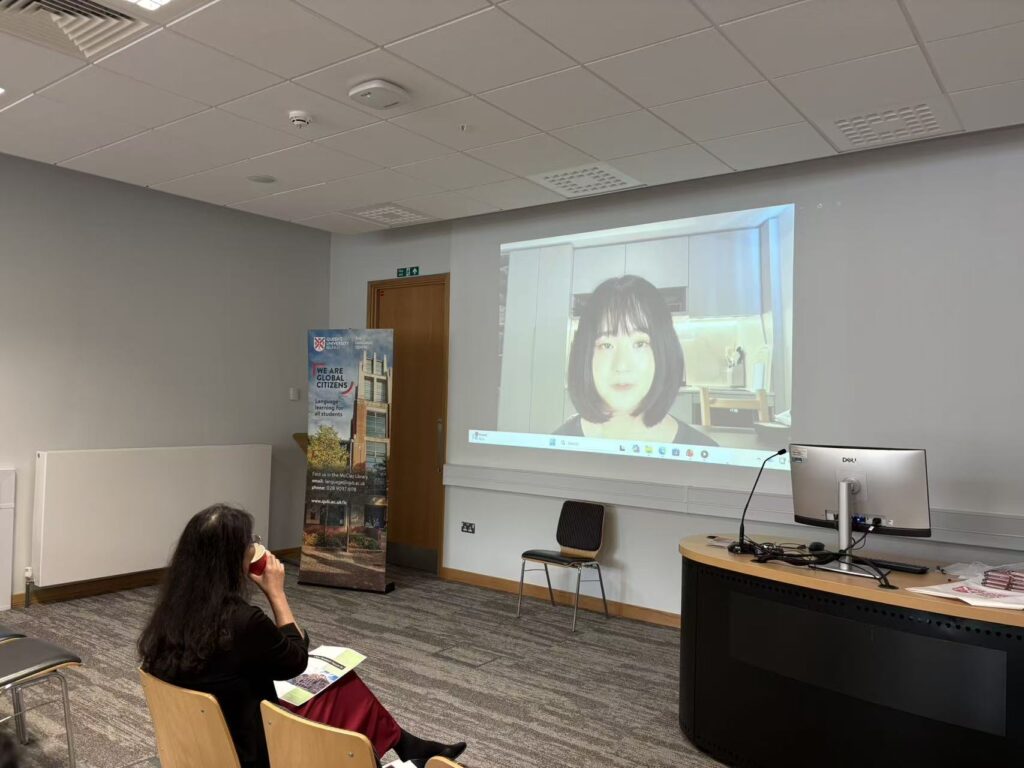
Miss Le Zheng, President of the Chinese Students’ and Scholars’ Association (CSSA) at Queen’s, although unable to attend the Forum due to a conference commitment outside Belfast, sent a recorded welcome message to participants, expressing her support for the initiative and encouraging attendees to make the most of this valuable opportunity for meaningful interdisciplinary dialogue and exchange. She wished everyone a productive and engaging forum, fostering new ideas, connections, and collaborations across disciplinary boundaries.
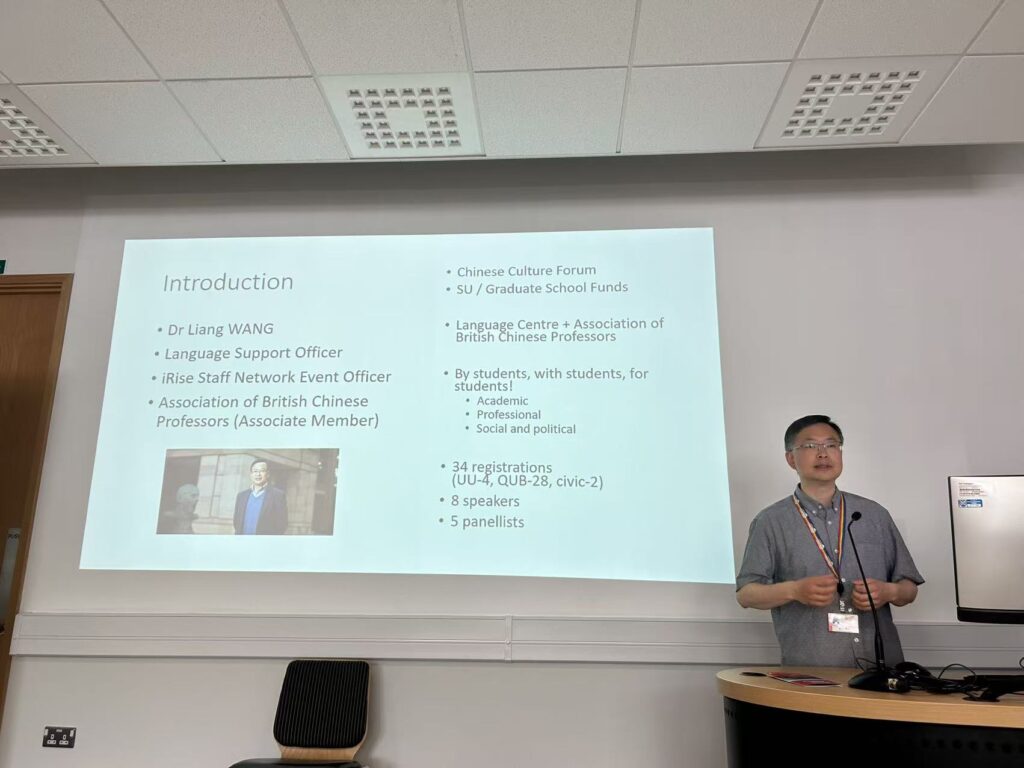
Dr Liang Wang, facilitator of this event, made a brief introduction to the foundation of the Forum and emphasized the goal of this initiative — a platform by students, for students and with students. He expressed his sincere gratitude to all speakers, volunteers, sponsors and participants’ support in making it happen within a relatively short period of preparation.
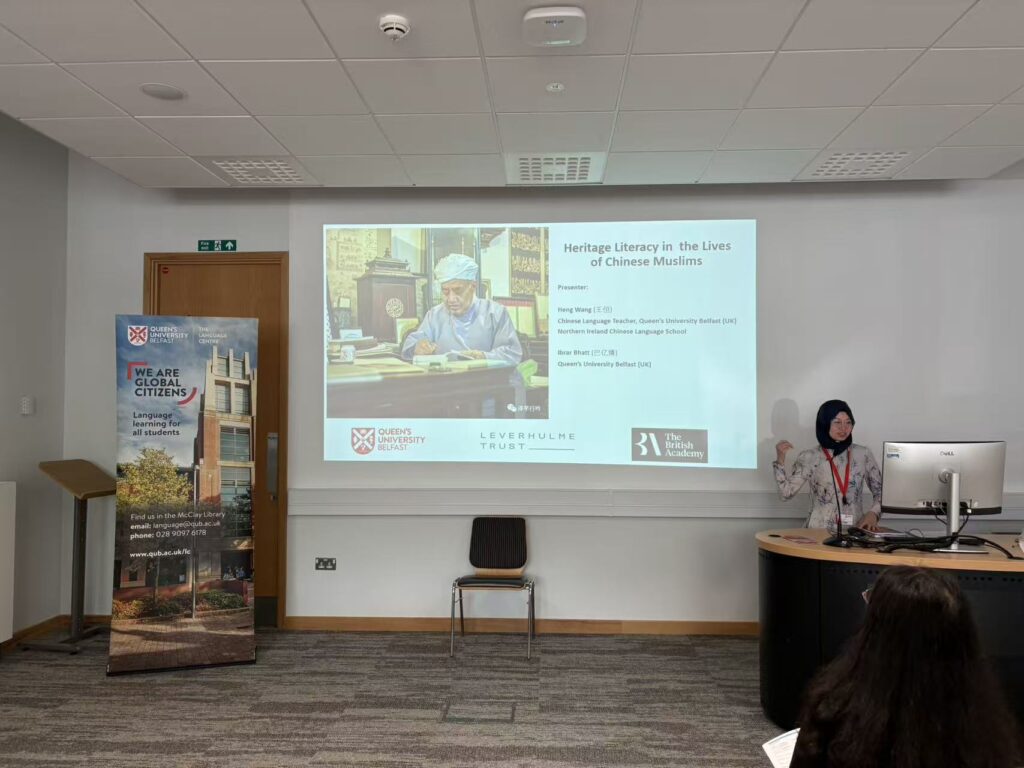
The presentations covered a rich variety of themes, including heritage literacy, religious practices, women and fashion, technology and healthcare, history and literature, language learning and the impact of artificial intelligence (AI), mothering and migrant motherhood, as well as student-led initiatives such as a film festival and an academic journal.
This breadth of topics fostered a highly interactive and intercultural environment, encouraging meaningful discussions and insightful exchanges between speakers and audience members from diverse disciplinary and cultural backgrounds. Thanks to the speakers, a collection of their presentations can be reviewed from the following link:

The Panel Discussion, chaired by Dr Liang Wang, welcomed student representatives Lijun Xue, Zhuofei Bian, Tianpeng Yao, and Xiaoxiang Ma as panellists. The discussion focused on the Forum’s vision, operational model, the challenges faced by Chinese students and early-career researchers, institutional support, potential outcomes, and future development. The panel was further enriched by contributions from Professor Sha Wei, Academic Lead for Race and Cultural Inclusion at Queen’s, and Professor Huiru Zheng, coordinator of ABCP NI.
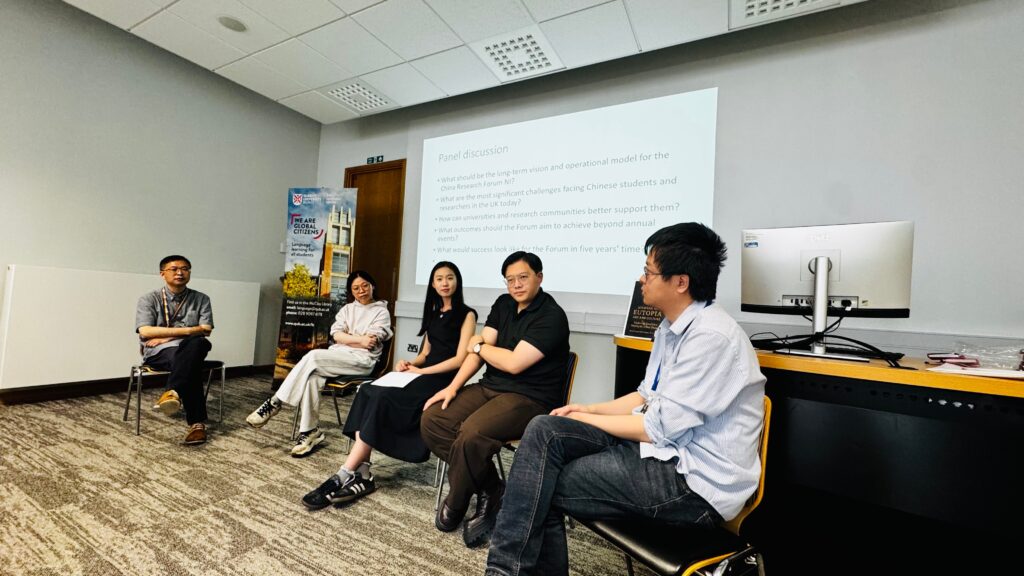
A clear consensus emerged among both panellists and audience members that the Forum provides a valuable platform for researchers to meet, exchange ideas, and learn from one another across disciplinary boundaries. Participants agreed that this mutually beneficial spirit should remain central to future Forum activities, regardless of their format. Another key benefit identified was the opportunity for presenters to step outside their disciplinary comfort zones. Rather than presenting solely to supervisors and specialists within their own fields, participants were encouraged to communicate their research to a broader audience from diverse academic and professional backgrounds. This shift promoted the development of transferable communication and engagement skills, aligning closely with the objectives of the Vitae Researcher Development Framework.

Panellists also expressed a shared aspiration for the Forum to become more inclusive by attracting non-Chinese scholars and research students working on China-related topics or research involving local Chinese communities. Professor Zheng noted that comparative studies involving both China and other contexts, such as Northern Ireland, could be particularly effective in fostering dialogue and attracting wider participation. Drawing on their recent conference experiences in Dublin, both Lijun Xue and Dr Liang Wang suggested that expanding the Forum’s scope to include broader Asian or East Asian studies may be a worthwhile long-term goal.
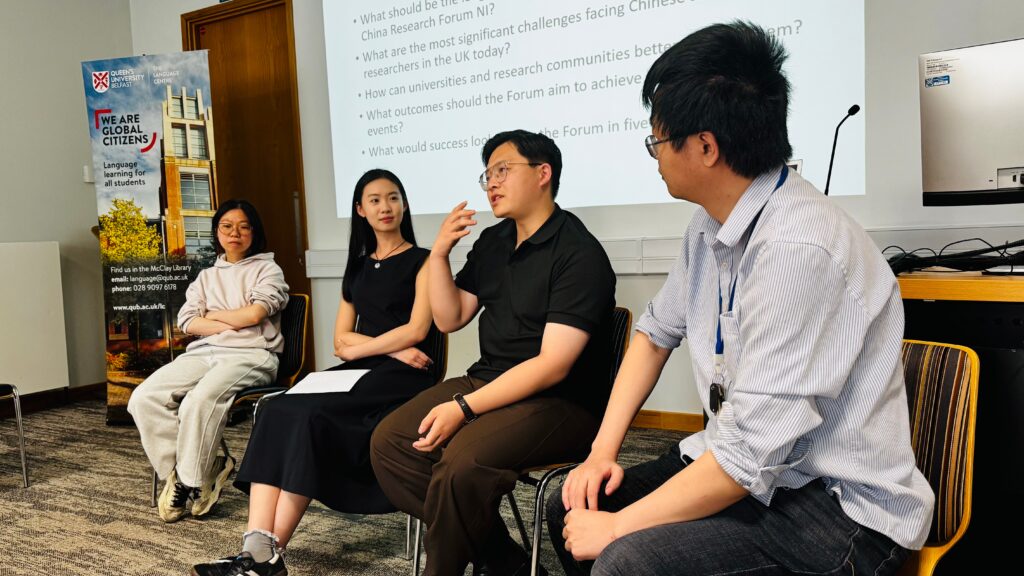
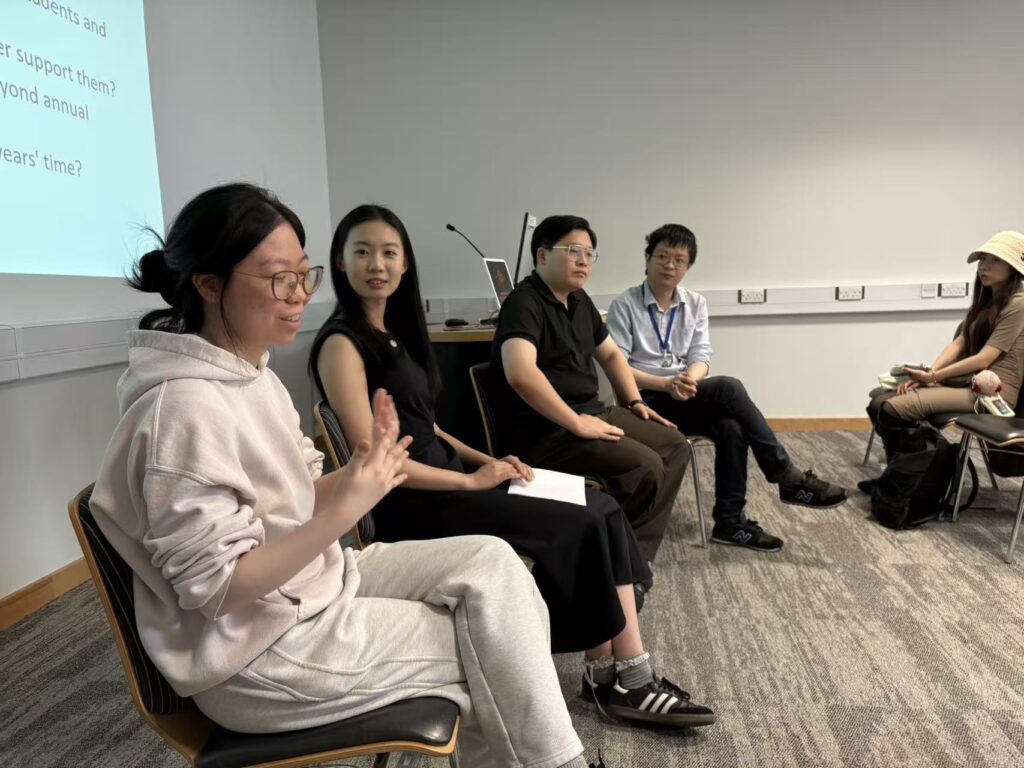
Regarding the challenges faced by Chinese students in the UK, Zhuofei Bian observed, based on her own research, that many obstacles are shared by international students more generally, including language barriers and the development of professional and practical skills required for success in intercultural academic environments. While emphasising the importance of students proactively seeking support from supervisors and university services, she also argued that universities should provide more streamlined and accessible signposting to key resources, including academic English support, careers guidance, and skills development opportunities, especially in the age of AI.

In addition to academic challenges, participants discussed the impact of cultural adaptation, local living conditions, and wider political and economic developments on students’ wellbeing. Drawing on her own experiences, Lijun Xue highlighted how unfamiliar cultural norms and practical aspects of daily life can create uncertainty and anxiety for international students. She suggested that universities should strengthen orientation programmes and cultural awareness initiatives to help students better understand local contexts and engage confidently with surrounding communities. Professor Sha Wei echoed these concerns and reaffirmed the University’s responsibility to ensure that students experiencing difficulties receive appropriate support and guidance.
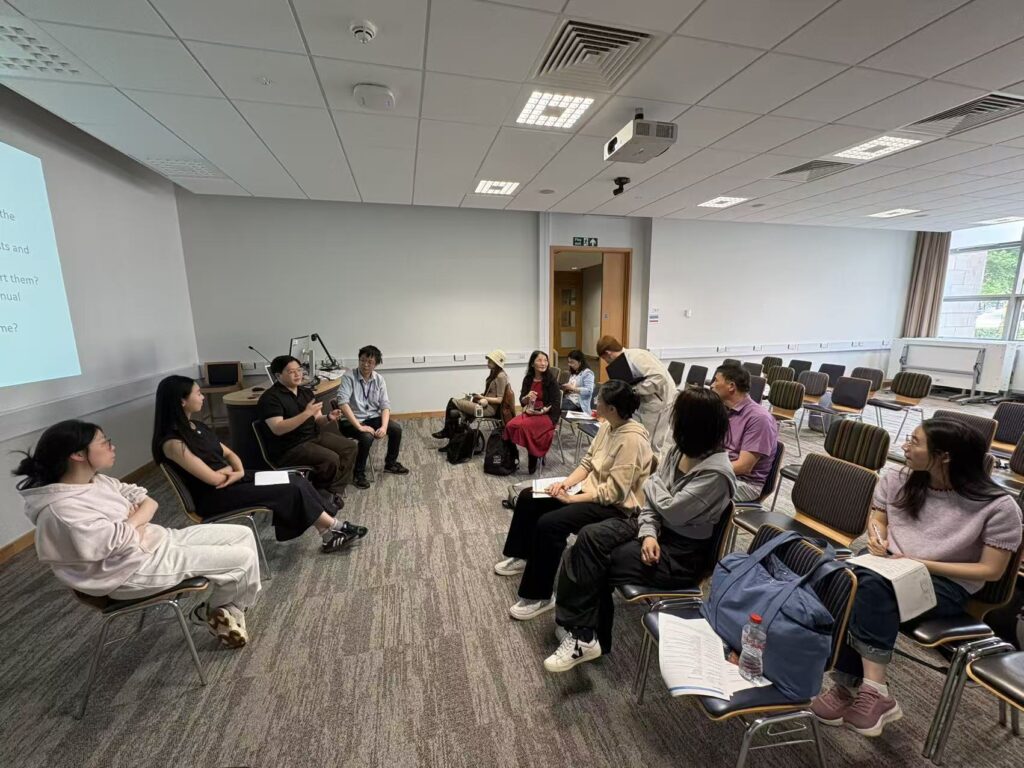
Another topic that generated considerable interest was the impact of technological advancement on research and professional development. Drawing on his recent job application experiences in China, Tianpeng Yao explained how AI is increasingly becoming a factor in recruitment processes and professional assessment. He suggested that AI is likely to have a profound influence on the future academic and employment landscape, creating both opportunities and challenges for emerging researchers.

When discussing the future dissemination of Forum outcomes, Xiaoxiang Ma, Chief Editor of the Journal of Eutopia Art and Culture, highlighted the importance of transforming suitable presentations into publications. Alongside more immediate forms of dissemination, such as blogs and online platforms, he suggested that publication opportunities could provide a strategic mechanism for sustaining the Forum’s academic impact and visibility.

Due to time constraints, the discussion could not explore all topics in depth. Participants were therefore invited to continue contributing their ideas and suggestions through the Forum evaluation form, enabling a broader collection of feedback to inform future development.

Written by Dr Liang Wang, with contributions from notes taken by Junyue Li during the panel discussion.
China Research Forum NI Programme Released

Tuesday 23 June 2026
1:00 – 4:30 pm
The Auditorium, McClay Library, Queen’s University Belfast

Programme

  • 1:00-1:10 Registration (Tea/Coffee)
  • 1:10-1:30 Welcome and Introduction
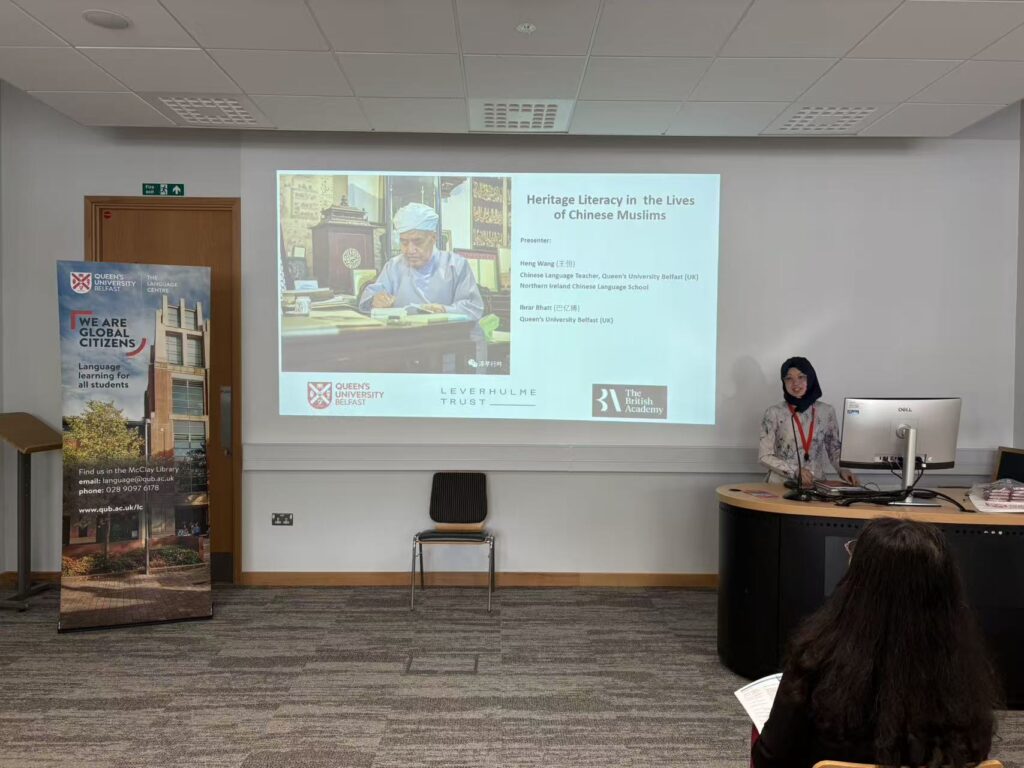
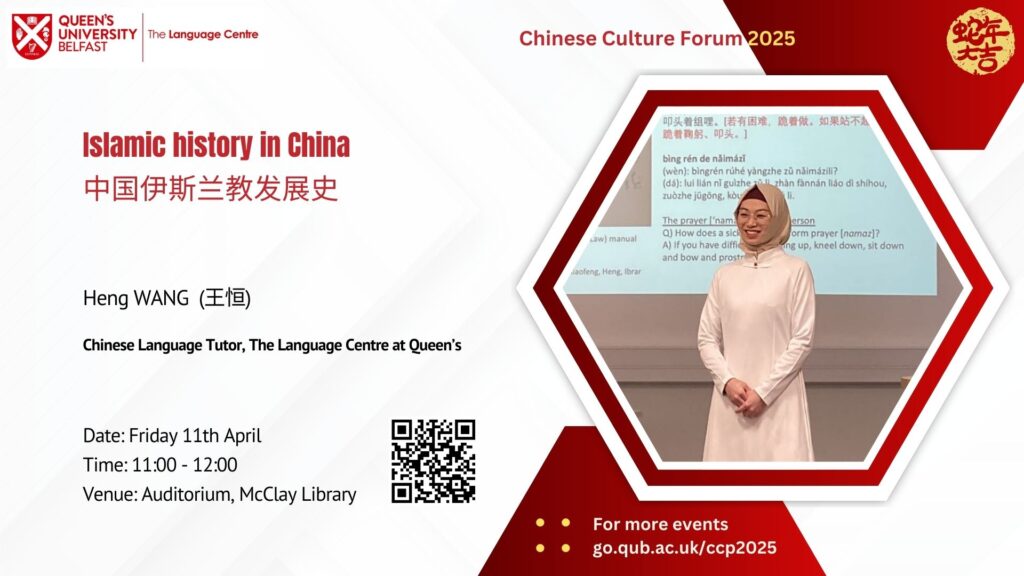
  • 1:30-1:50 Session 1 Heritage literacy in the lives of Chinese Muslims (Heng WANG)
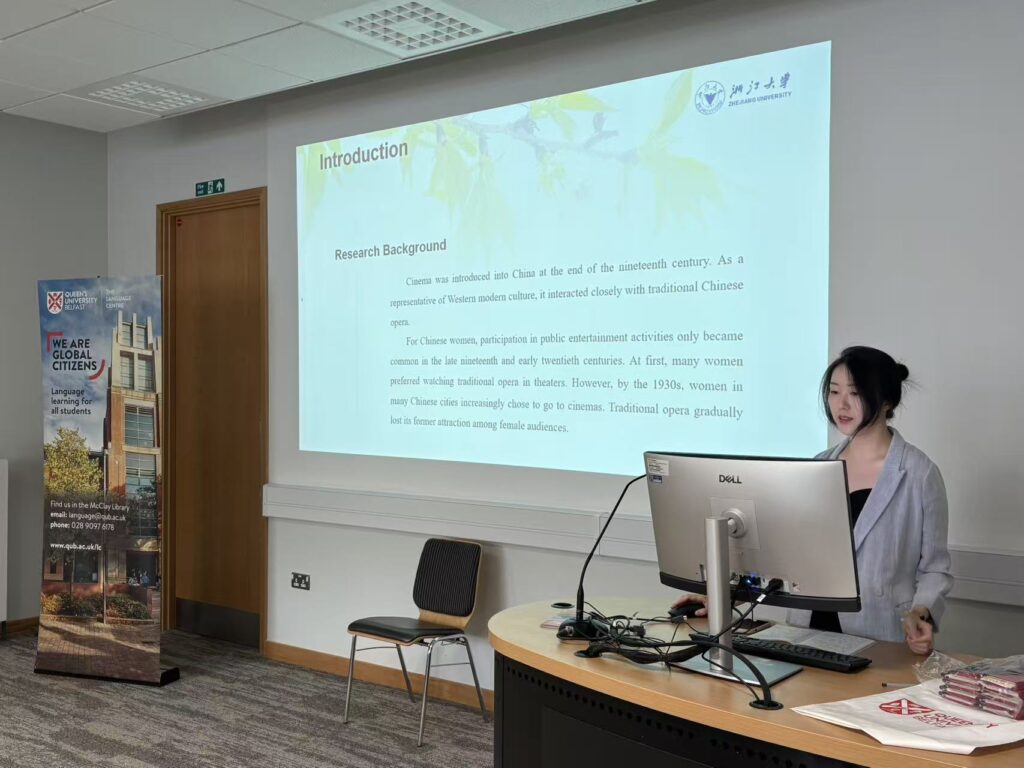
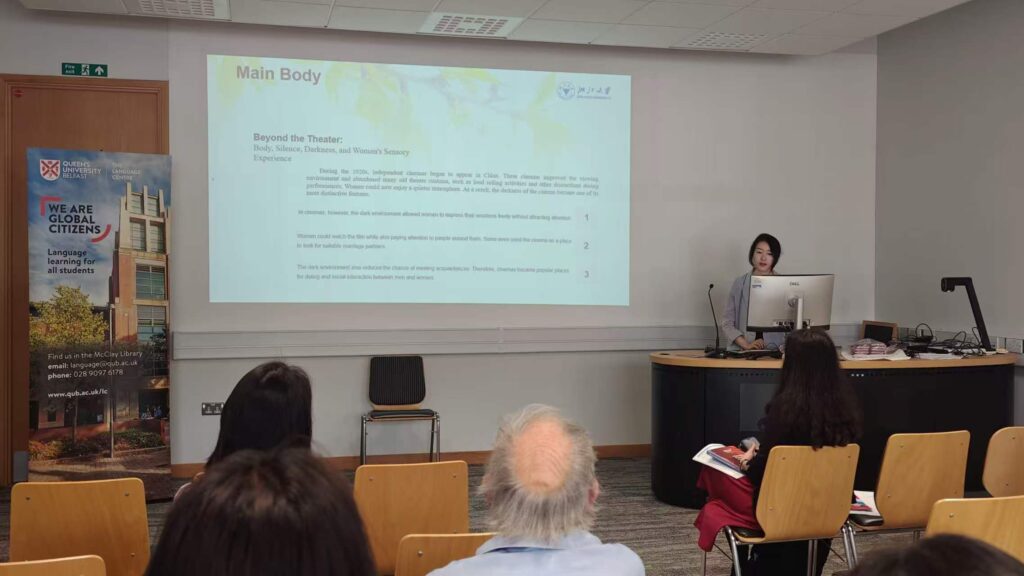
  • 1:50-2:10 Session 2 From Theatre Boxes to Cinemas: Chinese Women’s Entertainment Choices in the Cultural Contexts of East and West in the Early 20th Century (Wanyu LI)
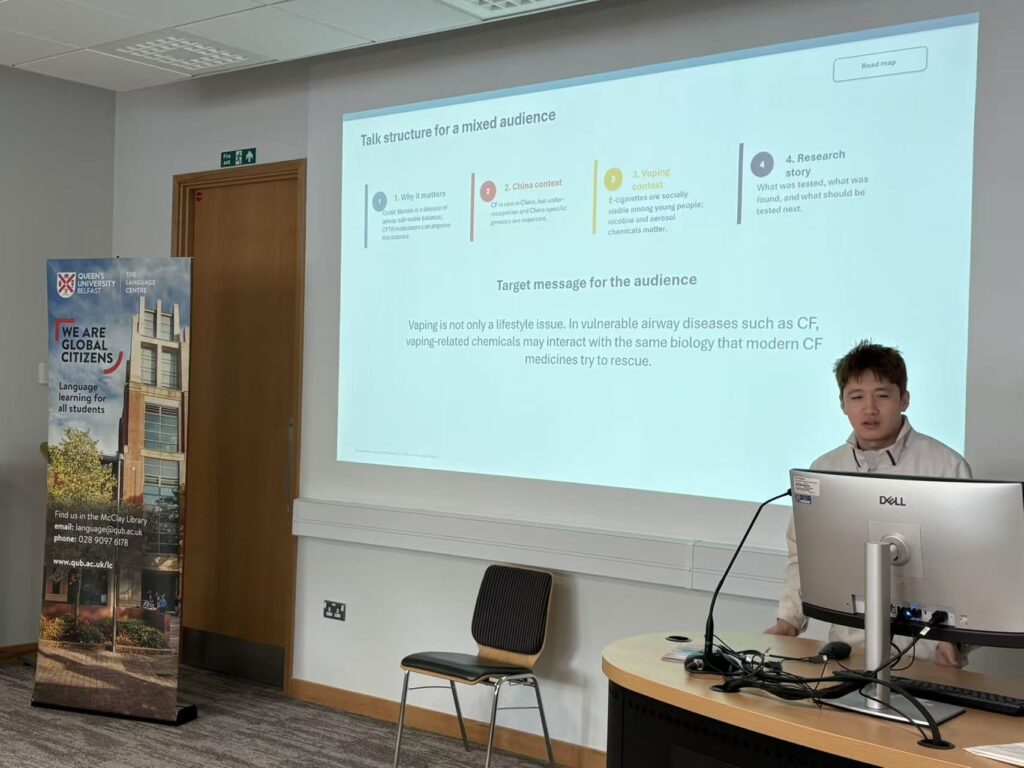
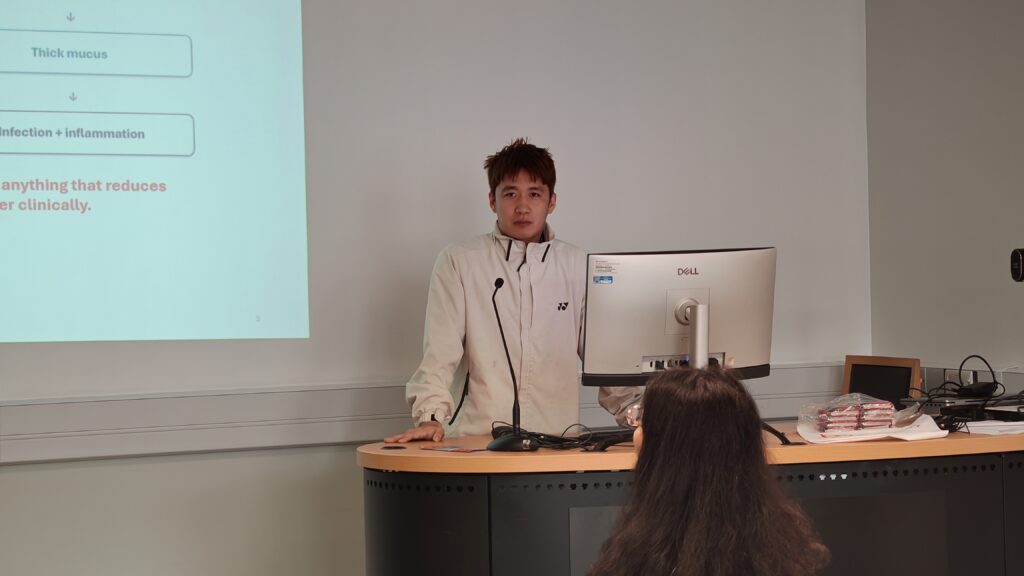
  • 2:10-2:30 Session 3 E-cigarette Exposure, CFTR Dysfunction and Airway Inflammation: A China-Focused Airway Epithelial Study (Caoyang SHI)
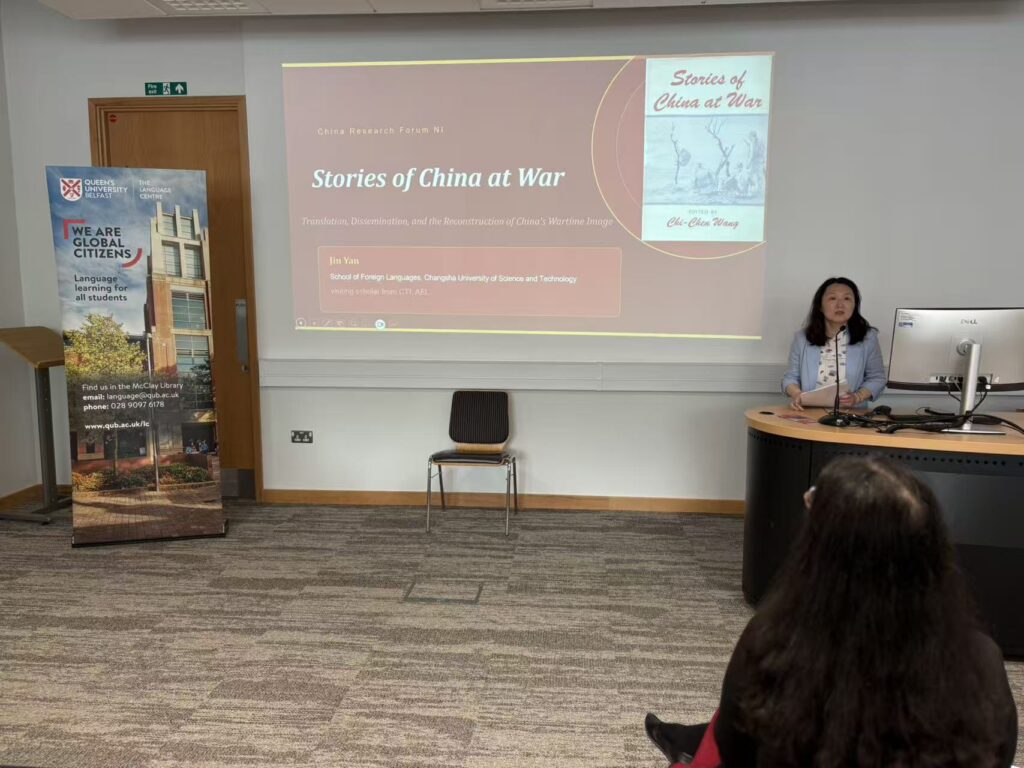
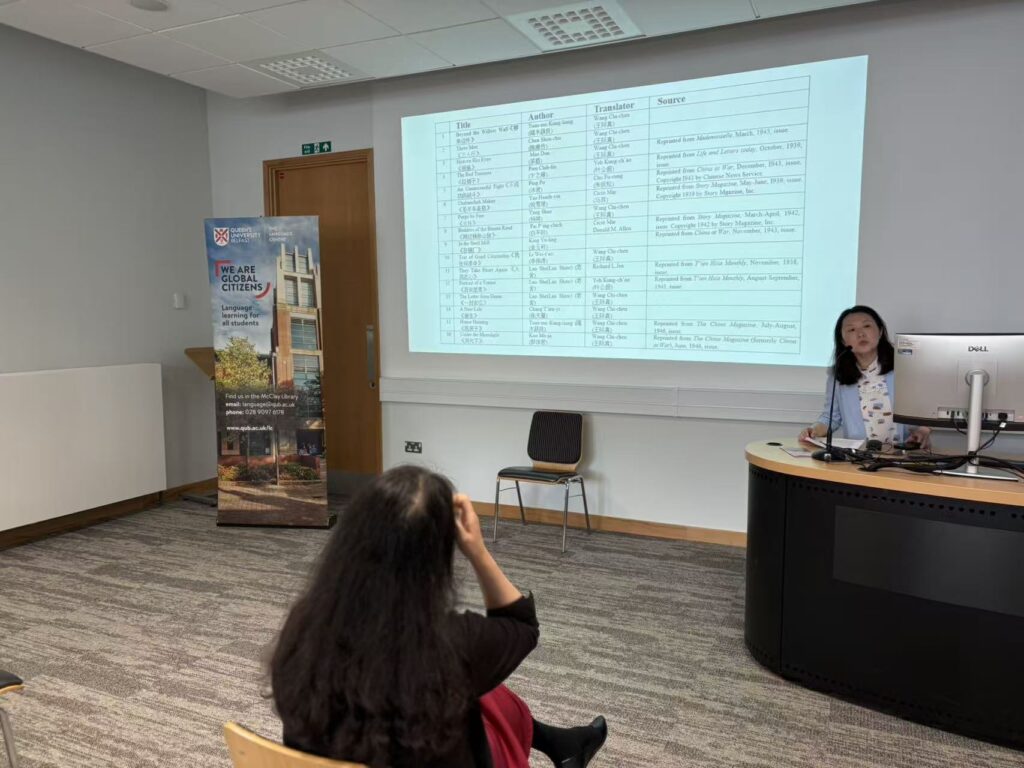
  • 2:30-2:50 Session 4 Translation of Chinese Anti-Japanese War Literature and Reconstruction of China’s Wartime Image: A Case Study of Stories of China at War (Jin YAN)
  • 2:50-3:00 Break and Poster Harmony Beyond Borders – A Cross-cultural Fusion of Guzheng and Irish Traditional Music (Wei DENG)
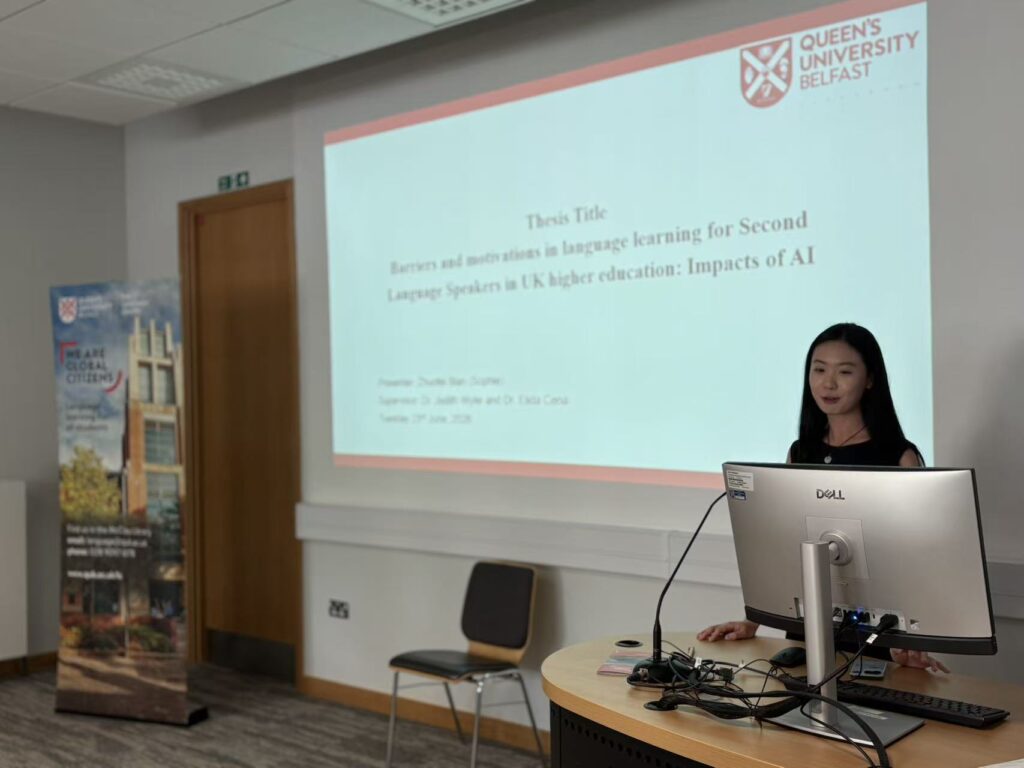
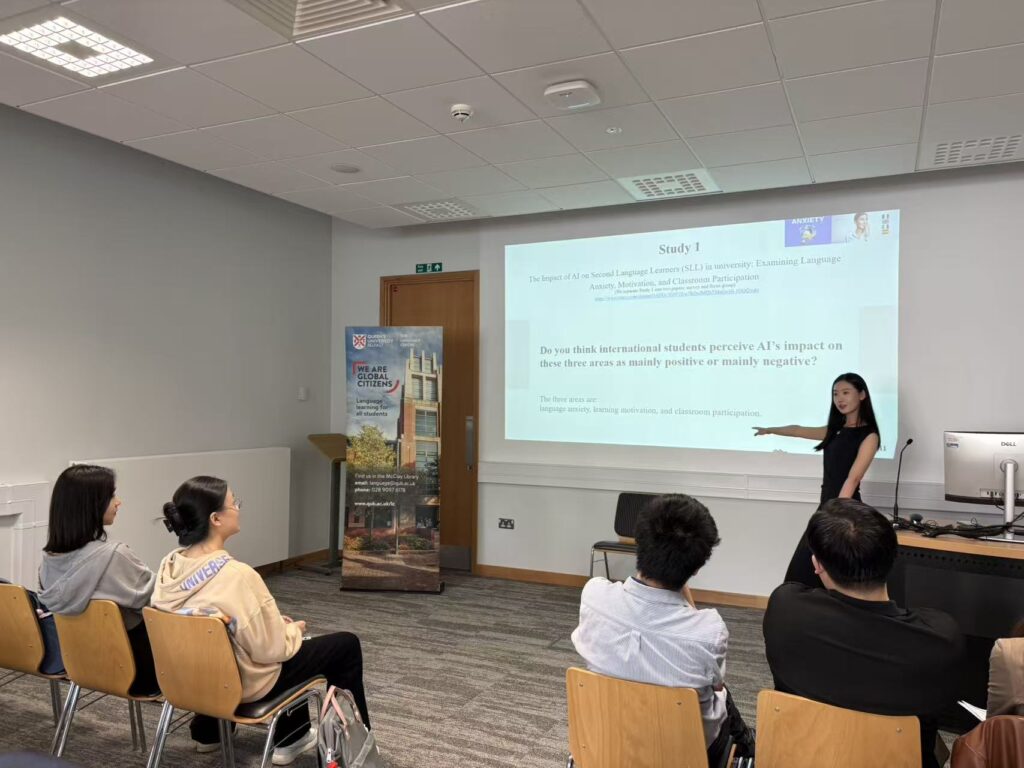
  • 3:00-3:20 Session 5 Barriers and motivations in language learning for Second Language Speakers in UK higher education: Impacts of AI (Zhuofei BIAN)
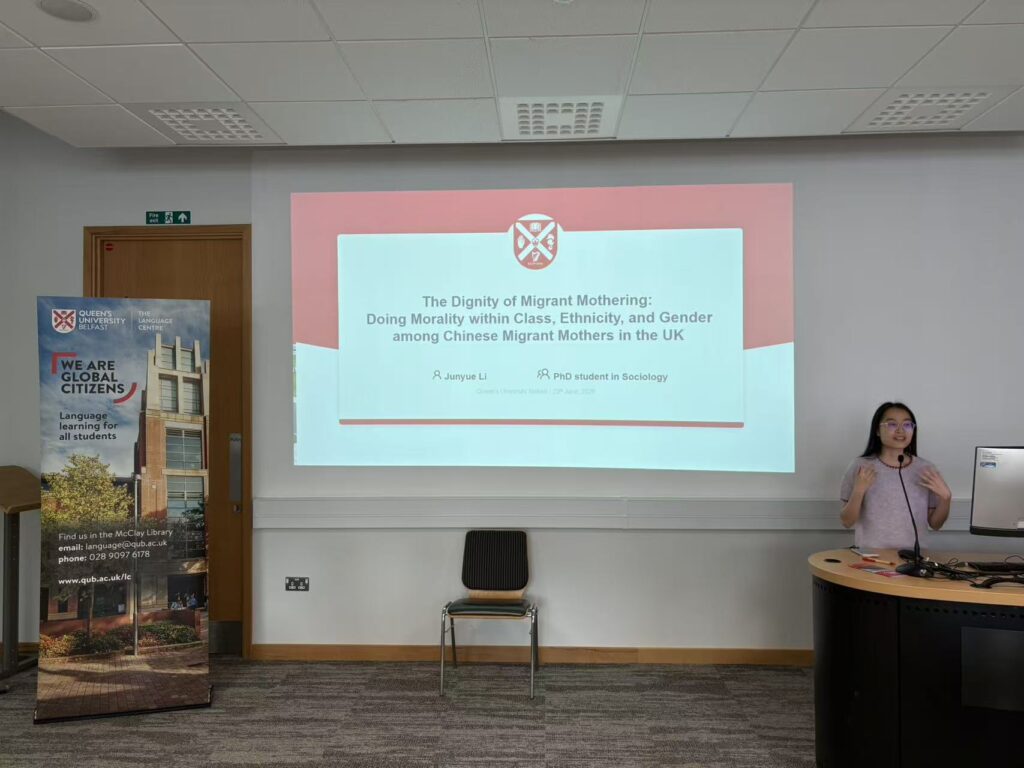
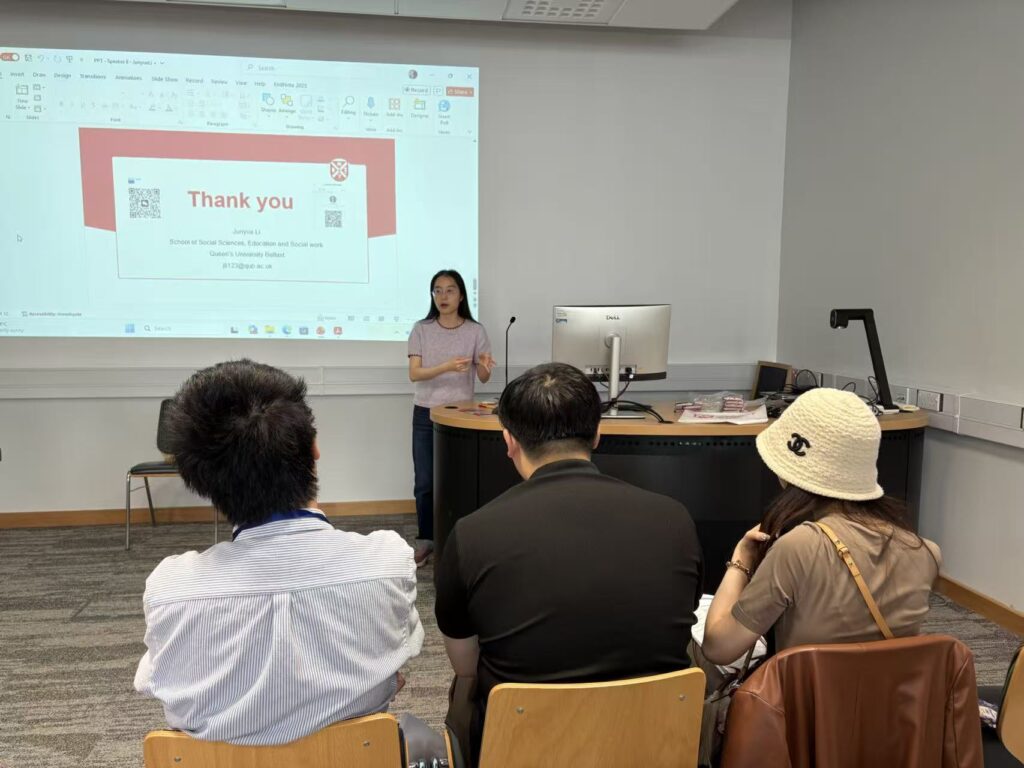
  • 3:20-3:40 Session 6 The Dignity of Migrant Mothering: Doing Morality within Class, Ethnicity, and Gender among Chinese Migrant Mothers in the UK (Junyue LI)
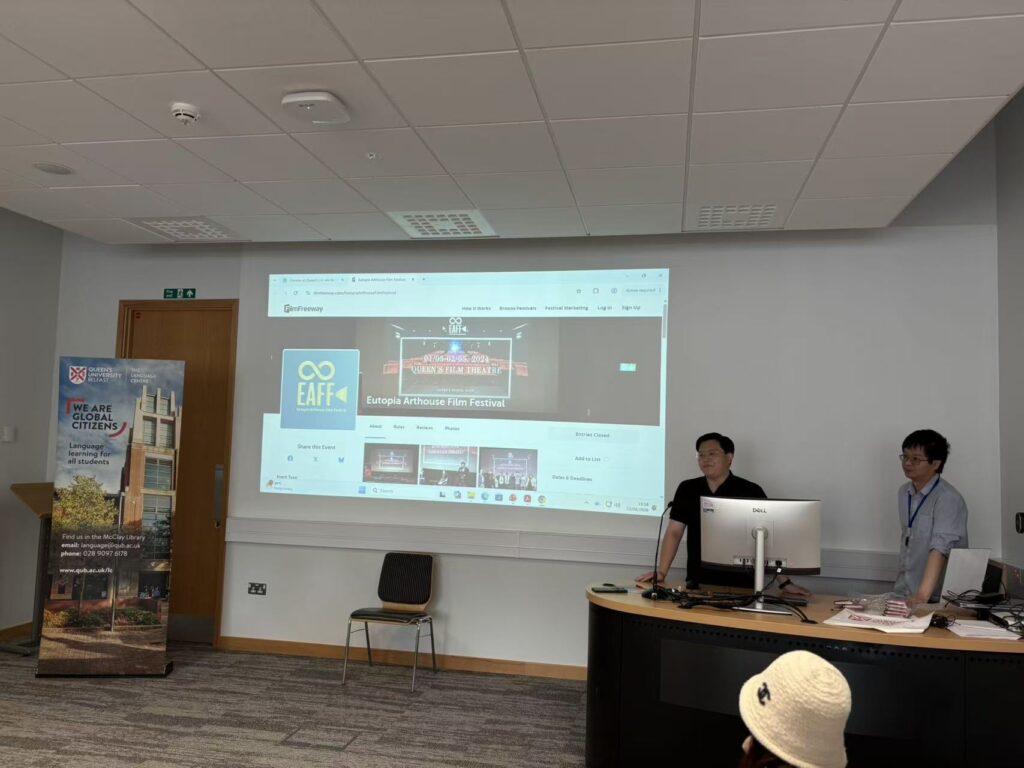
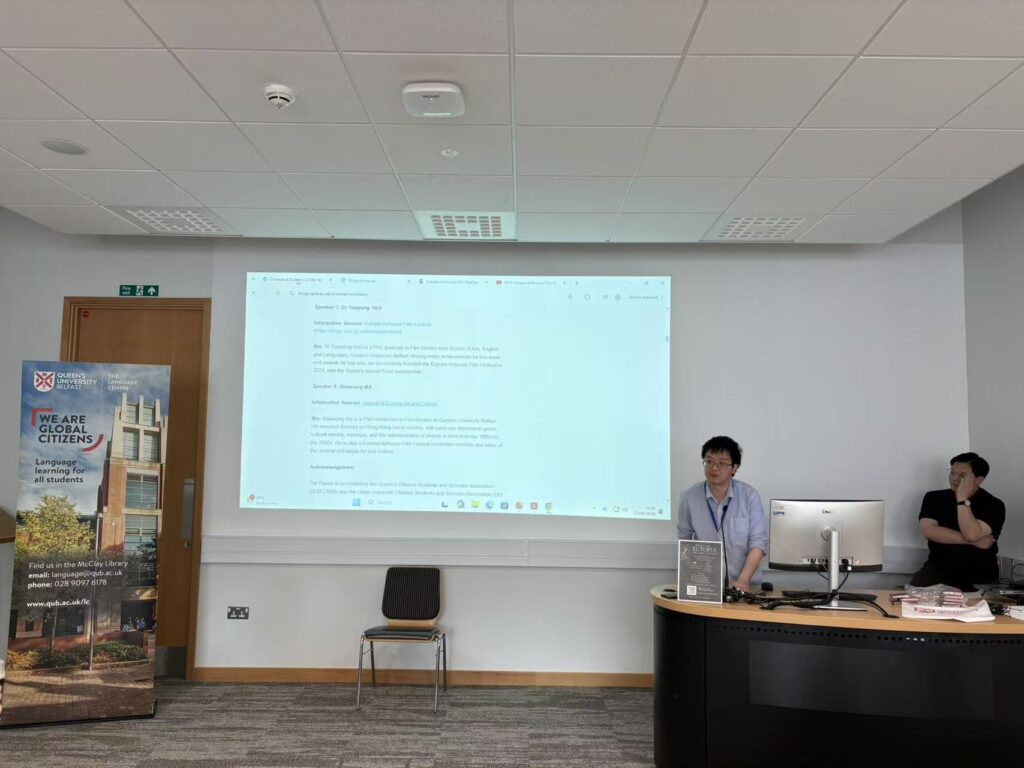
  • 3:40-3:50 Session 7 Eutopia Arthouse Film Festival (Dr Tianpeng YAO)
  • 3:50-4:00 Session 8 Journal of Eutopia Art and Culture (Xiaoxiang MA)
  • 4:00-4:20 Panel discussion – The Future of China Research Forum NI (Liang WANG, Xiaoyi ZHANG, Lijun XUE, Zhuofei BIAN, Tianpeng YAO, Xiaoxiang MA)
  • 4:20-4:30 Closing ceremony and group photo (Dr Liang WANG)

Speakers and Presentations

Speaker 1: Heng WANG

Title: Heritage literacy in the lives of Chinese Muslims

Abstract: With an ethnographic approach, the researchers observed key heritage literacy event, daily illustration, art demonstration and religious practices among Chinese Muslims. Rich research findings and output were carried out by several publications.
Keywords: Chinese Muslim, religious practice, heritage literacy, ethnography

Bio: Heng Wang served as a research assistant of several research projects on heritage literacy of Chinese Muslims. She also is a language and Chinese classical dance teacher.

Speaker 2: Wanyu LI

Title: From Theatre Boxes to Cinemas: Chinese Women’s Entertainment Choices in the Cultural Contexts of East and West in the Early 20th Century

Abstract: In modern Chinese society, the influence of Western cultural imports extended beyond mere ideas or institutions. It quietly reshaped the daily lives of ordinary Chinese people through everyday practices—clothing, food, housing, transportation, entertainment, and consumption. Although cinema briefly aligned with traditional Chinese theatre upon its introduction, the medium’s inherent characteristics and the Western values of equality, openness, and freedom ultimately diverged its path from that of Chinese theatre. This divergence helped Chinese women more keenly discern differences between local theatre and Western cinema in spatial experience, textual interpretation, and modernity. The darkness of cinema screening environments facilitated female audiences in expressing emotions, satisfying curiosity, and even engaging with the opposite sex. The direct realism of film production enabled women to comprehend and utilize cinematic content. The “Western” attribute of cinema as an imported art form empowered women to achieve economic independence, embrace modern fashion, and foster social interaction. In this convergence of Chinese and Western cultures, cinema’s inclusivity toward female audiences stemmed both from Western society’s more relaxed gender norms and from film’s relatively recent introduction to China, where it had yet to be heavily shaped by local ideologies. Moreover, the prevailing reformist currents of the era provided significant public support for this cultural shift. By examining shifts in early 20th-century Chinese women’s entertainment choices, we gain a more nuanced, everyday perspective on modern China’s feminist movement. When women’s entry into public spaces became viewed as “anti-traditional,” their cultural consumption choices took on greater subjective meaning.
Keywords: Modern China; Cinema; Theatre; Female Audience; Sino-Western Exchange

Bio: Wanyu LI is a PhD candidate in History at Zhejiang University, China, currently a visiting student at Queen’s University Belfast. Her research focuses on modern Chinese history, with a particular interest in the history of women in the Republican period. She has published several articles in Chinese academic journals, on topics including women’s film-going and social interactions, and the Nationalist government’s policies towards military families.

Speaker 3: Caoyang SHI

Title: E-cigarette Exposure, CFTR Dysfunction and Airway Inflammation: A China-Focused Airway Epithelial Study

Abstract: Electronic cigarette use has become an important respiratory health concern in China, where regulation has tightened but mechanistic evidence on airway epithelial toxicity remains limited. Cystic fibrosis (CF) is rare and often atypically diagnosed in Chinese populations; however, CFTR dysfunction is also relevant to broader airway diseases, including mucus dehydration, impaired epithelial defence and chronic inflammation. This project will investigate how key e-cigarette toxicants, particularly nicotine and acrolein, affect CFTR expression and inflammatory responses in airway epithelial cells. Human bronchial epithelial models, including 16HBE cells and, where available, CF-relevant cell models, will be exposed to defined concentrations of nicotine, acrolein or e-cigarette aerosol extract. Cell viability, CFTR mRNA/protein expression, epithelial barrier integrity, and inflammatory mediators such as IL-6 and IL-8 will be assessed. Protease-related responses, including MMPs and serine protease/SERPIN imbalance, may also be explored to link epithelial injury with airway remodelling. The study aims to clarify whether e-cigarette exposure can reduce CFTR abundance or function and thereby promote a CF-like airway inflammatory phenotype. By connecting molecular toxicology with China-relevant tobacco-control and rare-disease contexts, this proposal may provide evidence to support respiratory risk assessment, youth vaping prevention, and future research on CFTR-related airway disease in Chinese populations.
Key words: E-cigarettes; CFTR; airway epithelium; acrolein; China

Bio: Caoyang SHI is a PhD candidate from School of Pharmacy.

Speaker 4: Jin YAN

Title: Translation of Chinese Anti-Japanese War Literature and Reconstruction of China’s Wartime Image: A Case Study of Stories of China at War

Abstract: Chinese Anti-Japanese War Literature is an important part of the world’s anti-fascist literature. Stories of China at War is the first collection of short stories about the Chinese Anti-Japanese War published simultaneously in the US and the UK. It includes sixteen English translations of stories set against the background of the Chinese Anti-Japanese War, which present a multidimensional picture of wartime China. Stories of China at War not only inherits the mainstream tradition of Chinese Anti-Japanese War literature but also echoes the core demands of external propaganda. It reflects how the Chinese Anti-Japanese War literature going global rediscovers and reshapes the national image. This paper explores how Stories of China at War reconstructs the image of wartime China in the process of translation and dissemination, summarizes the paths and characteristics of Chinese Anti-Japanese War literature’s translation and dissemination in the English world, and reveals the significance of the translation and dissemination of Chinese Anti-Japanese War literature for the reconstruction of China’s image in the world.
Keywords: Stories of China at War; translation and dissemination; China’s wartime image

Bio: Jin YAN is an Associate Professor in Foreign Languages School at Changsha University of Science and Technology, China. Her research interests include translation sociology and national image construction. Currently she is a visiting scholar in Centre of Translation and Interpretation, Queen’s University Belfast.

Speaker 5: Zhuofei BIAN

Title: Barriers and motivations in language learning for Second Language Speakers in UK higher education: Impacts of AI

Abstract: International students from non-English-speaking backgrounds (including Chinese students) often face emotional and behavioural challenges in English-medium university classrooms, particularly in managing language anxiety and participating in oral discussions. Despite demonstrating adequate academic competence, many hesitate to speak in class due to fear of negative evaluation, unfamiliarity with classroom discourse norms, or concerns about accent bias. This study investigates how international students use AI tools (e.g., ChatGPT, Grammarly, ELSA Speak) to manage classroom-related language anxiety and support oral participation in UK higher education. 

Preliminary analyses show three key themes: (1) AI tools – particularly ChatGPT – help reduce anxiety by offering private, low-stakes rehearsal spaces, especially for students with lower speaking confidence; (2) students who use AI to prepare for discussions report increased willingness to speak in class; and (3) excessive reliance on AI may inhibit spontaneous participation and self-initiated contributions.

Keywords: international student, language learning, SLA, language anxiety, motivation, classroom participation

Bio: Zhuofei BIAN is a PhD student in the School of Psychology at Queen’s University Belfast. Her research examines the role of artificial intelligence (AI) in international students’ second language acquisition and psychological experiences, including language anxiety, confidence, self-efficacy, and sense of belonging. I hold an MSc in TESOL from the University of Glasgow and have a strong interest in educational psychology, language learning, and AI-supported education.

Speaker 6: Junyue LI

Title: The Dignity of Migrant Mothering: Doing Morality within Class, Ethnicity, and Gender among Chinese Migrant Mothers in the UK

Abstract: As Chinese migrant women in the UK become increasingly diverse in class compositions and family ethnic compositions, existing literature often fails to capture the complex practices and implications of migrant mothering. This project focuses on mothering among Chinese migrant mothers in the UK, examining how these mothers construct “good mothering” and draw moral boundaries against other mothers within and beyond their ethnic group to build identity and seek dignity for themselves and their children. Addressing these questions can further illuminate how their boundary work reproduces or transforms social inequalities of class, ethnicity, and gender. This project develops a multi-layered theoretical framework that combines symbolic interactionism, lay normativity, boundary-making, and intersectionality to understand mothers’ moral meaning-making and moral justifications embedded in their social positions. It draws on semi-structured interviews, participant observations, and diary logs to collect data.

By highlighting the moral rationales of ideologies and practices, this project links external norms with internal reflections, and connects macro structures, meso social interactions, and micro moral emotions and justifications. It enriches motherhood studies by highlighting mothers’ agency, taking migrant mothers not merely as an interest-maximiser or culture follower, but also as a morality negotiant and a dignity defender. It contributes to migration studies by exploring diversity and divisions within ethnic groups and fluidity of ethnic boundaries.
Keywords: Chinese mothers, migrant motherhood, boundary work, dignity, identity

Bio: Junyue LI is a first-year PhD student in Sociology at Queen’s University Belfast. Her research interests include family, motherhood, migration, morality, and intersectionality of ethnicity, class, and gender. Her PhD project, funded by a DfE scholarship, focuses on moral experiences of Chinese migrant mothers in the UK and the relationships between these experiences and the social hierarchies of ethnicity, class, and gender.

Speaker 7: Dr Tianpeng YAO

Information Session: Eutopia Arthouse Film Festival (https://blogs.qub.ac.uk/eutopiafilmfest/)

Bio: Dr Tianpeng YAO is a PhD graduate in Film Studies from School of Arts, English and Languages, Queen’s University Belfast. Among many achievements he has made and awards he has won, he successfully founded the Eutopia Arthouse Film Festival in 2024, with the Queen’s Annual Fund sponsorship.

Speaker 8: Xiaoxiang MA

Information Session: Journal of Eutopia Art and Culture

Bio: Xiaoxiang Ma is a PhD researcher in Film Studies at Queen’s University Belfast. His research focuses on Hong Kong horror cinema, with particular attention to genre, cultural identity, nostalgia, and the representation of anxiety in films from the 1980s to the 2000s. He is also a Eutopia Arthouse Film Festival committee member and editor of the Journal of Eutopia Art and Culture.

Acknowledgement

The Forum is co-hosted by the Queen’s Chinese Students and Scholars Association (QUB CSSA) and the Ulster University Chinese Students and Scholars Association (UU CSSA), with support from the Queen’s Language Centre and the Association of British Chinese Professors Northern Ireland (ABCP-NI), and partial sponsorship from EKou Xian.

Book Launch

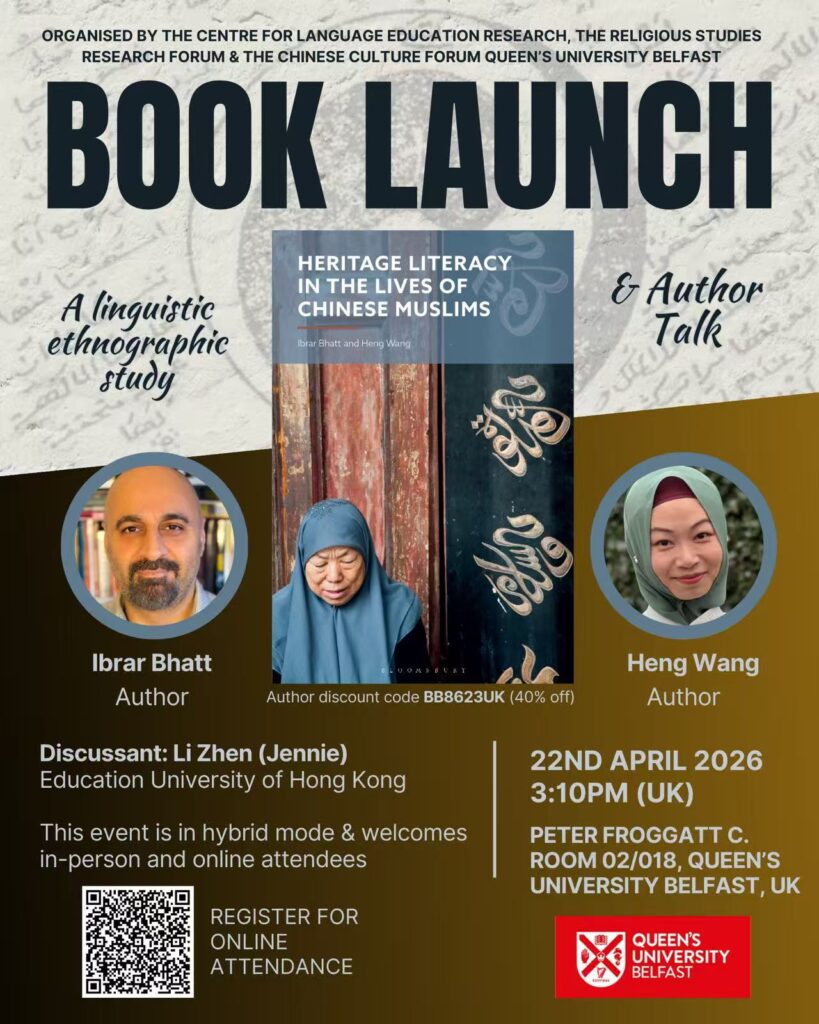
There will be a book launch at Queen’s University Belfast on Wednesday 22nd April. While it is an in-person event, there is an option to tune in via MS Teams. All welcome!

Date: Wednesday 22 April
Time: 3:10 – 4:10 pm
Venue: PFC-02-018

Book Title: Heritage Literacy in the Lives of Chinese Muslims: A Linguistic Ethnographic Study
Authors: Dr Ibrar Bhatt and Heng WANG (Queen’s University Belfast)
Discussant: Zhen (Jennie) LI (Education University of Hong Kong)
Organiser: Dr Aisling O’Boyle (Queen’s University Belfast)

Co-Organisers:

  • The Centre for Language Education Research, School of Social Sciences, Education and Social Work
  • The Religious Studies Research Forum
  • Chinese Culture Forum, The Language Centre

Click to view the original event page.

Two Chinese culture talks in April

With the arrival of spring, Chinese scholars are showcasing their vibrant academic contributions. This April, Queen’s University is excited to present two engaging talks on Chinese culture.

Talk 1

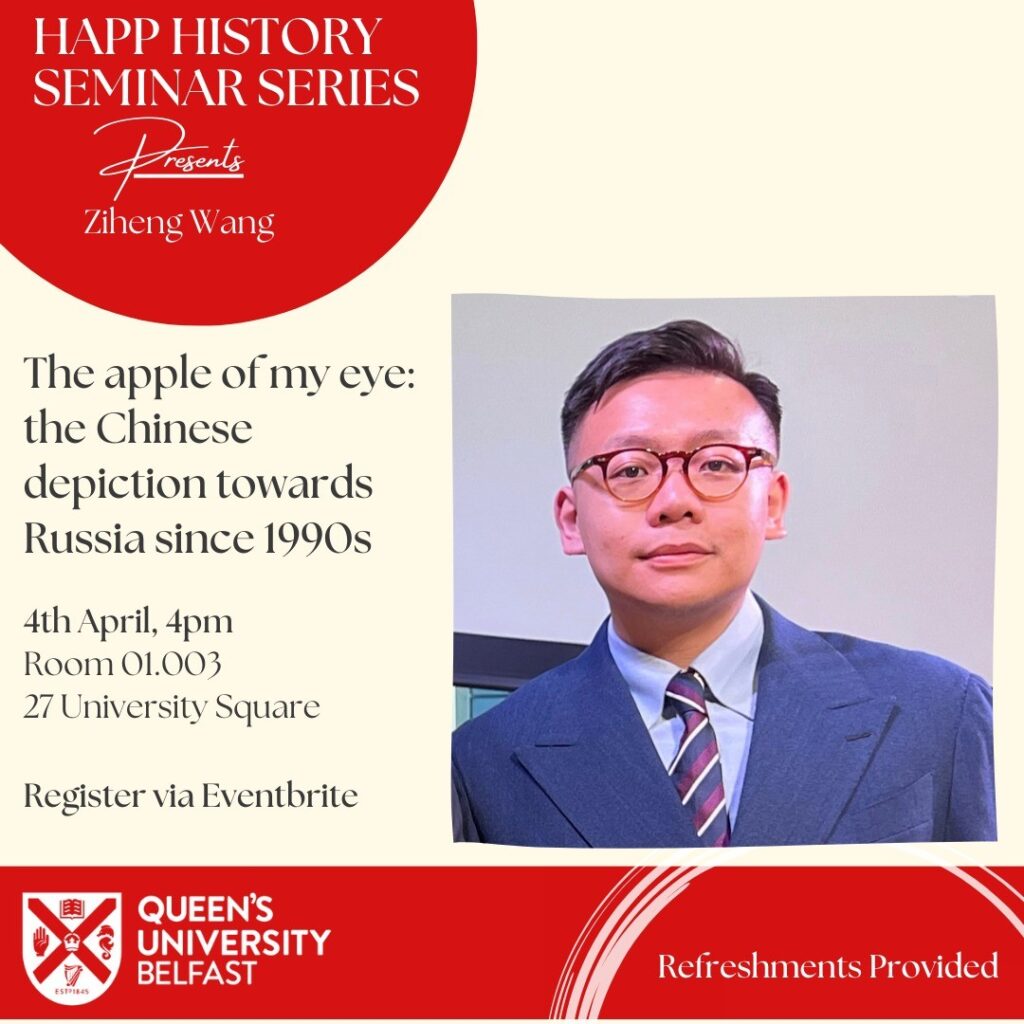
For this Friday’s History Seminar, PhD student Ziheng Wang from School of History, Anthropology, Philosophy and Politics presents his research work titled ‘The Apple of My Eye: The Chinese Depiction towards Russia since the 1990s’.

  • Date: 04/04/2025
  • Time: 4 -5:30 pm
  • Venue: 27 UQ/01/003
  • Registration: via Eventbrite

All welcome, refreshments provided!

Talk 2

In the following Friday, Chinese tutor Heng Wang from QUB Language Centre will present an introduction on how Islam has developed in China since 7th century, and how it has intertwined with local culture and religions.

For more information and registration, read the post below:

Wish you all a happy and productive April!