
October offered two valuable opportunities to reflect on the role of international education and academic collaboration. Through her participation in the Humanities Reimagined: Sino-British Forum on Research, Innovation and Education at Fudan University on 10 October and the Russell Group Exploration Tour in Shanghai on 24 October, Queen’s alumna Yu YAN of Queen’s Business School shares her perspectives on how universities connect cultures, foster innovation and prepare future generations for an increasingly interconnected world.
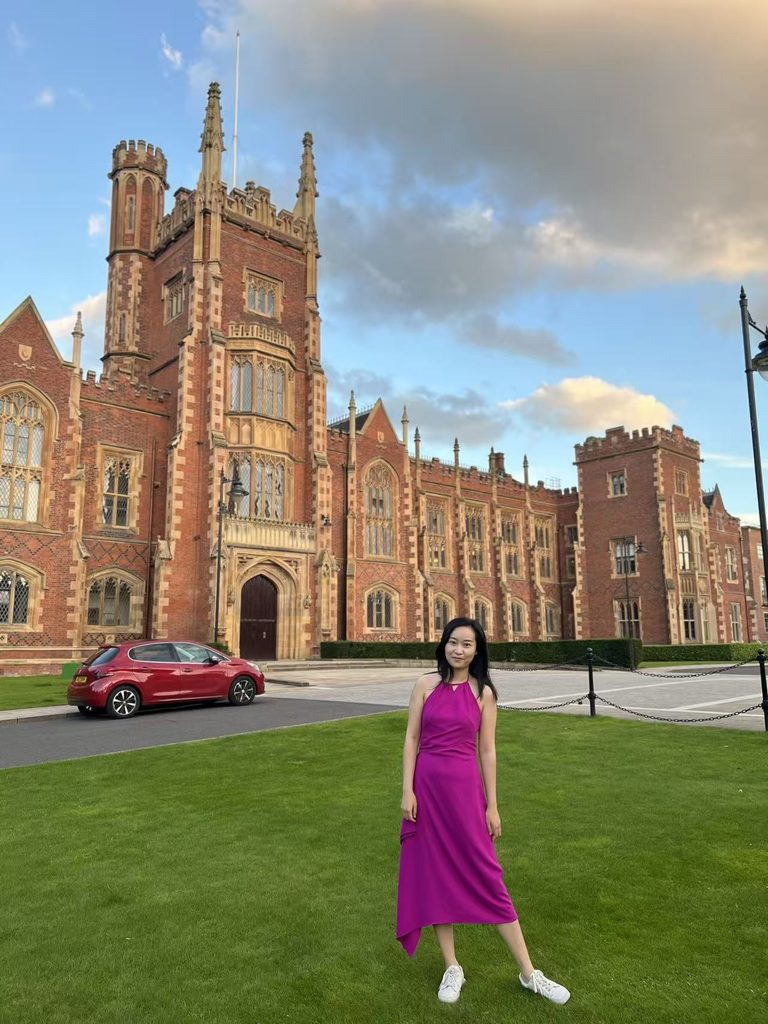
The UK–China Forum at Fudan University
On 10 October, I attended the Humanities Reimagined: Sino-British Forum on Research, Innovation and Education at Fudan University, Shanghai. Bringing together academics, educators, students and alumni from China and the UK, the forum provided a valuable platform for cross-cultural exchange, interdisciplinary collaboration and shared learning. The involvement of the British Consulate-General in Shanghai further highlighted the importance of Sino-British cooperation in higher education.
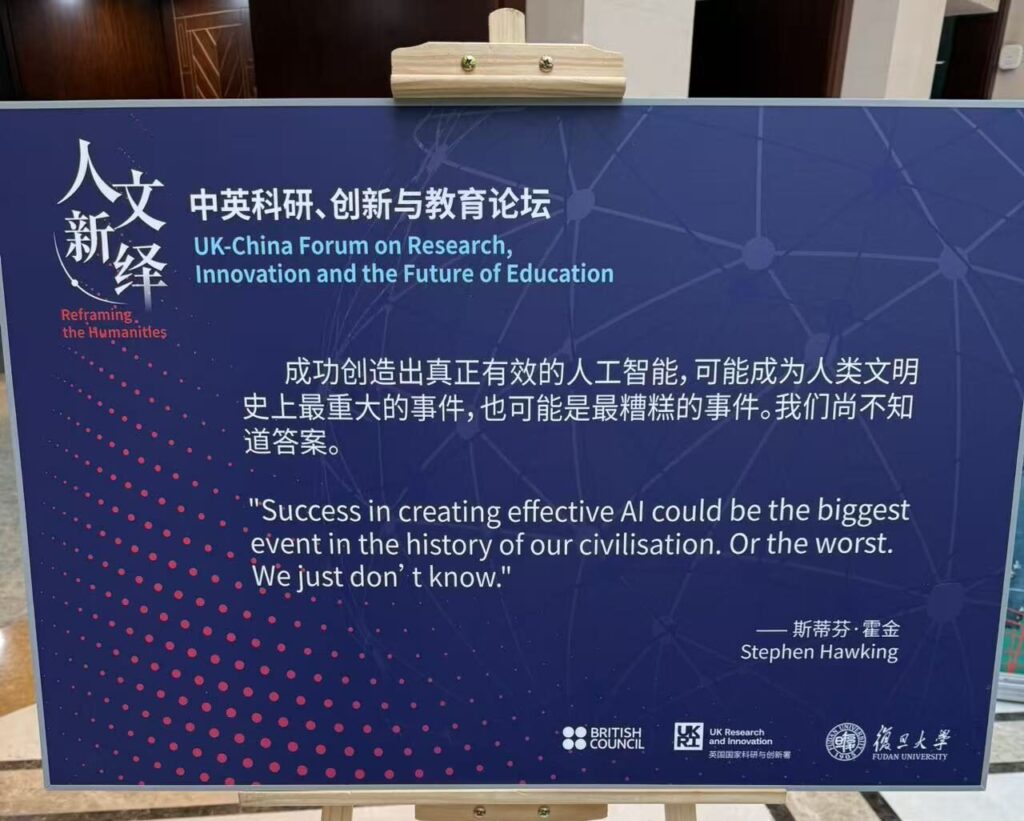
As a Queen’s alumna, I was particularly proud that my university was one of the forum’s sponsoring institutions. The event reminded me that being an alumna means more than having studied overseas; it represents an enduring connection with my university’s academic values, international outlook and spirit of openness. The conversations demonstrated how universities can bring people together, connect academic networks and turn the exchange of ideas into opportunities for collaboration.
Discussions on the humanities, artificial intelligence (AI) and educational innovation prompted me to reflect on the relationship between technological progress and human values. As AI continues to transform knowledge creation and education, questions of ethics, culture, responsibility and human dignity become increasingly important.
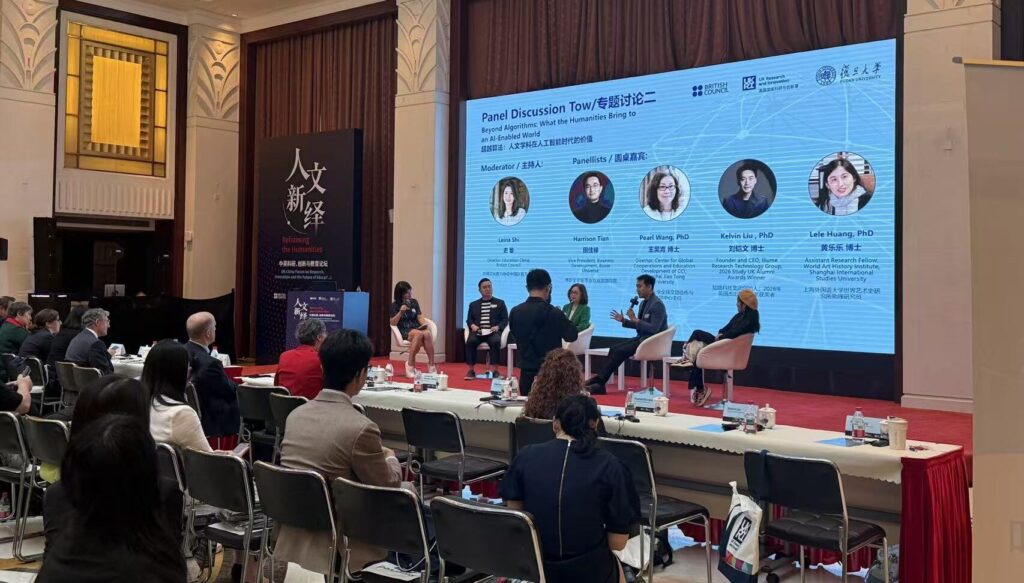
I believe the humanities and AI are complementary rather than opposing forces. While AI offers new ways to process information, analyse data and solve problems, the humanities provide the ethical and philosophical perspectives needed to guide technological development. Collaboration among humanities scholars, engineers, educators and industry practitioners can help ensure that innovation addresses genuine human needs.
This is particularly important in education. Beyond technological skills, future generations need critical thinking, creativity, intercultural understanding and social responsibility. Education in the age of AI should not simply prepare people to adapt to technology; it should empower them to use it wisely while preserving independent thought and creative expression.
The forum reinforced my belief that international education is about more than studying abroad. It connects cultures, knowledge systems and disciplines, creating opportunities for ideas to generate meaningful impact. Two weeks later, these reflections continued at the Russell Group Exploration Tour, which offered a different perspective on the institutions and academic communities shaping higher education.
The Russell Group Exploration Tour
Held at The Langham, Shanghai Xintiandi on 24 October, the Russell Group Exploration Tour provided an opportunity to reconnect with the UK university experience and explore the breadth, diversity and international outlook of British higher education.
Representatives from 15 leading UK research-intensive universities, including Queen’s, showcased their academic strengths, research capabilities and international opportunities. Learning about their distinctive histories, institutional cultures and research achievements offered valuable insight into the UK’s contribution to higher education and innovation.
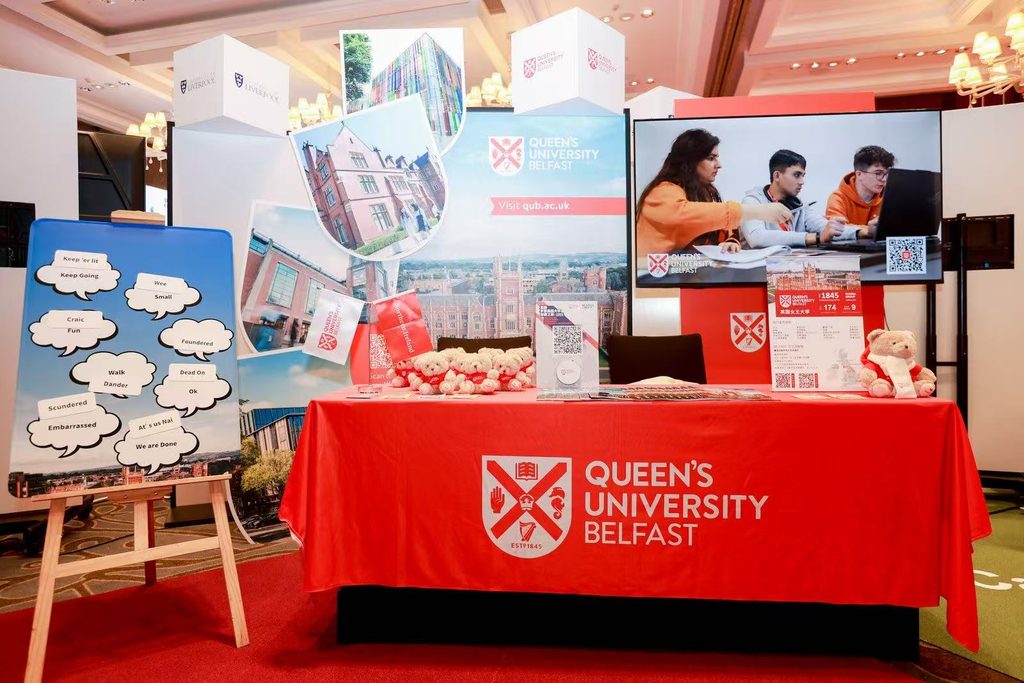
One highlight was the opportunity to speak directly with university representatives. Beyond information available online, these conversations provided a more personal understanding of academic programmes, research opportunities, international student development and future study pathways. For prospective postgraduate students and others exploring international education, such events offer a valuable opportunity to ask questions and make informed decisions.
The university stands combined informative presentations with interactive activities and engaging displays, creating a welcoming and lively atmosphere. It was a pleasure to explore the different institutions, discover their distinctive identities and connect with people who share an interest in education and international exchange.
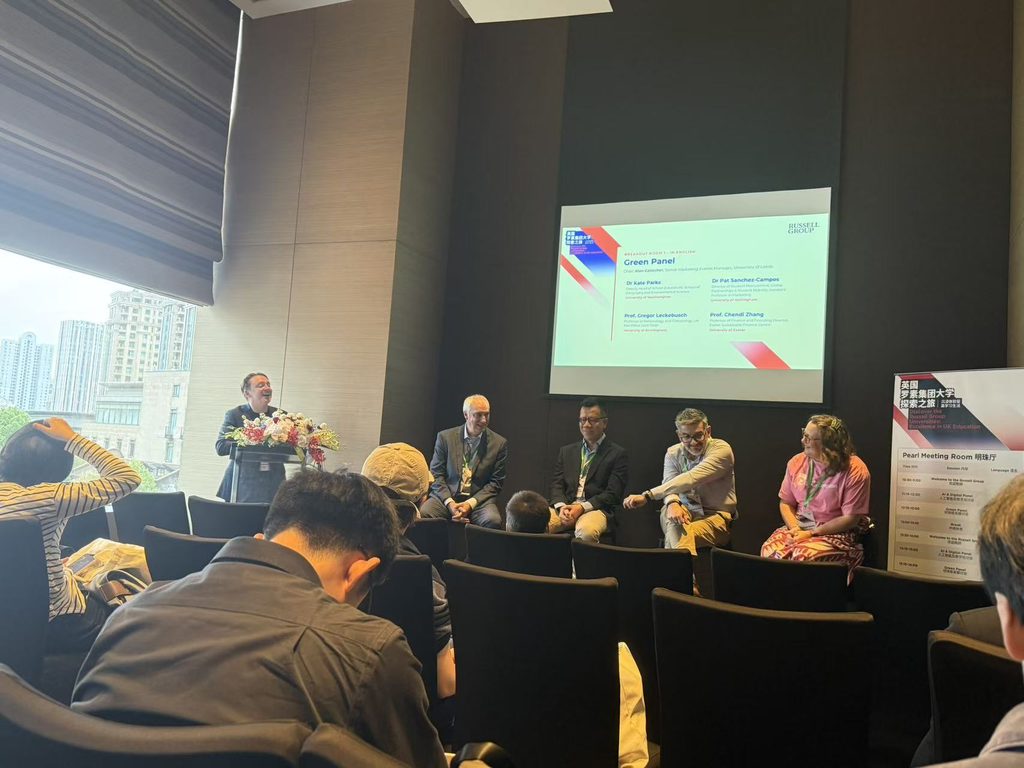
The experience reminded me that the value of international education extends far beyond earning a degree. It lies in broadening perspectives, engaging with different cultures and ideas, and building relationships that transcend geographical boundaries.
Connecting Ideas, Institutions and Cultures
Together, these two experiences highlighted the complementary roles of intellectual exchange and institutional engagement in strengthening UK–China educational relationships. The Fudan forum encouraged reflection on the humanities, AI and the future of education, while the Russell Group Exploration Tour offered direct engagement with the universities, opportunities and academic communities behind these conversations.
As a Queen’s alumna, I was delighted to take part in both events and witness the opportunities created when people and institutions connect across borders. I look forward to further collaboration between Chinese and British universities, bringing together the humanities, technology and interdisciplinary research to translate dialogue into meaningful progress in education and society.
Author: Yu YAN (晏羽)
Editor: Liang Wang (王亮)