When the Bench Meets the Beat

Happy International Dance Day (29/04)! 💃

To celebrate, we are delighted to invite Ningning Liu, a PhD candidate from the School of Law, to share her unique and inspiring experience of dancing at a law conference, where the worlds of legal scholarship and movement came together in an unforgettable way.

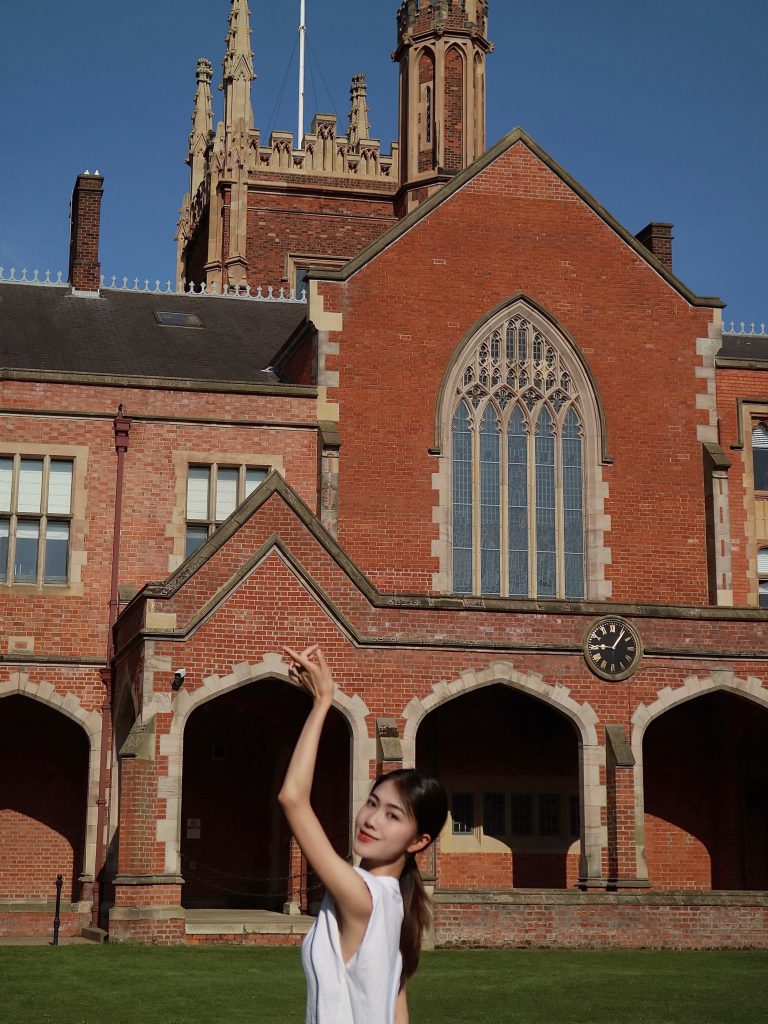
Photo by Ningning

My Once-in-a-Lifetime Experience Dancing in a Moot Court

As a lawyer back in Shanghai, China, I kept my two identities – lawyer and dancer – strictly separate. I rarely let my colleagues or clients know that I danced hip-hop. I worried it would make me look unserious, or suggest that my work wasn’t keeping me busy enough. It was hard to imagine a lawyer spending their evenings in a dance studio while handling active cases.

For the longest time, I believed that law and dance had nothing to do with each other. In fact, they felt like opposites. Law is rational and disciplined, while hip-hop dance is physical and rebellious. That contrast was exactly why I loved it.

Then I came to the UK, and everything began to change.

A Session I Couldn’t Walk Away From

Not only are my supervisors incredibly supportive of my dancing, but my colleagues at the School of Law have also been genuinely excited to learn about this side of me. Some even cheered when I joined Queen’s street dance team.
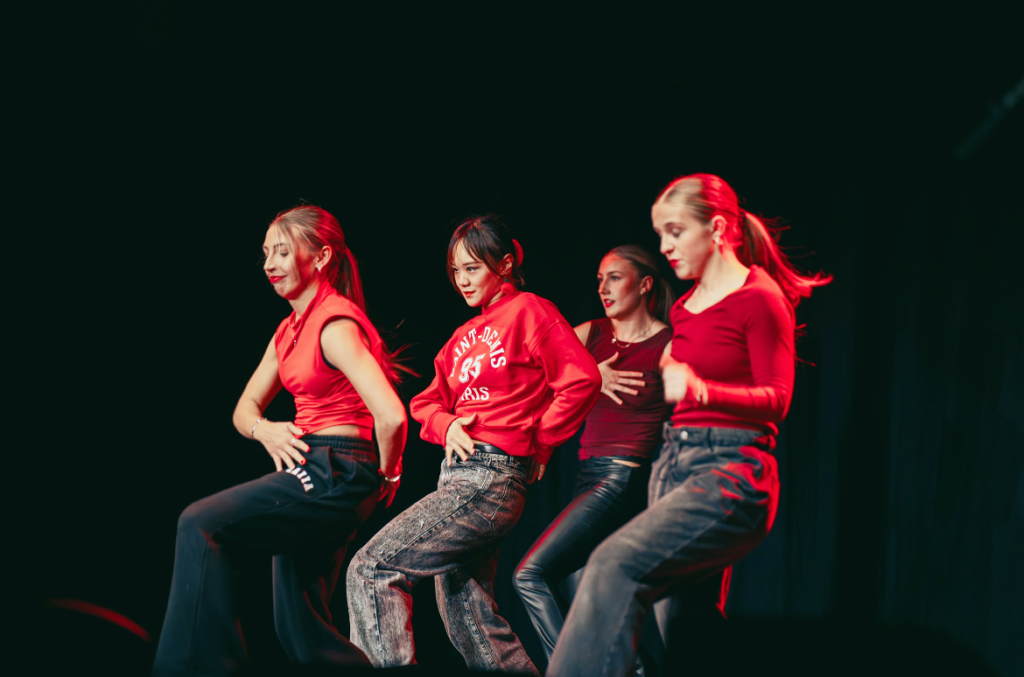
Ningning dancing with her Queen’s Dance Club members. Photo by Queen’s Dance Club.

But the real turning point came when I attended the Socio-Legal Studies Association (SLSA) Annual Conference this year. As one of the key conferences in my field, I had originally planned to submit an abstract related to my doctoral research. Then I saw a session theme that stopped me in my tracks: Dance/Law.

The question it asked was simple but inspiring: What can law do for dance, and what can dance do for law?

These two things I had always kept in separate boxes were suddenly brought together. It felt absurd, yet my heart started racing. This was it – two of my deepest passions, finally meeting. I wrote and submitted my abstract right away. It was accepted just as quickly.

From Belfast to Brighton

That is how I found myself in Brighton – a seaside town on the south coast of England, at the University of Sussex – about to experience something I will never forget.

At the Dance/Law session, scholars and dancers from around the world shared widely different perspectives. Some explored dance as a metaphor for legal tensions – the push and pull of a duet mirroring legal negotiation. Others examined the unwritten rules within dance as a form of soft law, or the question of consent and bodily boundaries in social dancing.

I learned a story from southern Nigeria. In one tribal community, before formal legal language existed, how did people resolve disputes? By dancing.

Then the speaker paused and said, quietly: “Let me show you.”

What followed was not a performance. It was a conversation, a short Afro dance sequence unlike anything we would learn in a dance studio. The speaker interacted with a friend sitting in the audience, responding to her through movement. When it finished, she calmly explained that the sequence expressed criticism of a legal procedure. In fact, across many African societies, dance has historically functioned as a form of testimony, protest, and even judicial argument. It was a living archive of community justice before colonial legal systems were imposed.

We sat in stunned silence.

Dance, I realised, existed before every social institution, rule, or legal system we now take for granted. It is an older language of expression, communication, and meaning. We had simply forgotten.

Another story came from Scotland. The old Scottish Parliament building was a place where trials were held. During breaks, lawyers were not allowed to leave the building. Instead, they circled the parliament hall, negotiating while walking in step with one another, their matching pace making it difficult for others to overhear. This process resembled a social duet, requiring trust, coordination, and mutual responsiveness. The structure was unmistakably dance-like.

I also had the chance to present my own research, Law on the Dancefloor: Body, Gender, and the Boundaries of Freedom in China’s Hip-Hop Culture. Drawing on my experience as both a legal researcher and a hip-hop dancer, I explored how China’s dance scene is divided between feminised commercial studios and masculinised battle competitions, and how law and social norms silently choreograph who may move freely and how.

The battle floor, I argued, is like a courtroom: music acts as law, dancers as advocates, and judges as a jury. Dancers are told to break rules, yet victory depends on a convincing interpretation within that framework. To my surprise and gratitude, the presentation received warm attention and thoughtful feedback from fellow scholars, many of whom shared their own encounters with dance and the law.

The fascinating studies presented at the Dance/Law session, along with my own small contribution, demonstrate that law and movement have never been as separate as I once believed.
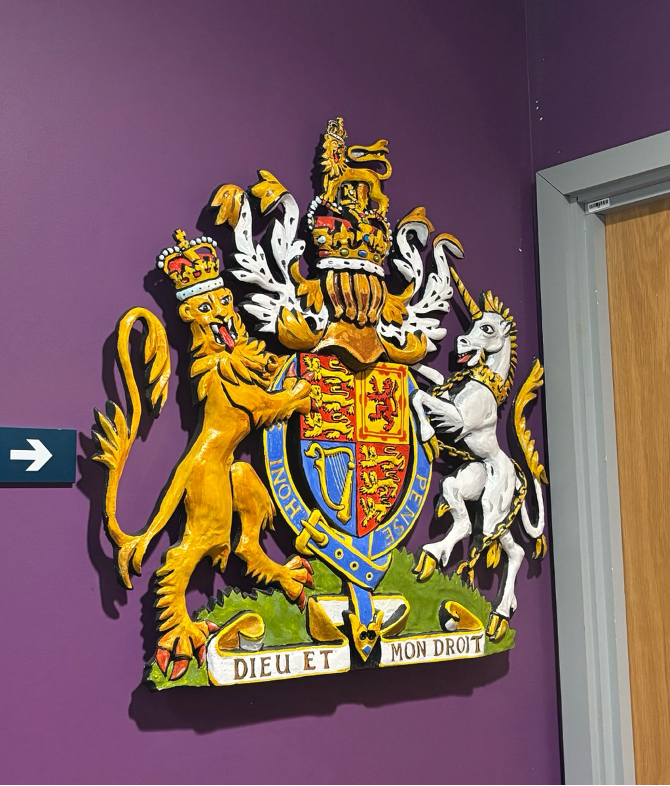
Moot Court Room, University of Sussex (Photo by Ningning Liu)

The Morning We Danced in a Moot Court

The next morning, we experienced something that may well be once in a lifetime.

At 9 a.m., in a law school moot court room, we danced.

A group of legal academics from across the world gathered – not to share their research, but to share their dance moves.

At the beginning, one scholar guided us to reconnect with our bodies. We touched our fingertips to our arms, felt our skin, and reached out to tables and chairs, simply noticing our physical presence in the world.

Then one of the organisers taught us basic ballet. I felt like a calm, proud, and elegant swan gliding across a lake. She ended the session by inviting us to freestyle using what we had learned.

Finally, my partner Joseph, a professional hip-hop dancer who had come with me to Brighton, taught a short routine he had choreographed the day before. The music started – the unmistakable beat of Still D.R.E.

The atmosphere changed instantly. Everyone moved joyfully. It did not matter what we wore or how we looked. When the organisers asked for reactions, we laughed: “Too short! Again!”

Everyone was simply happy.

As we left, the researchers (or should I call them dancers now?) stopped us to express their gratitude. “You both gave me so much energy. I am so happy today.”

But they were the ones who had given us energy, and a revelation.

Later, the organisers sent a follow-up email. At the end, they wrote:

Keep dancing!

Continue reading
Between Books and Beats: My life at Queen’s – 1

Happy International Dance Day! 国际舞蹈日快乐 (Guójì Wǔdǎo Rì kuàilè)

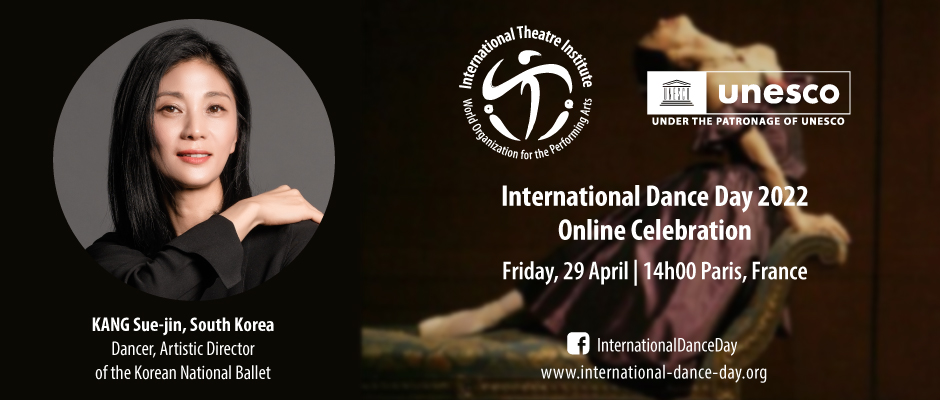
International Dance Day, celebrated globally on the 29th of April every year since 1982, is an annual celebration of how dancing positively impacts our lives.

Click to read more about International Dance Day

In 1982 the Dance Committee of ITI founded International Dance Day to be celebrated every year on the 29th April, the birthday of Jean-Georges Noverre (1727-1810), creator of modern ballet. The intention of the International Dance Day Message is to celebrate dance, revel in the universality of this art form, cross all political, cultural and ethnic barriers, and bring people together with a common language – dance.

1982年,国际戏剧协会ITI旗下舞蹈委员会成立国际舞蹈日这一艺术节日,日期定在每年的4月29日,这一天也是现代芭蕾之父Jean-Georges Noverre (1727-1810)的诞辰日。 每年的国际舞蹈日都会有一位杰出的舞蹈界人士撰写献辞。献辞的目的在于庆祝舞蹈这一能够跨越政治、文化、种族障碍,能够将人们聚在一起的全球共通的艺术形式。
Internationaldanceday.org

On this special day, we are pleased to invite Liu Ningning (刘宁宁), a first-year PhD student in Law at Queen’s, to share her life with dancing, in particular, her experience with the QUB Dance Club.

Being part of the QUB Dance team has been one of the best decisions I have made since arriving in Belfast. It reminded me that pursuing academic excellence and personal passions can go hand-in-hand, and that life at Queen’s is full of wonderful opportunities to connect, challenge yourself, and grow.

When I began my PhD journey at Queen’s last September, I was determined not only to immerse myself in academic life but also to contribute actively to the vibrant community here. As a first-year PhD student at the School of Law under a DfE scholarship, I was honoured to be elected as the PhD Student Representative on the Doctoral Studies Committee. Yet another important and unexpected chapter unfolded beyond the library and lecture halls — through dance.

Click to read more about Ningning’s academic background

Ningning Liu, a commercial lawyer with a Juris Master degree from Fudan University and a BA in German Language and Literature from Tongji University, has been awarded the prestigious AHSS International DfE Award. Ningning will begin her PhD at the School of Law, focusing on women’s rights to political participation in modern China — specifically in Shanghai from the 1840s to the 1940s — and seeks to draw lessons for women’s empowerment today. Her research addresses critical questions about the role of women in shaping the legislative, political, and social landscapes in modern Shanghai, and the lasting impact of their political engagement on China and beyond. (Source: QUB School of Law)

After successfully passing a competitive audition, I became an active member of the QUB Dance Club, being the only international, Asian, and PhD student among a team primarily composed of undergraduates. It since has been an unforgettable and transformative experience for me.

Throughout the year, alongside my academic progress, I devoted many evenings and weekends to rehearsals, participated in major fundraising events such as So You Think You Can Dance and QUB Strictly Come Dancing (where we raised over £1,200 for charity in total!), and proudly represented Queen’s at national dance competitions in Leeds and Liverpool. One of the highlights was when our team won 2nd place in the Advanced Hip-Hop category — a moment that filled me with pride, not just for myself, but for everyone who had worked tirelessly alongside me.

Liu Ningning (centre) at dance with her teammates (Photo credit: by Jordan, QUB Dance Team)

Coming from Shanghai, I have been dancing hip-hop for around five years. For me, dance is not just a hobby — it is a part of who I am. I was thrilled to find that even during my intense PhD life, I could continue this passion at Queen’s. In fact, dance has made me more energetic, better at time management, and even more focused on my research. My supervisors have been incredibly supportive, and I am deeply grateful for their encouragement.

Of course, this journey was not without its challenges. As the only international and PhD member of the team, I initially found it demanding to adjust to the fast-paced, competitive environment dominated by undergraduates. I needed to develop greater flexibility in my approach to teamwork, quickly learn new choreography, and adapt to the group’s dynamic performance style. I actively sought feedback from more experienced teammates, spent additional hours practicing, and carefully analysed recorded performances to identify areas for improvement. Gradually, I adapted my style to align more closely with the team’s approach while also introducing elements of my own background in dance to add creative variety. These experiences not only strengthened my ability to think flexibly and critically to assess my progress but also boosted my confidence in tackling new challenges.

One of the most rewarding aspects of this journey has been the friendships I built within the team. Regardless of our different disciplines and cultural backgrounds, we have connected well through our shared passion for dance. I am truly inspired by the team’s spirit, commitment, and the way everyone supports each other both on and off the stage. Their high level of organisation and drive constantly motivate me to push myself, improve, and contribute more.

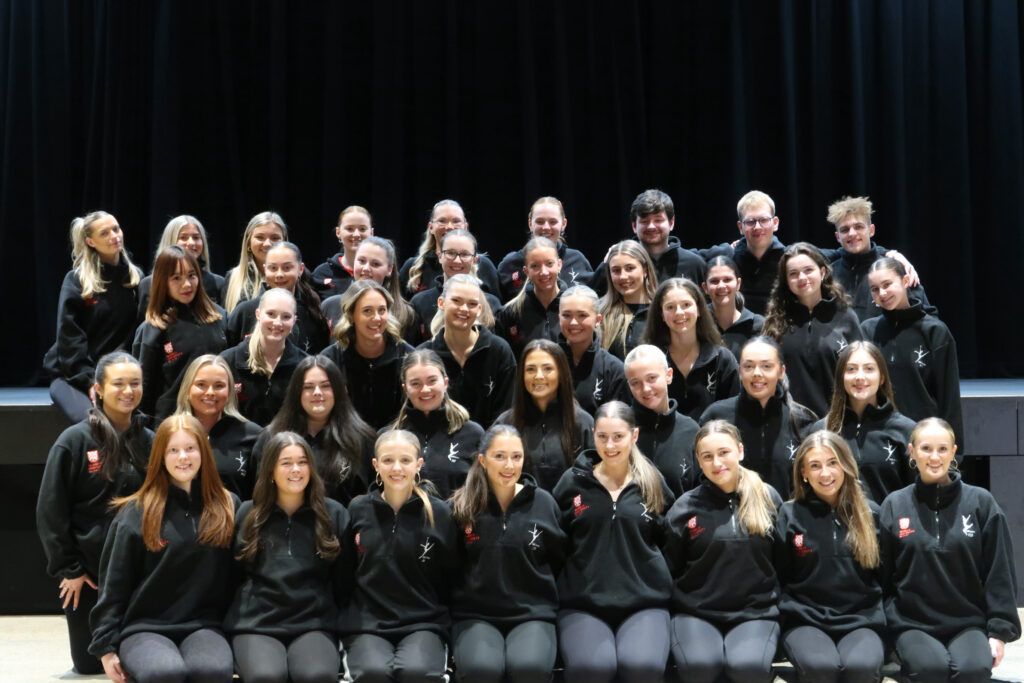
Liu Ningning (left on the second row top down) with her teammates (Photo credit: Brandy Zhu)

Age, nationality, and background melted away the moment we stepped into the Blue Sky Room or onto the stage of Mandela Hall. During competitions in Leeds and Liverpool, when I received applause and compliments from competitors and audience members, I felt great joy — not just personally, but as a proud representative of Chinese and Asian women. We are strong, resilient, and accomplished, and I believe we should be brave in showing that to the world in every arena we enter.

After the competition season, our hip-hop team was also invited to perform at Queen’s Annual Fashion Show and the QUB Dance Annual Showcase. I made every effort to participate in all the events I could, and in doing so, I learned not only new choreography and performance skills but also valuable lessons about resilience, teamwork, and self-discovery.

If you love dancing, or simply want to try something new, I wholeheartedly encourage you to join a club or society at Queen’s. You never know what amazing experiences and friendships are waiting for you to explore and enjoy!

Related links

Happy International Dance Day

国际舞蹈日快乐 (Guójì Wǔdǎo Rì kuàilè)!

About the International Dance Day 国际舞蹈日简介

In 1982 the Dance Committee of ITI founded International Dance Day to be celebrated every year on the 29th April, the birthday of Jean-Georges Noverre (1727-1810), creator of modern ballet. The intention of the International Dance Day Message is to celebrate dance, revel in the universality of this art form, cross all political, cultural and ethnic barriers, and bring people together with a common language – dance.

1982年,国际戏剧协会ITI旗下舞蹈委员会成立国际舞蹈日这一艺术节日,日期定在每年的4月29日,这一天也是现代芭蕾之父Jean-Georges Noverre (1727-1810)的诞辰日。 每年的国际舞蹈日都会有一位杰出的舞蹈界人士撰写献辞。献辞的目的在于庆祝舞蹈这一能够跨越政治、文化、种族障碍,能够将人们聚在一起的全球共通的艺术形式。

Internationaldanceday.org
To view the online performances, click the link above in the Quote.

Dancing at Queen’s

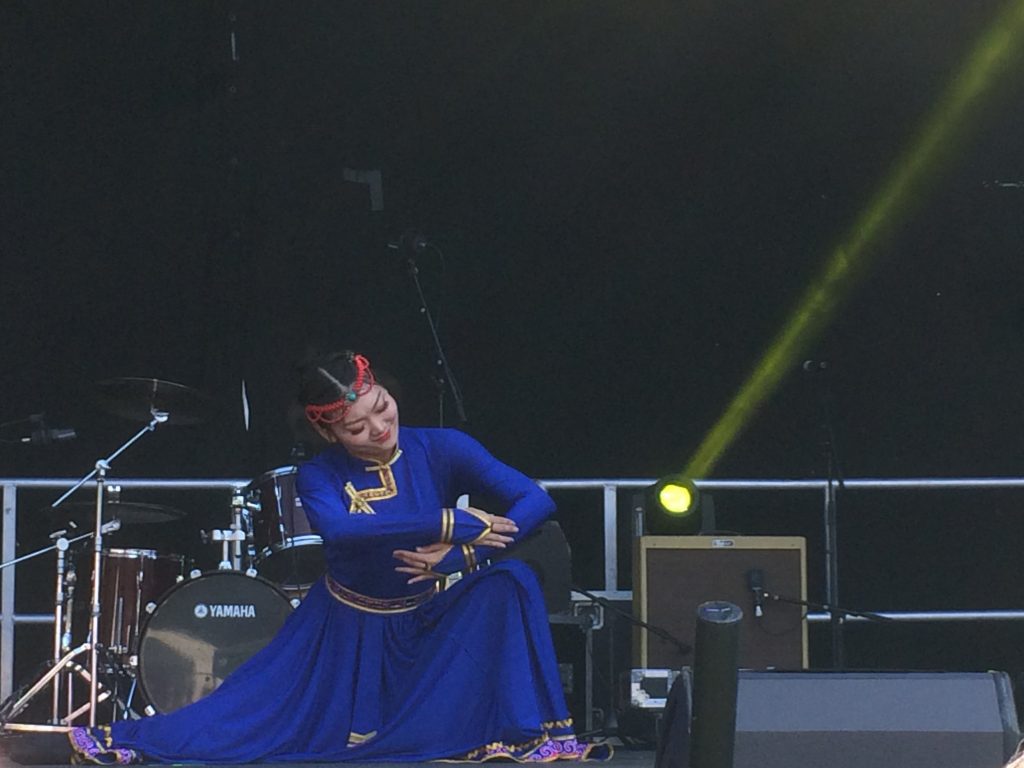
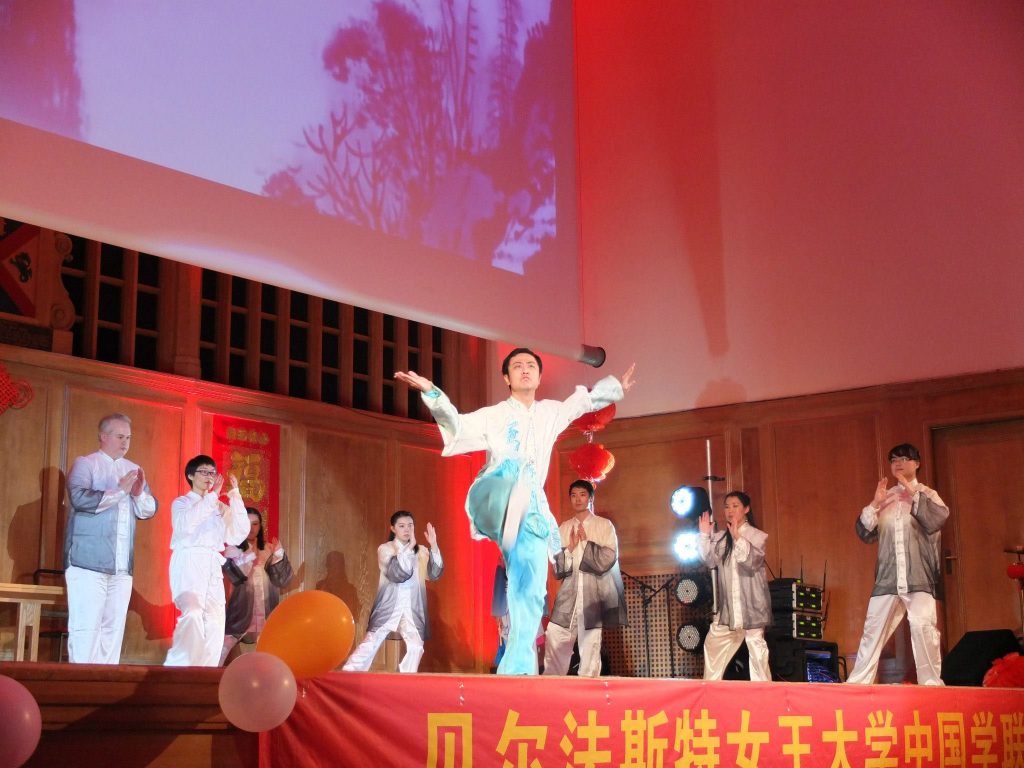
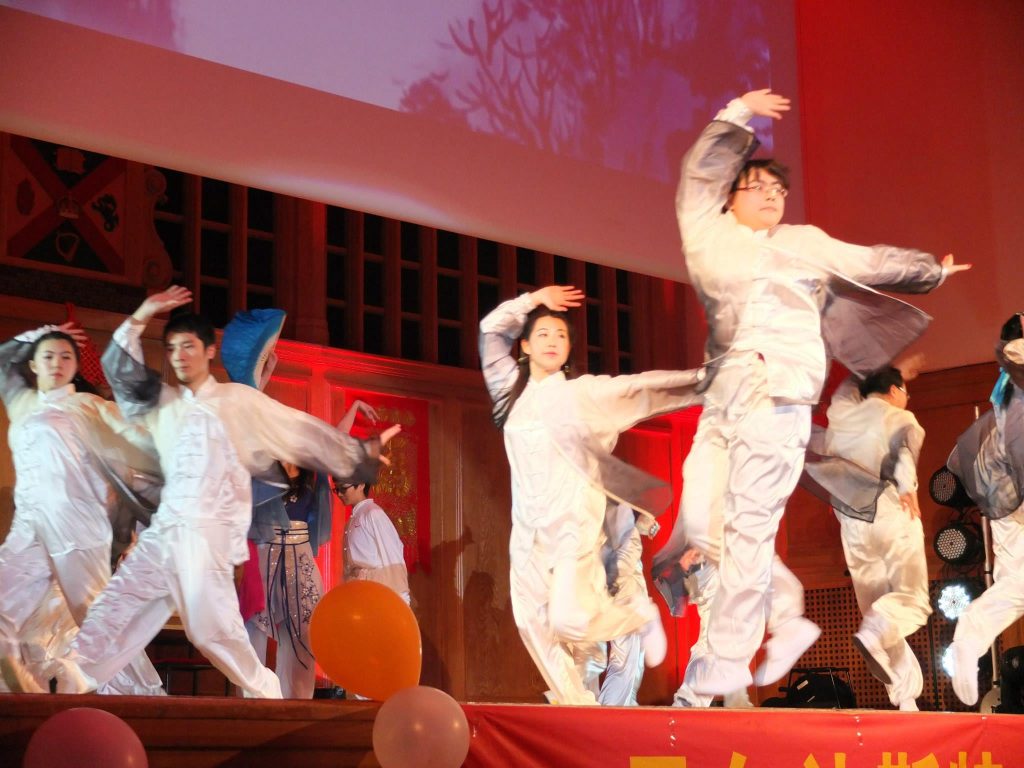
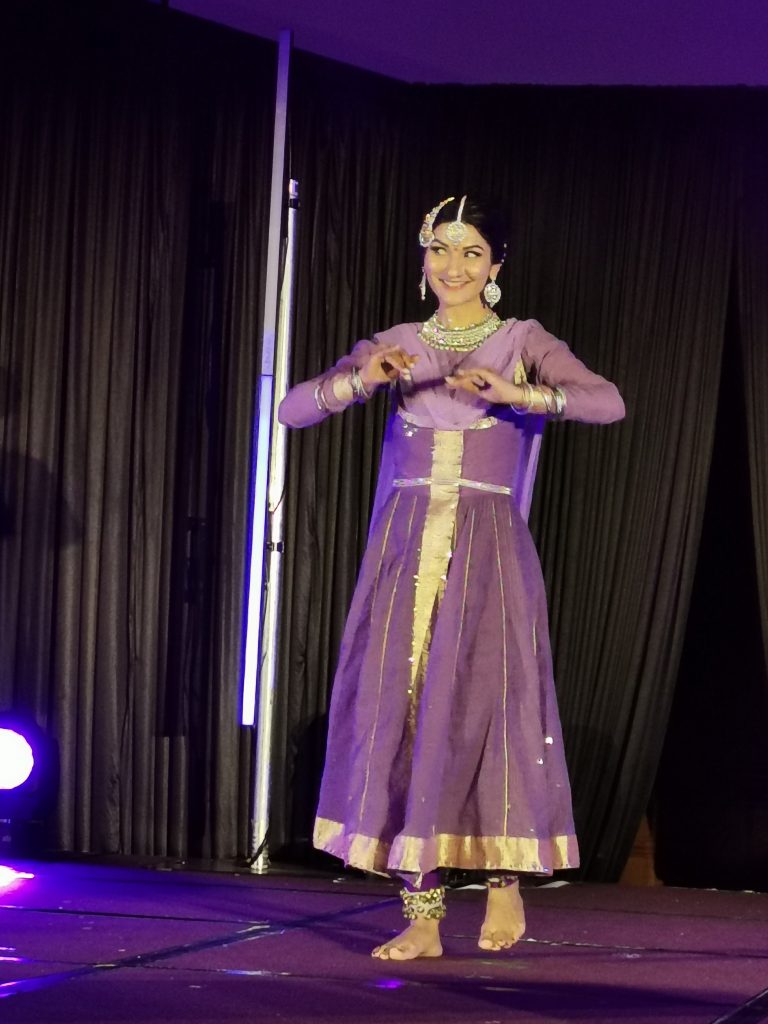
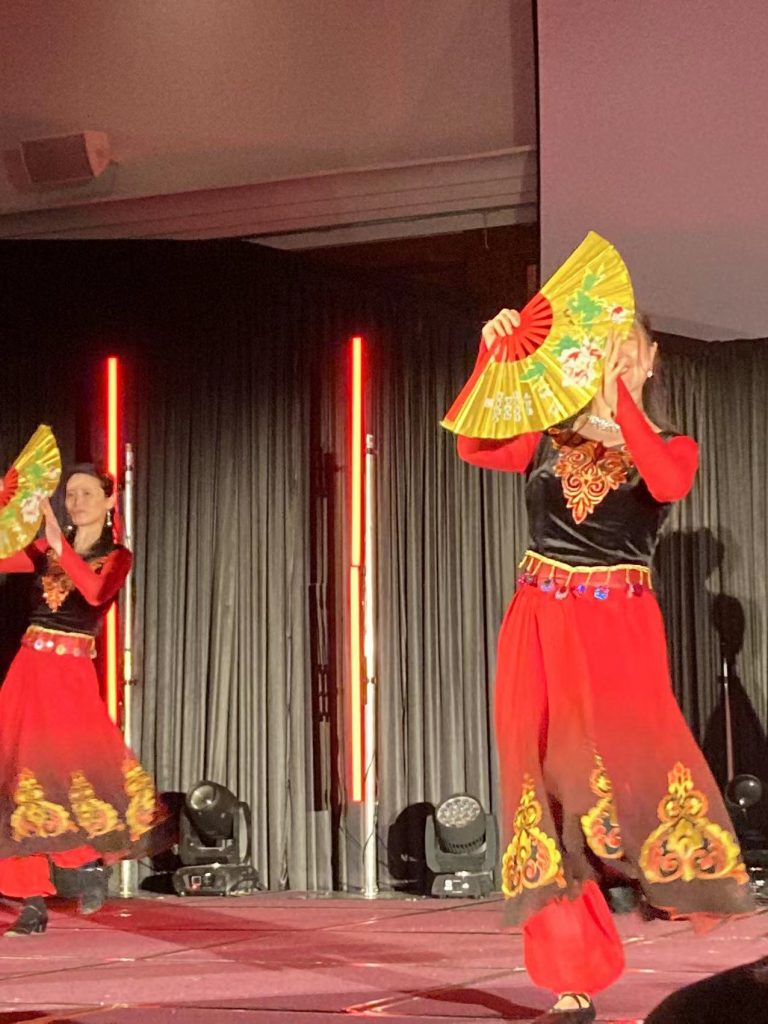
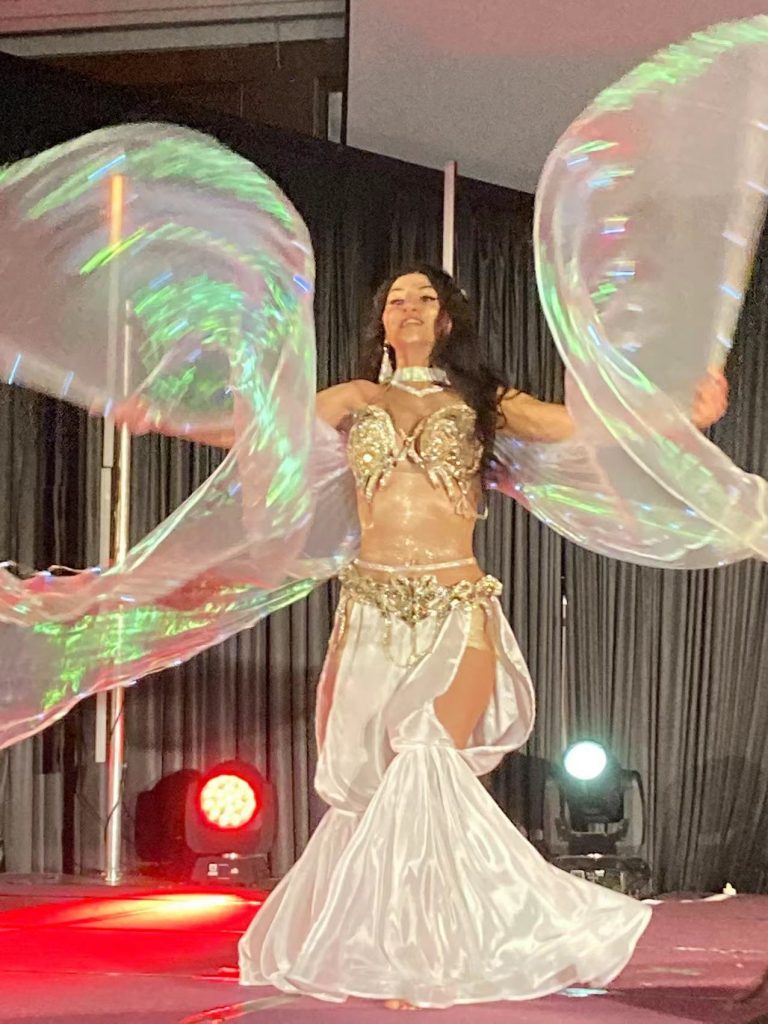
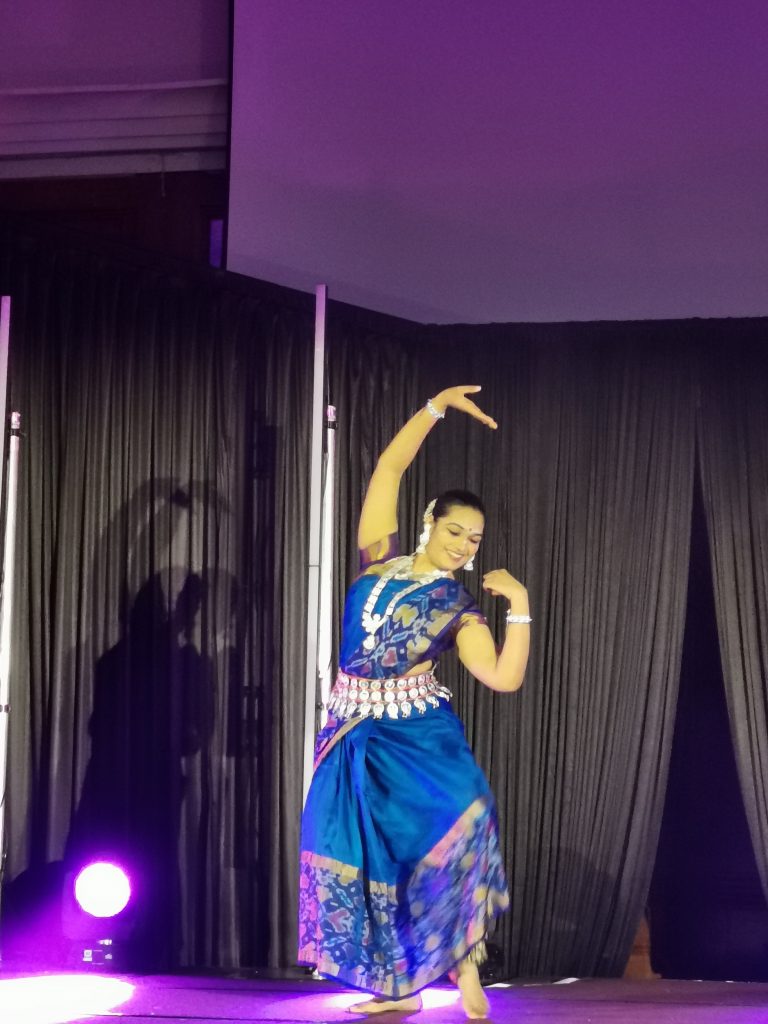
Queen’s is a multicultural campus with talented students from local and global areas that are well known for their distinctive cultural life, including dances. Chinese students, the largest international student community at Queen’s, has contributed a lot of fantastic dance performances, enriching the multicultural campus life.

On this special day (29th April), we invite Shiya GU (古诗雅), a talented dancer and currently postgraduate student in Arts Management from School of Arts, English and Languages, to share her life with dancing.

“Thanks to the Arts Management Placement opportunity, I am really fortunate that I’ve been involved in the Youth Dance Company (YDC) Project at the Crescent Arts Centre in Belfast, and it is a great thing to learn from both local and international dancers. I’m looking forward to meeting many more talented dancers coming from outside of Northern Ireland in the future.”

‘I am so lucky and grateful to have been awarded the opportunity to perform and challenge myself in different types of dance. Dancing has been my genuine interest for over 20 years, from curiosity to career, and I have been changing my roles in the field of dance with dedication and passion.’

‘To me, dancing is a belief and a mission for dancers or people who love dancing. No matter where we are, as long as we have our willfulness and willingness, we can always free our bodies through dancing and express what we want.’

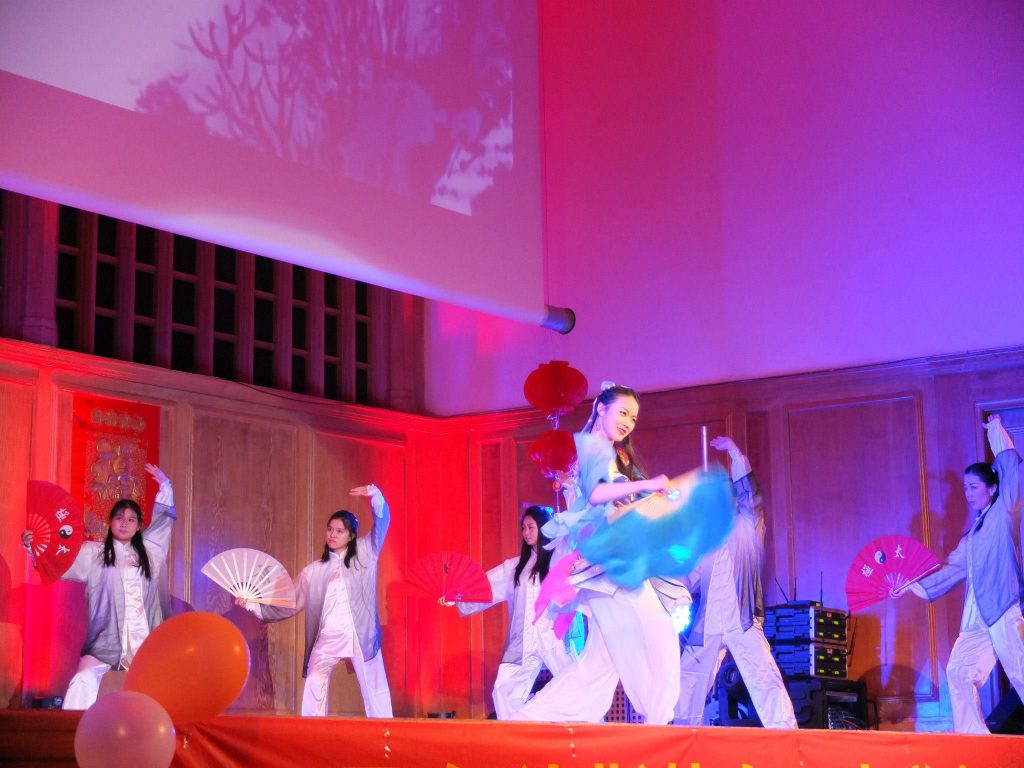
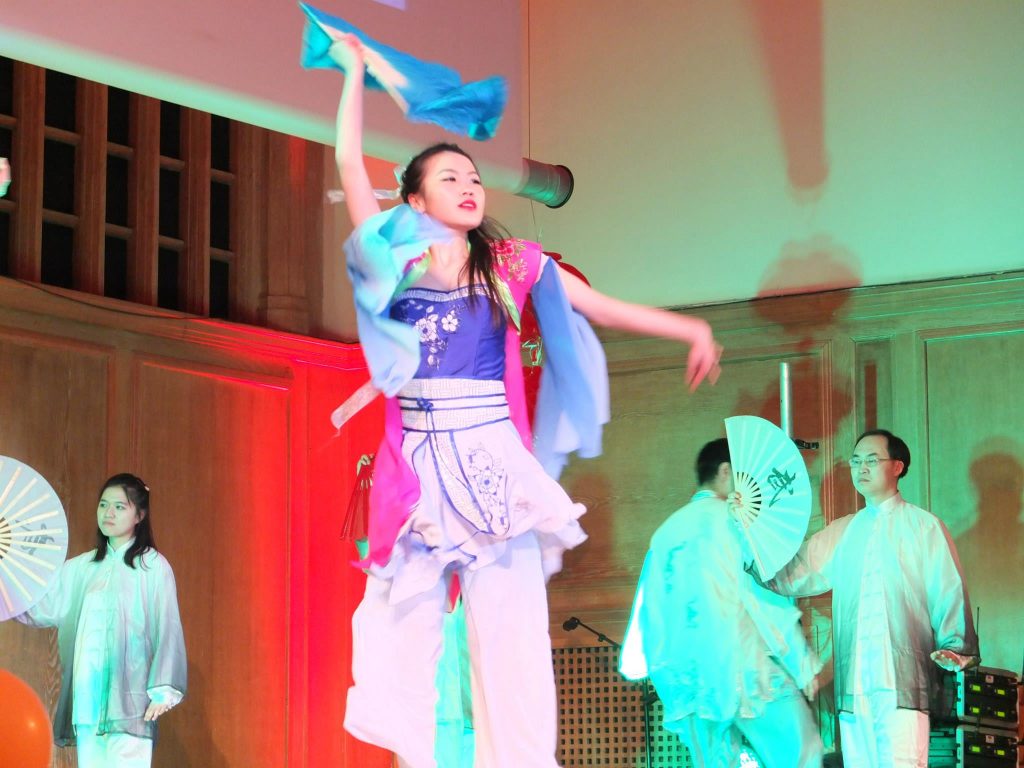
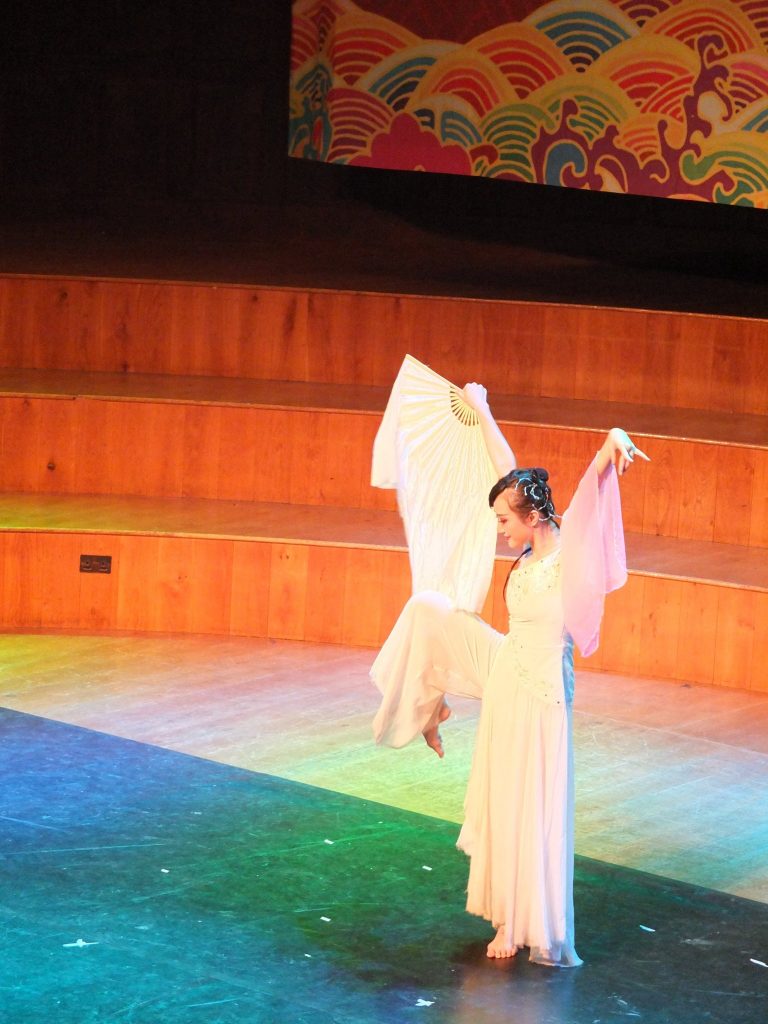
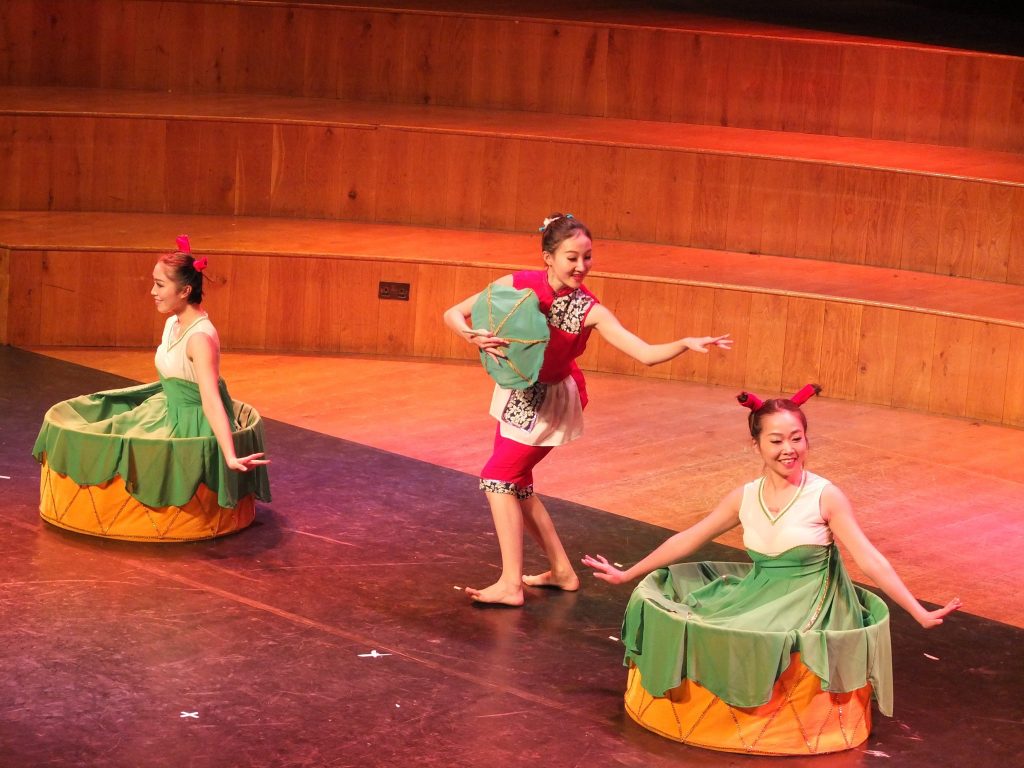
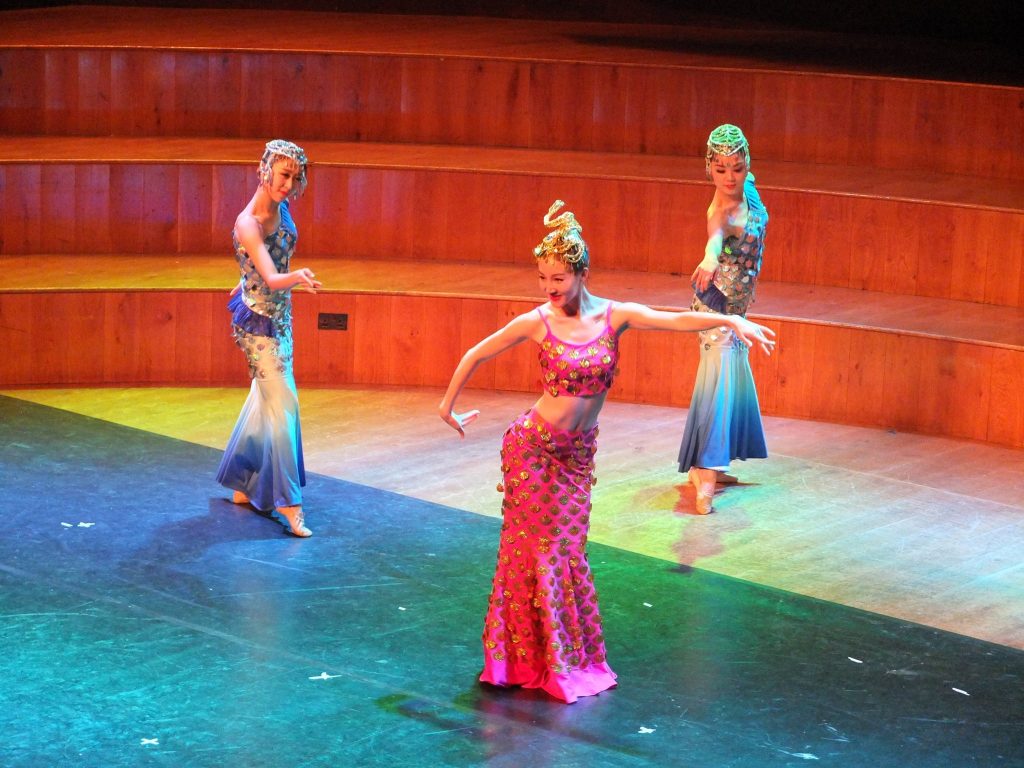
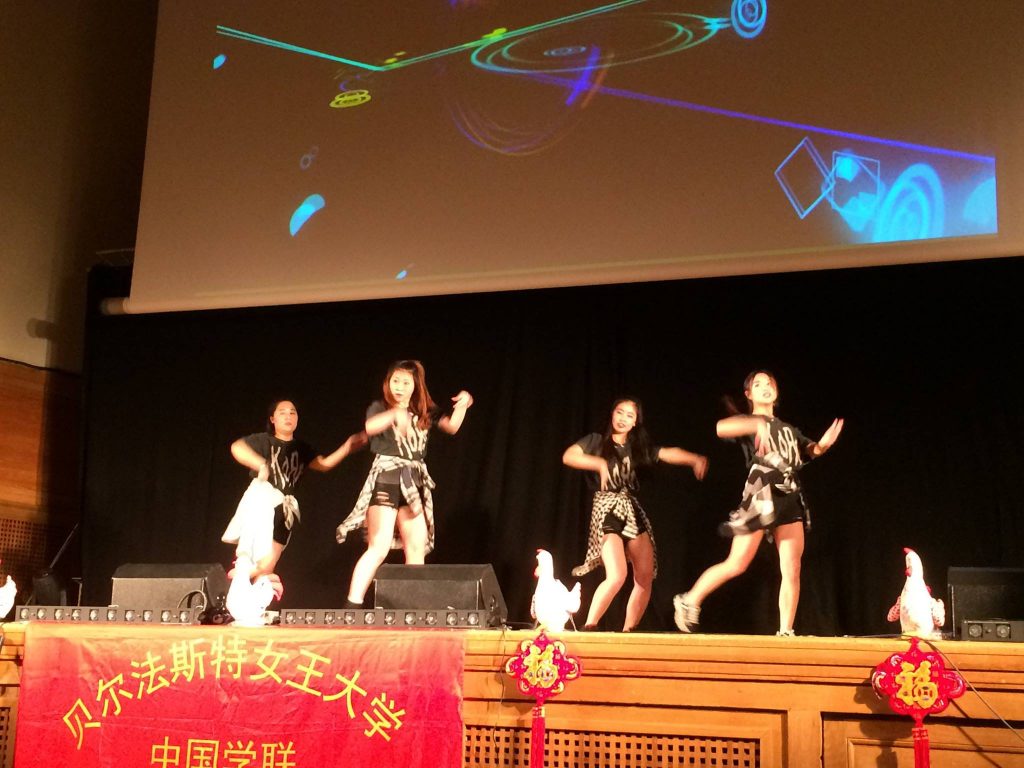
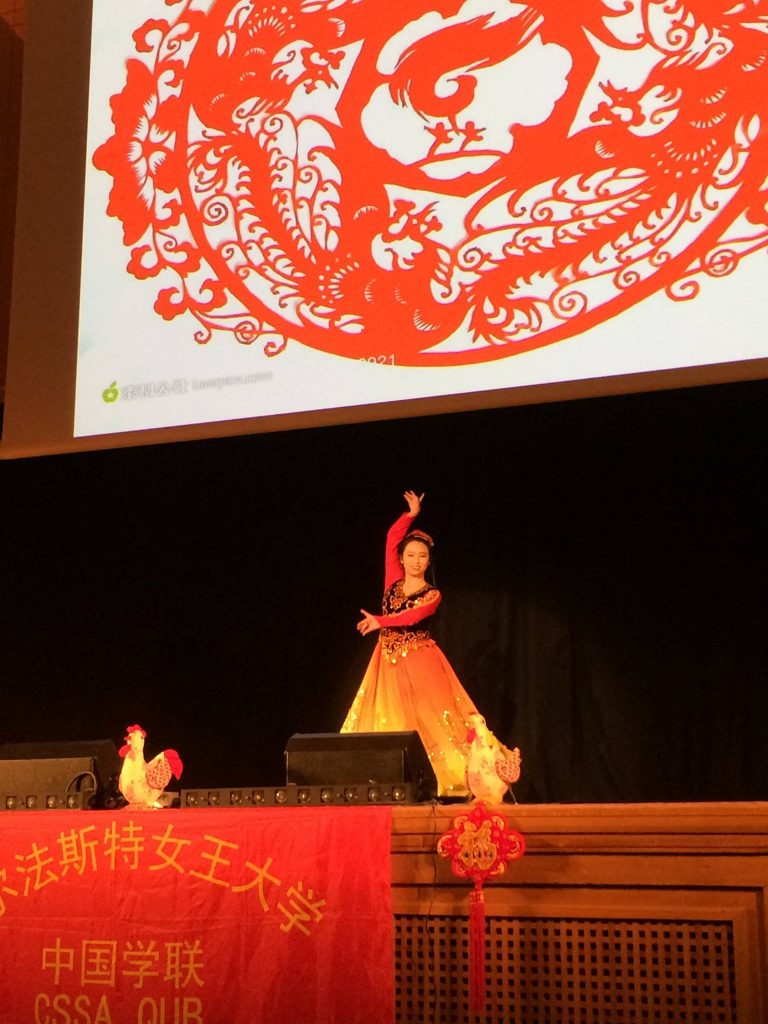
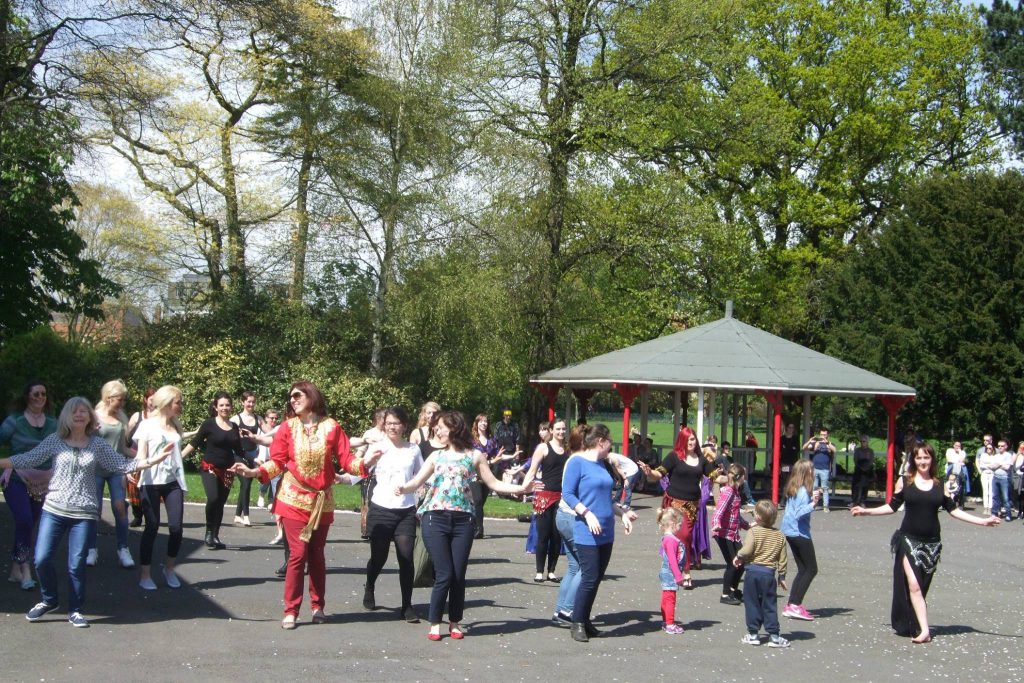
In the past, we have also enjoyed many excellent dance performances on campus. Here is a collection of some photos to share the great memory with you. If you have photos of yourselves performing dances or being an audience, feel free to share with us by leaving your message in the reply box below.

CNY2022 QUB KPOP Dance

The Year of the Tiger is not solely celebrated by the Chinese communities worldwide. Other nationalities also celebrate their lunar New Year concurrently.

At Queen’s as we are proud of being a multicultural campus, we would like to thank our QUB KPOP Society for joining us in the celebration with their dedicated performance for the Year of The Tiger.

For audience from mainland China, please click this link for access.