From Conference Vibes to New York Times: My First ASA Meeting in the USA

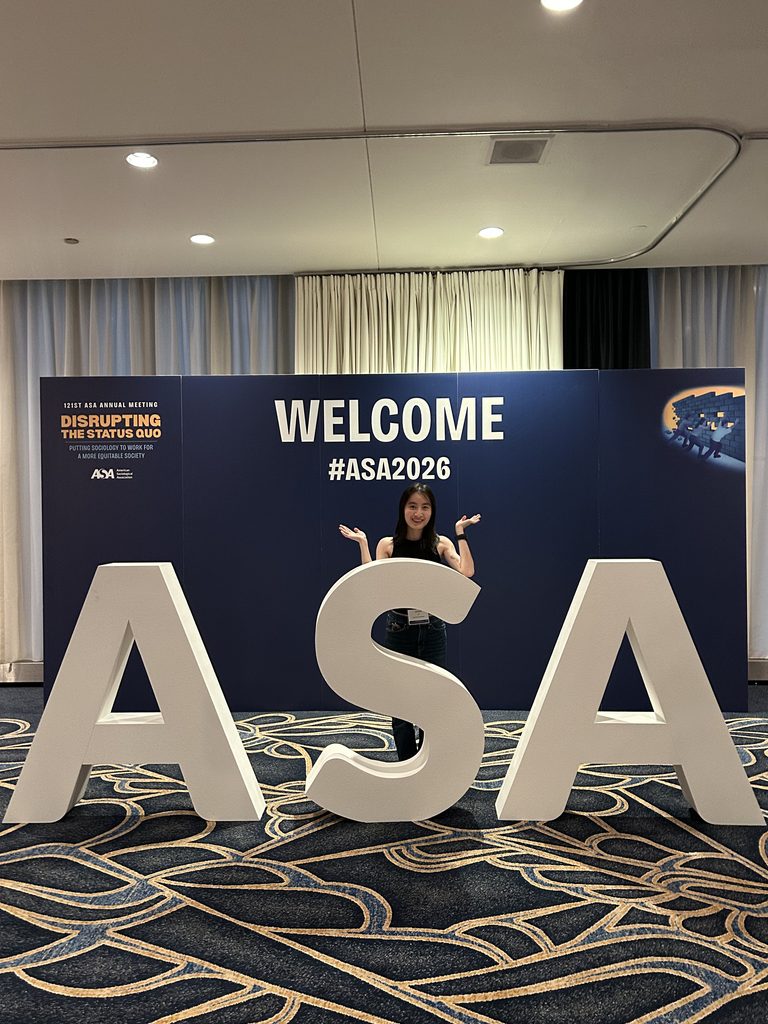
In August 2026, Junyue Li, a first-year PhD student from the School of Social Sciences, Education and Social Work, travelled from Belfast to New York City to attend the American Sociological Association (ASA) 121st Annual Conference. From presenting research and discovering new perspectives to witnessing political protests and exploring one of the world’s most vibrant cities, the experience offered much more than academic growth. We invited Junyue to reflect on the highlights, surprises, and lessons from this memorable trip.
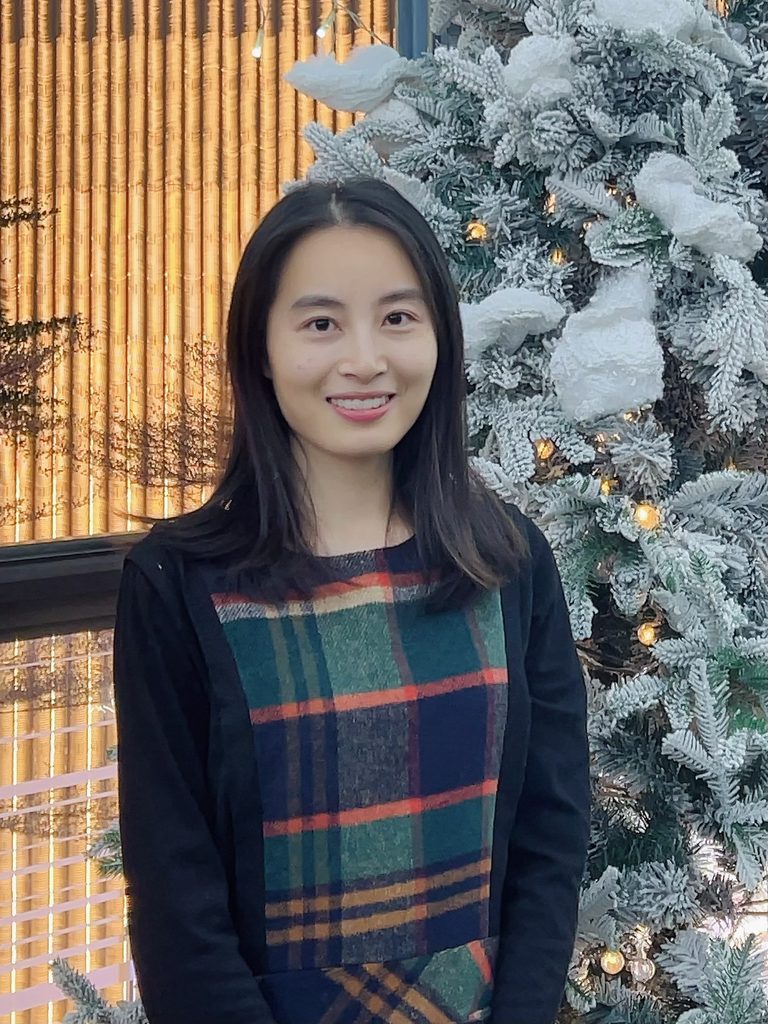
In April 2026, I was delighted to learn that my abstract had been accepted for the ASA Annual Meeting, a major international conference in Sociology. As a first-year PhD student, I saw this as an exciting opportunity to discover what sociologists around the world were researching and to gain an initial understanding of academic networking.

Getting there involved a hectic period of visa applications, funding arrangements, travel bookings, and writing a full paper. Fortunately, I arrived in New York just one day before a severe thunderstorm caused widespread flight cancellations.

Big Conference, Lighter Moments

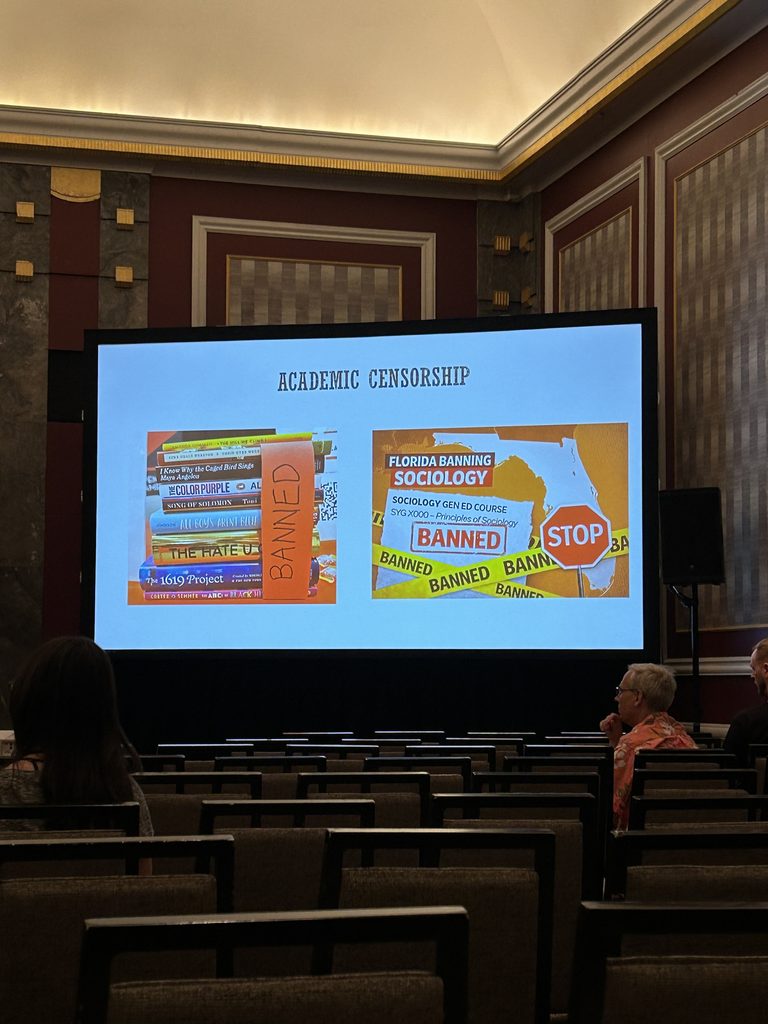
My first impression of the conference was its sheer scale. More than 4,000 people attended, with sessions starting as early as 8 am and multiple presentations running simultaneously. Over five days, I attended more than 15 sessions covering a wide range of sociological topics, yet I still felt I had missed plenty of interesting discussions, especially those taking place early in the morning. Apparently, I’m not much of a morning person, and I was happy to blame my hotel being a 25-minute walk from the conference venue! So, if your schedule is packed, I’d definitely recommend staying somewhere nearby.

Before attending the conference, I had imagined a more formal and serious atmosphere, but it turned out to be surprisingly relaxed. One plenary session explored how comedy can raise awareness of social issues, and the idea that humour can make a message more effective really stayed with me.

I also noticed presenters making jokes, audience members sharing spontaneous thoughts, and one graduate student using her presentation as an opportunity to showcase herself to established scholars in her field and potential employers in the academic job market. These moments reminded me that academia doesn’t always have to be so serious. We can take our research seriously without putting unnecessary pressure on ourselves.

From Presenting to Conversing

At the regular sessions, I was particularly impressed by the presenters’ storytelling skills. They used interview quotations, empirical examples, and quantitative data to build towards their findings in a natural and engaging way, making their arguments clear and accessible. Reflecting on my own previous presentations, I realised that I had sometimes focused too heavily on theories and findings, which could make my presentations feel rather dry and less engaging.

My paper was assigned to a roundtable session on Gender Roles and Ideologies within the Family. Five researchers, including me, presented our work, with audience members occasionally joining the discussion. We had an hour for presentations and Q&A, without the use of slides.

I found that this format encouraged a more conversational approach. Rather than trying to cover every detail, it was more effective to introduce the research briefly and engage with others’ ideas. I also took away two practical lessons: read other presenters’ papers beforehand whenever possible, and speak loudly enough to be heard in a room where several roundtable discussions are taking place simultaneously.
Across the Atlantic: US and UK Sociology

At the conference sessions, another striking observation concerned qualitative research. Several interview-based PhD projects involved 60-70 interviews, and I even encountered one with more than 160. In the UK, interview-based doctoral projects often involve around 25-35 interviews, as far as I am aware.

There may be several reasons for this difference, including variations in doctoral programme length, research design, and disciplinary expectations. US PhDs often take five to seven years to complete, compared with roughly three to four years in the UK, potentially allowing more time for data collection. Moreover, the strong quantitative orientation of American sociology may encourage qualitative researchers to demonstrate empirical breadth and rigour through larger interview samples.

However, I would be cautious about the assumption that “the bigger, the better” when it comes to qualitative research. When the aim is to understand meanings and experiences in depth, the quality and analytical richness of interviews matter as much as, if not more than, the number collected.

Another difference was the submission requirements. Unlike conferences across the UK and Europe, which usually require only a short abstract, the ASA required either a full paper or an extended abstract at the initial submission stage, followed by a full paper before the conference takes place. Although demanding, this requirement ultimately motivated me to turn my master’s dissertation into a paper and develop new perspectives on my previous research. Sometimes, a deadline is exactly what we need to drive a long-postponed project forward.

When Sociologists Disagree

Although we had been informed by email before the conference about potential protest activities, I was still shocked by the sudden disruption. During a plenary session, just as the ASA president was about to speak, protesters unfurled a banner and shouted, “Free Palestine.” Some also criticised the association for not taking a sufficiently clear position on the issue. The disruption lasted only a few minutes before the event resumed.

What struck me was that many of the protesters were sociologists or former ASA members. This was particularly interesting because it challenged the assumption that sociologists necessarily share similar political positions, even when they broadly share certain values.

In a sense, the protest brought the conference theme, “Disrupting the Status Quo: Putting Sociology to Work for a More Equitable Society,” into the conference itself. I also learned that some sessions on sensitive topics, including immigration, had been relocated without wider notification.

These experiences reinforced my belief that academia is not an ivory tower detached from reality. Universities, professional associations, and academic conferences are embedded in the same political tensions and social inequalities that sociologists seek to understand.
New York, New Insights

Although I travelled alone from the UK, I experienced warmth, both literally and metaphorically, in New York City. Evening receptions at the conference provided valuable opportunities for networking. I was fortunate to meet two friendly researchers who were also working in Europe (one in the Netherlands and the other from Switzerland), and we explored the city together after the conference.

I must admit that one of my main motivations for submitting an abstract to the conference was its location. As a result, alongside immersing myself in the intellectual environment, I also made time to experience New York itself: Times Square, Central Park, the Statue of Liberty, Wall Street, the High Line, museums, and a Broadway musical. I could only scratch the surface of Manhattan, but the city’s energy and diversity left a lasting impression.

One particularly interesting observation concerned Asian American communities. Compared with everyday usage in the UK, where “Asian” often refers primarily to South Asian communities, the term in the US encompasses substantial and diverse East and Southeast Asian populations. I also noticed considerable differences between myself and some of the ethnic Chinese people I encountered, many of whom were second- or third-generation Chinese Americans with their own distinct cultural and national identities.

This made me reflect on the different migration histories and demographic contexts of the two countries. I was also struck by how well established Asian American studies is as an academic field in the US, whereas research on Asian communities in the UK can appear more dispersed. It made me wonder what further opportunities might exist for developing this area of research in the UK.
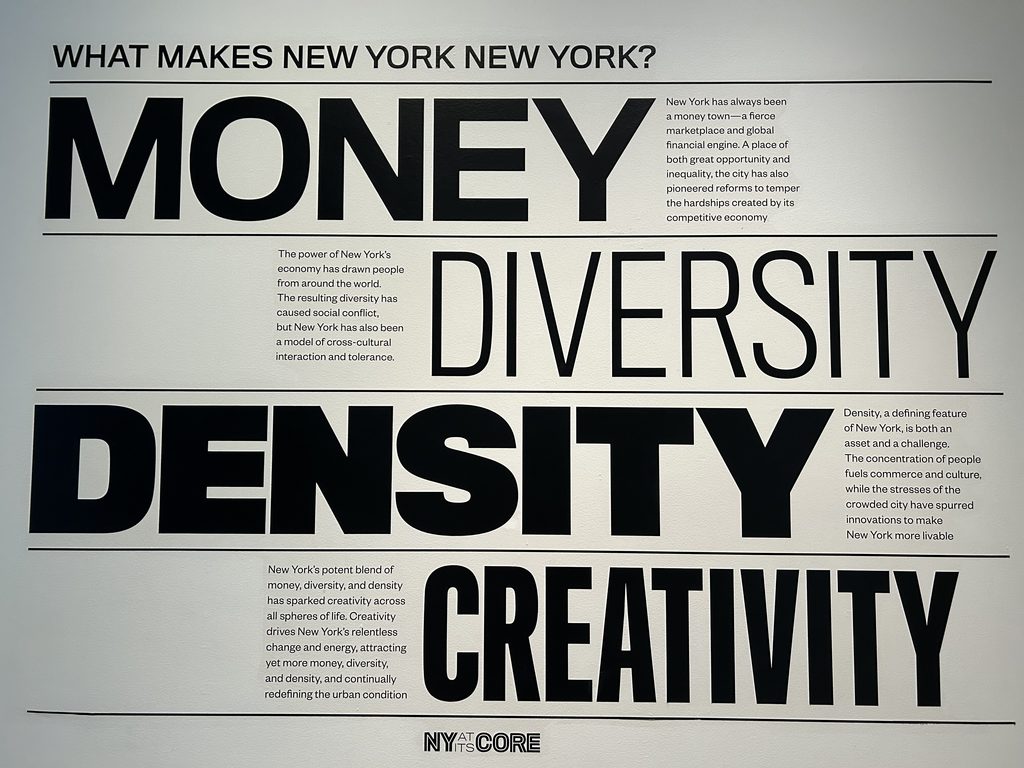
Overall, it was an incredibly absorbing and rewarding experience. Beyond listening, presenting, and engaging in discussion, I came away with something more: a clearer sense of sociology as a broad, diverse, and sometimes challenging intellectual community. Most importantly, I began to see my own place within this much larger academic world.

For an early-career researcher, a conference is not just a place to present a paper. It is an opportunity to discover new questions, challenge assumptions, build relationships, and better understand the wider world in which our research takes place.

Last but not least, I am grateful to my school, SSESW, and my funder, the DfE, for their financial support, which made my attendance at the conference possible.

Author: Junyue Li (李君悦)
Editor: Liang Wang (王亮)
China Research Forum NI inaugurated

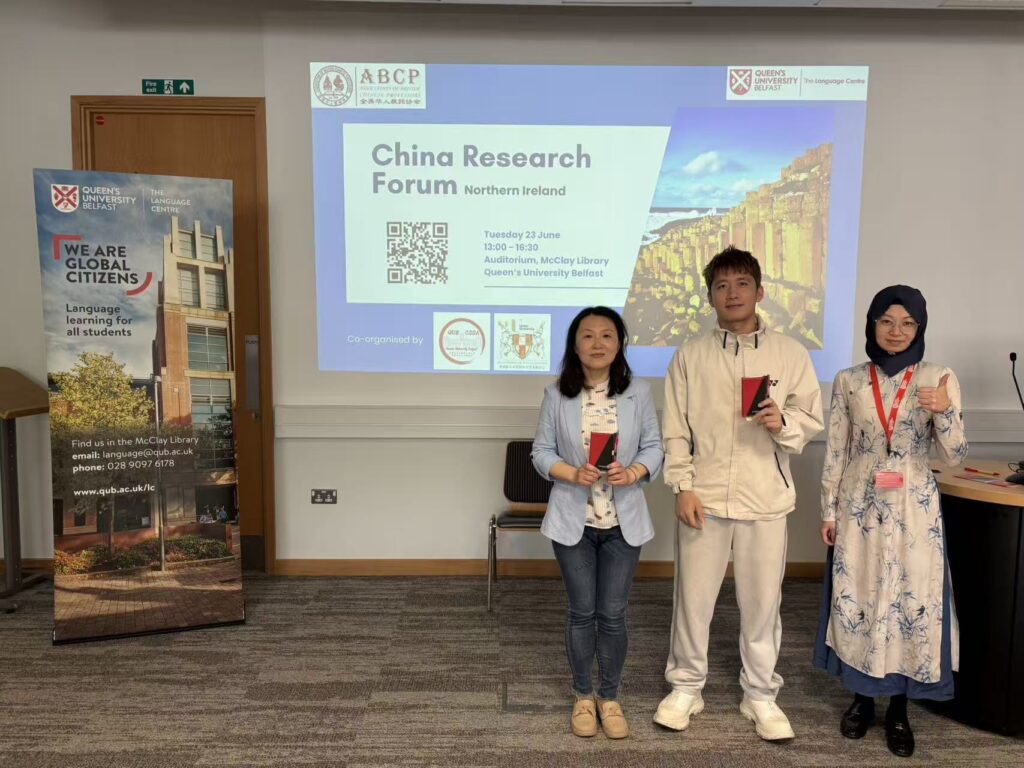
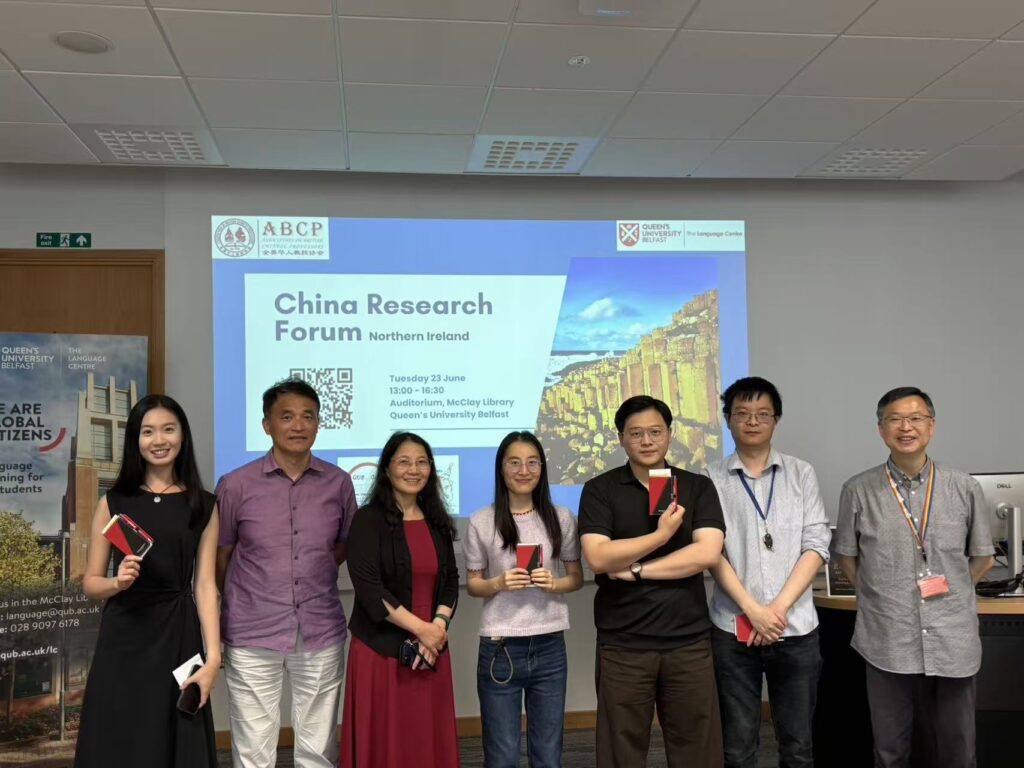
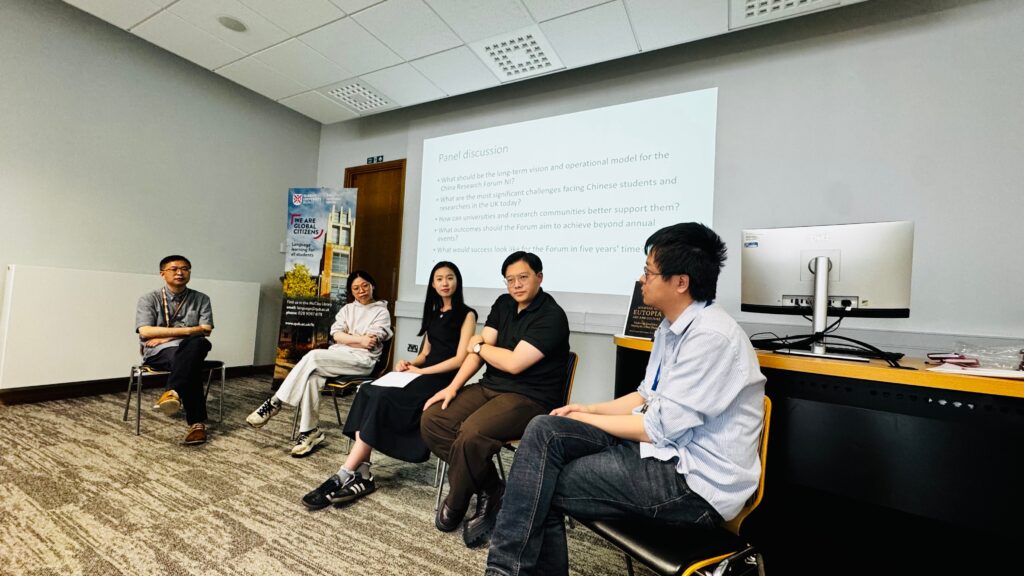
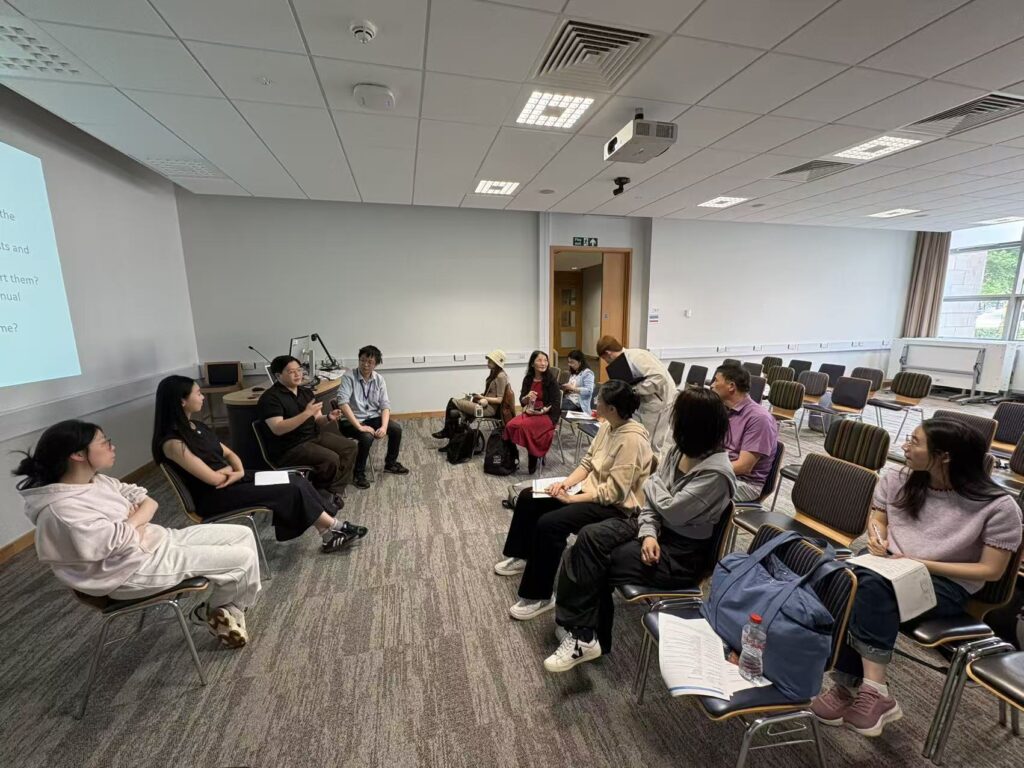
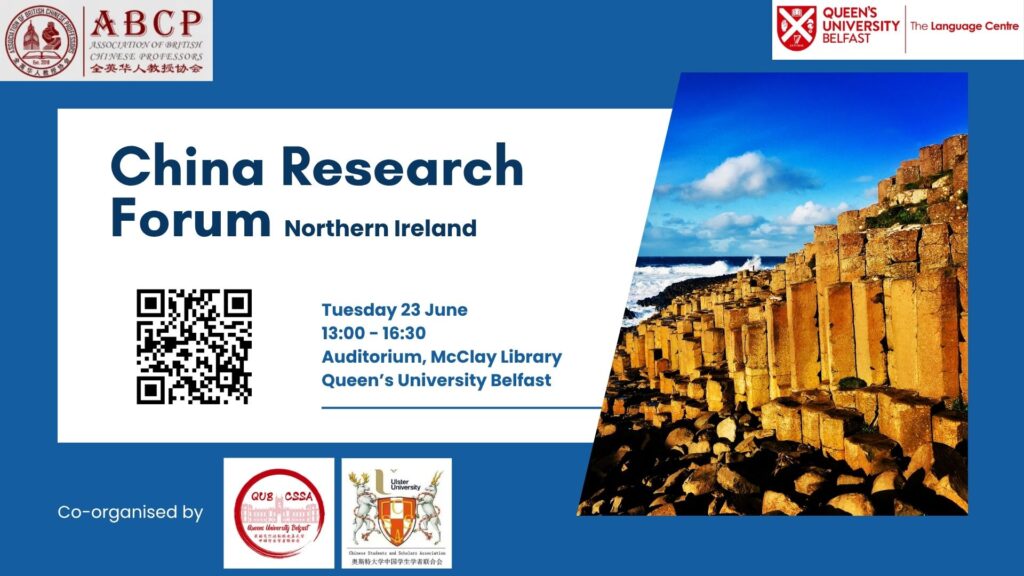
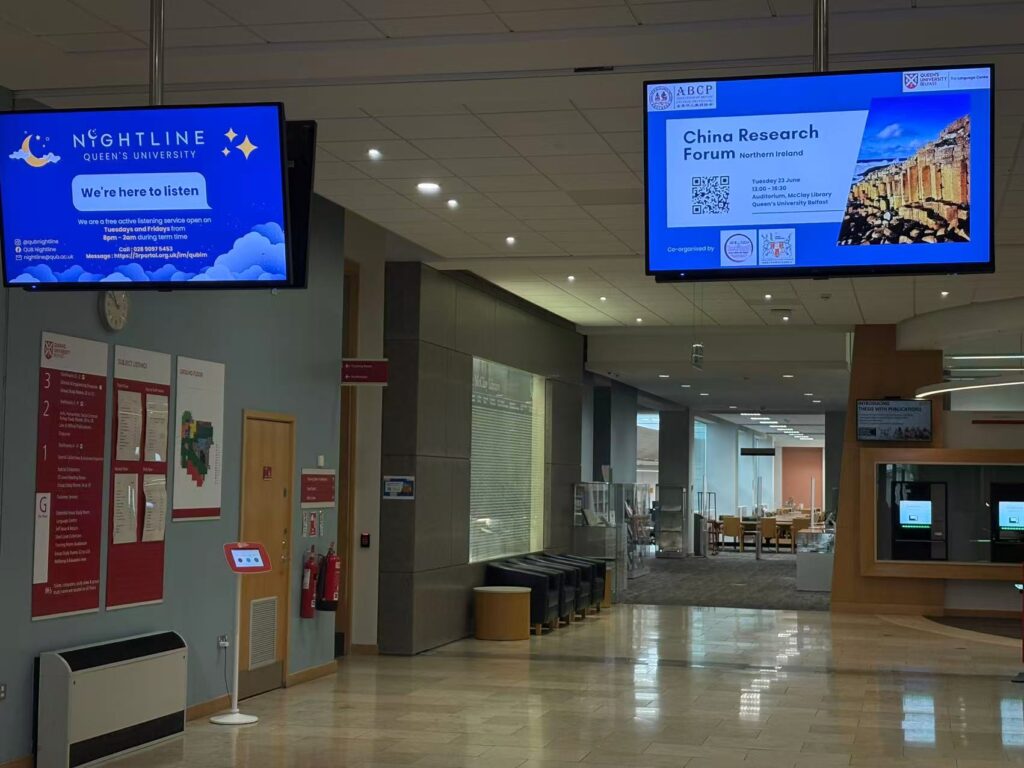
On 23 June, Northern Ireland (NI) experienced its hottest day of the year so far. The inaugural China Research Forum NI matched the heat with an equally energetic atmosphere, bringing together around 30 participants for lively discussions on a wide range of China-related topics at the McClay Library Auditorium, Queen’s University Belfast.

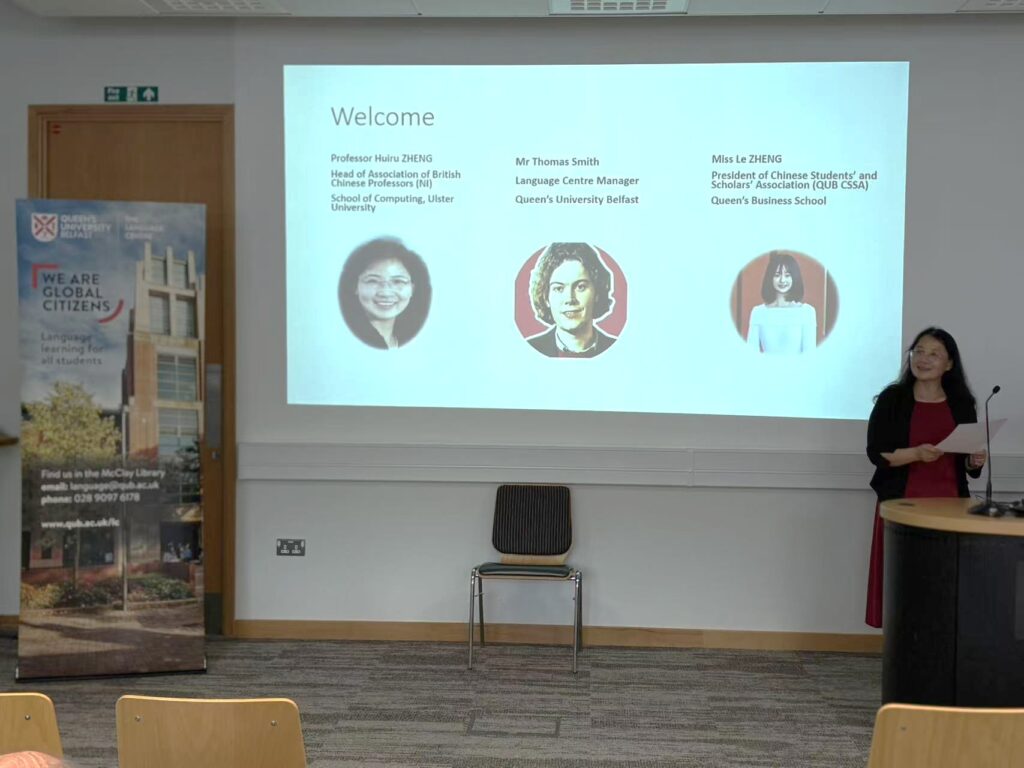
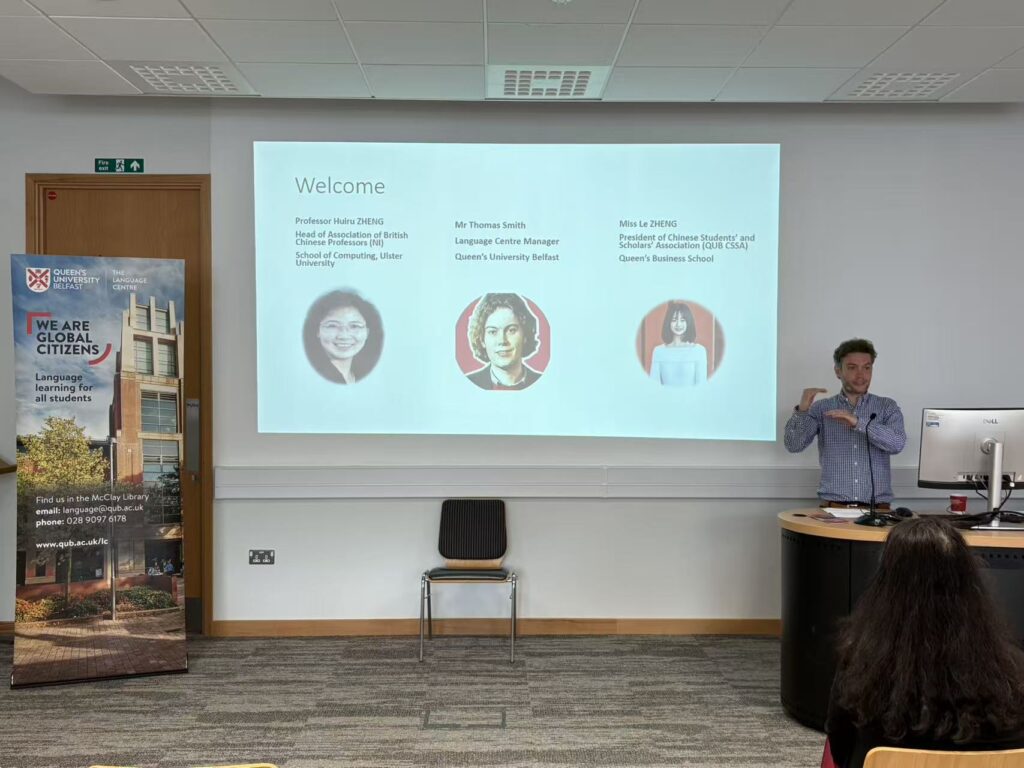
Jointly organised by the Chinese Students’ and Scholars’ Associations of Queen’s University Belfast and Ulster University, under the guidance of the Association of British Chinese Professors (ABCP) Northern Ireland Region and Queen’s Language Centre, the Forum provided a vibrant platform for academic exchange and interdisciplinary dialogue. Professor Huiru Zheng, coordinator of ABCP NI, in her welcome speech, emphasized that

“At a time when global challenges increasingly require international perspectives and cross-cultural understanding, initiatives such as this forum play an important role in promoting informed dialogue and constructive engagement. Beyond the academic programme, the forum’s commitment to public lectures, roundtable discussions, and community engagement reflects the broader goal of connecting scholarship with society and fostering mutual understanding.

ABCP is especially proud to support this student-led initiative. By encouraging research excellence, intercultural competence, and active community participation, the forum embodies values that are central to our mission. We hope it will not only showcase outstanding research but also inspire new partnerships, future collaborations, and lasting academic networks.”

Mr Thomas Smith, Queen’s Language Centre Manager, welcomed participants from both universities and elsewhere, highlighting the value of forstering academic and professional skill sets through intercultural awareness, in which language and cultural understanding plays a pivotal role. The Language Centre at Queen’s does not merely provide foreign language courses, but also help promote a multicultural campus and society.

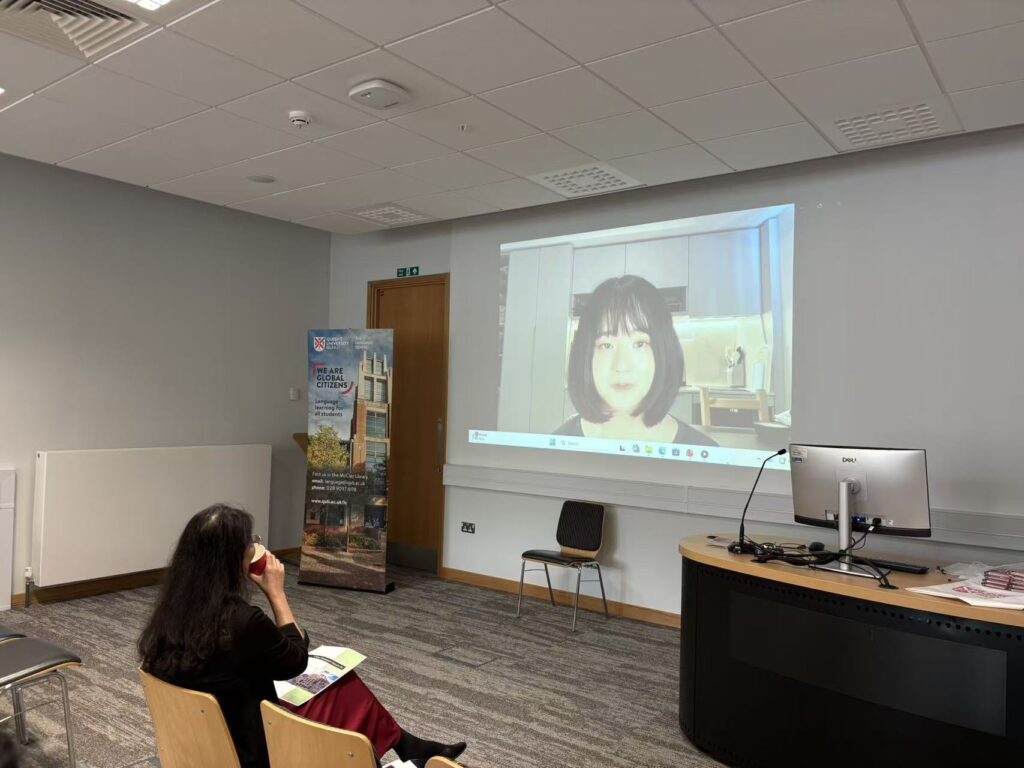
Miss Le Zheng, President of the Chinese Students’ and Scholars’ Association (CSSA) at Queen’s, although unable to attend the Forum due to a conference commitment outside Belfast, sent a recorded welcome message to participants, expressing her support for the initiative and encouraging attendees to make the most of this valuable opportunity for meaningful interdisciplinary dialogue and exchange. She wished everyone a productive and engaging forum, fostering new ideas, connections, and collaborations across disciplinary boundaries.

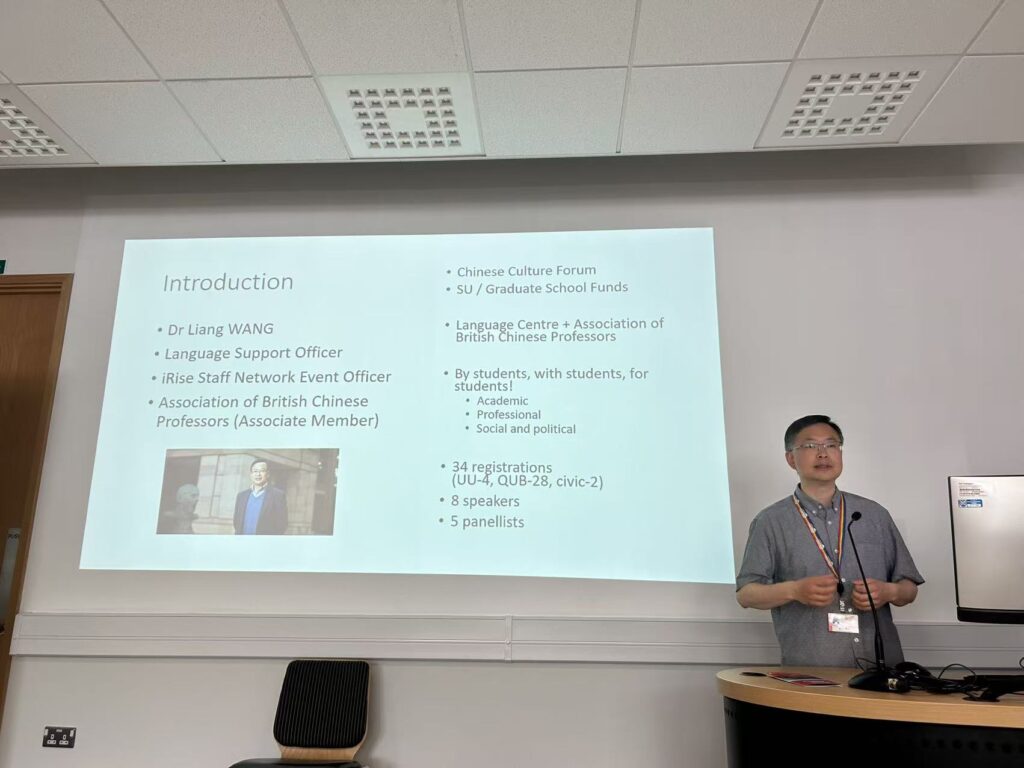
Dr Liang Wang, facilitator of this event, made a brief introduction to the foundation of the Forum and emphasized the goal of this initiative — a platform by students, for students and with students. He expressed his sincere gratitude to all speakers, volunteers, sponsors and participants’ support in making it happen within a relatively short period of preparation.

The presentations covered a rich variety of themes, including heritage literacy, religious practices, women and fashion, technology and healthcare, history and literature, language learning and the impact of artificial intelligence (AI), mothering and migrant motherhood, as well as student-led initiatives such as a film festival and an academic journal.

This breadth of topics fostered a highly interactive and intercultural environment, encouraging meaningful discussions and insightful exchanges between speakers and audience members from diverse disciplinary and cultural backgrounds. Thanks to the speakers, a collection of their presentations can be reviewed from the following link:

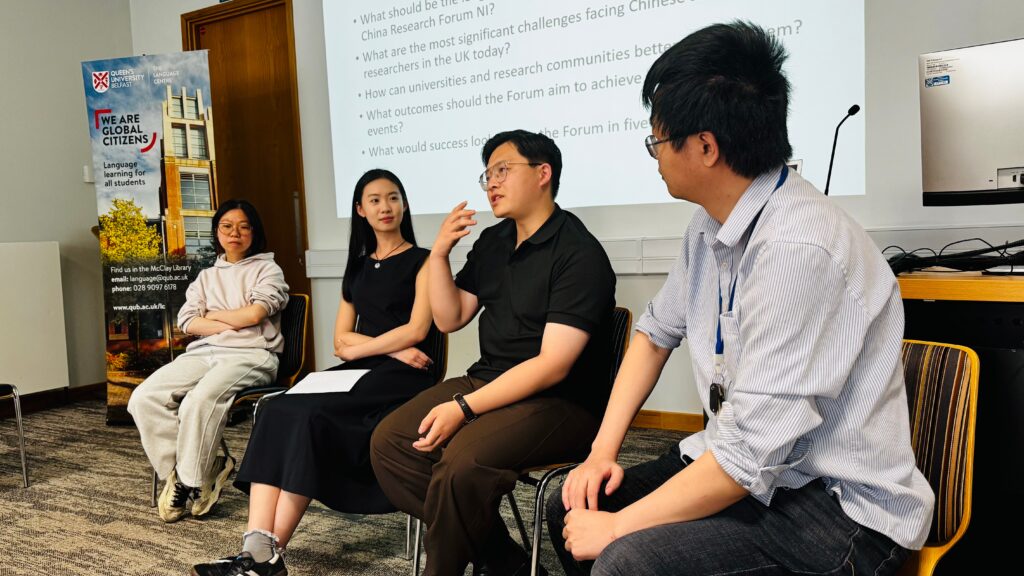
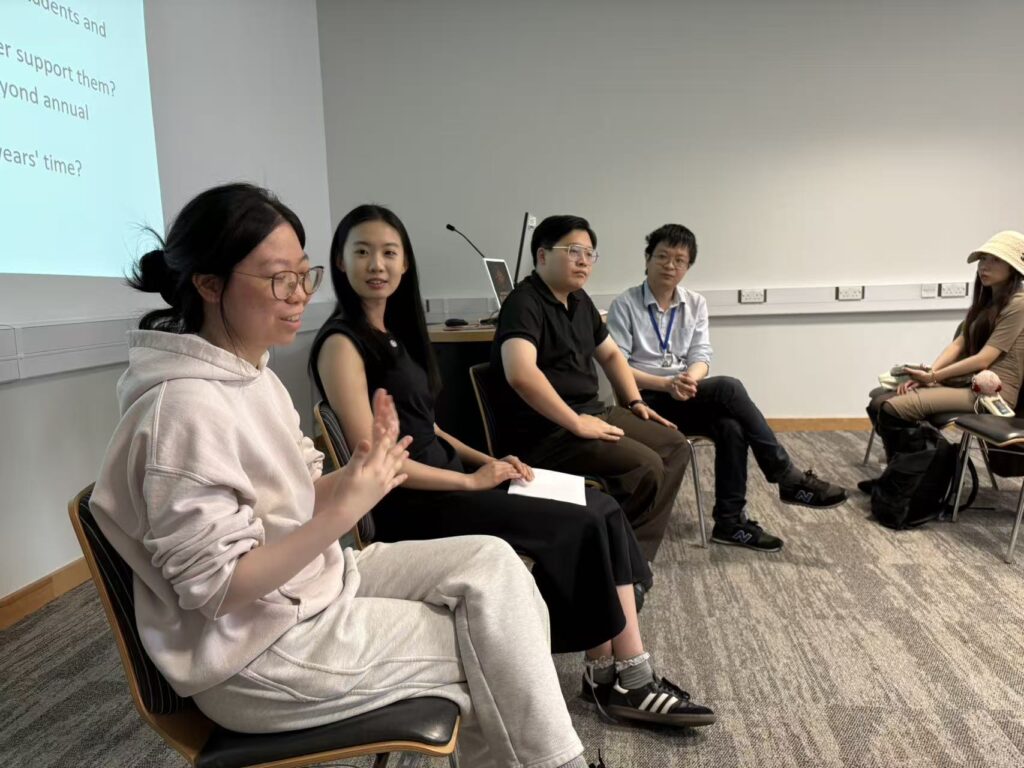
The Panel Discussion, chaired by Dr Liang Wang, welcomed student representatives Lijun Xue, Zhuofei Bian, Tianpeng Yao, and Xiaoxiang Ma as panellists. The discussion focused on the Forum’s vision, operational model, the challenges faced by Chinese students and early-career researchers, institutional support, potential outcomes, and future development. The panel was further enriched by contributions from Professor Sha Wei, Academic Lead for Race and Cultural Inclusion at Queen’s, and Professor Huiru Zheng, coordinator of ABCP NI.

A clear consensus emerged among both panellists and audience members that the Forum provides a valuable platform for researchers to meet, exchange ideas, and learn from one another across disciplinary boundaries. Participants agreed that this mutually beneficial spirit should remain central to future Forum activities, regardless of their format. Another key benefit identified was the opportunity for presenters to step outside their disciplinary comfort zones. Rather than presenting solely to supervisors and specialists within their own fields, participants were encouraged to communicate their research to a broader audience from diverse academic and professional backgrounds. This shift promoted the development of transferable communication and engagement skills, aligning closely with the objectives of the Vitae Researcher Development Framework.

Panellists also expressed a shared aspiration for the Forum to become more inclusive by attracting non-Chinese scholars and research students working on China-related topics or research involving local Chinese communities. Professor Zheng noted that comparative studies involving both China and other contexts, such as Northern Ireland, could be particularly effective in fostering dialogue and attracting wider participation. Drawing on their recent conference experiences in Dublin, both Lijun Xue and Dr Liang Wang suggested that expanding the Forum’s scope to include broader Asian or East Asian studies may be a worthwhile long-term goal.

Regarding the challenges faced by Chinese students in the UK, Zhuofei Bian observed, based on her own research, that many obstacles are shared by international students more generally, including language barriers and the development of professional and practical skills required for success in intercultural academic environments. While emphasising the importance of students proactively seeking support from supervisors and university services, she also argued that universities should provide more streamlined and accessible signposting to key resources, including academic English support, careers guidance, and skills development opportunities, especially in the age of AI.

In addition to academic challenges, participants discussed the impact of cultural adaptation, local living conditions, and wider political and economic developments on students’ wellbeing. Drawing on her own experiences, Lijun Xue highlighted how unfamiliar cultural norms and practical aspects of daily life can create uncertainty and anxiety for international students. She suggested that universities should strengthen orientation programmes and cultural awareness initiatives to help students better understand local contexts and engage confidently with surrounding communities. Professor Sha Wei echoed these concerns and reaffirmed the University’s responsibility to ensure that students experiencing difficulties receive appropriate support and guidance.

Another topic that generated considerable interest was the impact of technological advancement on research and professional development. Drawing on his recent job application experiences in China, Tianpeng Yao explained how AI is increasingly becoming a factor in recruitment processes and professional assessment. He suggested that AI is likely to have a profound influence on the future academic and employment landscape, creating both opportunities and challenges for emerging researchers.

When discussing the future dissemination of Forum outcomes, Xiaoxiang Ma, Chief Editor of the Journal of Eutopia Art and Culture, highlighted the importance of transforming suitable presentations into publications. Alongside more immediate forms of dissemination, such as blogs and online platforms, he suggested that publication opportunities could provide a strategic mechanism for sustaining the Forum’s academic impact and visibility.

Due to time constraints, the discussion could not explore all topics in depth. Participants were therefore invited to continue contributing their ideas and suggestions through the Forum evaluation form, enabling a broader collection of feedback to inform future development.

Written by Dr Liang Wang, with contributions from notes taken by Junyue Li during the panel discussion.

Read the Chinese version: 在贝尔法斯特,共话中国

China Research Forum NI Programme Released

Tuesday 23 June 2026
1:00 – 4:30 pm
The Auditorium, McClay Library, Queen’s University Belfast

Programme

  • 1:00-1:10 Registration (Tea/Coffee)
  • 1:10-1:30 Welcome and Introduction
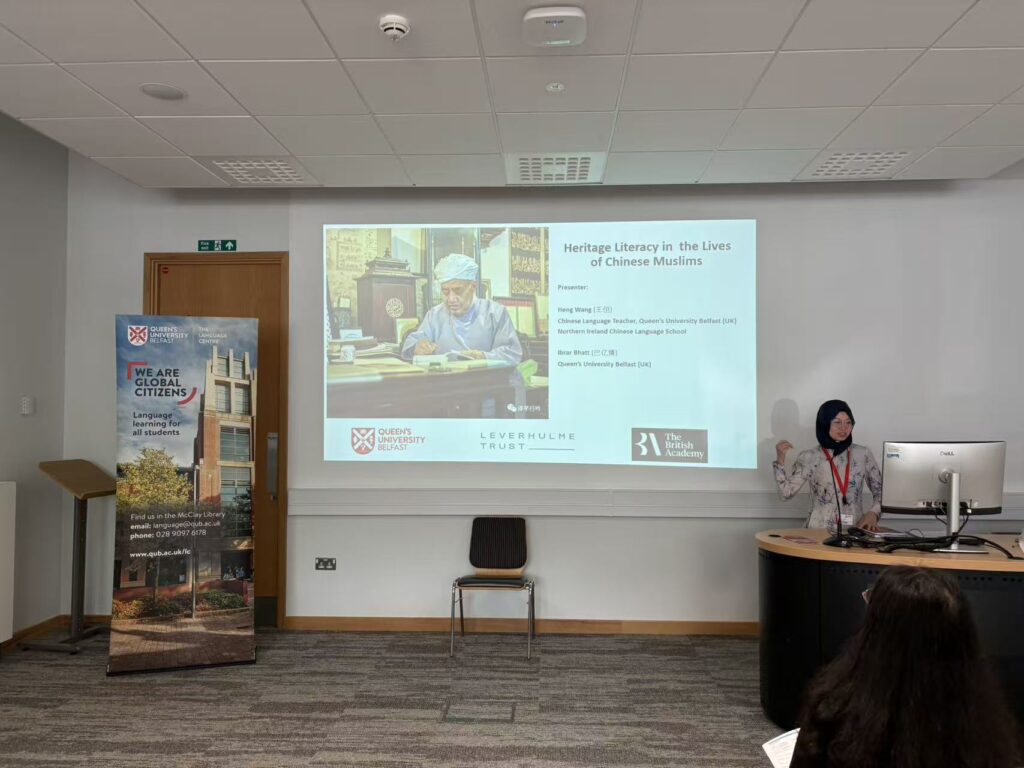
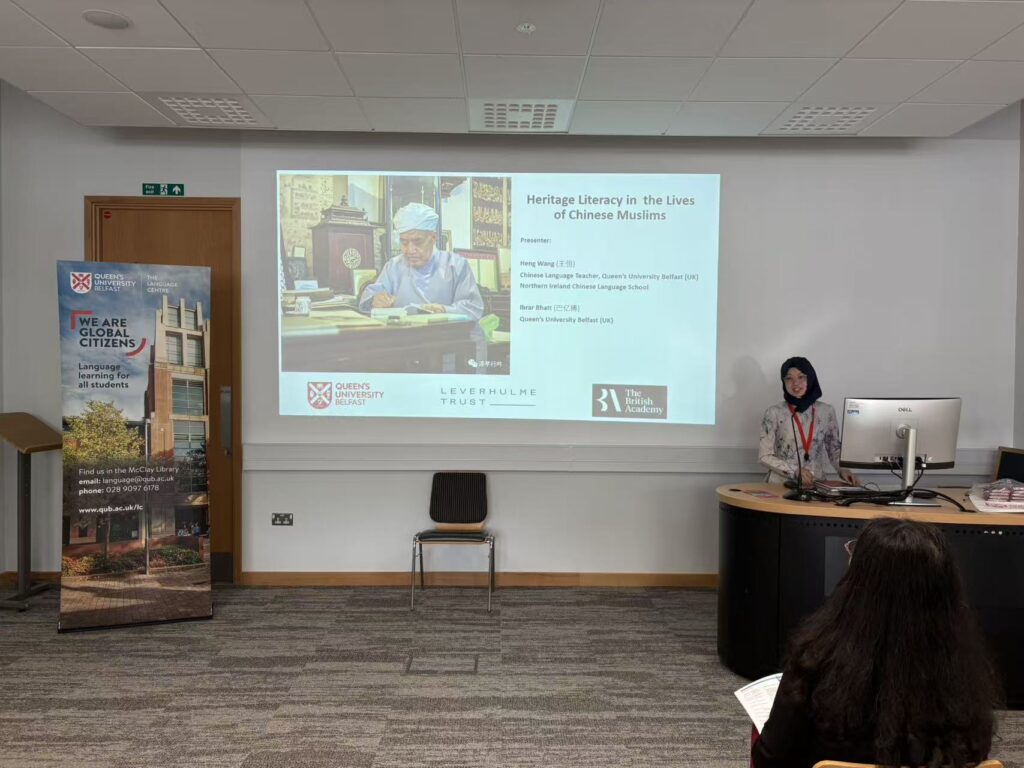
  • 1:30-1:50 Session 1 Heritage literacy in the lives of Chinese Muslims (Heng WANG)
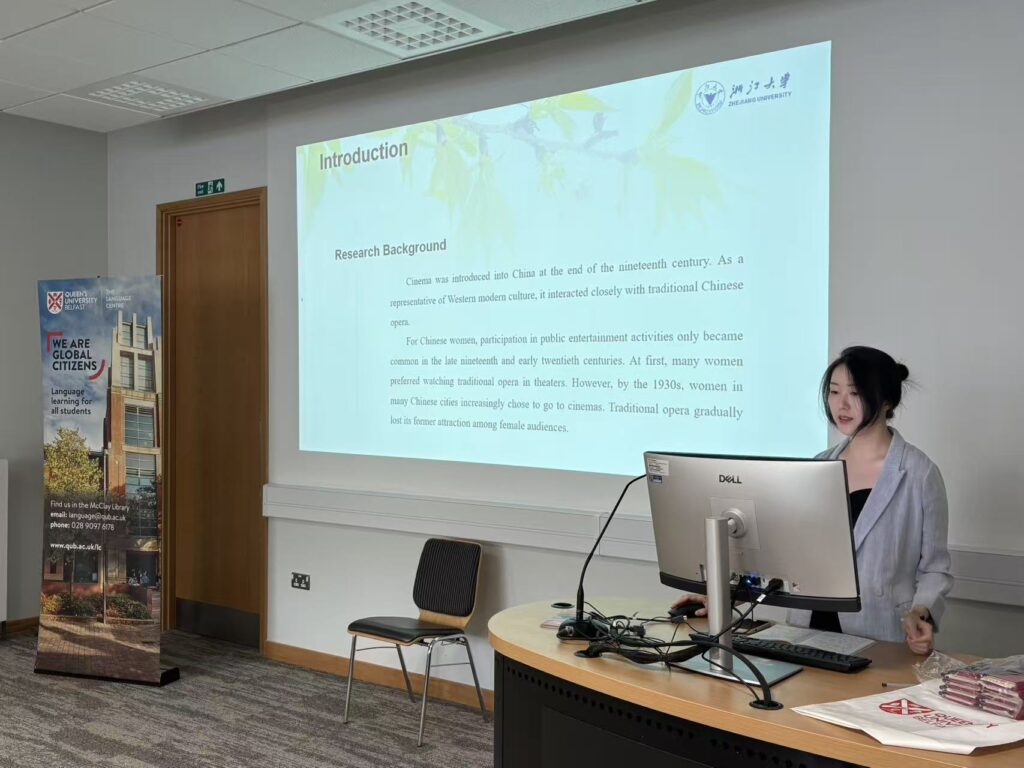
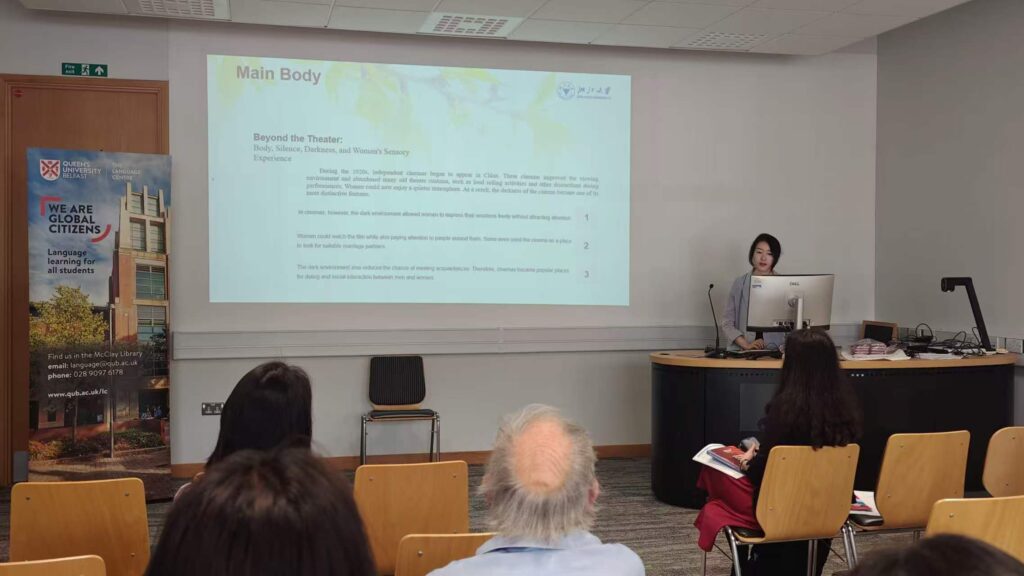
  • 1:50-2:10 Session 2 From Theatre Boxes to Cinemas: Chinese Women’s Entertainment Choices in the Cultural Contexts of East and West in the Early 20th Century (Wanyu LI)
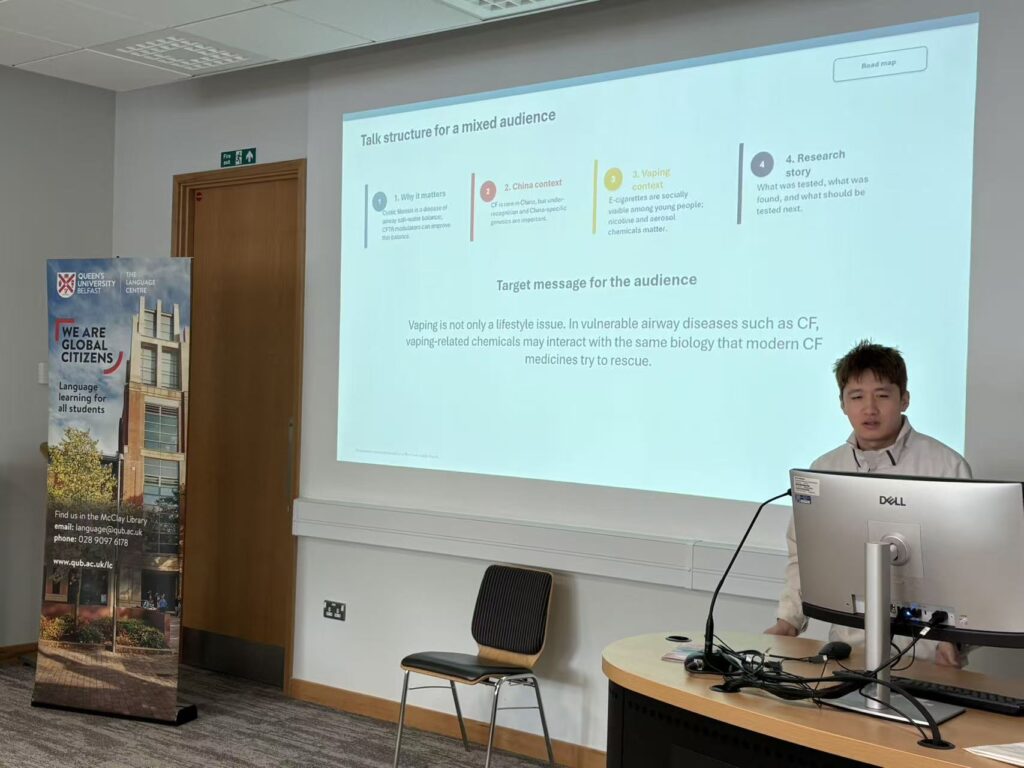
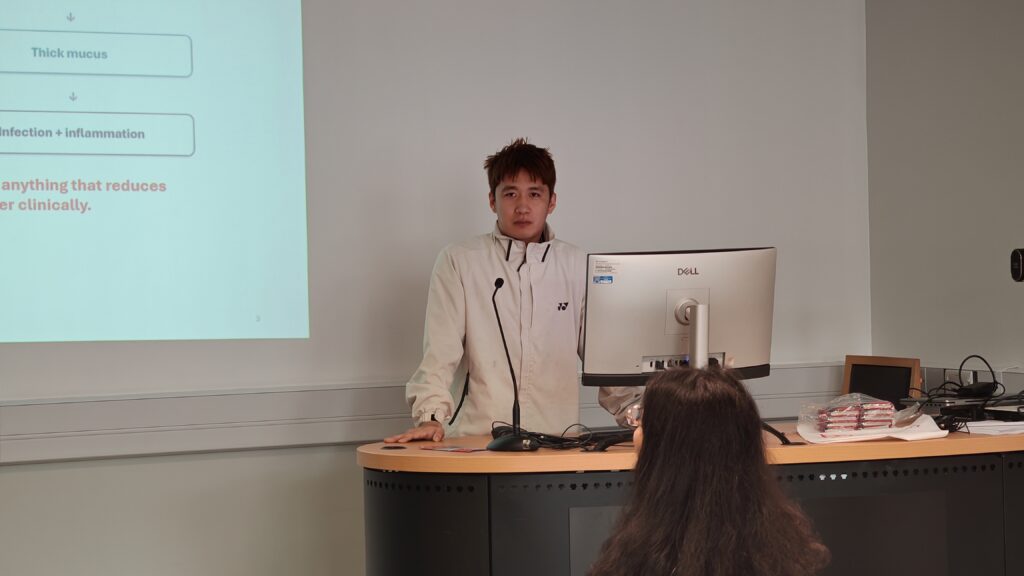
  • 2:10-2:30 Session 3 E-cigarette Exposure, CFTR Dysfunction and Airway Inflammation: A China-Focused Airway Epithelial Study (Caoyang SHI)
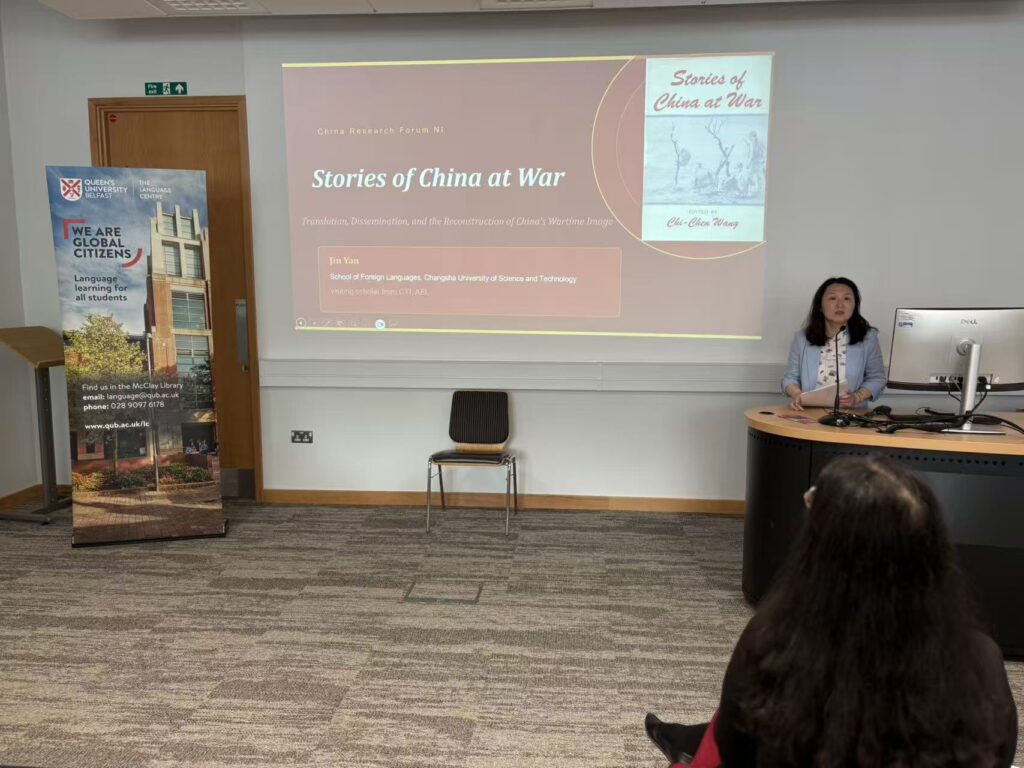
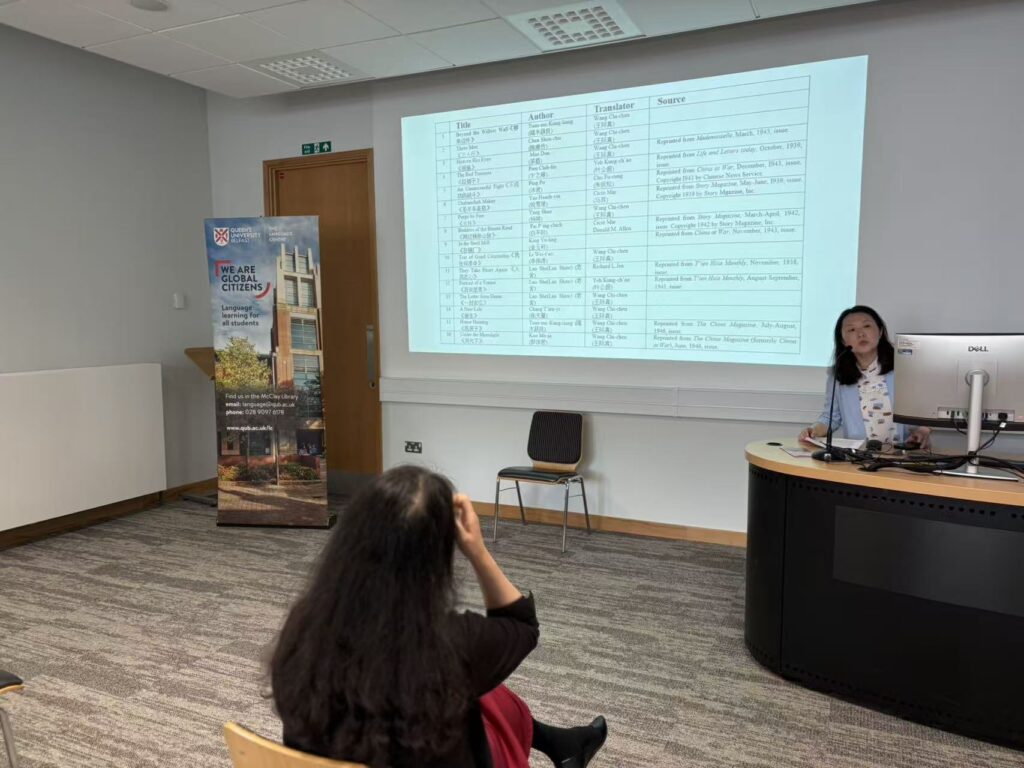
  • 2:30-2:50 Session 4 Translation of Chinese Anti-Japanese War Literature and Reconstruction of China’s Wartime Image: A Case Study of Stories of China at War (Jin YAN)
  • 2:50-3:00 Break and Poster Harmony Beyond Borders – A Cross-cultural Fusion of Guzheng and Irish Traditional Music (Wei DENG)
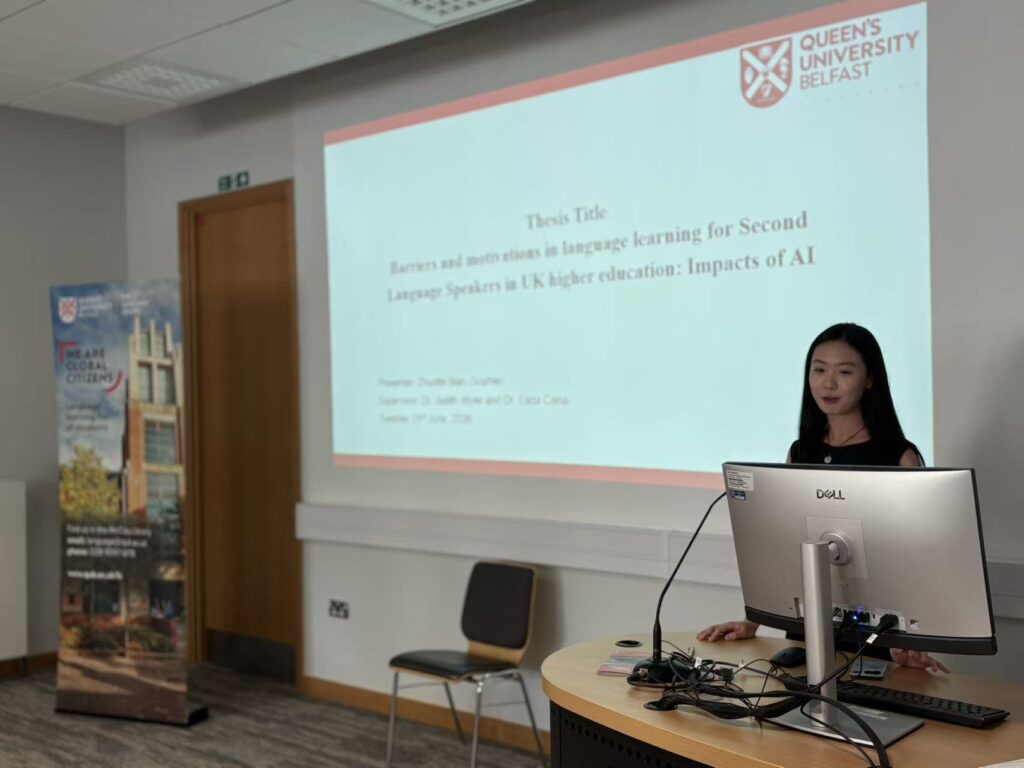
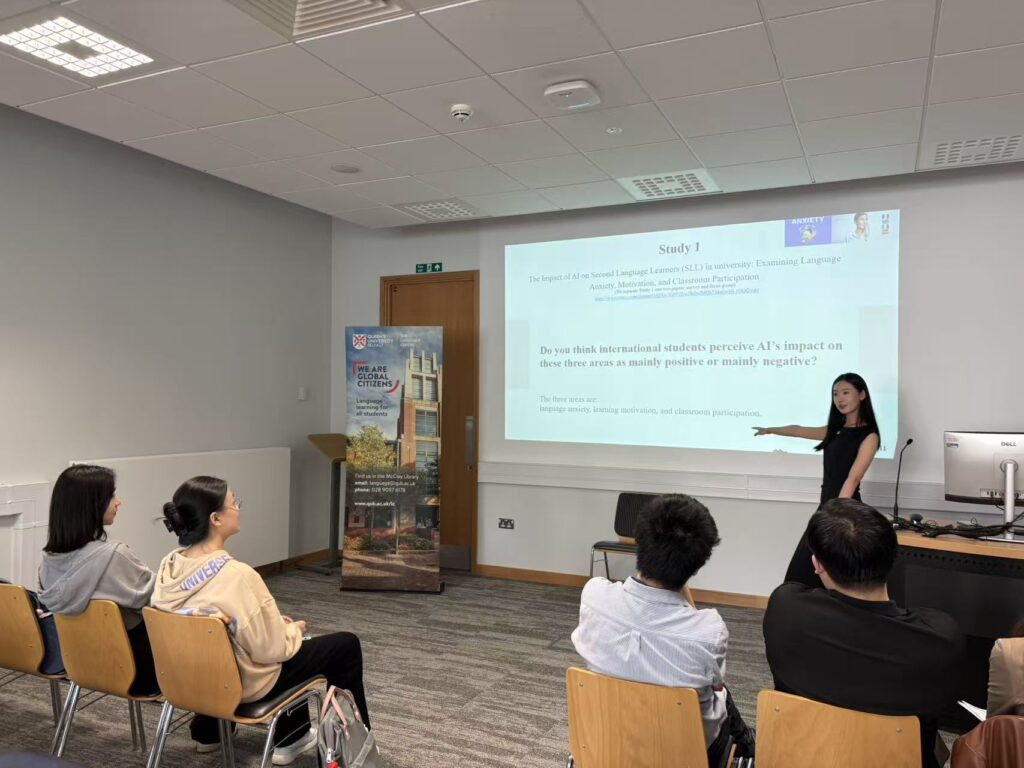
  • 3:00-3:20 Session 5 Barriers and motivations in language learning for Second Language Speakers in UK higher education: Impacts of AI (Zhuofei BIAN)
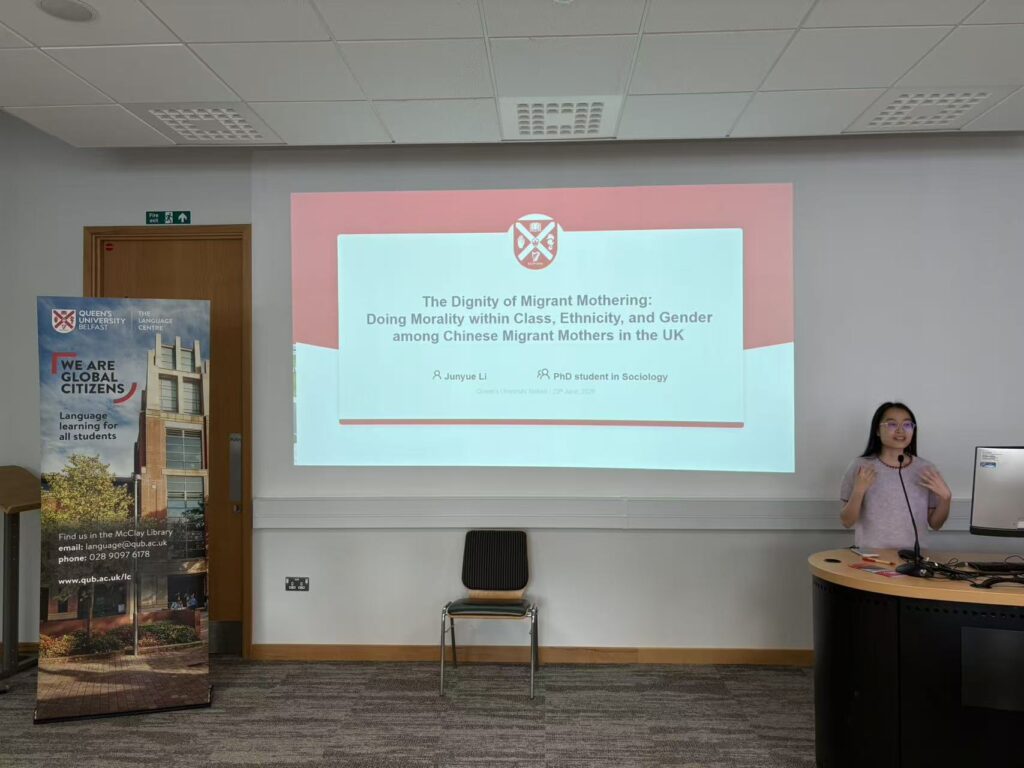
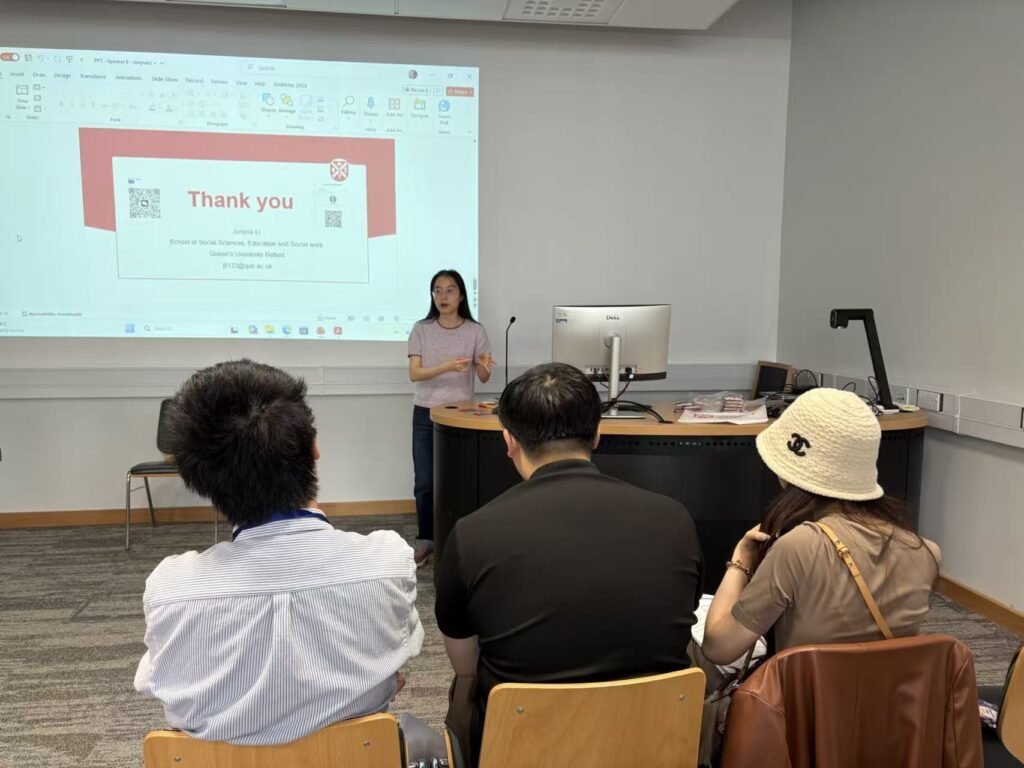
  • 3:20-3:40 Session 6 The Dignity of Migrant Mothering: Doing Morality within Class, Ethnicity, and Gender among Chinese Migrant Mothers in the UK (Junyue LI)
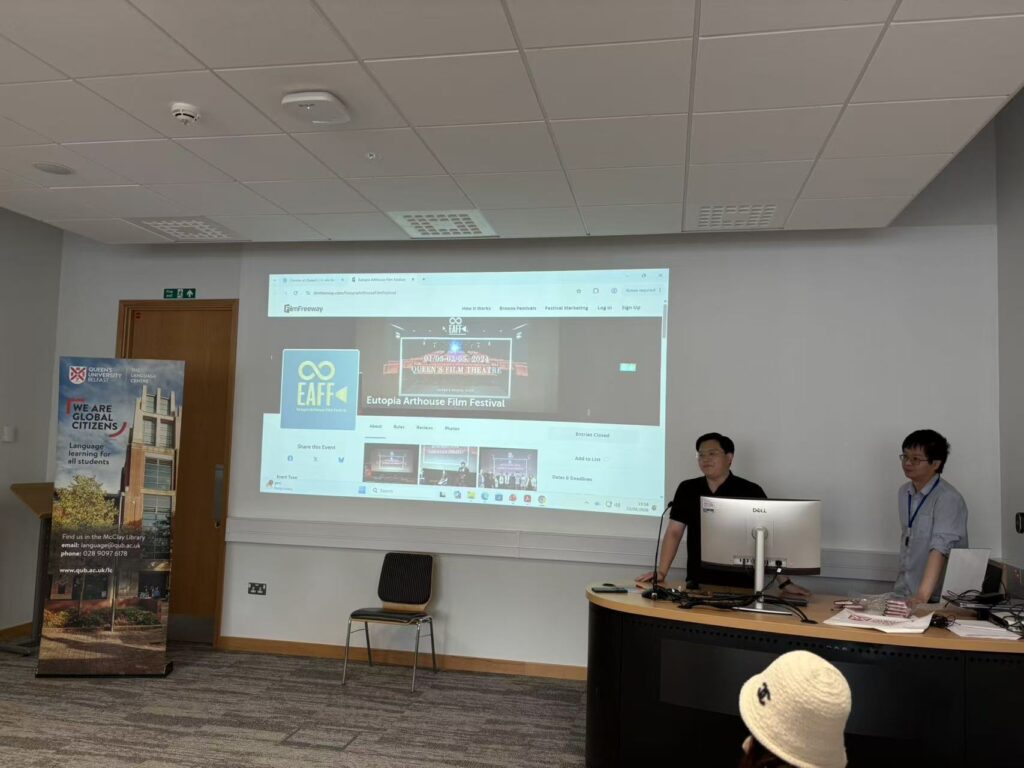
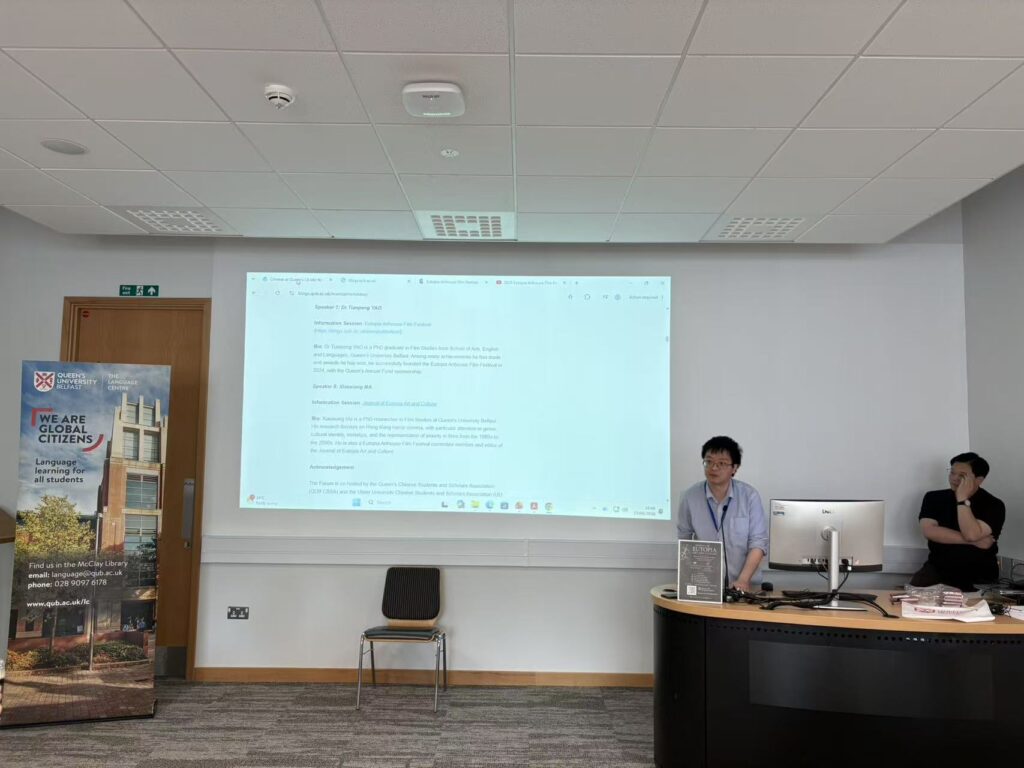
  • 3:40-3:50 Session 7 Eutopia Arthouse Film Festival (Dr Tianpeng YAO)
  • 3:50-4:00 Session 8 Journal of Eutopia Art and Culture (Xiaoxiang MA)
  • 4:00-4:20 Panel discussion – The Future of China Research Forum NI (Liang WANG, Xiaoyi ZHANG, Lijun XUE, Zhuofei BIAN, Tianpeng YAO, Xiaoxiang MA)
  • 4:20-4:30 Closing ceremony and group photo (Dr Liang WANG)

Speakers and Presentations

Speaker 1: Heng WANG

Title: Heritage literacy in the lives of Chinese Muslims

Abstract: With an ethnographic approach, the researchers observed key heritage literacy event, daily illustration, art demonstration and religious practices among Chinese Muslims. Rich research findings and output were carried out by several publications.
Keywords: Chinese Muslim, religious practice, heritage literacy, ethnography

Bio: Heng Wang served as a research assistant of several research projects on heritage literacy of Chinese Muslims. She also is a language and Chinese classical dance teacher.

Speaker 2: Wanyu LI

Title: From Theatre Boxes to Cinemas: Chinese Women’s Entertainment Choices in the Cultural Contexts of East and West in the Early 20th Century

Abstract: In modern Chinese society, the influence of Western cultural imports extended beyond mere ideas or institutions. It quietly reshaped the daily lives of ordinary Chinese people through everyday practices—clothing, food, housing, transportation, entertainment, and consumption. Although cinema briefly aligned with traditional Chinese theatre upon its introduction, the medium’s inherent characteristics and the Western values of equality, openness, and freedom ultimately diverged its path from that of Chinese theatre. This divergence helped Chinese women more keenly discern differences between local theatre and Western cinema in spatial experience, textual interpretation, and modernity. The darkness of cinema screening environments facilitated female audiences in expressing emotions, satisfying curiosity, and even engaging with the opposite sex. The direct realism of film production enabled women to comprehend and utilize cinematic content. The “Western” attribute of cinema as an imported art form empowered women to achieve economic independence, embrace modern fashion, and foster social interaction. In this convergence of Chinese and Western cultures, cinema’s inclusivity toward female audiences stemmed both from Western society’s more relaxed gender norms and from film’s relatively recent introduction to China, where it had yet to be heavily shaped by local ideologies. Moreover, the prevailing reformist currents of the era provided significant public support for this cultural shift. By examining shifts in early 20th-century Chinese women’s entertainment choices, we gain a more nuanced, everyday perspective on modern China’s feminist movement. When women’s entry into public spaces became viewed as “anti-traditional,” their cultural consumption choices took on greater subjective meaning.
Keywords: Modern China; Cinema; Theatre; Female Audience; Sino-Western Exchange

Bio: Wanyu LI is a PhD candidate in History at Zhejiang University, China, currently a visiting student at Queen’s University Belfast. Her research focuses on modern Chinese history, with a particular interest in the history of women in the Republican period. She has published several articles in Chinese academic journals, on topics including women’s film-going and social interactions, and the Nationalist government’s policies towards military families.

Speaker 3: Caoyang SHI

Title: E-cigarette Exposure, CFTR Dysfunction and Airway Inflammation: A China-Focused Airway Epithelial Study

Abstract: Electronic cigarette use has become an important respiratory health concern in China, where regulation has tightened but mechanistic evidence on airway epithelial toxicity remains limited. Cystic fibrosis (CF) is rare and often atypically diagnosed in Chinese populations; however, CFTR dysfunction is also relevant to broader airway diseases, including mucus dehydration, impaired epithelial defence and chronic inflammation. This project will investigate how key e-cigarette toxicants, particularly nicotine and acrolein, affect CFTR expression and inflammatory responses in airway epithelial cells. Human bronchial epithelial models, including 16HBE cells and, where available, CF-relevant cell models, will be exposed to defined concentrations of nicotine, acrolein or e-cigarette aerosol extract. Cell viability, CFTR mRNA/protein expression, epithelial barrier integrity, and inflammatory mediators such as IL-6 and IL-8 will be assessed. Protease-related responses, including MMPs and serine protease/SERPIN imbalance, may also be explored to link epithelial injury with airway remodelling. The study aims to clarify whether e-cigarette exposure can reduce CFTR abundance or function and thereby promote a CF-like airway inflammatory phenotype. By connecting molecular toxicology with China-relevant tobacco-control and rare-disease contexts, this proposal may provide evidence to support respiratory risk assessment, youth vaping prevention, and future research on CFTR-related airway disease in Chinese populations.
Key words: E-cigarettes; CFTR; airway epithelium; acrolein; China

Bio: Caoyang SHI is a PhD candidate from School of Pharmacy.

Speaker 4: Jin YAN

Title: Translation of Chinese Anti-Japanese War Literature and Reconstruction of China’s Wartime Image: A Case Study of Stories of China at War

Abstract: Chinese Anti-Japanese War Literature is an important part of the world’s anti-fascist literature. Stories of China at War is the first collection of short stories about the Chinese Anti-Japanese War published simultaneously in the US and the UK. It includes sixteen English translations of stories set against the background of the Chinese Anti-Japanese War, which present a multidimensional picture of wartime China. Stories of China at War not only inherits the mainstream tradition of Chinese Anti-Japanese War literature but also echoes the core demands of external propaganda. It reflects how the Chinese Anti-Japanese War literature going global rediscovers and reshapes the national image. This paper explores how Stories of China at War reconstructs the image of wartime China in the process of translation and dissemination, summarizes the paths and characteristics of Chinese Anti-Japanese War literature’s translation and dissemination in the English world, and reveals the significance of the translation and dissemination of Chinese Anti-Japanese War literature for the reconstruction of China’s image in the world.
Keywords: Stories of China at War; translation and dissemination; China’s wartime image

Bio: Jin YAN is an Associate Professor in Foreign Languages School at Changsha University of Science and Technology, China. Her research interests include translation sociology and national image construction. Currently she is a visiting scholar in Centre of Translation and Interpretation, Queen’s University Belfast.

Speaker 5: Zhuofei BIAN

Title: Barriers and motivations in language learning for Second Language Speakers in UK higher education: Impacts of AI

Abstract: International students from non-English-speaking backgrounds (including Chinese students) often face emotional and behavioural challenges in English-medium university classrooms, particularly in managing language anxiety and participating in oral discussions. Despite demonstrating adequate academic competence, many hesitate to speak in class due to fear of negative evaluation, unfamiliarity with classroom discourse norms, or concerns about accent bias. This study investigates how international students use AI tools (e.g., ChatGPT, Grammarly, ELSA Speak) to manage classroom-related language anxiety and support oral participation in UK higher education. 

Preliminary analyses show three key themes: (1) AI tools – particularly ChatGPT – help reduce anxiety by offering private, low-stakes rehearsal spaces, especially for students with lower speaking confidence; (2) students who use AI to prepare for discussions report increased willingness to speak in class; and (3) excessive reliance on AI may inhibit spontaneous participation and self-initiated contributions.

Keywords: international student, language learning, SLA, language anxiety, motivation, classroom participation

Bio: Zhuofei BIAN is a PhD student in the School of Psychology at Queen’s University Belfast. Her research examines the role of artificial intelligence (AI) in international students’ second language acquisition and psychological experiences, including language anxiety, confidence, self-efficacy, and sense of belonging. I hold an MSc in TESOL from the University of Glasgow and have a strong interest in educational psychology, language learning, and AI-supported education.

Speaker 6: Junyue LI

Title: The Dignity of Migrant Mothering: Doing Morality within Class, Ethnicity, and Gender among Chinese Migrant Mothers in the UK

Abstract: As Chinese migrant women in the UK become increasingly diverse in class compositions and family ethnic compositions, existing literature often fails to capture the complex practices and implications of migrant mothering. This project focuses on mothering among Chinese migrant mothers in the UK, examining how these mothers construct “good mothering” and draw moral boundaries against other mothers within and beyond their ethnic group to build identity and seek dignity for themselves and their children. Addressing these questions can further illuminate how their boundary work reproduces or transforms social inequalities of class, ethnicity, and gender. This project develops a multi-layered theoretical framework that combines symbolic interactionism, lay normativity, boundary-making, and intersectionality to understand mothers’ moral meaning-making and moral justifications embedded in their social positions. It draws on semi-structured interviews, participant observations, and diary logs to collect data.

By highlighting the moral rationales of ideologies and practices, this project links external norms with internal reflections, and connects macro structures, meso social interactions, and micro moral emotions and justifications. It enriches motherhood studies by highlighting mothers’ agency, taking migrant mothers not merely as an interest-maximiser or culture follower, but also as a morality negotiant and a dignity defender. It contributes to migration studies by exploring diversity and divisions within ethnic groups and fluidity of ethnic boundaries.
Keywords: Chinese mothers, migrant motherhood, boundary work, dignity, identity

Bio: Junyue LI is a first-year PhD student in Sociology at Queen’s University Belfast. Her research interests include family, motherhood, migration, morality, and intersectionality of ethnicity, class, and gender. Her PhD project, funded by a DfE scholarship, focuses on moral experiences of Chinese migrant mothers in the UK and the relationships between these experiences and the social hierarchies of ethnicity, class, and gender.

Speaker 7: Dr Tianpeng YAO

Information Session: Eutopia Arthouse Film Festival (https://blogs.qub.ac.uk/eutopiafilmfest/)

Bio: Dr Tianpeng YAO is a PhD graduate in Film Studies from School of Arts, English and Languages, Queen’s University Belfast. Among many achievements he has made and awards he has won, he successfully founded the Eutopia Arthouse Film Festival in 2024, with the Queen’s Annual Fund sponsorship.

Speaker 8: Xiaoxiang MA

Information Session: Journal of Eutopia Art and Culture

Bio: Xiaoxiang Ma is a PhD researcher in Film Studies at Queen’s University Belfast. His research focuses on Hong Kong horror cinema, with particular attention to genre, cultural identity, nostalgia, and the representation of anxiety in films from the 1980s to the 2000s. He is also a Eutopia Arthouse Film Festival committee member and editor of the Journal of Eutopia Art and Culture.

Acknowledgement

The Forum is co-hosted by the Queen’s Chinese Students and Scholars Association (QUB CSSA) and the Ulster University Chinese Students and Scholars Association (UU CSSA), with support from the Queen’s Language Centre and the Association of British Chinese Professors Northern Ireland (ABCP-NI), and partial sponsorship from EKou Xian.

China Research Forum NI

Welcome to the first China Research Forum, a platform for academics, researchers, students, and professionals in Northern Ireland and beyond who are interested in China-focused research and scholarly exchange.

The Forum aims to provide an inclusive space for participants from diverse disciplines to present research, share perspectives, and engage in dialogue on topics relating to China’s history, society, politics, economy, education, healthcare, and many other fields. Beyond academic exchange, the Forum will promote cultural understanding through public talks, panel discussions, and collaborative events that encourage dialogue among students, staff, and local communities. 

By engaging audiences at Queen’s University Belfast, Ulster University, and across the UK and Ireland, the Forum seeks to enhance public awareness of China-related issues and their global significance. As a sustainable, student-led initiative, the Forum also aims to foster research skills, cross-cultural literacy, and meaningful community engagement, contributing positively to both academic development and international understanding.

The Forum is co-hosted by the Queen’s Chinese Students and Scholars Association (QUB CSSA) and the Ulster University Chinese Students and Scholars Association (UU CSSA), with support from the Queen’s Language Centre and the Association of British Chinese Professors Northern Ireland (ABCP-NI), and partial sponsorship from EKou Xian.

Date: Tuesday, 23 June 2026
Time: 13:00–16:30
Venue: Auditorium, The McClay Library, Queen’s University Belfast

Registration: Free of charge, subject to room capacity. Priority will be given to those who wish to present their research and/or participate in the panel discussion.

Provisional Programme

  • Welcome
  • Introduction
  • Presentations
  • Panel Discussion
  • Info Sessions
  • Closing

My Conference Assistant Experience at Queen’s

Being an international student at Queen’s never means that one has to bury their heads into books and articles for their academic study. Instead, proactively partaking in a range of academic and social events can benefit them hugely.

In this post, Yufei Yang (杨雨菲), a MA candidate in Children’s Rights, tells us how she felt about being an international conference assistant during her study at Queen’s.

“While assisting at the conference, this international event enabled me to connect with participants from around the world, representing diverse cultures and backgrounds.”

Yufei yang, pG student from school of social sciences, education and social work, qub

In September, as an international student assistant, I had the privilege of participating in the “CHILDREN’S RIGHTS PARTICIPATION & EDUCATION SYMPOSIUM,” marking one of the highlights of my inspiring cross-cultural (跨文化 kuàwénhuà)  journey since I came to study at Queen’s. This conference brought together distinguished scholars and experts from Poland (波兰 Bōlán) , Ireland (爱尔兰 Ài’ěrlán) , China (中国 Zhōngguó) and many other nations, engaging deeply in discussions about children’s rights (儿童权利 értóng quánlì) and education (教育 jiàoyù).

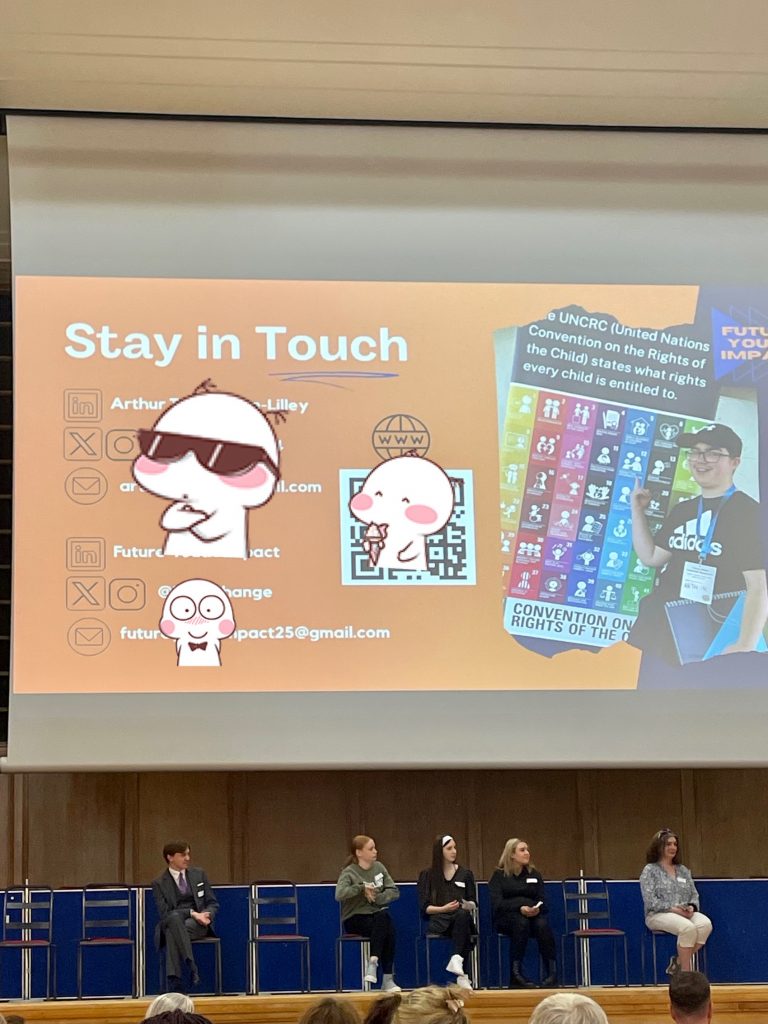
Presentation at the conference | Photo: Yufei Yang

While assisting at the conference, this international event enabled me to connect with participants from around the world, representing diverse cultures and backgrounds. It was an enriching experience that highlighted the richness and excitement of cross-cultural communication (跨文化交际 kuàwénhuà jiāojì). Interacting with representatives from Poland, Ireland, and other countries provided insights into unique perspectives and practices regarding children’s rights and education.

Conference Panel | Photo: Yufei Yang

Through group discussions (小组讨论 xiǎozǔ tǎolùn) and workshops (工作坊 gōngzuòfǎng), I shared best practices from my home country alongside international participants, delving into the challenges within the realm of children’s rights and education. Scholars (学者 xuézhě) from various nations passionately presented their research progress and reports, not only enriching academia with new insights and innovations but also inspiring other professionals.

This collaborative effort fostered a better understanding of each other’s cultures and backgrounds, emphasizing the significance of respect (尊重 zūnzhòng) and understanding (理解 lījiě). Beyond academic exchange (学术交流 xuéshù jiāoliú), the symposium showcased the power of international cooperation (国际合作 guójì hézuò). Our collective focus on the future of children’s rights and education reinforced the understanding that these goals can be better achieved through global collaboration (全球协作 quánqiú xiézuò).

Overall, this symposium on children’s rights and education served as a vibrant cross-cultural adventure, underlining the value of international academic exchange. It opened doors to broader explorations for the future, igniting a passion for the continued pursuit of knowledge.

Author: Yufei YANG
Editor: Lauren McShane and Liang WANG