Call for participation

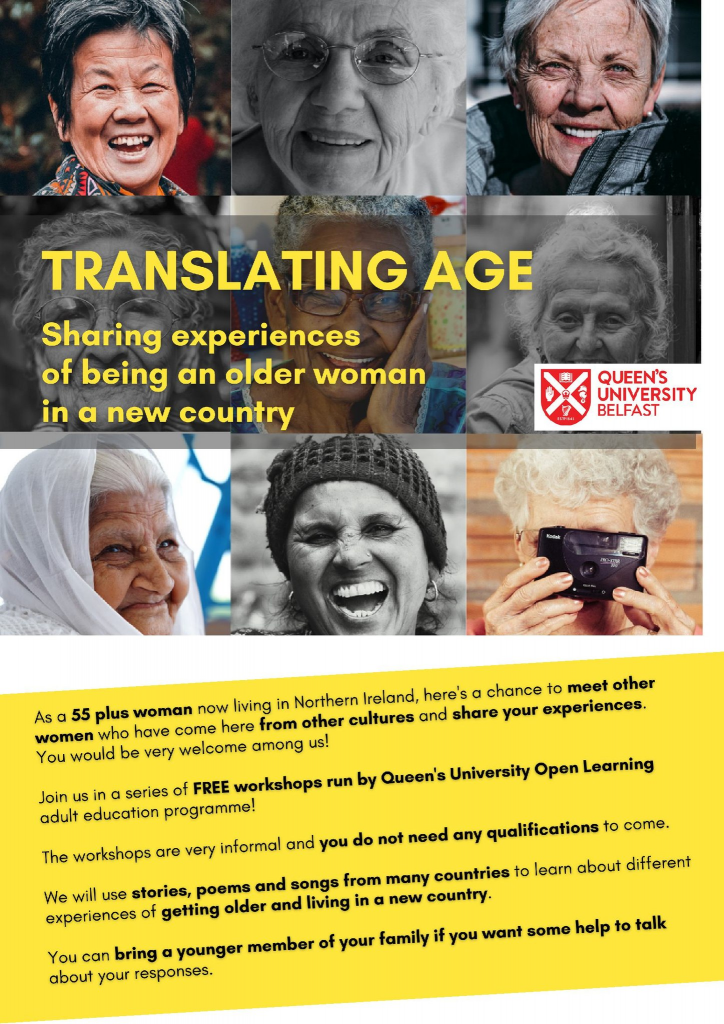
Translating Age – Sharing experiences of being an older woman in a new country

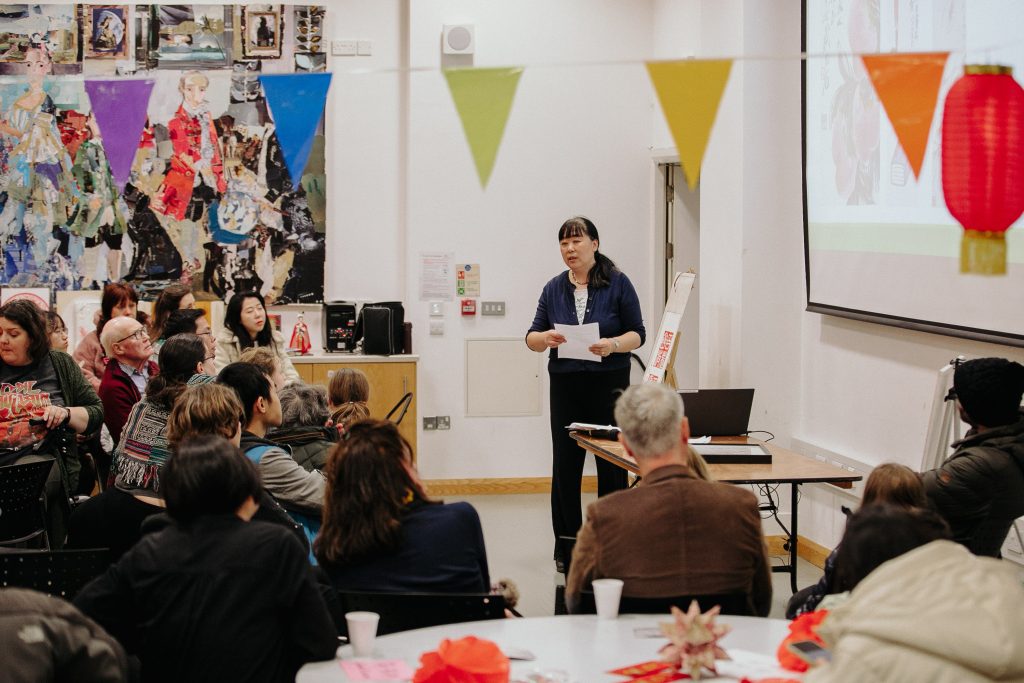
This post is circulated on behalf of Professor Tess Maginess from School of Social Sciences, Education and Social Work, who are looking for older female participants of diverse cultural backgrounds, including those from the Chinese community to share their experiences of living in Northern Ireland. Any queries related to this project need to be directed to Professor Maginess (see contact information below).

解读年龄 —— 年长女性在新移居国的经历分享

如果您是一位年龄超过55岁、现居北爱尔兰的女性,我们将帮您有机会认识来自不同文化背景的女性并分享你们的经历。我们非常欢迎您的加入!

我们将邀请您参加由英国女王大学开放学习部成人教育项目举办的免费工作坊!这些工作坊都非常随意,您不需要任何资质即可参加。

我们希望通过聆听来自不同国家的故事、诗歌 (等) 来了解大家在移居国的老龄生活。如果您希望在谈论您的感受时得到一些帮助,您可以带上您家中的年轻成员一同参加。

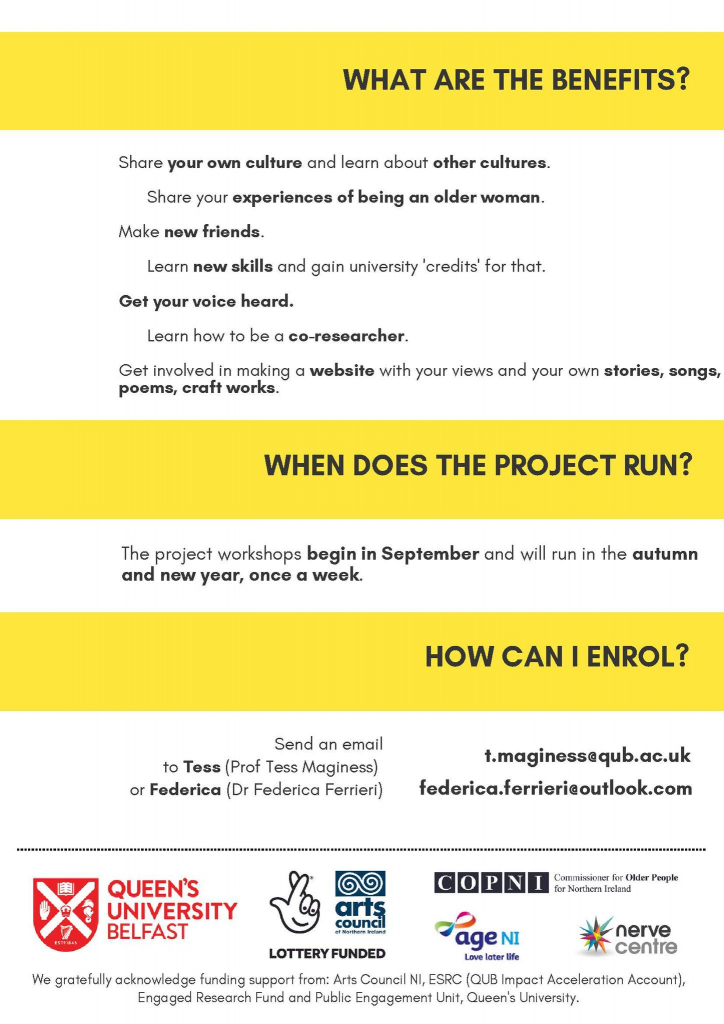
参加本项目有何好处?

  • 分享您自己的文化并了解其他文化。
  • 分享您作为一位年长女性的经历。
  • 结交新朋友。
  • 学习新技能并获得大学的“认可”。
  • 让别人听到您的声音。
  • 学习如何成为一名合作研究者。
  • 参与制作一个包含您的观点和您自己的故事、歌曲、诗歌、手工作品的网站。

项目何时开展?

项目工作坊将于今年9月开始,秋、冬季(新年)期间每周一次。

如何报名参加?

请发送电子邮件至Tess Maginess教授 t.maginess@qub.ac.uk 或 Federica Ferrieri 博士federica.ferrieri@outlook.com

Happy Youth Day

青年节快乐!

4th May is the Youth Day in China, known as 五四青年节 (wǔsì qīngnián jié).

May (the) Fourth  n. (also 4 May, etc.) Chinese History (attributive) designating or relating to a demonstration held by students in Peking (Beijing) on 4 May 1919 to protest against the Chinese government’s failure to oppose the decision by the Versailles Peace Committee to allocate Germany’s former possessions in China to Japan; (also) designating the wider cultural and intellectual revolution in China for which this demonstration is generally regarded as having been a catalyst; esp. in May (the) Fourth Movement.

OXFORD ENGLISH DICTIONARY

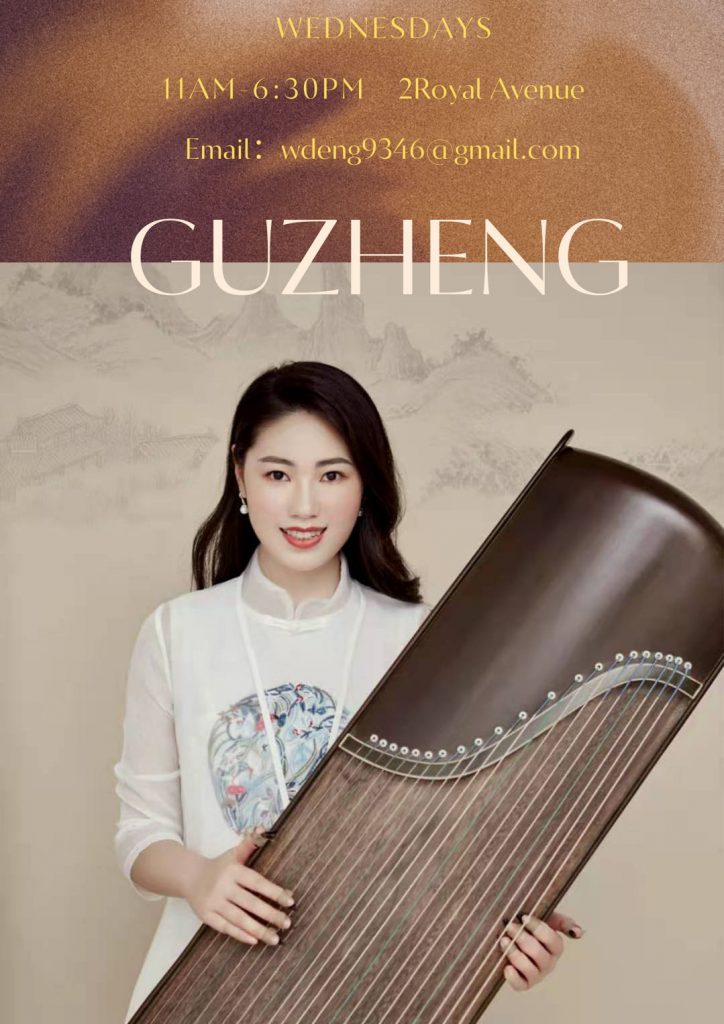
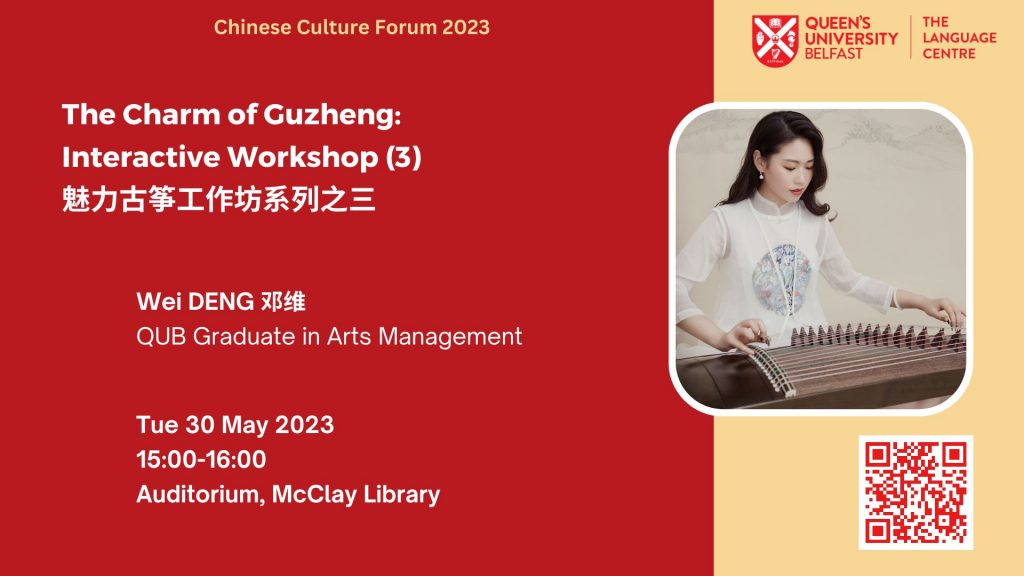
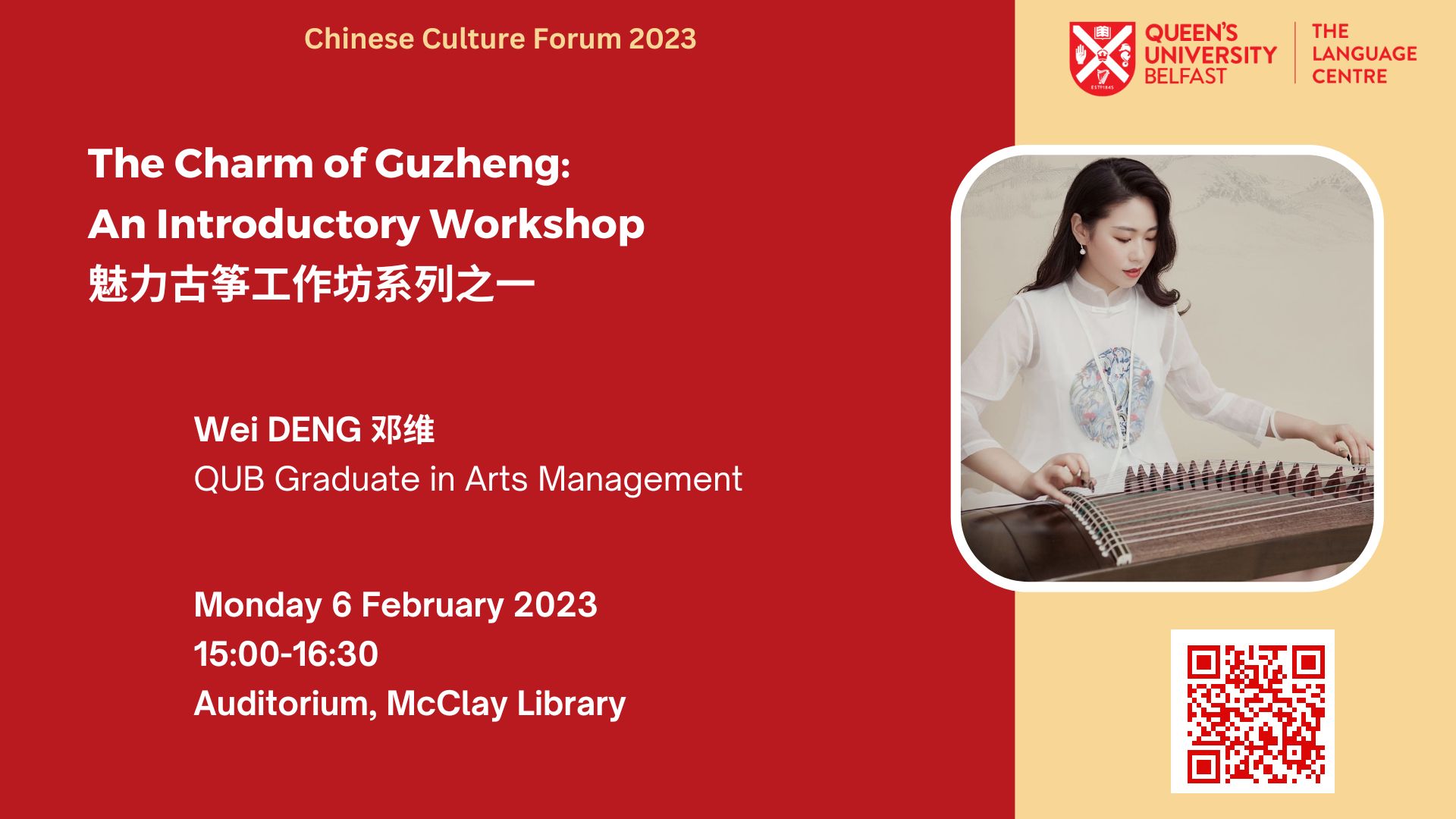
Today we invite you to join in this celebration with DENG Wei (邓维), a QUB graduate in Arts Management, who went back to China after graduation but now has returned to Belfast in pursuit her professional development in arts and cultural exchange through guzheng performance. She has performed guzheng widely on various occasions, both at Queen’s and beyond.

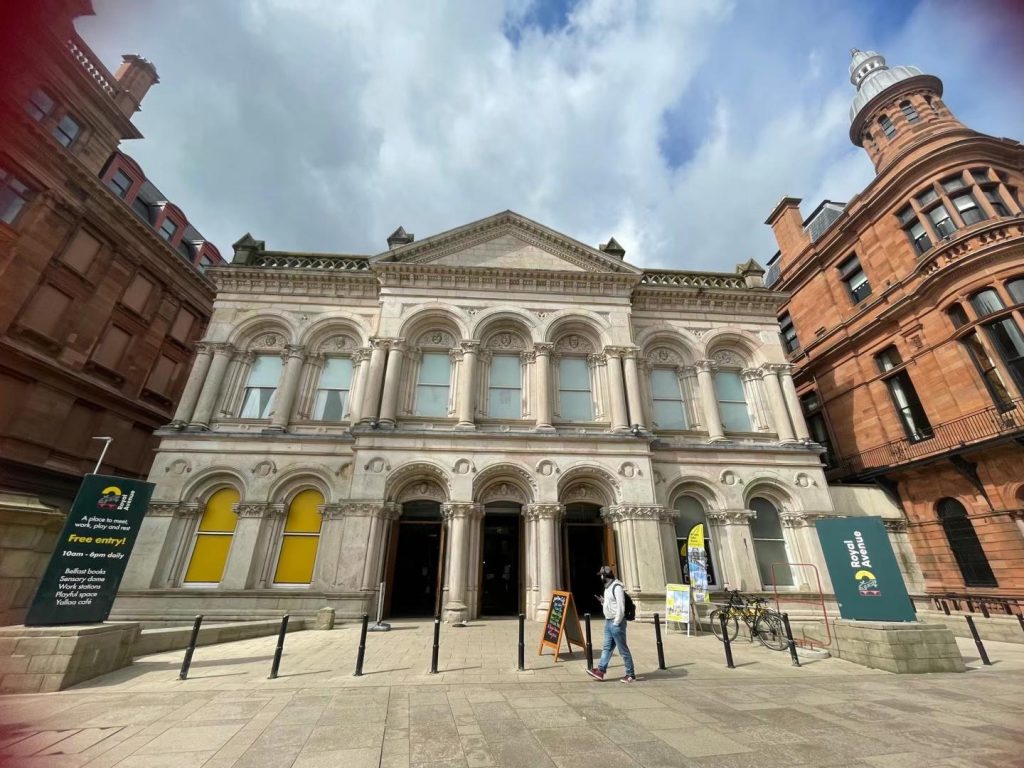
While she continues with her guzheng workshops at Queen’s she has now been invited to give performances at the City Hall, 2 Royal Ave, Belfast on Wednesdays from 11:00 to 18:30 pm.

Wei looks forward to welcoming anyone interested to go there for her scheduled performances, and more importantly, to have dialogues with her sharing their perspectives and practice of guzheng performance.

Wei is invited as a guest guzheng performer with WANG Xinxin for The Ballad of Mulan (《木兰辞》) at the Songs from Spring – Singing with Chinese Poetry concert on Saturday 6th May. Her next guzheng workshop at Queen’s will be on Tuesday 30th May, from 15:00 to 16:00, at the Auditorium, The McClay Library. It is a free session, but booking is required via the button below or scanning the QR code.

Well done, Wei, and May the 4th (force) be with you!

Happy UN Chinese Language Day

The date for the Chinese day was selected from Guyu (“Rain of Millet”), which is the 6th of 24 solar terms in the traditional East Asian calendars, to pay tribute to Cangjie. Cangjie is a very important figure in ancient China, claimed to be an official historian of the Yellow Emperor and the inventor of Chinese characters. Legend has it that he had four eyes and four pupils, and that when he invented the characters, the deities and ghosts cried and the sky rained millet. From then on, Chinese people celebrate the day Guyu in honour of Cangjie. In the Gregorian calendar, it usually begins around April 20.

The UN

On this occasion we provide this special edition to invite you to join us in celebrating the charm of the Chinese language – in its written form through calligraphy and spoken form through recitation.

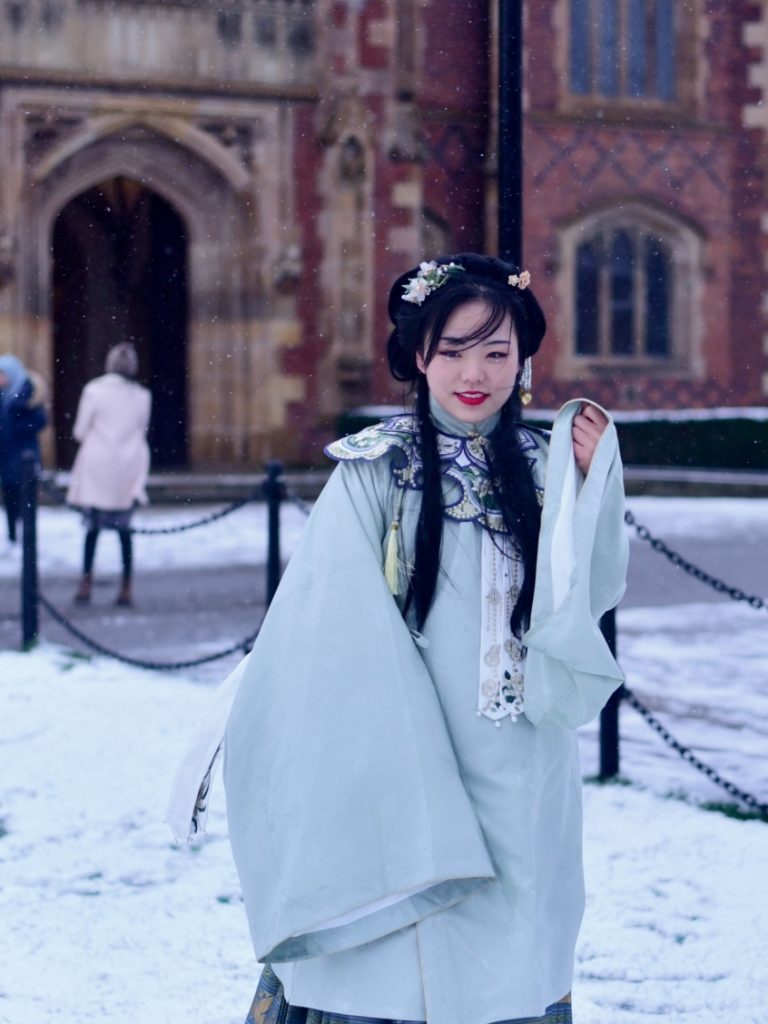
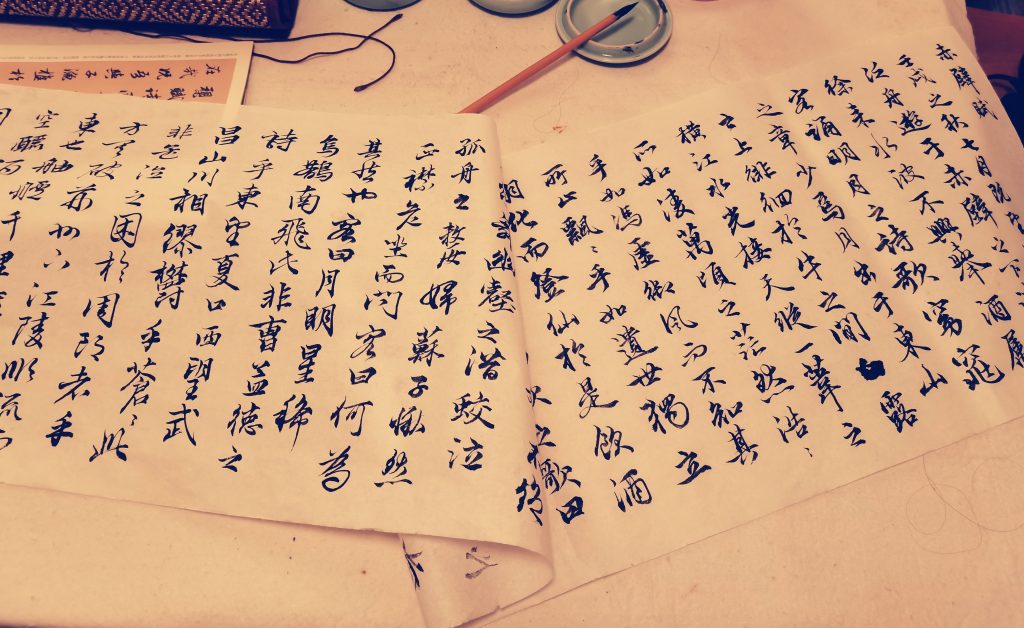
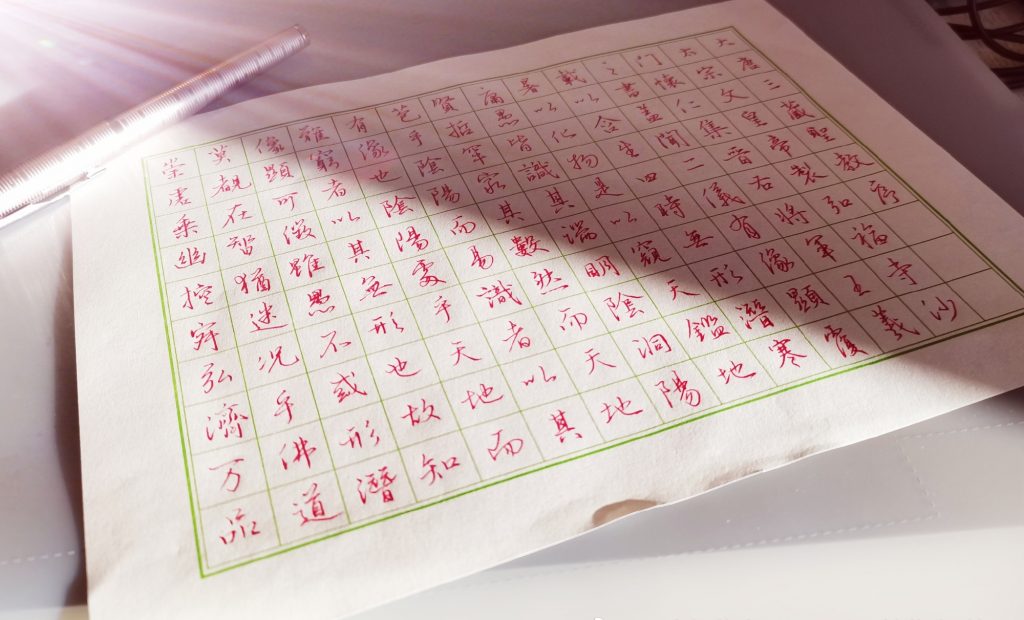
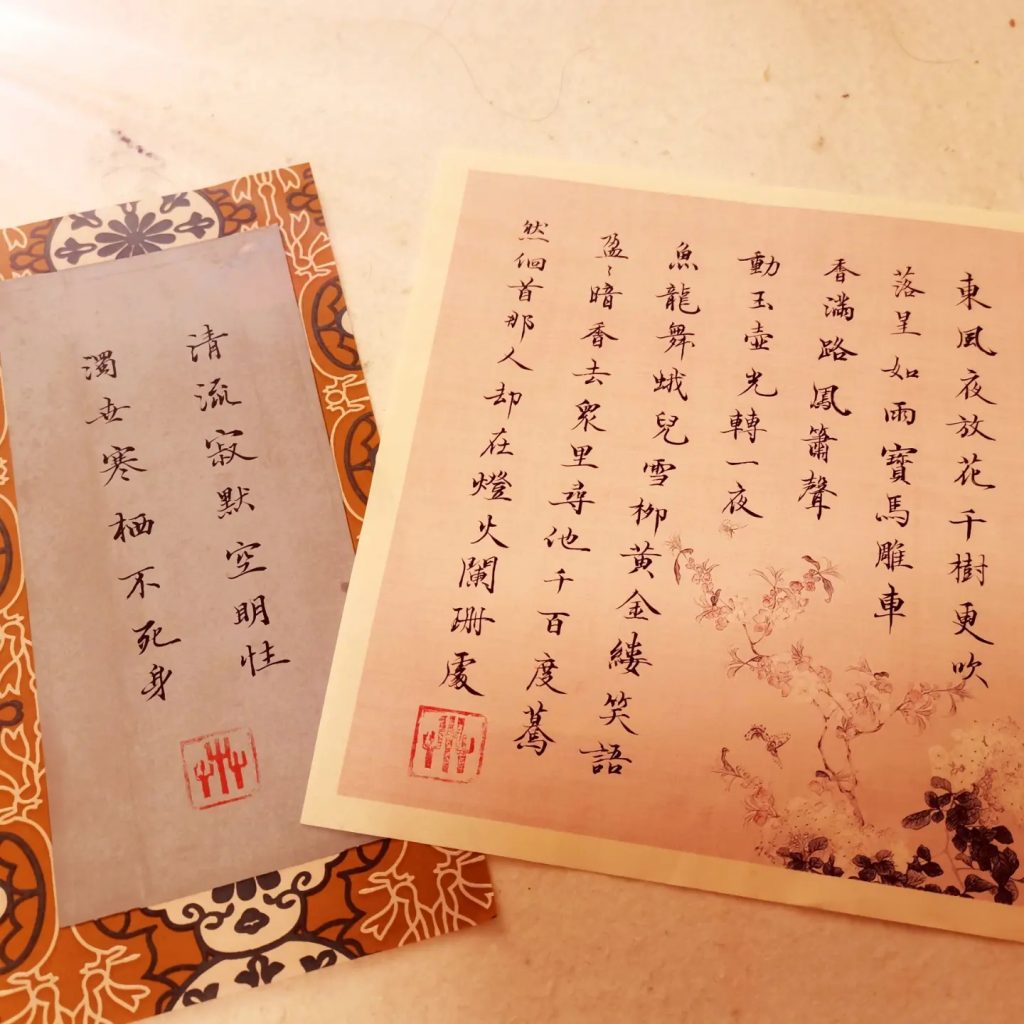
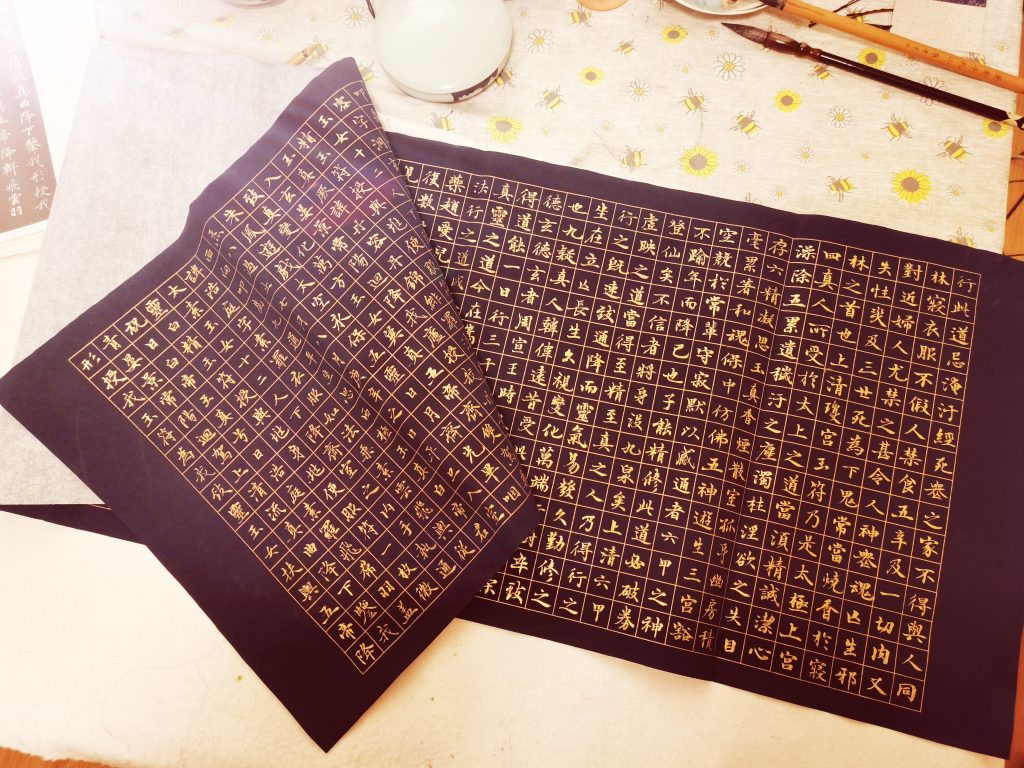
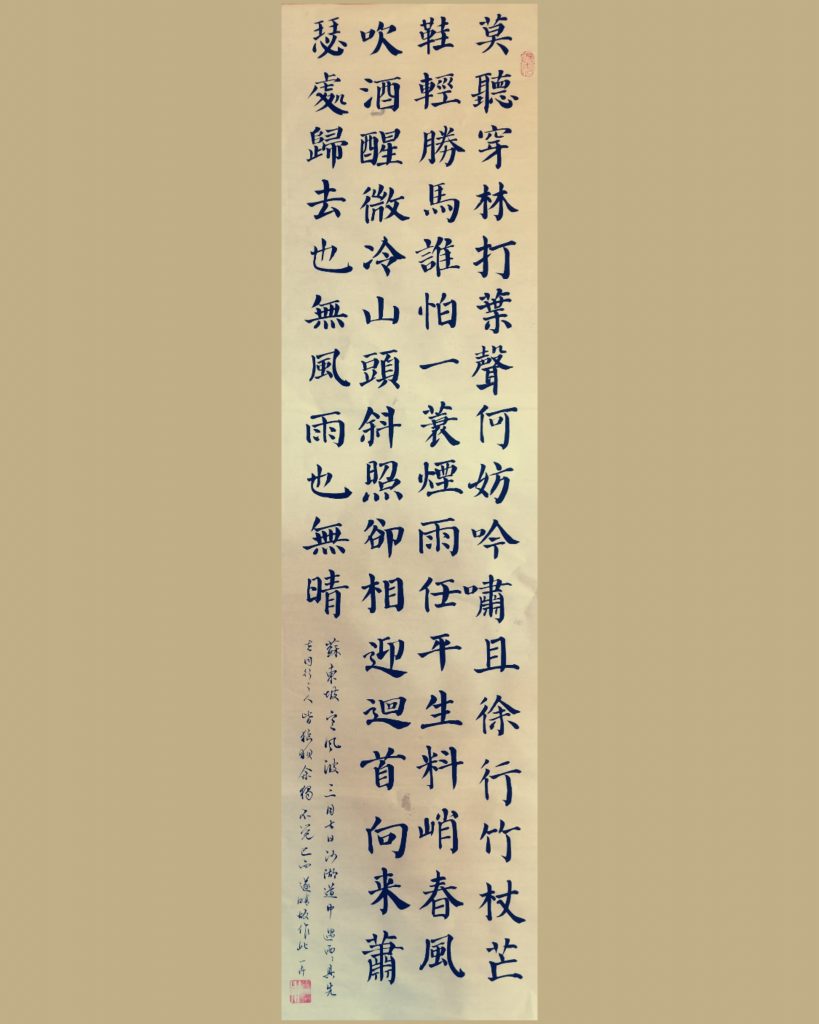
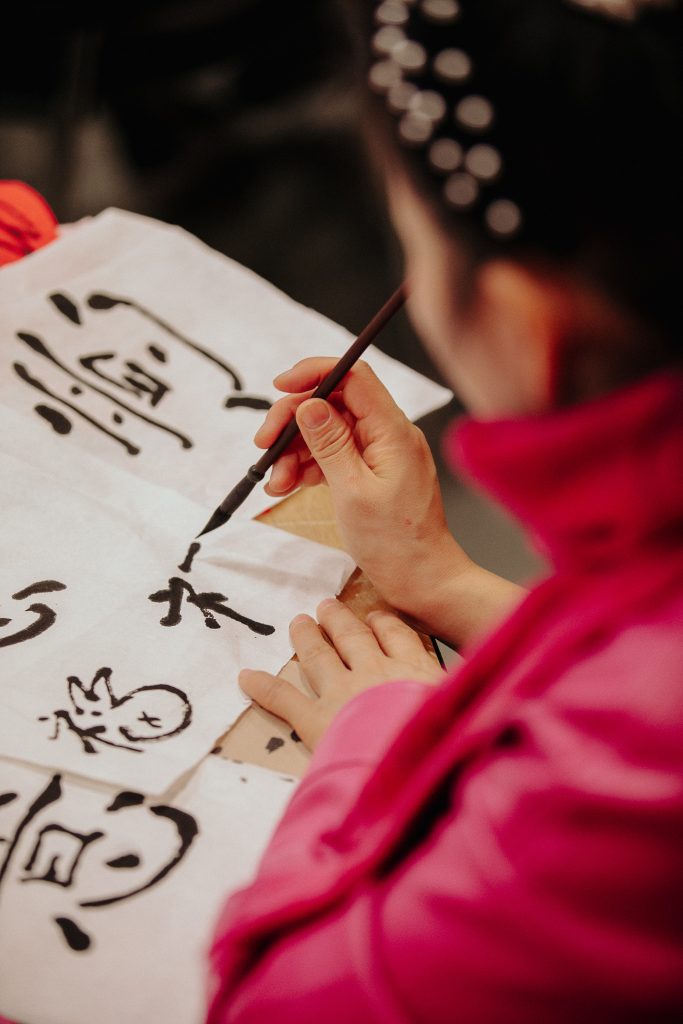
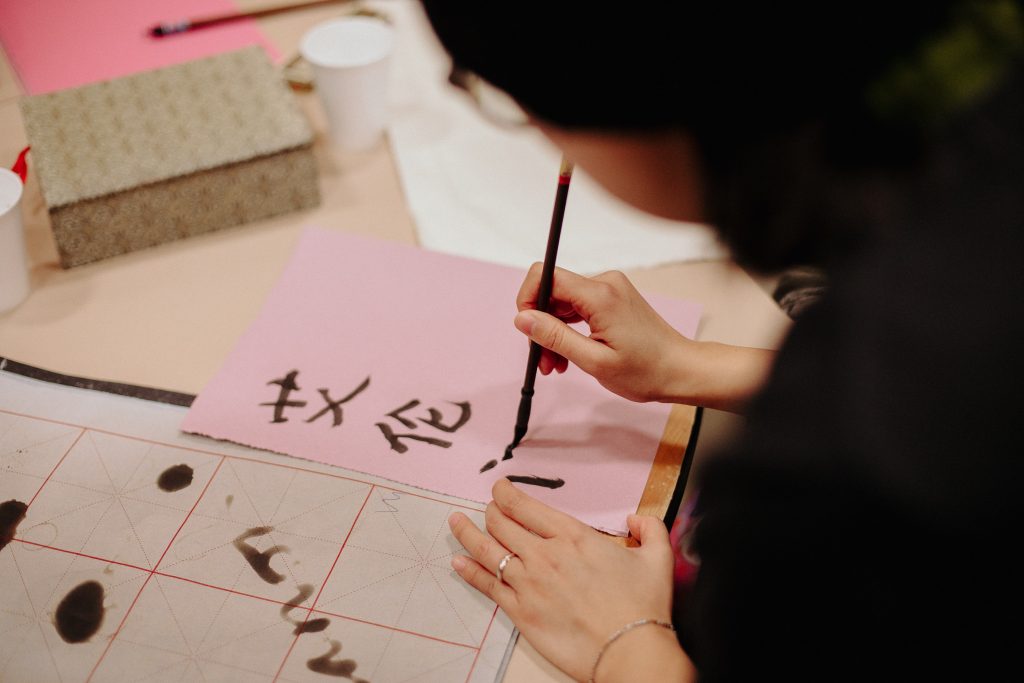
SONG Yihui (宋一卉), a recently graduated doctoral student from School of Chemistry and Chemical Engineering, has a number of hobbies rooted in traditional Chinese culture, including calligraphy, classic dancing and Hanfu costume. Below she tells us how she has maintained her practice of Chinese calligraphy since childhood.

I first learned calligraphy when I was eight years old, probably because of my curiosity facilitated by my parents. At that time, I started from learning to write the basic strokes – horizontal and vertical, which required a lot of patience and perseverance. I was so envious of other fellows who could exercise their skillful hands freely. However, after learning Yan-style of calligraphy for three years when I wrote with more confidence, I had to put down my brush and switched my full attention to my study which became more demanding. It was not until in my college time that I picked up my brush again with my genuine passion for calligraphy. This flame of enthusiasm has been kept for my life in the UK. When I was packing up my luggage, I had no hesitation to include my beloved set of calligraphy treasures in the suitcase.

To me, calligraphy is a journey of time and space through the written form of our language, with which I could always conduct spiritual dialogues with our ancestors thousands of years ago.

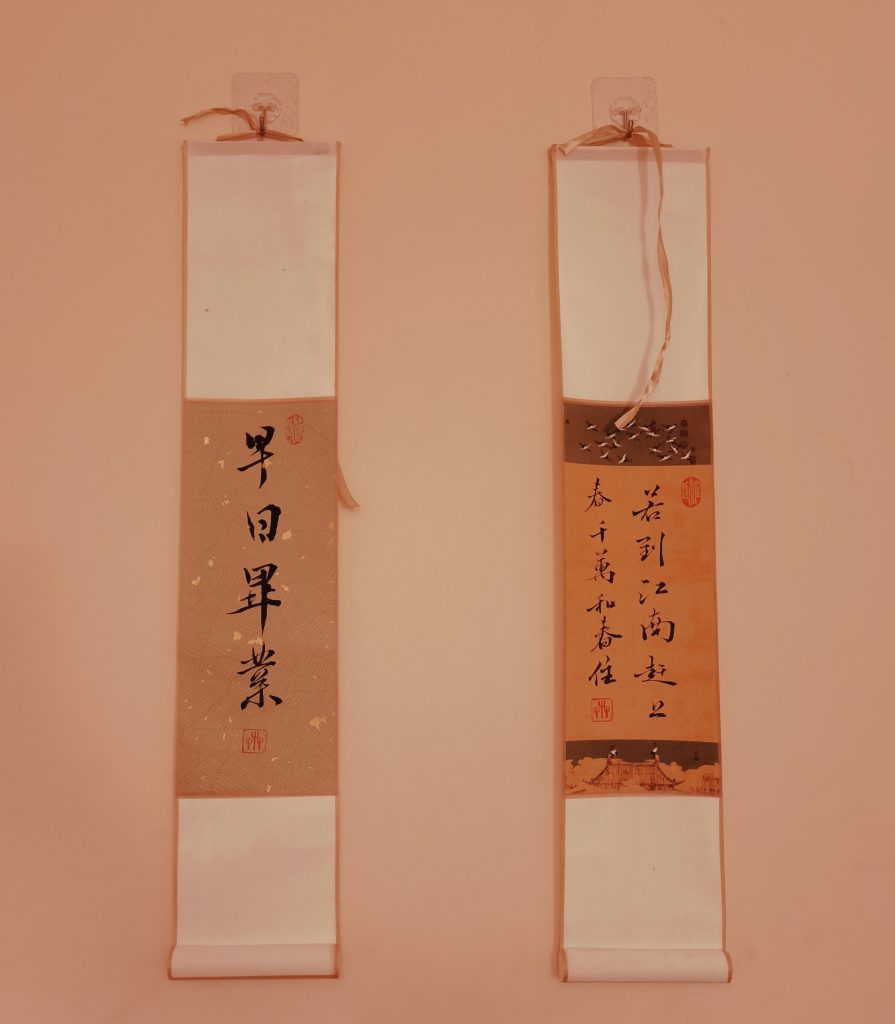
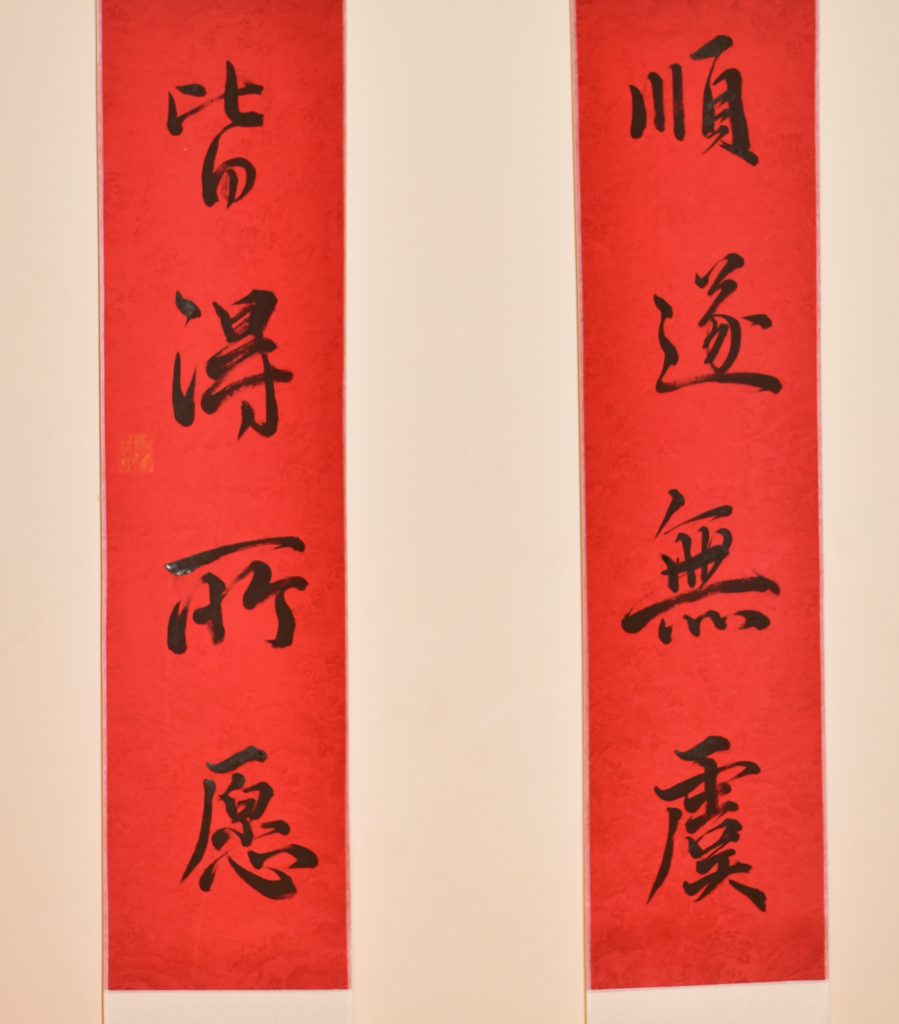
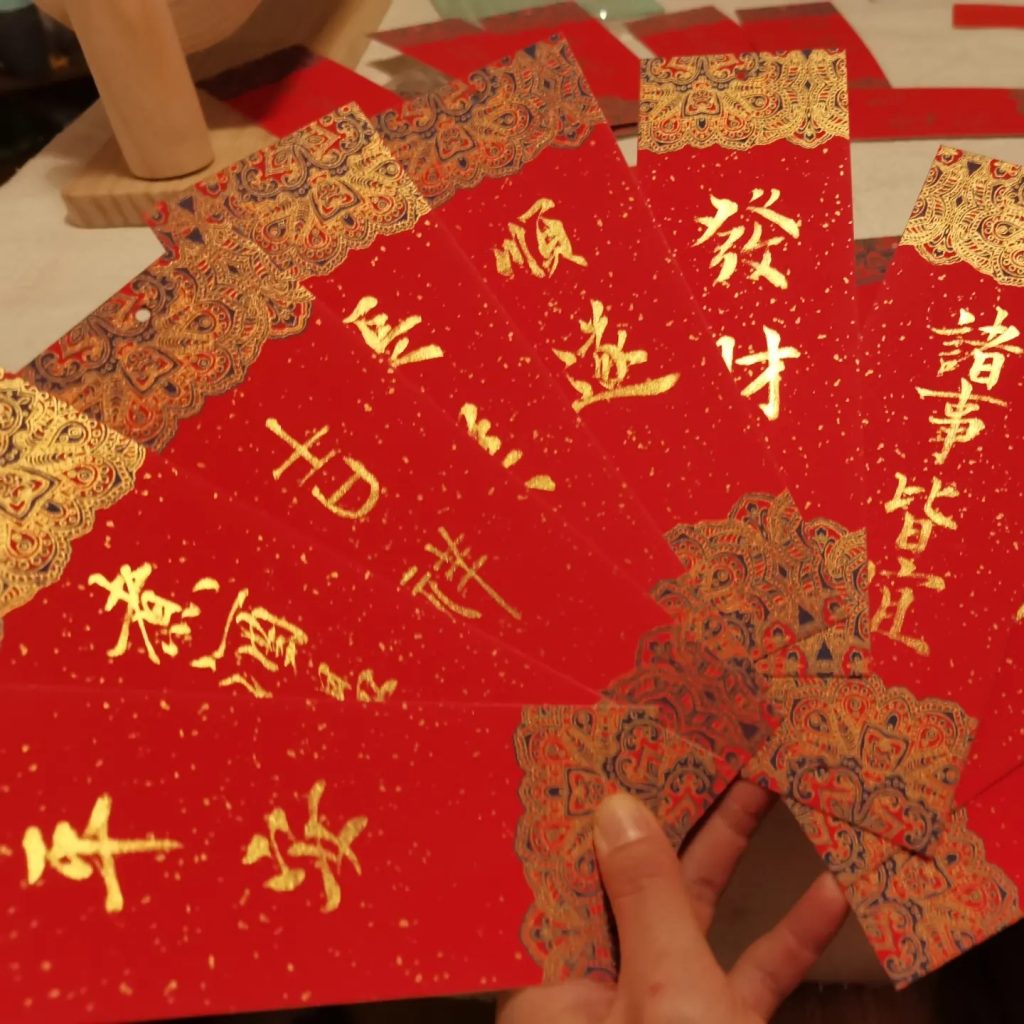
Below is a selected collection of Yihui’s calligraphic works.

WEI Ziqing (魏子晴) is currently doing MA Interpreting at the School of Arts, English and Language. Among her many talents she has a strong passion for recitation. In the recent QUB Multilingual Poetry and Music Festival she contributed to the event by doing a Chinese poetry recitation – ‘The Chinese Language’. With her kind permission, we invite her to share with us her recitation.

To be honest, my performance on the day was not really as perfect as I thought. However, I found that at least three girls from the audience were moved to tears, to my great surprise. One of the girls later said to me that even though she could not understand the language, her heart was greatly touched by the sound of language and she couldn’t help shedding tears.

Below is the Ziqing’s Instagram post on her recitation, followed by the bilingual text versions.

中国话
有一种语言,它 很神秘,它蕴涵着一个民族上下几千年 悲喜交加的情感;

有一种语言,它很古老,古老到那刻在骨头上的文字里都找不到 它的起源;

有一种语言,它很丰富,阴阳上去中 回荡着 慷慨激昂 倾诉着 温宛 缠绵;

这,便是中国话,

一个古老的 东方神话!

中国话,

是如诗如画的表达,

“树索索而摇枝,马得得而驰骋”

——哪一种语言  

有 如此逼真的描摹?

“落霞与孤鹜齐飞,秋水 共长天一色”

——哪一种语言  

能说出如此图画般的美丽?

“春江潮水连海平,海上明月共潮生⋯⋯”

——哪一种语言 能有 如此动听的节律?

“我失骄阳君失柳,杨柳轻扬直上重霄九”

——哪一种语言

能一语译透你丰厚的含义?

中国话 是中国人

心灵深处的吐纳。

是屈原的长叹 ,项羽的啸吼

是李白的浪漫 ,杜甫的讥讽,

是“五四”前夜,

李大钊在拊掌欢呼

《庶民的胜利》,

是面对敌人的屠刀,

鲁迅在指斥《无声的中国》,

是迎着特务的枪弹,

闻一多拍案而起,弘扬正义!

是礼炮声中毛泽东庄严宣告:民族 站起!

那黄河的不羁和刚强,是中国话!

那长江的奔放和潇洒,是中国话!

那大山的雄武,高原的粗犷,是中国话!

那江南的温柔,水乡的秀雅,是中国话!

听,中国话正在通过我的喉头在联合国的讲台上响起

–那么亲切,优美,

—那么有力,伟大!

中国话 你属于一个伟大的民族,

一个朝阳升腾的天地!

我爱你,我们的 中国话!!!

The Chinese Language
There is a language – it is very mysterious and contains the emotional ups and downs of a nation for thousands of years;

There is a language – it is so ancient that its origin cannot be found in the characters engraved in bones;

There is a language – it is very rich, resonating with generosity and passion, warmth and tenderness in the alternation of Yin and Yang;

This is the Chinese language.

An ancient oriental myth!

Chinese language

is an expression like poetry and painting.

‘The trees rustle and shake their branches, The horses gallop and run freely.’

–which language 

has such a vivid illustration?

“Rosy evening clouds and the lonely duck fly together; The autumn water shares the same colour with the sky.”

–which language can tell such picturesque beauty?

‘The spring tide of the river joins the sea, and the bright moon rises with the tide on the sea…’

–Which language can have such an enchanting rhythm?

“I’ve lost my sun, you’ve lost your willow, the willow lightly rises to the Ninth Heaven”

–what other language

Can translate the richness of your meaning in one word?

Chinese language is the breathing of the Chinese people’s soul.

It is the long sigh of Qu Yuan, the roar of Xiang Yu,

The romance of Li Bai, the irony of Du Fu.

It is Li Dazhao cheering and applauding
“The Victory of the Common People” on the eve of May Fourth Movement,

It is Lu Xun criticizing “The Silent China” in the face of enemy’s butcher’s knife,

It is Wen Yiduo rising up and promoting justice in the face of bullets from secret agents,

It is Mao Zedong solemnly declaring “The Chinese nation has stood up!” amidst the sound of salute.

The recklessness and fortitude of the Yellow River is Chinese language!

The unrestrained and boldness of the Yangtze River is Chinese language!

The magnificence of the mountains, the ruggedness of the plateau, is Chinese language!

The gentleness of the south of the Yangtze River, the elegance of the water town, is Chinese language!

Listen, the Chinese language is echoing through my voice on the podium of the United Nations

-So friendly, beautiful,

-So powerful, great!

Chinese language , you belong to a great nation, a world where the sun rises!

I love you, our Chinese language!
Sign up for a Chinese course

If you would like to learn more about the beauty of the Chinese language and are interested in attending a course, you are welcome to check our courses below and register as soon as you can. The cutting off date is rightly on Thursday 20 April, the UN Chinese Language Day! Don’t miss out!

Playing guzheng on St Patrick’s Day

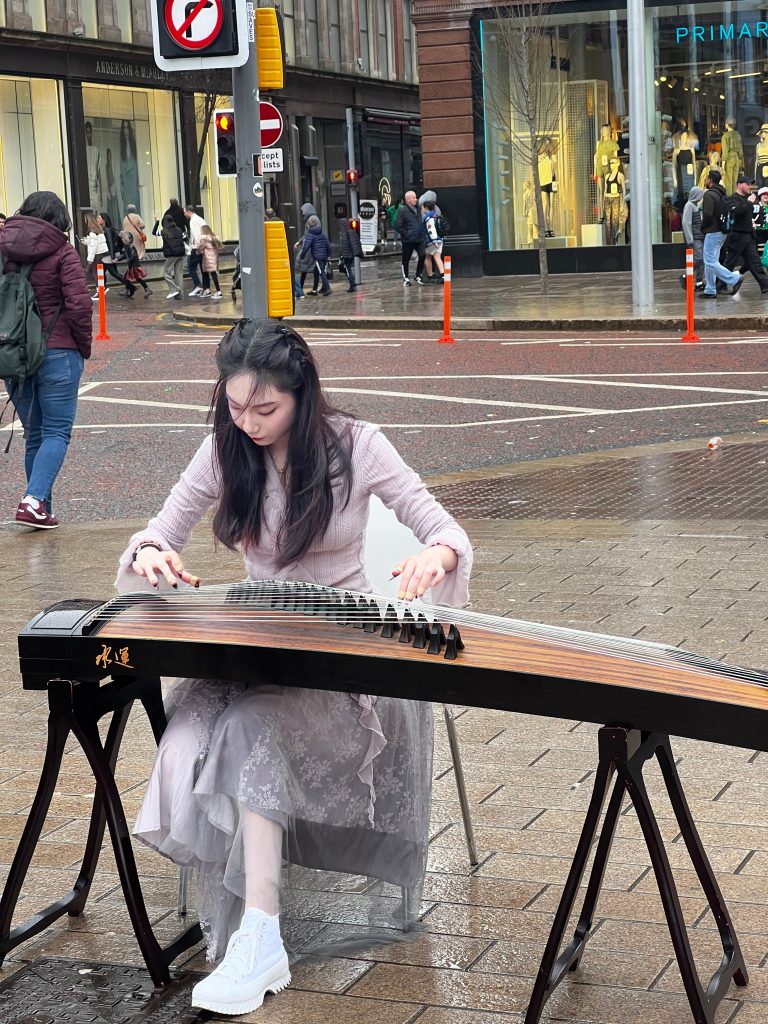
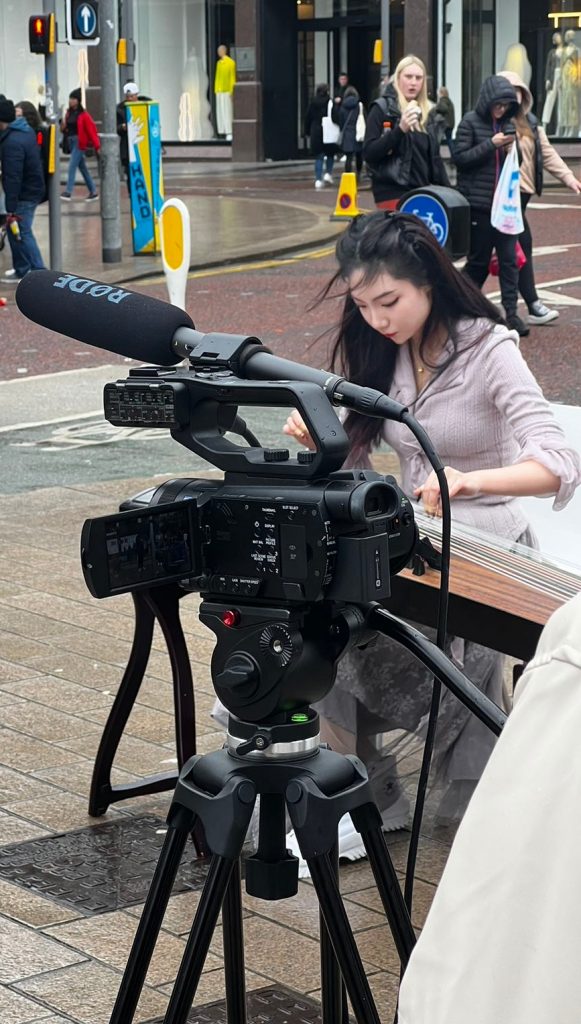
Whilst people went out to the city centre for the St Patrick’s Day celebration (17th March), Mengjia, accompanied by her two friends, took the courage to perform guzheng music out there. Read on what Mengjia told us.

Tell us about you and your instrument

My name is QU Mengjia (屈梦佳) and I am a postgraduate student from China studying Master in Broadcast and Media Production at Queen’s University Belfast. I have been playing guzheng since the age of 6 and received my Grade 10 Guzheng Professional Certificate when I was 11 years old.

The guzheng is a kind of traditional Chinese string musical instrument that has had a history of over 2500 years. It first appeared in China during the Spring and Autumn Period (770–476 BC) and became prominent during the Qin dynasty (221–206 BCE).

Why did you want to play it on St Patrick’s Day?

I have had the idea of performing guzheng on the streets of Belfast since I came to study at Queen’s, because before I came to the UK I saw social media videos on Chinese students performing traditional Chinese arts overseas, and I wanted to do the same thing. I was particularly inspired to do this event after watching the Chinese New Year celebration this January, including guzheng performance on campus. Most of the audience were students and staff members, Chinese or not. I thought that I could help to do more by promoting guzheng performance in Belfast city center, where I could reach more people, both local and international, and introduce such an instrument through my performance. I chose St Patrick’s Day just because it was a great occasion to meet a large number of people in the downtown area as the parade started there.

How did you feel about your performance on the day?

Well, it was a pilot performance and I think this was the first guzheng performance ever done outdoors in the downtown Belfast area. I was quite excited to see many people around me. I have to say that the weather was so bad as it rained with gusty winds. We had to wait for the intervals when the rain stopped. I played a number of famous guzheng music such as Liang Shanbo and Zhu Yingtai (aka China’s Romeo and Juliet), and with the help of my two friends, LI Jiaqi and WU Xiaoya, we managed to disseminate our performance information sheets, speaking to people passing by. I hope that I had introduced the beauty of the guzheng music and that would encourage greater appreciation for Chinese guzheng culture. Also, through sharing my passion for this traditional instrument, I hope to inspire others to explore and learn more about the diverse cultural traditions of our world.

Do you have any plans for the following up outdoor performances?

Not yet, as I need to complete my assignments first. But I would like to do so when the weather becomes nicer, ideally in the third semester when my courses all end and I can focus on my dissertation writing up, with guzheng performance as part of my social life. I also look forward to doing it on campus if there are suitable events that I can contribute to.

Finally, we would like to thank Mengjia for sharing her Instagram account with us, which includes a video clip of her performance on the day! You are welcome to share your thoughts and comments with us in the reply box below or with Ying on her social media.

More cultural events updated

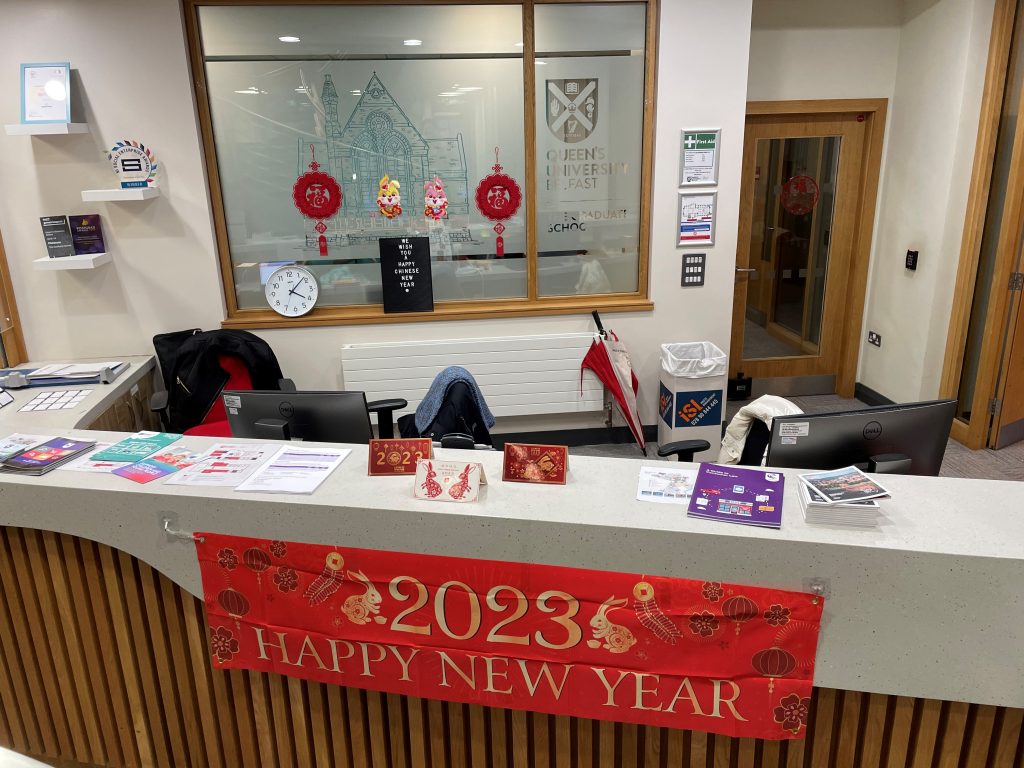
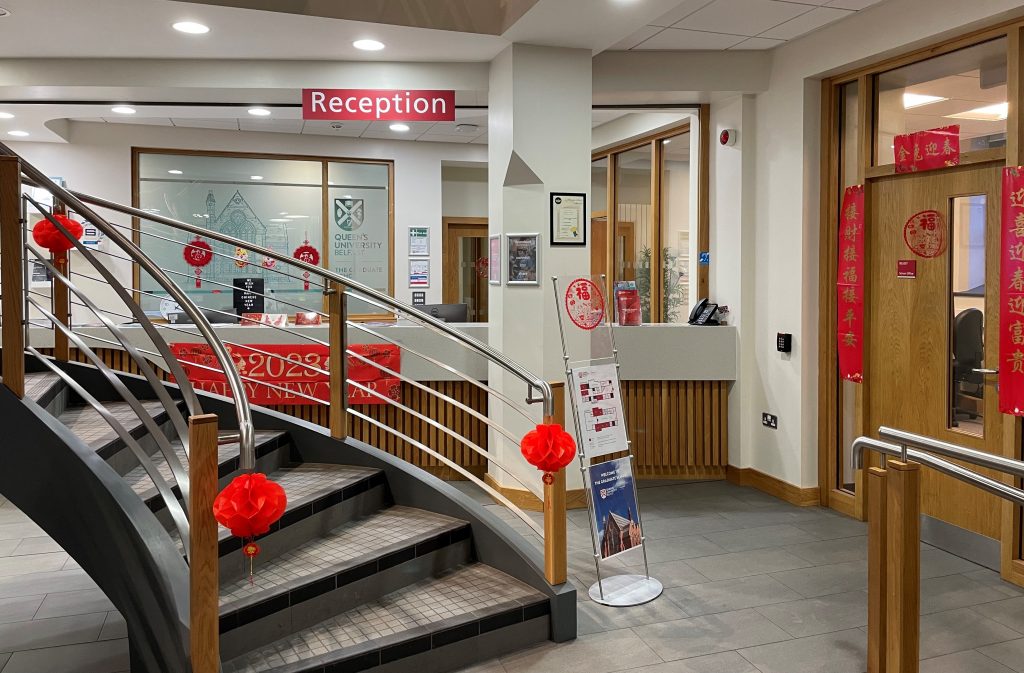
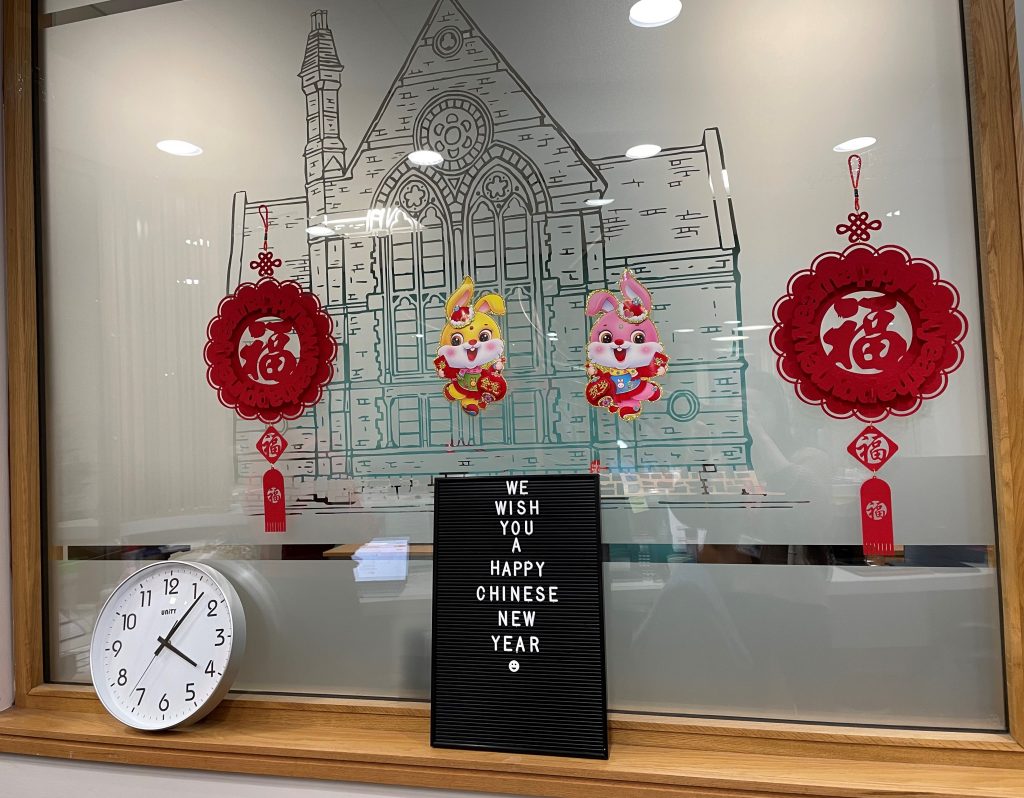
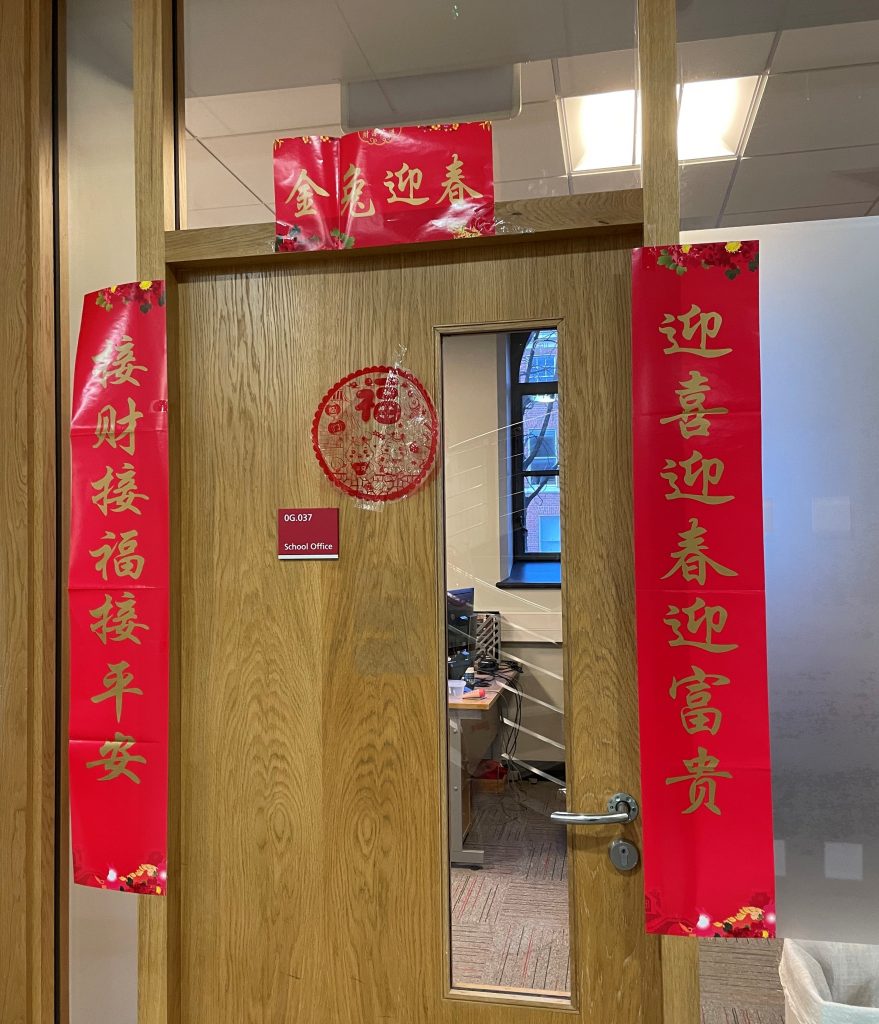
The first half of the CNY celebrations went on extremely well, featuring the student-led Interactive Chinese Culture Displays and Demos, the CNY2023 Launch Event, and the art exhibitions both online and in-person. We would like to send our ‘thank-you’ to all of you who have contributed, participated in and helped with promotion. We hope that you have enjoyed yourselves.

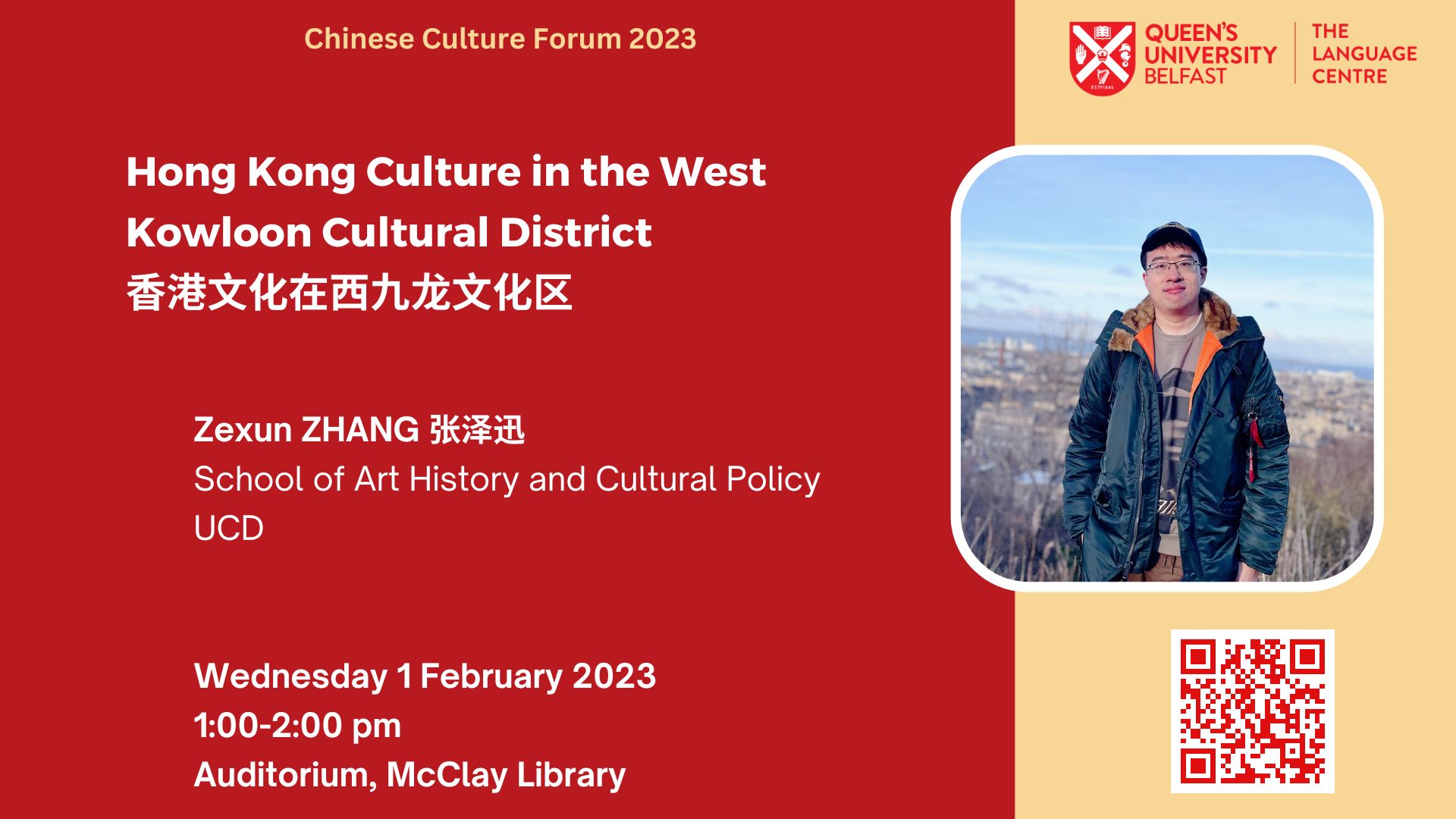
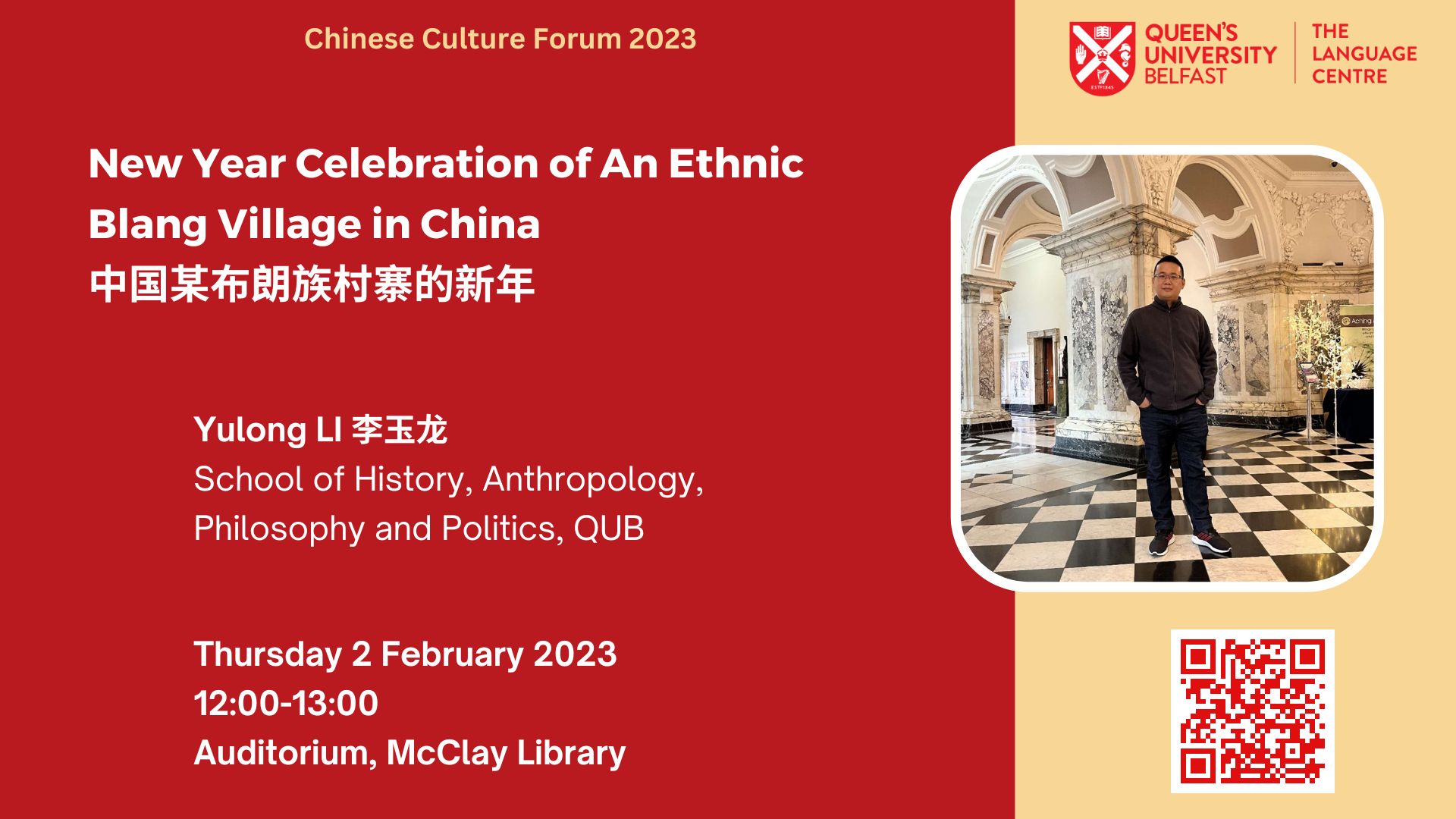
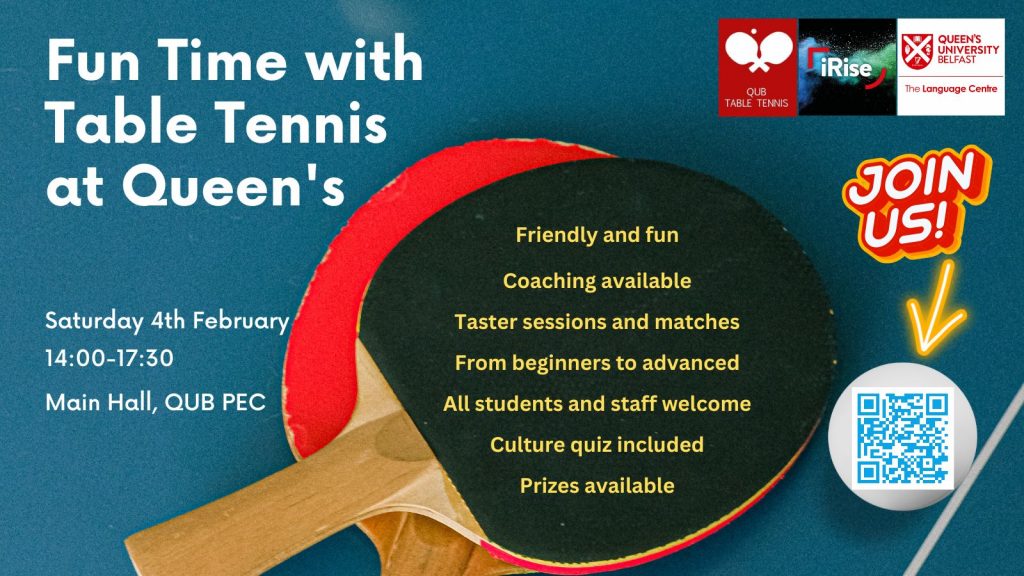
In the following part of the CNY Programme, we continue to warmly welcome you to attend a series of culture talks, a fun time table tennis event and a guzheng introductory workshop. All QUB students and staff members are welcome!
More information and registration

Click below for registration and viewing the full programme

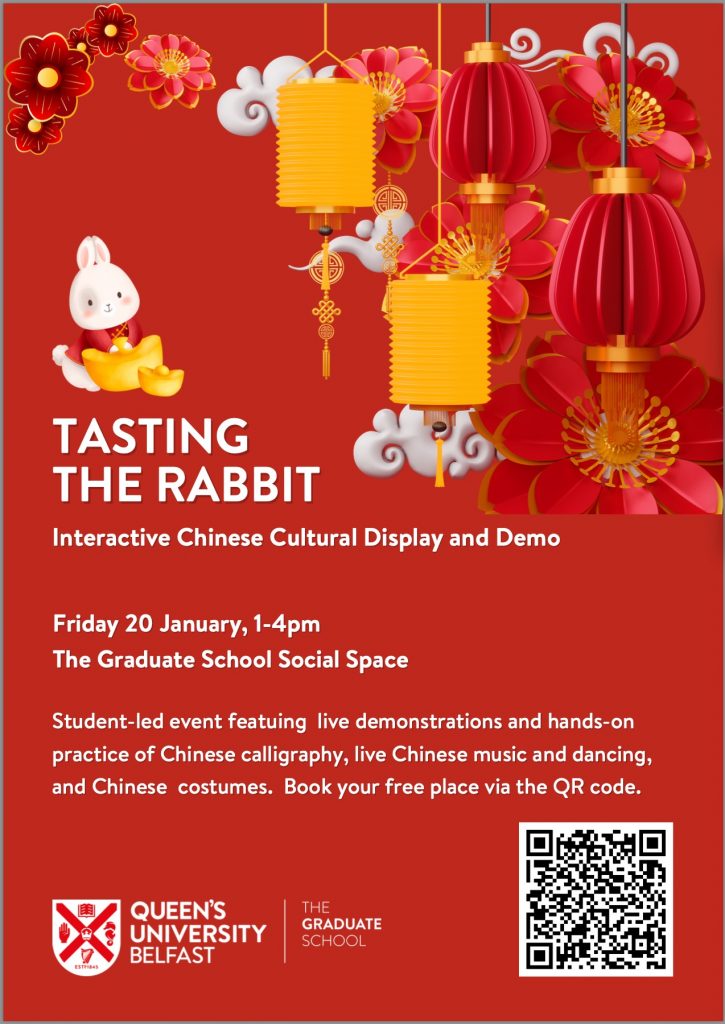
Tasting the Rabbit

Interactive Chinese Cultural Display and Demo

Date: Friday 20 January 2023
Time: 13:00 – 16:00
Venue: 1st Floor Social Space, The Graduate School

About the Event:

Some of the main activities will include Chinese way of traditional writing in calligraphy, performances of musical instruments such as guzheng, guqin, and skills of practising taiji, Chinese dance and traditional Chinese costumes, all of which enriches the interactive topics through live demonstrations and hands-on practice.

Timeline

§ 13:00-13:15: Start and welcome

§ 13:15-13:30: Guzheng performance (DENG Wei)

§ 14:15-14:30: Taiji performance (DA Wenkai)

§ 15:00-15:10: Chinese classic dance (SONG Yihui)

This half-day event is free for all. Tea/coffee and refreshments (including a taste of Chinese traditional snacks) are provided. Booking is needed due to capacity. Please complete the registration form below.

Happy New Year 2023

Bye 2022, Hi 2023!
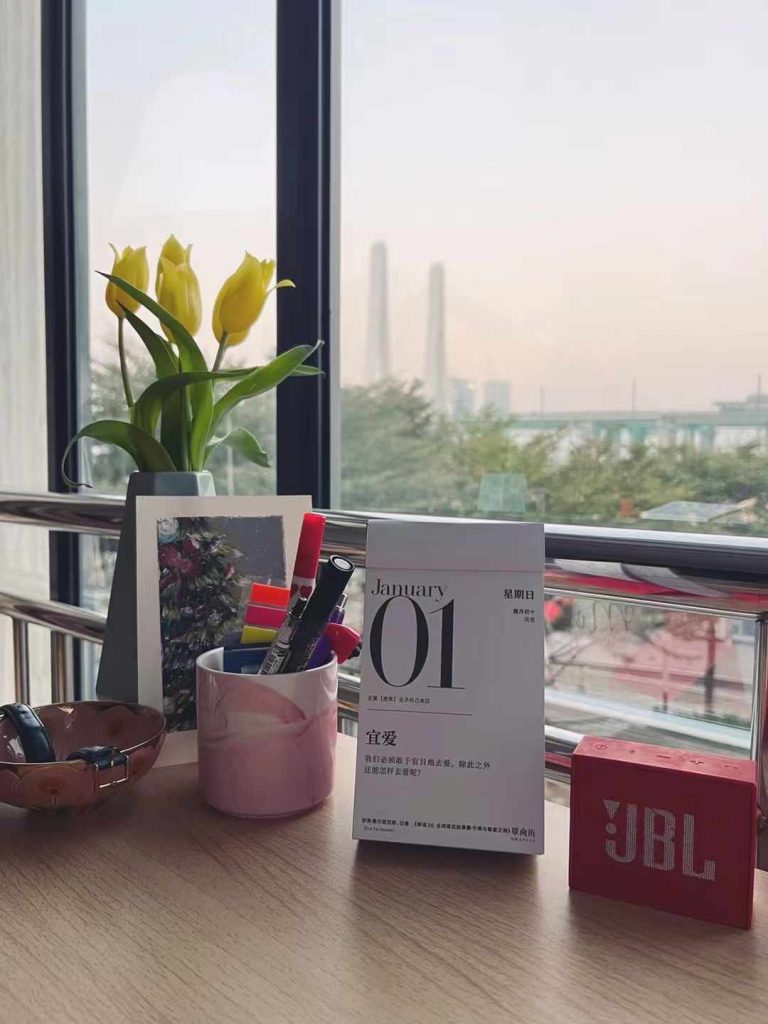
A calendar on a desk, displaying January 1st 2023, together with some other stationery and a flower vase with some tulips.
Photo credit: Anqi HUANG

As 2022 drew to an end, we wish everyone a happy and healthy 2023! We also would like to remind you that the Chinese New Year (CNY) – Year of the Rabbit – is fast approaching in three weeks’ time. How are you going to celebrate it?

CNY celebrations at Queen’s

We are pleased to let you know that the celebration programme at Queen’s has been underway, with a range of events to entertain all – students, staff members, as well as members of the public. You may find the CNY2023 Programme page via the link below and here are some activities for you to kick a start while more will be uploaded shortly.

Celebrations elsewhere in Belfast

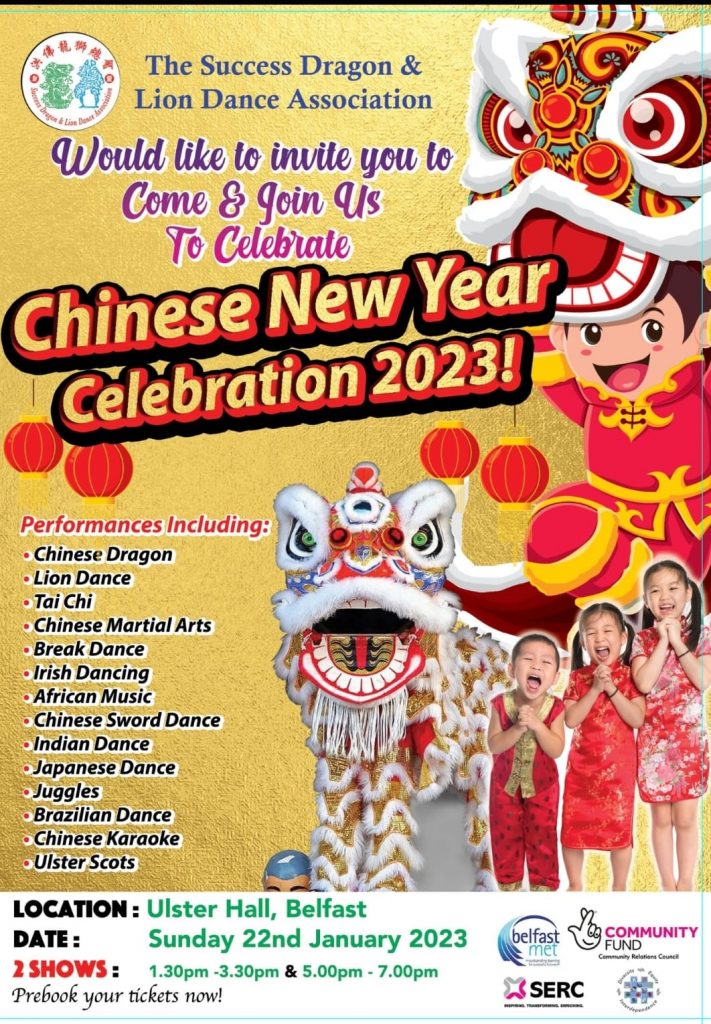
In addition to our celebrations on campus, we would like to make you aware of the social celebration of Chinese New Year in Belfast, operated by Success Dragon and Lion Dance Association, a registered charity in Northern Ireland (Charity no. 105478), who had been supporting Queen’s celebrations before pandemic.

The Chinese New Year Celebration returns to the Ulster Hall Belfast on Sunday 22nd January 2023 celebrating the Year of Rabbit. Come to enjoy a day full of fun and joy, rich in Colours and Culture. With over 12 global dances and music not to be missed.

盛大的中國新年慶典再次重臨 Ulster Hall Belfast。 日期是一月廿二號星期日。超過十二個各式的民族表演包括舞龍舞獅,中國功夫和中國的傳統舞蹈表演等。請從速預訂門票!

Alan Lui, Master of The success Dragon & lion dance association

Please note that we are not involved in performances and ticket booking issues. All enquiries should be sent to the Association directly, following the contact information on the poster.

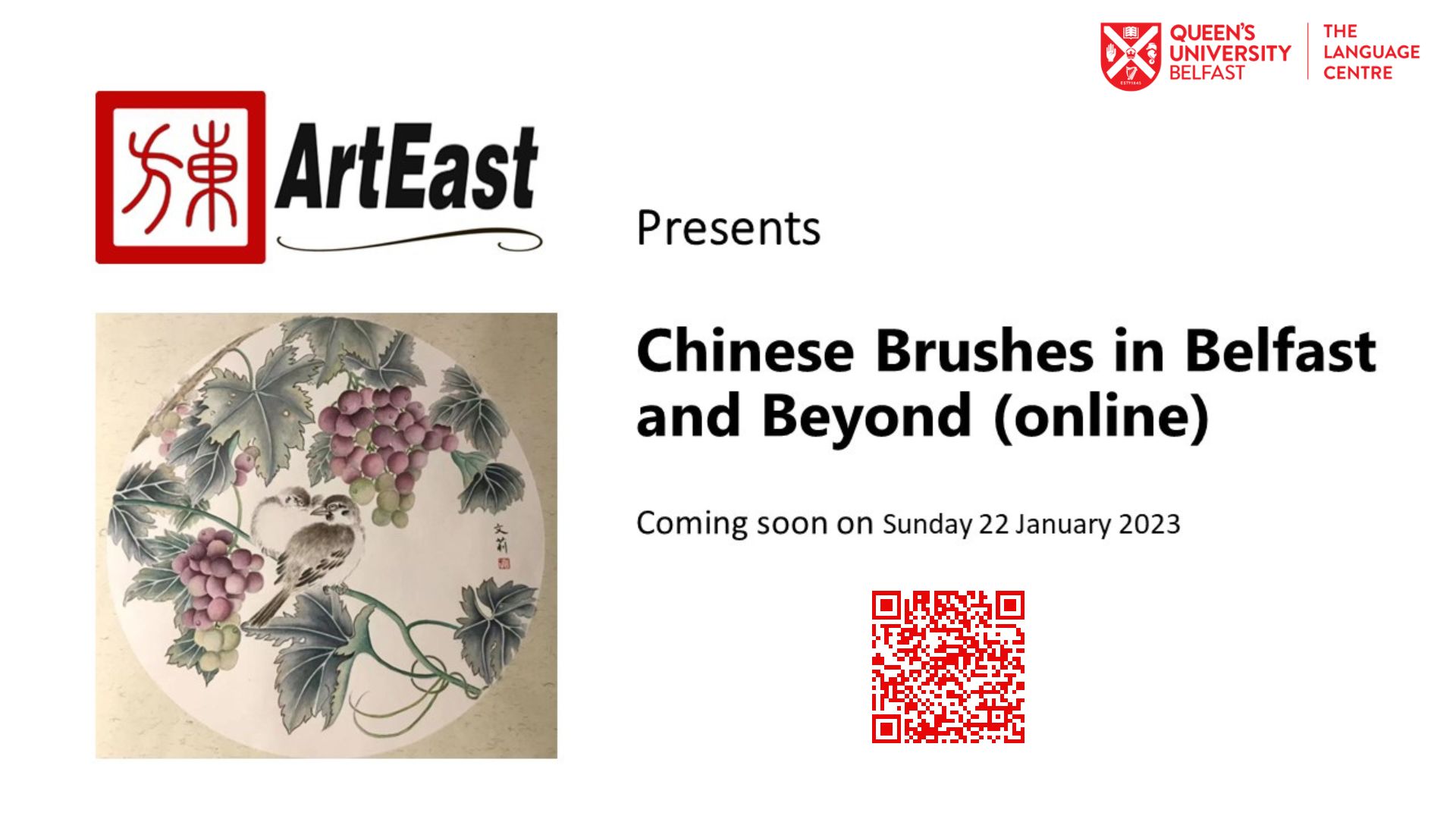
Chinese Brushes in Belfast and Beyond

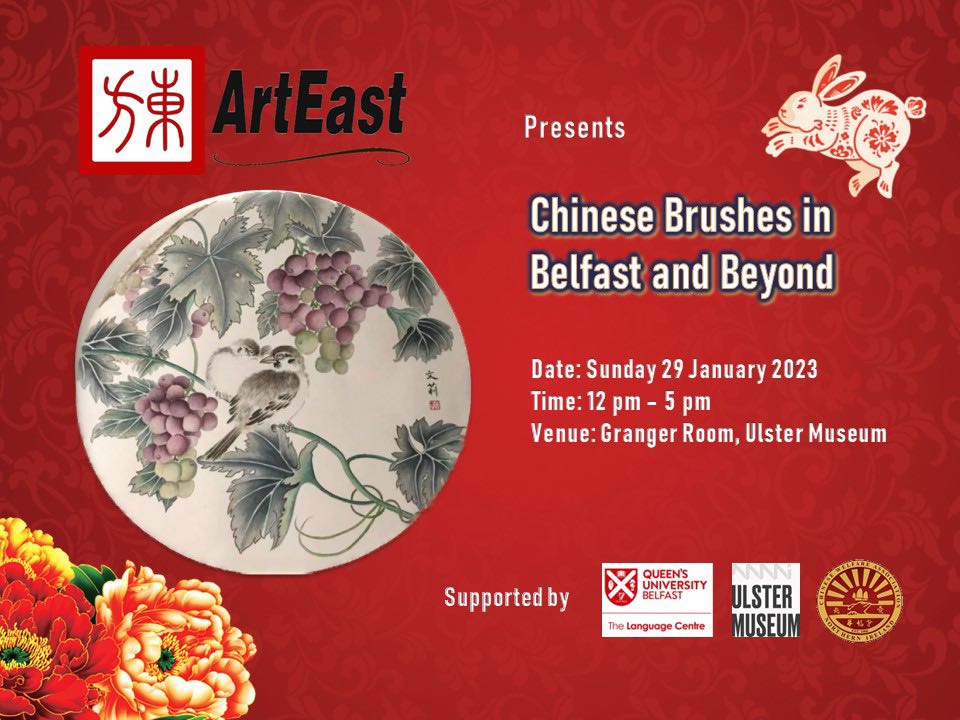
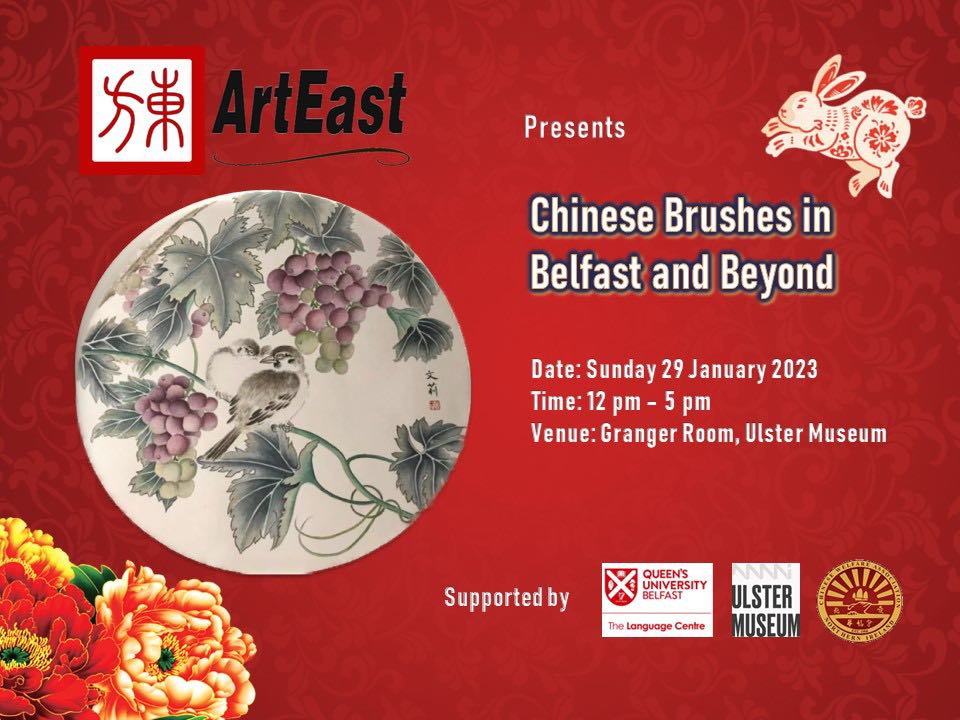
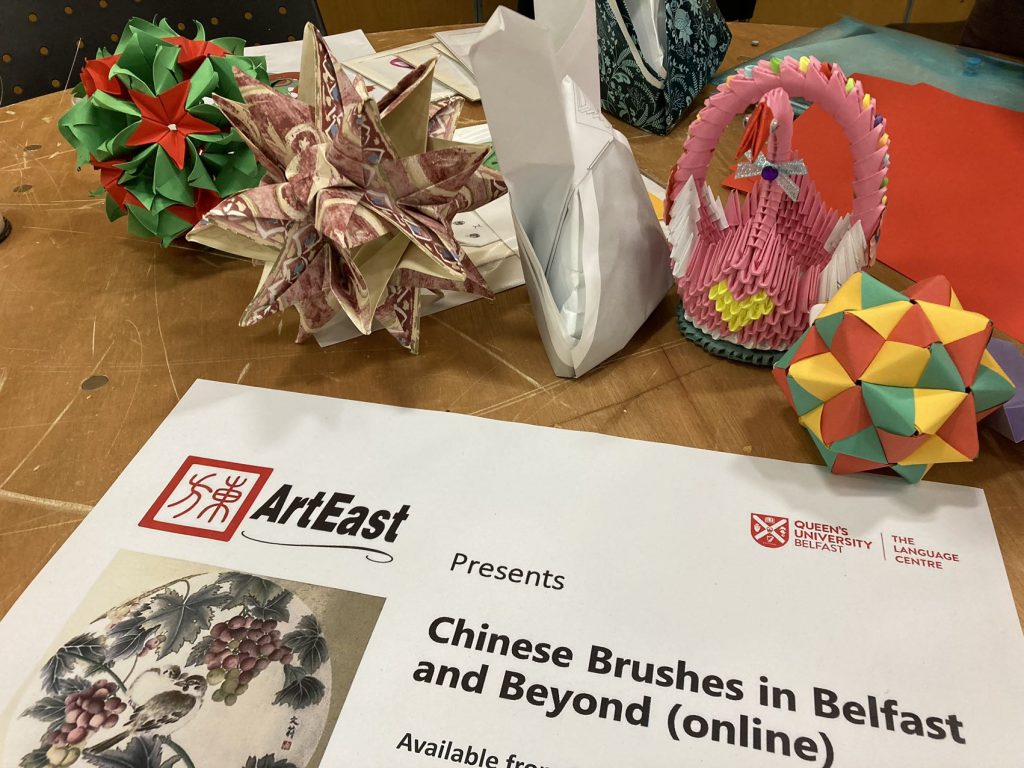
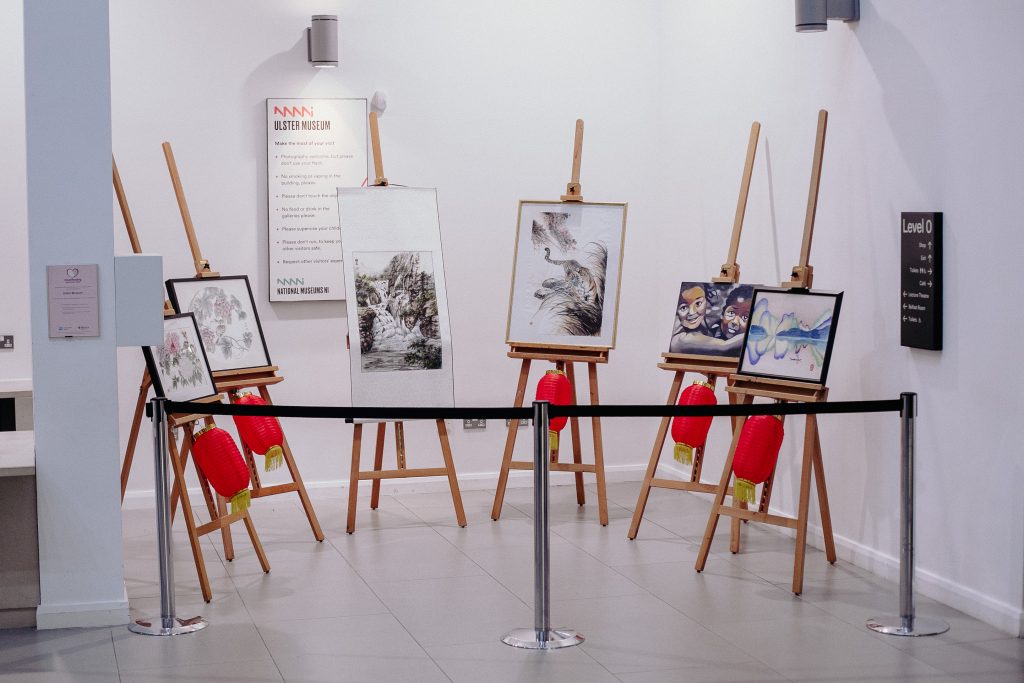
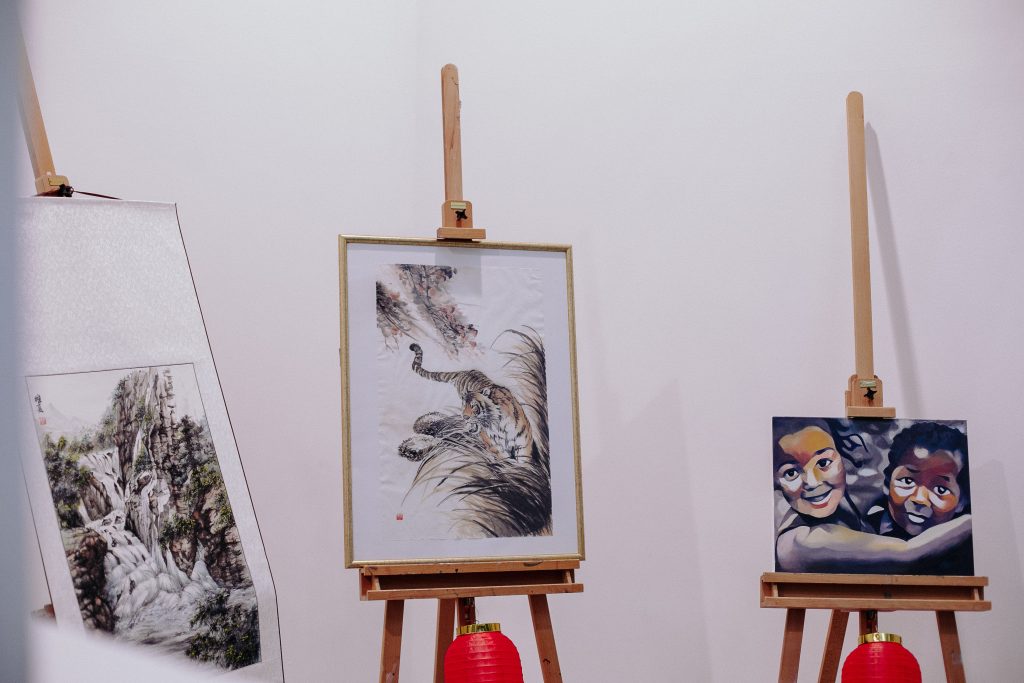
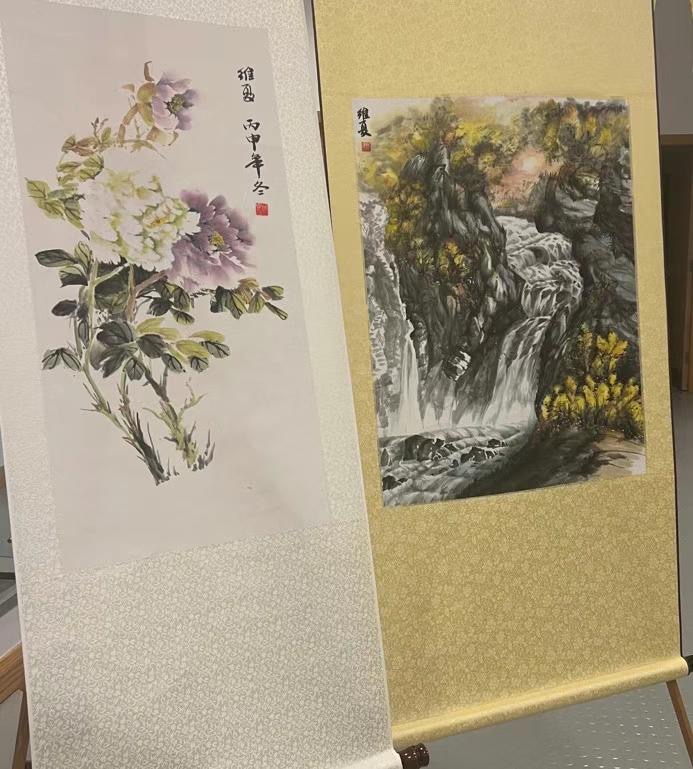
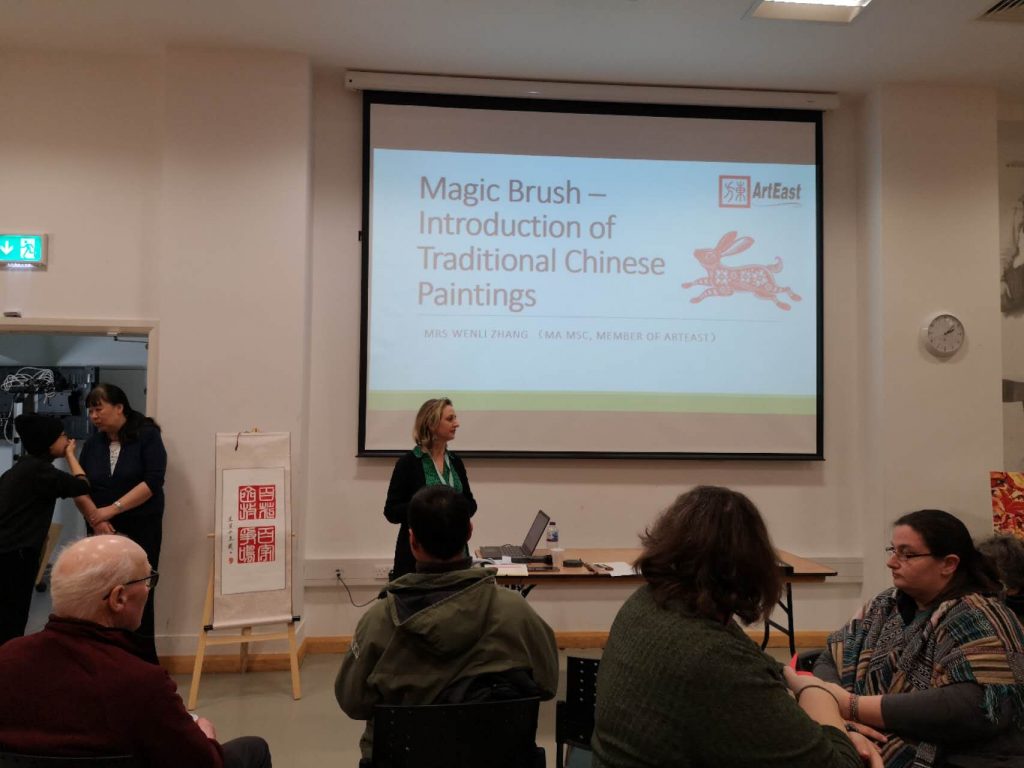
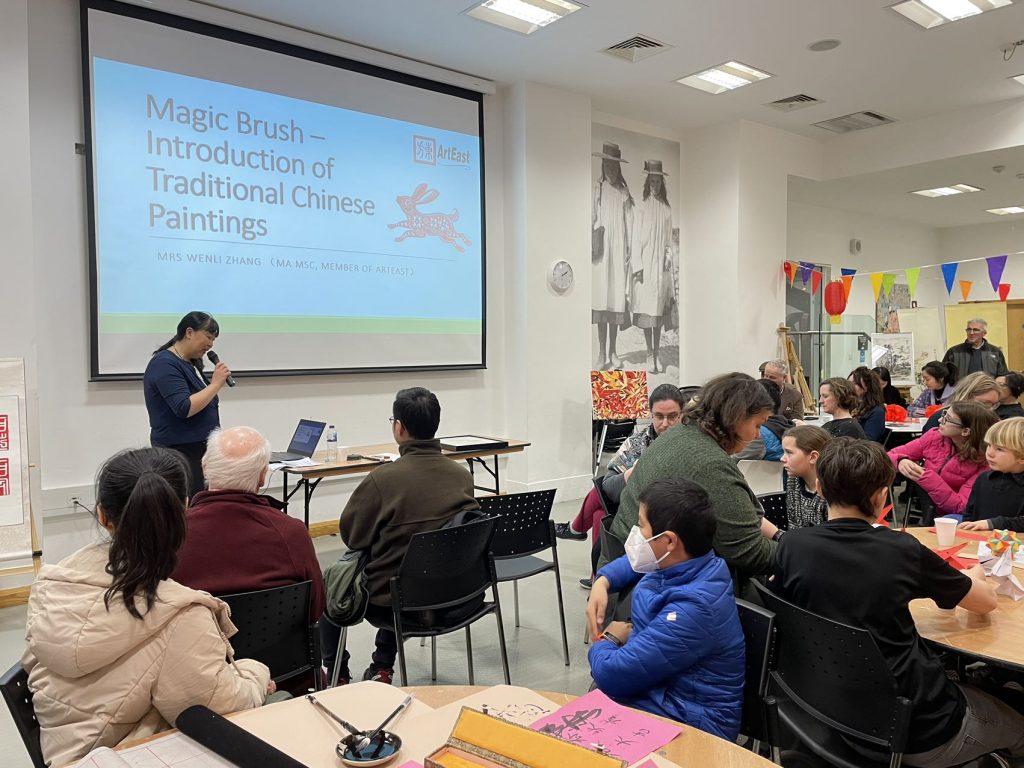
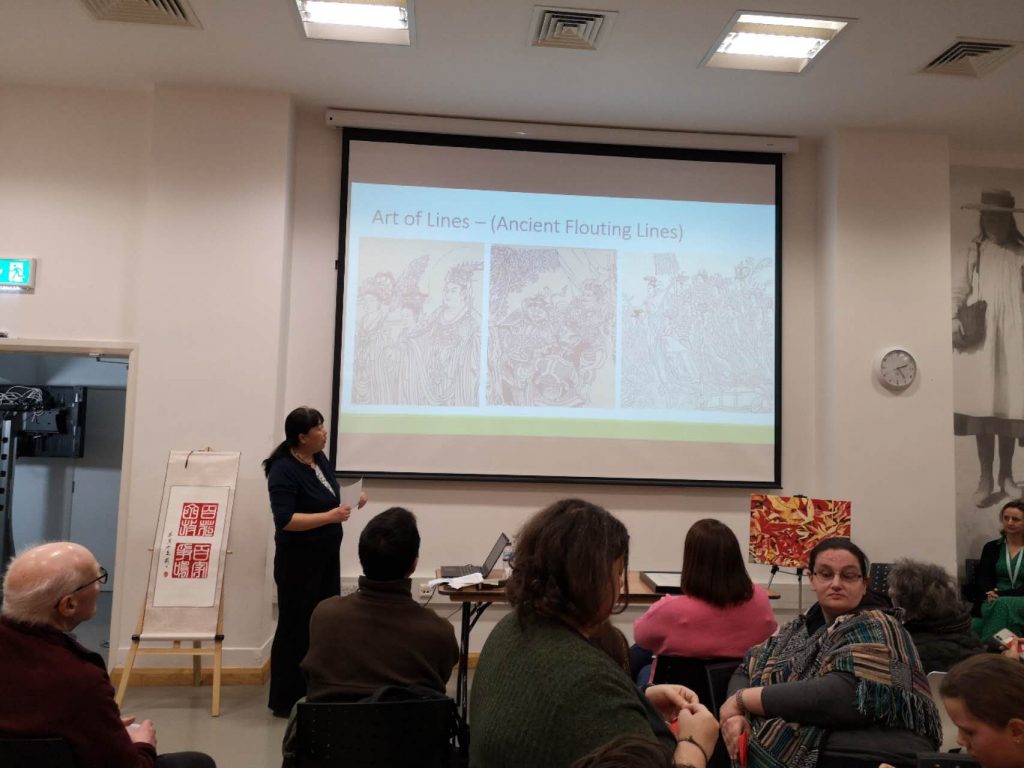
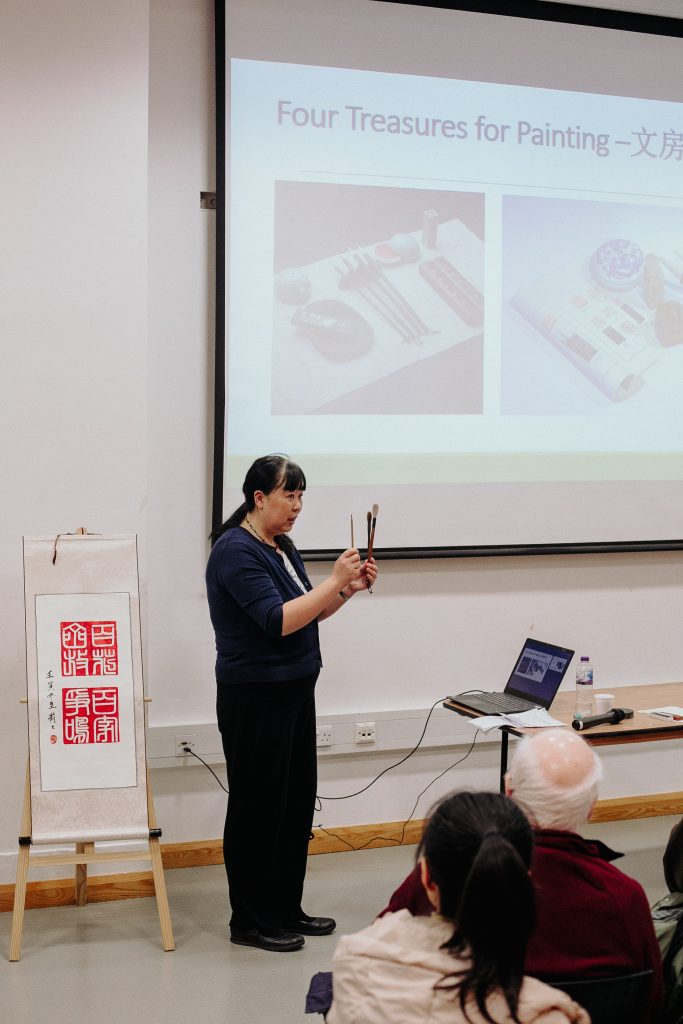
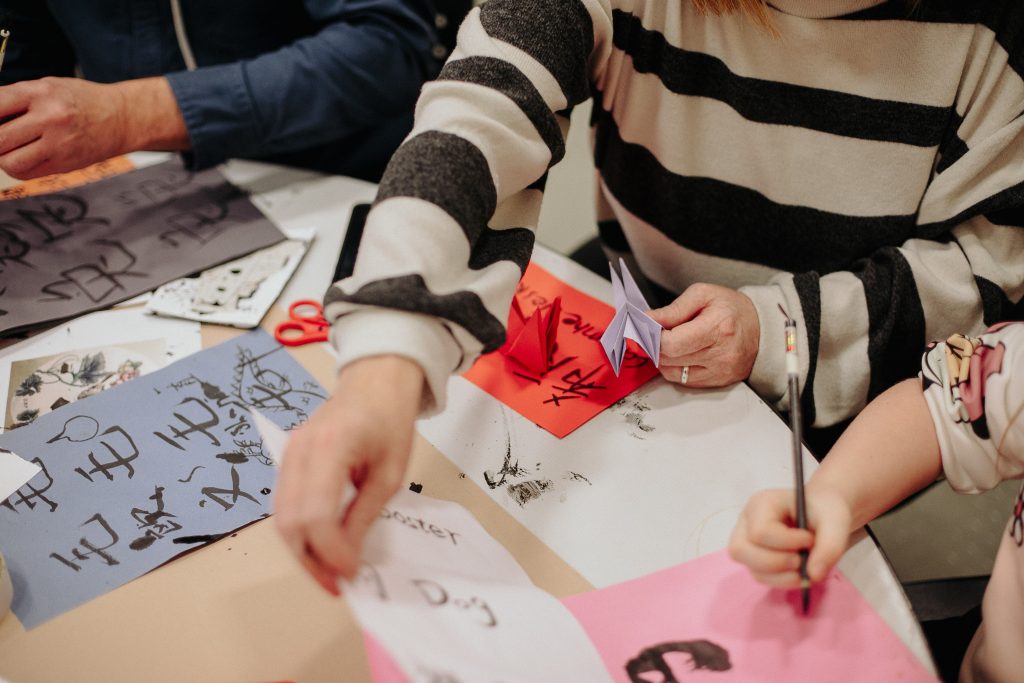
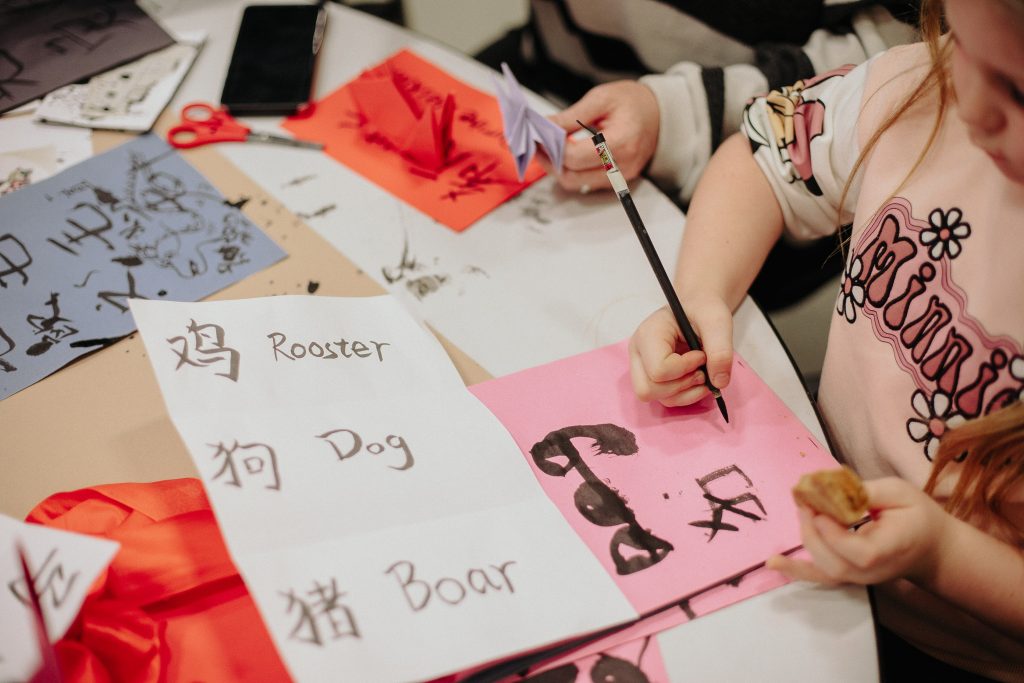
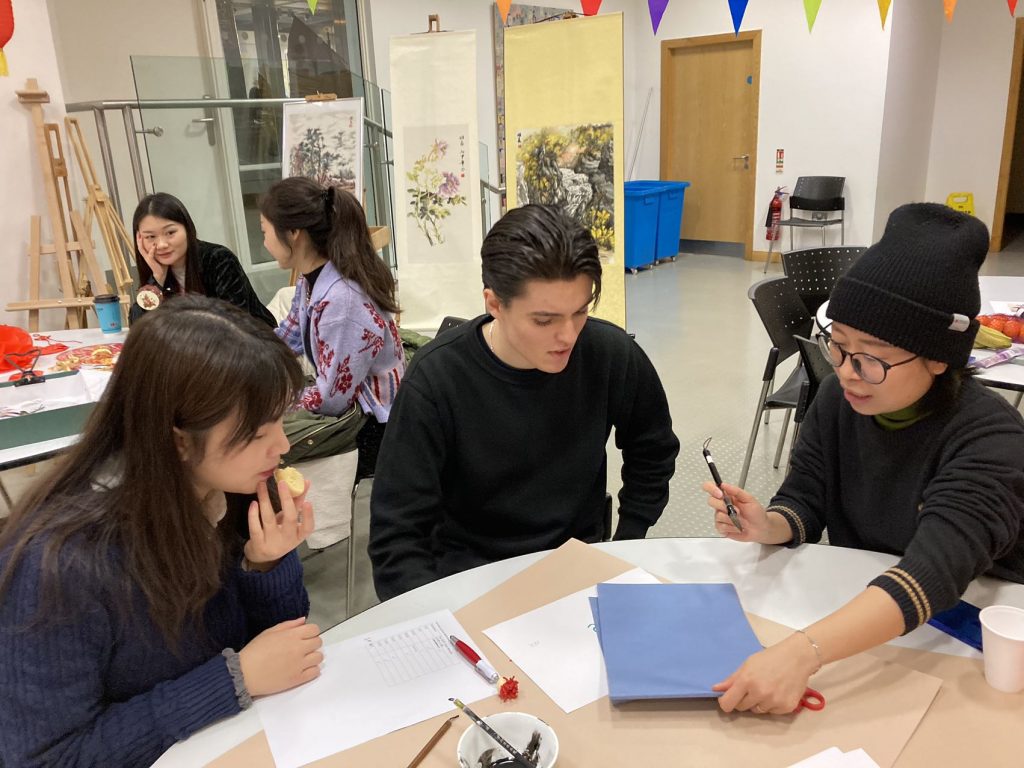
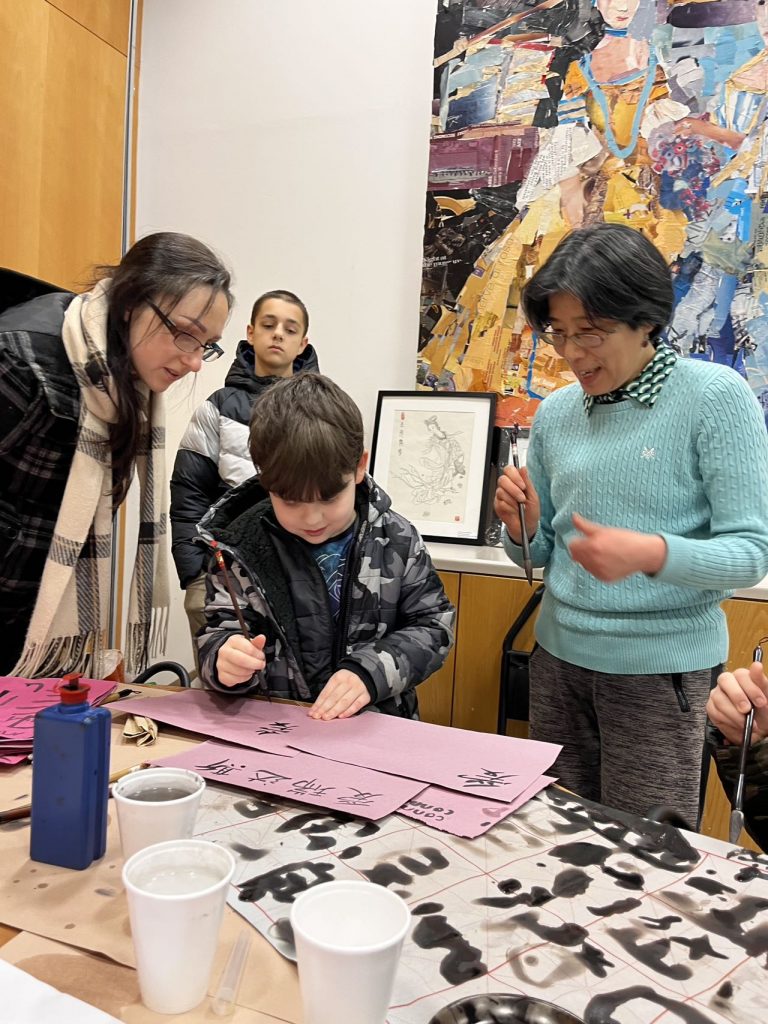
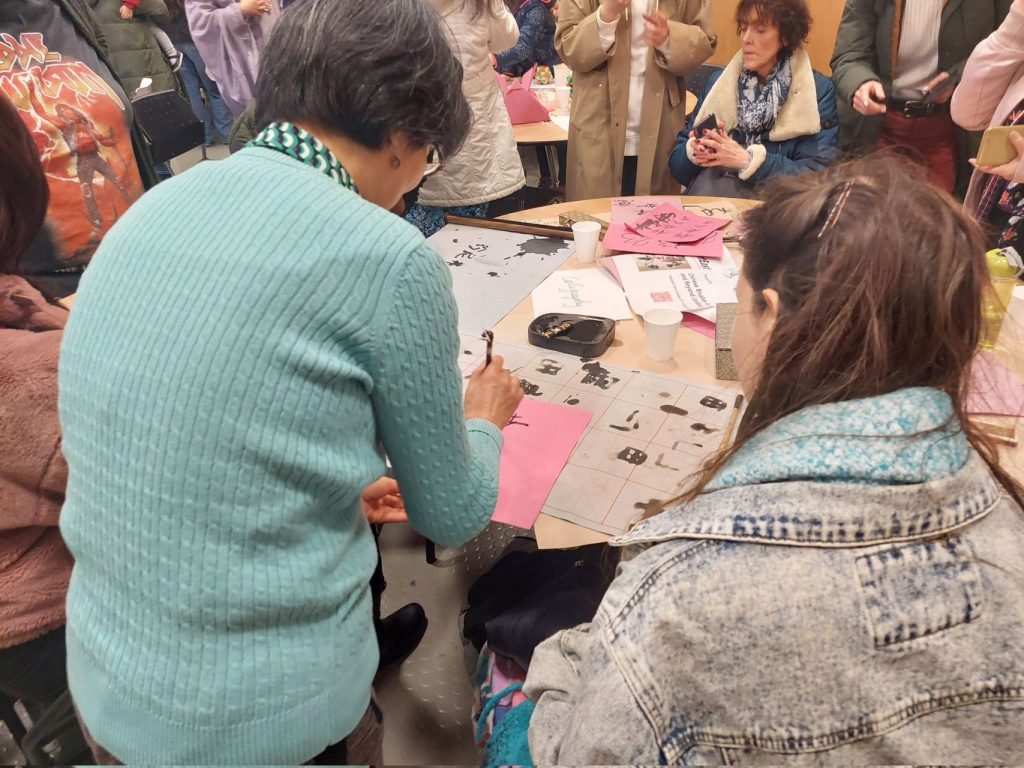
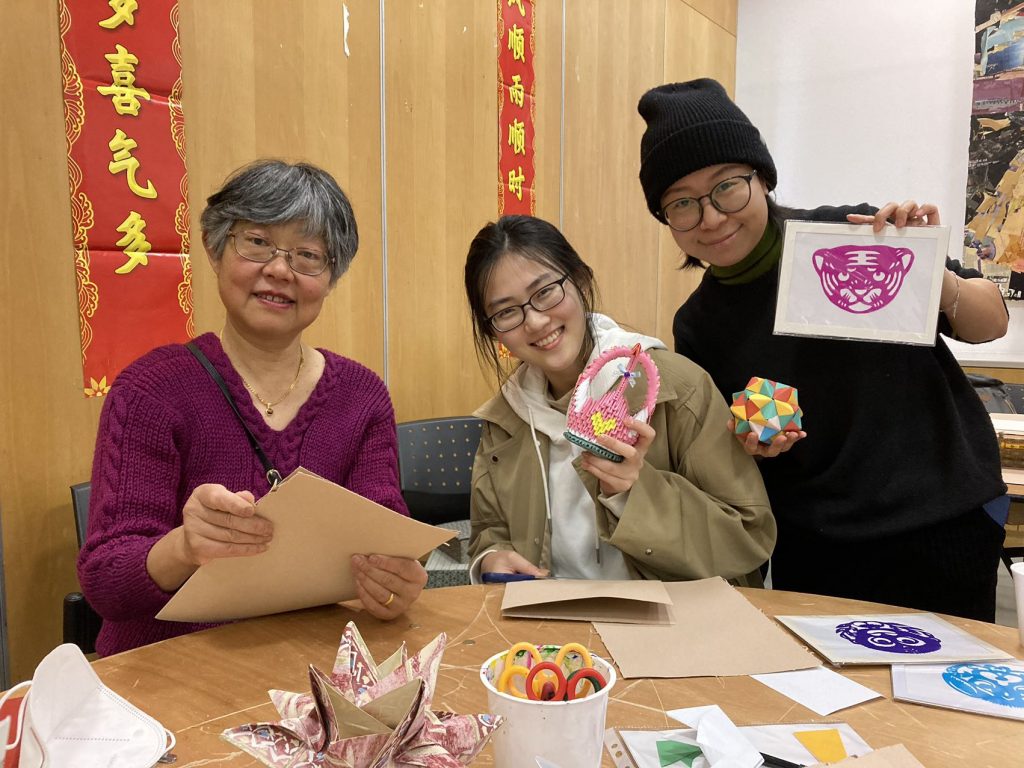
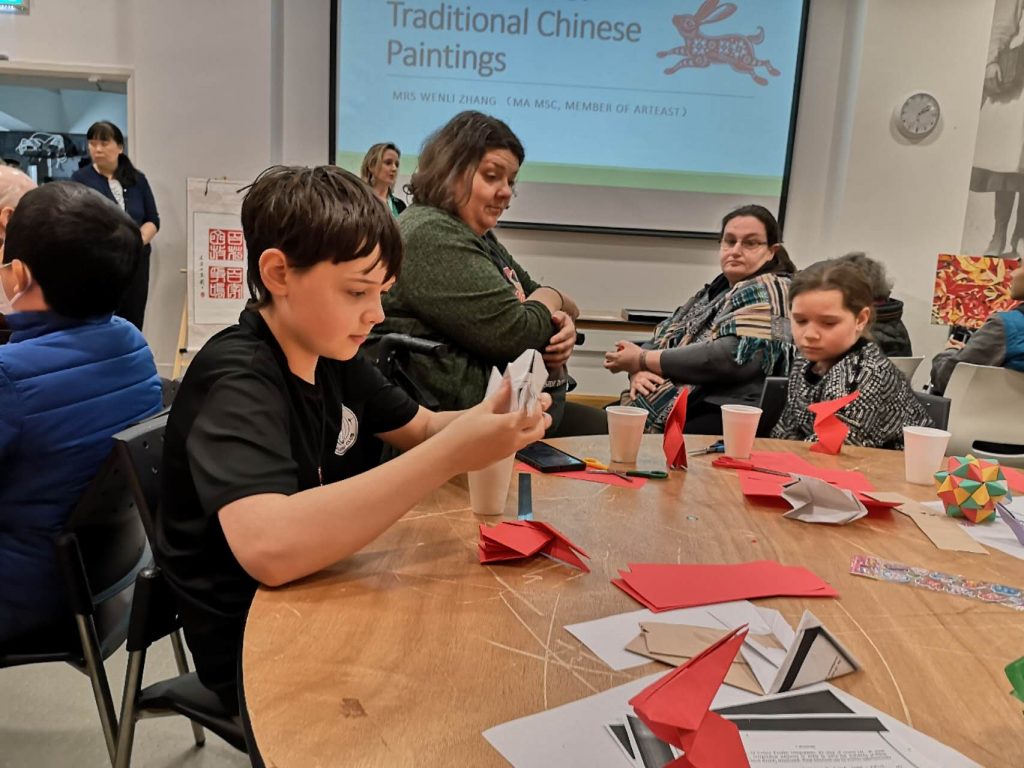
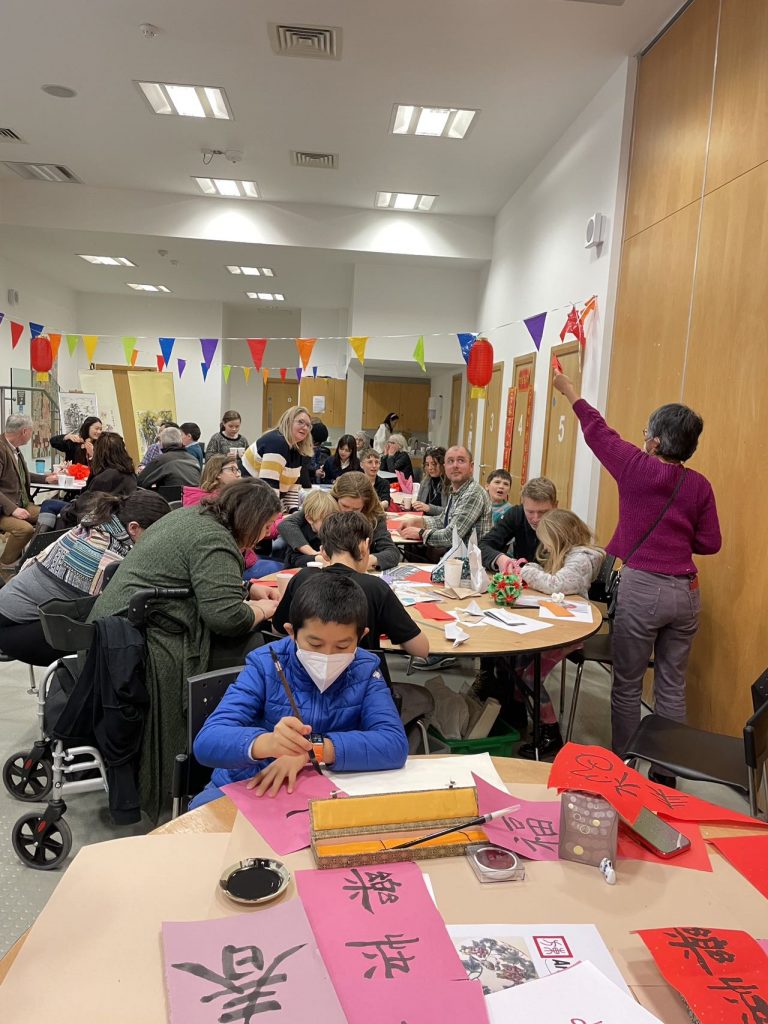
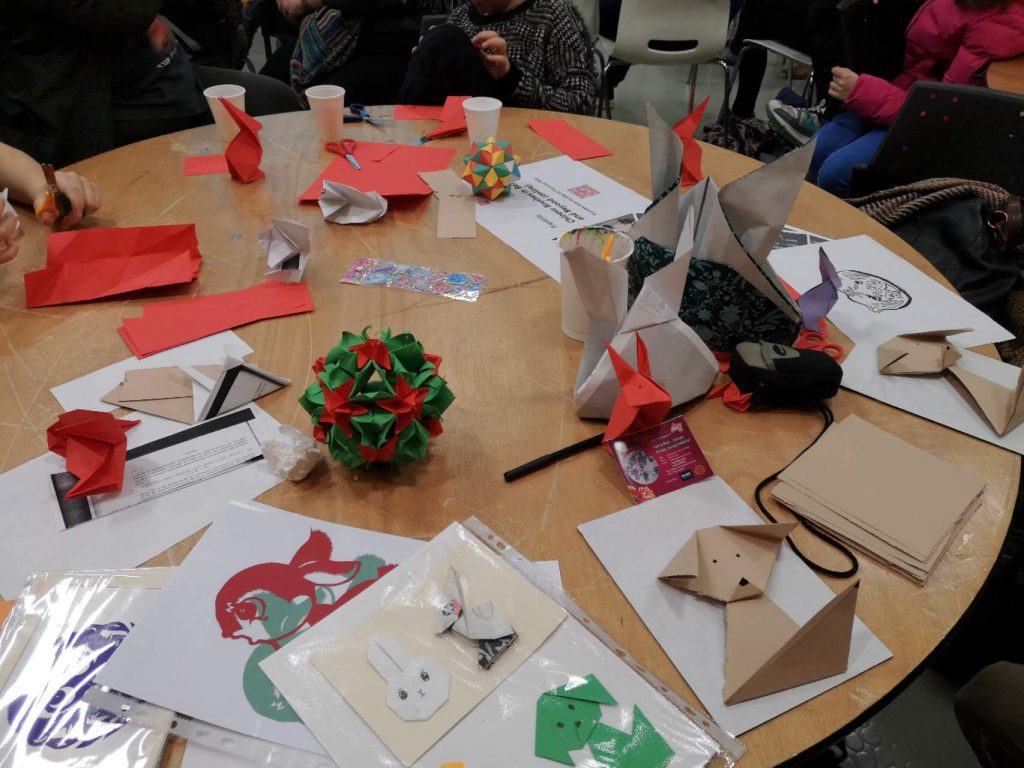
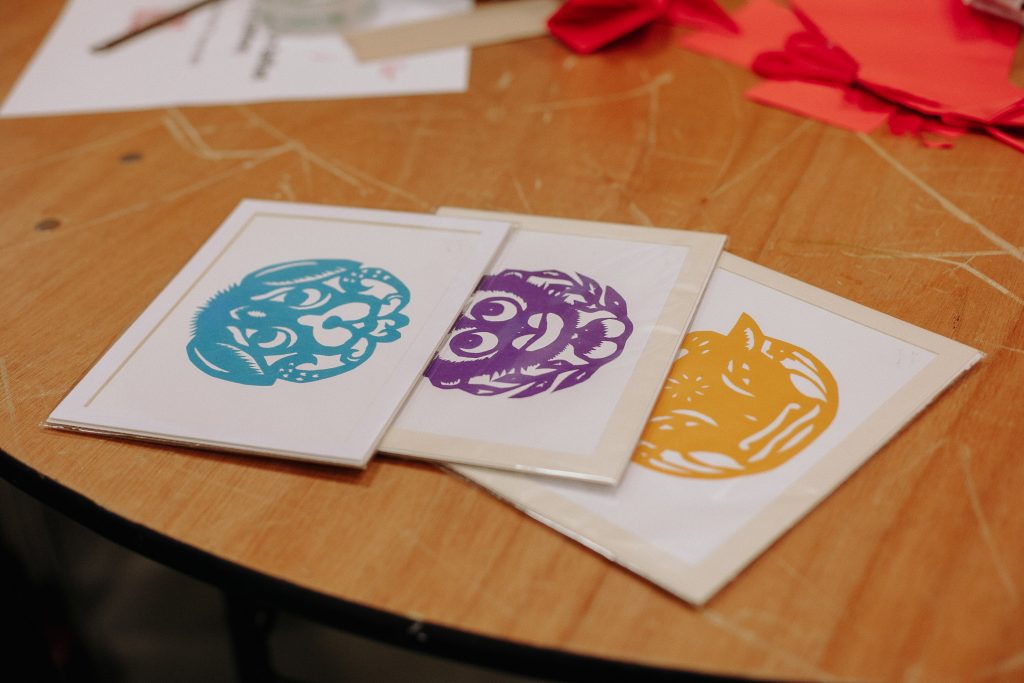
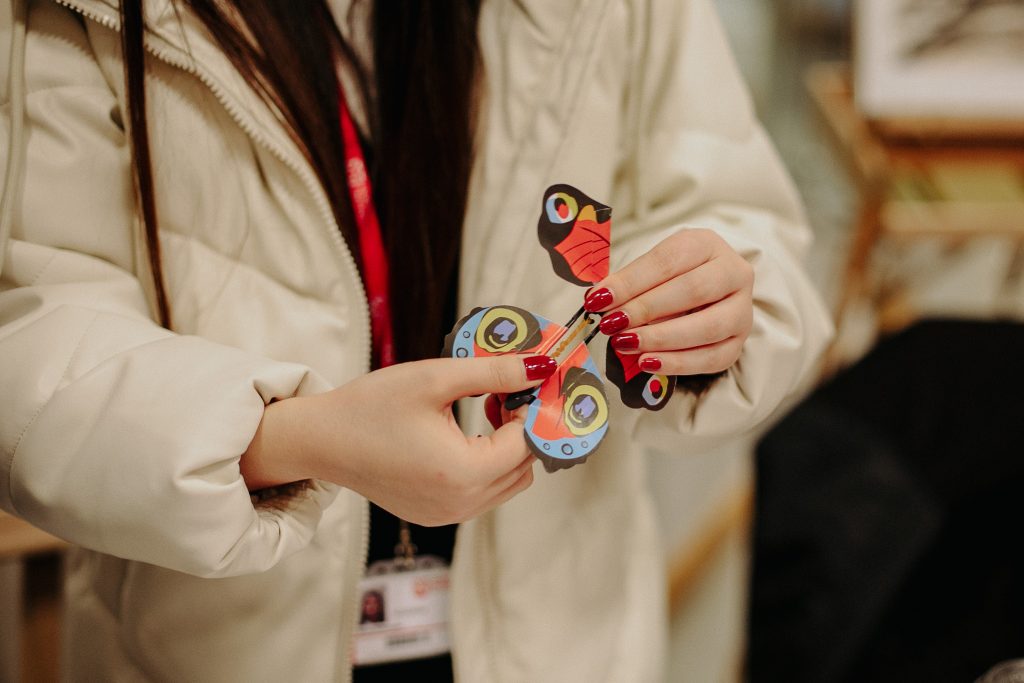
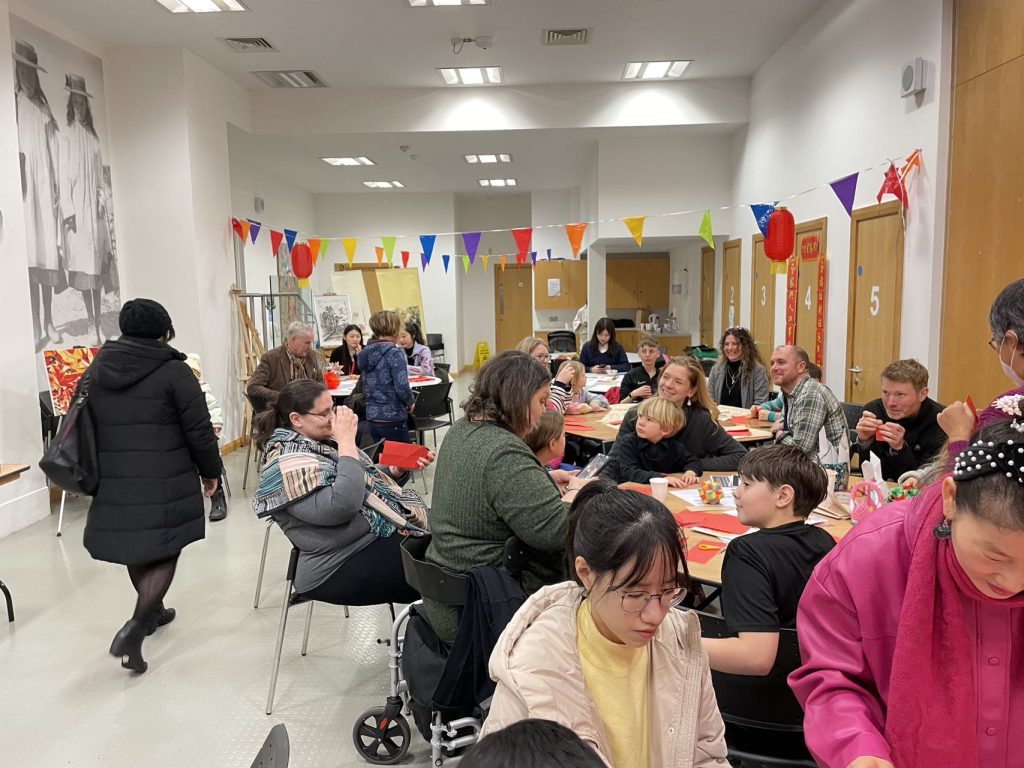
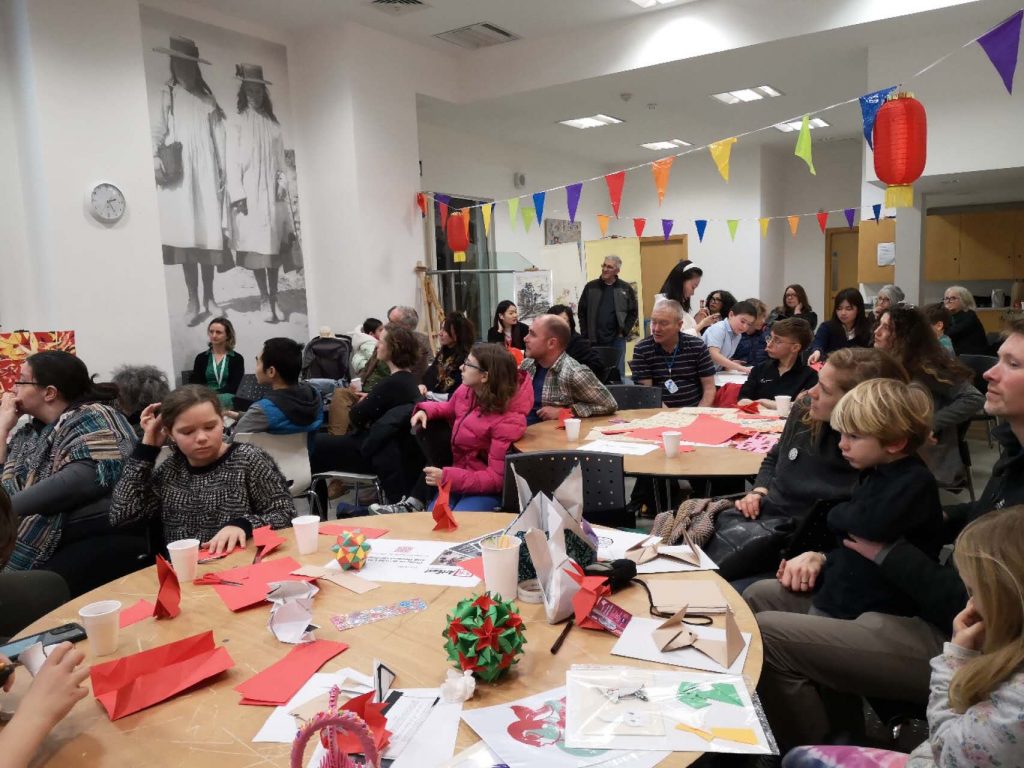
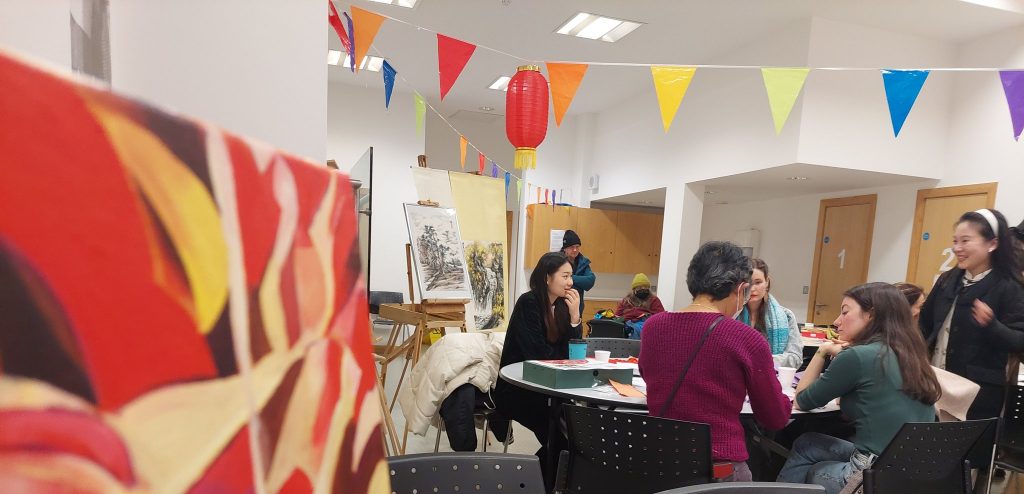
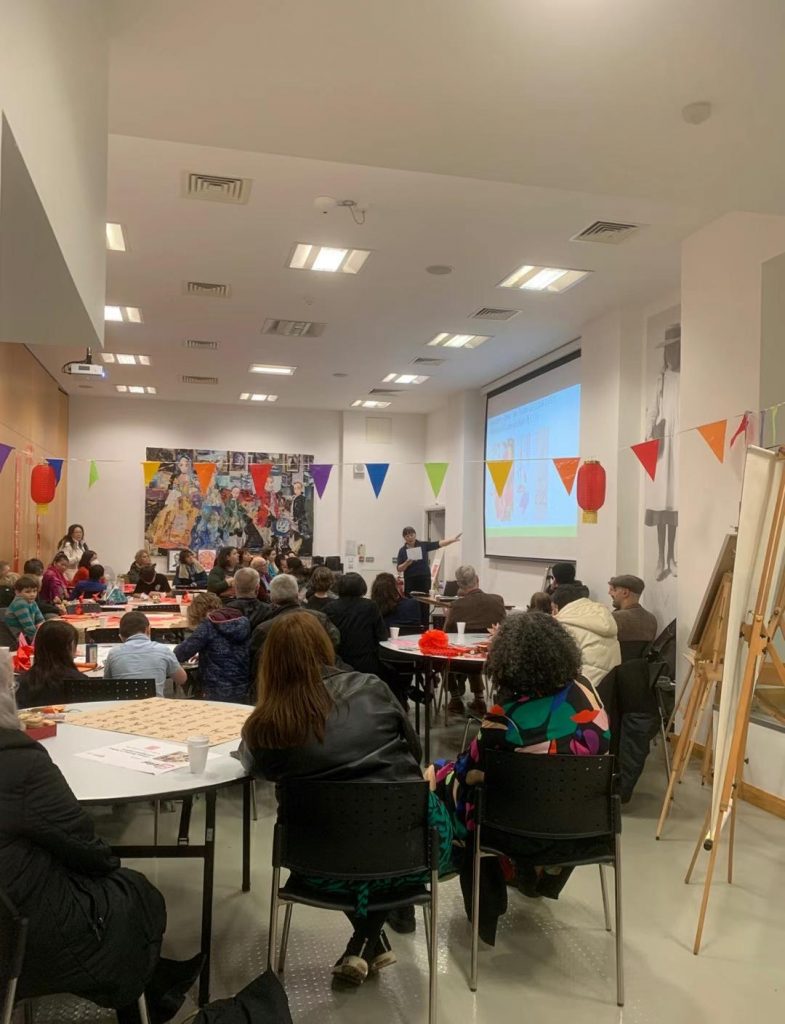
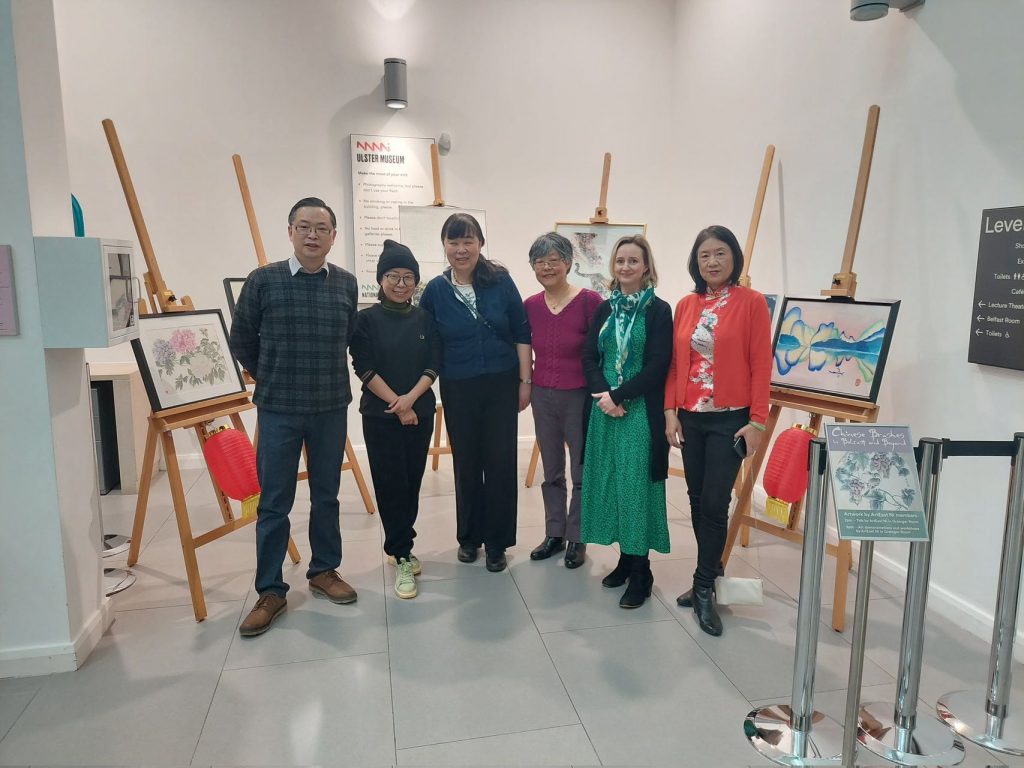
On Sunday 29th January the Ulster Museum will hosts this event including a selection of ArtEast NI members’ paintings displayed at the hall area from 12 pm on, and a talk/panel discussion at 2 pm on their themes, styles, and techniques, as well as their attitudes towards challenging lives throughout the pandemic period. There will also be an interactive workshop from 3 pm to encourage audience, especially those families with kids, to have some hands-on practice (e.g. painting, calligraphy, paper crafts) under the guidance of the artists.

This image has an empty alt attribute; its file name is ArtEast-Exhibition-UM-Poster.jpg
See the event on Ulster Museum What’s On

Supported by The Language Centre at Queen’s, the Ulster Museum and the Chinese Welfare Association NI, this half-day event is family-friendly and free for all.

Photo album

To view the ArtEast NI online exhibition starting from Sunday 22nd January when the Year of the Rabbit starts, please click the button below.

Mid-Autumn Festival Celebrations

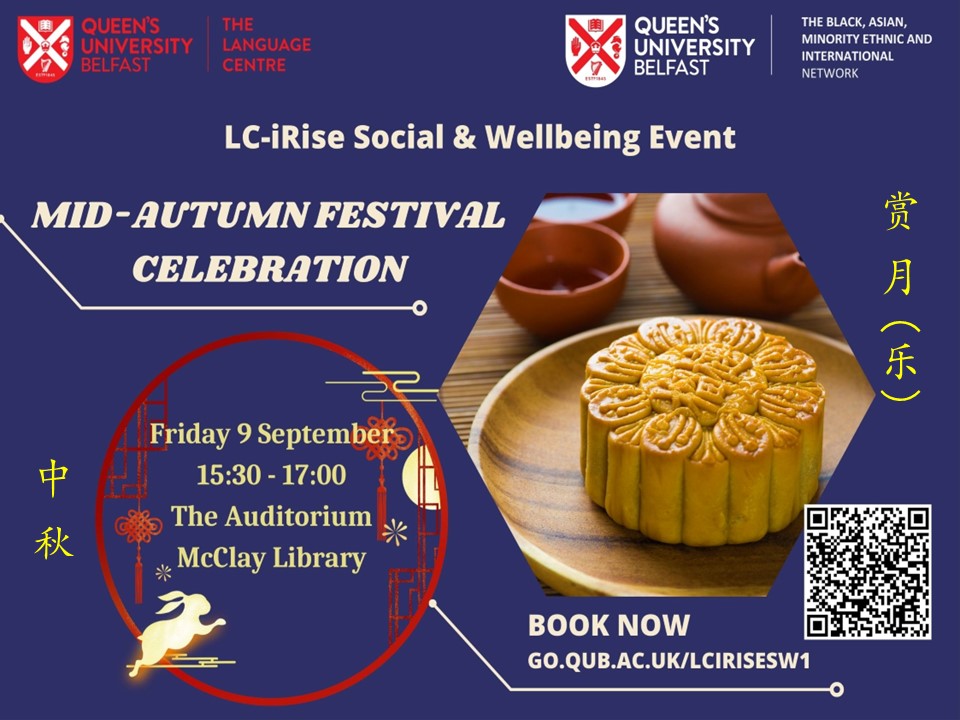
Happy September and happy Mid-Autumn Festival which arrives early, falling on Saturday 10th September this year. 中秋节快乐 (Zhōngqiūjié kuàilè)!

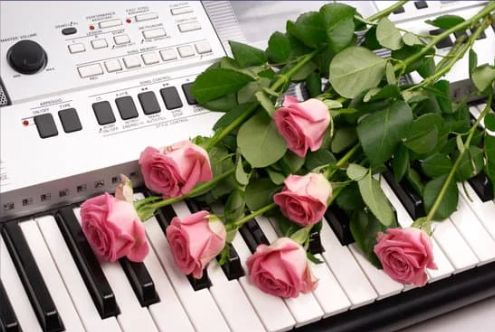
Following the successful rolling out of the iRise Social and Wellbeing Event – A Taste of Chinese Tea with Guzheng Music in July, we would like to invite you to join our Mid-Autumn Festival celebration with a cultural talk on its history and social impact, with a taste of mooncakes (赏月 shǎng yuè) and MIDI keyboard performance (赏乐 shǎng yuè) –

MIDI Keyboard with Roses
  • Organised by The Language Centre and BAME & International Staff Network, QUB
  • Presented by Dr Liang Wang, The Language Centre
  • Contributed by Kehan (可瀚), BSc candidate in Music and Audio Production, School of Arts, English and Languages

Date: Friday 23rd September 2022
Time: 15:30 – 17:00 
Venue: The Auditorium, McClay Library

Please note: Due to rescheduling we may have some limited spaces available. For colleagues who signed up for the event and still can attend, you don’t need to do it again. However, if you are no longer able to attend in-person, please email liang.wang[at]qub.ac.uk so that places can be made to others. Please register by 4.00pm on Thursday 22nd September.

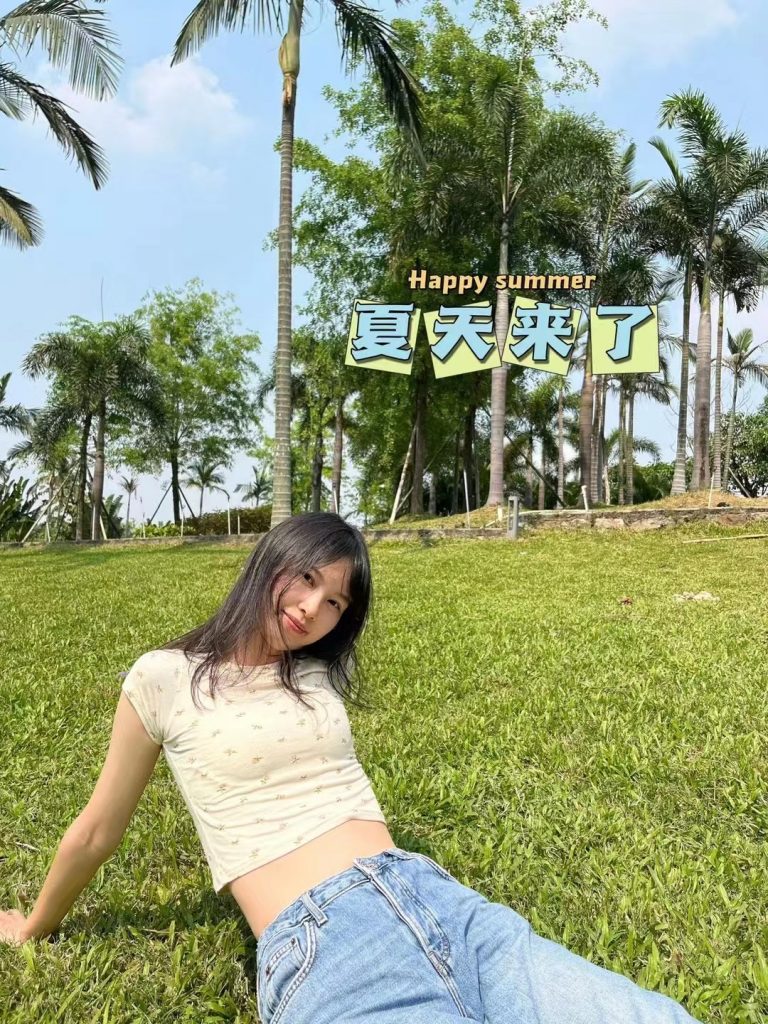
Happy Summer with Yangzhi Ganlu

While in Northern Ireland we have embraced a cool autumn it remains scorching hot in most places in China, where having a bowl of chilled dessert soup sparks so much joy in a hot summer. This time we invite CHEN Jiangyue (陈江月), a graduate in MSc TESOL, to share with us a type of popular dessert soup called ‘Yangzhi Ganlu’.

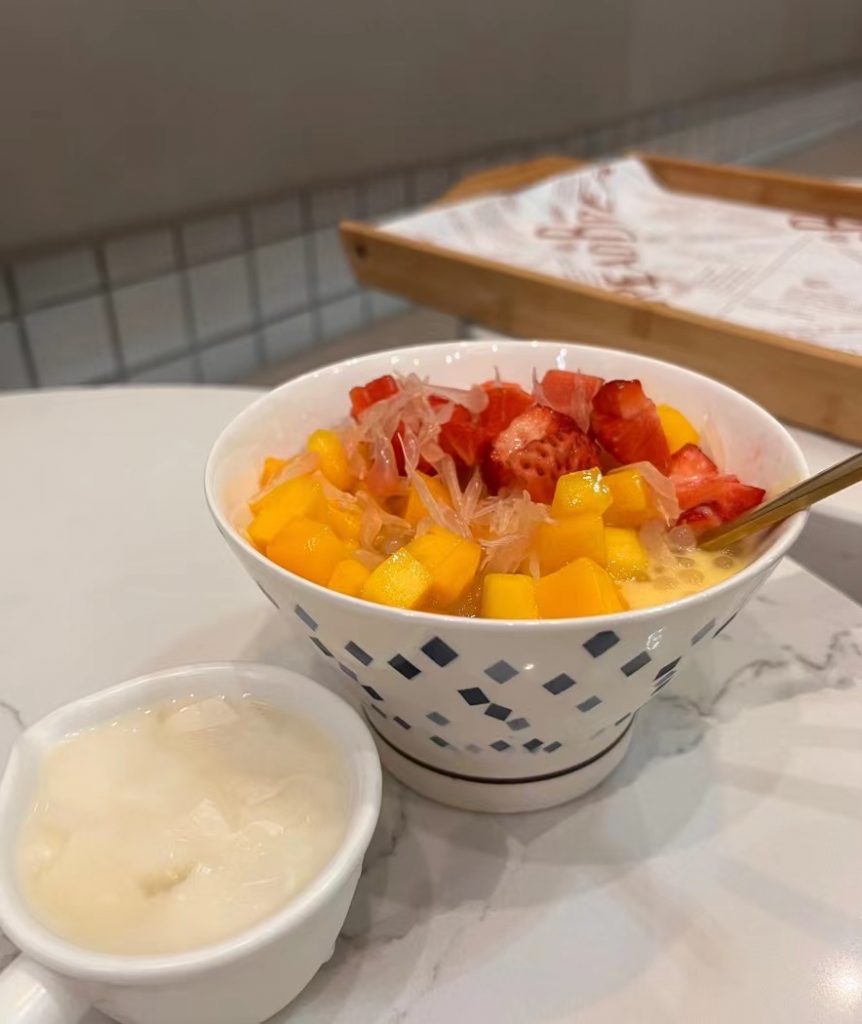
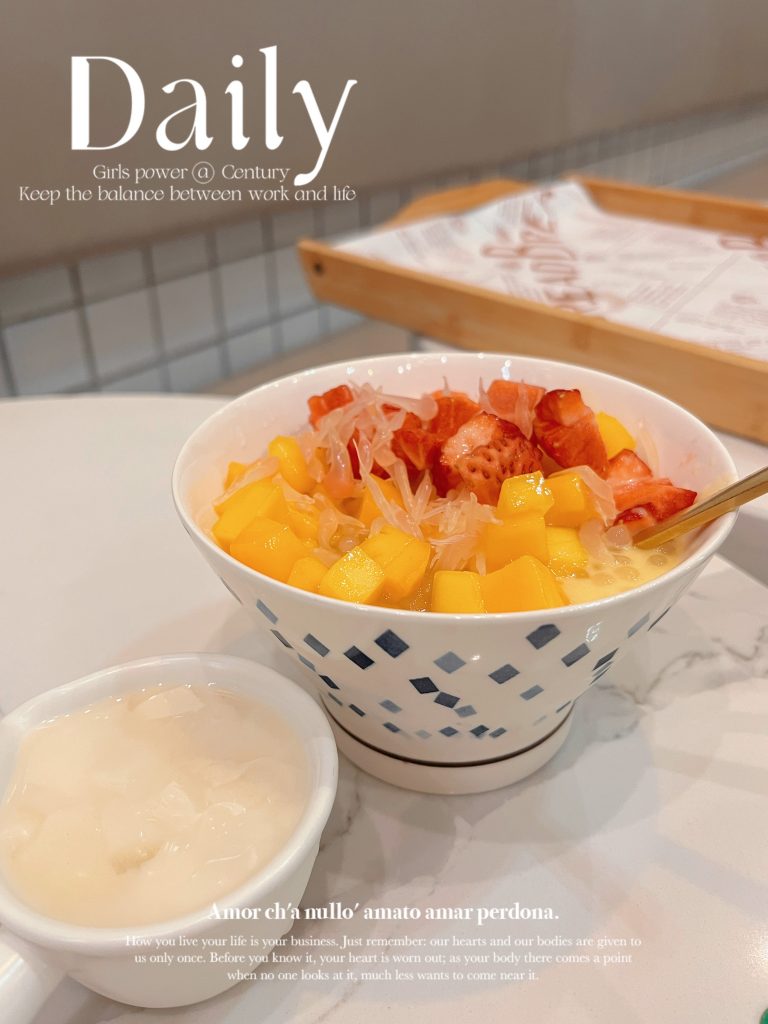
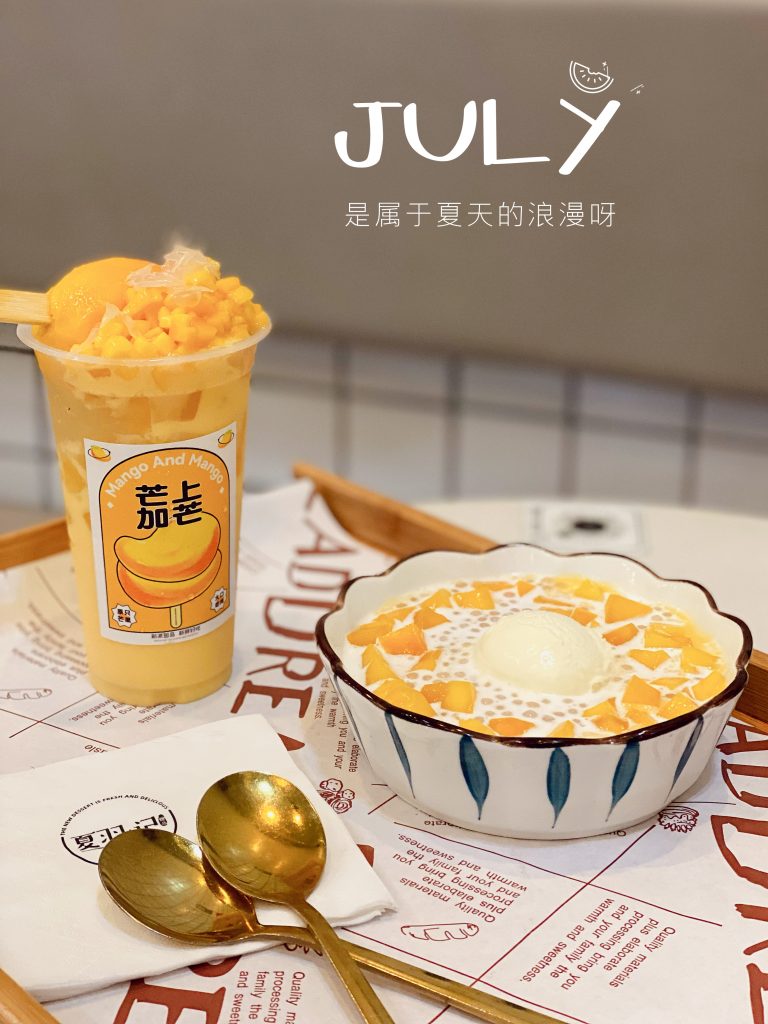
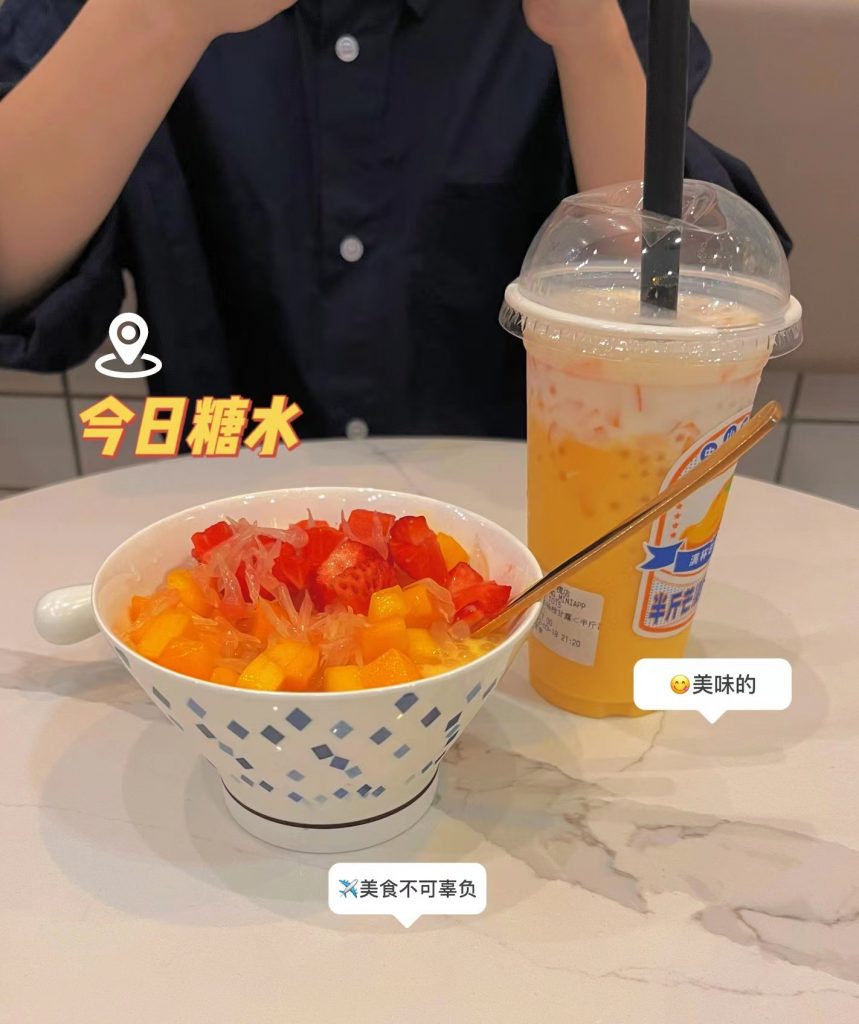
As a girl raised in Guangdong province, which borders Hong Kong, my favourite dessert soup is Yangzhi Ganlu (杨枝甘露 Yángzhī Gānlù), a type of Hong Kong-style dessert soup that is often widely known as ‘Yangzhi Nectar’, or simply, ‘Mango Pomelo Sago’ in English.

Photo: CHEN Jiangyue

The dessert soup of the day

Rich in fruit, especially mango (芒果 mángguǒ) and pomelo (柚子 yòuzi), as the name suggests, it often contains grapefruit (葡萄柚 pútaoyòu), coconut (椰子 yēzi), strawberry (草莓 cǎoméi), and sago (西米露 xīmǐlù), served in coconut milk (椰奶 yēnǎi) and syrup (糖水 tángshuǐ, aka Tong Sui in Cantonese). Deliciously sweet and sour with a silky milk flavour, it will soon perk you up with the feeling of infinite freshness and happiness! While it is best served chilled, especially in summer, it is nevertheless a great drink for all seasons.

Whenever I feel like a summer treat, I will make it myself at home as it is easy to prepare, or buy it at local stores as they are so popular. It is also my top recommendation for my friends coming to visit Guangdong. Every time we meet at my place, I always take my friends out to taste Yangzhi Ganlu at some must-try restaurants or dessert soup stores.

What does the Chinese name mean exactly?

Yangzhi Ganlu is a contemporary syrup invented by the Lei Yuan Group, a Hong Kong-based business, in the 1980s, although its name is embedded with connotations of traditional Chinese mythology.

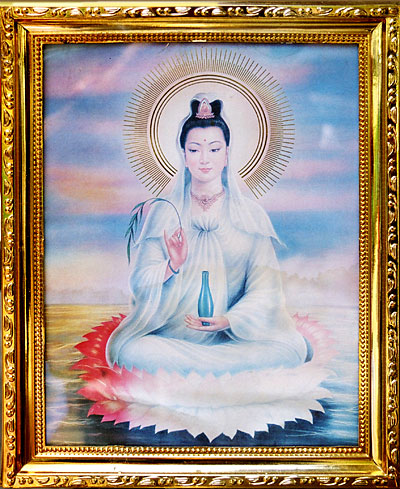
Yangzhi (杨枝 Yángzhī), literally meaning willow branches, refers to the holy branch held in the sacred porcelain vase of Guanyin Bodhisattva (观世音菩萨 Guānshìyīn púsà) in Chinese Buddhism, a figure synonymous with the pinnacle of mercy, compassion, and kindness. Ganlu (甘露 Gānlù) refers to the holy dew dropping from the willow branch, which is believed to have the power to bring people back to life or to make one feel refreshed.

Photo © nationsonline.org

Hence, the name was adopted to highlight its health benefits and its effectiveness at cooling people down in hot weather.

Taking a pioneer role in a competitive dessert industry, Yangzhi Ganlu has evolved into many different variations overtime and has won the heart of many people, both young and old, in greater China and elsewhere. It is believed that its success does not merely rely on the business itself, but also on the cultural associations of its name.

Author: CHEN Jiangyue
Editors:
Lauren McShane and WANG Liang

What other type of dessert or drinks have you ever entertained yourselves? Let us know your choices and the stories behind by leaving your comments in the box below. We look forward to reading your blog post in the near future.

Continue reading