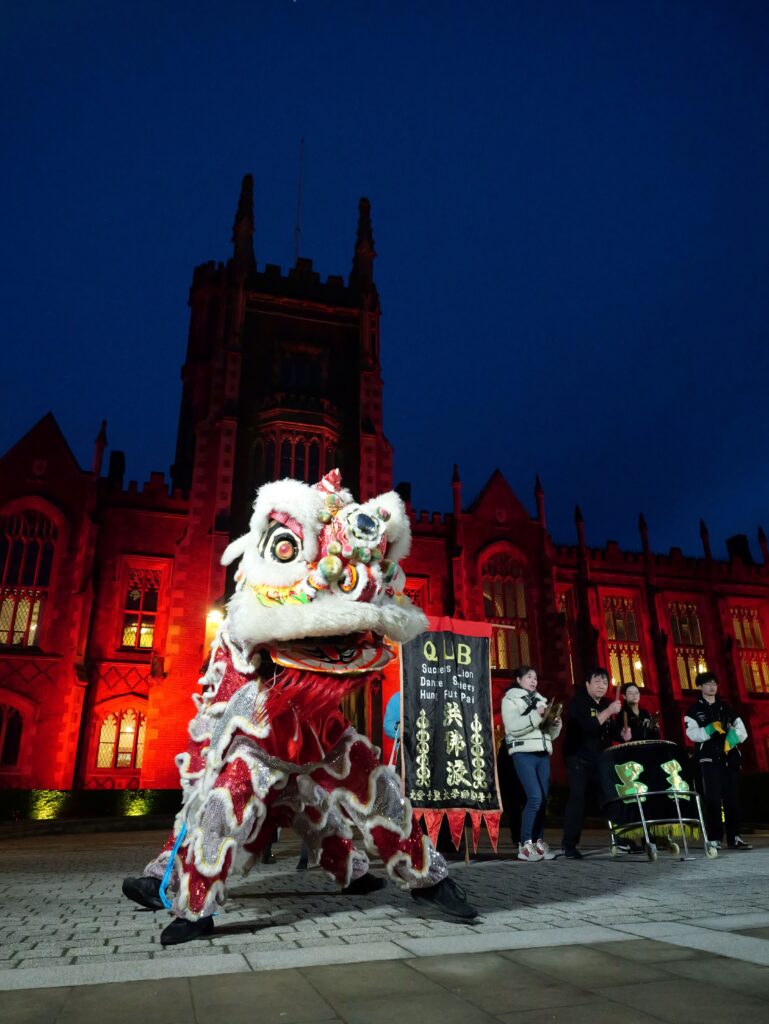
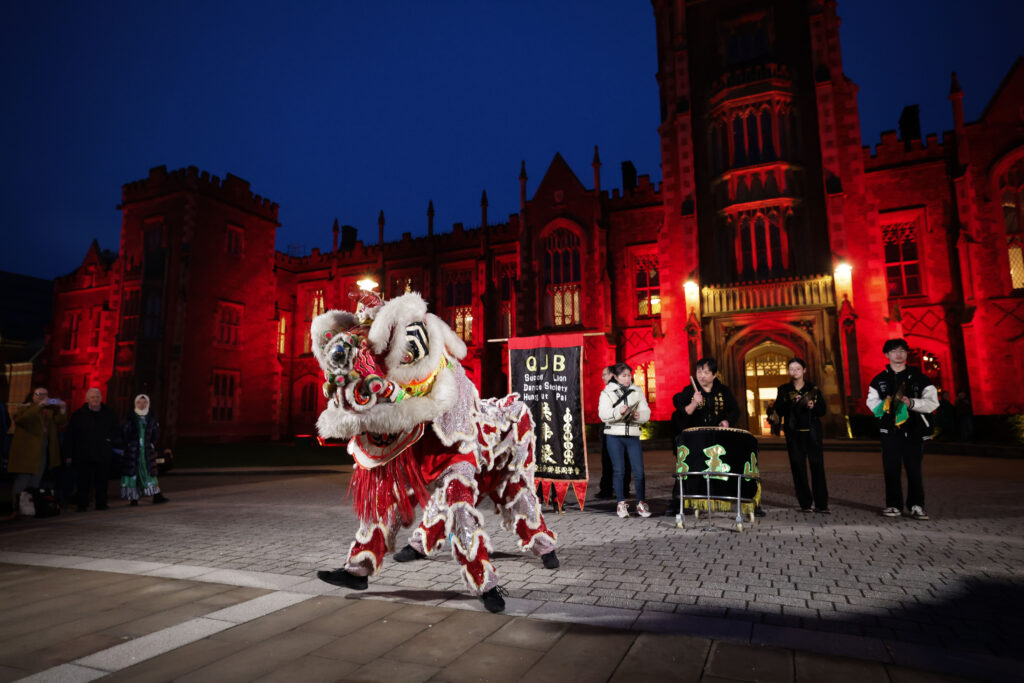
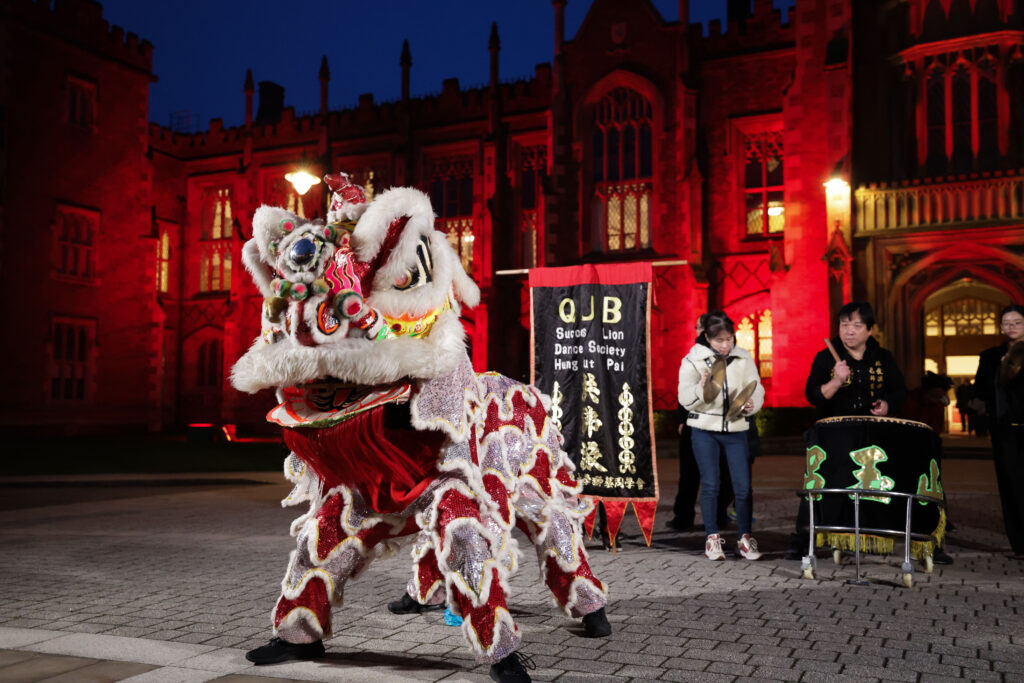
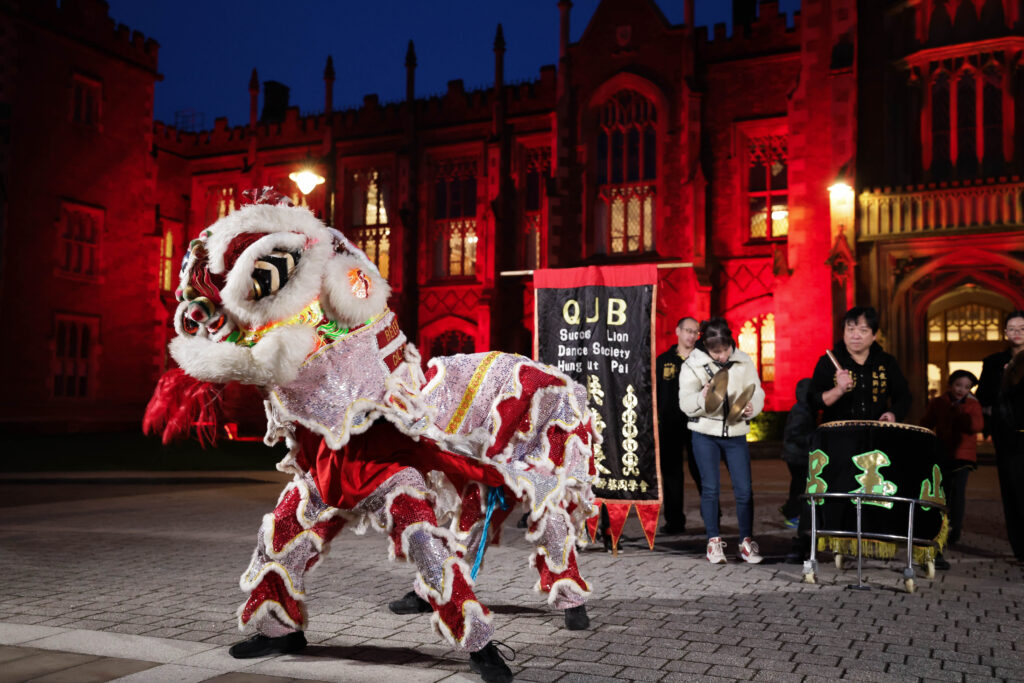
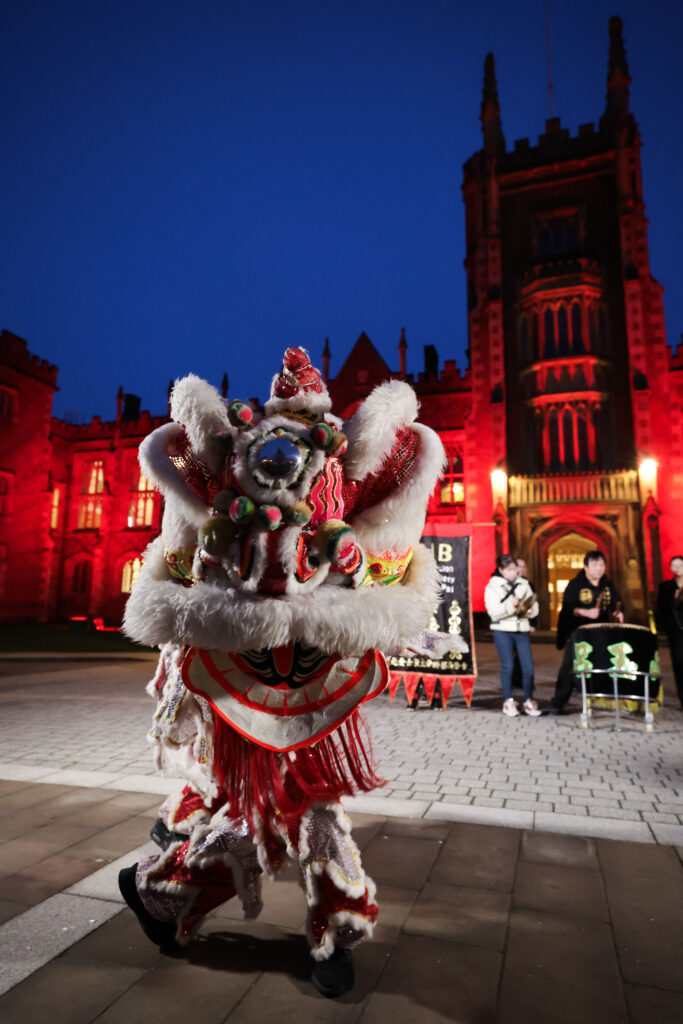
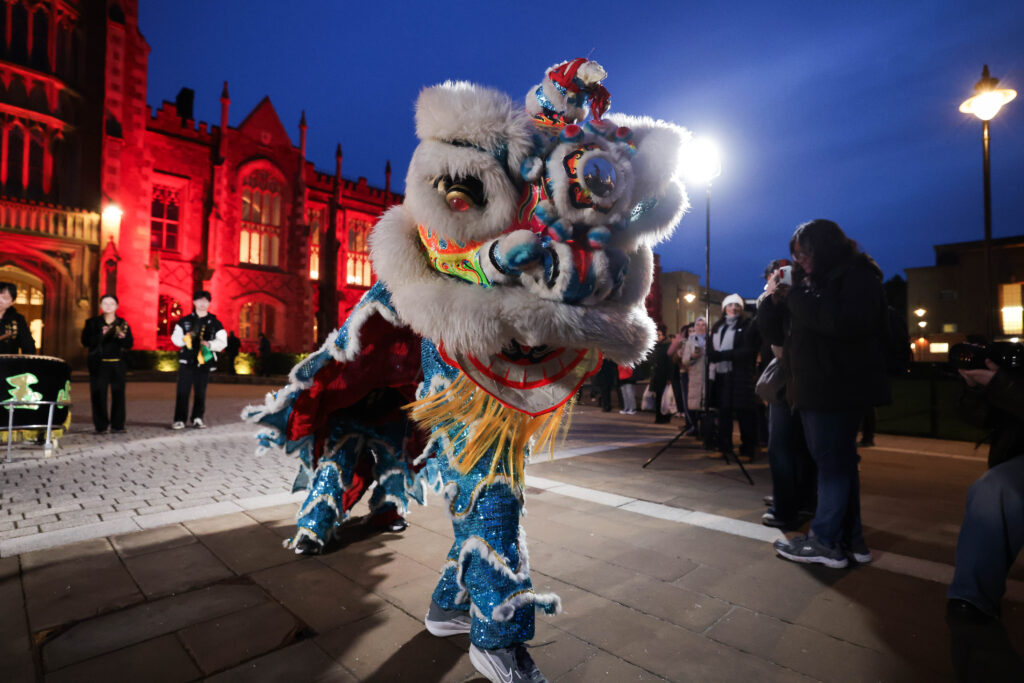
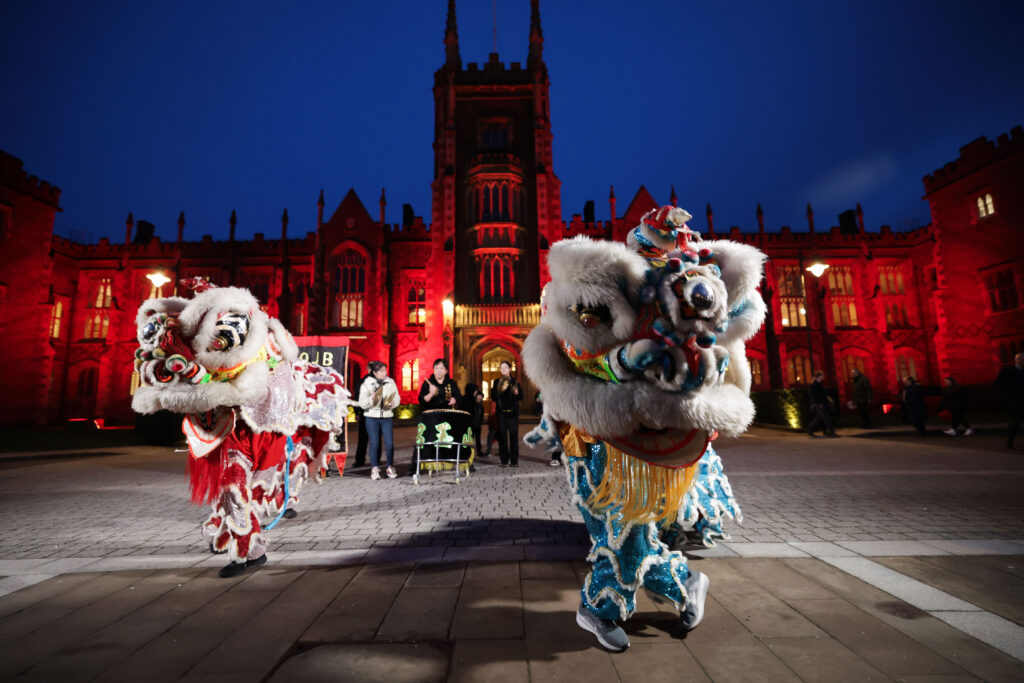
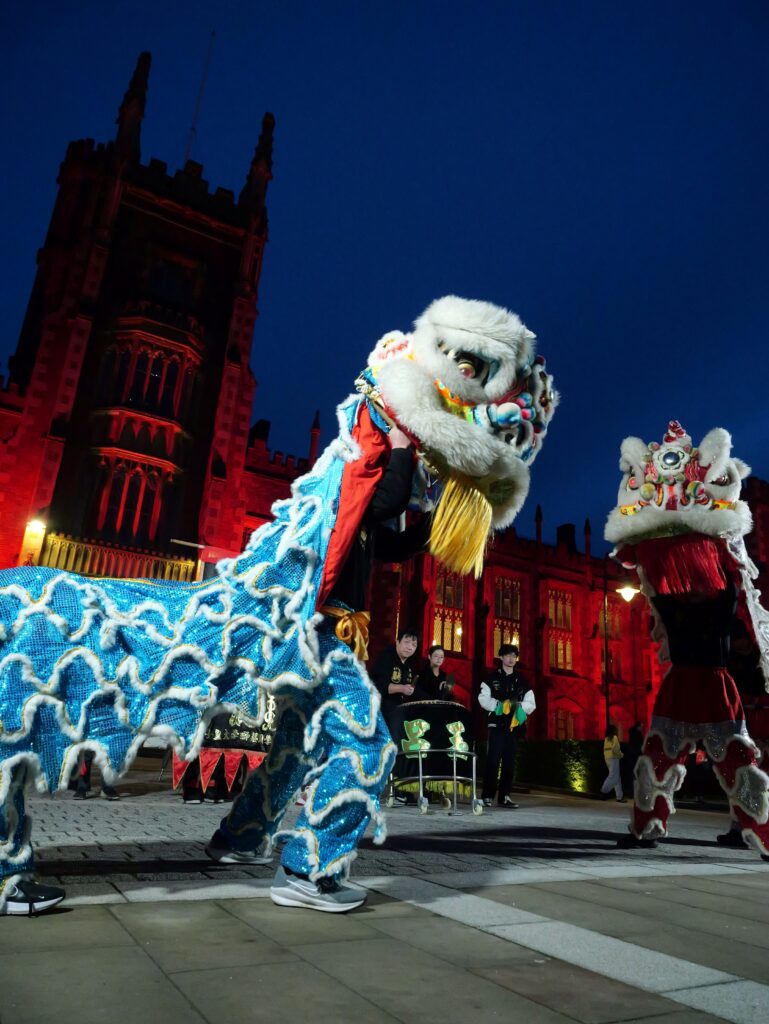
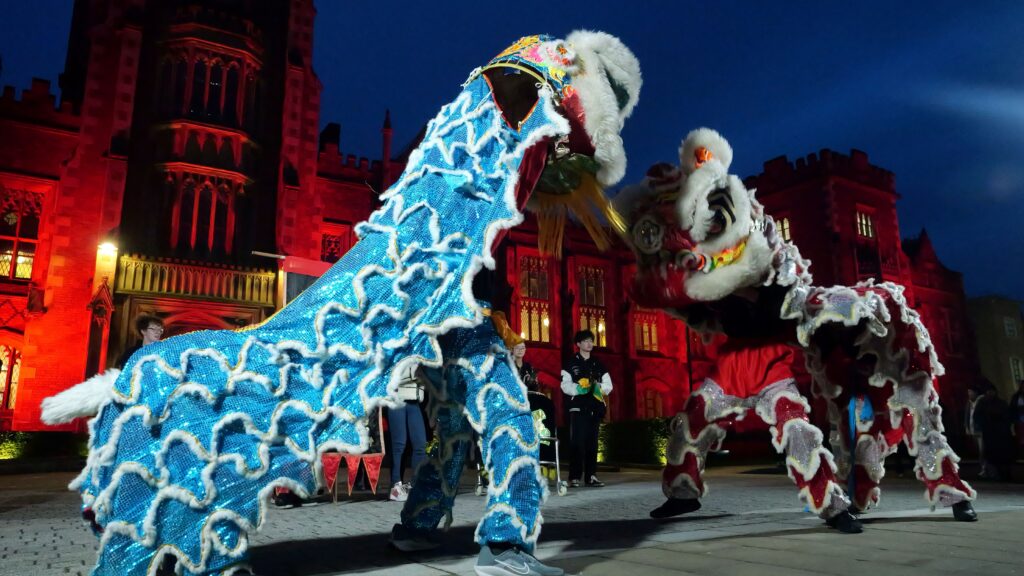
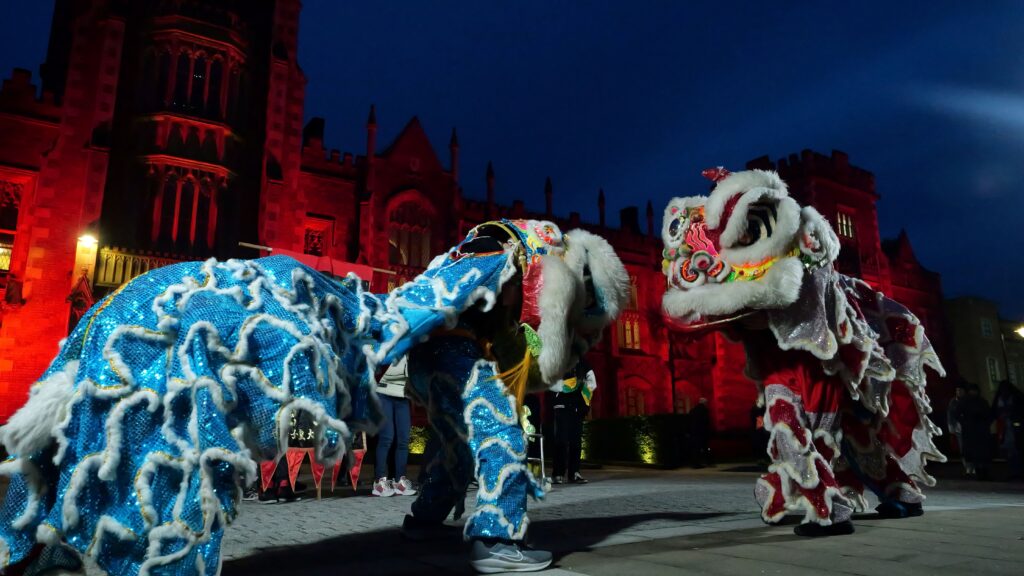
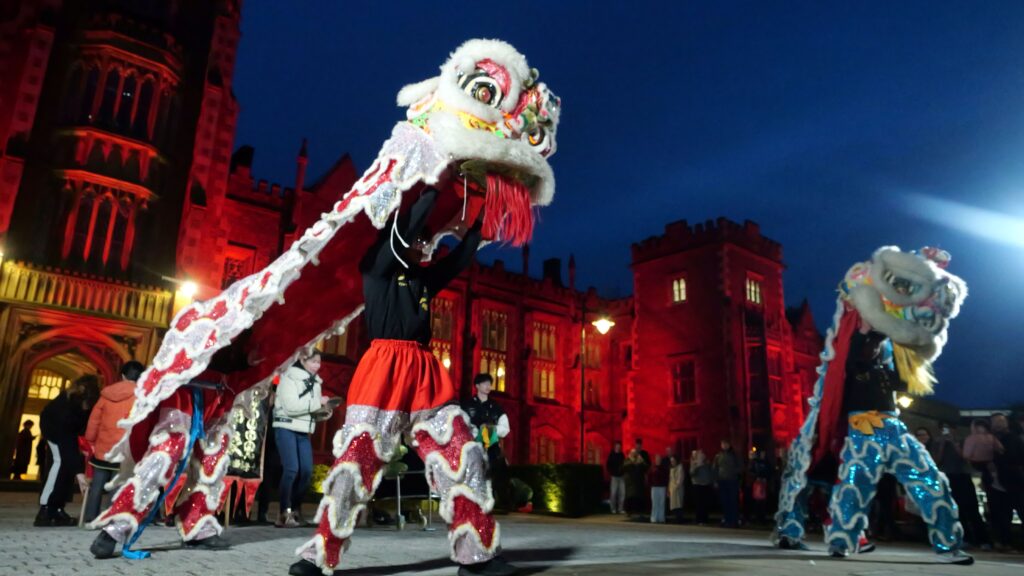
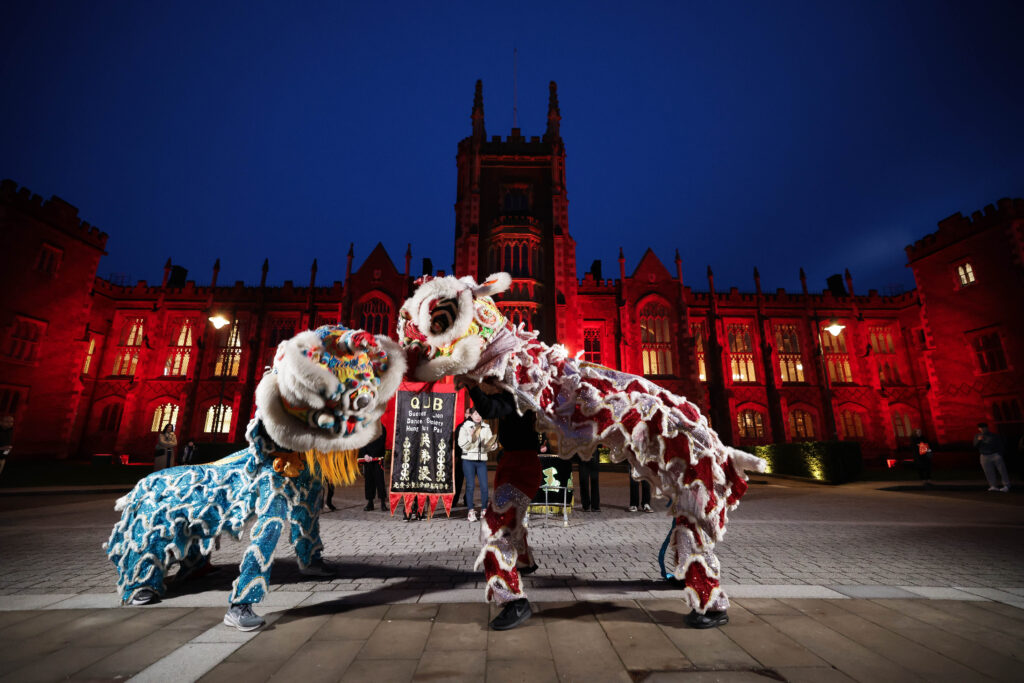
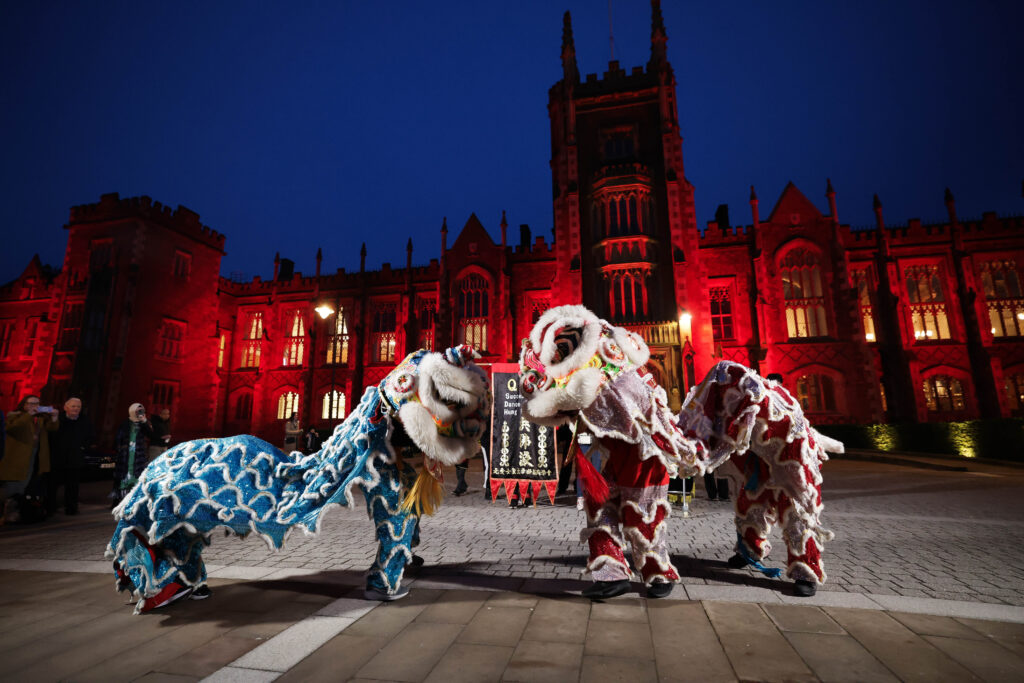
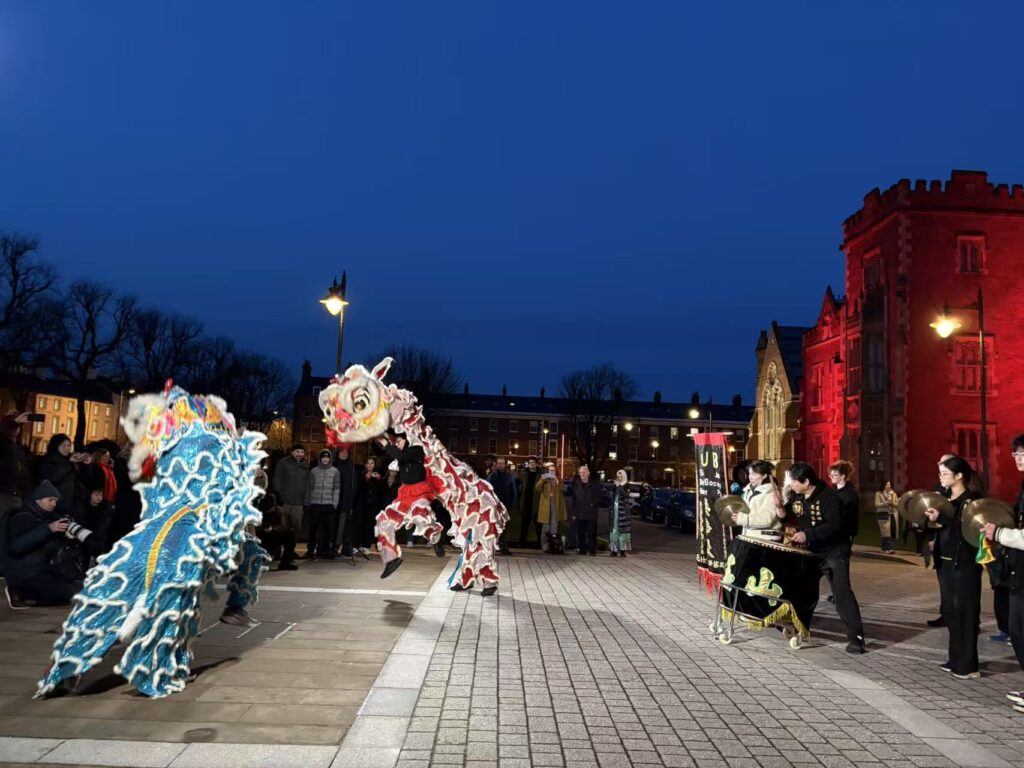
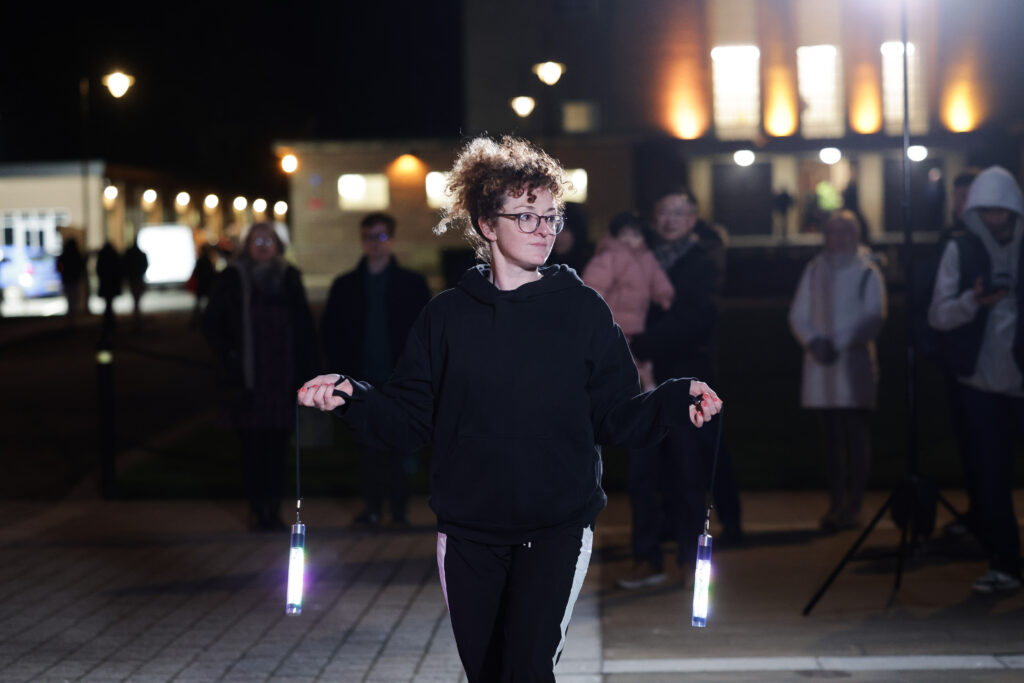
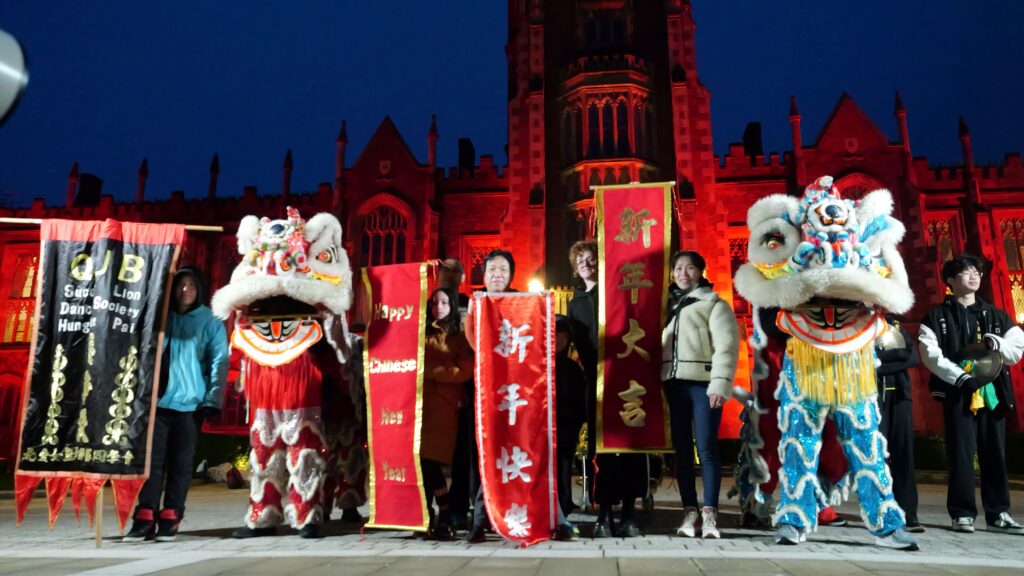
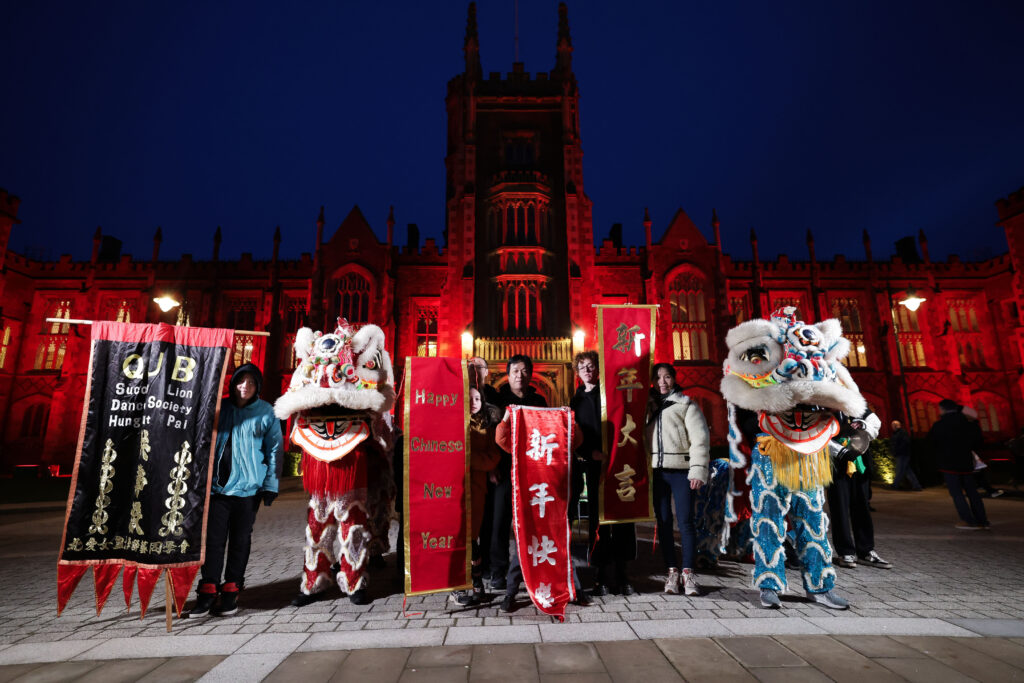
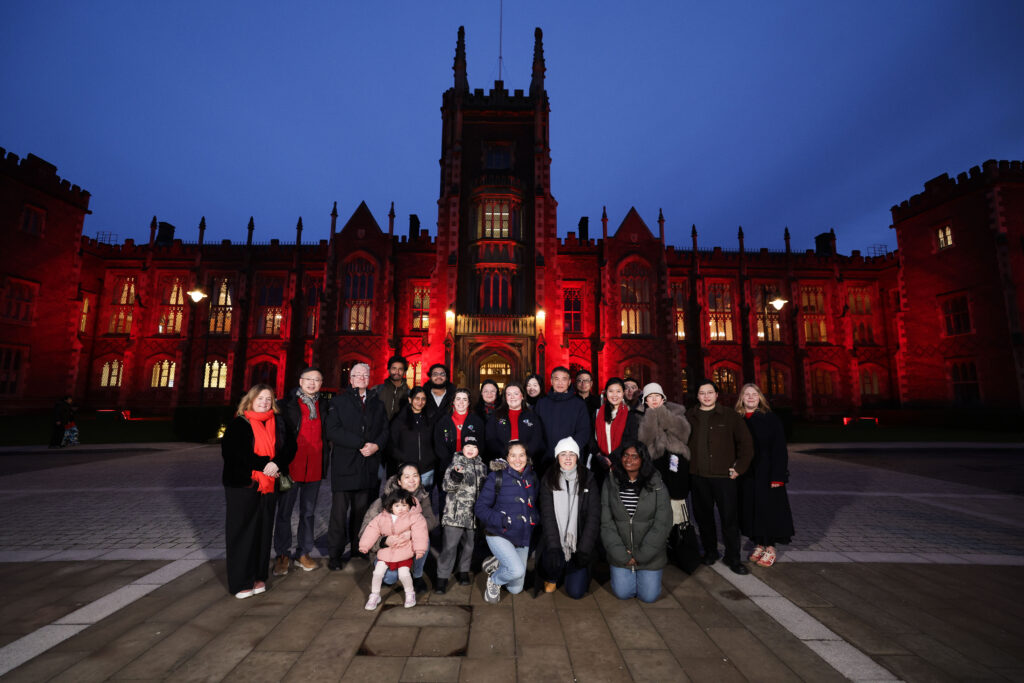
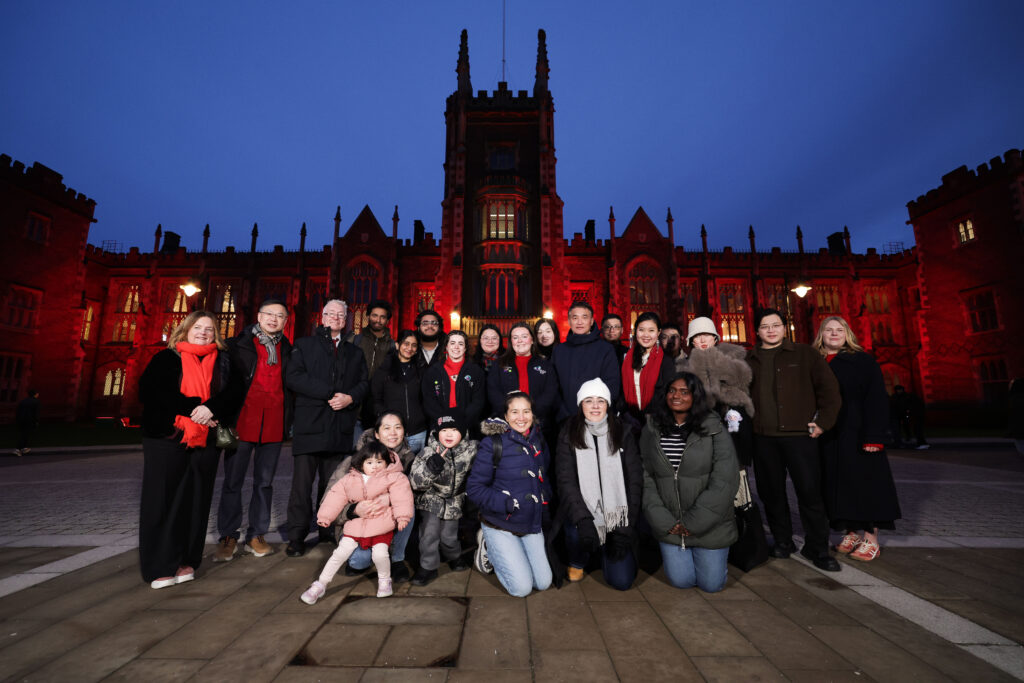
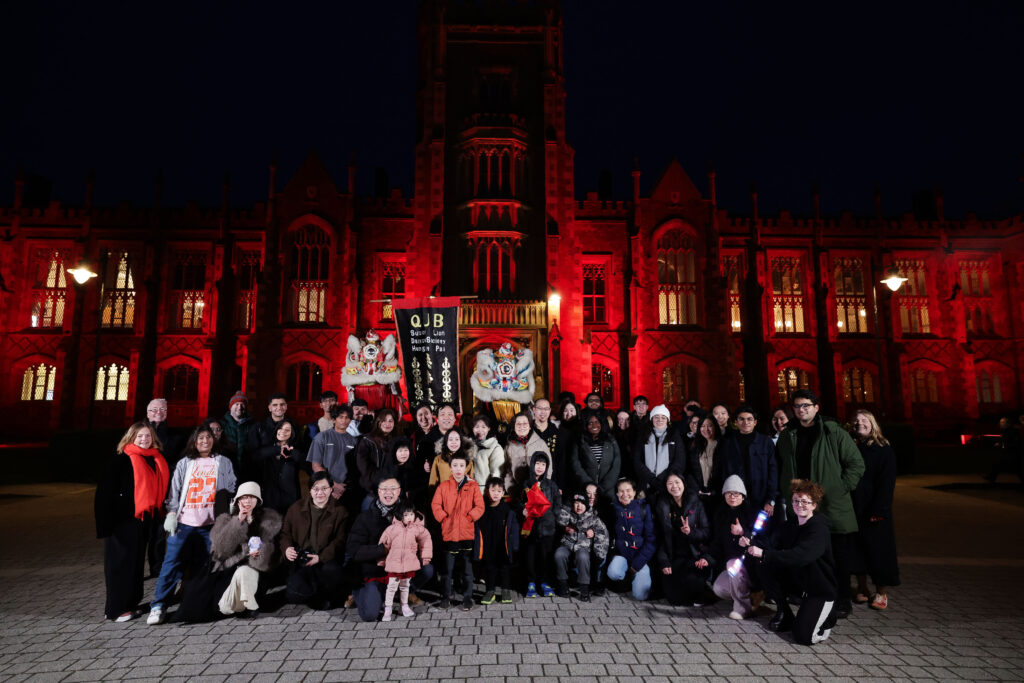
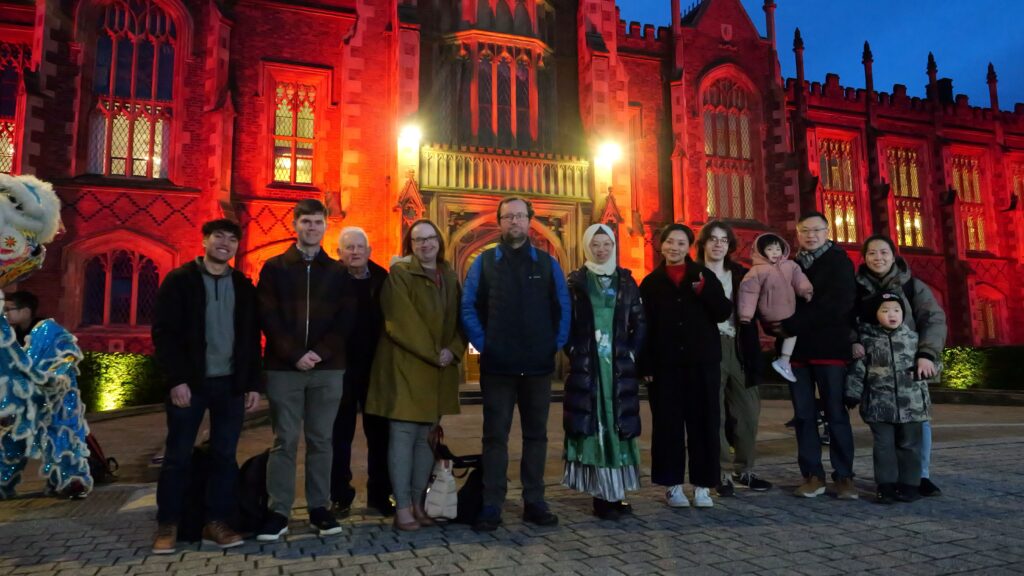
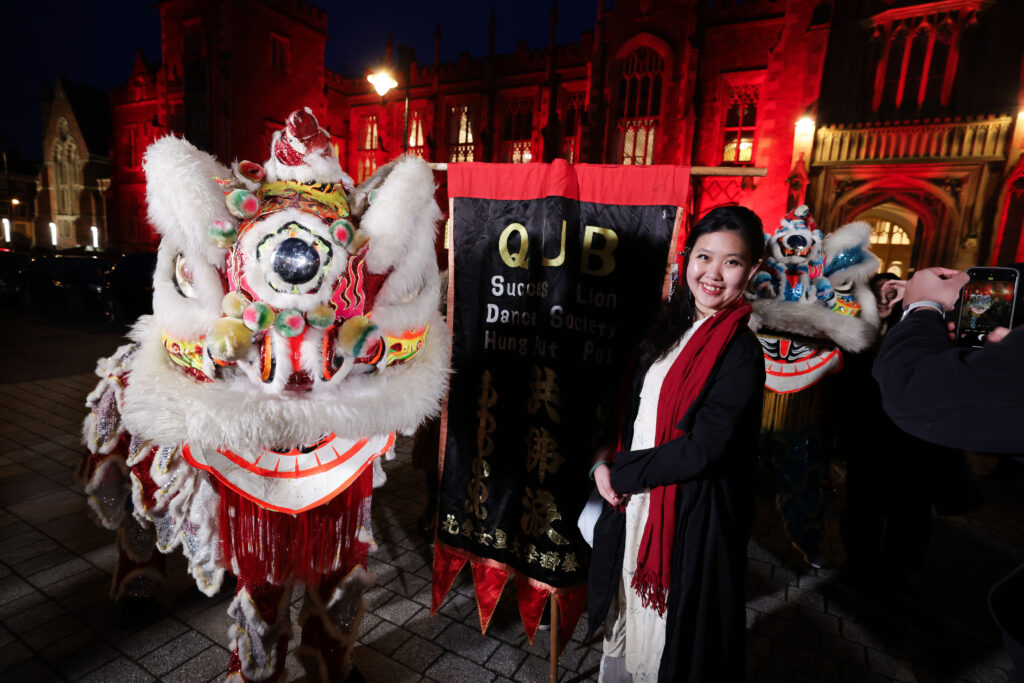
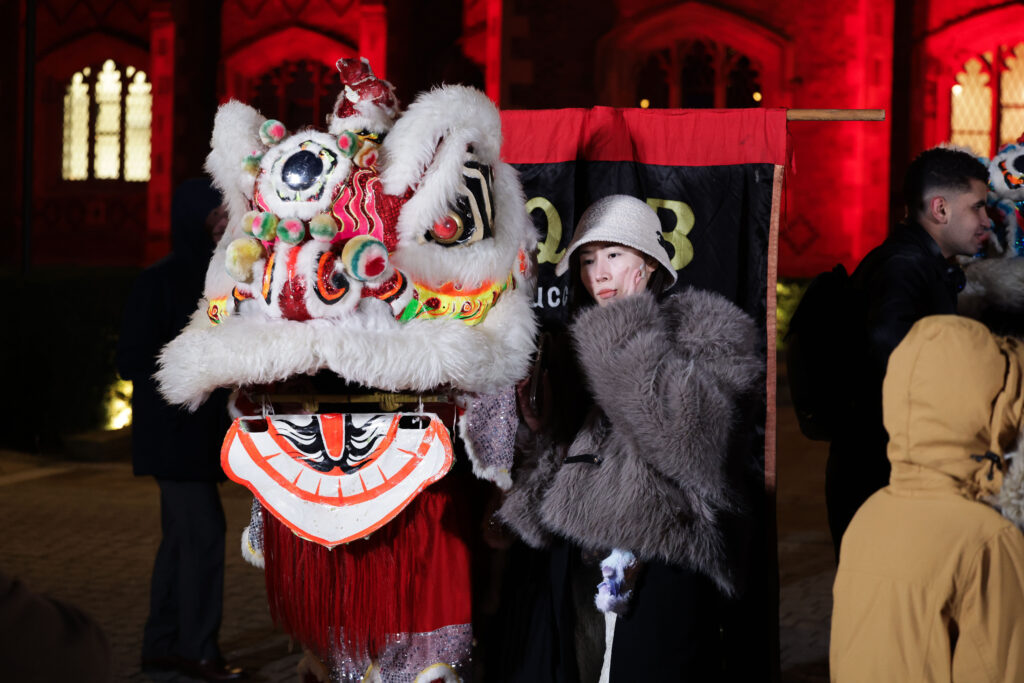
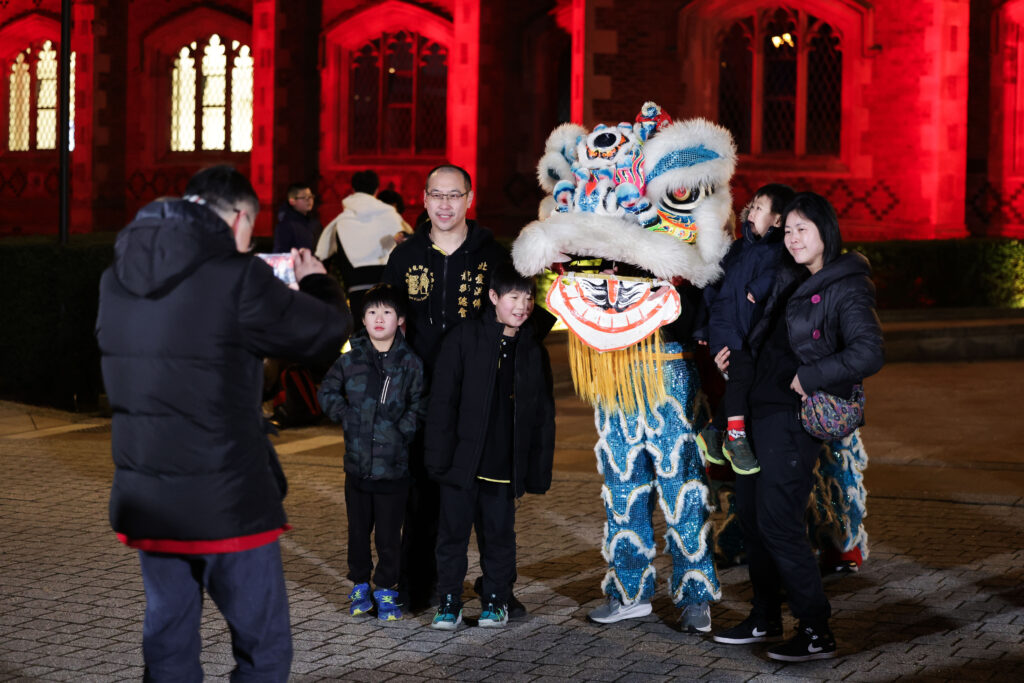
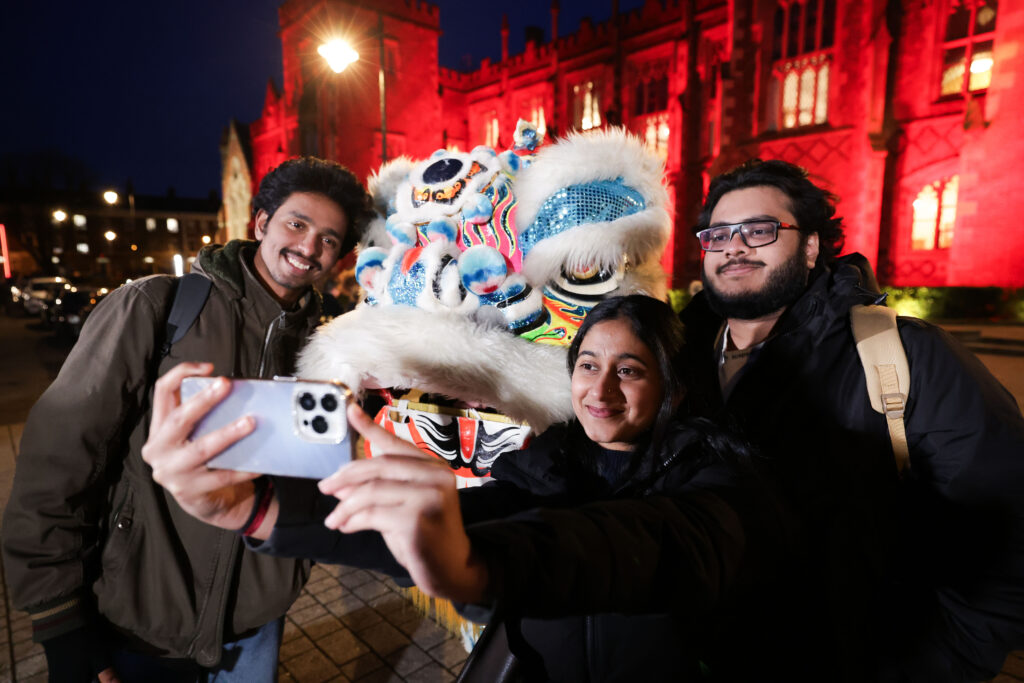
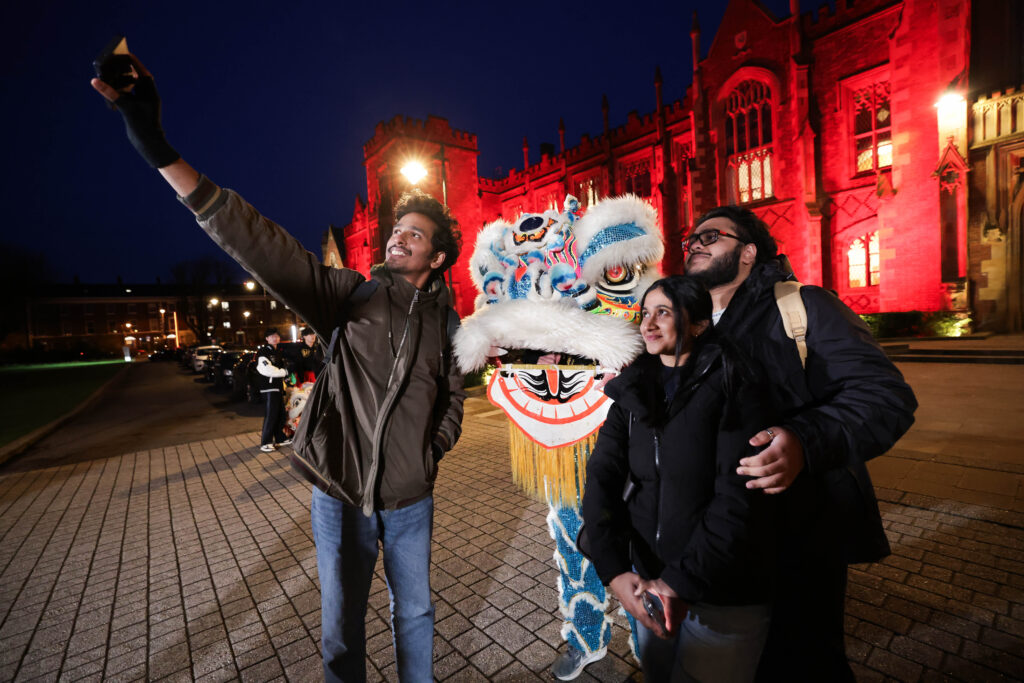
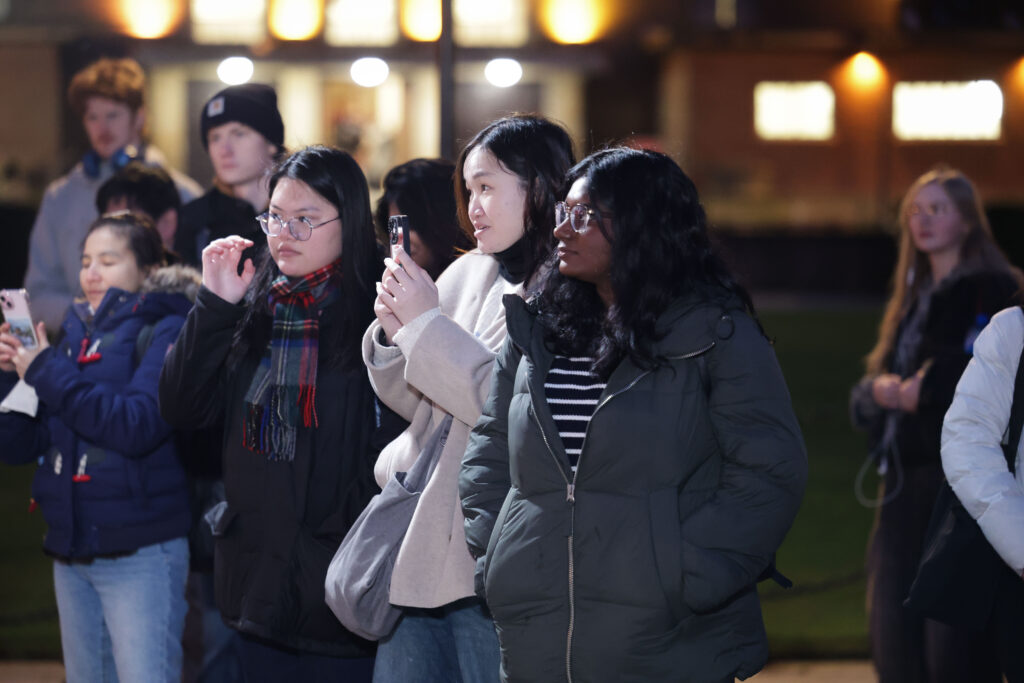
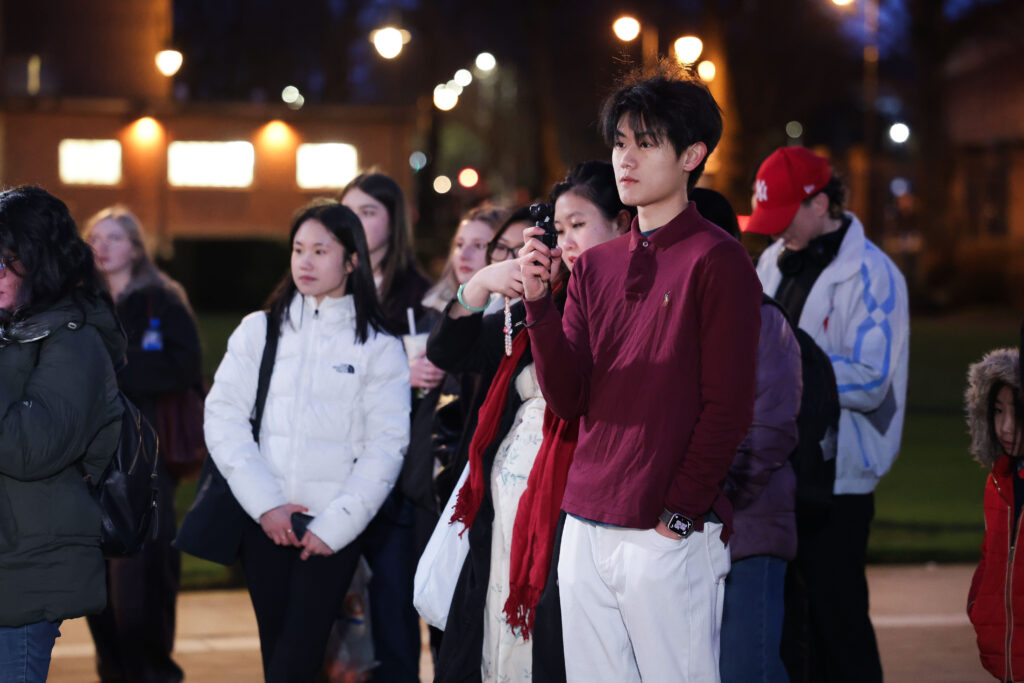
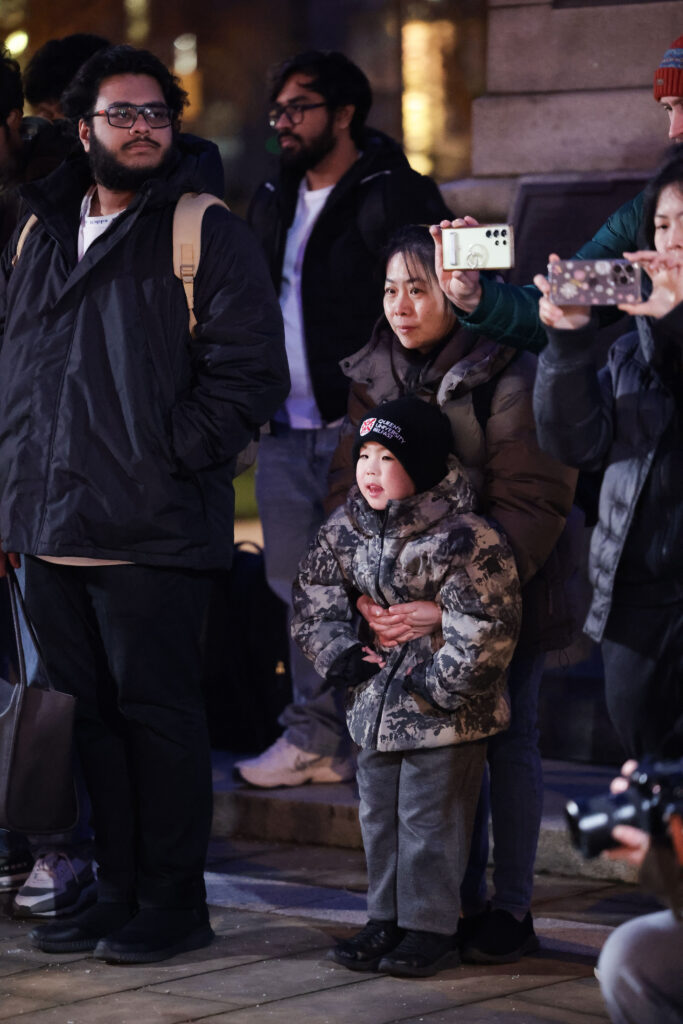
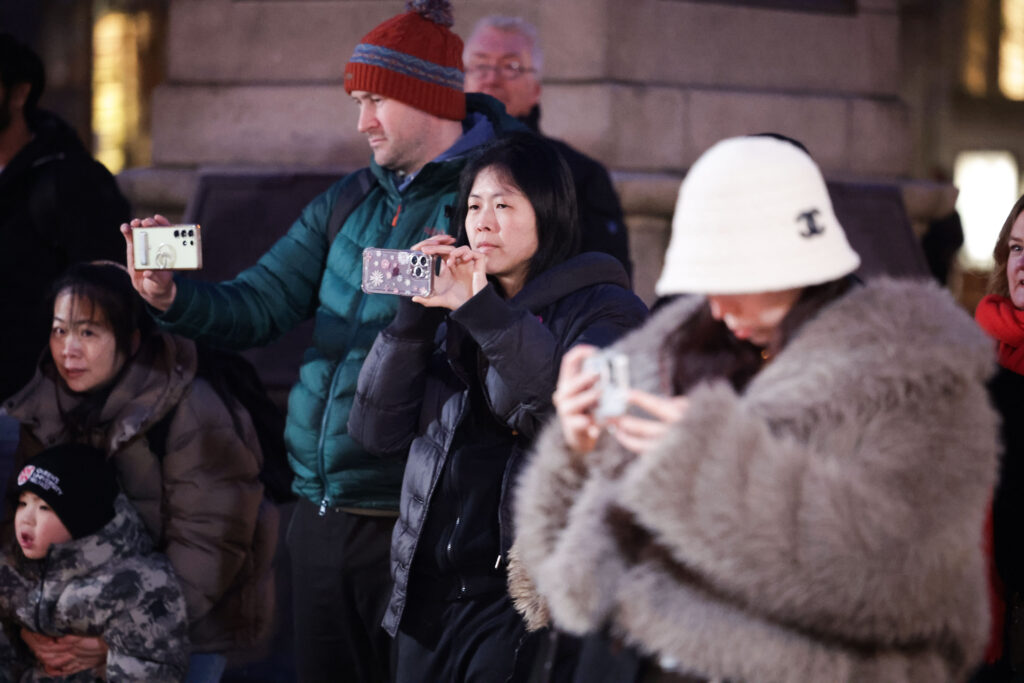
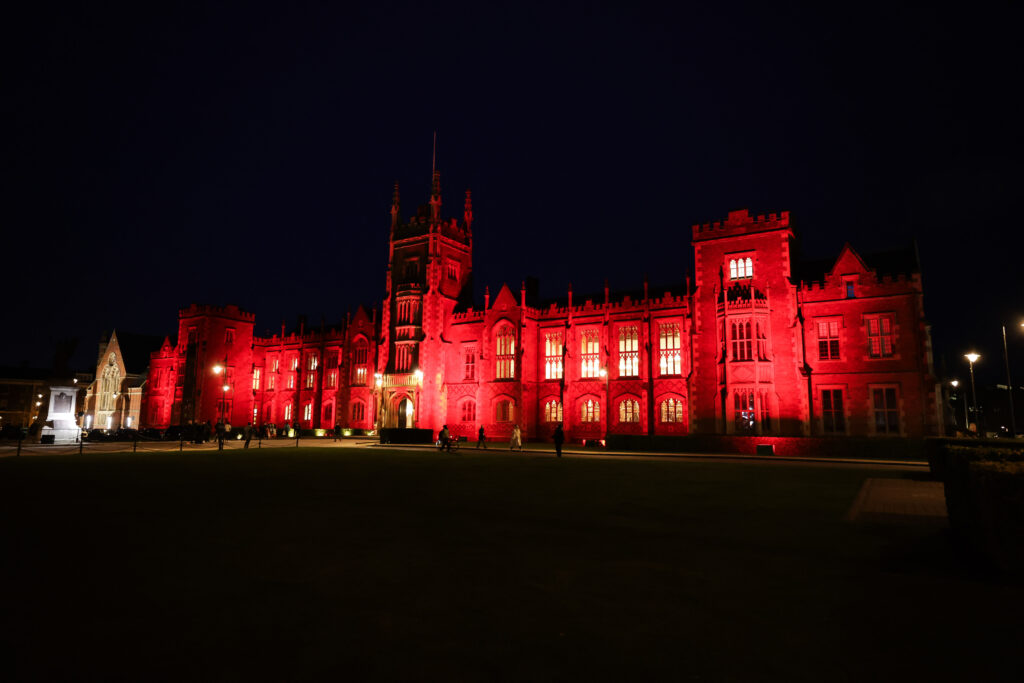
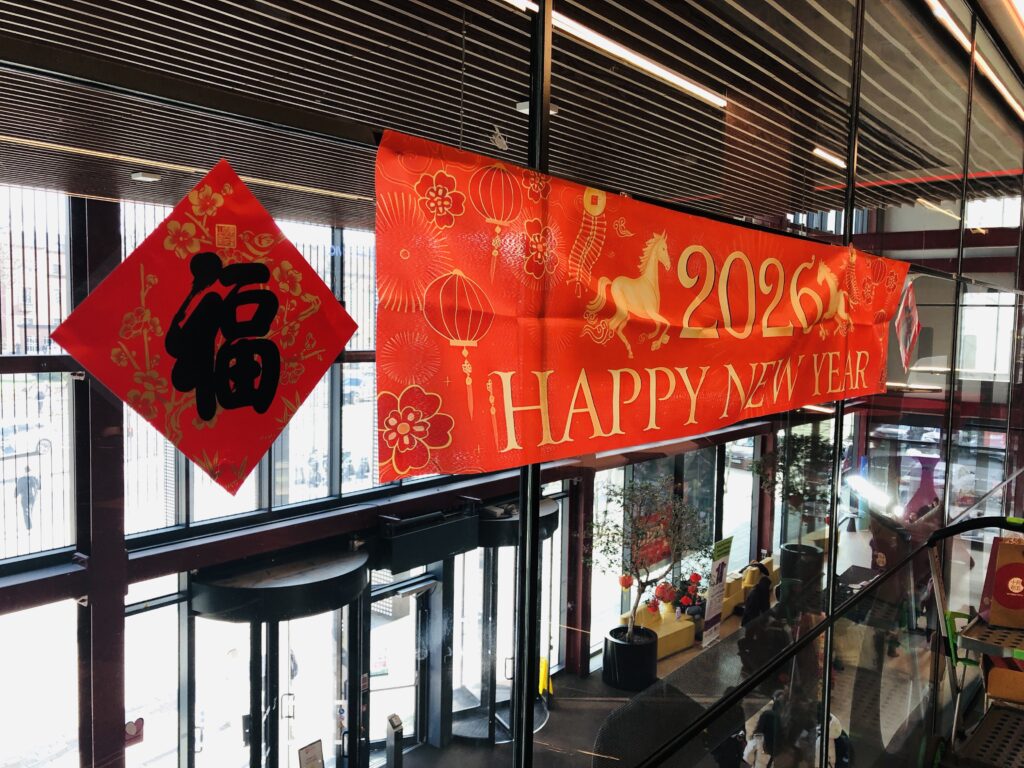
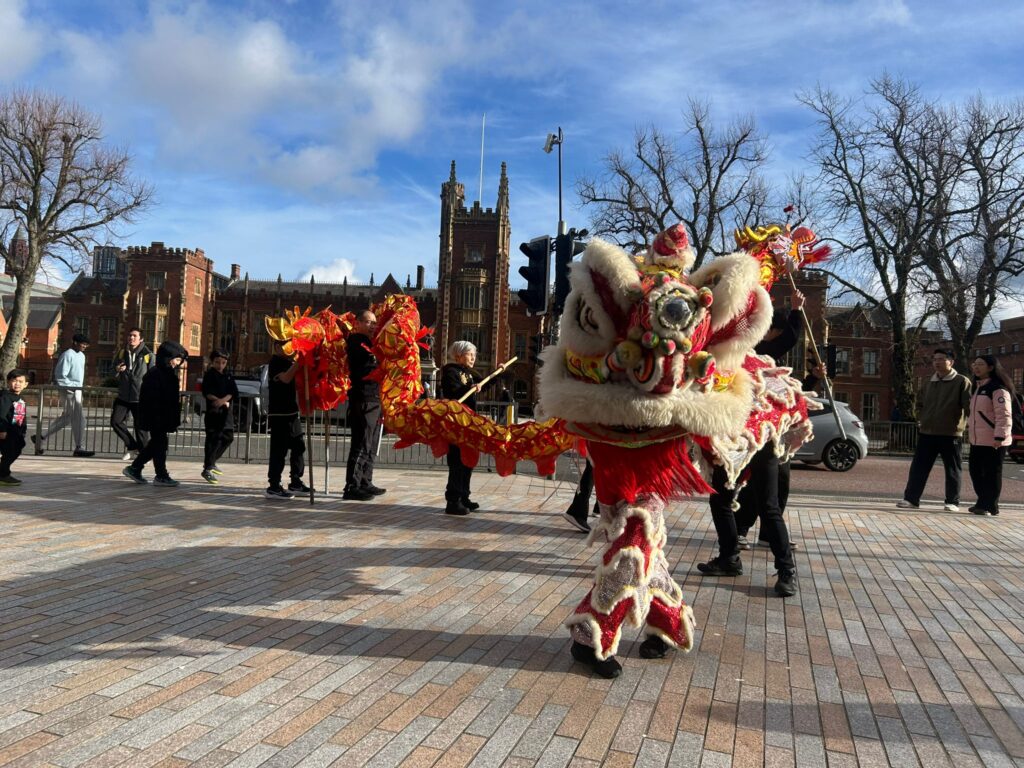
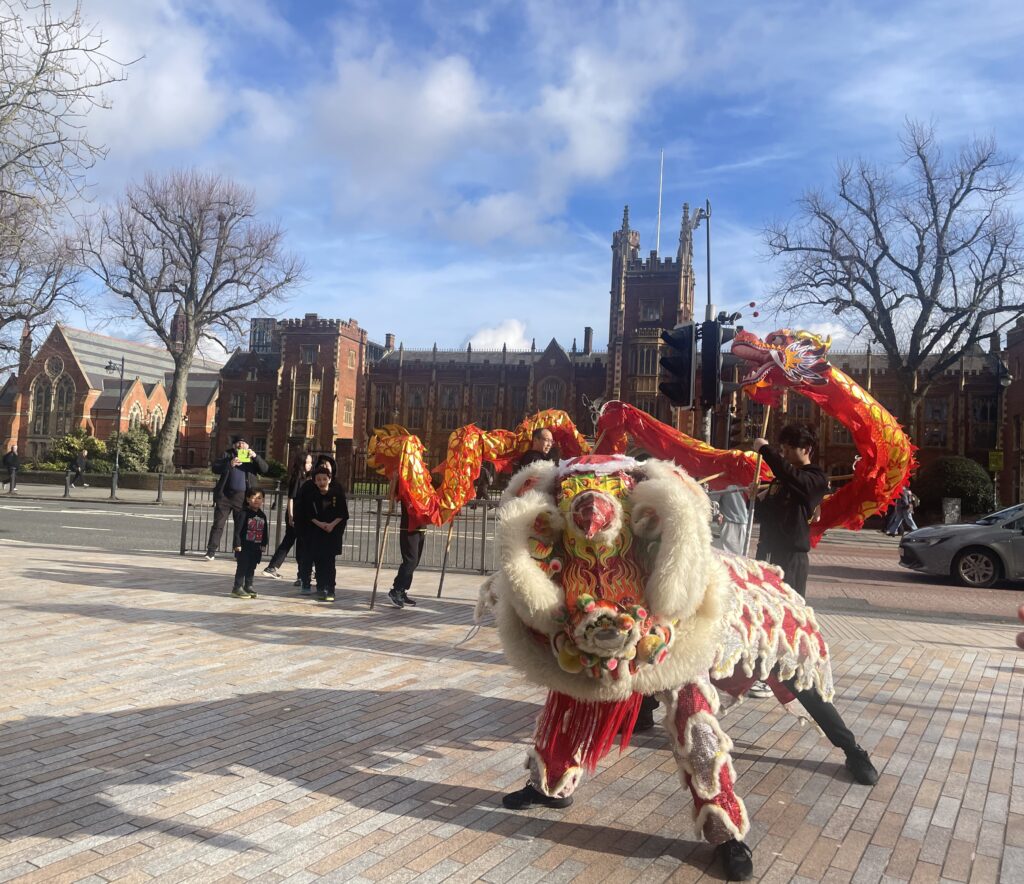
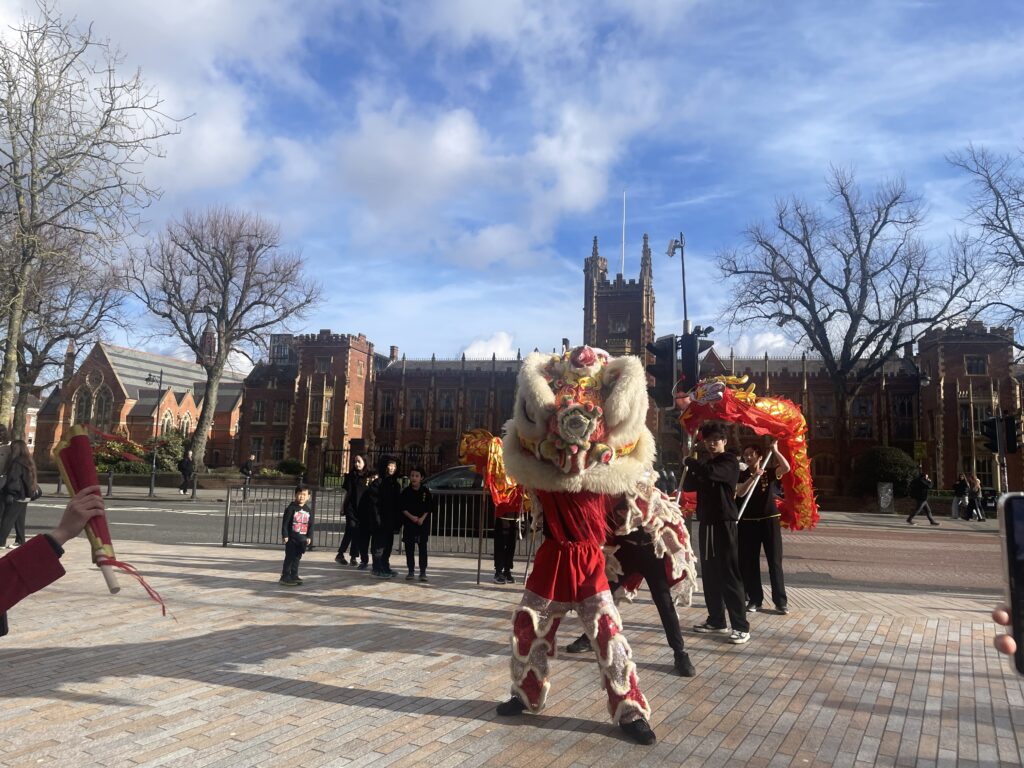
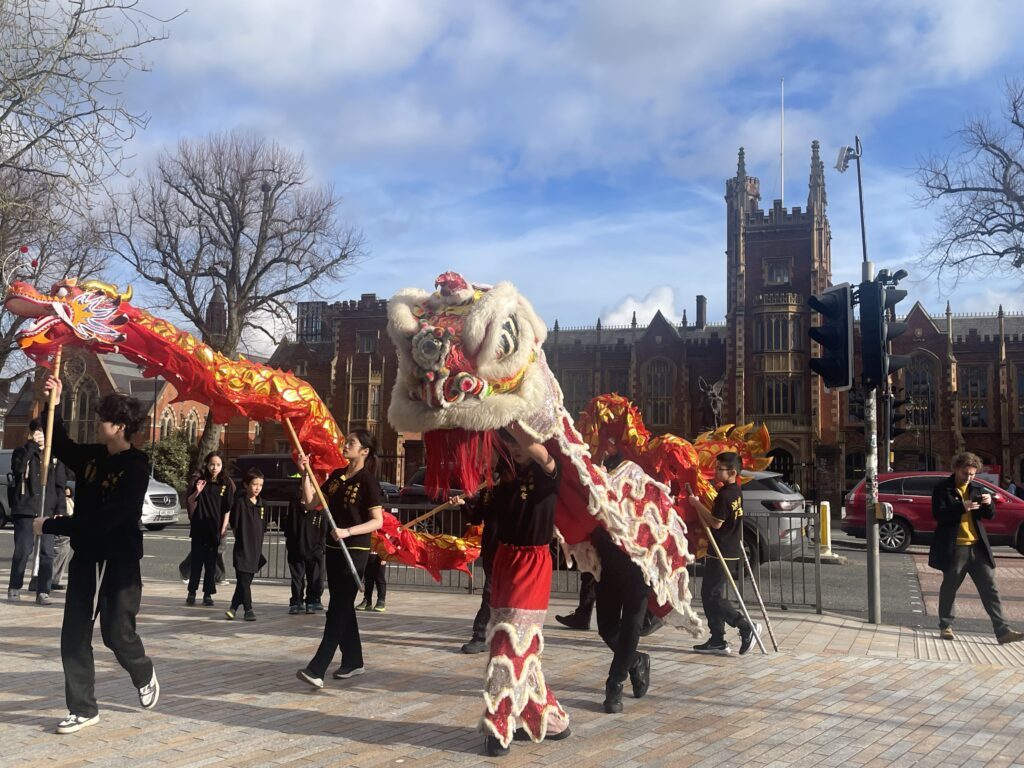
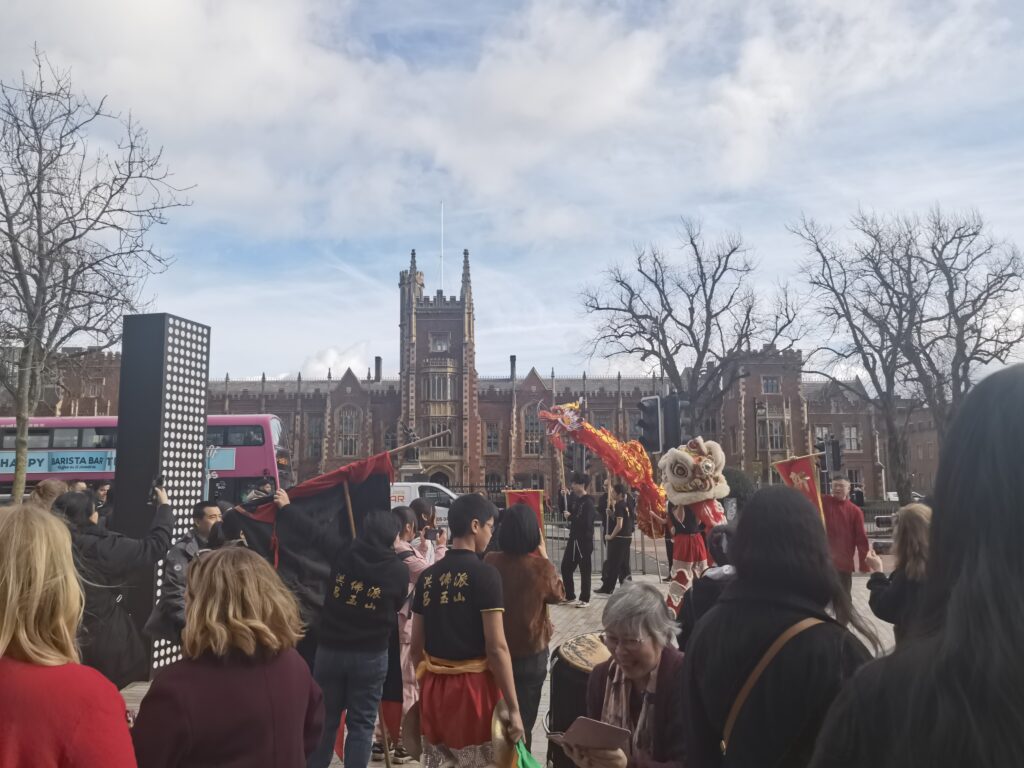
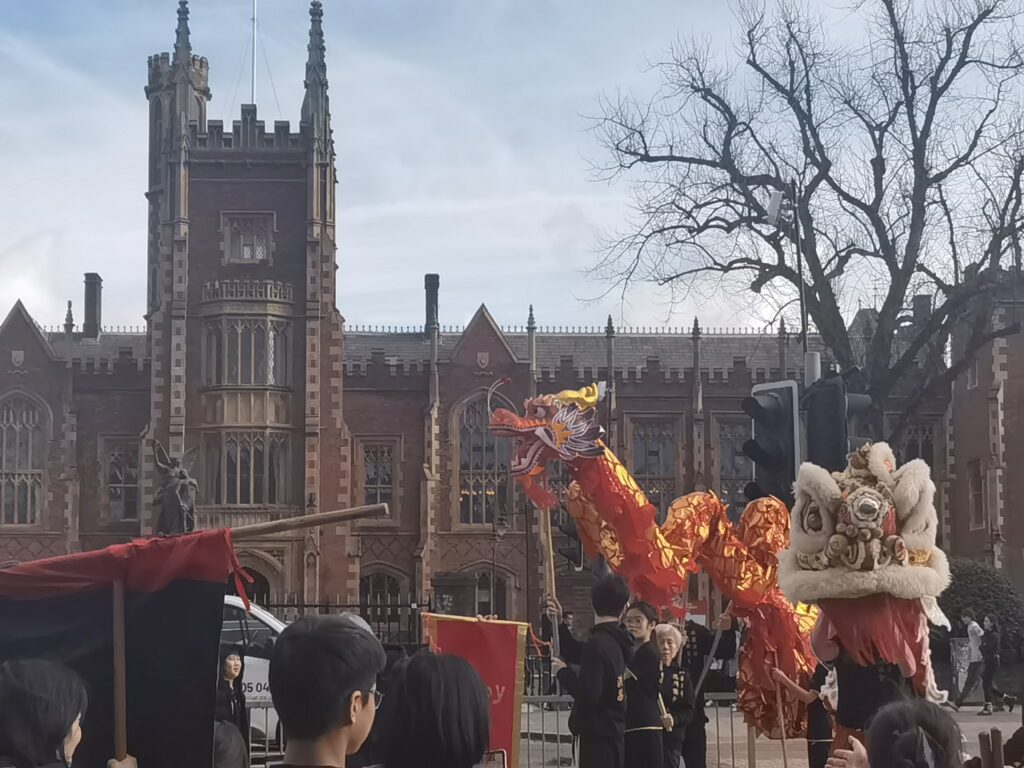
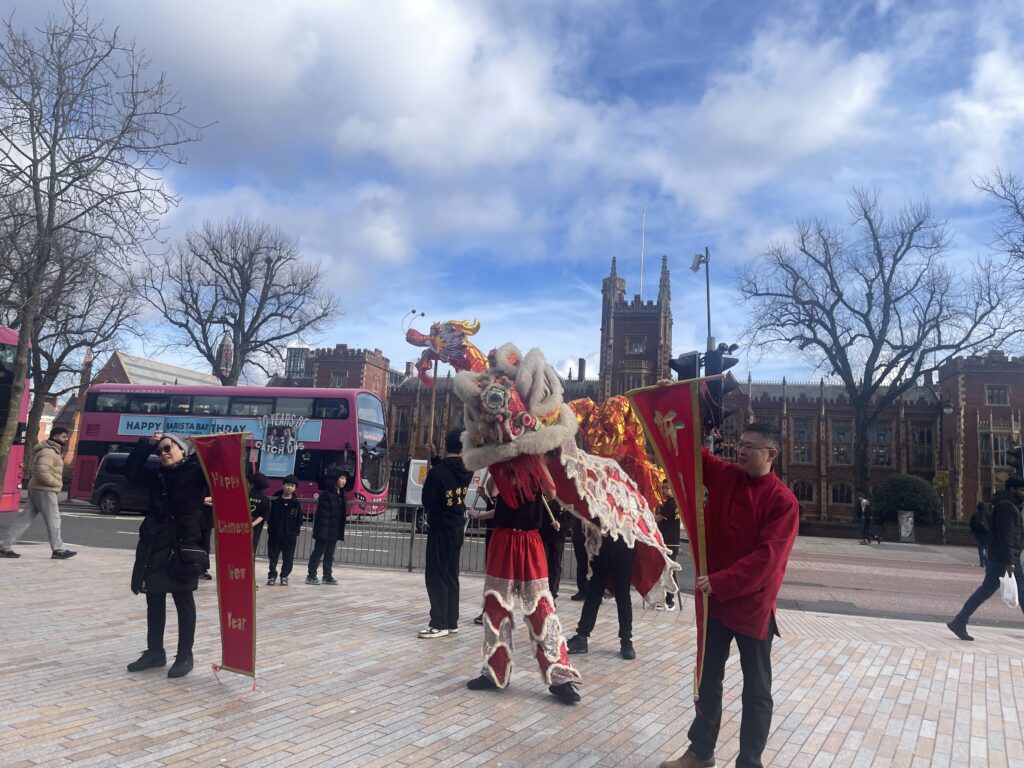
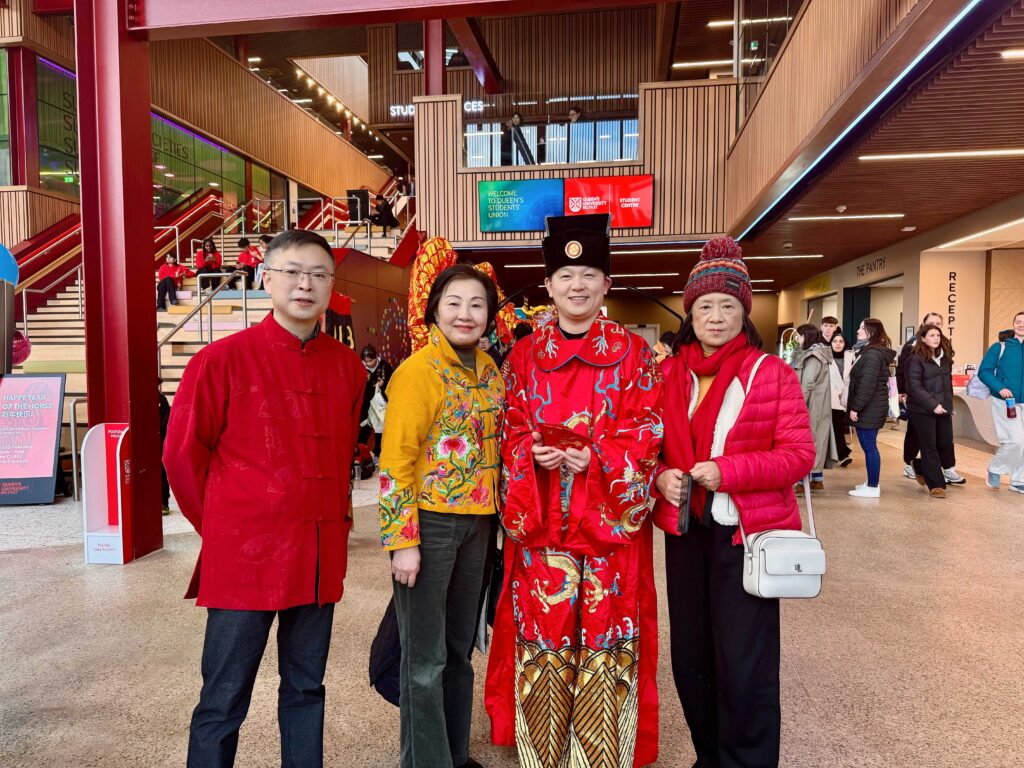
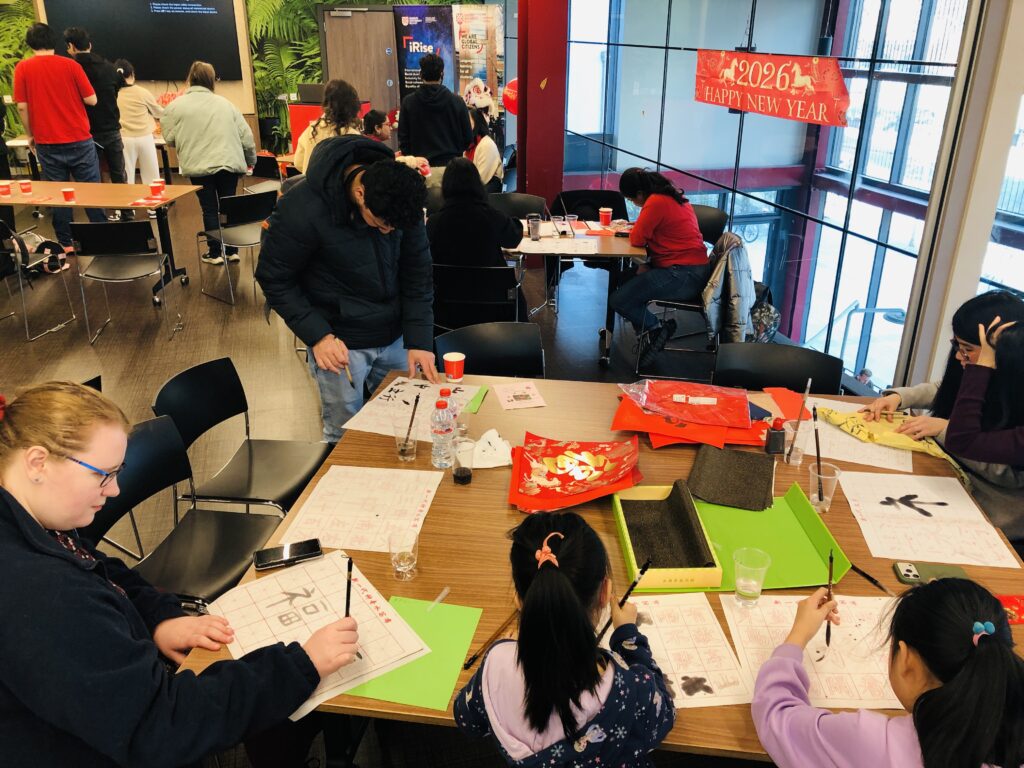
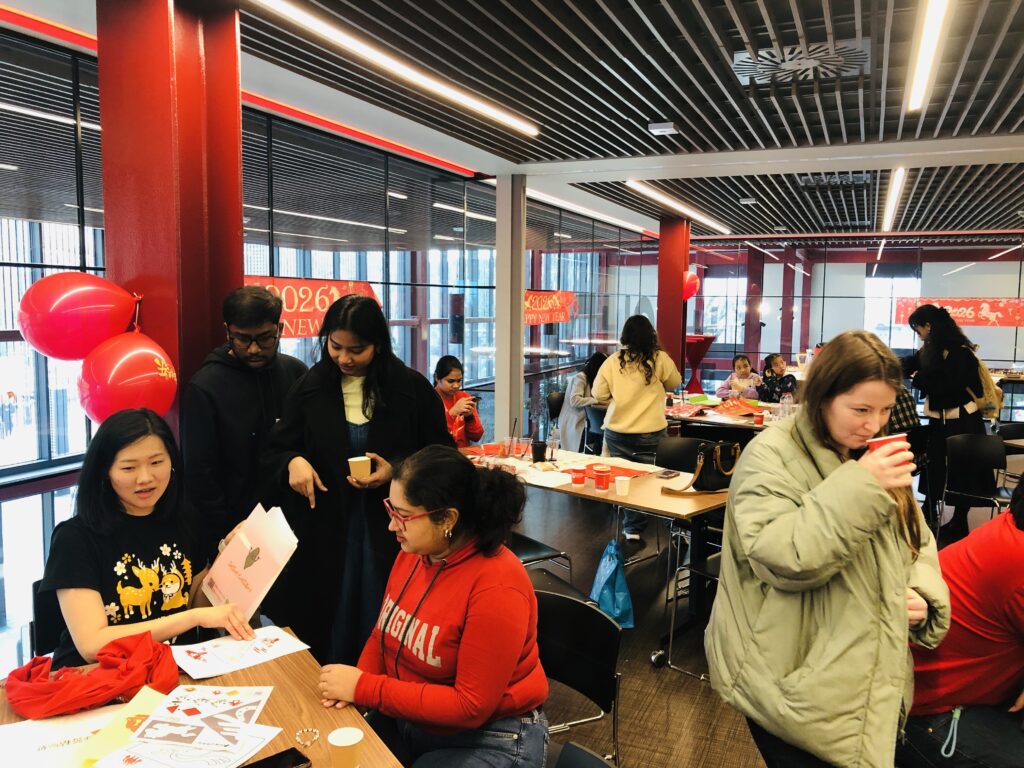
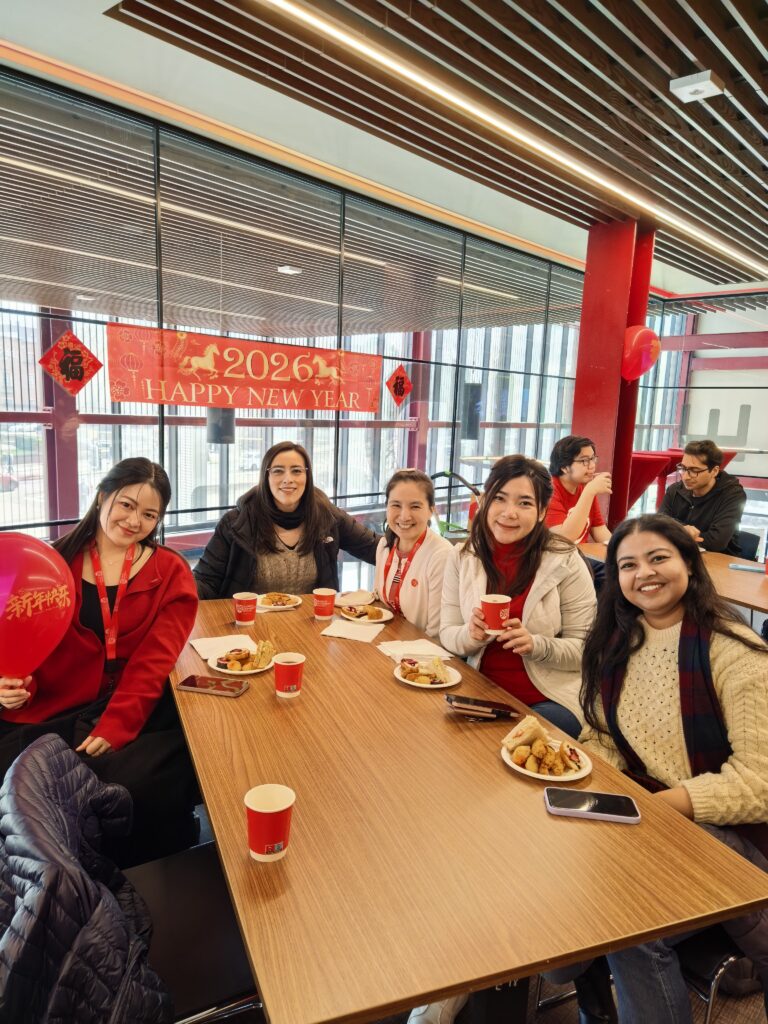
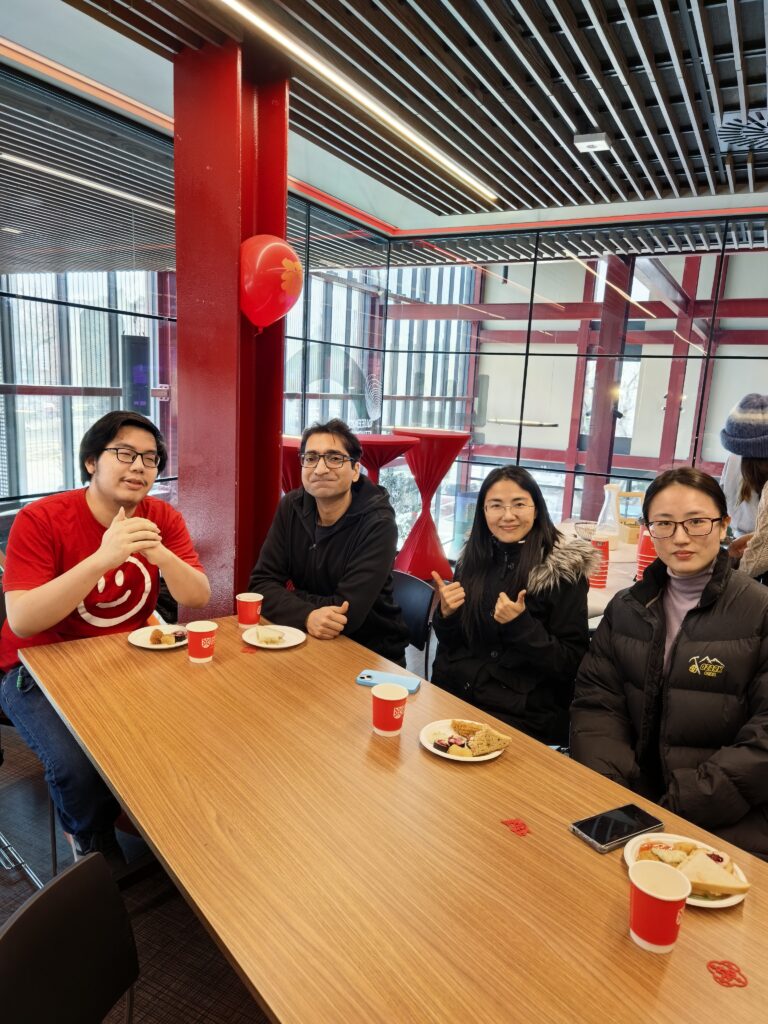
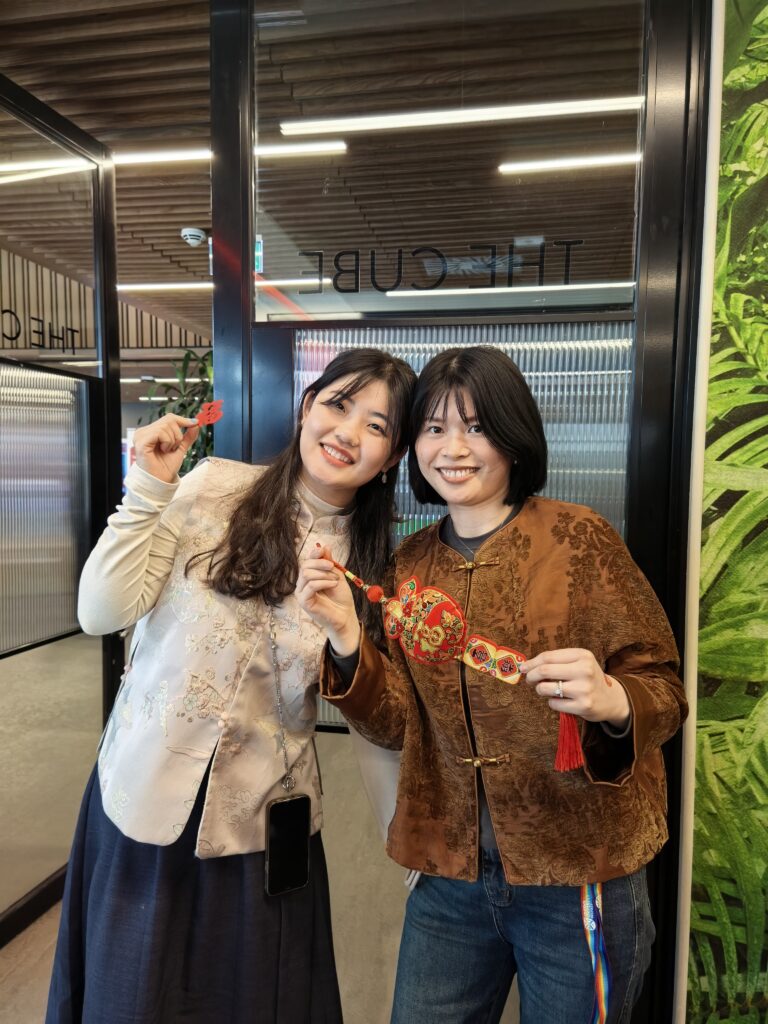
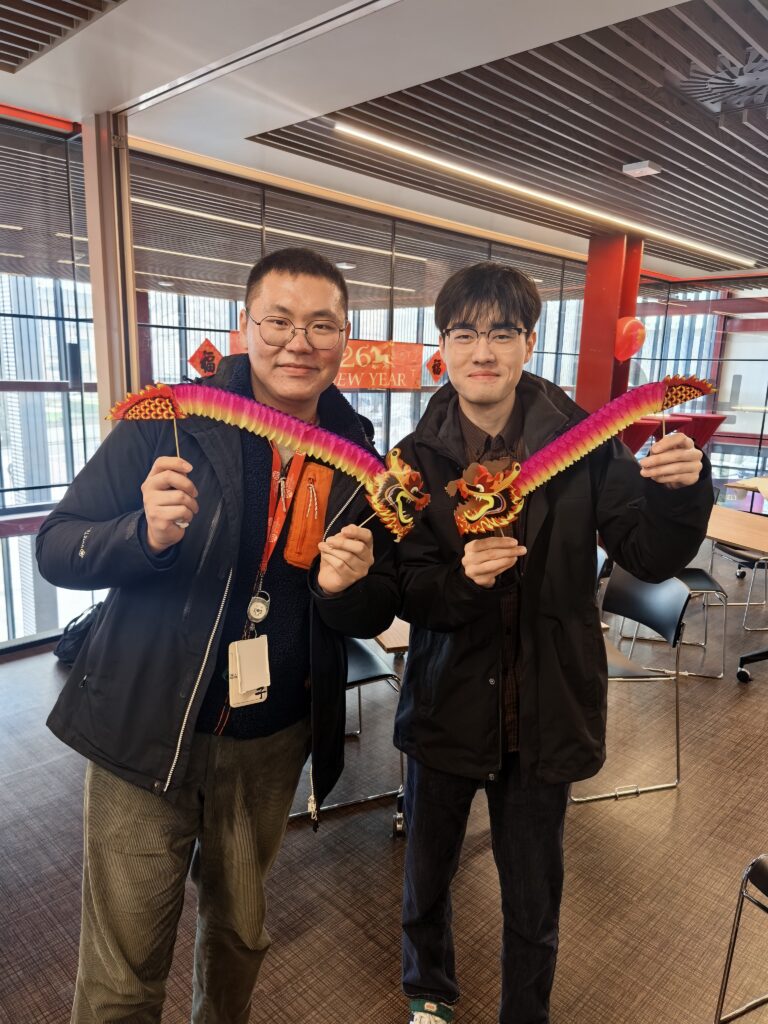
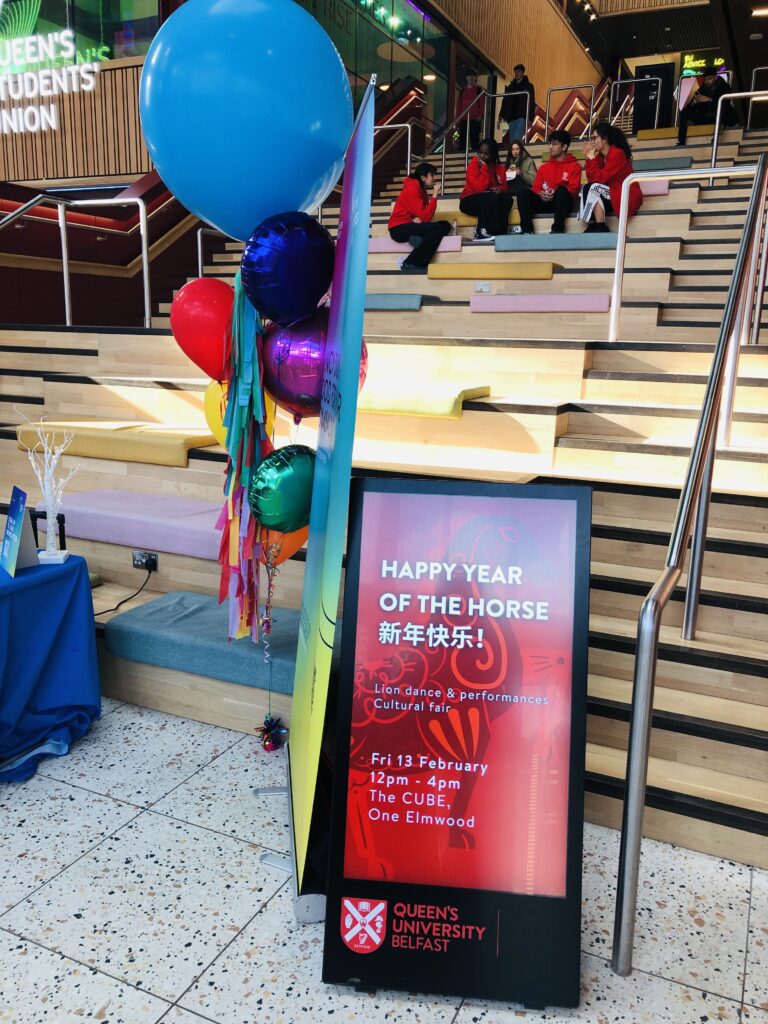
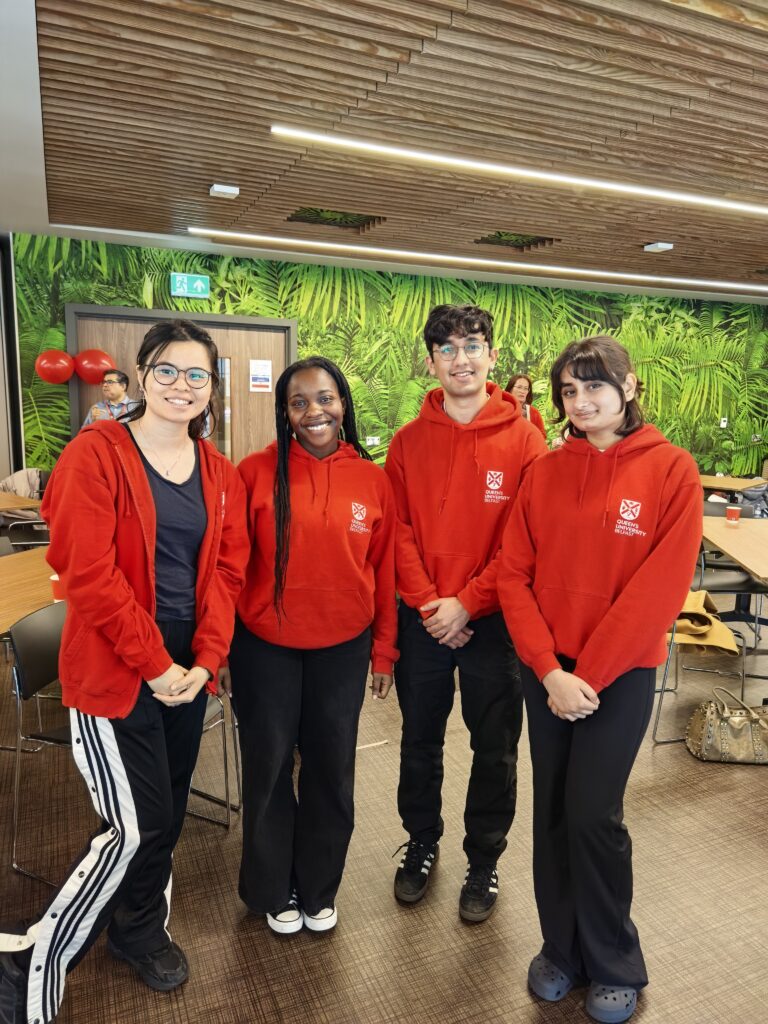
To mark us galloping towards another successful year, our beautiful Lanyon building was illuminated in red tonight. ❤️
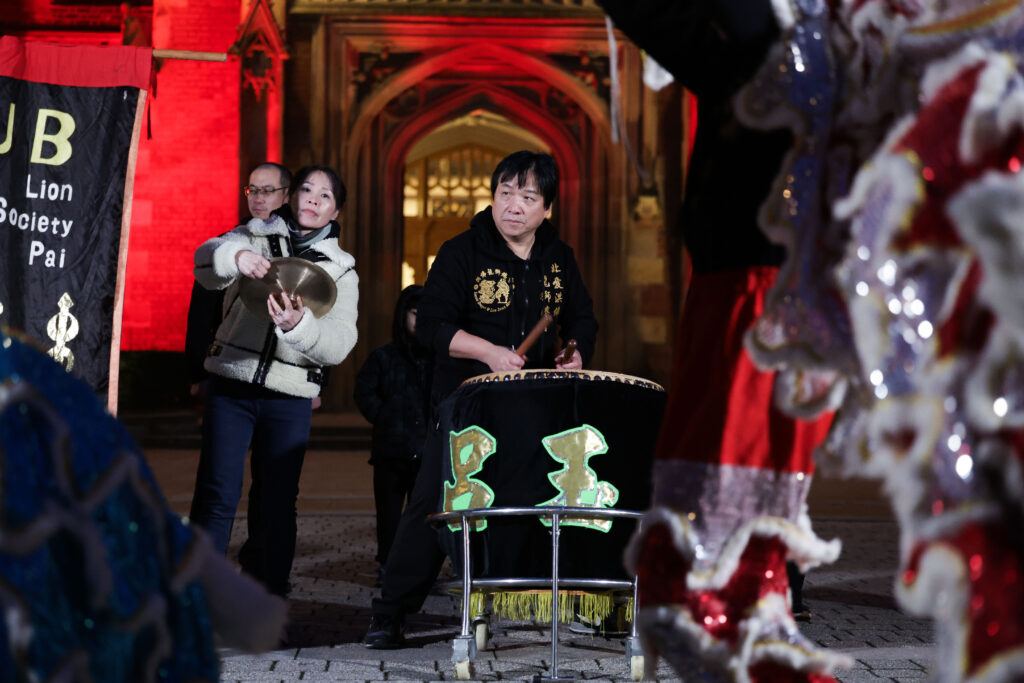
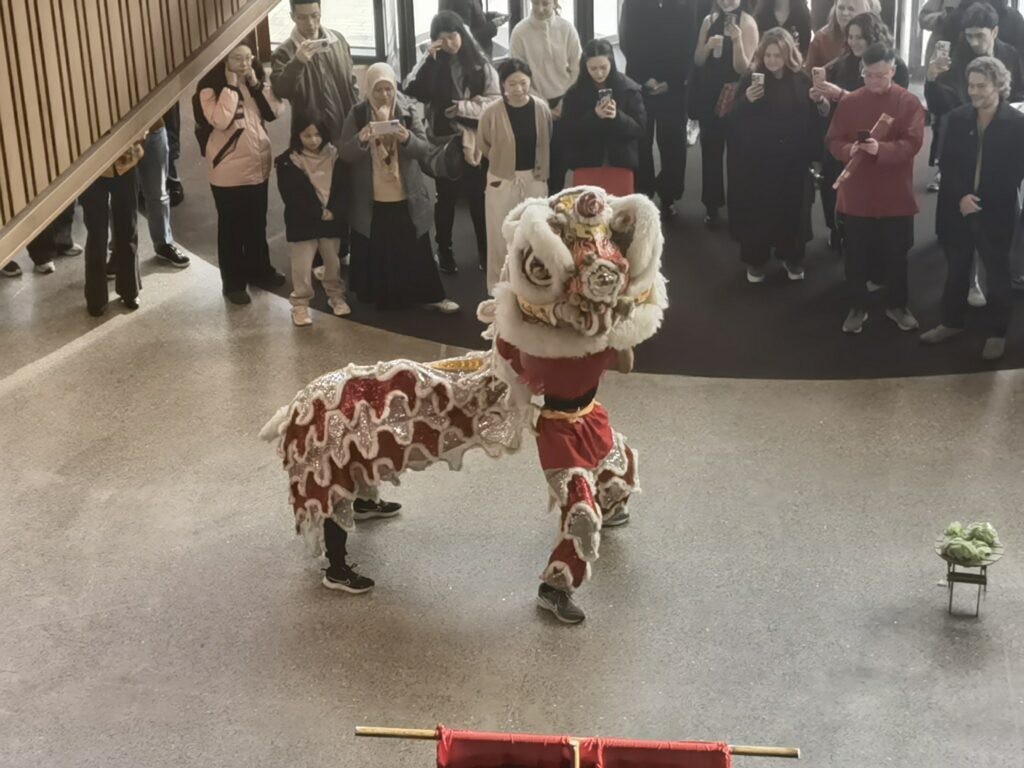
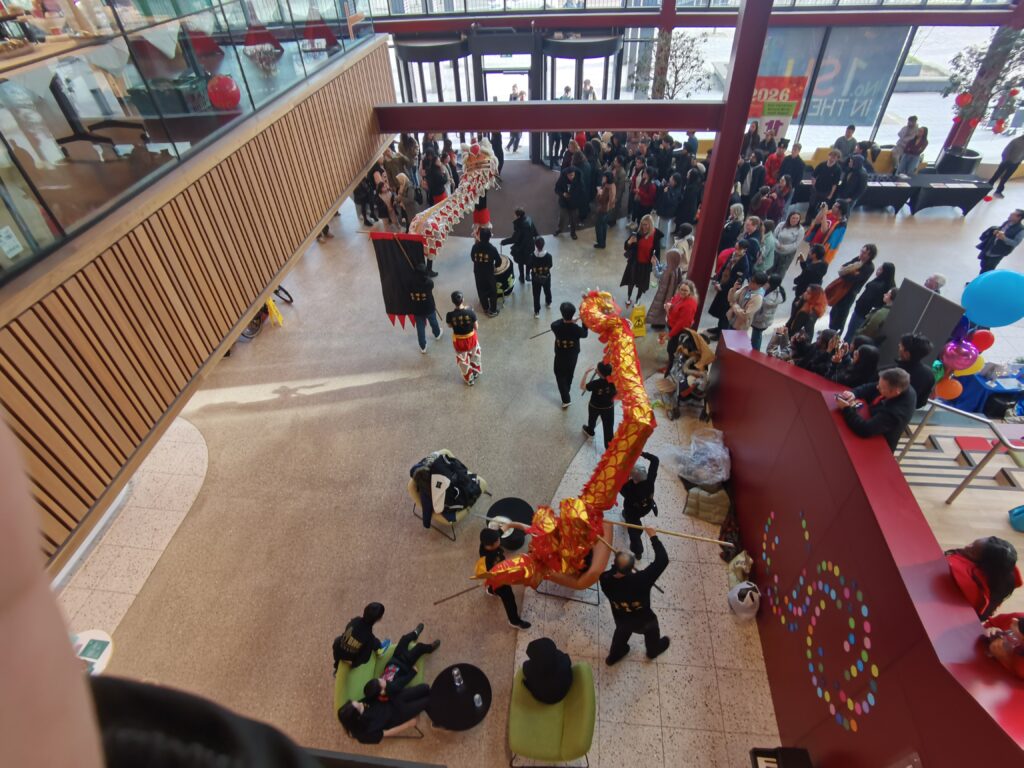
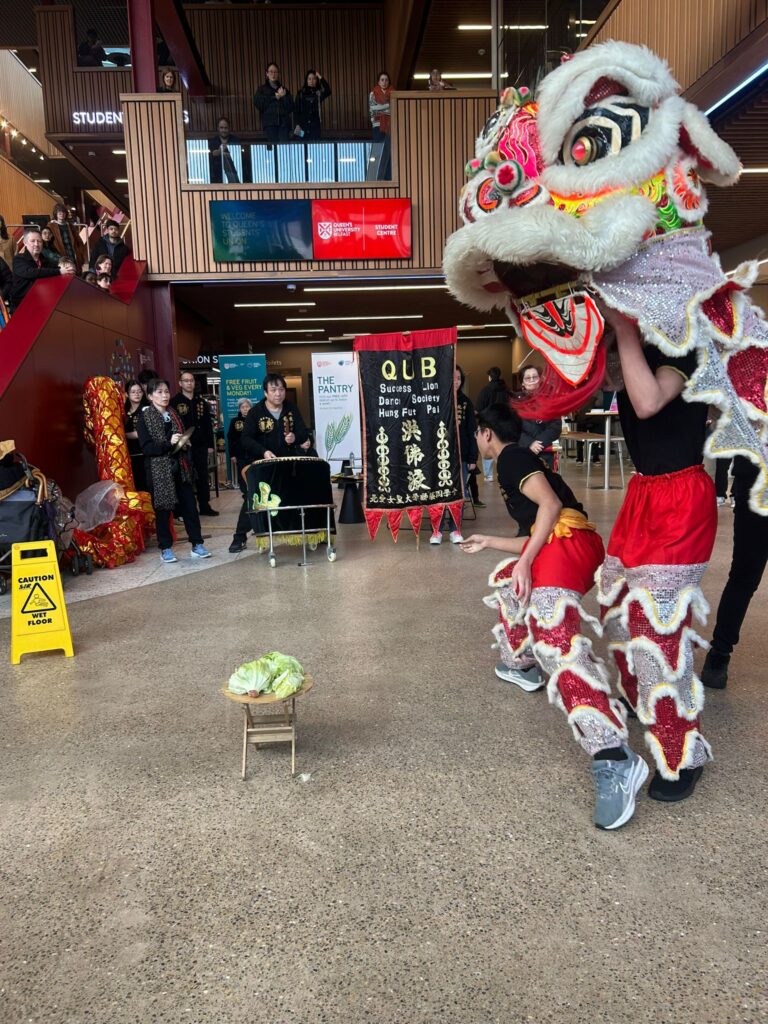
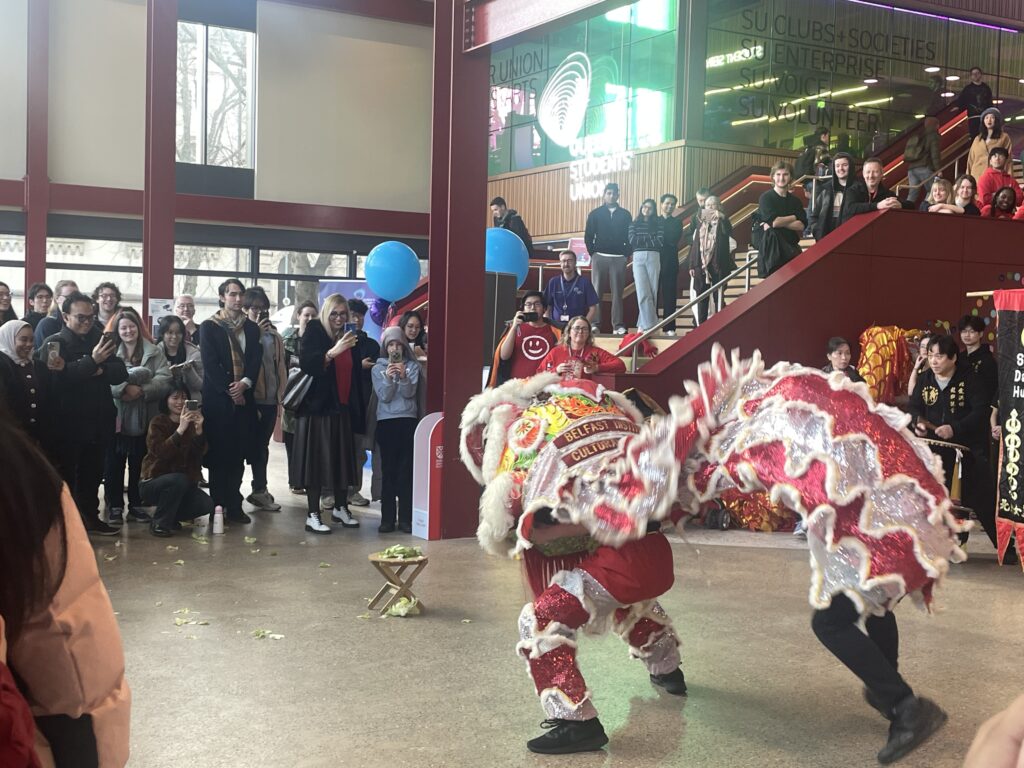
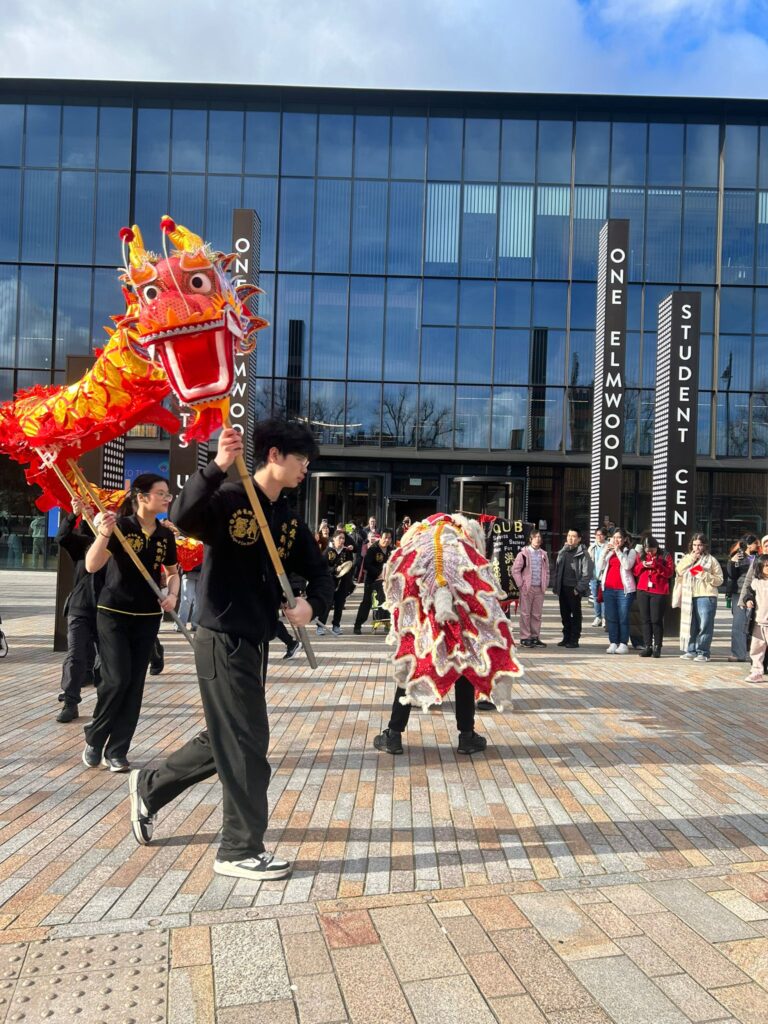
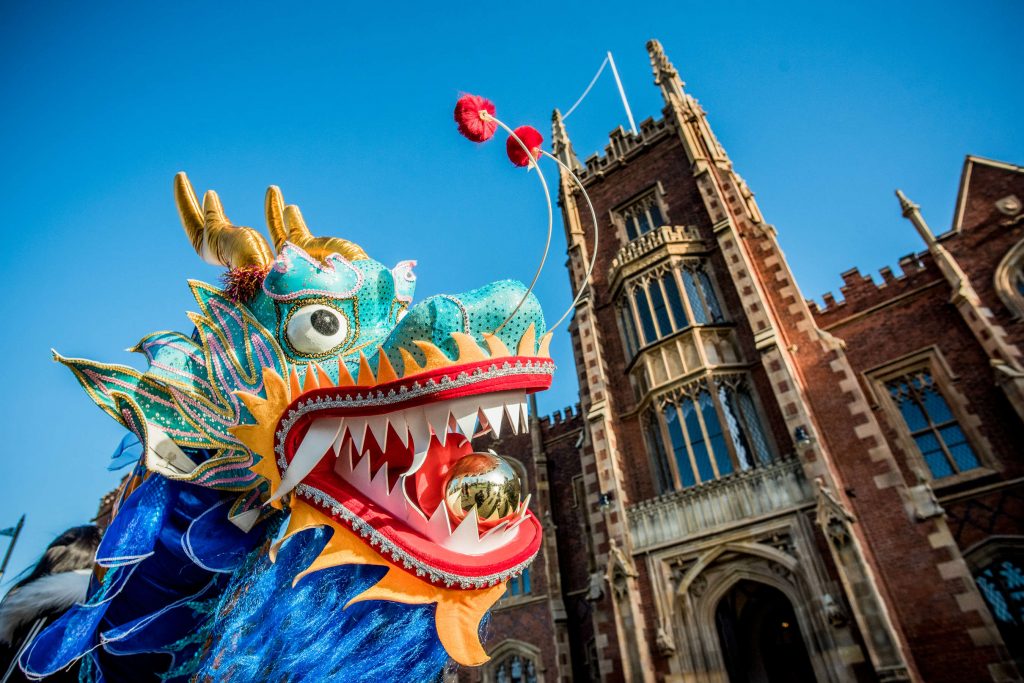
Meanwhile staff and students were treated to a magical lion dance performance, a tradition known to spread blessings and good fortune for the year ahead.
Photographer – Tianpeng Yao
Press Eye – Belfast – Northern Ireland – 17th February 2026 – Photo by Kelvin Boyes / Press Eye.
Press Eye – Belfast – Northern Ireland – 17th February 2026 – Photo by Kelvin Boyes / Press Eye.
Press Eye – Belfast – Northern Ireland – 17th February 2026 –
Photo by Kelvin Boyes / Press Eye.
Press Eye – Belfast – Northern Ireland – 17th February 2026 –
Photo by Kelvin Boyes / Press Eye.
Press Eye – Belfast – Northern Ireland – 17th February 2026 –
Photo by Kelvin Boyes / Press Eye.
Press Eye – Belfast – Northern Ireland – 17th February 2026 –
Photo by Kelvin Boyes / Press Eye.
Photographer – Tianpeng Yao
Photographer – Tianpeng Yao
Photographer – Tianpeng Yao
Photographer – Tianpeng Yao
Press Eye – Belfast – Northern Ireland – 17th February 2026 –
Photo by Kelvin Boyes / Press Eye.
Press Eye – Belfast – Northern Ireland – 17th February 2026 –
Photo by Kelvin Boyes / Press Eye.
Photographer – Liang Wang
Press Eye – Belfast – Northern Ireland – 17th February 2026 –
Photo by Kelvin Boyes / Press Eye.
Press Eye – Belfast – Northern Ireland – 17th February 2026 –
Photo by Kelvin Boyes / Press Eye.
Photographer – Tianpeng Yao
Press Eye – Belfast – Northern Ireland – 17th February 2026 –
Photo by Kelvin Boyes / Press Eye.
Press Eye – Belfast – Northern Ireland – 17th February 2026 –
Photo by Kelvin Boyes / Press Eye.
Press Eye – Belfast – Northern Ireland – 17th February 2026 –
Photo by Kelvin Boyes / Press Eye.
Press Eye – Belfast – Northern Ireland – 17th February 2026 –
Photo by Kelvin Boyes / Press Eye.
Photographer – Tianpeng Yao
Press Eye – Belfast – Northern Ireland – 17th February 2026 –
Photo by Kelvin Boyes / Press Eye.
Press Eye – Belfast – Northern Ireland – 17th February 2026 –
Photo by Kelvin Boyes / Press Eye.
Press Eye – Belfast – Northern Ireland – 17th February 2026 –
Photo by Kelvin Boyes / Press Eye.
Press Eye – Belfast – Northern Ireland – 17th February 2026 –
Photo by Kelvin Boyes / Press Eye.
Press Eye – Belfast – Northern Ireland – 17th February 2026 –
Photo by Kelvin Boyes / Press Eye.
Press Eye – Belfast – Northern Ireland – 17th February 2026 –
Photo by Kelvin Boyes / Press Eye.
Press Eye – Belfast – Northern Ireland – 17th February 2026 –
Photo by Kelvin Boyes / Press Eye.
Press Eye – Belfast – Northern Ireland – 17th February 2026 –
Photo by Kelvin Boyes / Press Eye.
Press Eye – Belfast – Northern Ireland – 17th February 2026 –
Photo by Kelvin Boyes / Press Eye.
Press Eye – Belfast – Northern Ireland – 17th February 2026 –
Photo by Kelvin Boyes / Press Eye.
We thank you for joining us in this meaningful celebration and hope you have enjoyed yourselves with nice snapshots. If you would like to share yours to be added to the album, please send your photos to liang.wang.
We are also keen to invite you to attend many of our upcoming events:
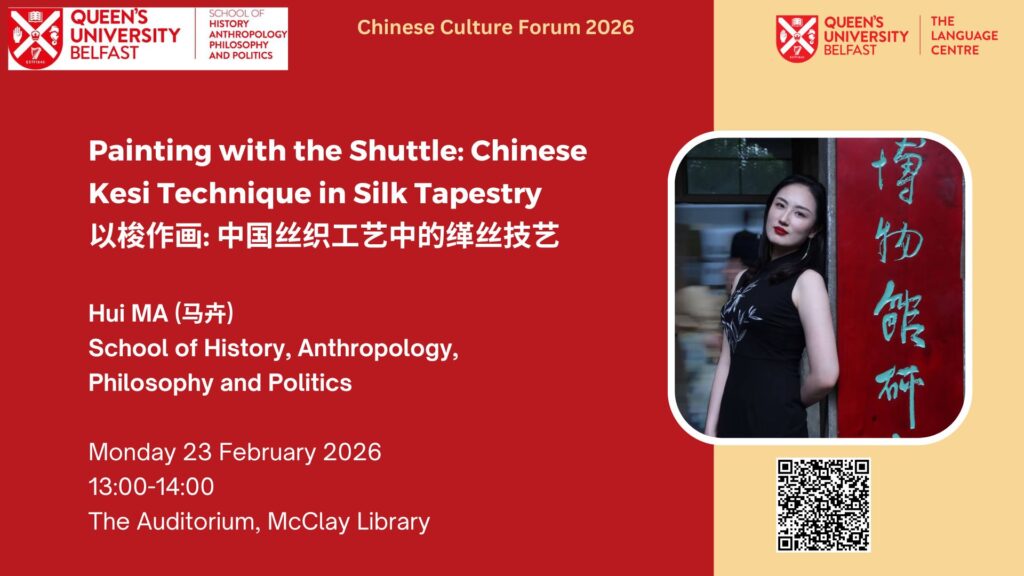
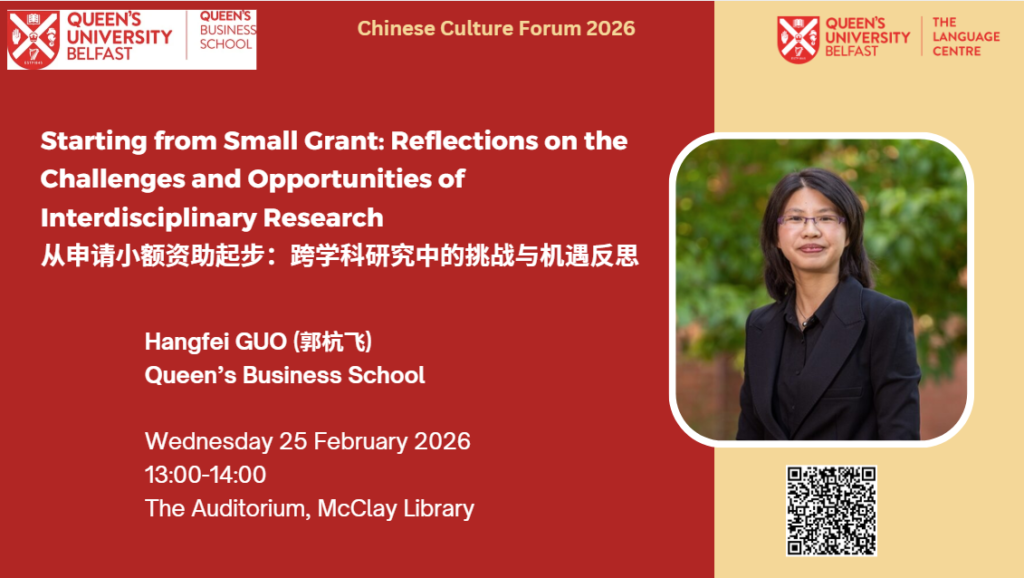
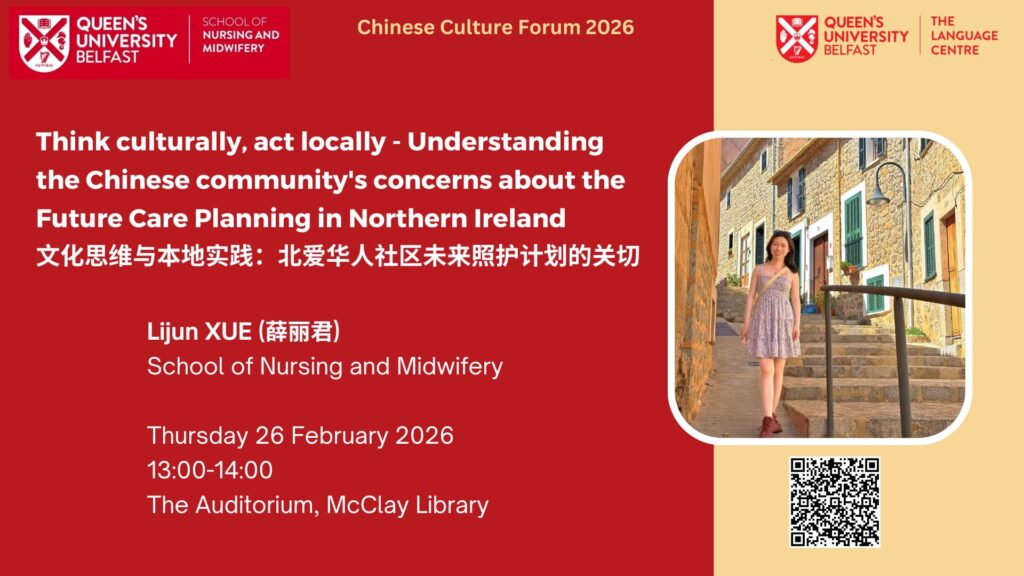
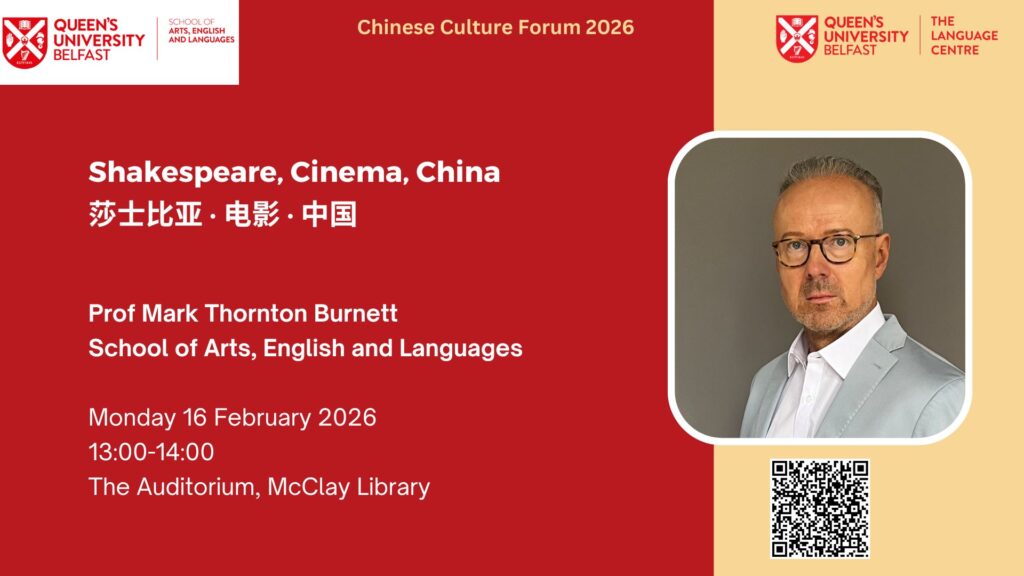
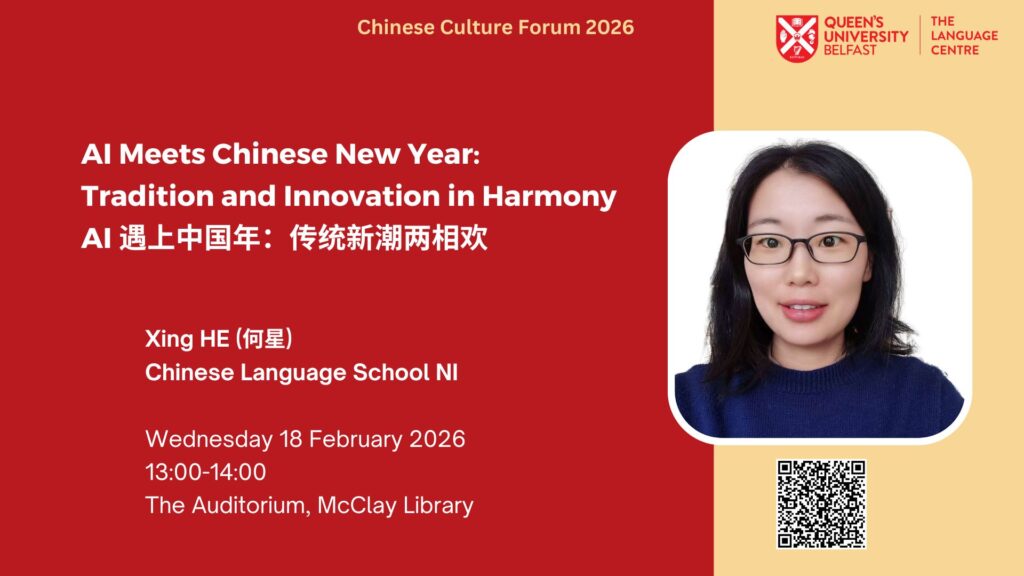
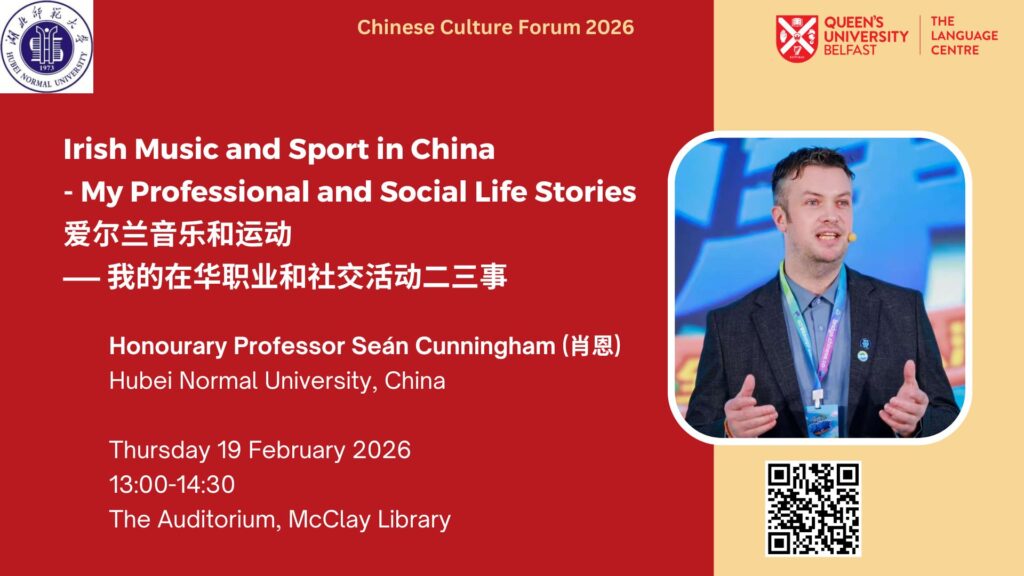
Culture Forum Talks
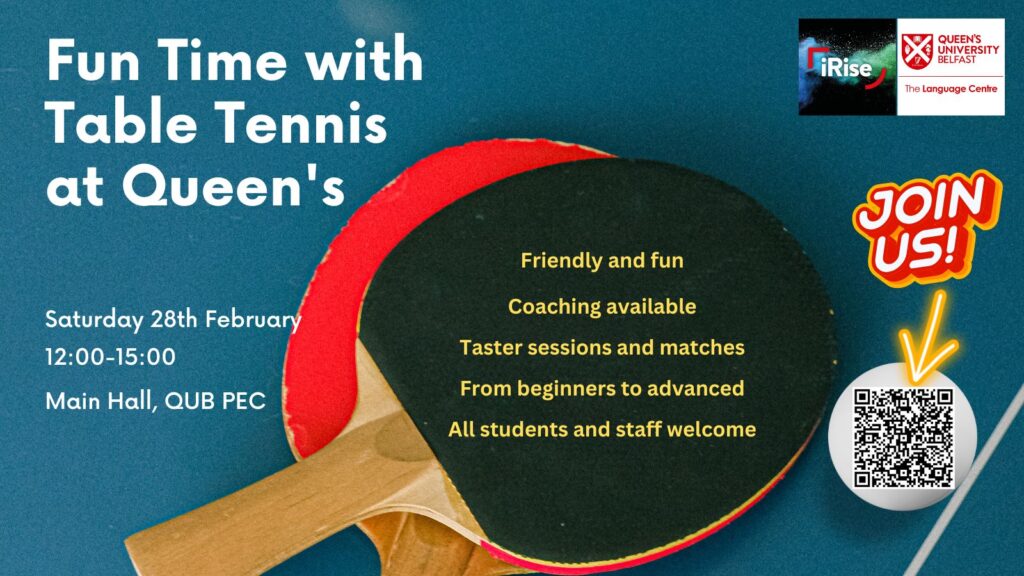
Fun Time with Table Tennis
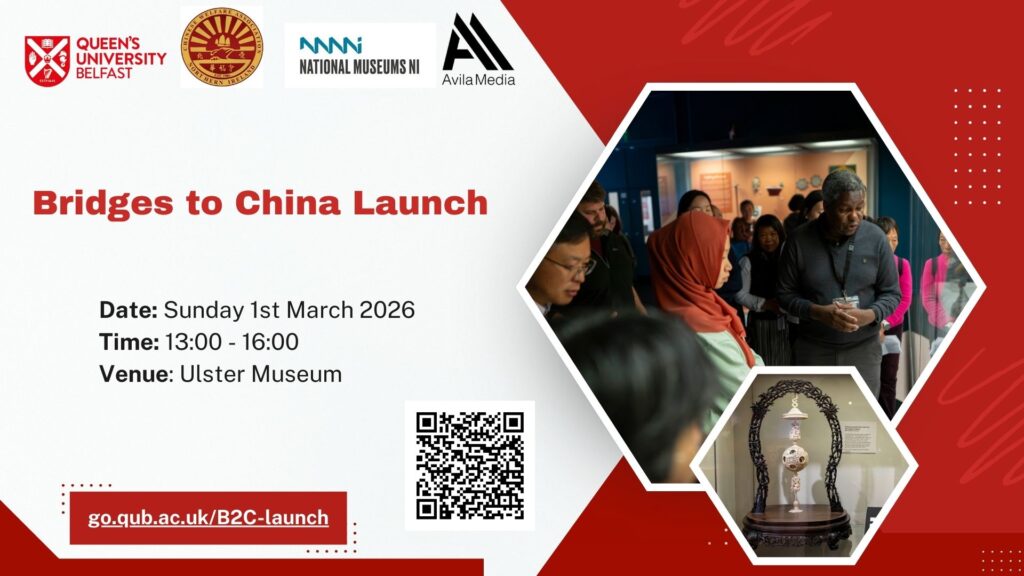
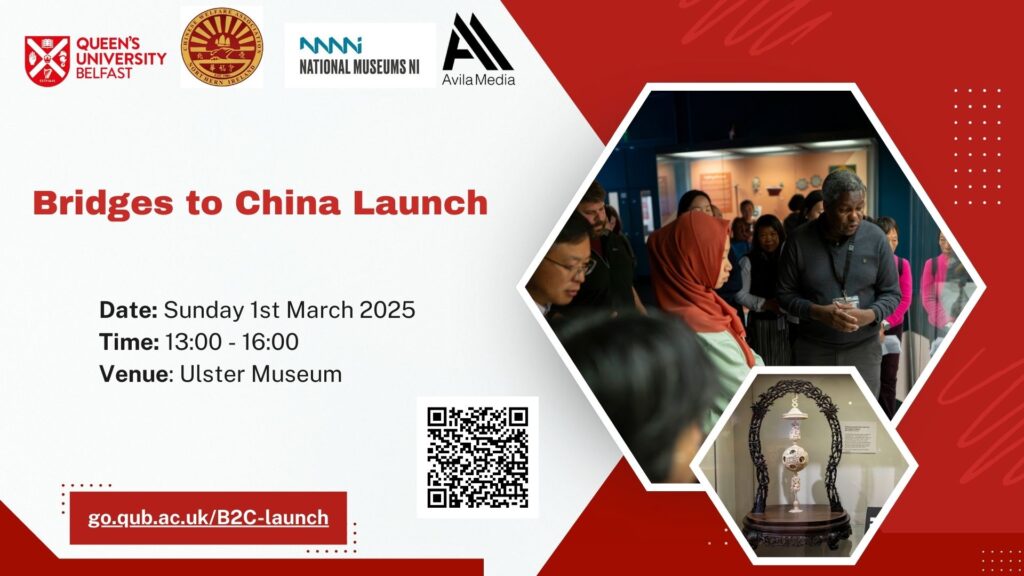
Bridges to China Launch (fully booked)
Check the Chinese Culture Programme 2026 Homepage for more upcoming events throughout the year.
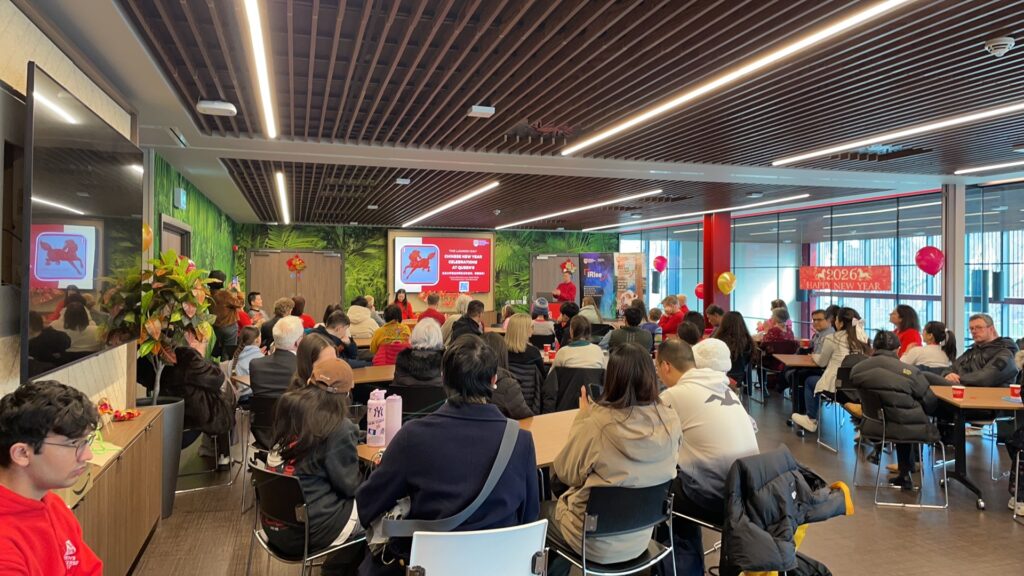
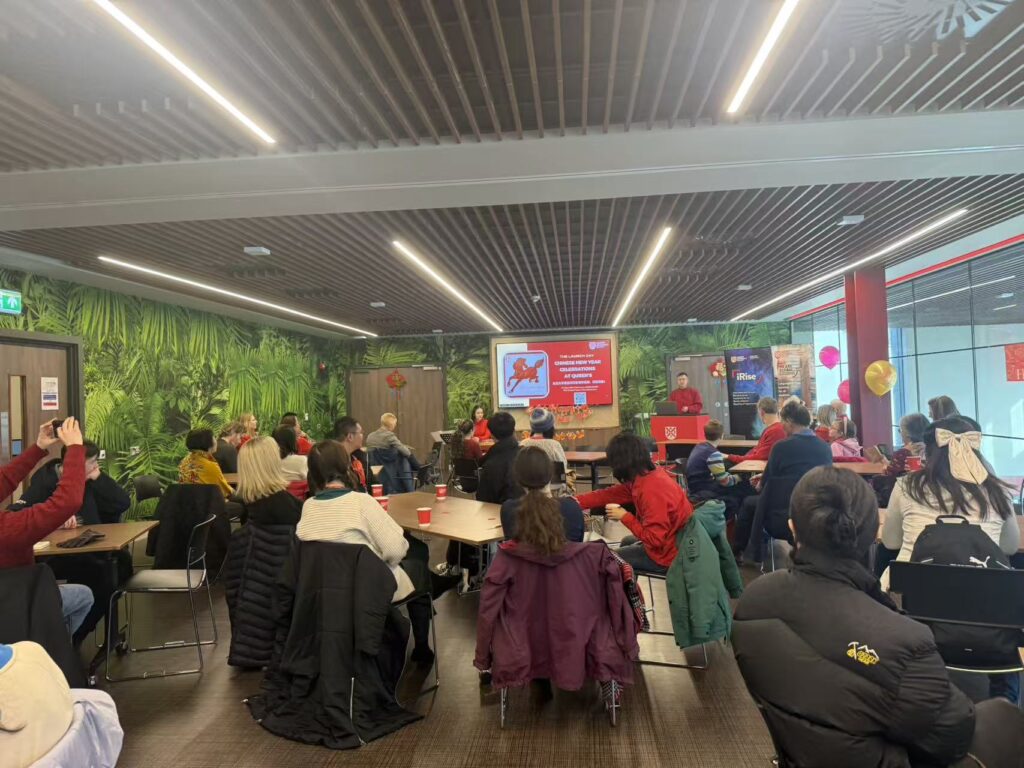
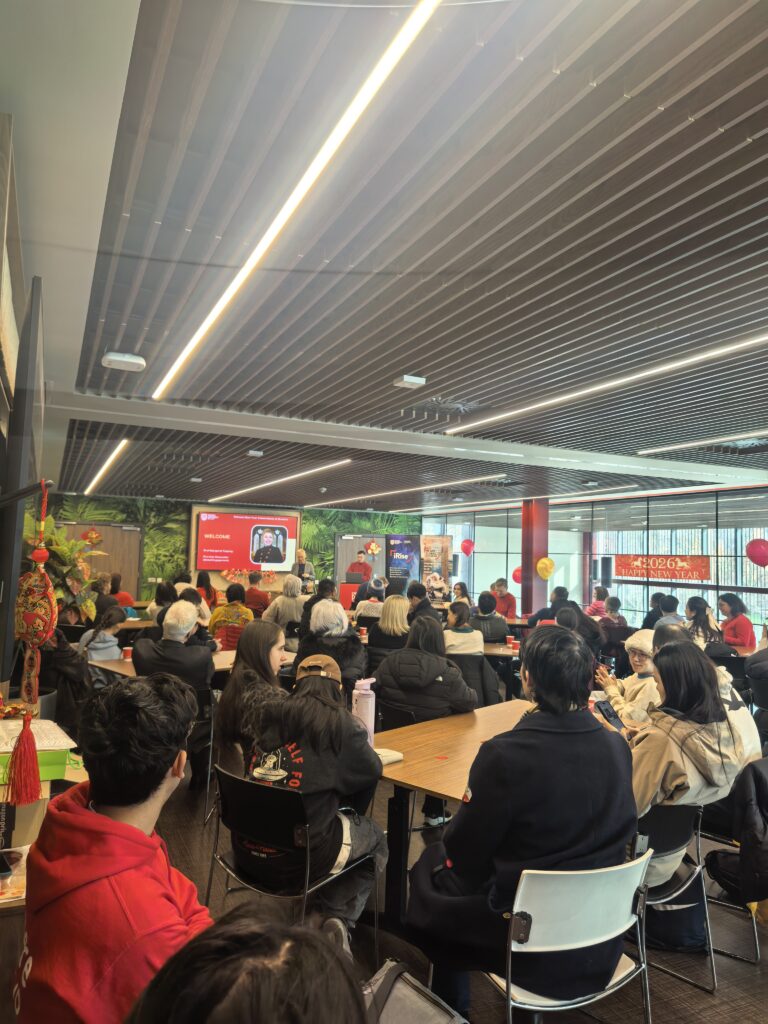
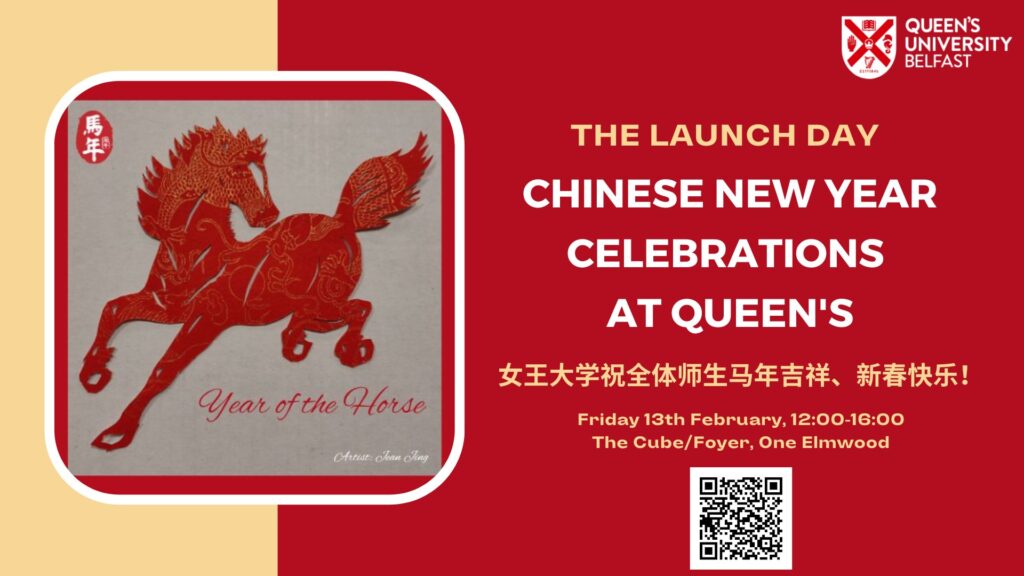
What could be better than a splendid day of sunshine on Friday 13 February, following such a long period of gloomy, rainy weather? On the day, over 60 Queen’s students, staff members, as well as civic partners and guests, joined the Chinese New Year celebration programme at One Elmwood, Queen’s – the hub for intercultural encounters and exchanges.
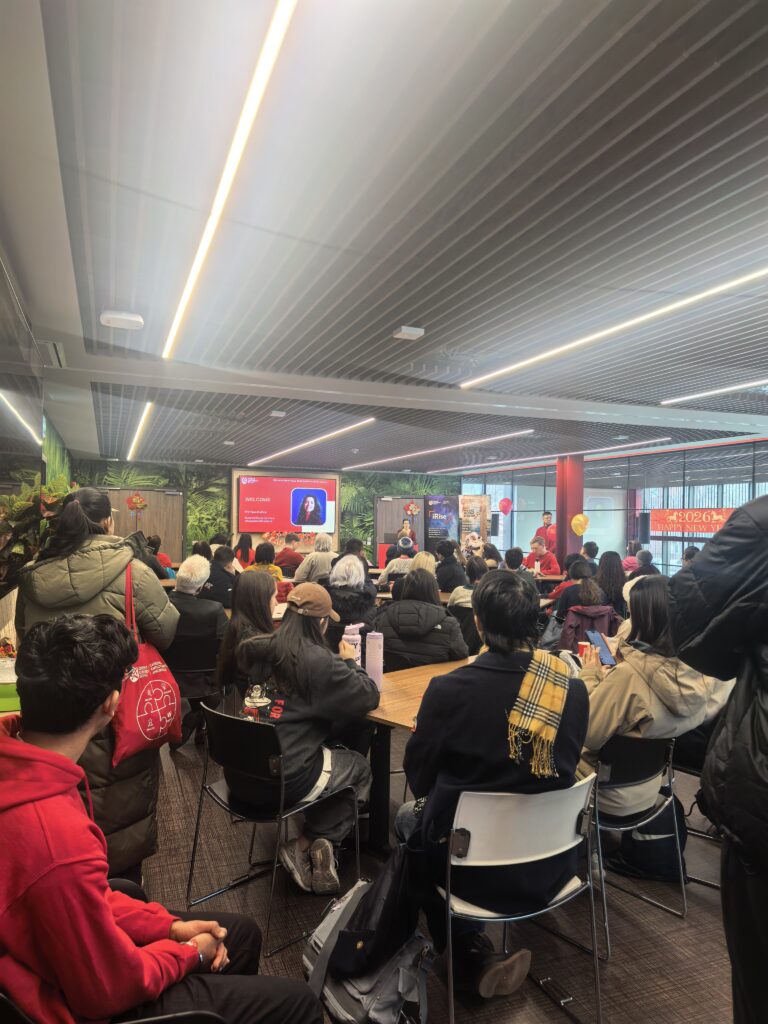
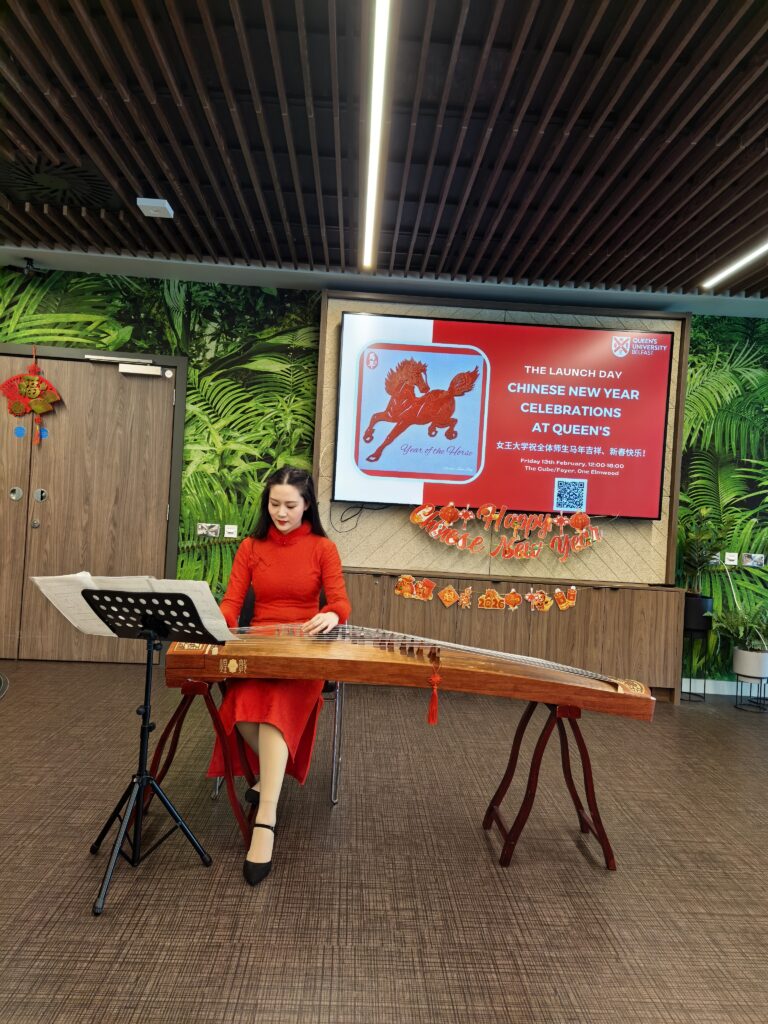
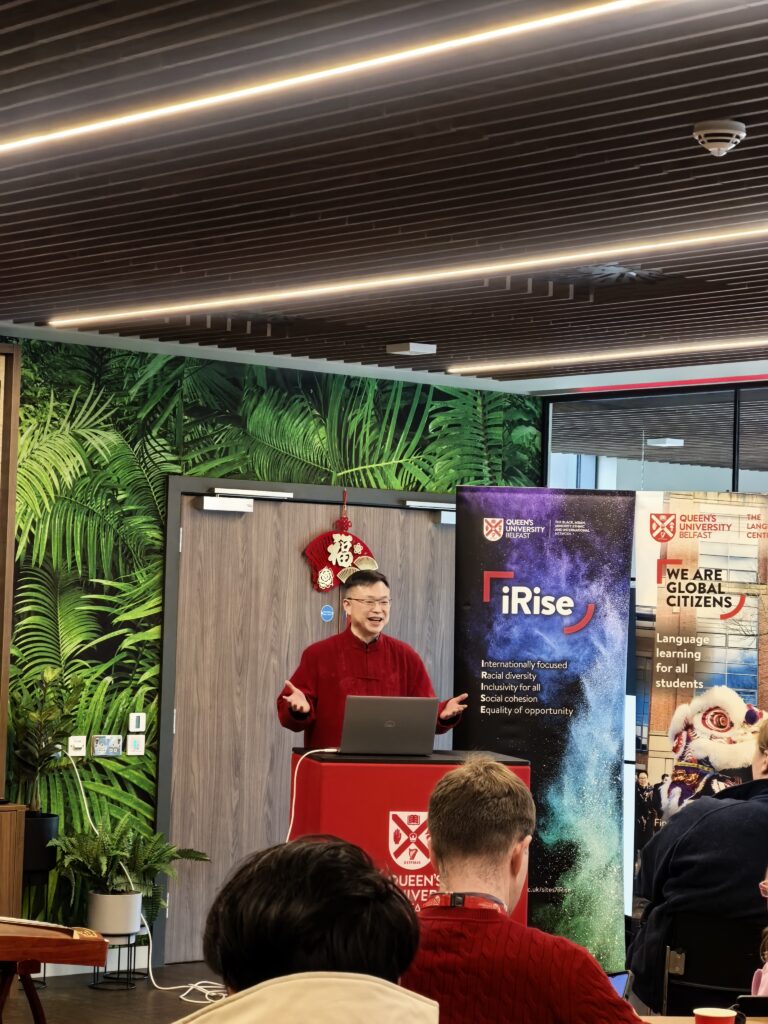
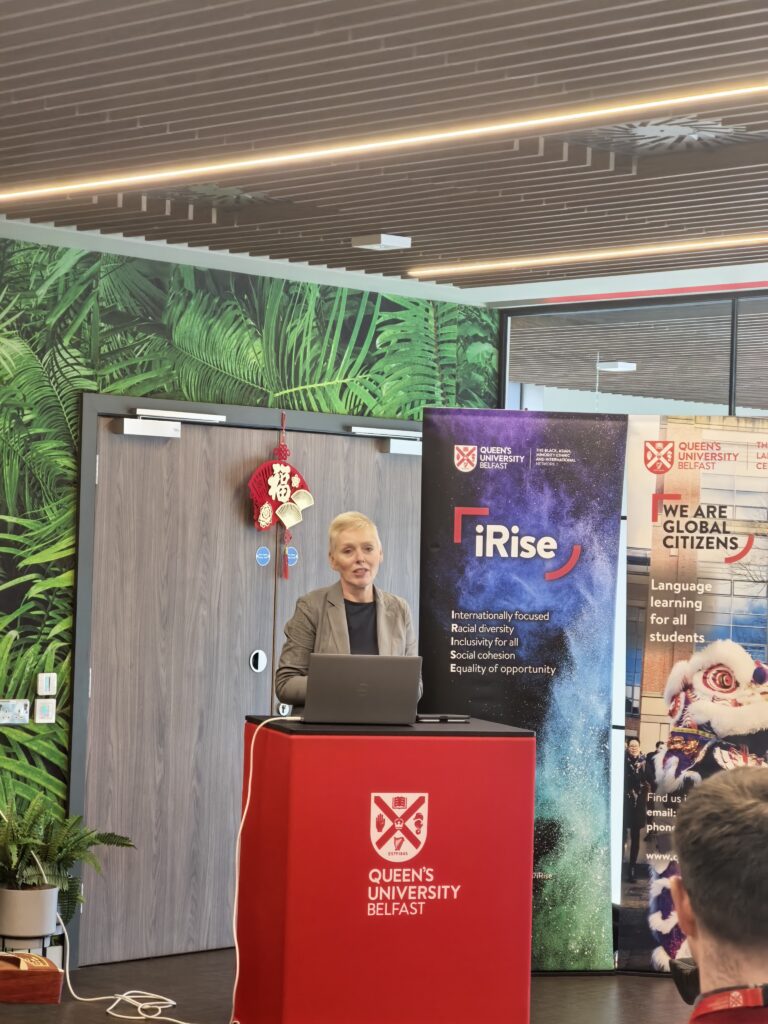
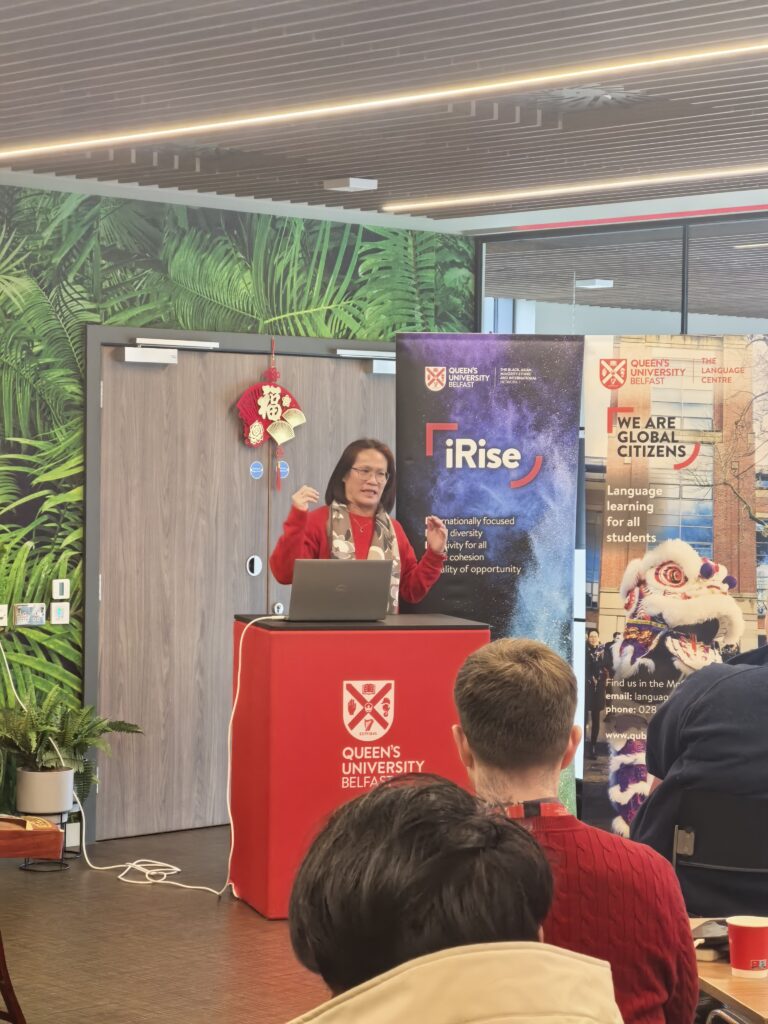
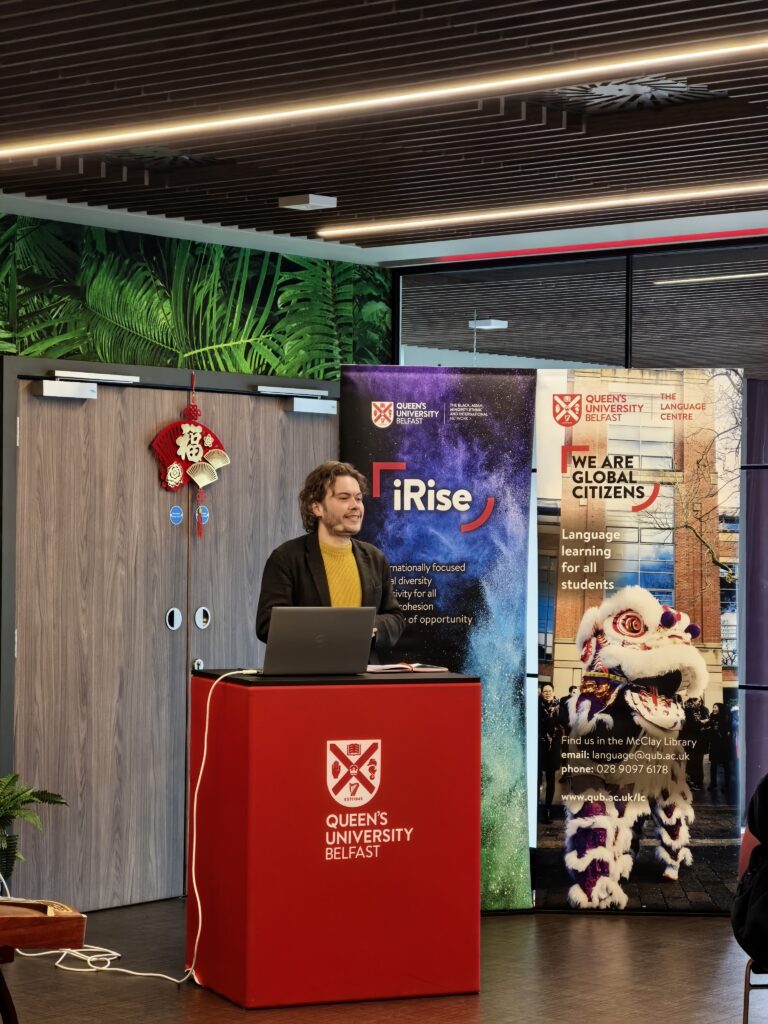
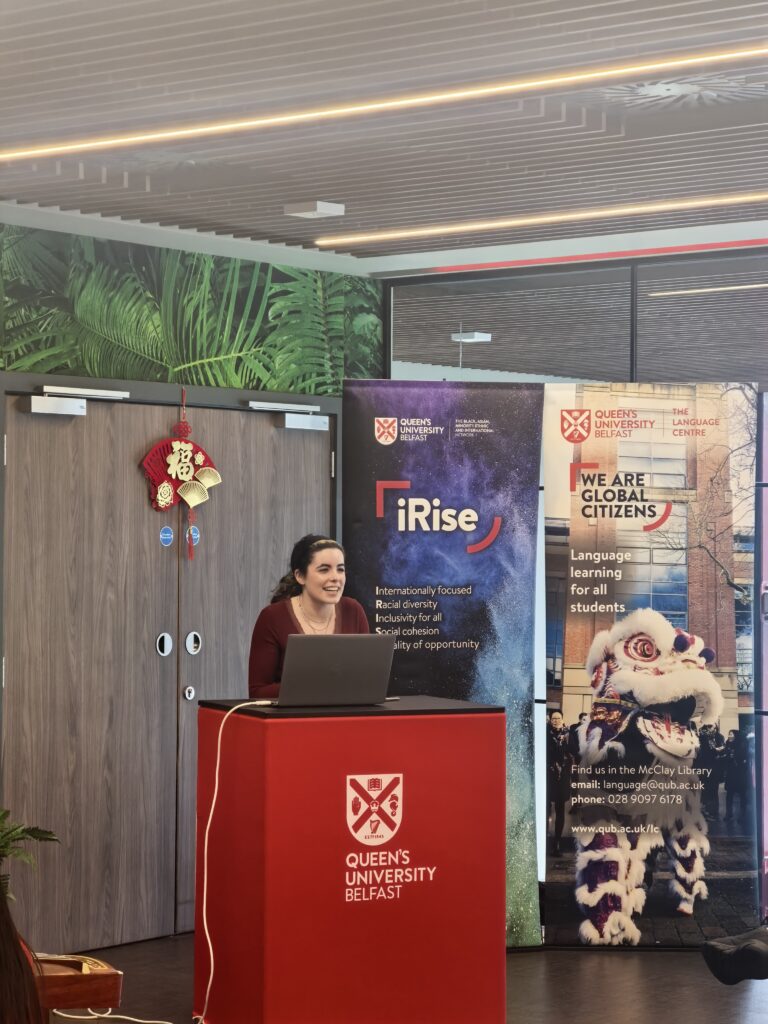
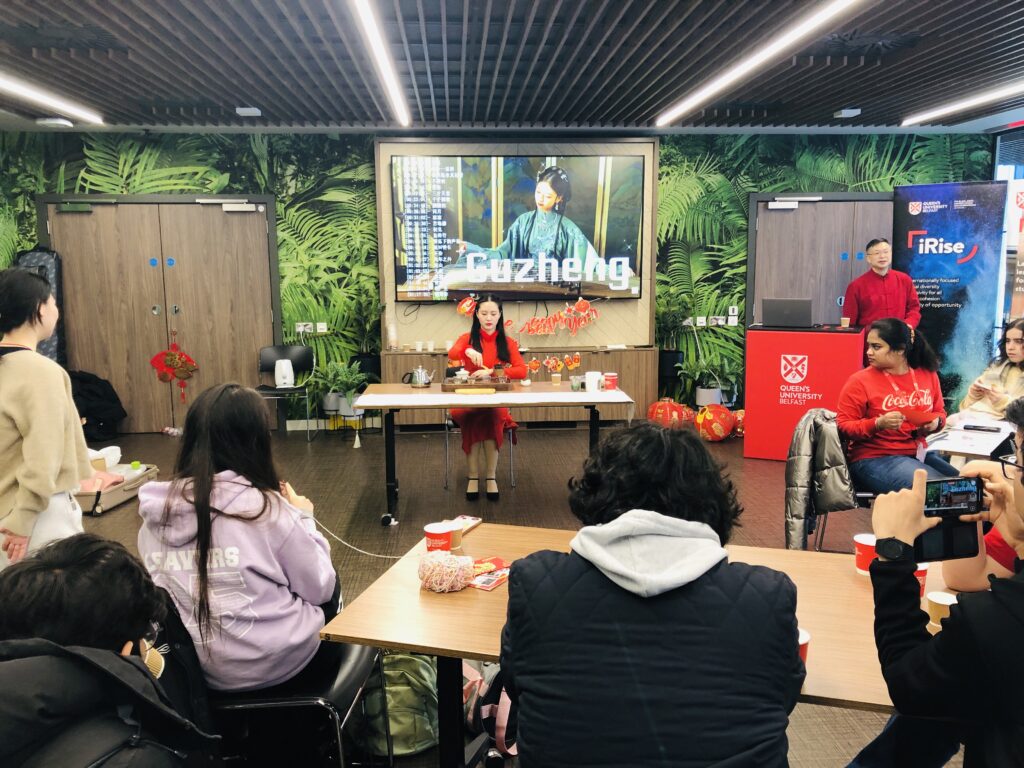
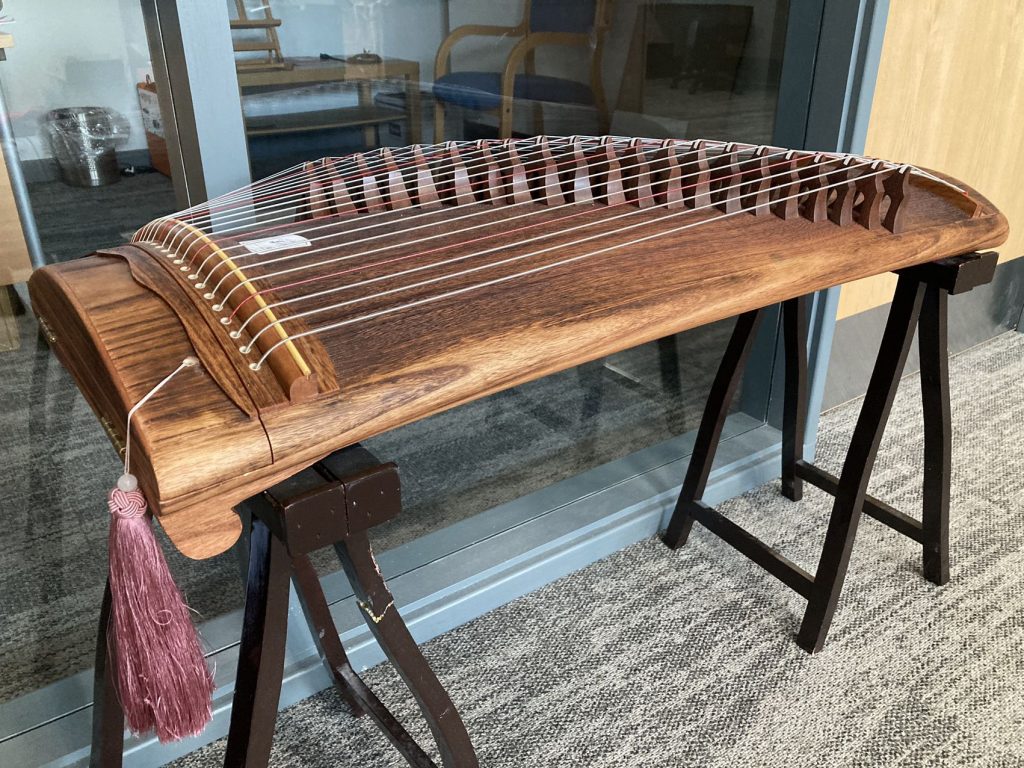
Chaired by Dr Liang Wang, the launch began with a captivating performance of traditional guzheng music by PhD candidate Fei Li from Queen’s Business School. Pro-Vice-Chancellor Professor Margaret Topping delivered the opening remarks on behalf of the University, highlighting Queen’s achievements in global engagement over the past year, particularly with Asian countries such as China and India. Dr Bee-Yen Toh, Co-Chair of the iRise Staff Network, and Thomas Smith, Language Centre Manager, also extended their welcomes to staff, students, and civic partners, emphasising the importance of intercultural understanding through language learning, dialogue and shared activities. Mórrigan McEvoy, Student Officer for Accessible Education, offered her greetings and encouraged students to actively participate in university events and contribute to building a multicultural campus.
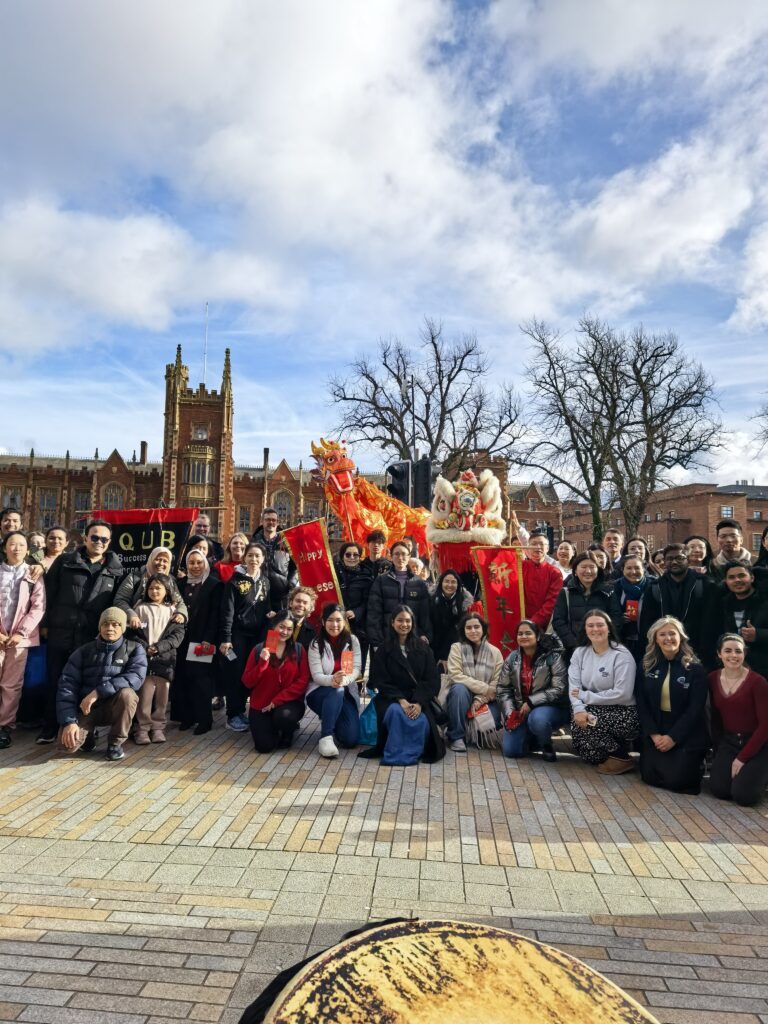
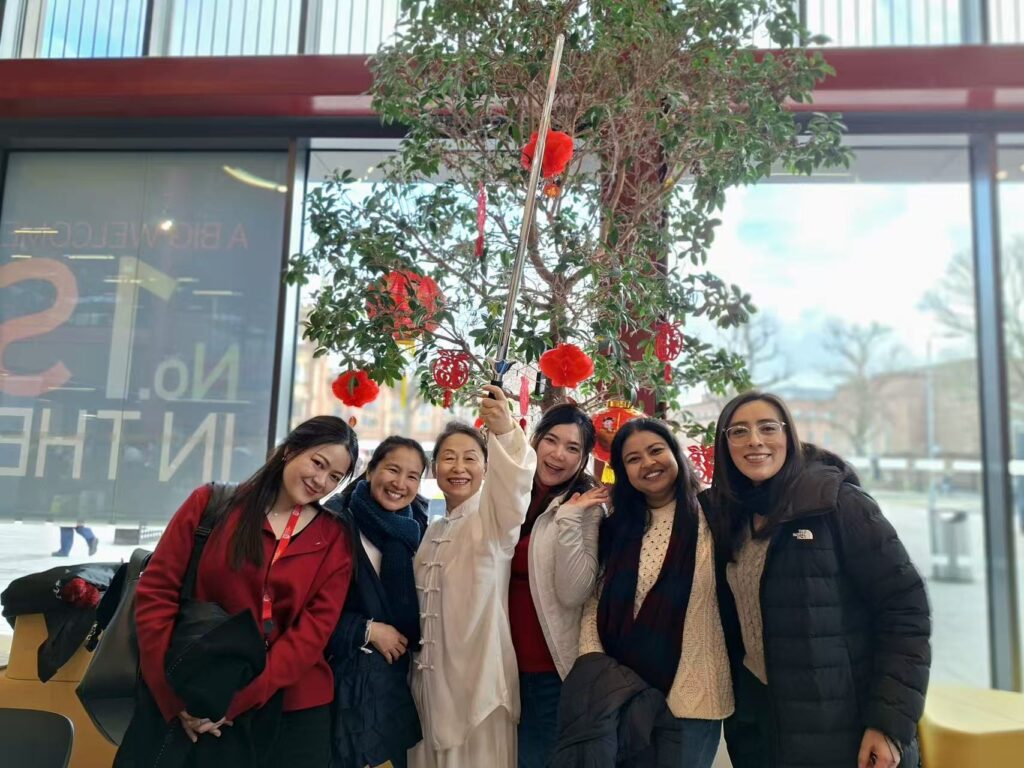
Following the launch, attendees were invited to the ground floor, where the traditional Dragon and Lion dance began in the foyer and continued outside the One Elmwood building. The celebration concluded with a group photo featuring all participants, symbolising the farewell to the Year of the Snake and the welcoming of the Year of the Horse.
_cuva
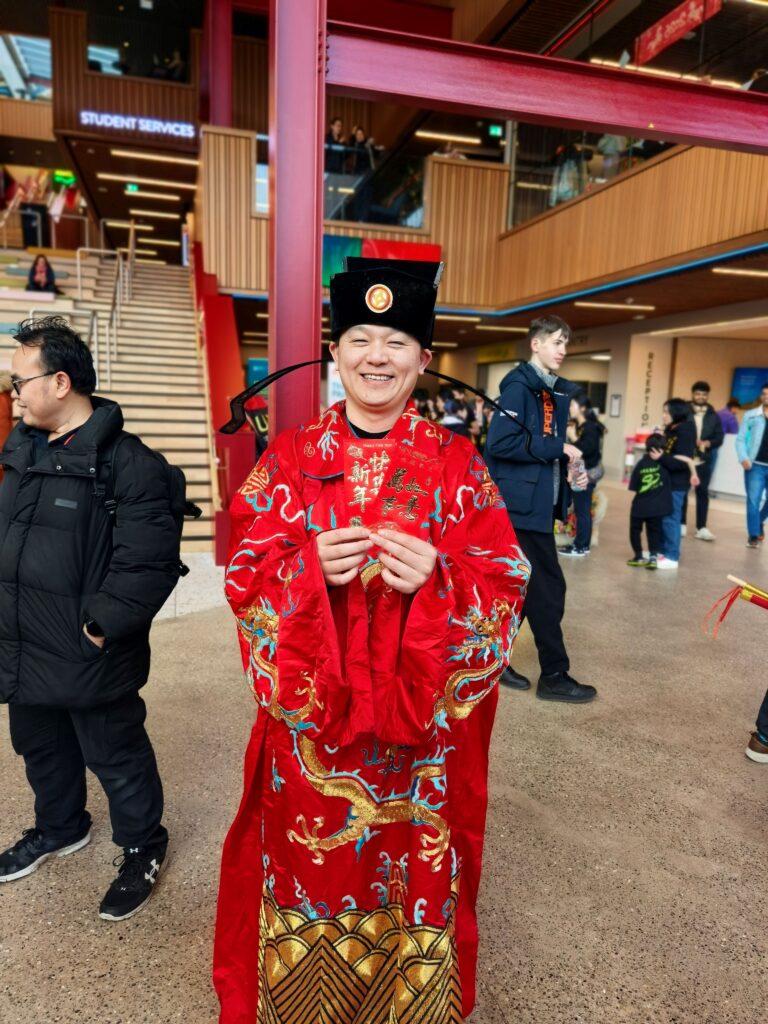
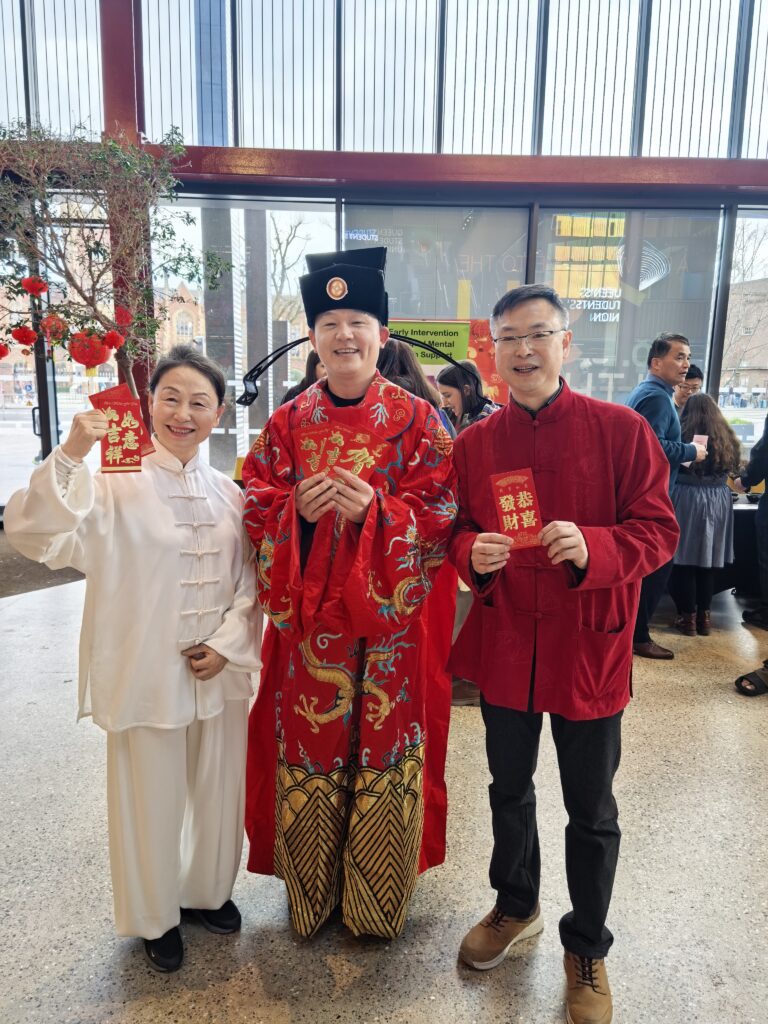
Another highlight of the celebration was the appearance of the God of Fortune, who generously distributed lucky “money” – chocolate coins and replica ancient Chinese coins – to those wishing to embrace good fortune in the year ahead.
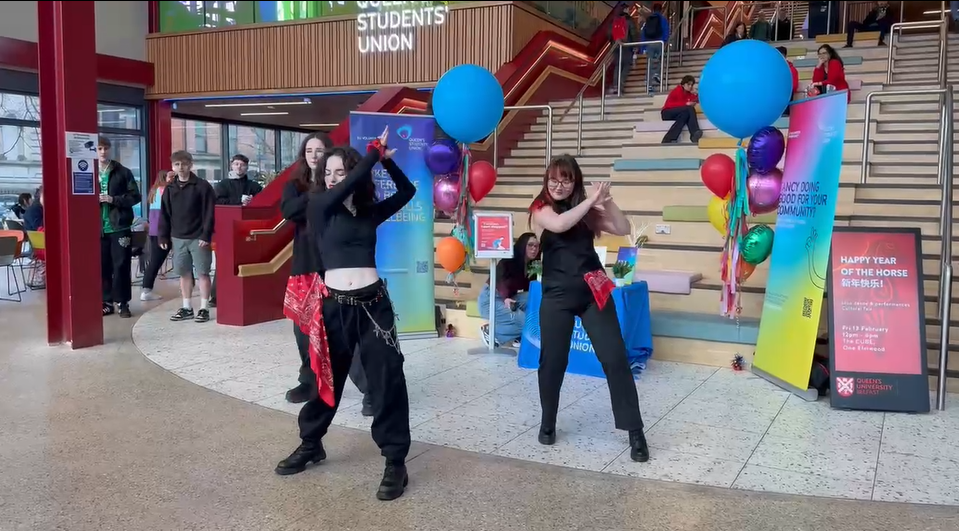
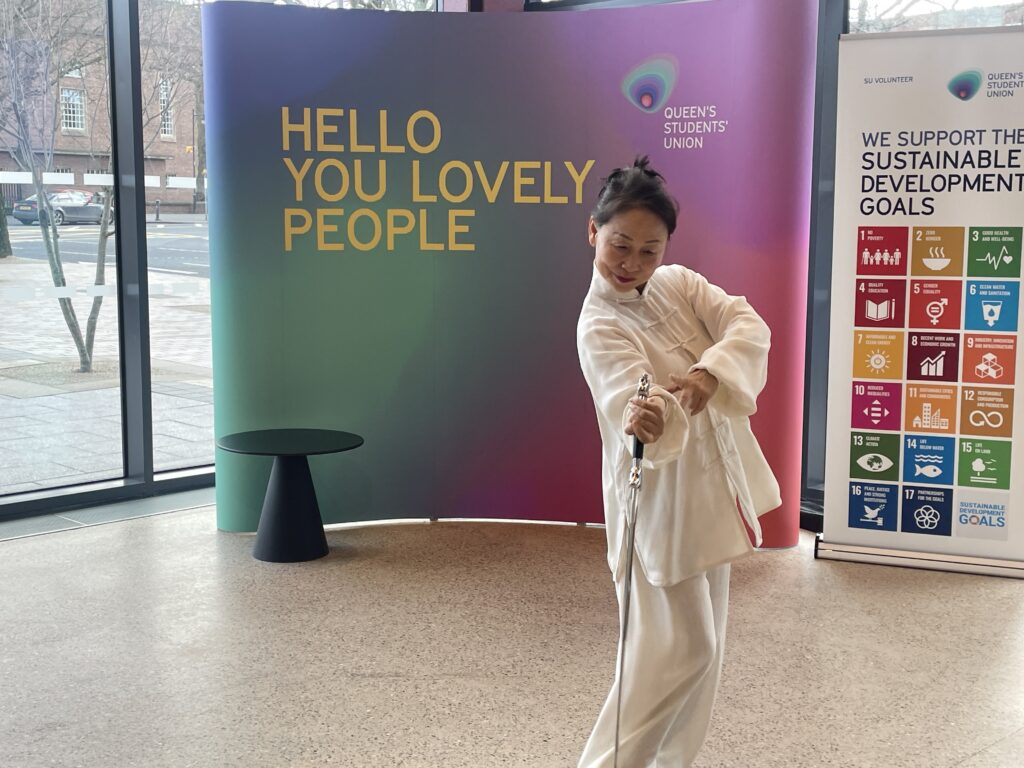
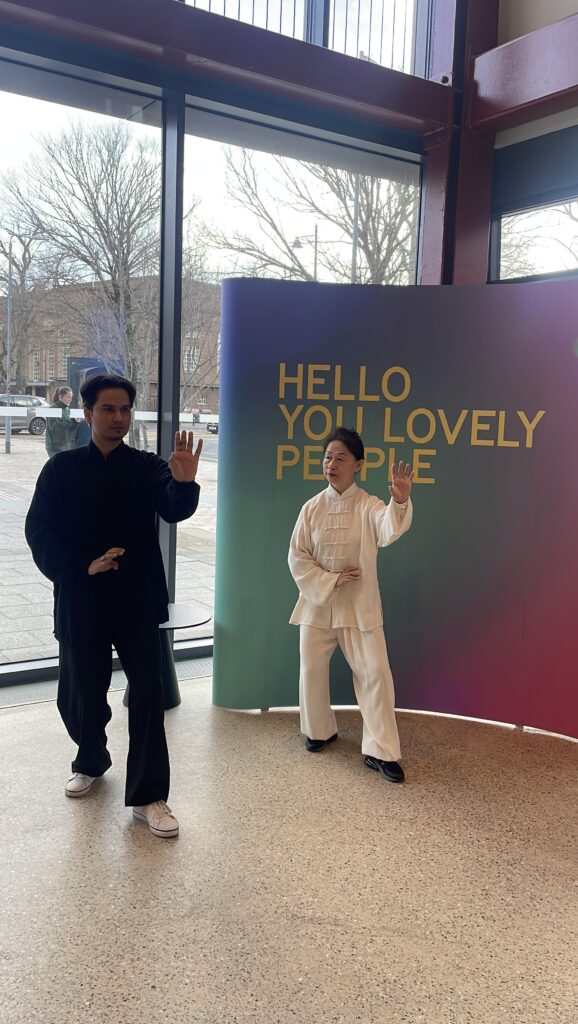
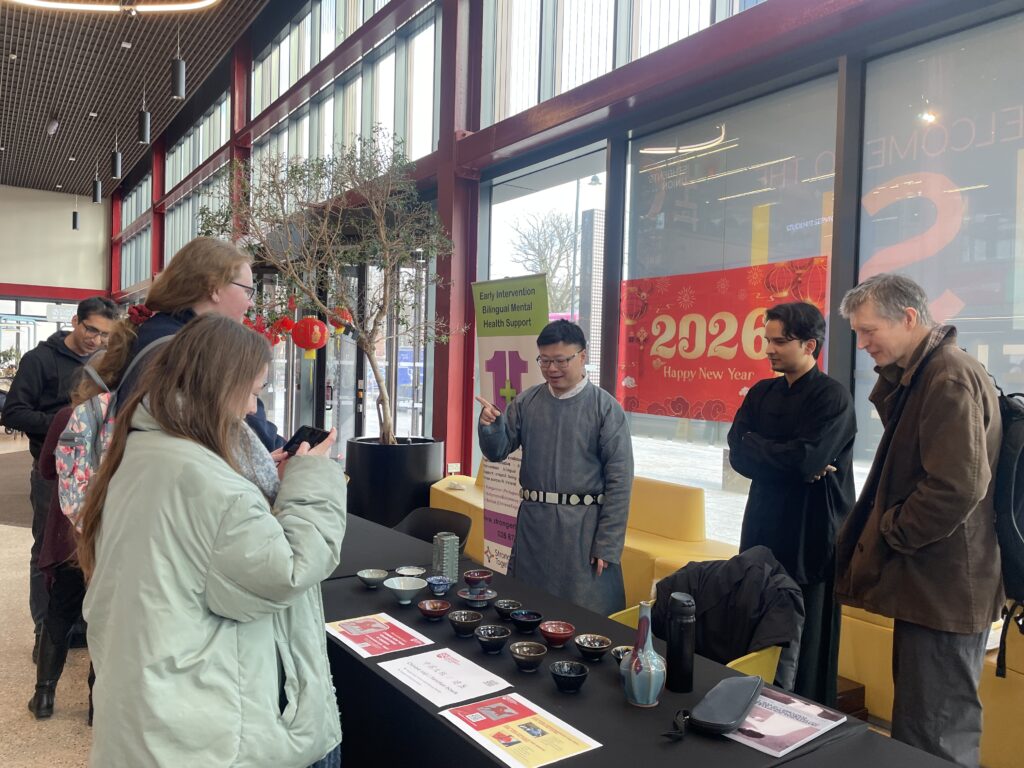
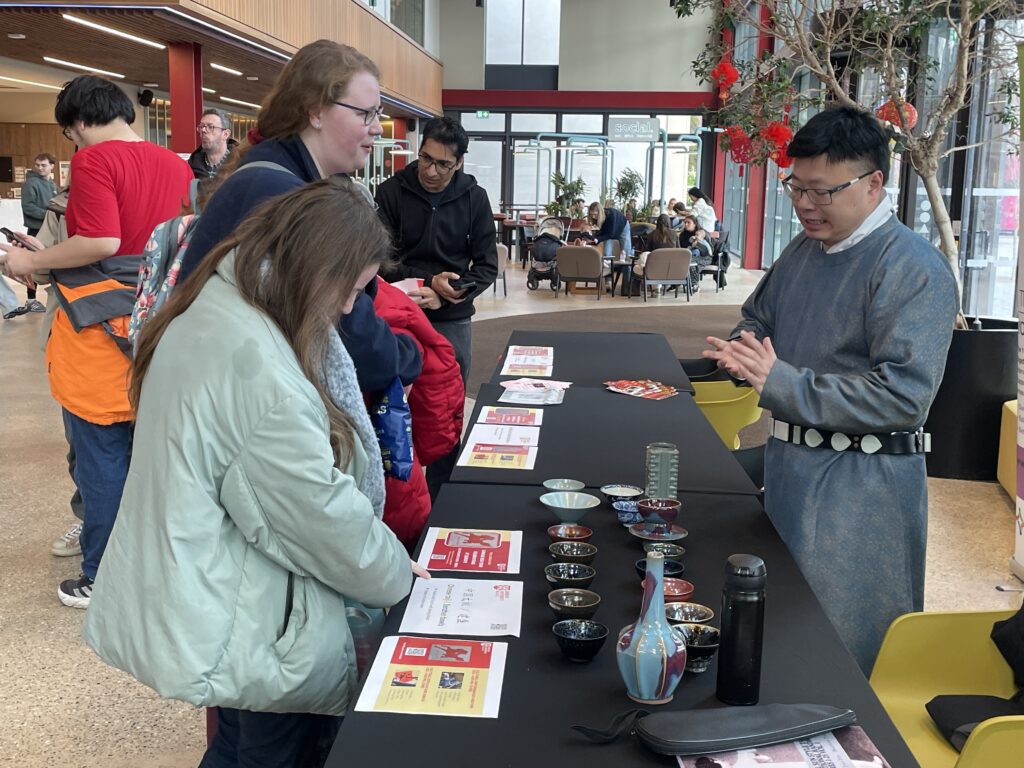
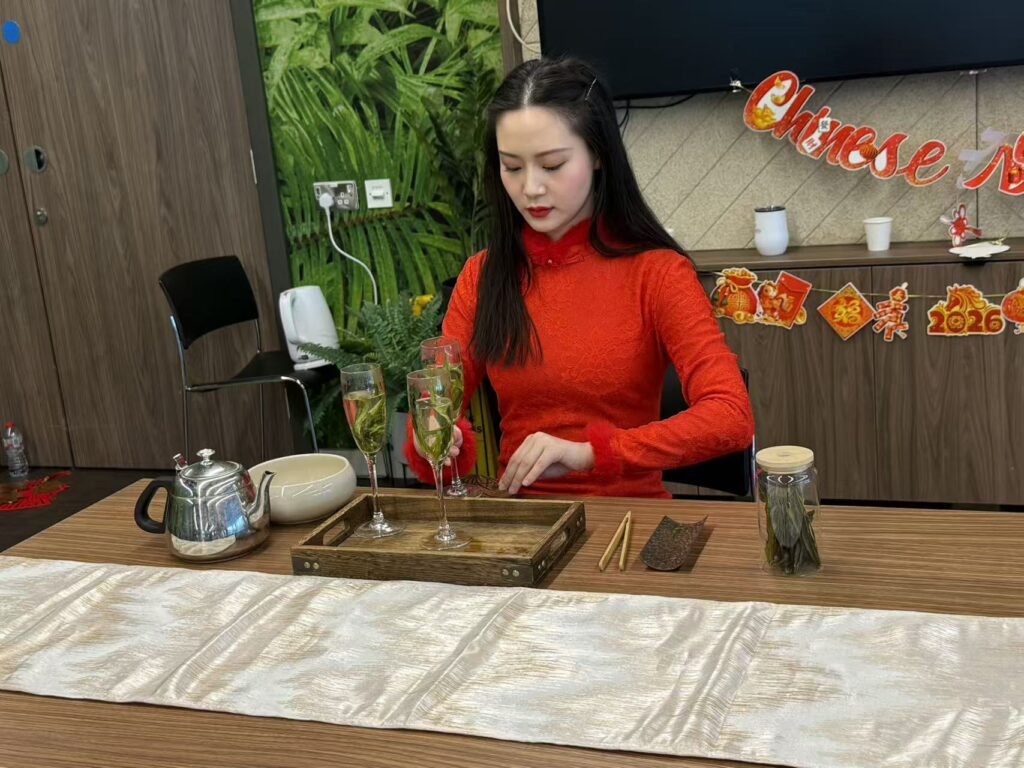
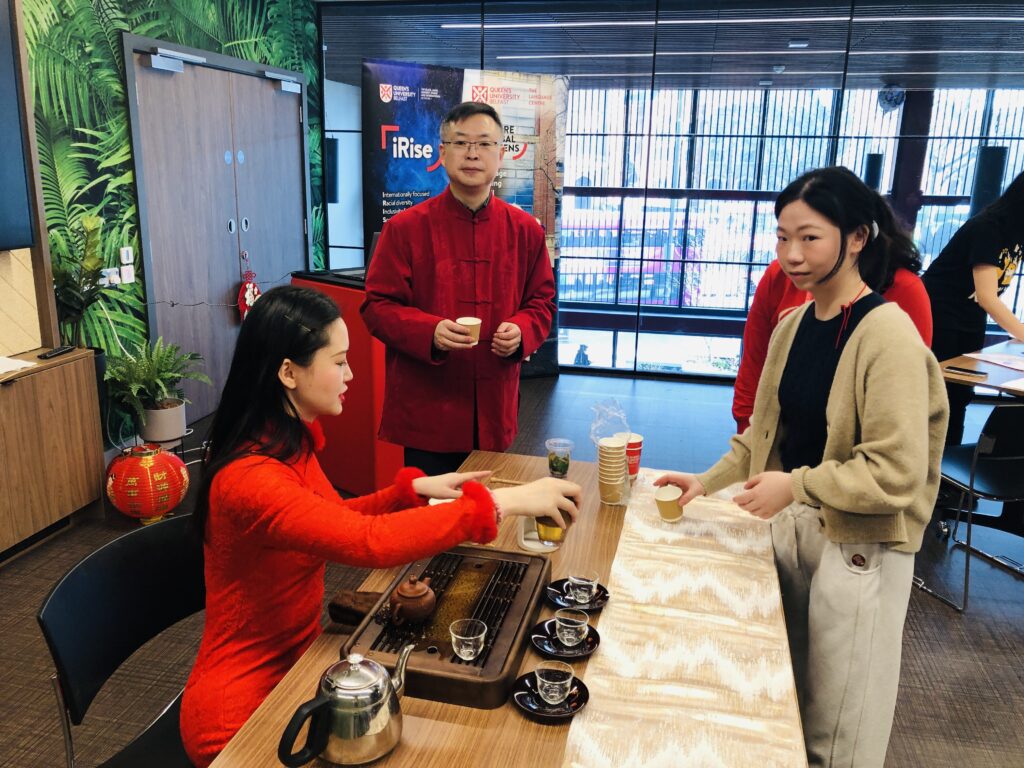
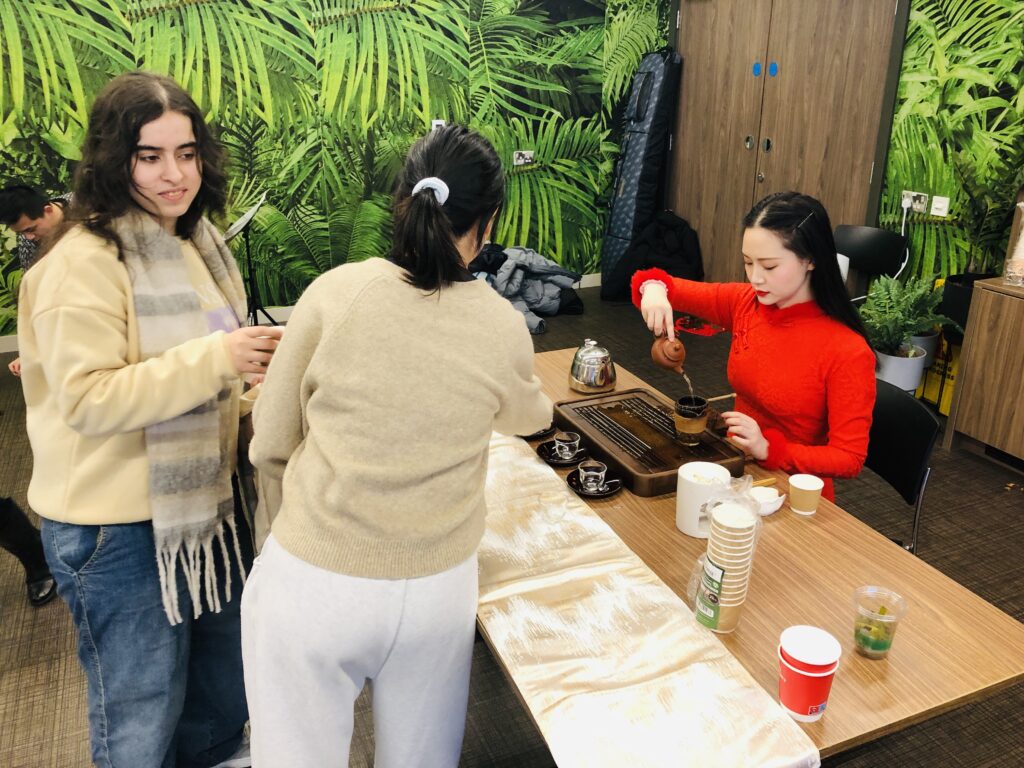
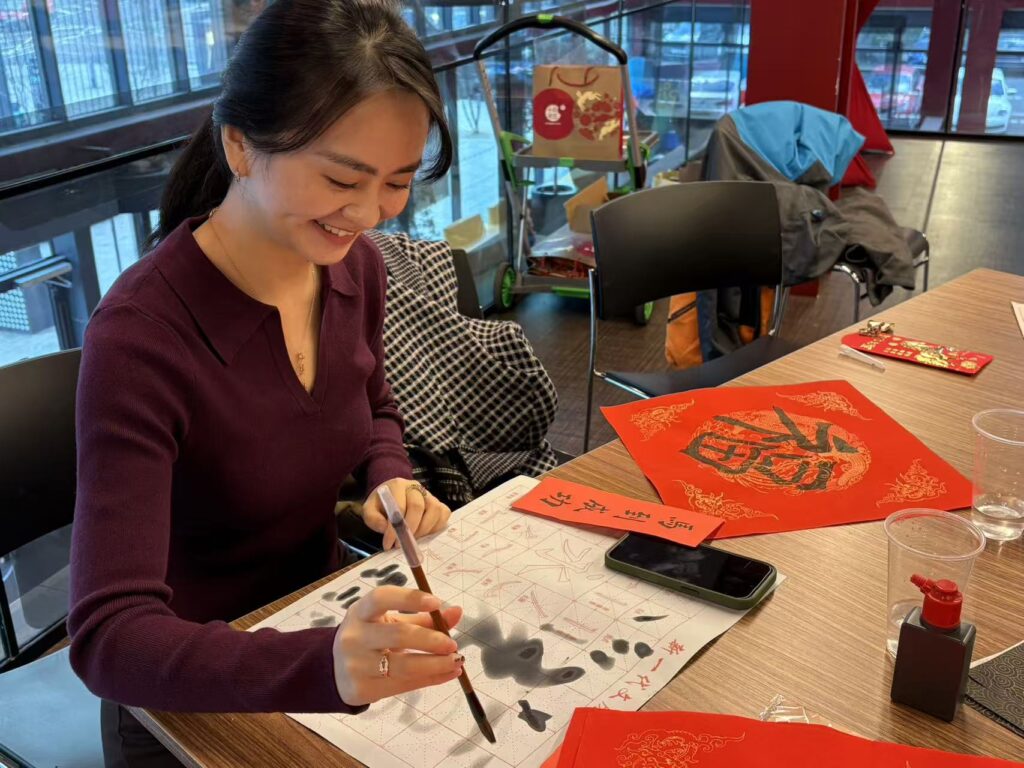
Additional performances included a vibrant K-pop dance, a graceful Tai Chi demonstration, and a Chinese Jianzhan tea cup display in the foyer. Meanwhile, cultural workshops such as calligraphy, paper crafts, tea and incense ceremonies, and guzheng appreciation sessions were held in the Cube, engaging and entertaining participants throughout the afternoon.
_cuva
_cuva
_cuva
_cuva
Blessed by the sunshine and strong support from One Elmwood Student Engagement Team, the event was a great success, with strong attendance and positive social impact. Queen’s is proud of its role as a civic university, promoting diversity, equality, inclusion, and belonging, supported by its vigorous academic and educational innovation.
_cuva
In keeping with Chinese New Year traditions, the celebrations will continue over the next two weeks, featuring six culture talks, a table tennis event, and a QUB-supported collaborative “Bridges to China” launch. All are warmly welcome!
With the Year of the Horse fast approaching, Queen’s University Belfast has released its celebration programme, alongside a few civic Chinese New Year (CNY) celebrations. In this post, we would like to highlight the events and activities that may generate shared interest.
Queen’s colleagues are warmly invited to take part in a range of cultural activities celebrating the Year of the Horse. The celebrations will highlight a Launch Event on Friday 13 February, 12:00–1:00 pm, at One Elmwood Cube, followed by a Dragon Parade and Cultural Fair in the One Elmwood Foyer and Cube areas throughout the afternoon.
Online Exhibitions
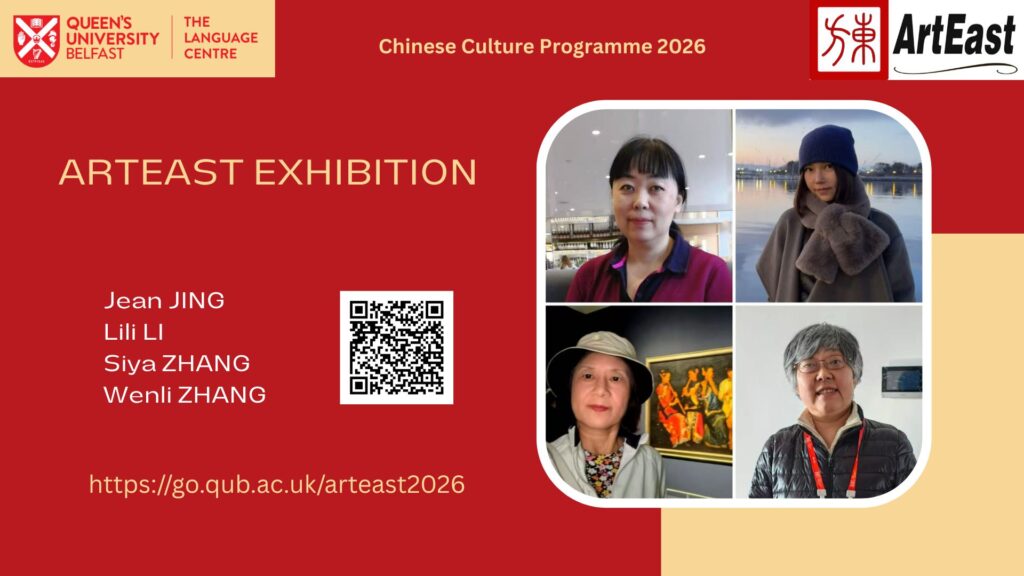
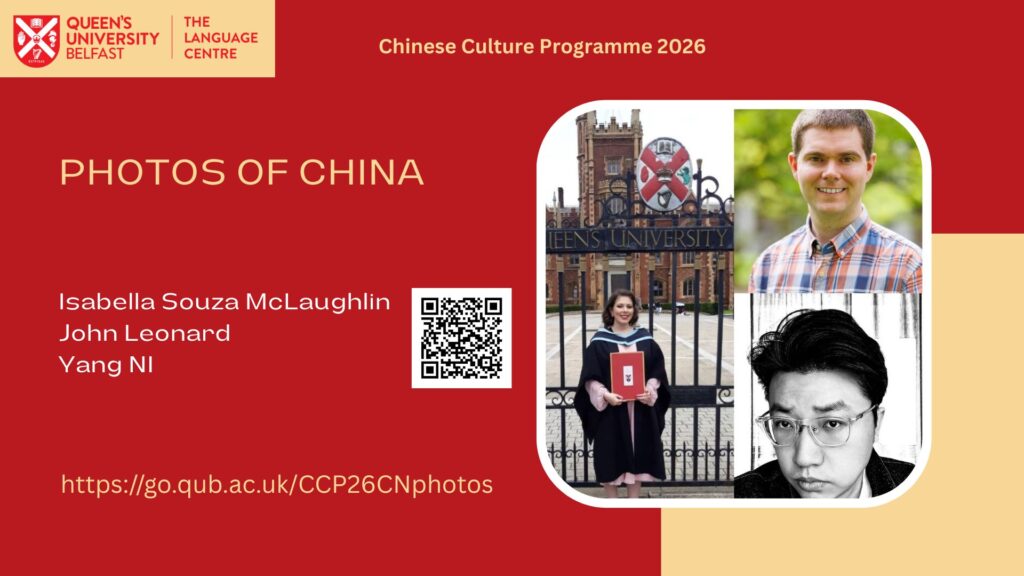
We are grateful to have collected paintings from ArtEast Club members in the 6th consecutive year and the photos of China with intercultrual reflections from three Queen’s photographers.
The coming weeks’ highlights are:
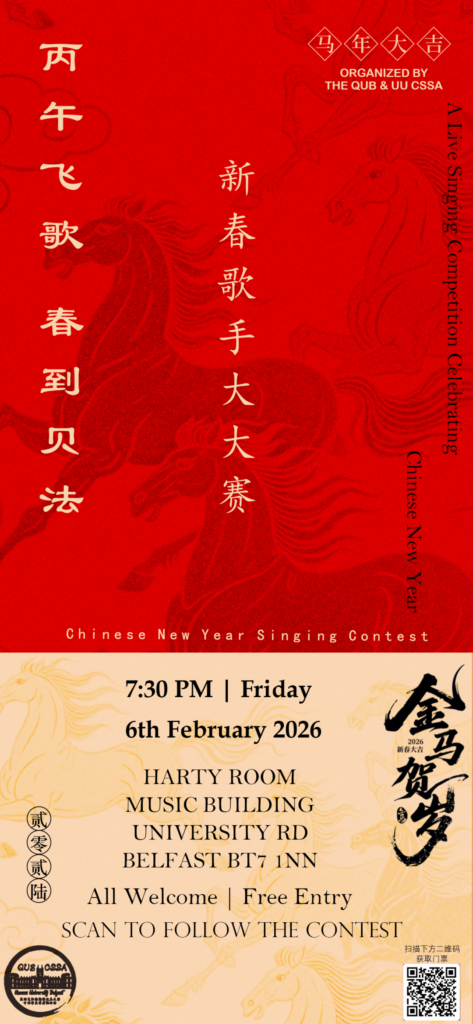
Student-led activities (Friday 06/02)
CNY Arts and Crafts Workshop & Drawing Competition 1:00–4:00 pm, The Cube, One Elmwood
Chinese Singing Competition 7:30 pm, Harty Room, Music Building
Culture Talks(Monday 16/02 – Thursday 26/02)
Beginning from Monday 16th, there will be a cluster of culture talks contributed by Queen’s academics, research students and guest speakers from a wide range of subject areas and professional backgrounds, as below:
Fun Time with Table Tennis (Saturday 28/02)
Sponsored by QUB iRise Staff Network and One Elmwood Student Engagement Team, we would like to invite all staff members and students, and their families as well, to join this fun and friendly event to engage with this popular sport among the Chinese communities, as well as providing an opportunity for enhancing student and staff wellbeing through sport. Both beginners and more advanced players are welcome to sign up for the fun event, with an appreciation of its unique culture, as well as developing some practical skills in body movements and mediation.
Launch of Bridges to China Project (Sunday 01/03)
Finally, it is worth recommending this launch of Bridges to China Project, which is a collaboration between Queen’s researchers and their civic partners including Chinese Welfare Association, National Museum NI and AvliaMedia on creating a repertoire to enhance public understanding of Chinese heritage and culture in Northern Ireland. It also aims to foster community partnerships leading to further collaboration and community engagement around the longstanding links between Northern Ireland and China.
For more information and registration, please visit the full programme below. You are all very welcome to join us and enjoy the cultural celebrations of the Year of the Horse. If you would like to help with us in any of the events and activities, you may consider filling in the volunterring form below.
If you would like to know more about CNY celebration events outside Queen’s, we hope you find the following information useful.
Monday 16/02 by CCC NI and CWA NI
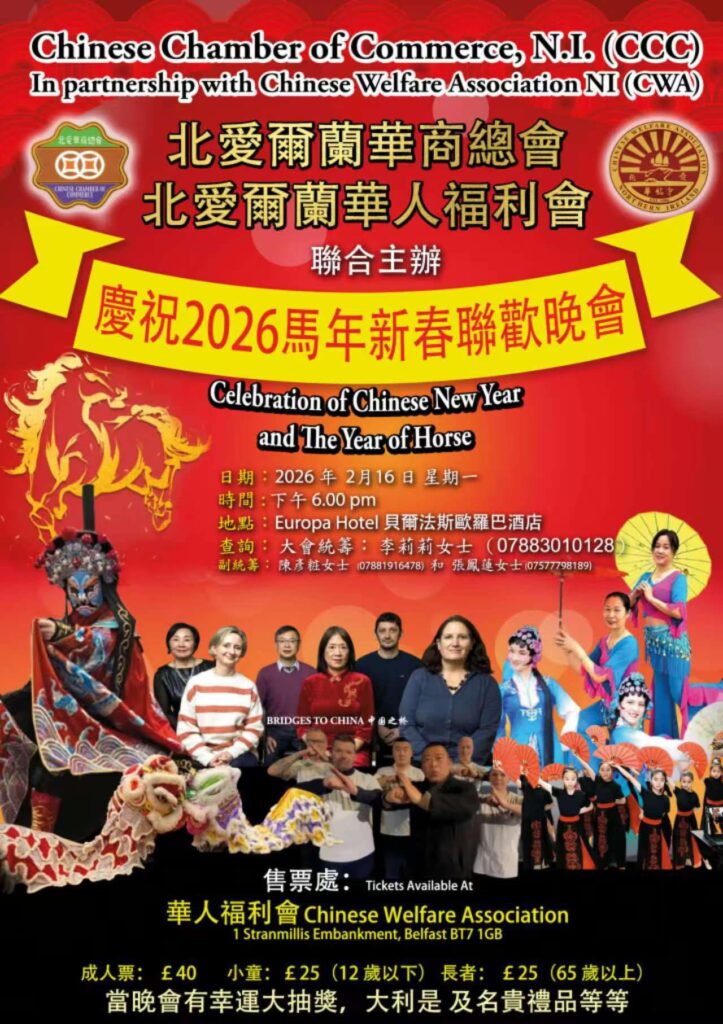
The annual Spring Festival Gala, jointly organised by the Chinese Chamber of Commerce, N.I. and Chinese Welfare Association N.I., returns this year to the Europa Hotel. Save your date on Monday 16th February at 6pm.
Friday 20/02 by East Side Arts(with Artsekta and Belfast Film Festival)
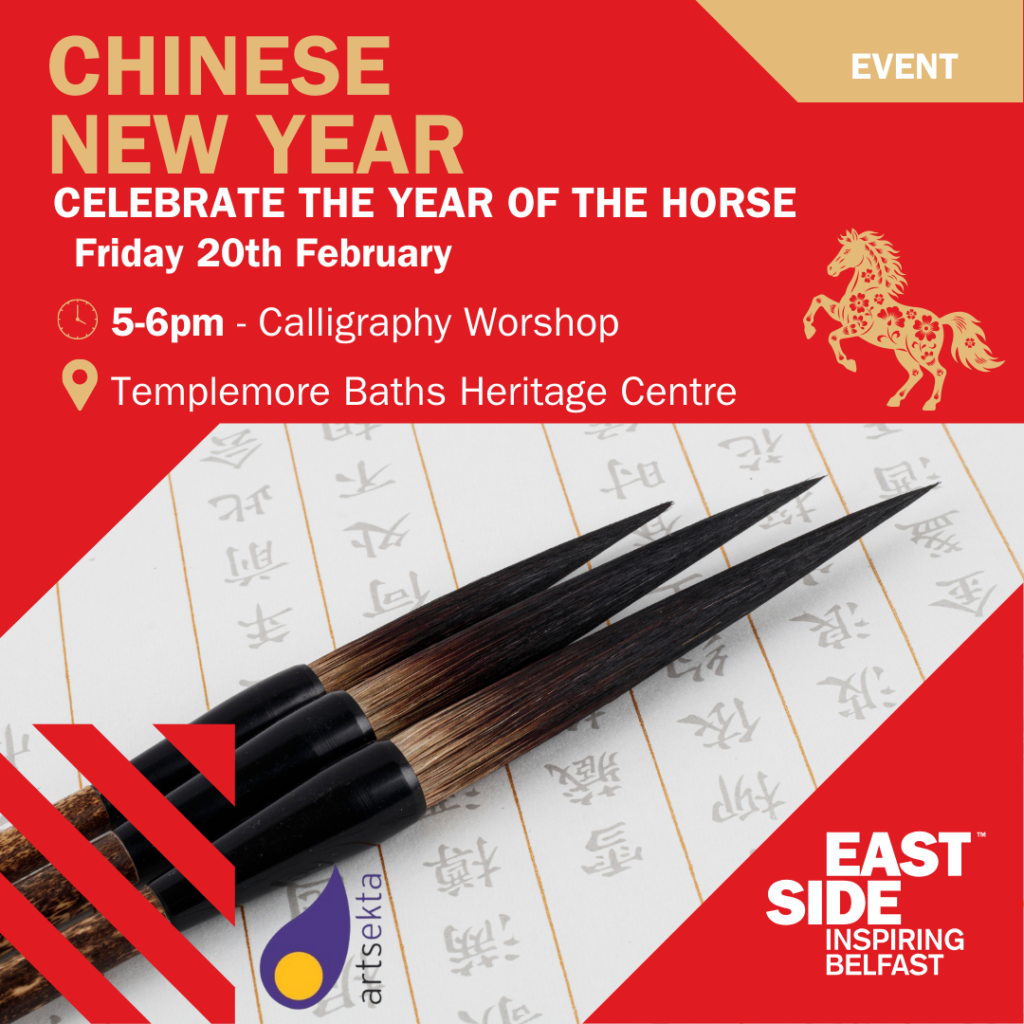
Celebrate the Year of the Horse at Templemore Baths Heritage Centre with a creative workshop and light hearted action packed film.
Sunday 22/02by Success Dragon and Lion Dance Association
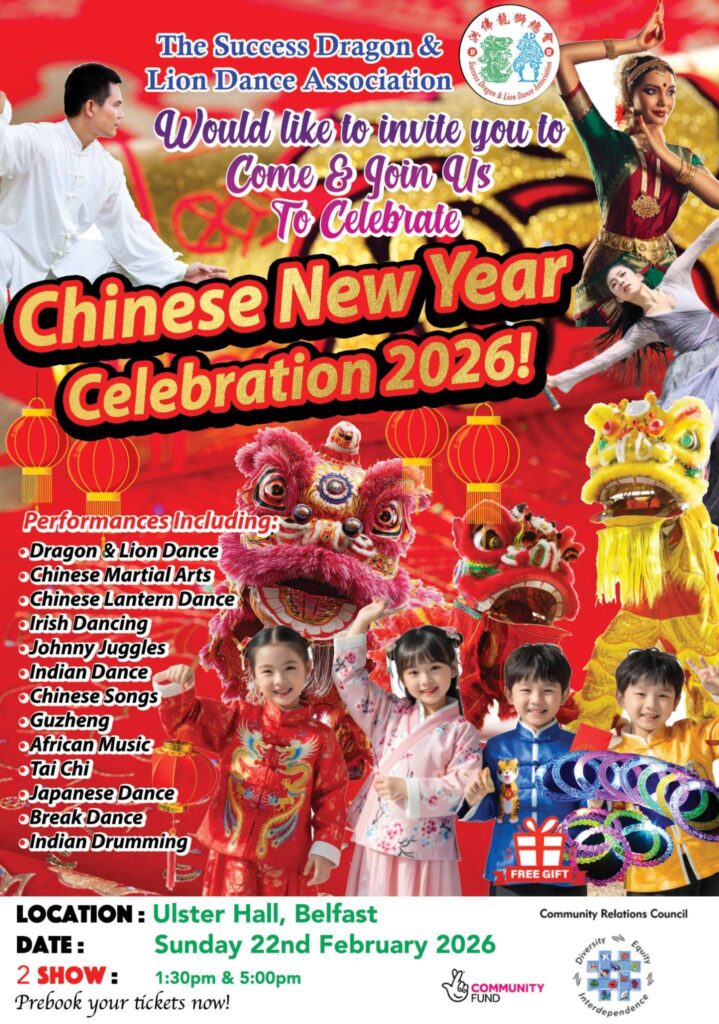
The Chinese New Year Celebration returns to the Ulster Hall Belfast on Sunday 22nd February 2026 celebrating the Year of Horse. Come to enjoy a day is full of fun and joy, rich in Colours and Culture. With over 12 global dances and music not to be missed.
With the arrival of spring, Chinese scholars are showcasing their vibrant academic contributions. This April, Queen’s University is excited to present two engaging talks on Chinese culture.
Talk 1
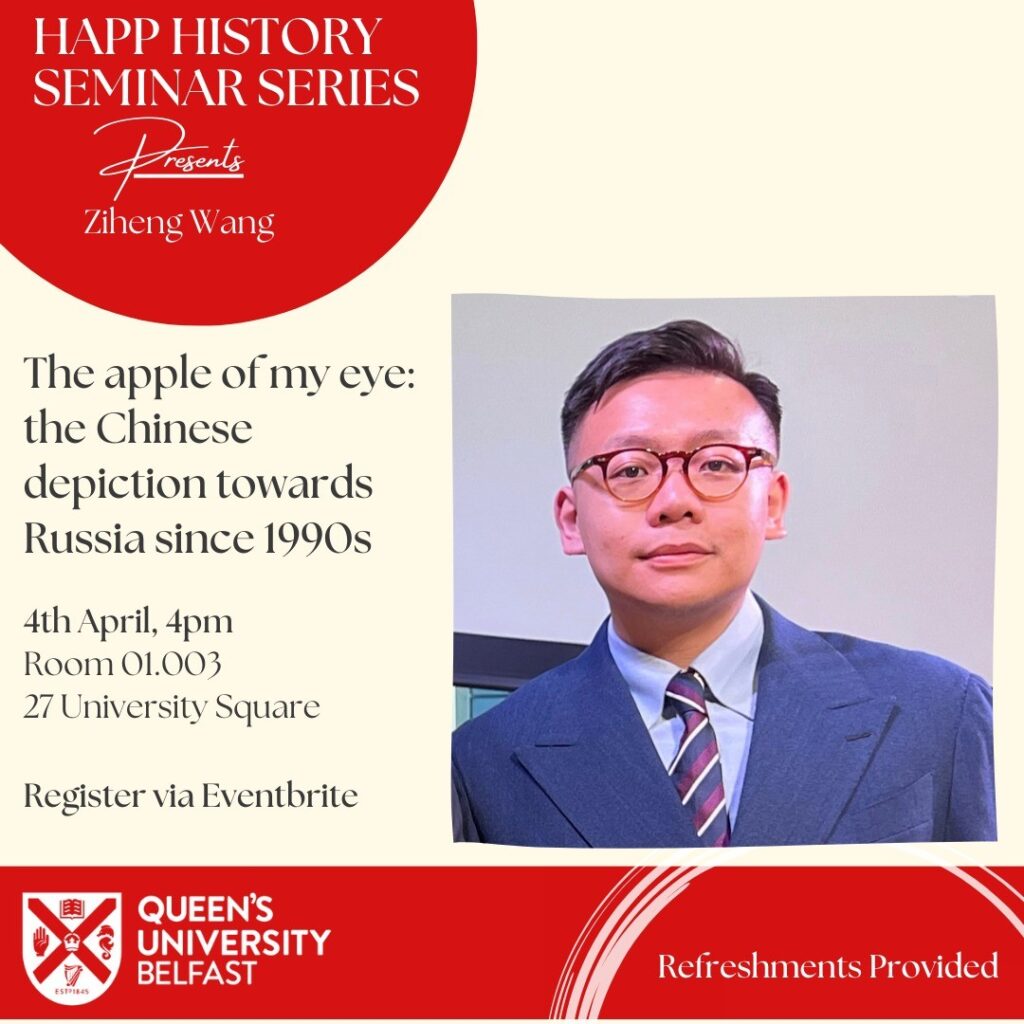
For this Friday’s History Seminar, PhD student Ziheng Wang from School of History, Anthropology, Philosophy and Politics presents his research work titled ‘The Apple of My Eye: The Chinese Depiction towards Russia since the 1990s’.
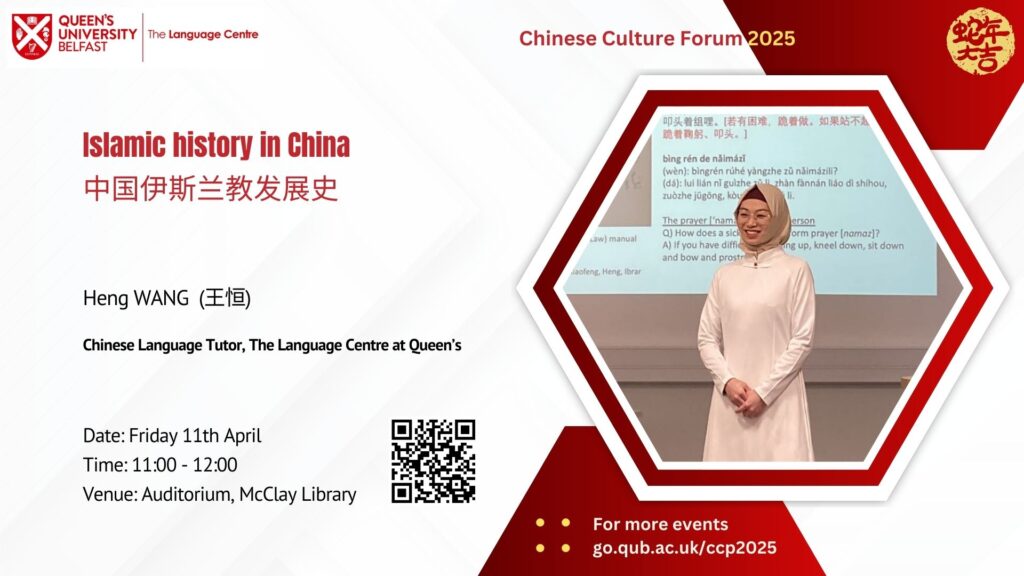
In the following Friday, Chinese tutor Heng Wang from QUB Language Centre will present an introduction on how Islam has developed in China since 7th century, and how it has intertwined with local culture and religions.
For more information and registration, read the post below:
Launch of the Chinese New Year celebrations (Wednesday 22 January) – open to all students and staff
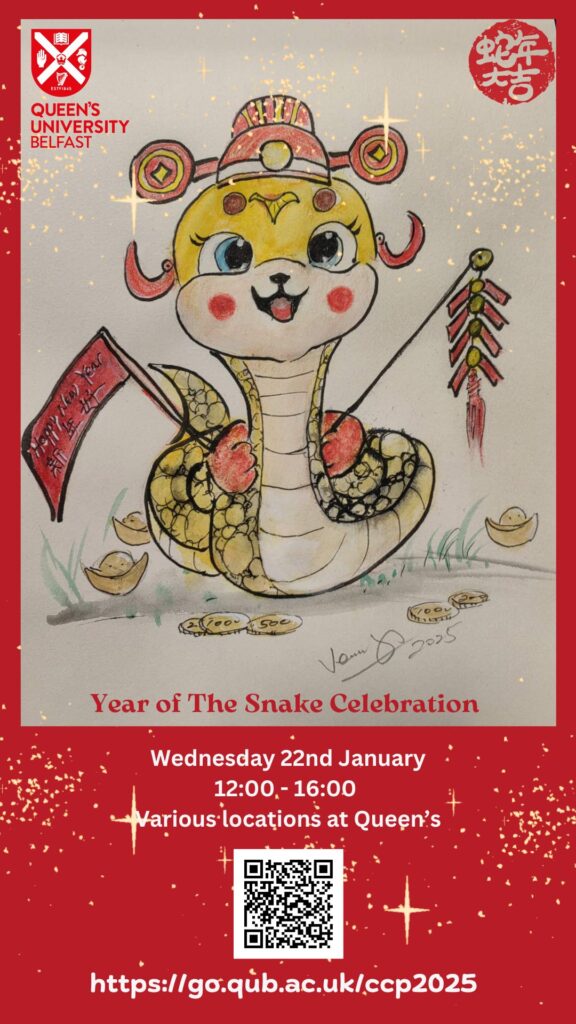
With the arrival of the Year of the Snake on Wednesday 29 January, we would like to send our best wishes to all those who celebrate it and its variations (Lunar New Year in some Asian countries) and invite staff and students to join together on Wednesday 22 January for the main launch event, as below.
This is a collaborative event, organised by The Language Centre, One Elmwood Student Experience Team, Queen’s Students’ Union, CSSA, MSSNI, Ppi Belfast, and Queen’s iRISE Staff Network, supported by People and Culture Diversity and Inclusion team.
12:00 – 13:00 Welcome Reception (Auditorium, McClay Library) –please register for this here.
13:00 – 13:30 Dragon Dance and Parade – departing from McClay Library through Lanyon, finishing at One Elmwood Student Centre and Students’ Union)
13:30 – 16:00 Cultural Fair and Performances (One Elmwood Foyer – Ground Floor) –no registration required
Chinese Culture Forum
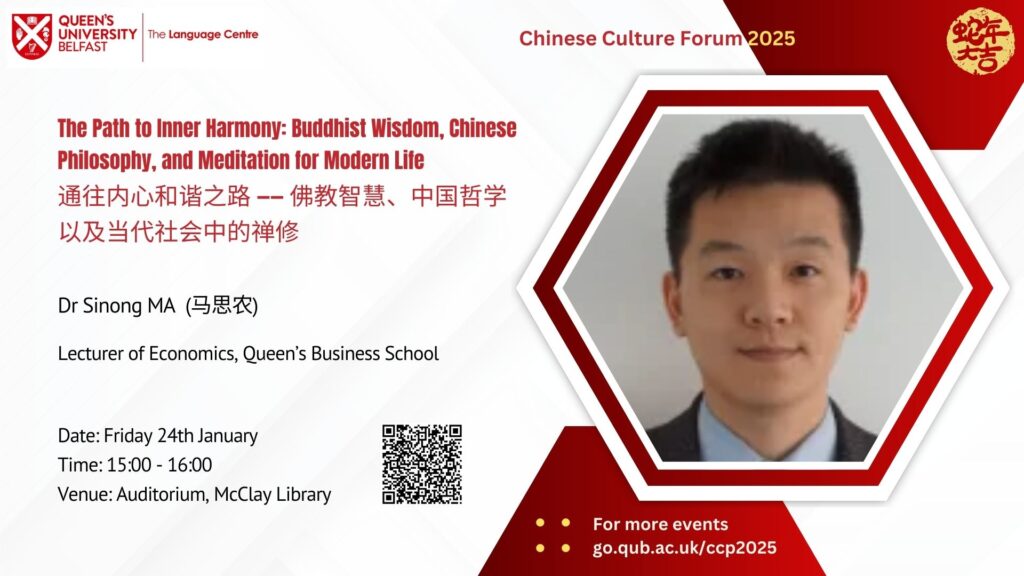
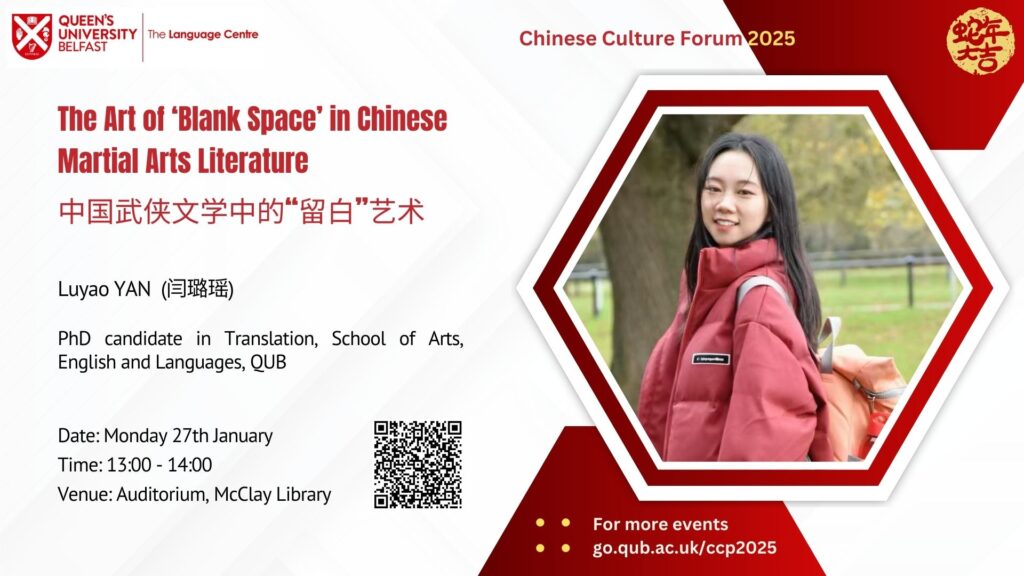
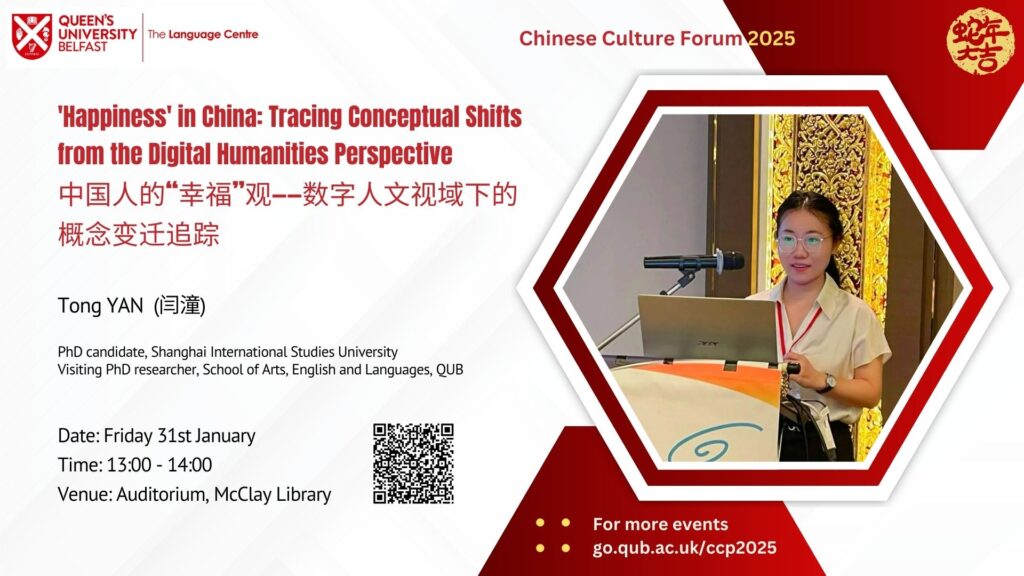
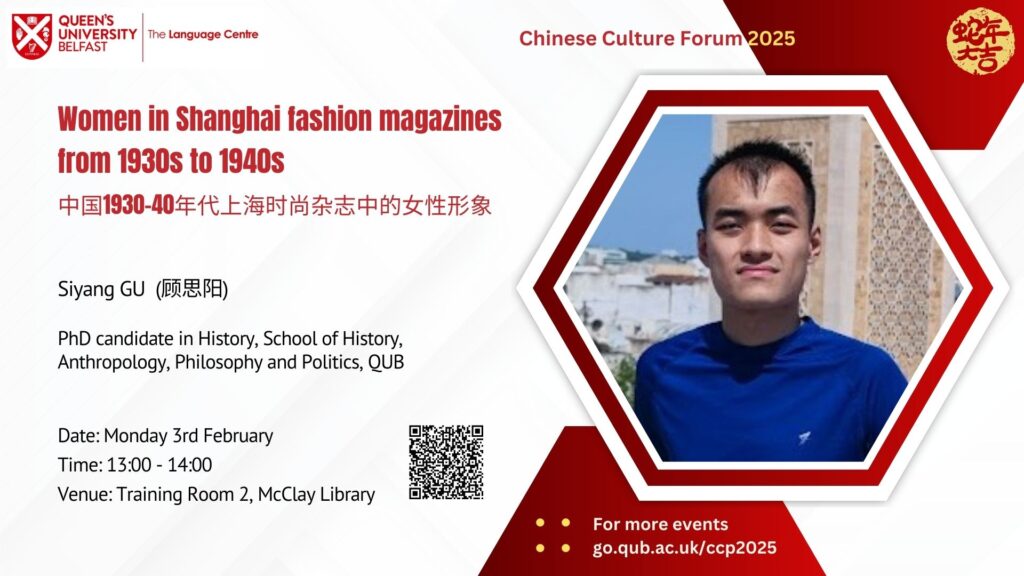
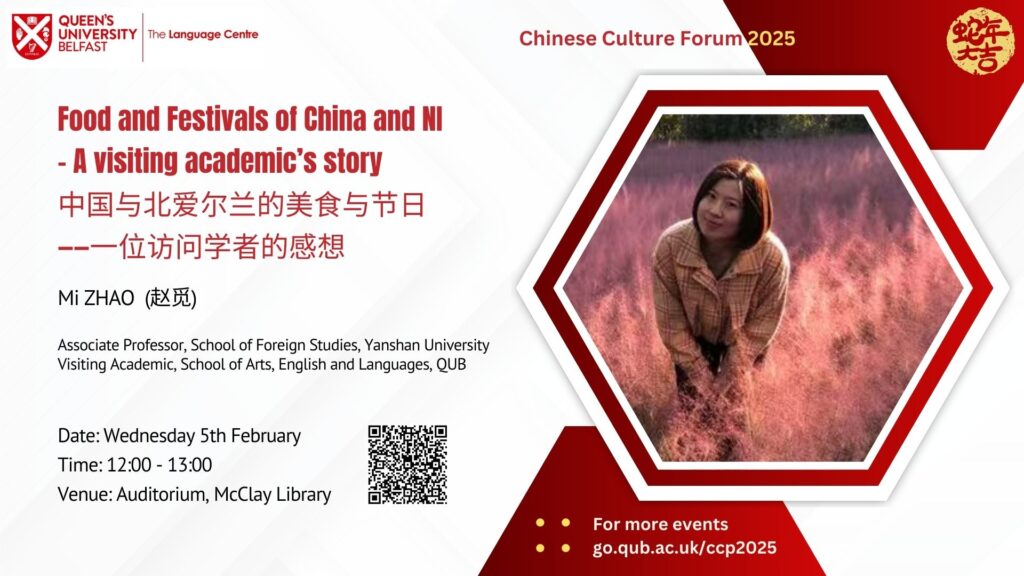
The celebration of the Year of the Snake also announces the start of our Chinese Culture Forum in 2025, with the following talks contributed by Queen’s staff and students, including visiting academics and students from a range of disciplines. Check the programme button and book the events that you are interested in.
We are open to proposals for a variety of events that you would wish to help with or contribute to developing our CCP2025 programme. Please do not hesitate to submit your proposals via the form below and we will get in touch with you in due course after your submission.
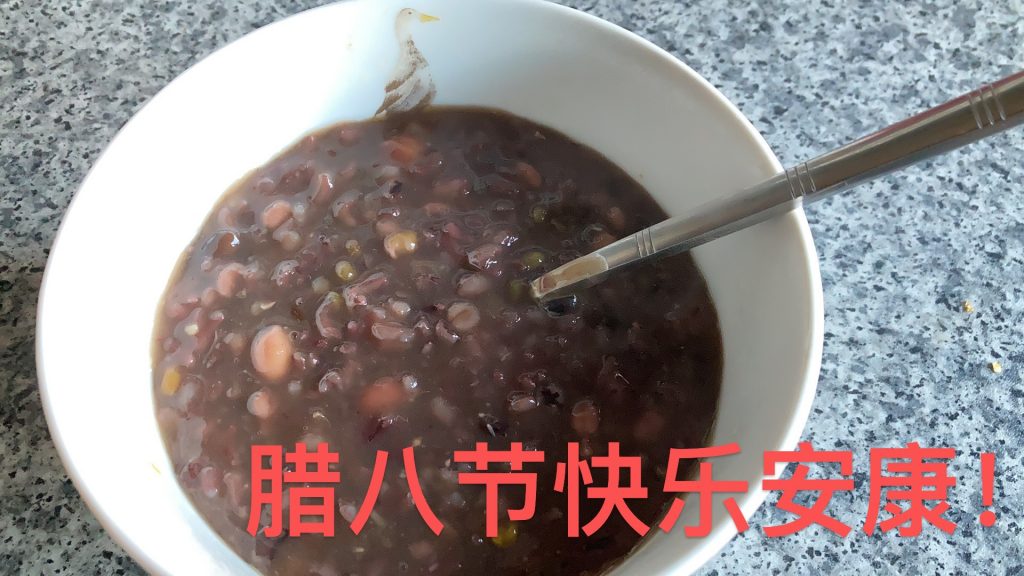
Happy Laba Festival (腊八节 Làbā jié)! Falling on the 8th day of the 12th month (called 腊月 làyuè) in the lunar calendar, this Laba Festival is often seen as the signal of the arrival of the Chinese New Year (aka. Spring Festival 春节 Chūn jié in China).
Laba congee cooked | Image@LiangWANG
On the day, in many places across China, mainly the north, northwest and southeast, people cook and eat Laba congee (腊八粥 làbāzhōu), typically made of rice, mixed beans, various nuts and dried fruits, etc., all of which are believed to be good for health. Having Laba congee can keep one feel warm and spirited in the cold and wet weather.
With the Laba Festival arriving today on 7th January this year, one can be certain that the Chinese New Year – Year of the Snake (蛇年 Shénián) starting from 29th January, is just around the corner.
Call for CNY participation
While we are busy preparing for the CNY2025 Programme, we would like to invite you to join us in a few activities that can bring the celebrative elements together. The following calls for participation are totally voluntary and you are welcome to attend one or all, as long as you feel like relevant and meaningful.
This event is for staff and students at Queen’s to volunteer at our series of events such as the CNY Gala, CNY Interactive Fair, Culture Workshops, etc.
In this dedicated column 'My China Story' we are pleased to invite Isabella to share her very first travel experience in China, which she could not make it during her undergraduate time due to pandemic and lockdown. In May 2024, Isabella grabbed an opportunity to join a QUB delegation to China and journey made her dream to China come true.
A Dream Trip To China Came True
Bags packed, passport in hand, playlist on shuffle; I arrived at Belfast City Airport and was on my way to China! A jam-packed trip, with cities to explore, new people to meet, and adventures to embark on. The trip started initially with butterflies in my stomach of nerves and excitement. A trip I had dreamed of for years, would it be everything I hoped? Spoiler alert: it certainly was!
Isabella Souza Mclaughlin, whose Chinese name is 苏蔓伊 (Sū Mànyī), is a bilingual English and Portuguese speaker with a keen interest in language-learning.
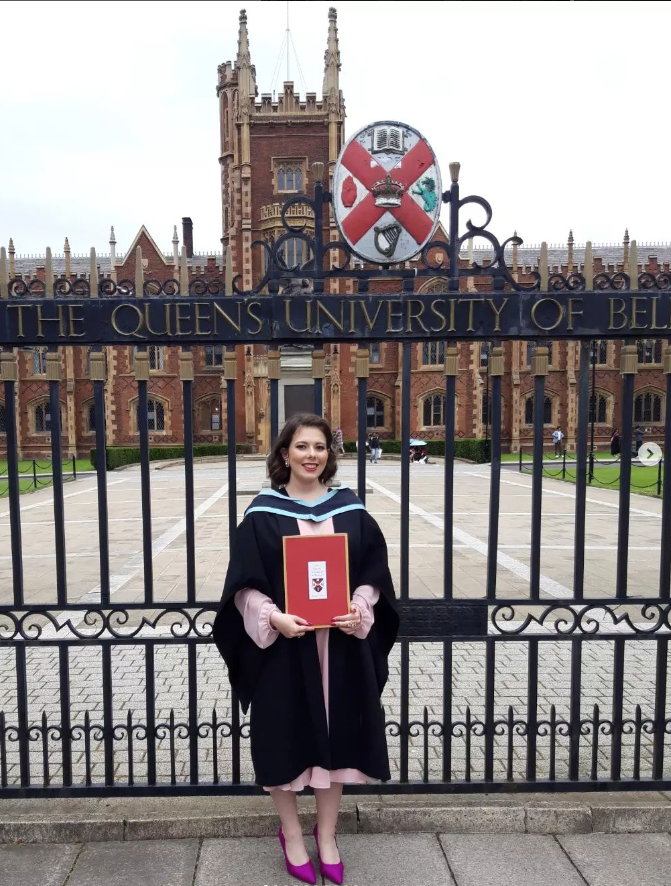
Graduated with BSc in International Business with Mandarin Chinese, Isabella is currently Global Marketing and Recruitment Co-ordinator in Global Student Recruitment at Queen’s.
Belfast-London-Guangzhou
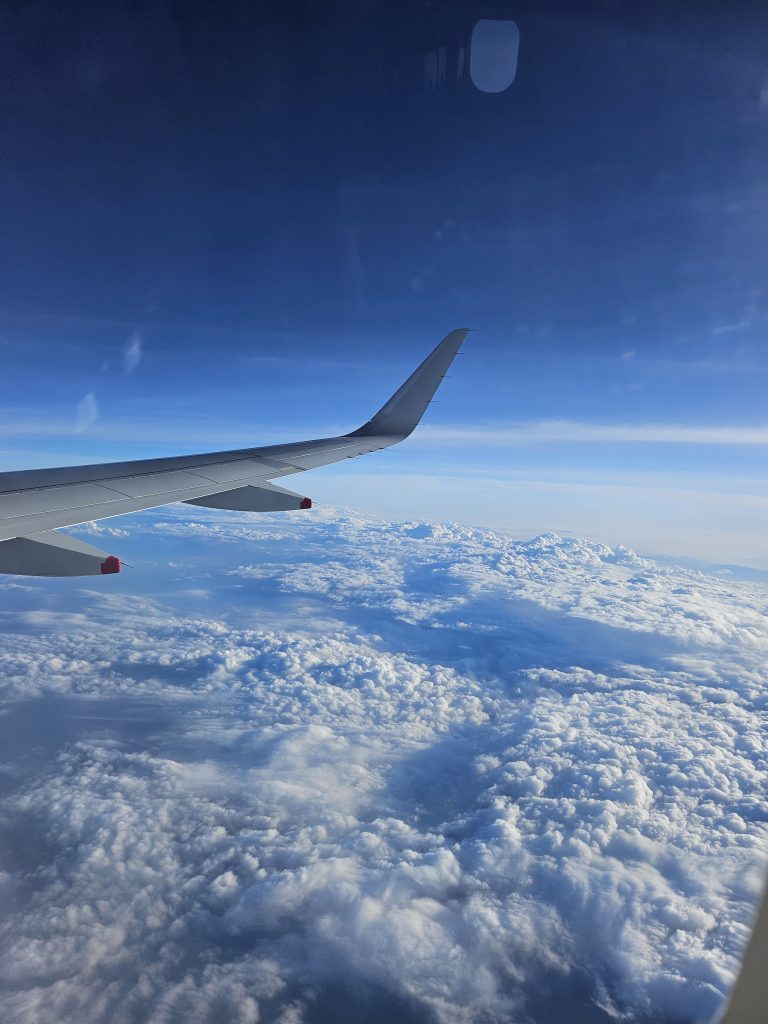
I flew from Belfast with a quick layover in London and then landed in Guangzhou. My first time flying with China Southern Airlines was a positive experience, and the selection of Chinese movies to watch and noodles for the in-flight meal made the excitement build even more.
After an 11-hour flight, arriving in Guangzhou, it was hot and humid, with droplets of rain. Coming from Northern Ireland, I feared I would have been disappointed by the rain, but the city lights reflecting off the puddles on the ground, made them look like art pieces painted on the pavement.
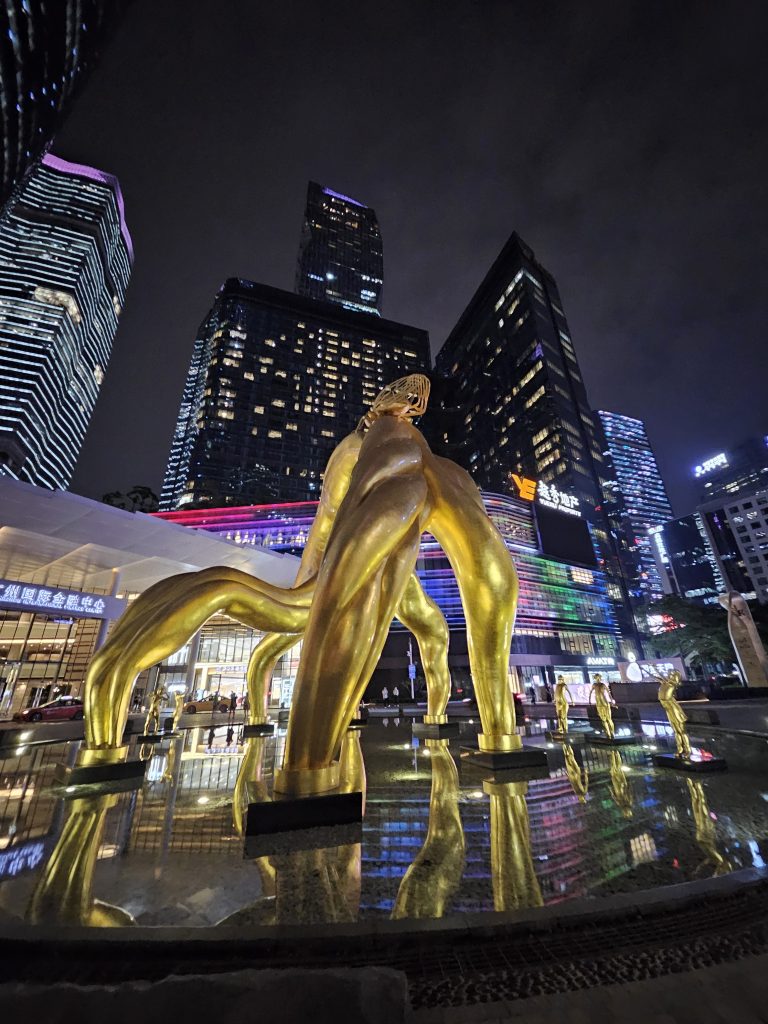
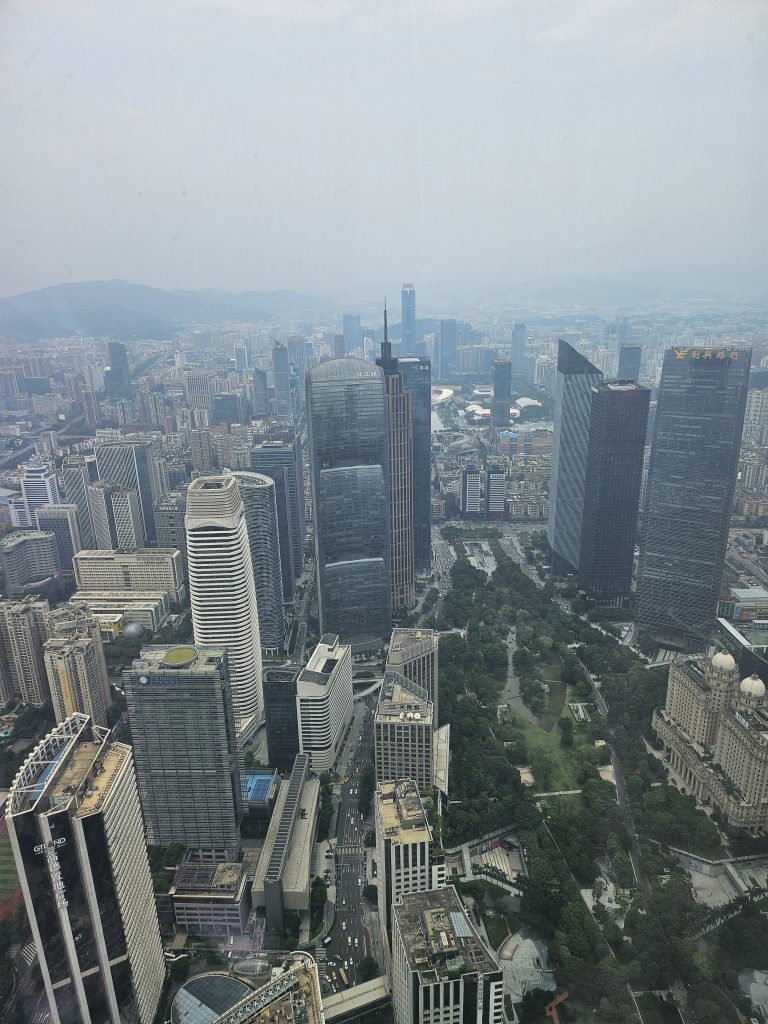
On that first night in Guangzhou, I walked around the Central Business District (CBD, 中心商务区 Zhōngxīn Shāngwù Qū) located in the Tianhe District (天河区 Tiānhé Qū), where I was staying, an up-and-coming modern district.
I visited a dim sum (点心 diǎnxīn) restaurant, typical cuisine of Guangzhou consisting of small dishes, shared among the table, including dumplings (饺子 jiǎozi) and (小笼包 xiǎolóngbāo), as well as cheung fun (肠粉 cháng fěn). With my first outing in the city, I quickly had to use my language skills, ordering dishes in Mandarin. I gazed at the menu in awe with the delicious dishes. I texted my friend, living in the North of China, time-zone differences now eliminated, to get some recommendations. Served with tea, every dish melted in my mouth, the flavours dancing on my taste-buds, mild in spice – typical of the Guangdong region.
A Welcome to Guangzhou
After a restful sleep, the next morning I woke up to sunny weather in Guangzhou and later made my way to the lobby to meet with my colleague who is based in the city for Queen’s China market. With a shopping centre and food court nearby, every restaurant was full by lunch time. We grabbed a seat at a noodle restaurant within the bustling food court. I had already felt welcomed in the city, but meeting with my colleague who greeted me with a warm smile and showed me around the local area, I knew I would be settling into my time in China just fine.
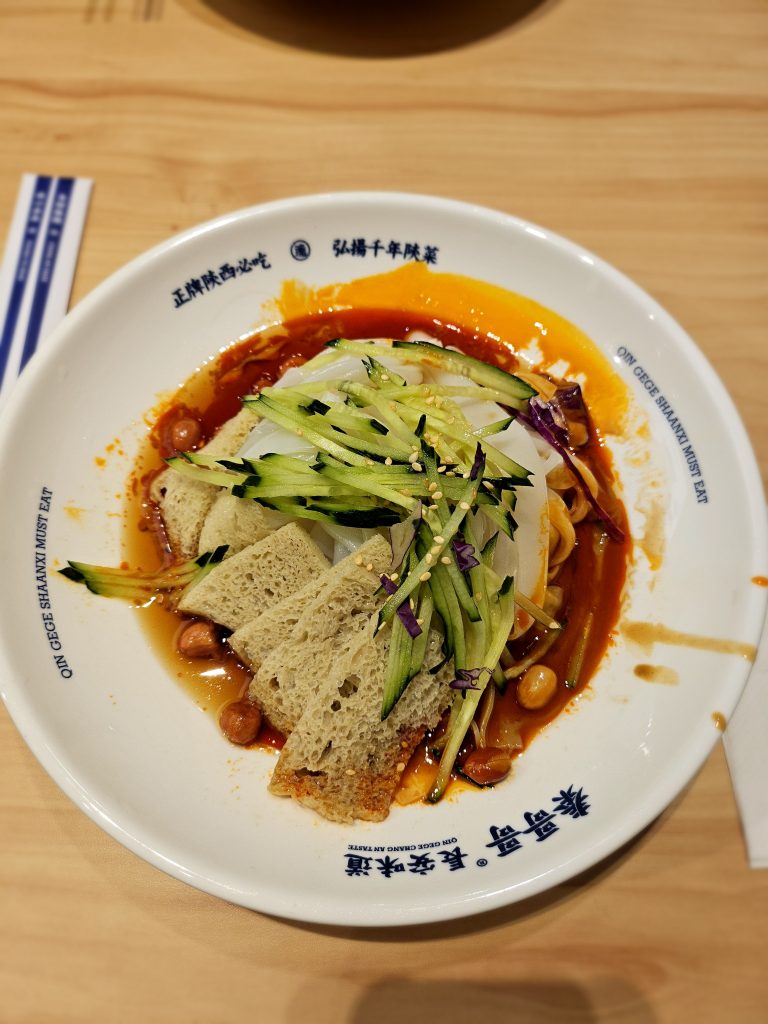
Spicy peanut noodles and conversation during lunch, then a meeting to discuss preparations for the upcoming work event filled my afternoon.
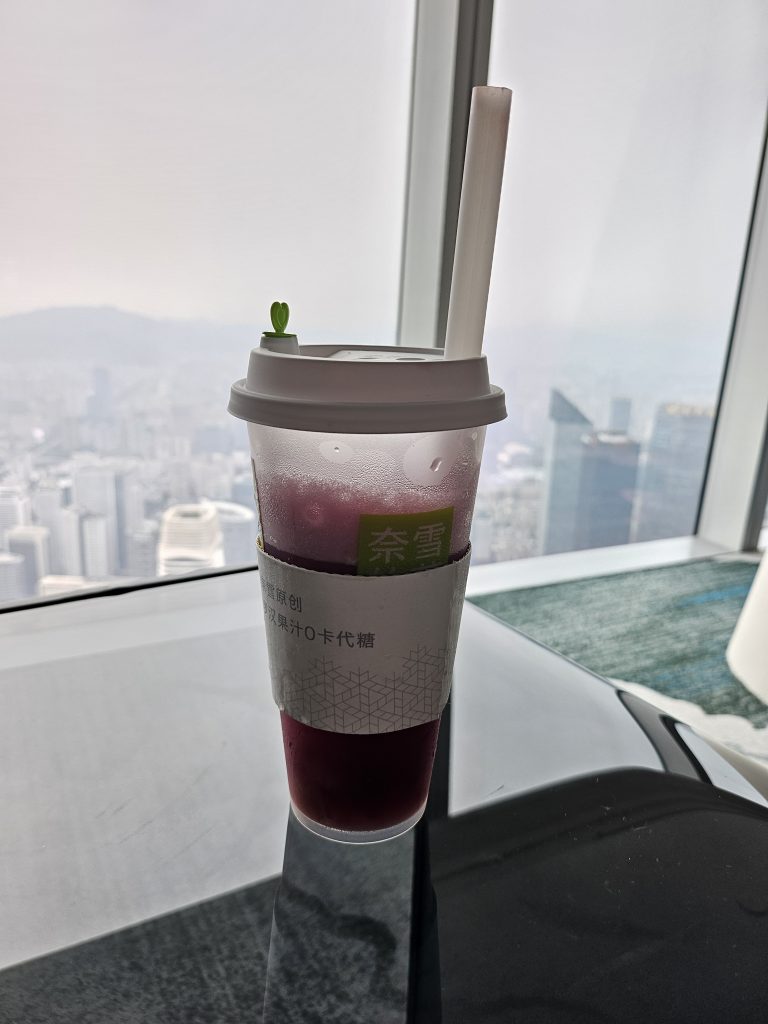
Once our meeting ended, we grabbed a refreshment. With milk tea (奶茶 nǎi chá) and boba continuing to be popular in China, the popularity of fruit tea has also been on the rise in recent years. This time I tried Naixue Tea (奈雪的茶 Nàixuě de Chá), enjoying a grape tea as I completed some work projects overlooking the city.
The efficiency of ordering food and refreshments via WeChat (微信 Wēixìn), was incredibly convenient. By scanning a QR Code (二维码 èrwéi mǎ) on WeChat in restaurants and coffee shops, I was able to have a look through the menus and place orders via the mini-apps (应用小程序 yìngyòng xiǎo chéngxù) function on WeChat.
Pro-Tip: If travelling to China, download WeChat before arriving – similar to WhatsApp and other social media apps, WeChat is convenient for communicating with friends, family and colleagues in China, ordering food and refreshments, purchasing tickets, and more. Ensure to set up WeChat Pay in advance, which can be used to pay for the above purchases, and can be used in stores and for travel in China as contactless payment.
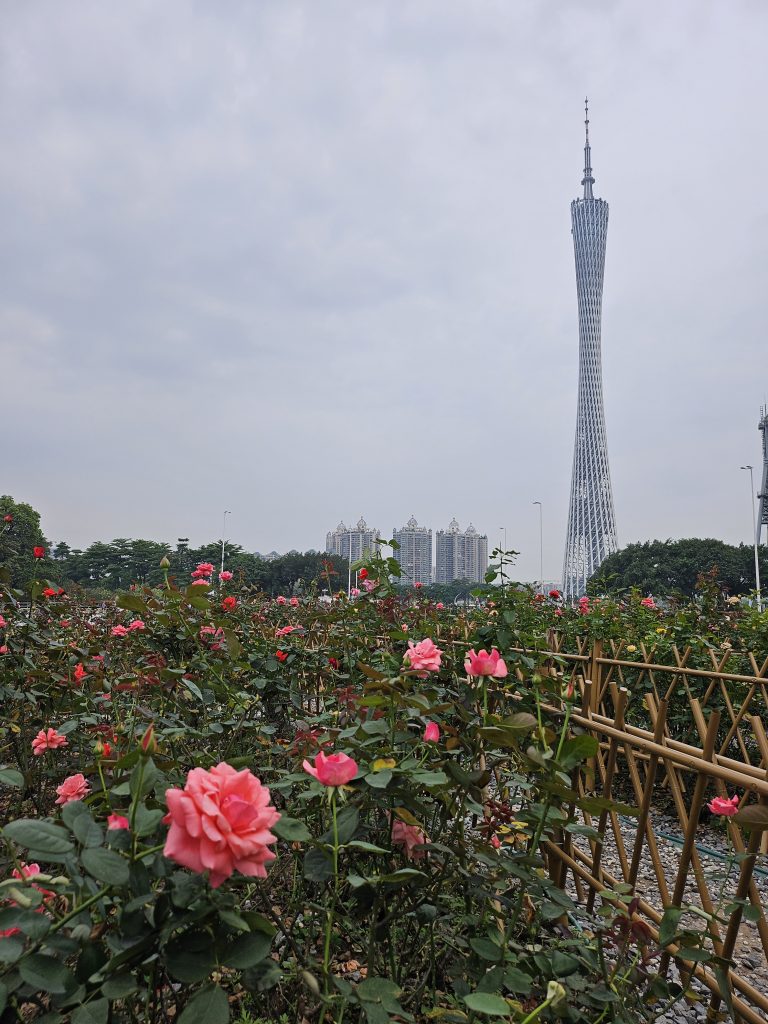
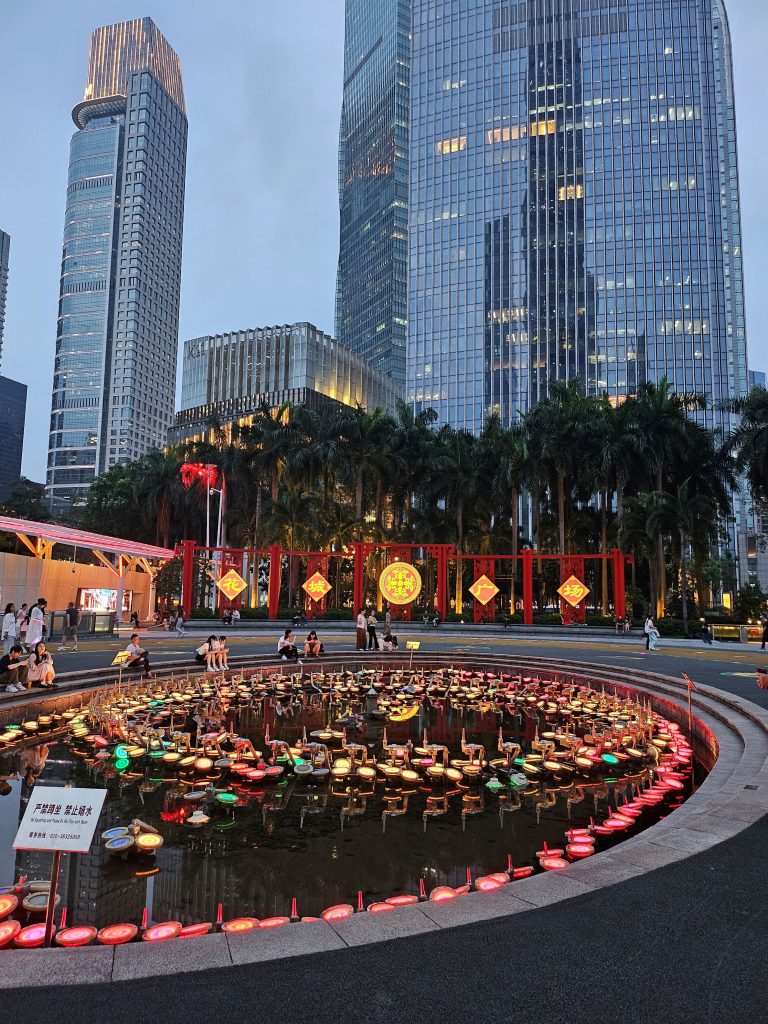
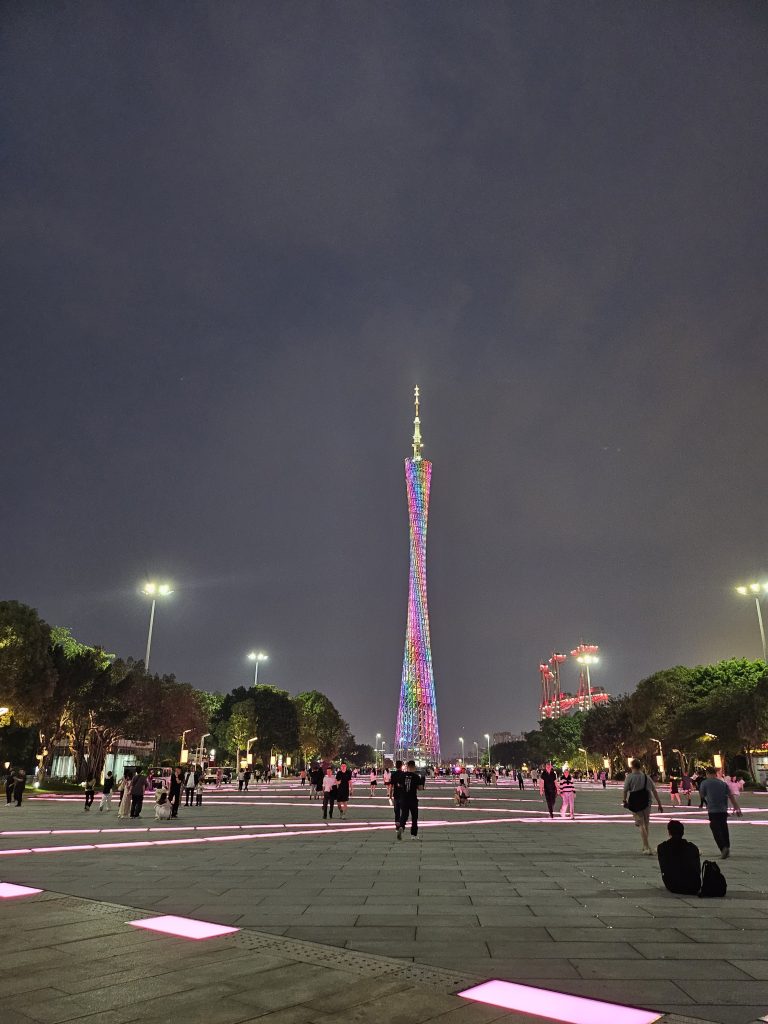
Later that evening, I went for a walk in Huacheng Square (花城广场 Huāchéng Guǎngchǎng), a plaza leading to the Canton Tower (广州塔 Guǎngzhōu Tǎ). The tower already looks magnificent in the daylight, but at nighttime, the tower stands, colourfully, lit up across the end of the plaza, with lights in the pavement changing colour in coordination with that of the tower. Music playing through the gardens and the city lights surrounding the plaza made for an incredible environment and ambience.
Huacheng Square and Canton TowerHuacheng Square and Canton Tower
Getting to know Guangzhou
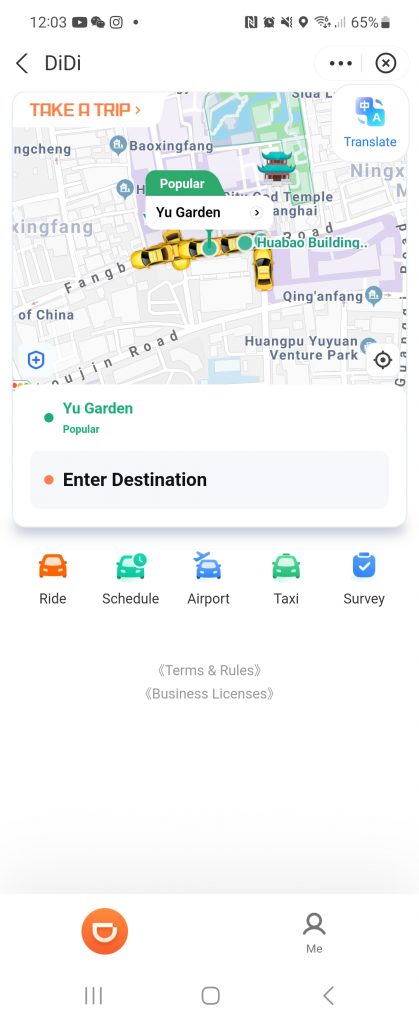
The next morning, I had a small mission to complete, my first experience of travelling internally in the city using Didi, the main taxi service in China, and asking transport queries in Mandarin. Using Didi was incredibly convenient, at the click of a button on the Didi app, a taxi would arrive in less than 5 minutes.
Upon arrival at the train station, I made my way to the ticket desk. The staff only spoke Mandarin, so it was challenging at first asking the questions I needed help with, but excellent language practice. Once I successfully acquired train tickets and the information I needed, I then made my way back to Huacheng Square, this time hopping into a taxi at the taxi stand. The taxi drivers in Guangzhou were incredibly friendly, complimenting my language skills, though I found my Mandarin rather rusty!
Pro-Tip: if travelling to China, learn the numbers 1-10, this will be helpful when using Didi. Taxi drivers will ask for you to confirm the last four digits of the phone number used in your booking (note: the driver won’t be able to see your full phone number – only the last four digits – for data protection), to ensure you are the correct passenger and will often ask in Mandarin.
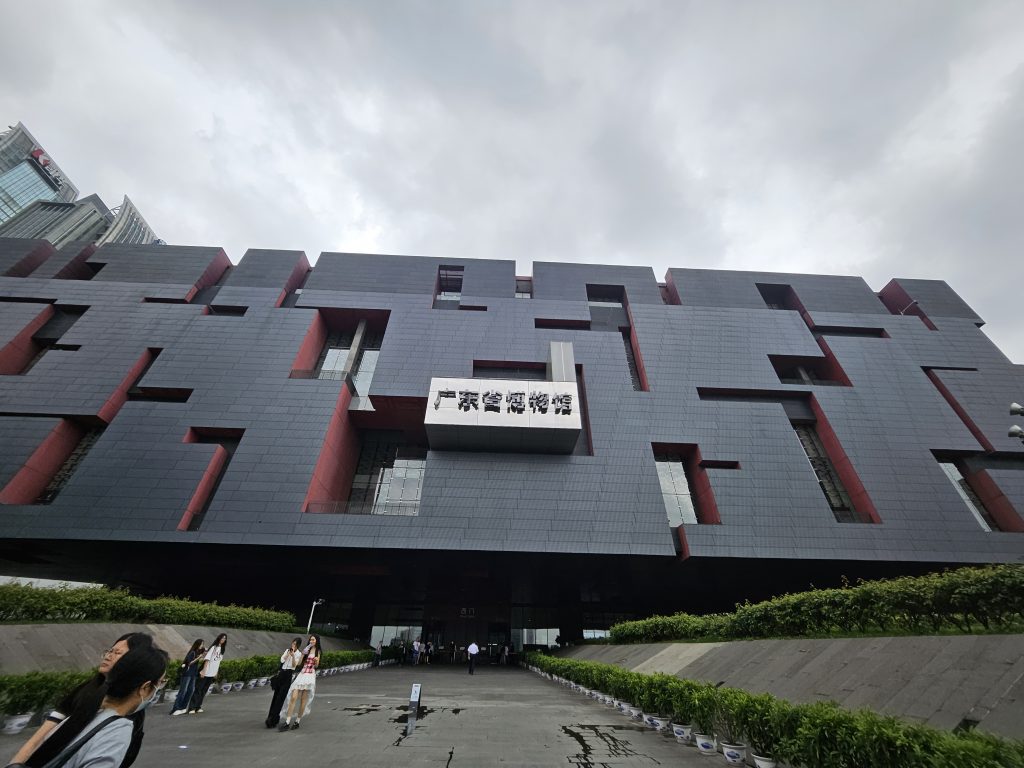
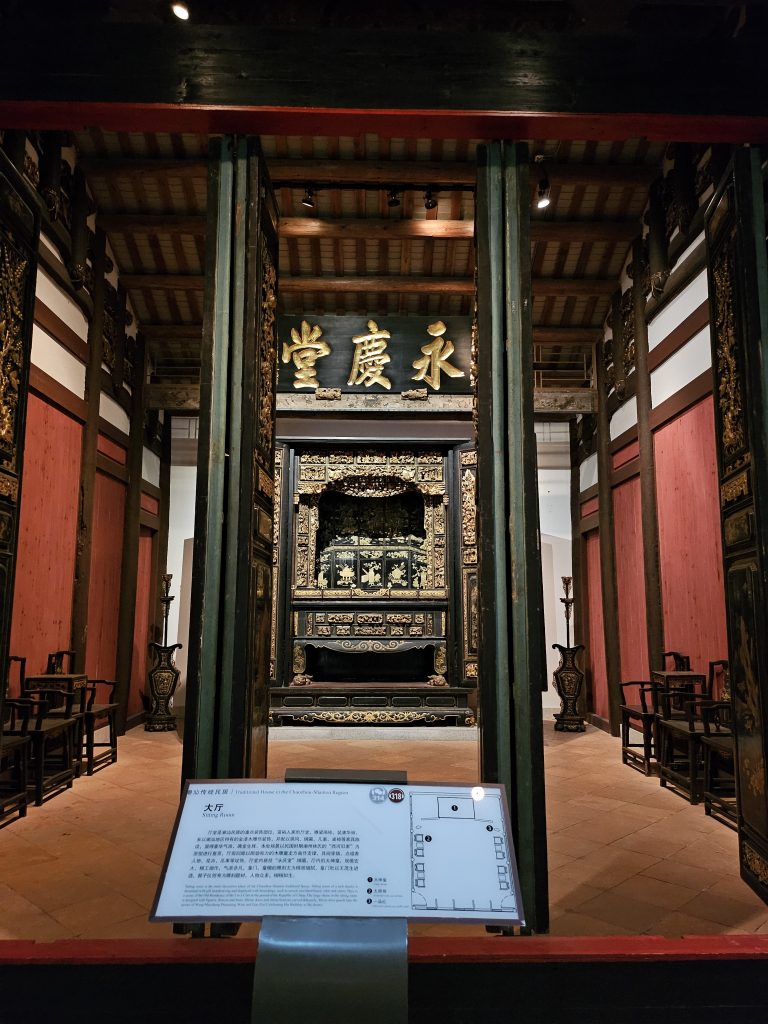
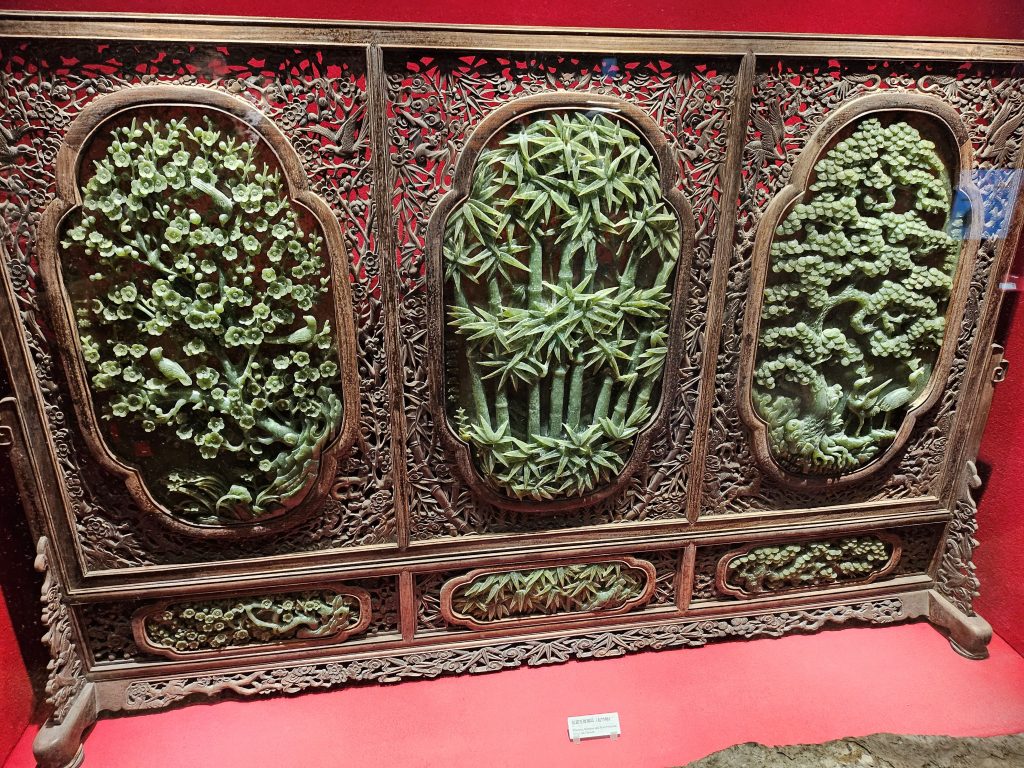
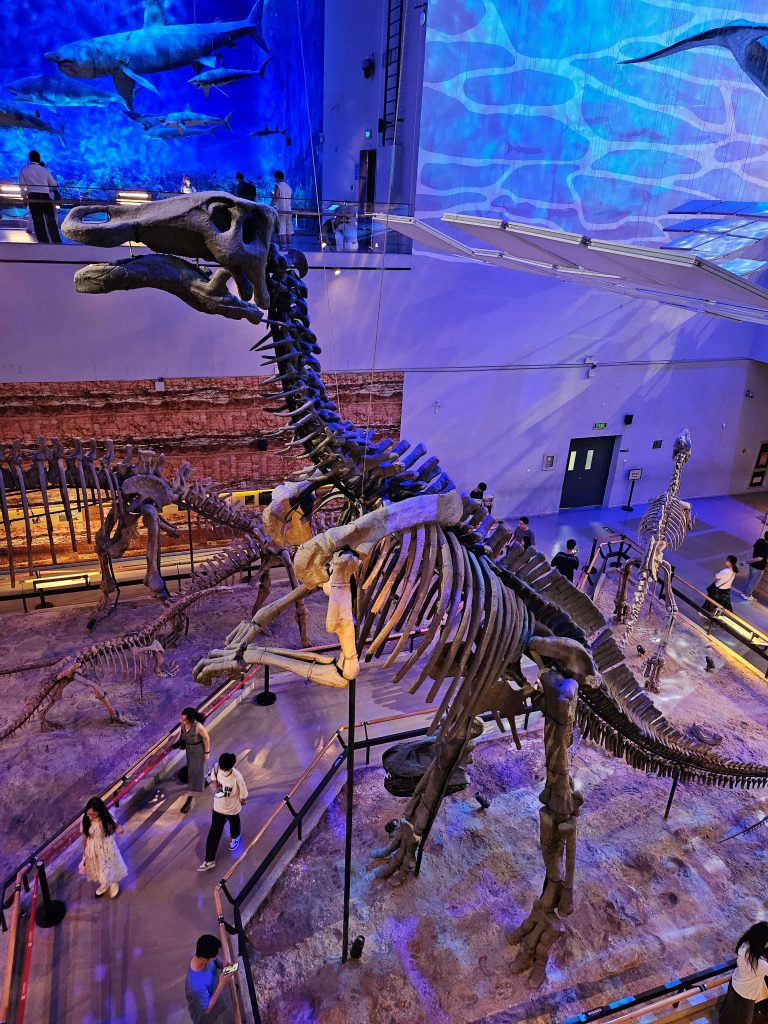
Then, I met with a colleague and we decided to explore the Guangdong Museum (广东省博物馆 Guǎngdōngshěng Bówùguǎn), as recommended by our colleagues from Guangzhou.
Getting to know more about Chinese culture, particularly Cantonese art and history, through intricate wood carvings and ancient pottery was amazing. For nature and archaeology fans, there was an exhibition on archaeological and paleontological finds and fascinating exhibitions on jade and other local minerals in China.
Pro-Tip: When travelling in China with an international passport, many tourist attractions will allow free entry, including the Guangdong Museum. Note: some temporary exhibitions may require a separate ticket to be purchased.
That evening, I went to dinner with my colleagues, and tried Canton food, which I thoroughly enjoyed! Other than dim sum, I was not overly familiar with Canton food, so this was an incredible experience. For anyone who is curious about dietary requirements, vegetarian food options in China are quite accessible, as although there are many meat and seafood dishes, I encountered a great selection of vegetarian, and further vegan-friendly dishes. Staff are also incredibly friendly, so feel free to ask about dietary requirements and ingredients.
When walking back to the hotel after dinner, I spotted a poster of one of my favourite singers, Lay Zhang (张艺兴 Zhāng Yìxìng) – so for any fans of C-Pop and C-Dramas, keep your eyes peeled because you can spot posters of some of your favourite actors and singers all around the city.
Queen’s Event
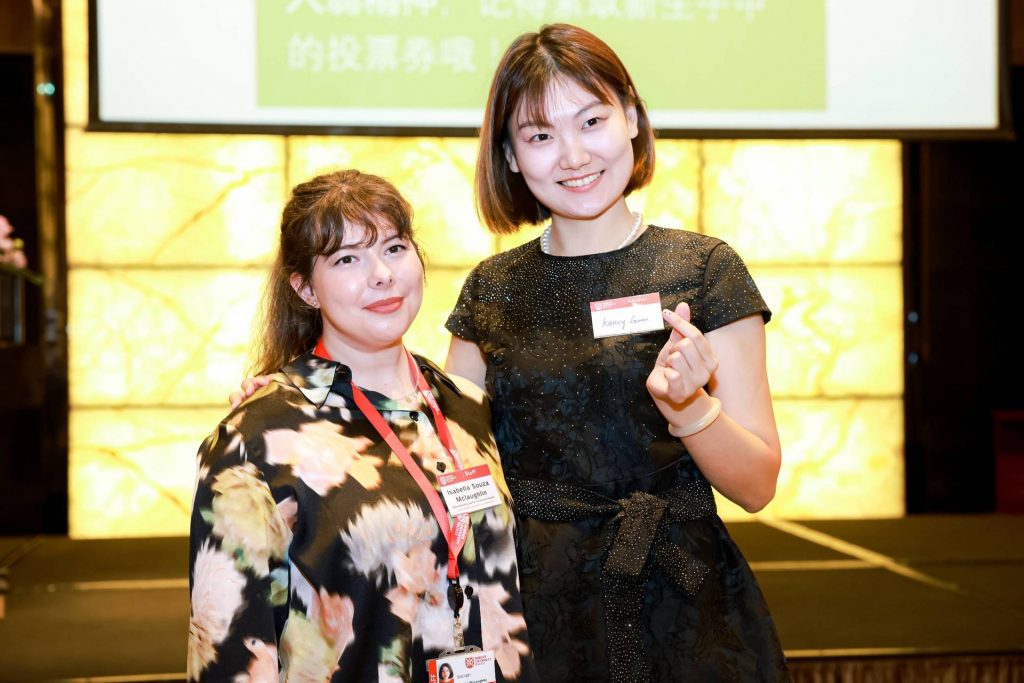
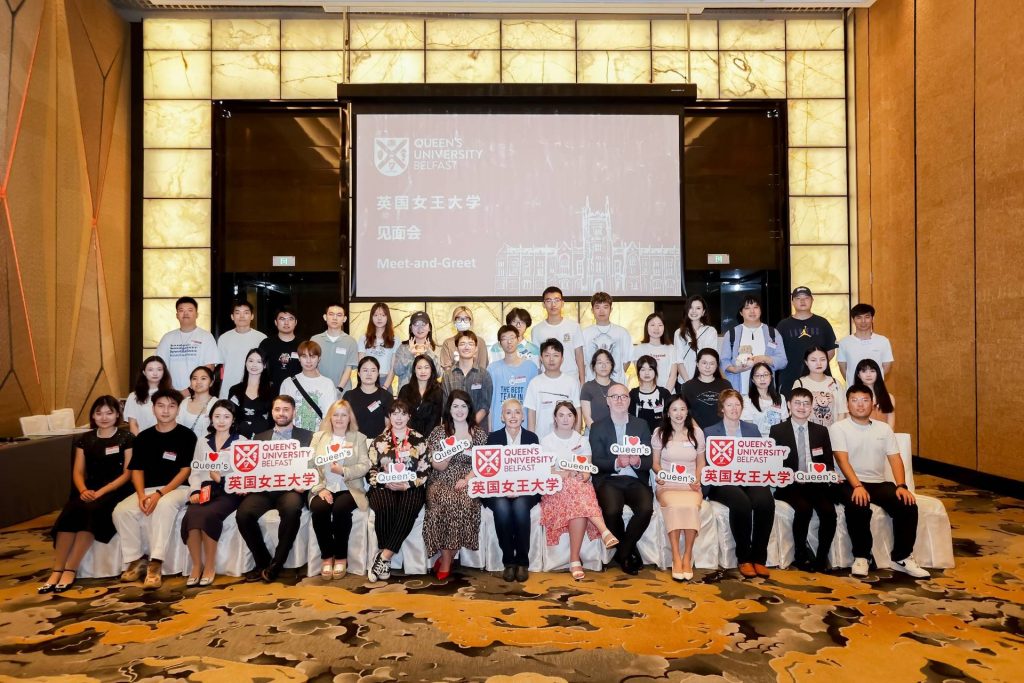
The final day in Guangzhou was the day of the Offer Holder and Alumni Event hosted by Queen’s University (英国女王大学2024广州见面会 Yīngguó Nǚwáng Dàxué 2024 Guǎngzhōu Jiànmiànhuì). This was a fantastic event to meet offer holders who were excited to start their journey in Queen’s, and meet with fellow alumni and old friends! I had the opportunity to meet up with Kexin, a friend I made in my first year of studying at Queen’s, reminiscing on our studies and sharing our journeys post-graduation.
Goodbye, Guangzhou!
After the event and a flight cancellation due to monsoon warnings, I was on my way to the train station to catch a last minute, 11-hour overnight train to Shanghai. Upon arrival to the station, the grand station had a wide selection of restaurants and cafes, from internationally known brands, to Chinese favourites. I grabbed a seat at a Chinese restaurant and ate a selection of small Chinese dishes, a mixture of local vegetables, beef and steamed egg.
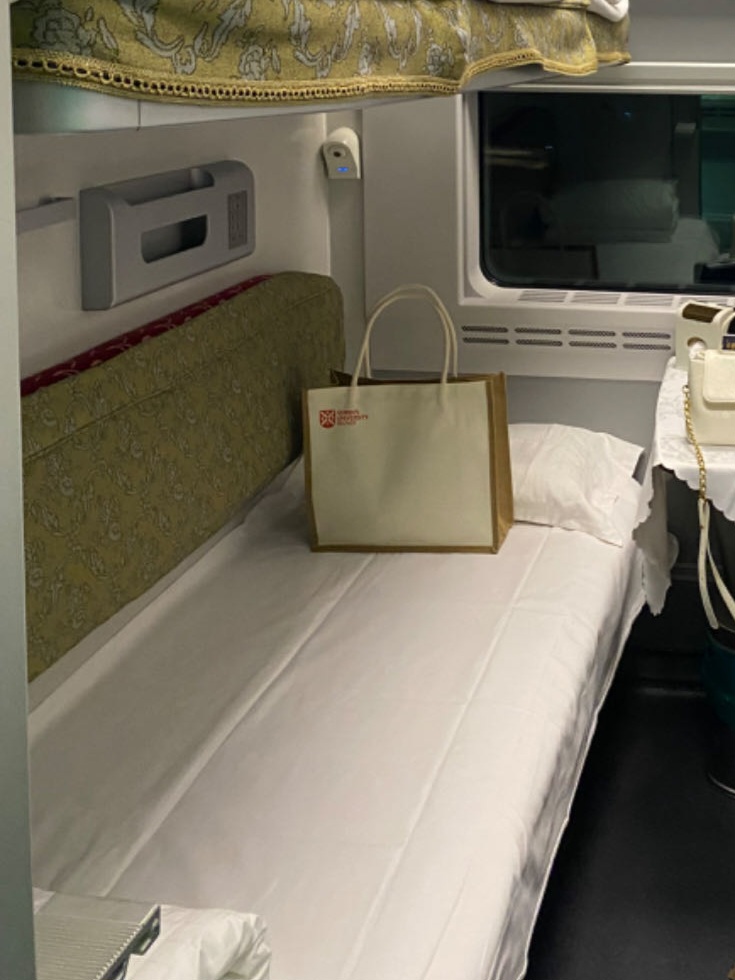
I later boarded the train, finding my room which consisted of bunk beds, a table, sufficient storage and a sofa. Unfortunately, due to the dark night sky, I couldn’t see much of the view on the train journey, but with helpful staff, a lovely roommate and a bit of rest, the journey flew by. Arriving first thing in the morning the next day in Shanghai, I was ready to start the next section of the trip.
Thank you so much for reading this blog of my time in Guangzhou, stay tuned to read more about my more trips in China!
Isabella
More to read…
Please click the button below to read more stories from the ‘My China Story’ column.
The Start of Spring (立春) falls on Sunday 4th Feb according to the Chinese lunisolar calendar, which well announces the arrival of Spring Festival (Chinese New Year) celebration in China and elsewhere.
Spring Festival Gala
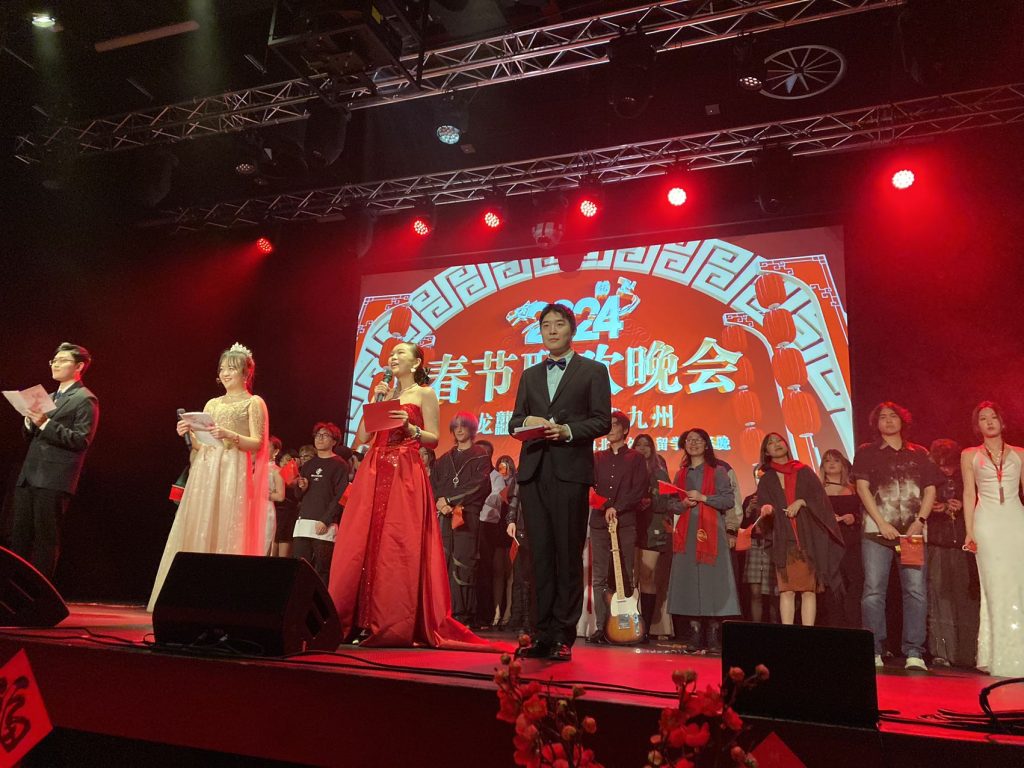
On Saturday 3rd Feb, the Chinese Students’ Society presented a fabulous Gala of performances to entertain not only QUB students and staff members, but also their families and local communities, with an intoxicating atmosphere that brought people together, no matter what cultural backgrounds they belong to, for a bustling night at the Mandela Hall, One Elmwood.
Culture Talk
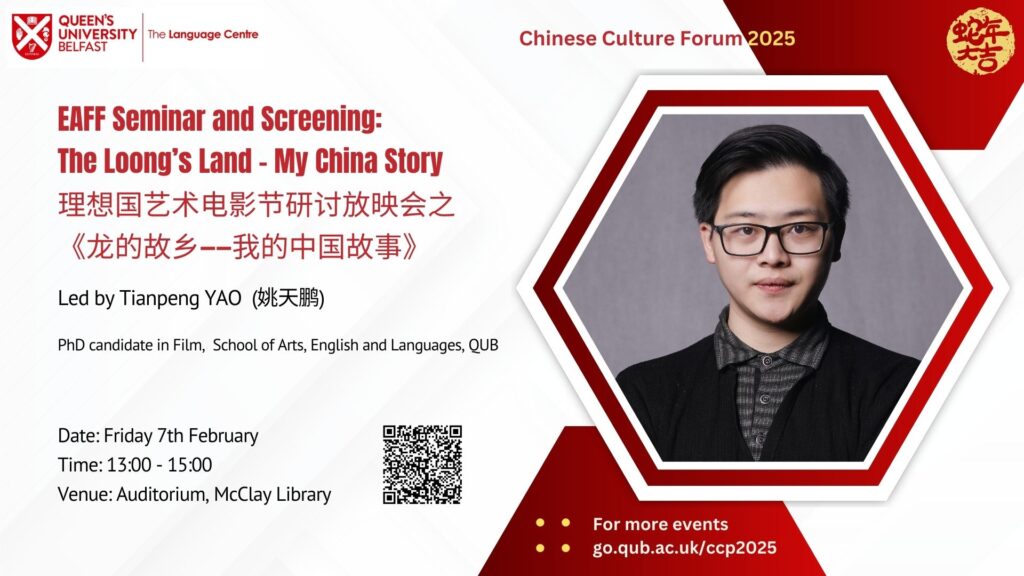
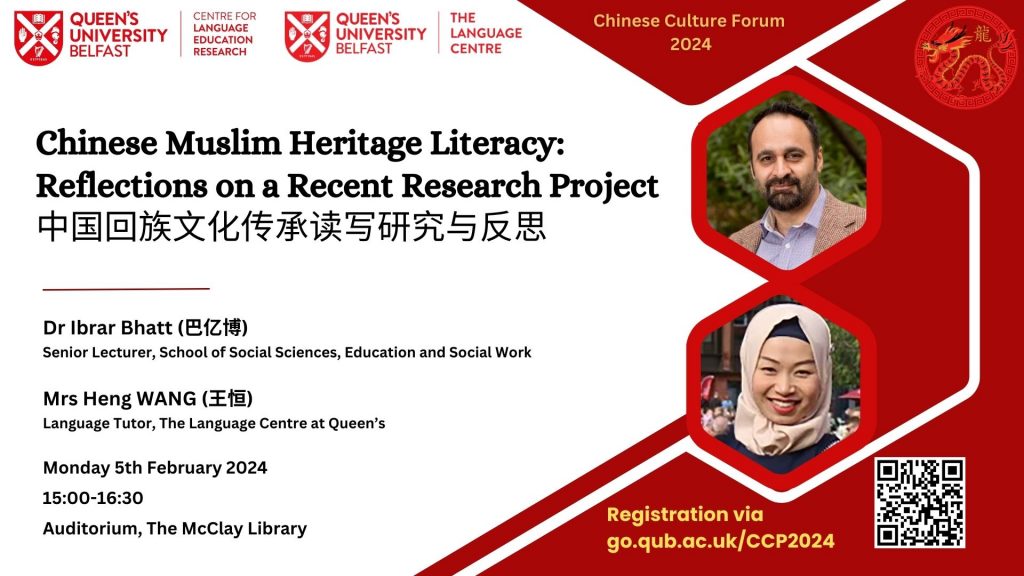
The success of the Spring Festival Gala has extended its inviting arms to welcome more audience to join in a great variety of cultural events that are to come, with a culture talk presented by Dr Ibrar Bhatt and Heng WANG on their research reflections on Chinese Muslim Heritage Literacy, which is scheduled between 3 pm and 4:30 pm on Monday, 05/02, at the Auditorium, McClay Library. The talk will also include a display of notable pieces of traditional art collected during fieldwork. QUB colleagues and students are welcome to attend this joint event organised by the Centre for Language Education Research and The Language Centre.
To attend this event, please register via the link or scanning the QR code.
Online Exhibitions
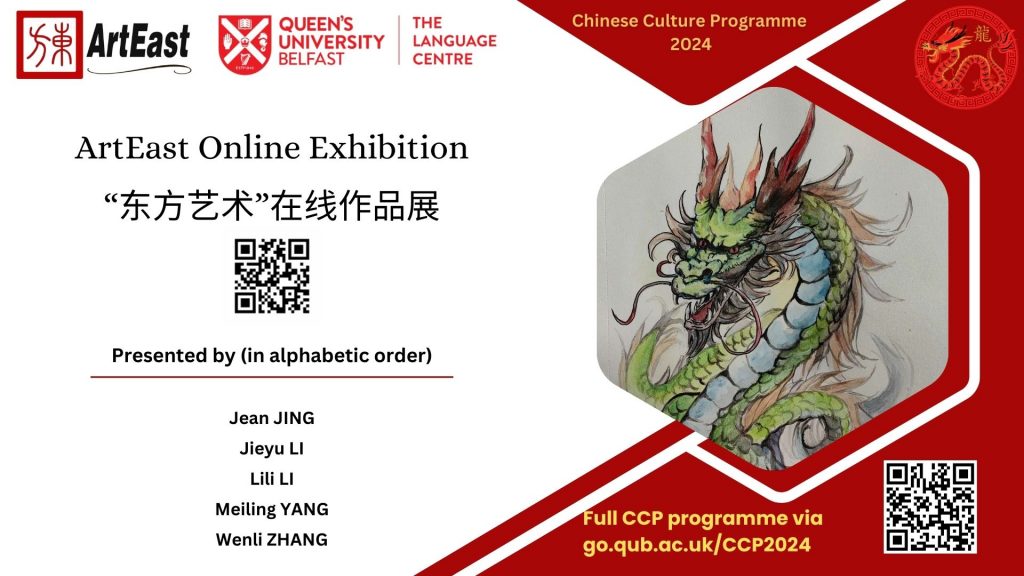
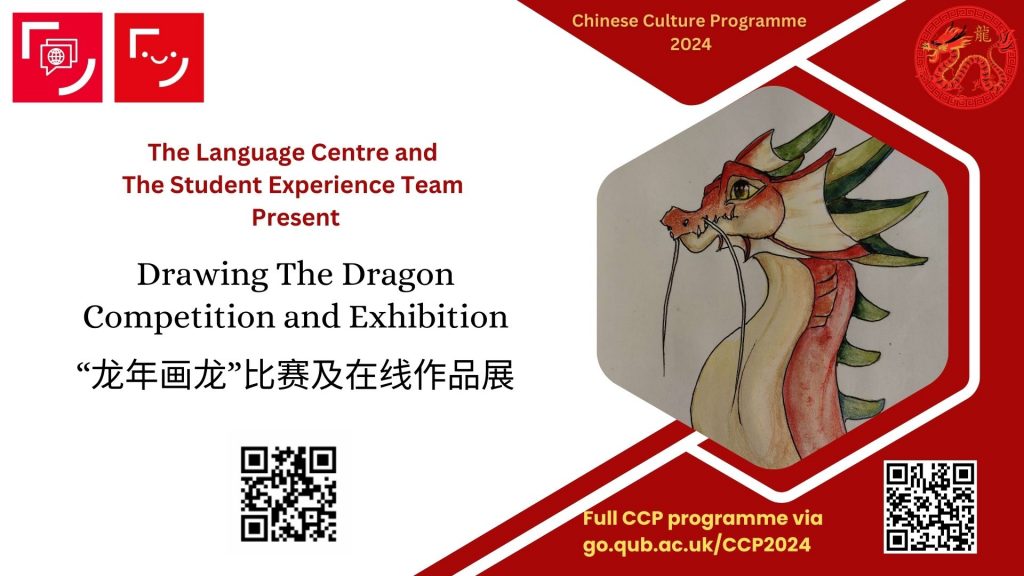
We are also pleased to announce the start of our online exhibitions – Drawing The Dragon Competition and ArtEast Exhibition from Sunday 04/02. The audience are more than welcome to leave your comments to the artworks and share their thoughts in line with the themes.
More Celebrations
Last but not least, we are would like to remind that there are two more big celebrations lined up for this week – The Festival of Chinese New Year hosted by the Graduate School on Wednesday and CNY Launch Day with Interactive Fair on Thursday in One Elmwood. Places are limited so advance bookings are required.
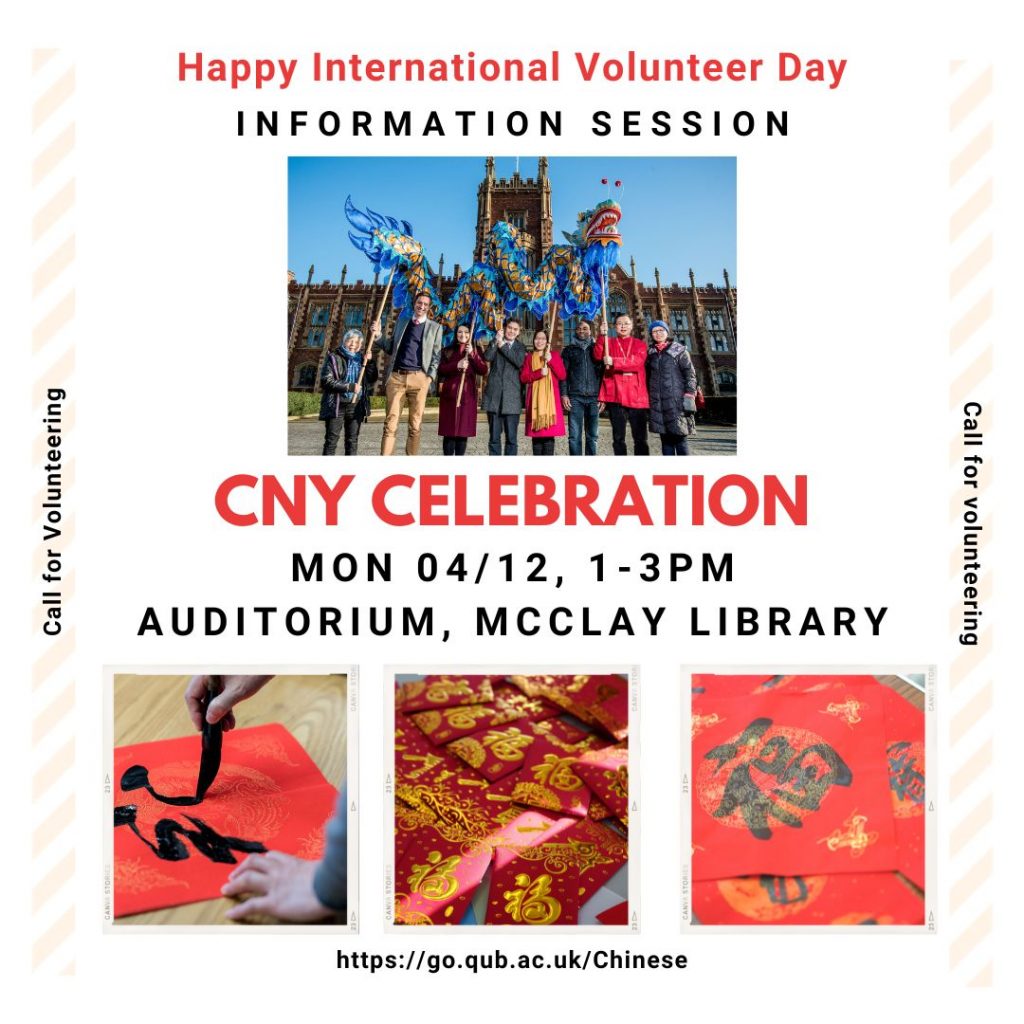
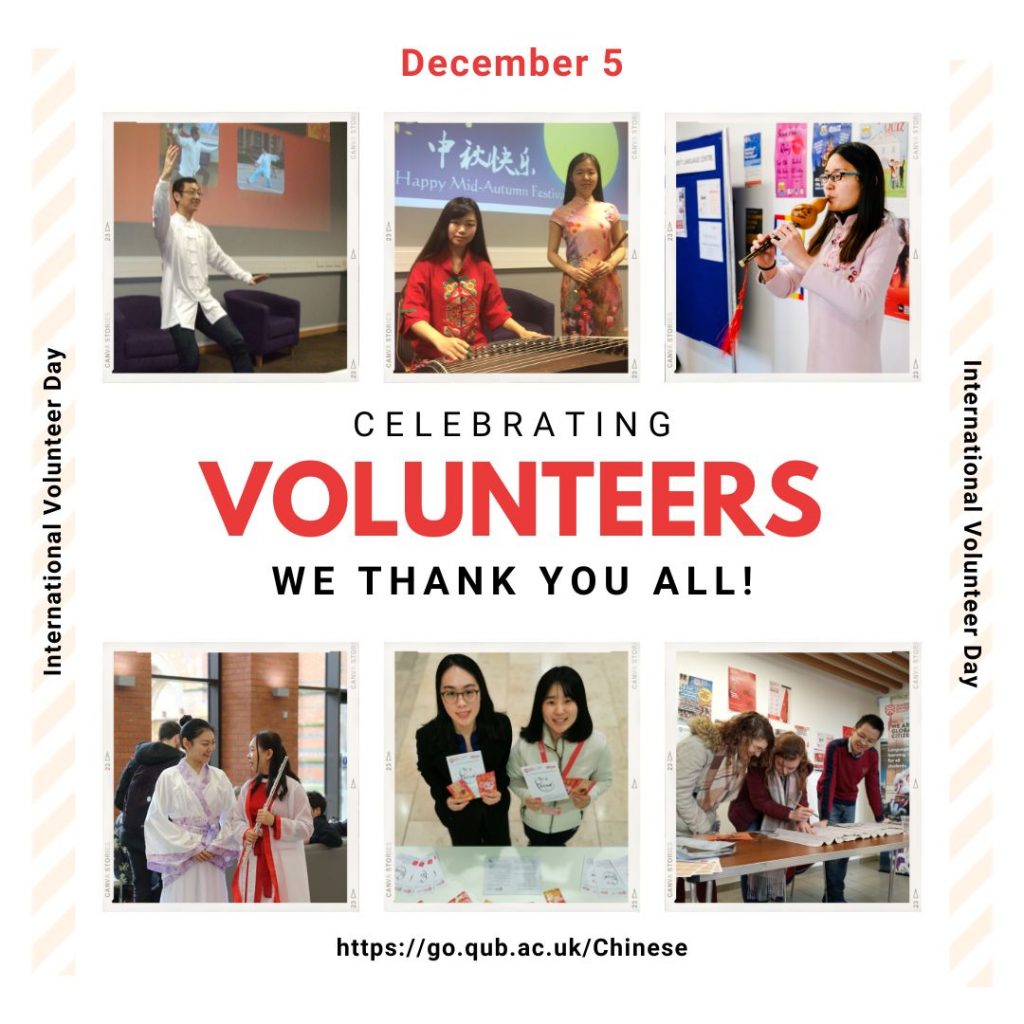
The Language Centre is organising a Chinese New Year Celebration Information Session to mark the International Volunteer Day (05/12) on Monday 04/12 (13:00-15:00) at the Auditorium, McClay Library. If you are interested in what’s going to happen and how you can get involved, feel free to pop in and join us in the session.
Call for volunteers
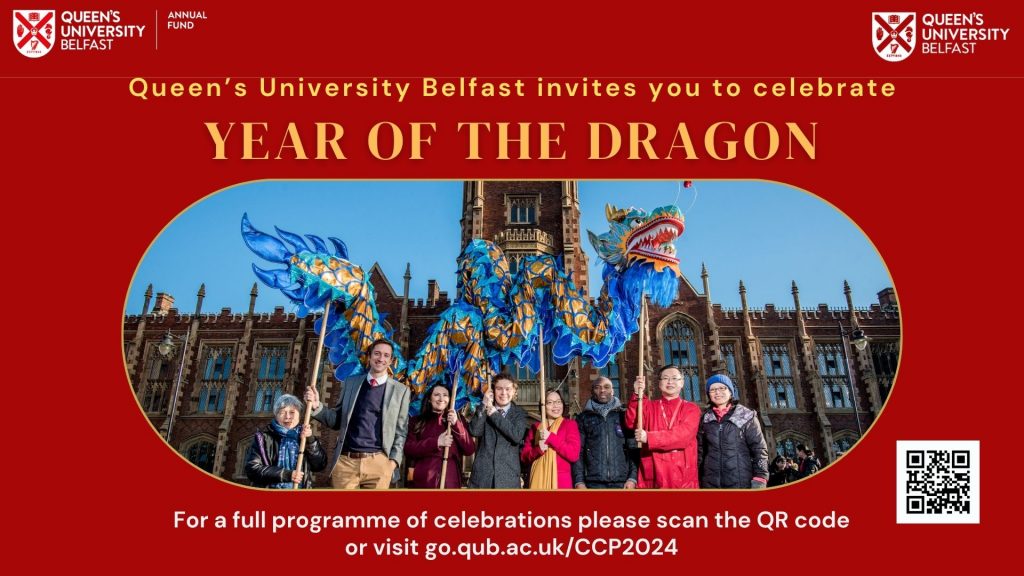
As the Year of the Dragon (龙年春节) is arriving in Feb 2024, we are looking for talented students and staff members to volunteer for our Chinese New Year celebration at Queen’s. It could be in the form of a variety of cultural performances, or language/culture-related topics and skills, and is open to both Chinese-speaking and non-Chinese speaking volunteers.
If you would like to express your interest in volunteering for the preparation and delivery of the proposed events, feel free to scan the QR code, or click the Form URL below to submit your interest.
We also look forward to working with you in our future language and cultural events.
Language Centre Course Enrolment
The second enrolment for courses, including Chinese, to start in January 2024 has now been available online. Anyone wishing to learning Chinese can find relevant course timetable and registration information from The Language Centre Homepage.
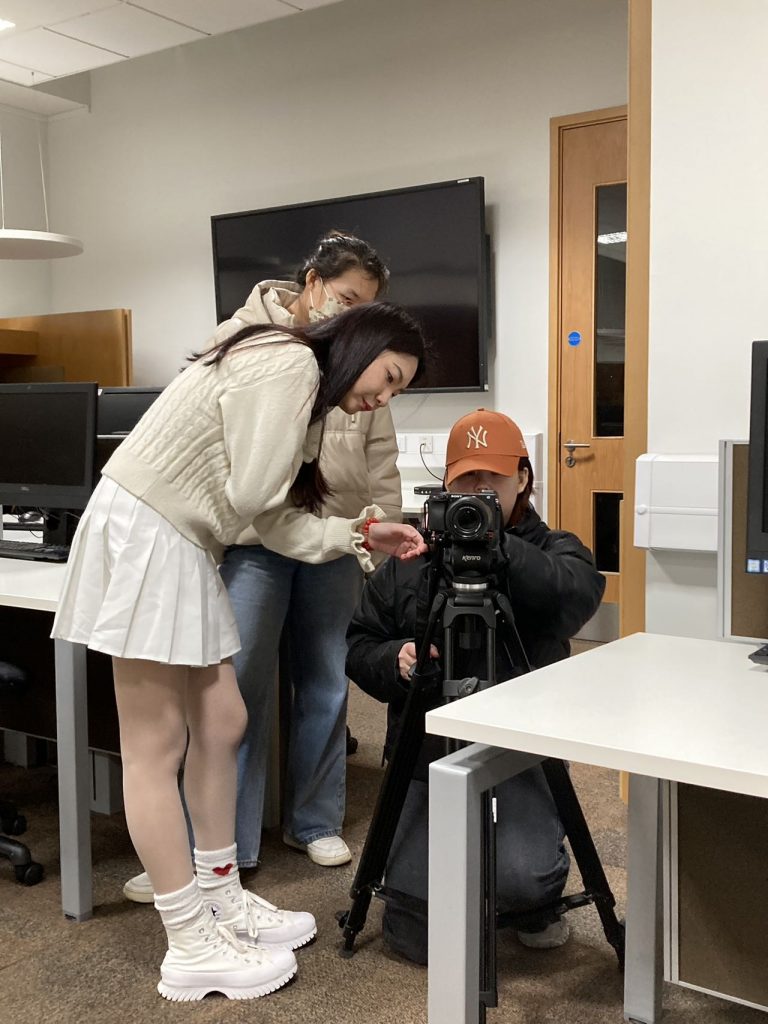
Queen’s Media and Broadcast PG students (Mengjia QU, Jiaqi LI and Xiaoya WU) working onsite. Photo: Liang WANG
Call for volunteers 常招志愿者
We are looking for talented students and staff members to volunteer for our Chinese language and cultural events at Queen’s. It could be in the form of a variety of cultural performances, or language/culture-related topics and skills, and is open to both Chinese-speaking and non-Chinese speaking volunteers.
We look forward to working with you in our future events.