Venue: Brian Friel Theatre, 20 University Square, Queen’s University, Belfast BT7 1NN
Language: English/Chinese
Booking: Eventbrite (free, but advanced booking essential)
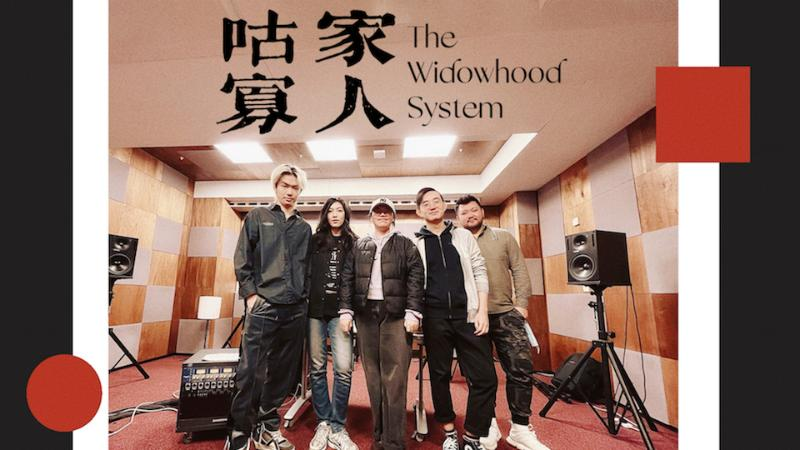
Join us for an audio journey that brings together 1960s Northern Ireland and 21st Century China. Alongside excerpts from the original English version, Chinese Students from the Centre for Translating and Interpreting (CTI) at Queen’s University will narrate a new translated adaptation of Brian Friel’s short story ‘The Widowhood System’.
The Widowhood System是一个由布莱恩.弗里尔写于二十世纪六十年代的爱尔兰故事。三个嗜酒如命的中年单身汉,为了追逐埋藏于心多年的赛鸽梦,开始了一场堂吉诃德式的养鸽之旅。殊不知,赛鸽的命运和他们的人生产生了奇妙的重合……
What effect does translation have in transporting a story across time and space? When the page is adapted for the stage, what role does a translator play? What happens when a translator, often considered as the one doing the paperwork, leaves their desk to work as a theatre practitioner?
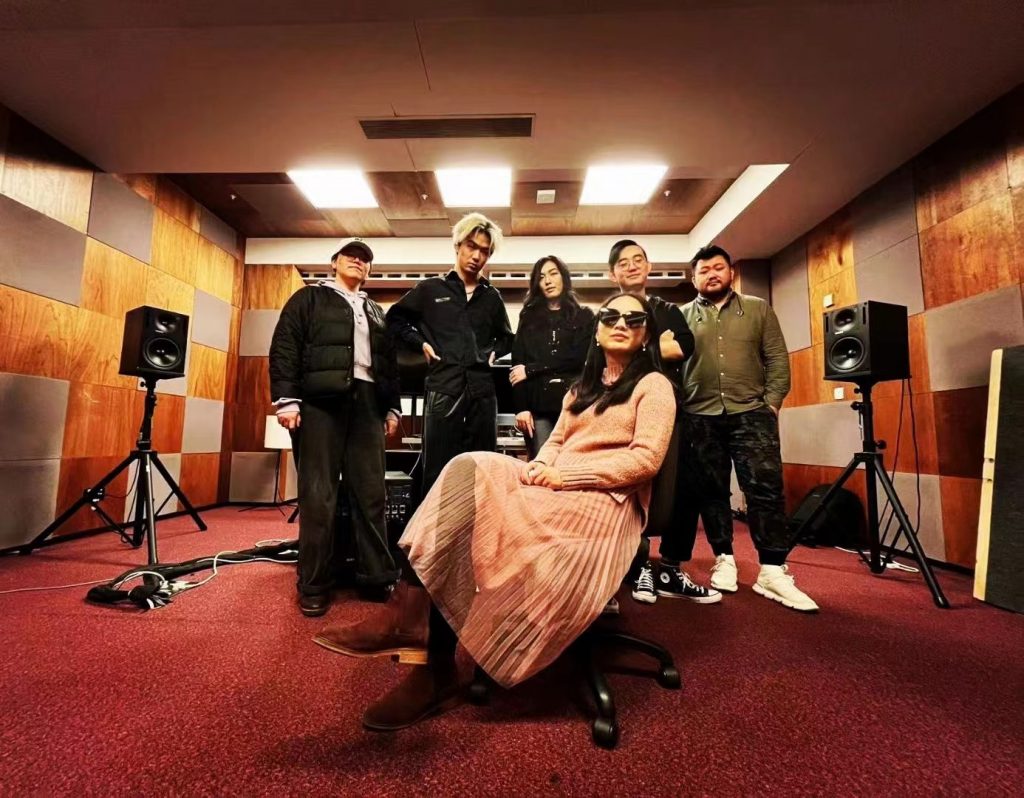
In this script reading and discussion event, co-organized by CTI, Friel Reimagined, and the Brian Friel Theatre, the translator, Chuchu, the music producer, Kehan and the actors will present the original text, the translated work and the procedure of the adaptation— a Chinese audiobook based on the story ‘The Widowhood System’ by the great Irish playwright Brian Friel. With the original text in English, the Chinese voice actors reading the translated version, and the translator sharing the background of the translation and adaptation process, this event aims to provide a unique insight into how a translated play is produced and presented.
Shurui Yang, aka Chuchu, is a PhD in translation from Center of Translation and Interpreting. Supervised by Prof. David Johnston and Dr. Kathleen Kaess, she mainly focuses on translating Brian Friel’s work from English into Chinese.
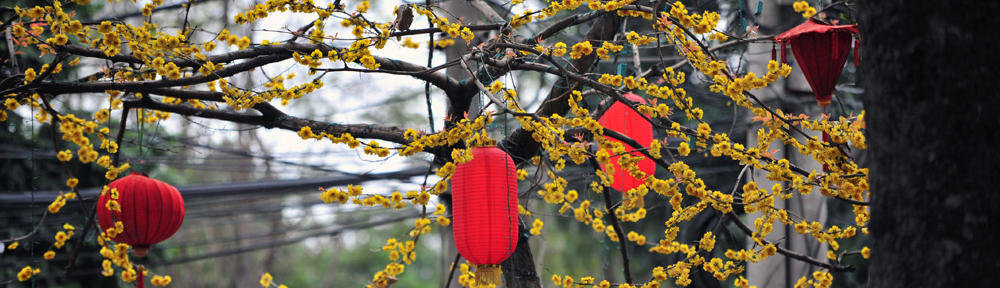
The Chinese New Year is conventionally known as Spring Festival (春节 chūnjié) in China, which welcomes the arrival of spring despite of the cold weather that remains. People are full of hope for a new start in their life when the world comes back to life.
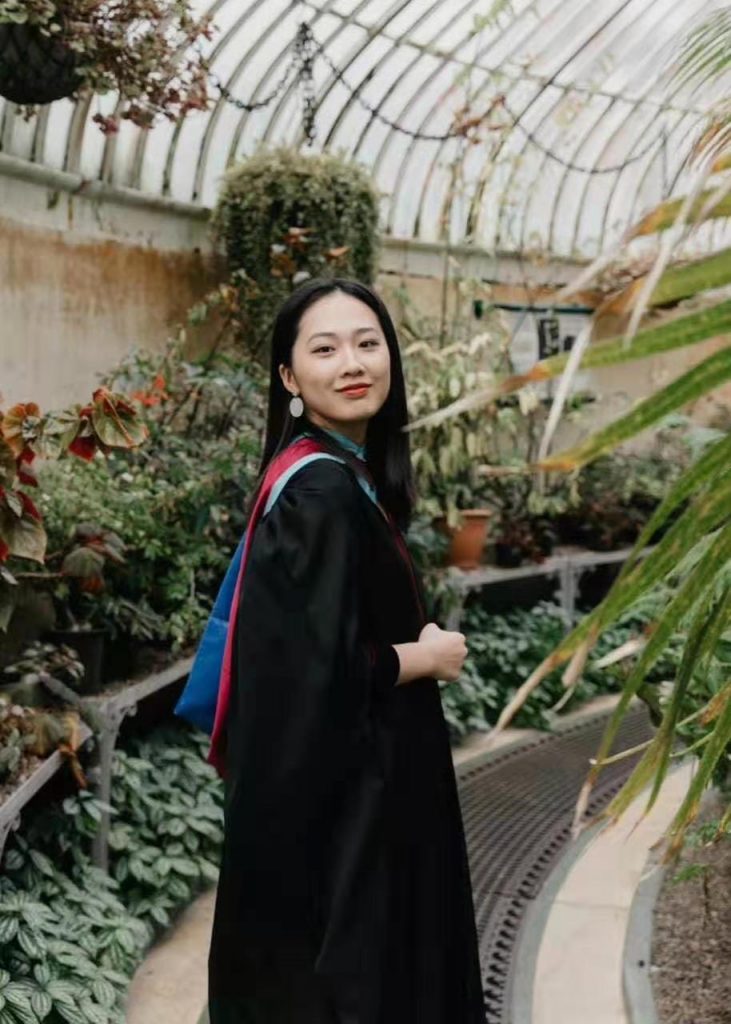
With thanks to our talented graduate Tang LI, we hope that you will be able to enjoy this melody and beautiful Chinese sign language dance.
Song: Early Spring (《春三月》)
Performer: Tang LI, graduate from Queen’s University Management School
For better effect, you may watch it from Youtube. For audience from mainland China, you may watch this performance by click this link.
The meaning and translation of the Chinese sign language dance:
niǎo’r rào zhǐyuān shēngshēng sù 鸟儿 绕 纸鸢 声声 诉 The birds dance with the paper kite, cooing and wooing. sānyuè lái bǎi cǎo kāi 三 月 来 百 草 开 The grass blooms in March yíng xiāng mǎn xiù wàn wù sū 盈 香 满 袖 万 物 苏 The air is full of fragrance as the earth comes back to life. chóng míng hé zhe huānxiào xīnshì shū 虫 鸣 和 着 欢笑 心事 舒 The insects sing cheerfully, with no worries in mind. sānyuè lái nuǎn yáng fù 三 月 来 暖 阳 复 The world has warmed since March xiāng xié qù tàqīng chù 相 携 去 踏青 处 as the people venture out, a new green world to find mò shàng huā kāi mǎn lù xiāng rù tǔ 陌 上 花 开 满 路 香 入 土 Flowers bloom everywhere alongside the paths and the soil was soaked with incense. sānyuè lái yǒu guī rén 三 月 来 有 归 人 As people return in March mǎ tà qiǎn cǎo shēng cuīcù 马 踏 浅 草 声 催促 with horses treading the shallow grass, chūn yǒu qī guī yǒu rì 春 有 期 归 有 日 Spring has its term and people know to expect it. jīn guī tú 今 归 途 As people return again sānyuè lái shēng qíngsù 三 月 来 生 情愫 They plant their sentiment in March chūn gāng fù 春 刚 复 As Spring arrives again qíng rù gǔ 情 入 骨 The sentiment is so profound that it has been rooted to the people’s bones jiè lǚ dōng fēng hù sù 借 缕 东 风 互 诉 whispering to one another through the spring breeze xiāng ài mù 相 爱 慕 their love and affection for each other.
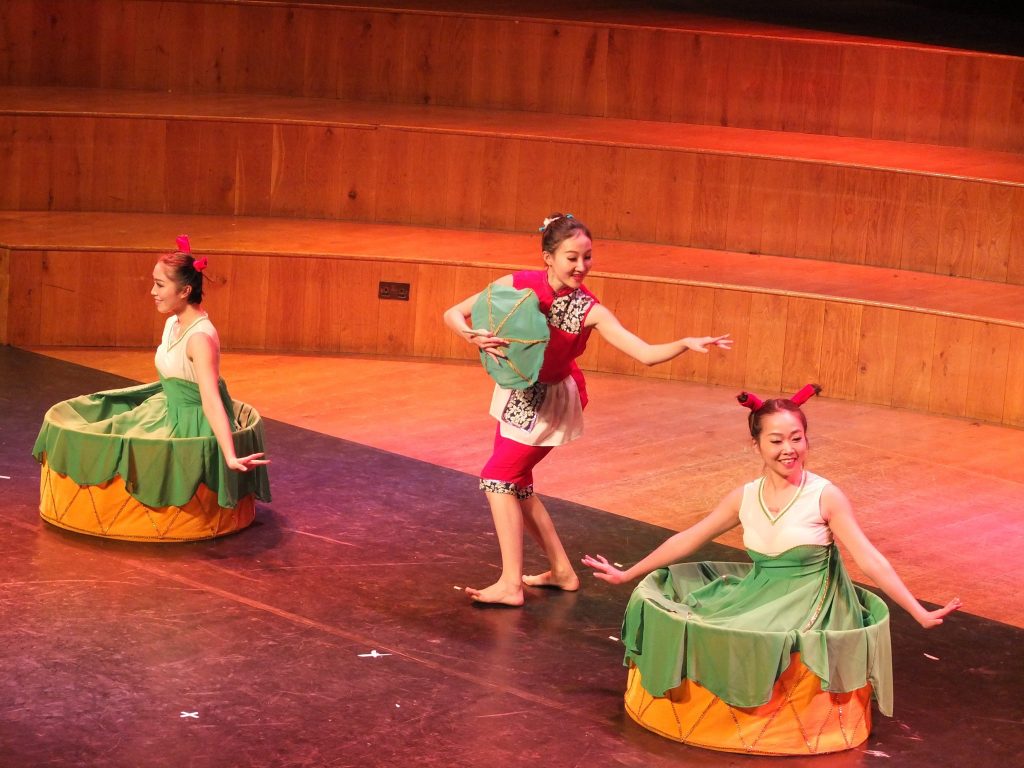
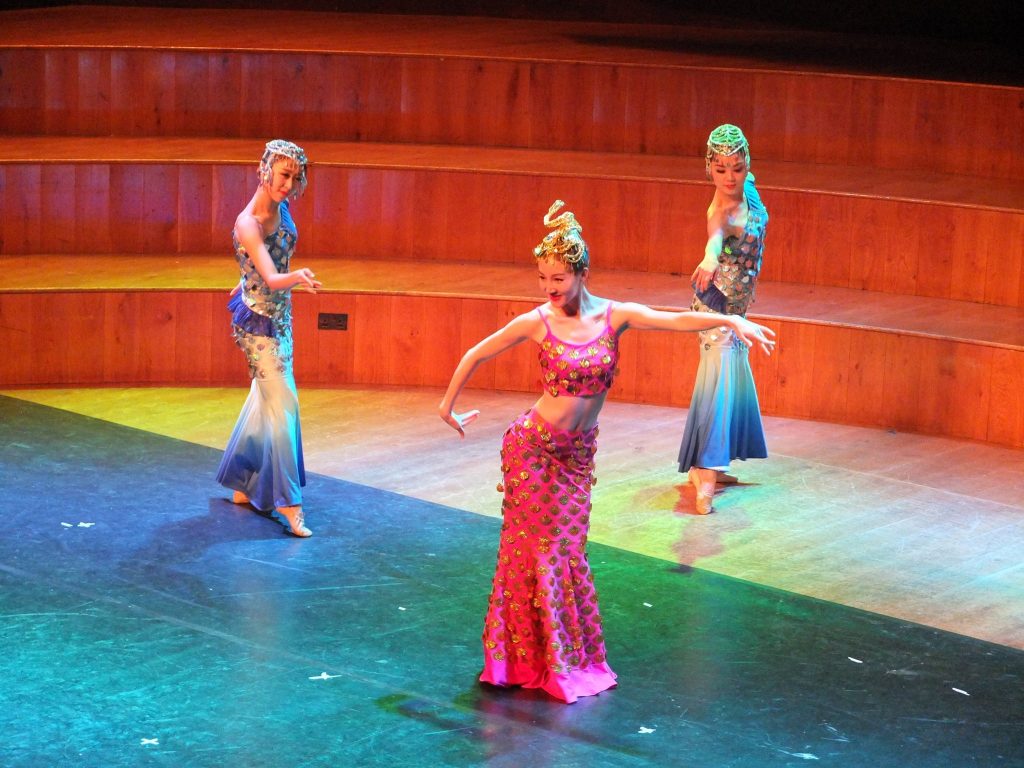
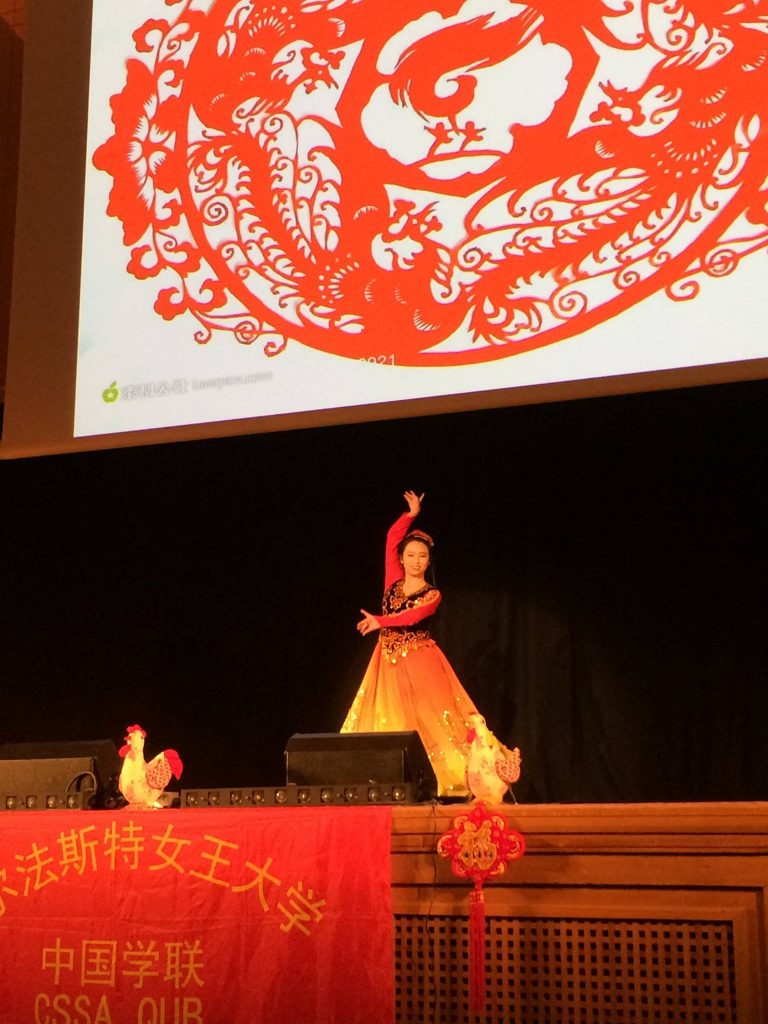
There is no celebration without singing and dancing.
Yangge dance (秧歌 yāngge) has a long history dating back to Han Dynasty and has become an essential part of festival celebrations in China. Every year, in the first month of the Chinese lunar calendar, Yangge will be performed to mark a prosperous new year.
In this short video presentation, we invited the Yangge Dance Team of Chinese Welfare Association Northern Ireland to send their CNY greetings with some folk dance clips for appreciation. Hope you will enjoy it.
For better effect, you may watch it fromYoutube. For audience from mainland China, you can access the video via this link
We are also grateful to Sharon Fan, one of our Chinese tutors, to perform her singing for your appreciation.
For better effect, you may watch it fromYoutube. For audience from mainland China, you may access via this link.
The Year of the Tiger is not solely celebrated by the Chinese communities worldwide. Other nationalities also celebrate their lunar New Year concurrently.
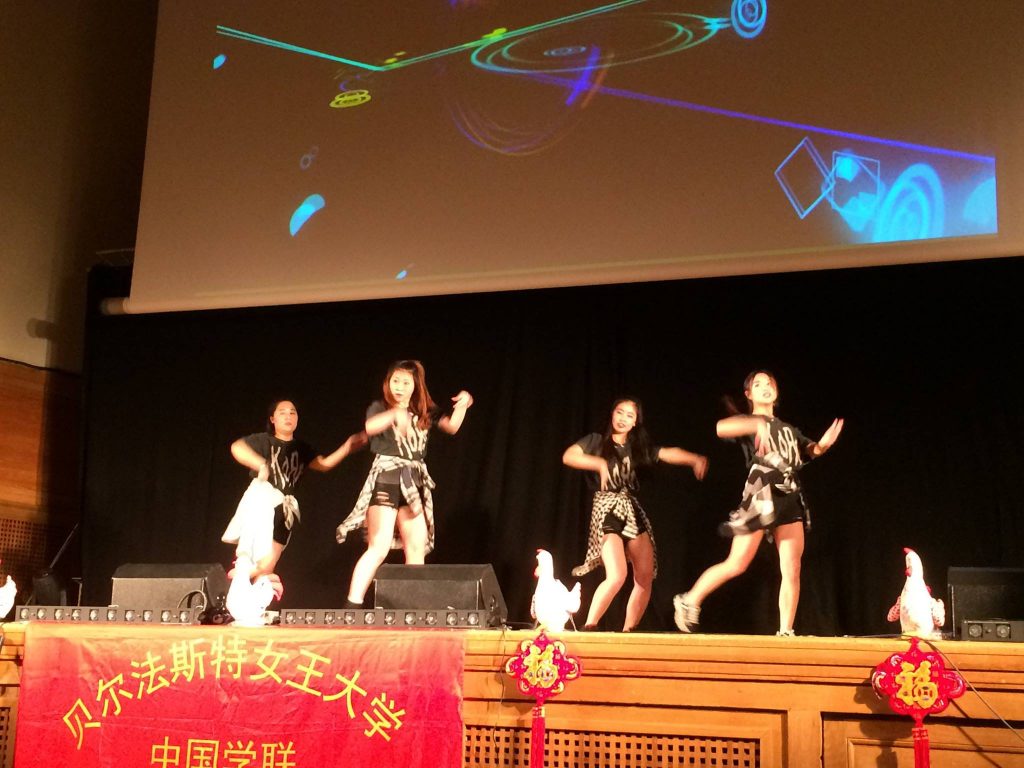
At Queen’s as we are proud of being a multicultural campus, we would like to thank our QUB KPOP Society for joining us in the celebration with their dedicated performance for the Year of The Tiger.
For audience from mainland China, please click this link for access.
With thanks to Queen’s students DENG Wei (邓维), and QIAO Zexuan (乔泽轩) for coming together to produce this Celtic/Chinese inspired performance to welcome the arrival of the Spring Festival.
For audience from mainland China, you can access the video via this link.
We would also like to share our President and Vice-Chancellor’s New Year greeting with you all. In his message, Prof Ian Greer points out that Tiger loves adventure and challenge – the two characteristics will take you afar here at Queen’s. It’s not that you have to be always the strongest – life is that using all skills you have and those you’ve learned to take you further.
For audience from mainland China, you can access the video via this link.
We hope you enjoy a happy and healthy year ahead and look forward to welcoming you to our CNY celebrations launch event on Wednesday 02/02 and the culture talks that follow.
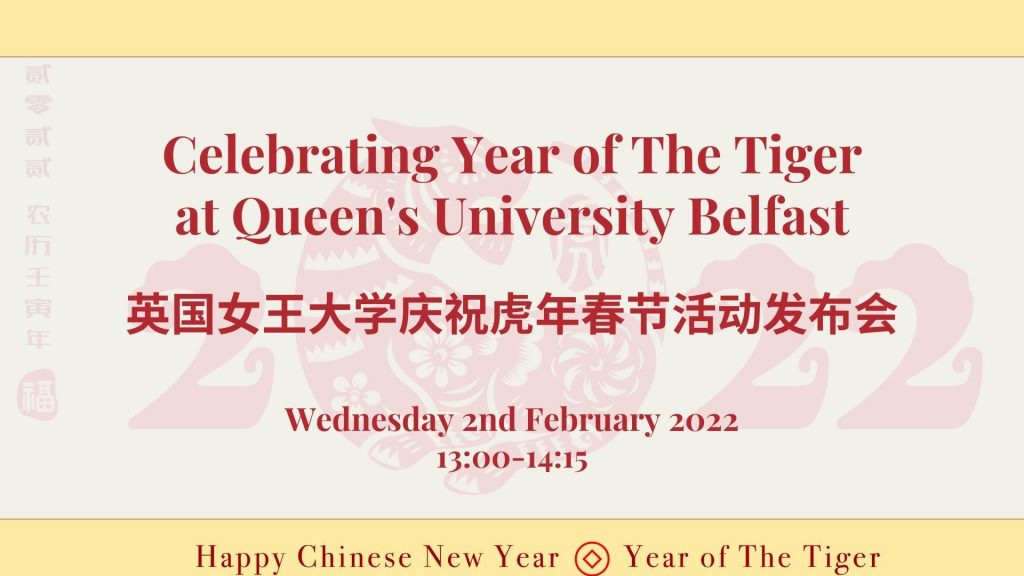
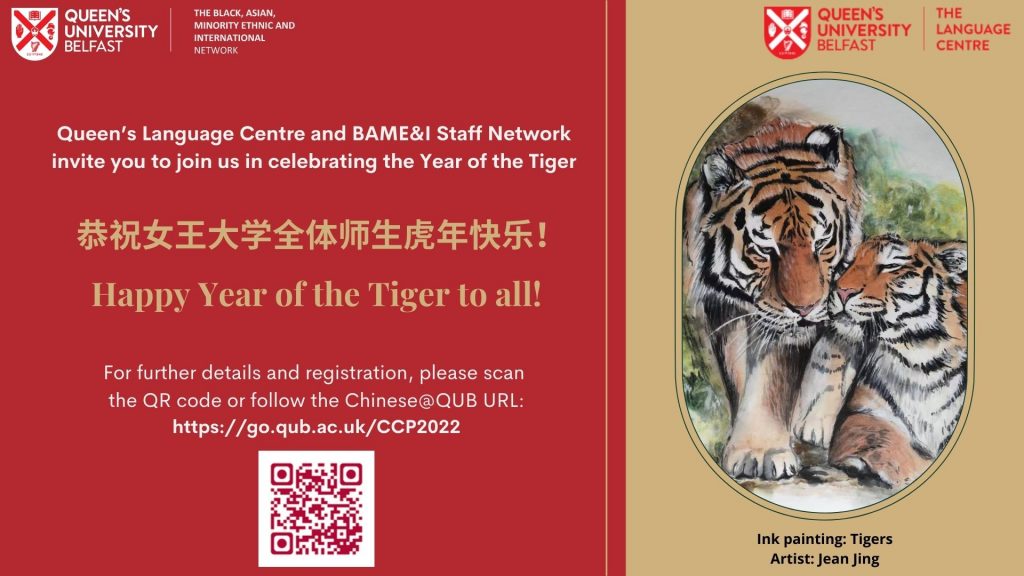
The Language Centre at Queen’s and the BAME&I Staff Network invite staff, students, as well as members of the public, to join in welcoming the Year of The Tiger, which falls on Tuesday 1 February, with a variety of online cultural celebrations that explore the theme of Connectedness and Inclusion.
The launch event is scheduled between 13:00 and 14:15 on Wed 2 February featuring welcomes, cultural performances and a guest talk, followed by a variety of culture talks in the following weeks, as part of the Chinese Culture Forum 2022. All welcome!
The online Art Exhibition, in collaboration with the ArtEast Club, is open for viewing now. You are very welcome to leave your thoughts and votes for the ones you like best from each other the artists.
Writing Spring Festival Couplets (春联 chūnlián) and characters such as Fu (福 fú, fortune) and the character of the due zodiac sign, is one of the most common and important customs when celebrating Chinese New Year among Chinese households both home and abroad.
We are grateful to our guest calligrapher, Mr Xiaodong Huang, Director of Tian Yingzhang Calligaphy Academy (Shenzhen), to demonstrate his calligraphy with the greeting message through Spring Festival Couplets and hope you enjoy it.
For audience from mainland China, you can click this link to watch the video.
[Script] A Spring Festival greeting from Shenzhen, China. [Sound] On the arrival of the New Year, I wish you all a year of power and forth, and that all your hopes become true.
0:17 [script] The arrival of the New Year brings the fortune to us. The character Fu means fortune and it’s coming.
0:37 [script] There are many ways of writing the character Fu (福 fú, fortune).
1:08 [script] The regular script of writing the character of Hu (虎 hǔ, tiger).
1:48 [script] The semi-cursive script of writing the character of Hu (虎 hǔ, tiger)
2:14 [script] The cursive script of writing the character of Hu (虎 hǔ, tiger)
2:27 [script] There is no Spring Festival without spring couplet. The first half reads ‘The golden tiger brings its power to powder the spring’ in meaning.
4:32 [script] The second half reads ‘The great fortune blesses peace at the transition between the old and new years’.
5:30 [sound] A Chinese folk song starts
6:30 [script] The title of spring couplet reads ‘Awe-inspiring grandeur remains forever’.
It is customary that Chinese households will do house decorations by putting paper crafts of folding or cutting on windows before the new year arrives. As the year to come is Tiger, we invited Zhuoya ZHANG, a master student majoring in Film from School of Arts, English and Languages to show and tell how to make paper tiger crafts.
The workshop is followed by a series of cultural events covering a wide range of topics.
What can you do on a rainy and wet winter day? Perhaps visiting a museum for an exhibition or event will be a good choice. In this post, we invite Yang LIANG (梁阳), a Queen’s graduate in TESOL from School of Social Science, Education and Social Work to share with you her recent experience of visiting Henan Museum (河南博物院Hénán Bówùyuàn).
About Henan Museum
Henan Museum, built in 1927, is one of the oldest and largest museums in China. Its site changed for several times and finally lies at Nongye Road, Jinshui District, Zhengzhou, Henan. It is a history and art museum with a collection of more than 130,000 pieces of cultural relics through the ages.
The Homepage of Henan Museum (English version). The light spot on the map of China shows you where Henan Province locates while the shape on the left displays the provincial geographical range.
After some ten years, I went to visit Henan Museum again. This time, I went there mainly for a show on ancient Chinese music performance, as well as re-visiting the relics.
– Yang Liang
The ticket is free, but one needs to book it, either online or on site. I did it via a mobile app for a slot of admission. Then I took a bus there, as the public transport system is very convenient nowadays and there is a bus station nearby.
E-ticket via a mobile app
The Nongye Road (农业路) | Image@YangLiang
The Bo Wu Yuan Station (The Museum Station) | Image@YangLiang
The outdoor self-service storage zone | Image@YangLiang
The collection of photos show what the main entrance looks like and the main exhibition halls from different angles.
Henan Museum, front | Image@YangLiang
Henan Museum, side | Image@YangLiang
This is what it looks like inside of the museum with some of the exhibits. For a full range of exhibition, you can return to the Museum’s website above.
Henan Museum, inside, the hallway | Image@YangLiang
An introduction to female clothing in Tang Dynasty | Image@YangLiang
An introduction to the palace lamp in Han Dynasty| Image@YangLiang
The exhibit of Changxin Palace Lamp | Image@YangLiang
The collage of the exhibit from different angles | Image@YangLiang
Fu Hao wine vessel exhibit | Image@YangLiang
As a layperson of architecture and archaeology, I’m not going to focus on these constructions and relics. However, I’d like to share with you what I felt about this visit from my personal experience of watching the show performance and some other observation.
I watched the music show before walking to the exhibition halls, as I was more interested in the new forms and functions museum nowadays promote – not only for educational purposes, but also to entertain visitors of all walks of life. I was totally impressed by the quality of ancient music performance, fully immersed in the show and the marvelous acoustic effects which allowed me to travel back to thousands of years ago. Here are a few clips of performances that I recorded:
Nowadays, more and more young people enjoy visiting museums, attending both exhibitions and relevant events like talks and shows which encourage more dynamics and interactive engagement, in contrast to the formulaic stereotypes that visitors just took photos around in museums and left without much understanding and appreciation of such exhibitions. I recall that decades ago I went there seeing the same kinds of lifeless objects without any interest in observing, discovering, and imagining how and why they were relevant to me in history and have impacted on my life, let alone a good level of appreciation. If one has no good knowledge about these exhibits, they would easily feel so bored and want to escape.
This time, when I got it in hand, I found the idea of blind boxes, or mystery boxes, really appealing as I never could have guessed what kind of things were inside until I opened it with a ‘Wow’.
(The added line of characters read ‘拆盲盒的快乐 ~’, meaning the happiness (快乐 kuàikè) of opening (拆 chāi) the blind box (盲盒 mánghé). The photo shows that there is a set of samples of palace maid band designed by Henan Museum.)
I also came across two boys who were giving a video call to their mum, making a live broadcast while walking around. They told their mum what they saw and how they were impressed, and their mum sounded really excited over the phone.
I would also like to attribute this wonderful experience to the advance of modern technology which makes these old objects alive. For example, the amazing lighting and acoustic effect made me feel as if I stood in a traditional Chinese ink painting, exploring a wonderland when I saw many white cranes fly in the sky and heard the stream flowing pleasantly. Wow! Who wouldn’t enjoy this kind of visiting experience?
CCF11 – Whose Play Is It? Translating and Performing Chinese Drama for the Global Stage
Speaker: Dr Yangyang LONG 龙杨杨, Xi’an Jiaotong-Liverpool University
Dr Yangyang LONG is Assistant Professor in Translation and Interpreting. She was awarded PhD by Queen’s University Belfast in 2019. Her works have been published on journals such as The Translator, Asia Pacific Translation and Intercultural Studies, Atlantic Studies: Global Currents and Coup De Théâtre. She is currently working with Routledge on a monograph entitled “The Works of Lin Yutang: Translation and Recognition”, which will be published with the series “Routledge Studies in Chinese Translation”.
Outline: Who owns a translated foreign-language play? The translator? The author? The playwright? The director? The dramaturg? The actors/actresses? The audiences? The critics? The theatre company? The (mass) media? What makes a Chinese play – in this case a classic of its national literature – worth translating and performing in a new environment, that is, the here and now of the 21st-century English-speaking world? This talk aims to explore the translation and performance of 2017 “Snow in Midsummer” (窦娥冤, The Injustice to Dou E That Moved Heaven and Earth by Guan Hanqing), a new stage production by the Royal Shakespeare Company for its “Chinese Classics Translation Project” (2013-2023).