May is a month blessed with pleasant weather and festive holidays, making it an ideal time for outdoor activities, travel, and sightseeing. During the May Day holiday, Zhuo Wen visited the Shanxi Museum and is delighted to share his experience with us in celebration of International Museum Day (18/05).
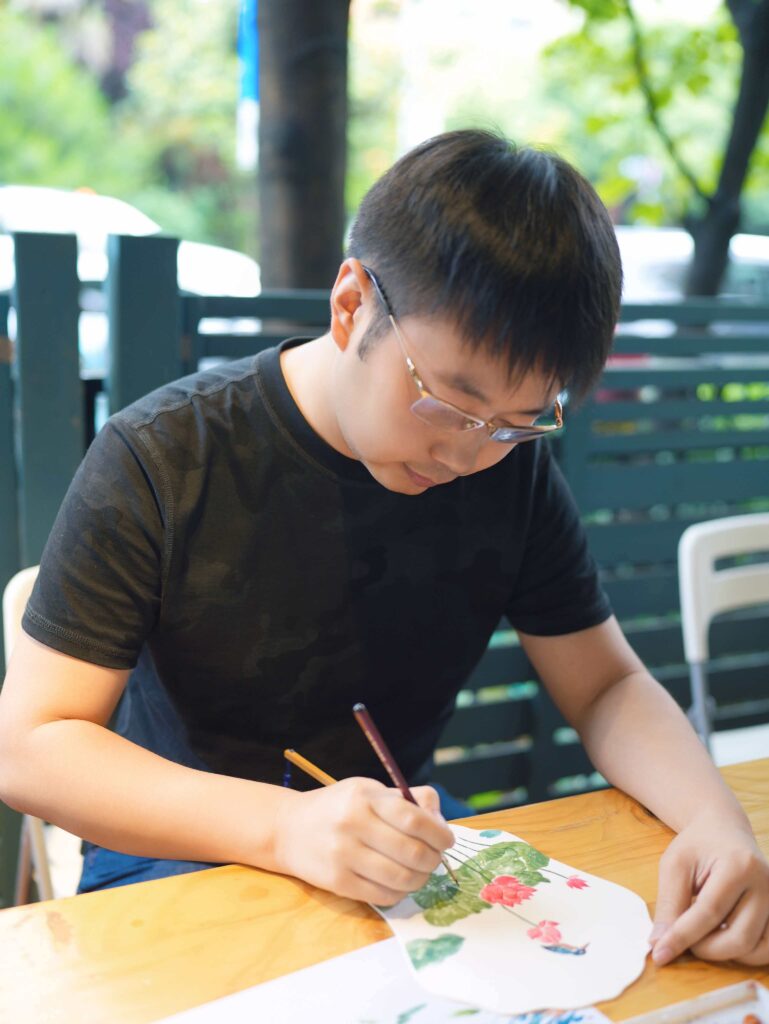
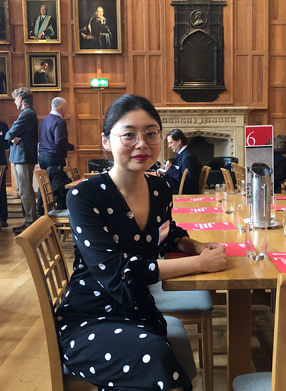
Zhuo Wen (文卓) holds a Master’s degree in Electronic Engineering from Queen’s University Belfast. During his postgraduate studies, he actively participated in cross-cultural exchange events and campus society activities, including cave exploration programmes across Northern Ireland. In his free time, he enjoys hiking, travelling, skiing, and sketching.
He currently works as a Senior Software Engineer at Bank of China Software Center.
A Journey Through China’s Ancient Civilization in Shanxi Province
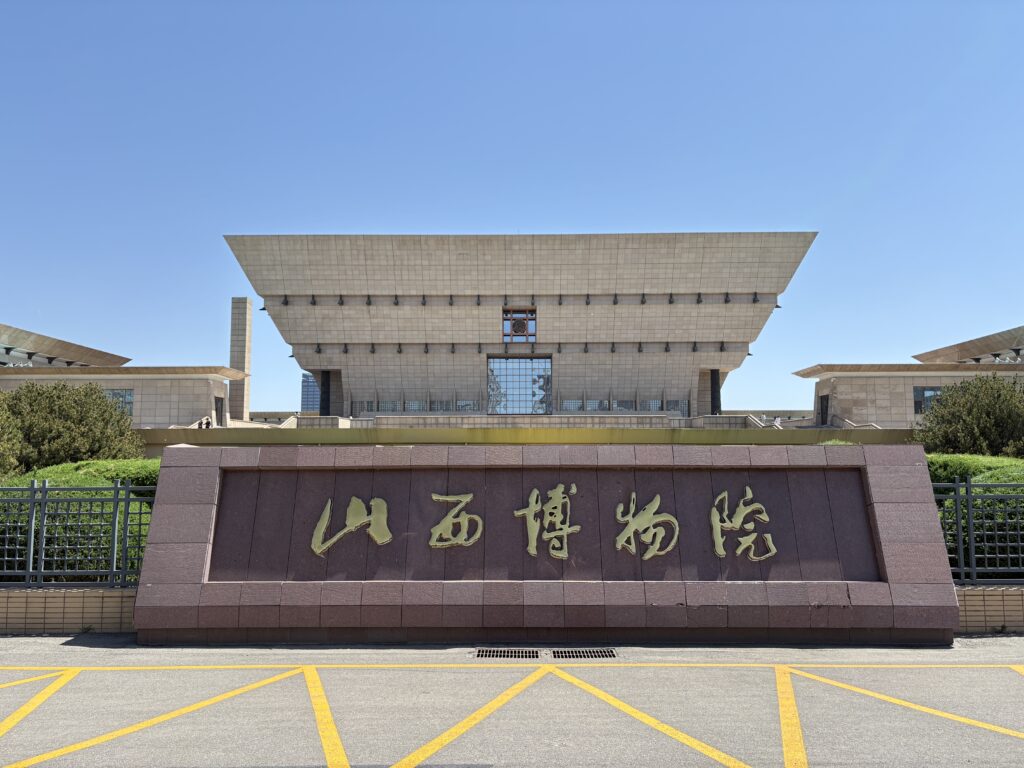
During this May Day holiday, I visited the Shanxi Museum (山西博物院 Shānxī Bówùyuàn), located on West Binhe Road in Taiyuan (太原 Tàiyuán), the capital city of Shanxi Province, and embarked on a fascinating journey through the thousands of years of civilization preserved in local area.
The museum itself is impressive even before stepping inside. Its grand and solid architectural design resembles ancient Chinese bronze ding (鼎 dǐng) and dou (豆 dòu) vessels, radiating the rustic charm and cultural depth of this historic land. After booking tickets in advance, my encounter with history officially began.
Following the exhibition route, I traveled chronologically from ancient civilizations to the Ming and Qing dynasties. The first artifacts that caught my attention were the magnificent bronze treasures.
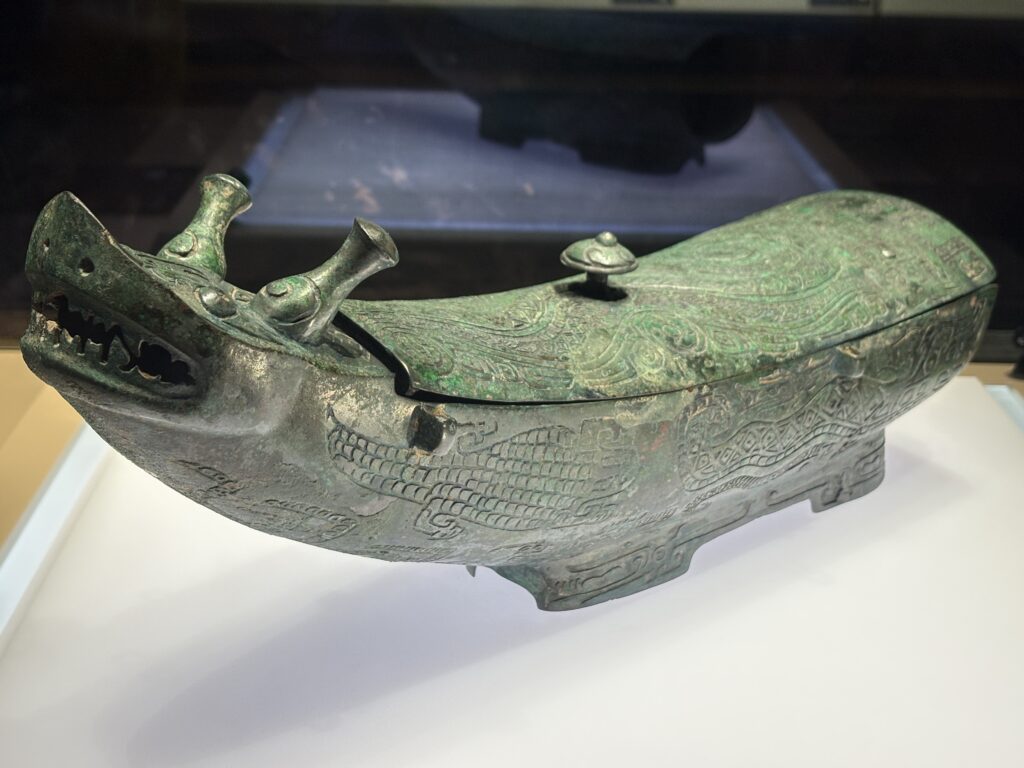
Among them, the Dragon-shaped Gong (觥 gōng) from the late Shang Dynasty (商朝 Shāngcháo) stood out immediately. Designed in the form of a towering mythical beast and covered with intricate decorative patterns, it fully demonstrates the grandeur and craftsmanship of Shang bronze ware (青铜器 qīngtóngqì).
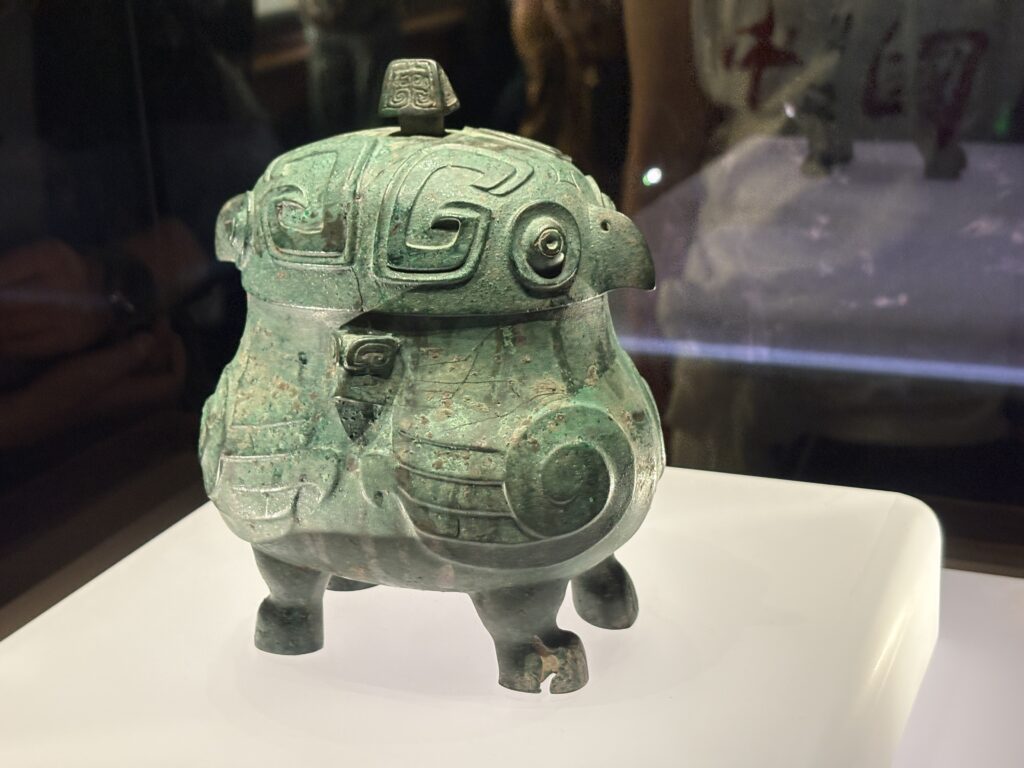
Nearby was the beloved Bronze Owl, modelled as two owls standing back-to-back. With its round, plump shape and expressive face, it has been humorously nicknamed the “Shang Dynasty Angry Bird”. Despite its ancient origins, it feels unexpectedly adorable and approachable, drawing many visitors to stop for photos and admiration.
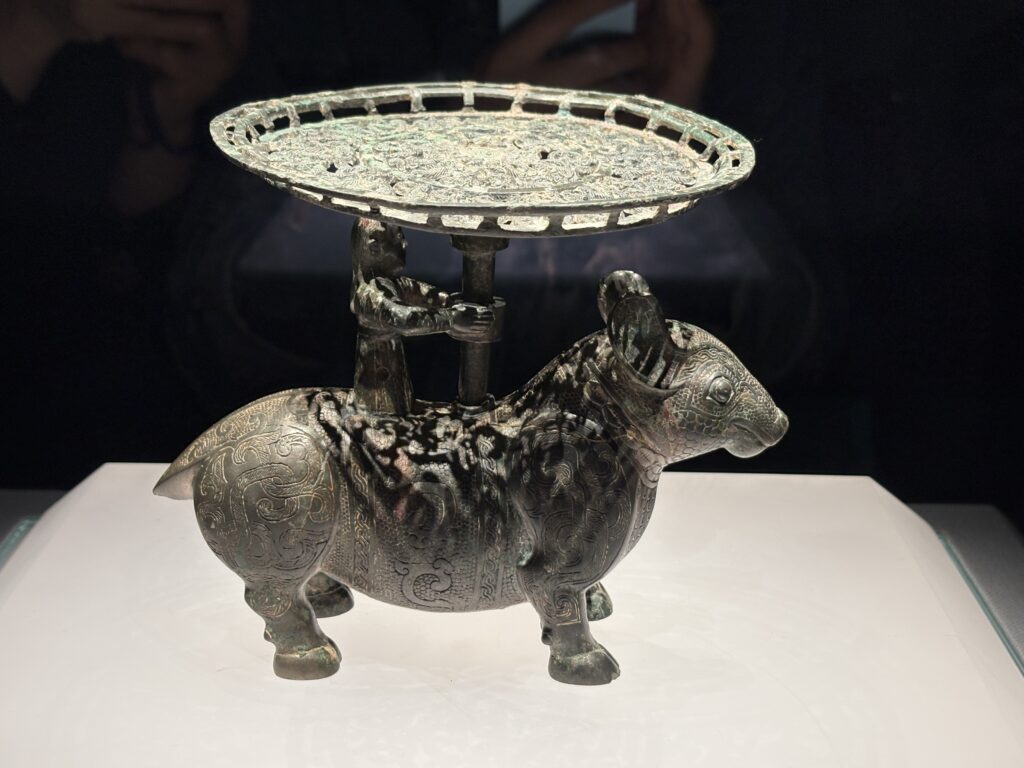
Another masterpiece is the Bronze Plate Held by a Human Figure atop a Divine Beast from the Warring States period. A small standing figure supports an exquisitely openworked plate while balanced atop a mythical creature, creating a lively and imaginative composition that reflects the creativity of ancient artisans.
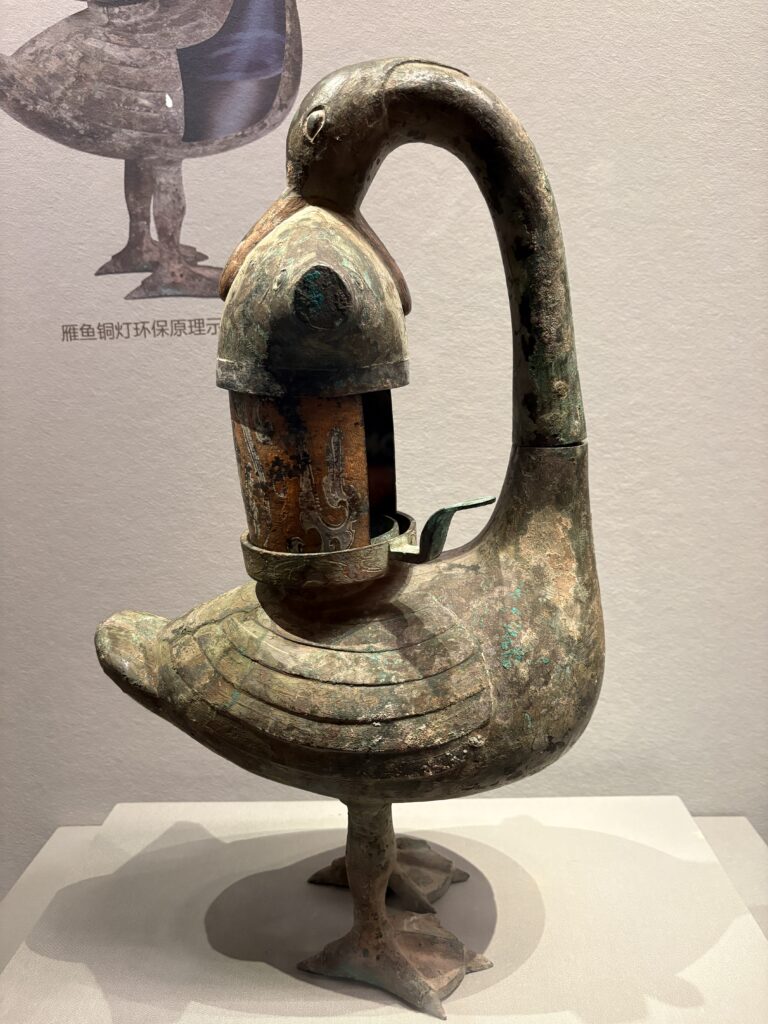
Even more fascinating is the Wild-Goose-and-Fish Bronze Lamp from the Western Han Dynasty. Shaped like a wild goose twisting its neck to hold a fish in its beak, the lamp contains an ingenious smoke-filtering structure inside, making it an astonishing example of environmental awareness and engineering wisdom from over two thousand years ago.
Art, Architecture, and Cultural Elegance
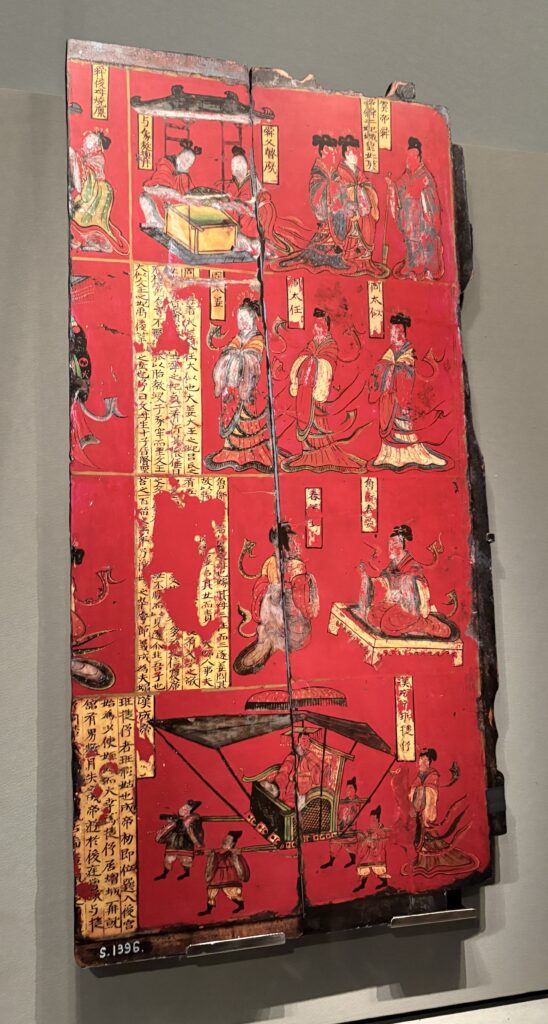
In the Northern Dynasties exhibition hall, I spent considerable time admiring the Painted Lacquer Screen with Stories of Historical Figures from Sima Jinlong’s Tomb (Northern Wei Dynasty).
Against a vivid vermilion (朱红色 zhūhóngsè) background, the screen illustrates stories of exemplary historical figures such as Emperor Shun, Lady Tai Ren of Zhou, and Ban Jieyu. Its remarkably preserved colours, elegant flowing lines, and refined Northern Wei calligraphy together showcase both artistic sophistication and the moral values promoted in ancient Chinese society.
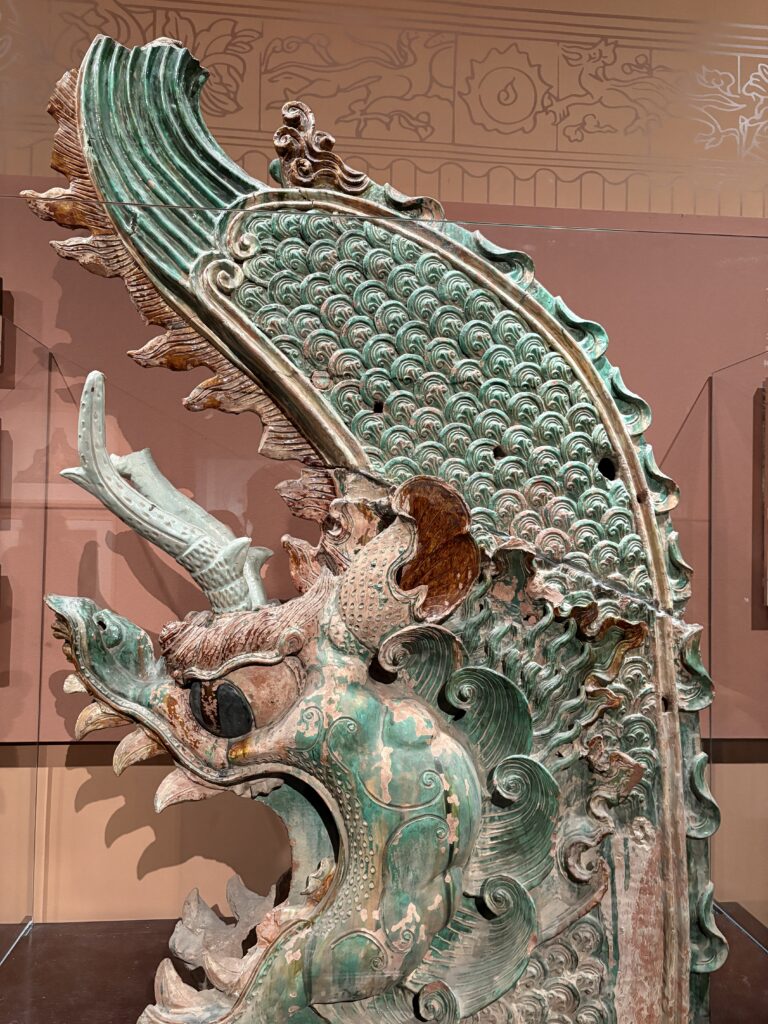
Further inside, the Yuan Dynasty Glazed Chi-wen (dragon-head roof ornament) impressed me with its striking presence. Covered in brilliant emerald-green glaze, the sculpture features layered scales and a dynamic dragon head, vividly reflecting the craftsmanship of ancient architectural decoration and evoking the grandeur of historical Chinese buildings.
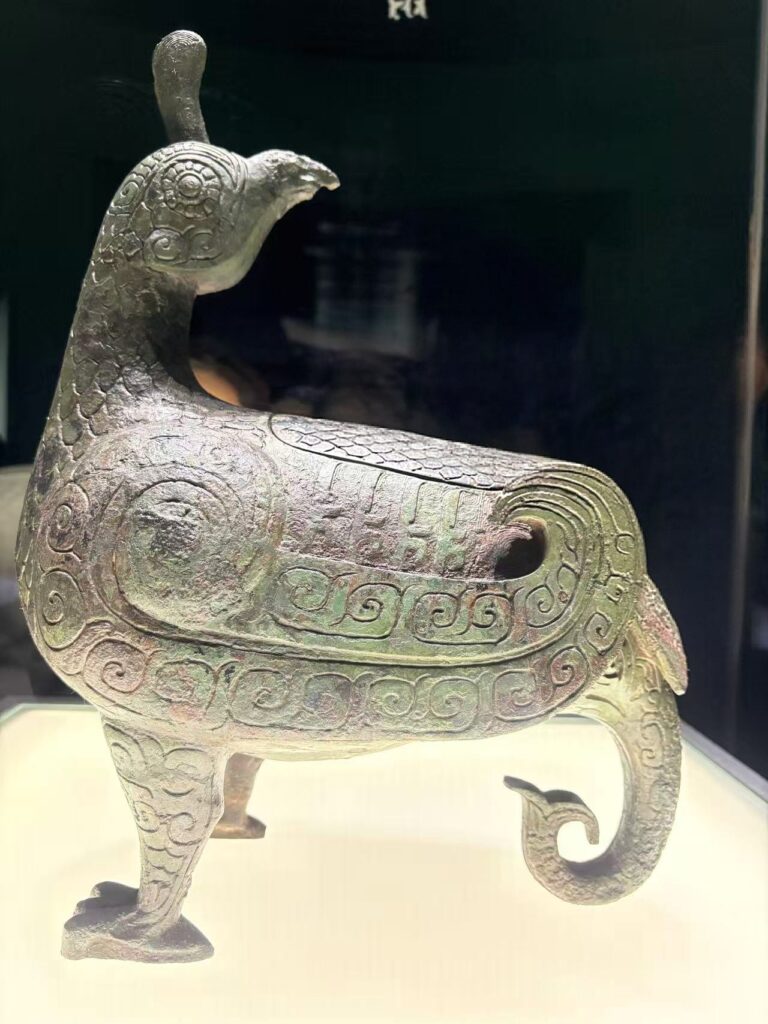
The Bird-shaped Zun of the Marquis of Jin, a highlight of the “Hegemony of the State of Jin” gallery, also left a deep impression. Decorated with phoenix motifs, it seems to retell the legends and political power of the Spring and Autumn Period.
Elsewhere, stone Buddha statues in the Buddhist gallery display graceful robes and serene expressions, while ancient architectural models demonstrate why Shanxi is often celebrated as a treasure house of traditional Chinese architecture.
Reflections at Sunset
As the sun gradually set, I slowly walked out of the museum, still immersed in the echoes of history.
In just one day, I had journeyed from majestic bronze ritual vessels and lacquer paintings to eco-friendly lamps and magnificent glazed mythical ornaments. Each artifact felt like a messenger from another era.
Standing silently behind glass, these relics weave together Shanxi’s thousand-year cultural heritage and allow visitors to experience the brilliance, wisdom, and profound depth of Chinese civilization.
This visit left me not only with admiration for ancient craftsmanship, but also with a renewed sense of awe toward the richness of China’s history.
Happy International Museum Day!
Editor: Liang WANG
Have you been to a museum and want to share your cultural experience or perspective? We look forward to hearing your stories. You are welcome to contact us by emailing at liang.wang[at]qub.ac.uk or write your comments and contact information in the box below. We will get in touch with you as soon as we can.