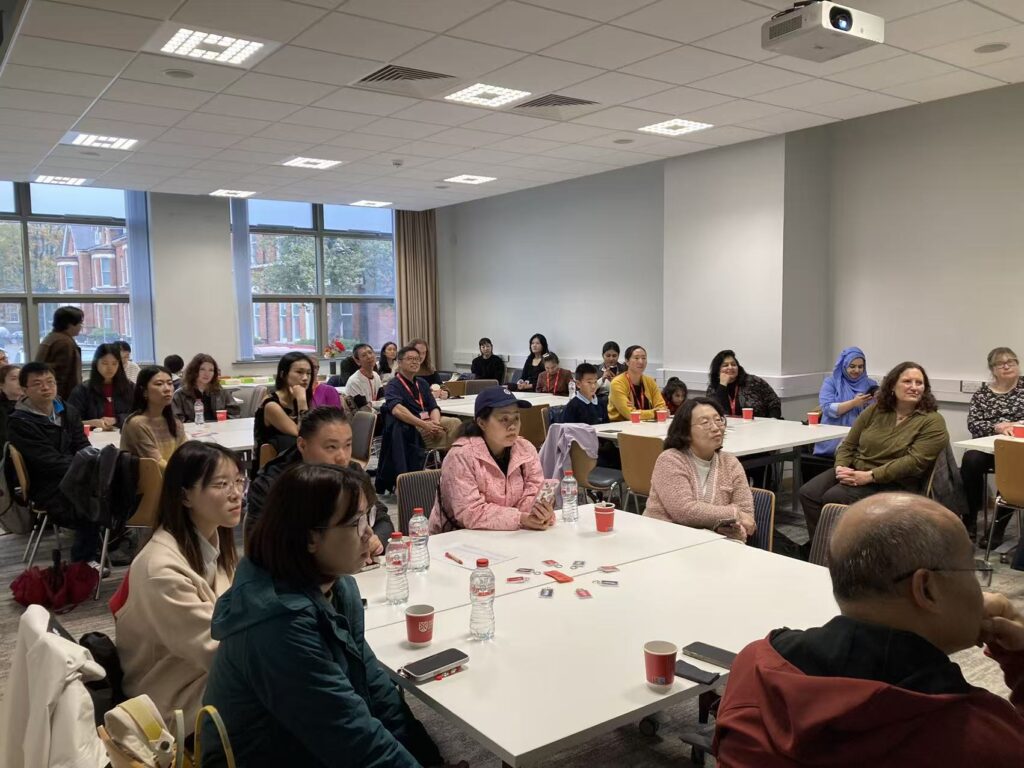
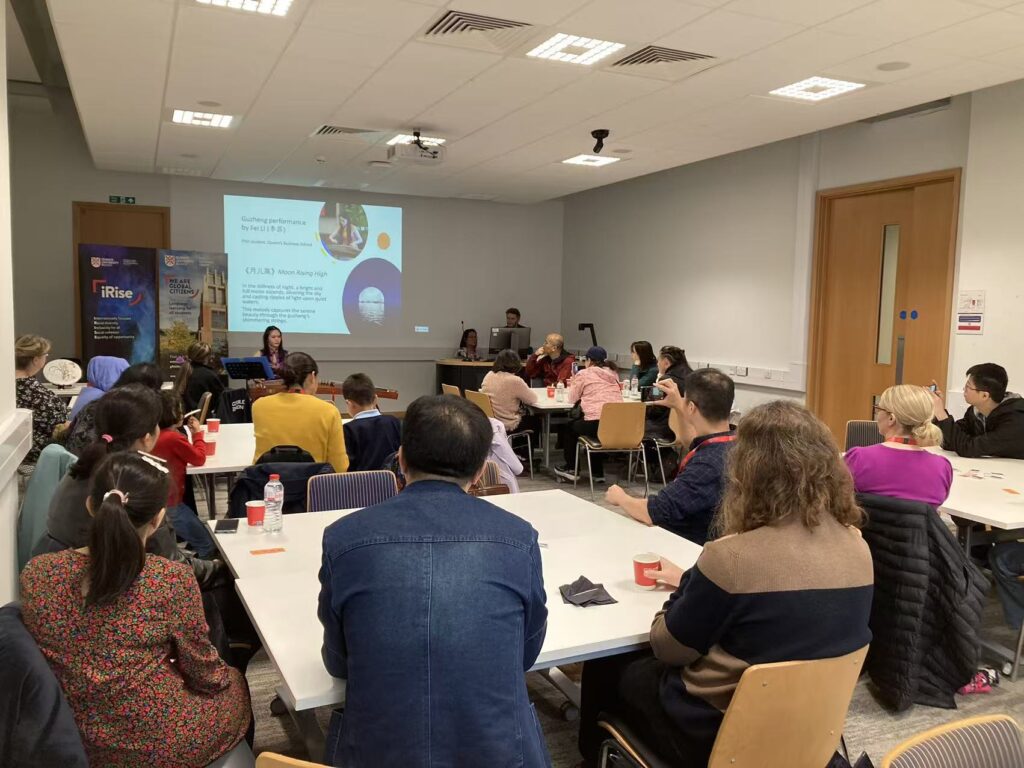
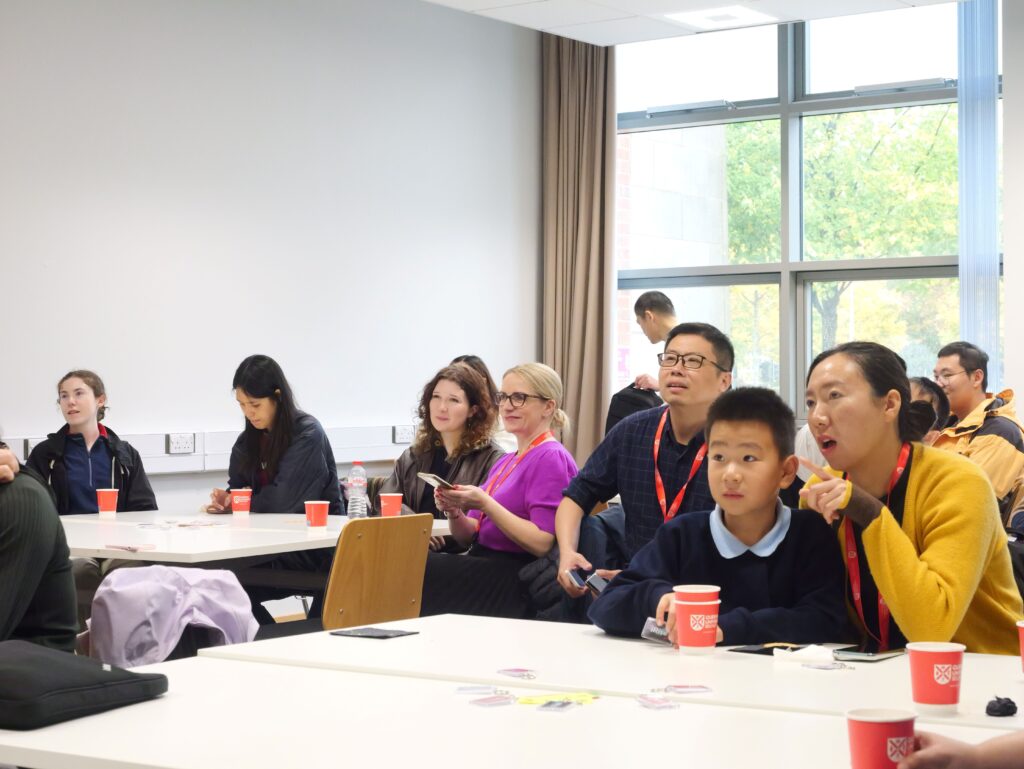
On Friday, 3 October, despite the adverse weather conditions, the Mid-Autumn Festival and Welcome Event went ahead as planned, bringing together over 50 students, staff (including visiting scholars), and community partners in the McClay Library Auditorium. The celebration featured live music, cultural displays, talks, and refreshments, all showcasing the vibrancy and inclusiveness of Queen’s community.
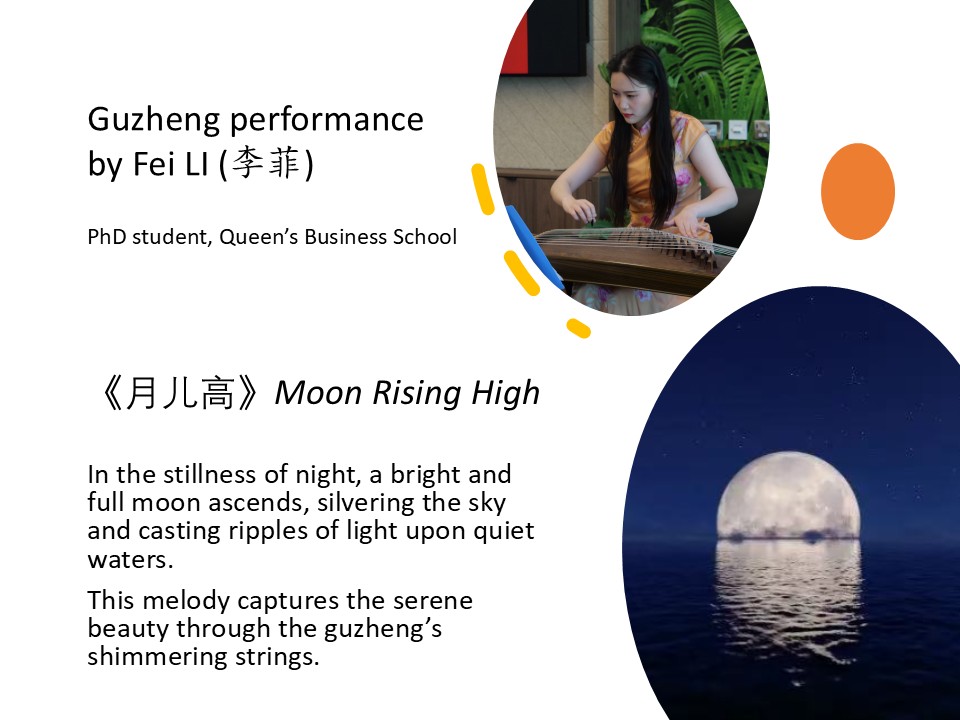
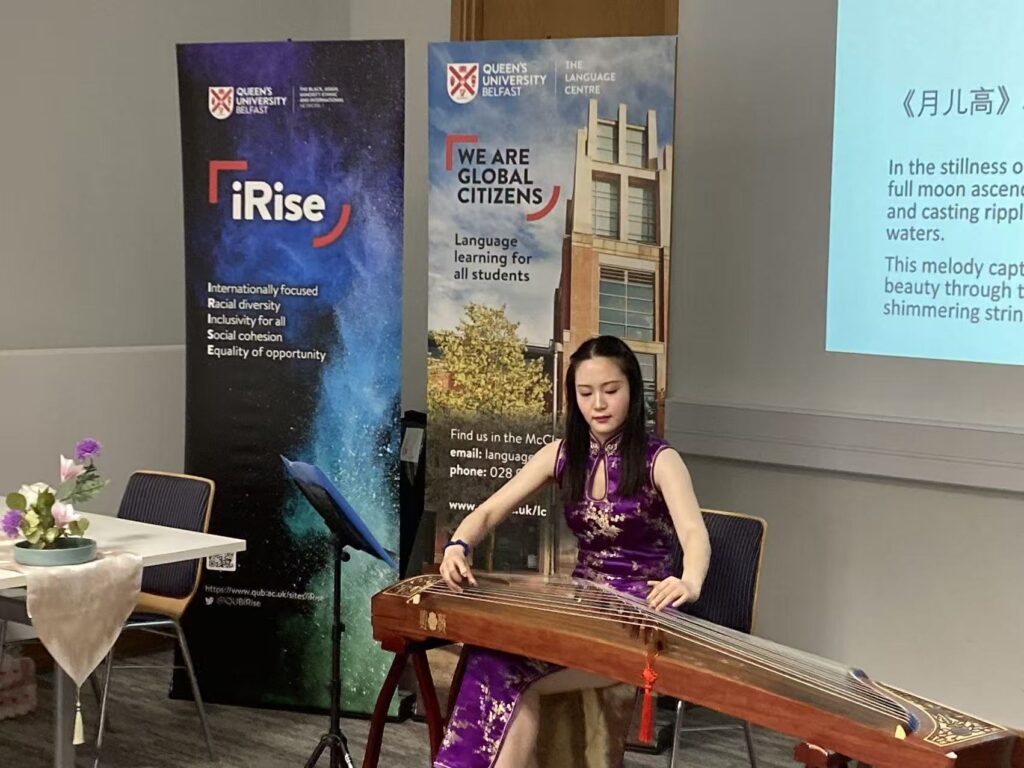
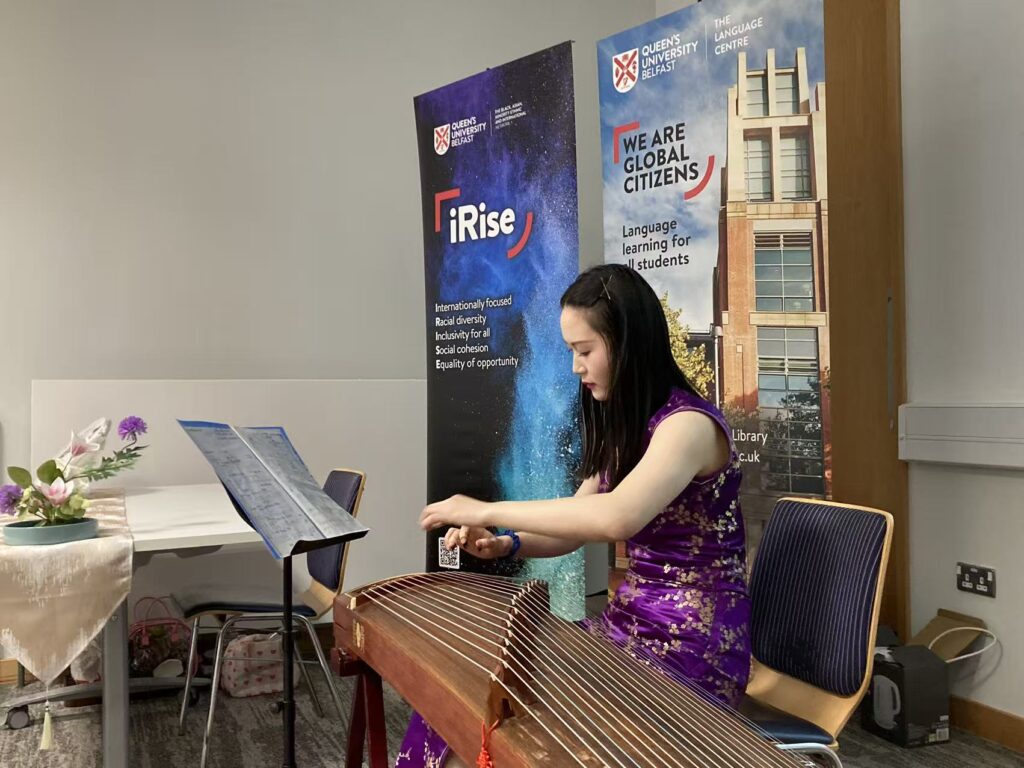
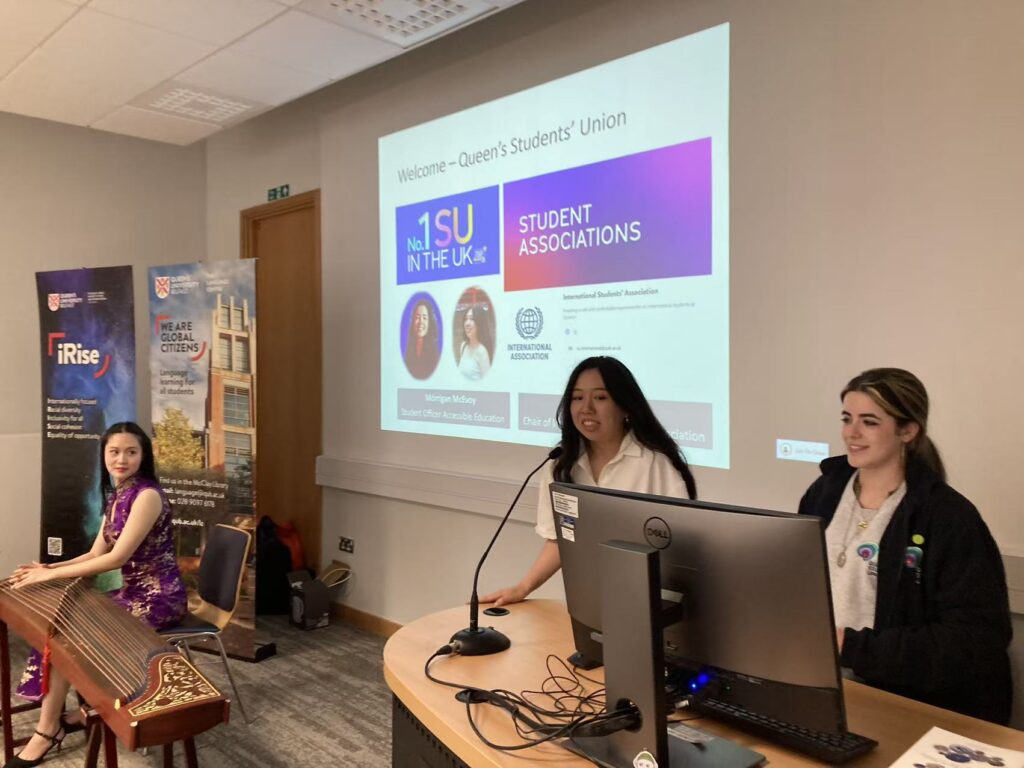
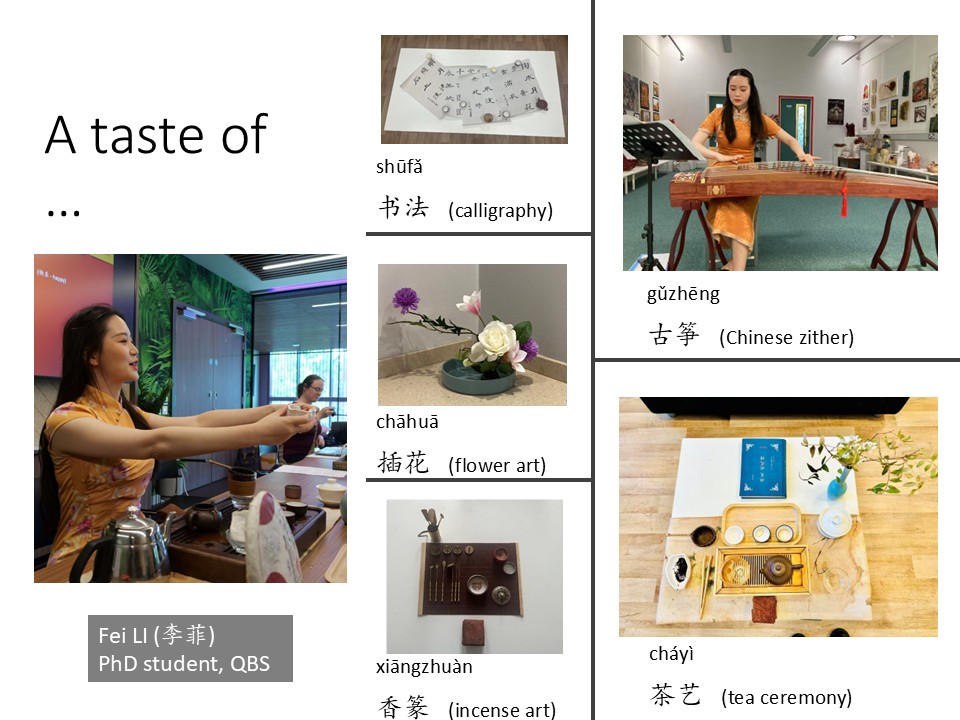
The event opened with a captivating guzheng performance of Moon Rising High by PhD candidate Li Fei, setting a graceful tone for the afternoon’s celebration of community and civic engagement.
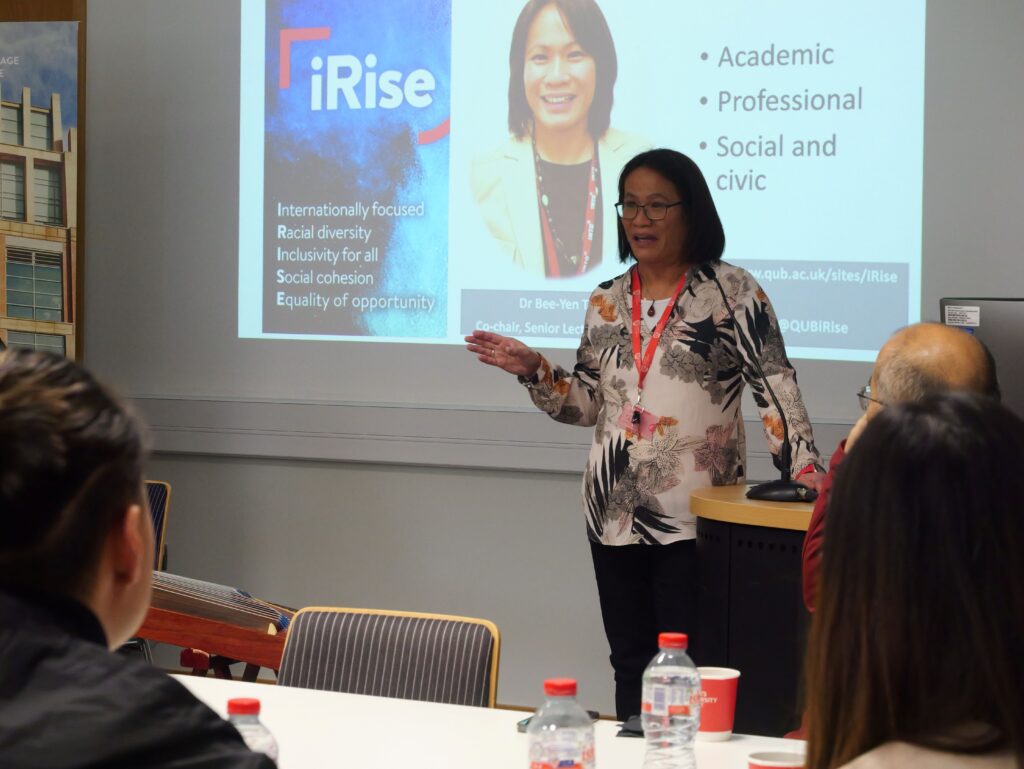
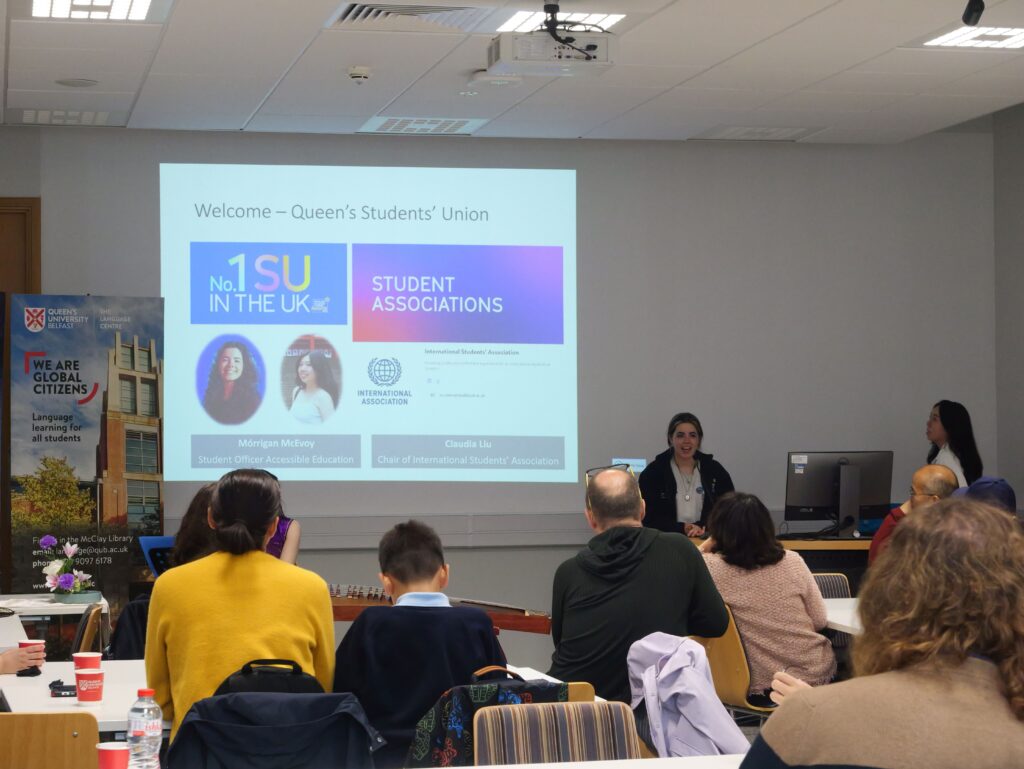
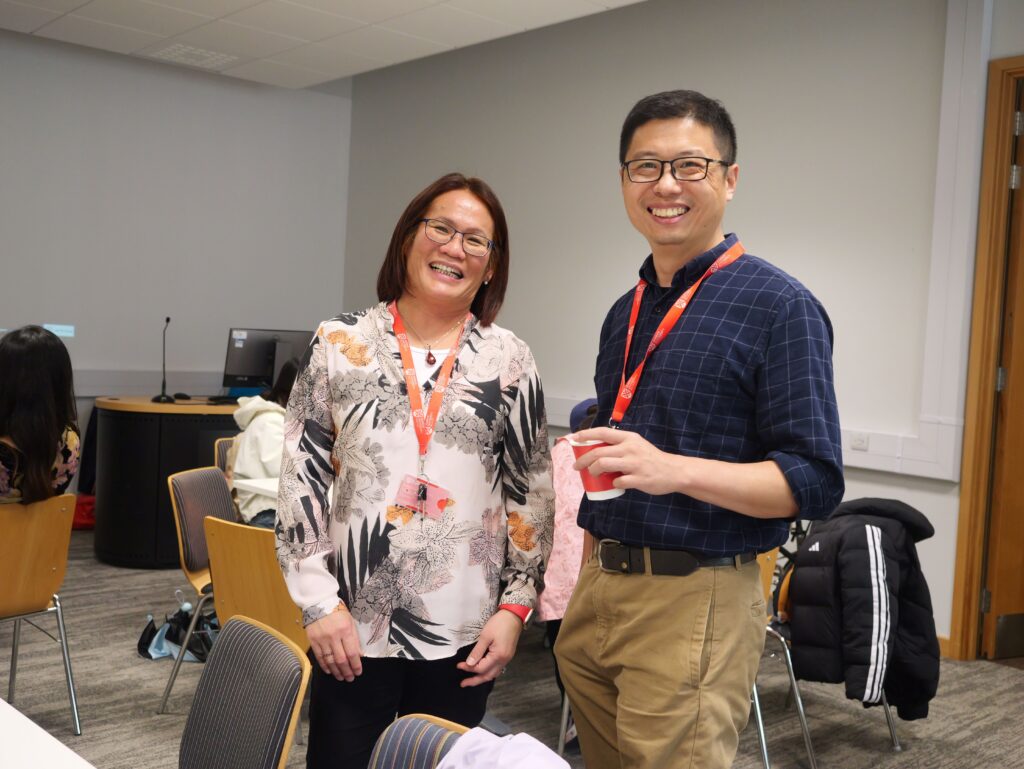
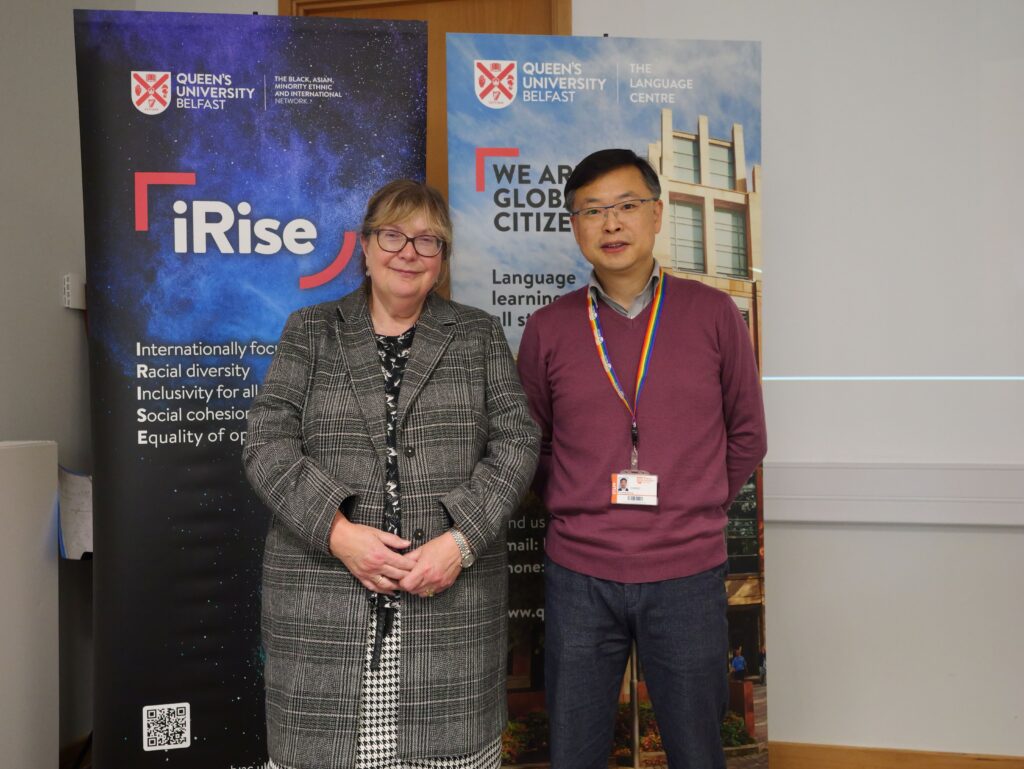
Jointly organised by The Language Centre and iRise (BAME&I) Staff Network, the event featured welcoming remarks from Thomas (Language Centre Manager) and Bee-Yen (Senior Lecturer, School of Electronics, Electrical Engineering and Computer Science; Co-Chair of iRise), who both reflected on the cultural importance of celebrating diversity at Queen’s. Mórrigan (Student Officer for Accessible Education) and Claudia (Chair of the International Students’ Association) also spoke, introducing the roles of the Queen’s Students’ Union in supporting a student body representing over 80 countries and regions.
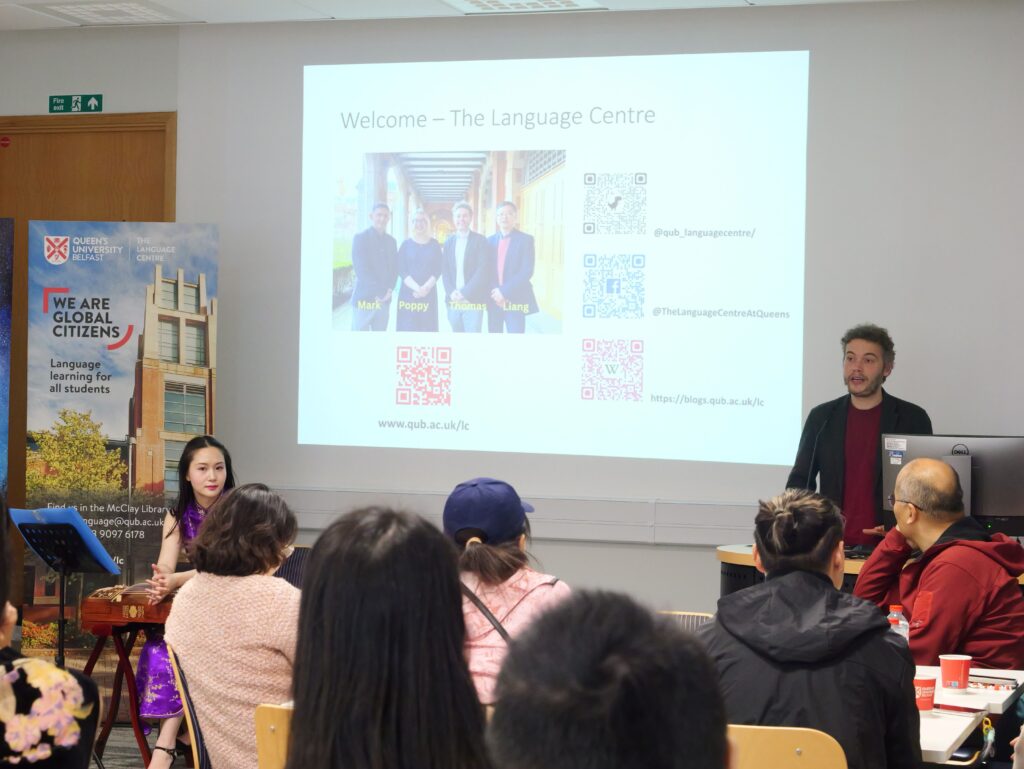
Dr Liang Wang shared greetings from both local and international participants, including a surprise message from Queen’s University, Canada, and highlighted a series of successful student- and staff-led projects in line with the Cultural Diversity Scheme at Queen’s in recent years. He also invited attendees to take part in the new round of upcoming activities. Special thanks were given to student volunteer Shiuh Ting Gho, who delighted participants with beautifully written calligraphy pieces of traditional festival greetings.
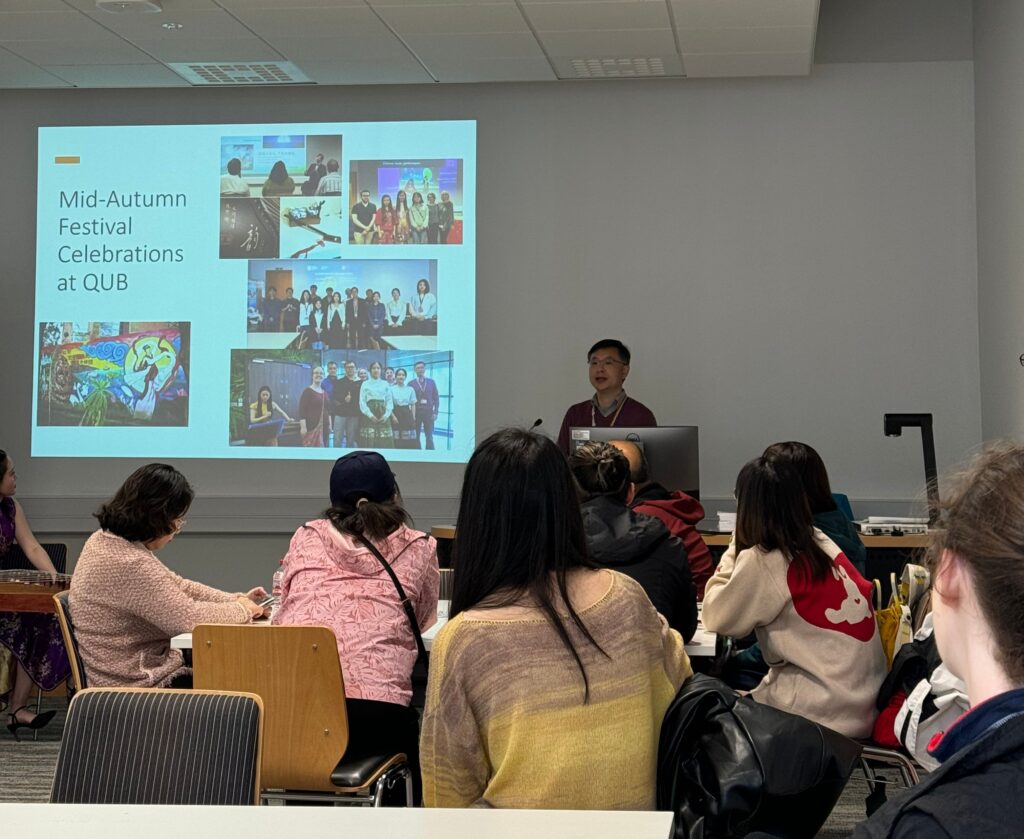
Mid-Autumn Festival celebrations at Queen’s 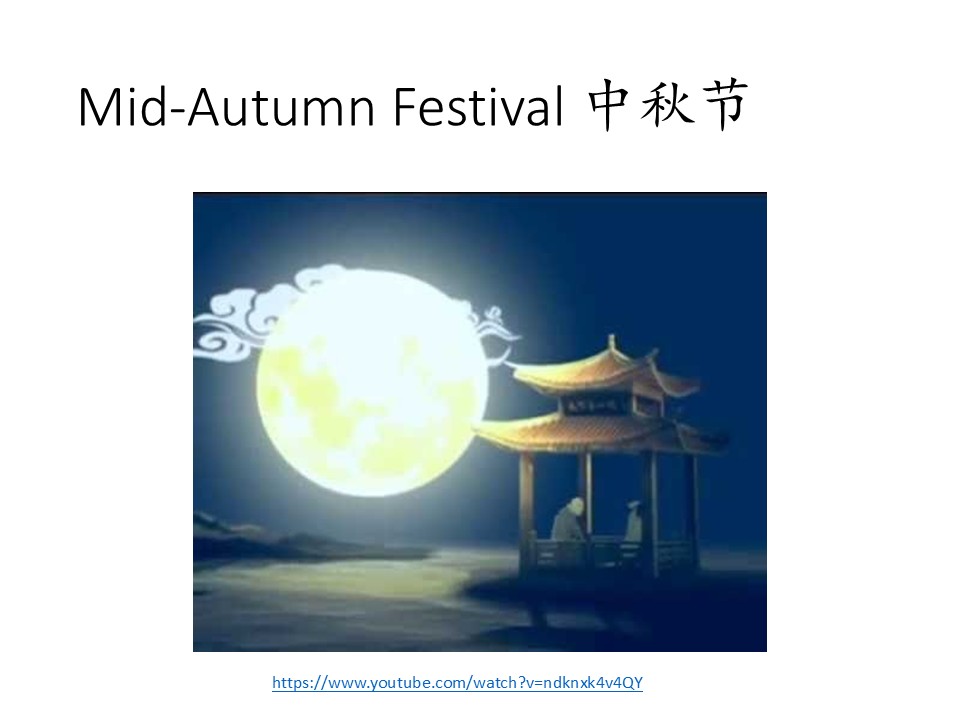
Introduction to Mid-Autumn Festival 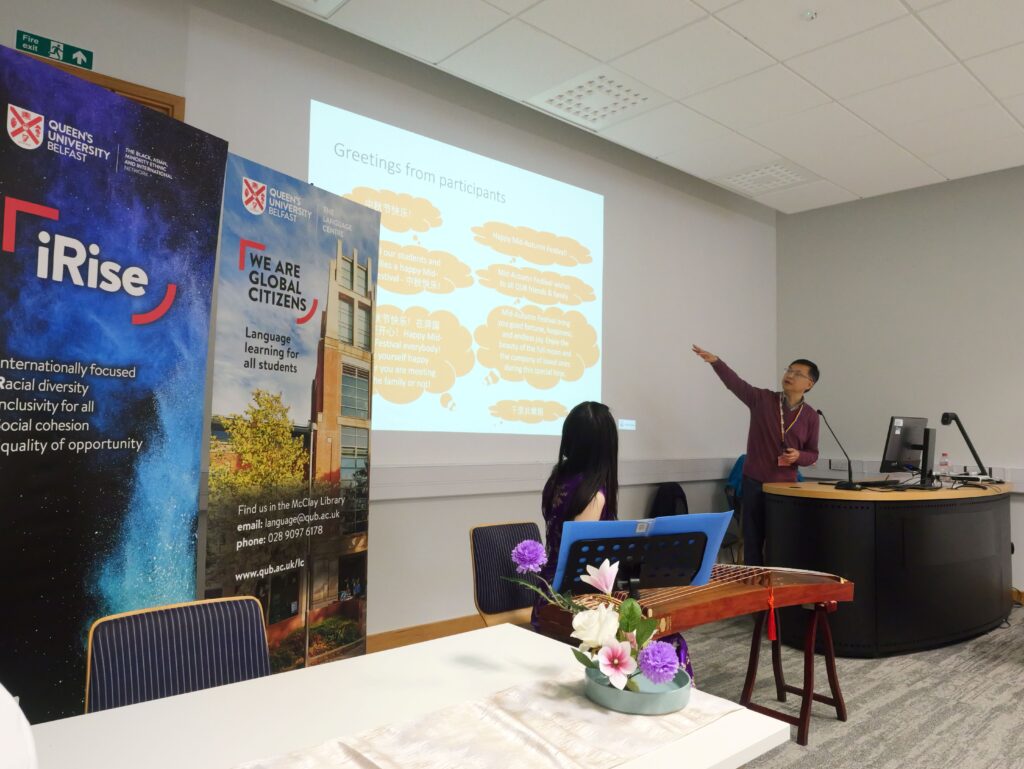
Greetings from the participants 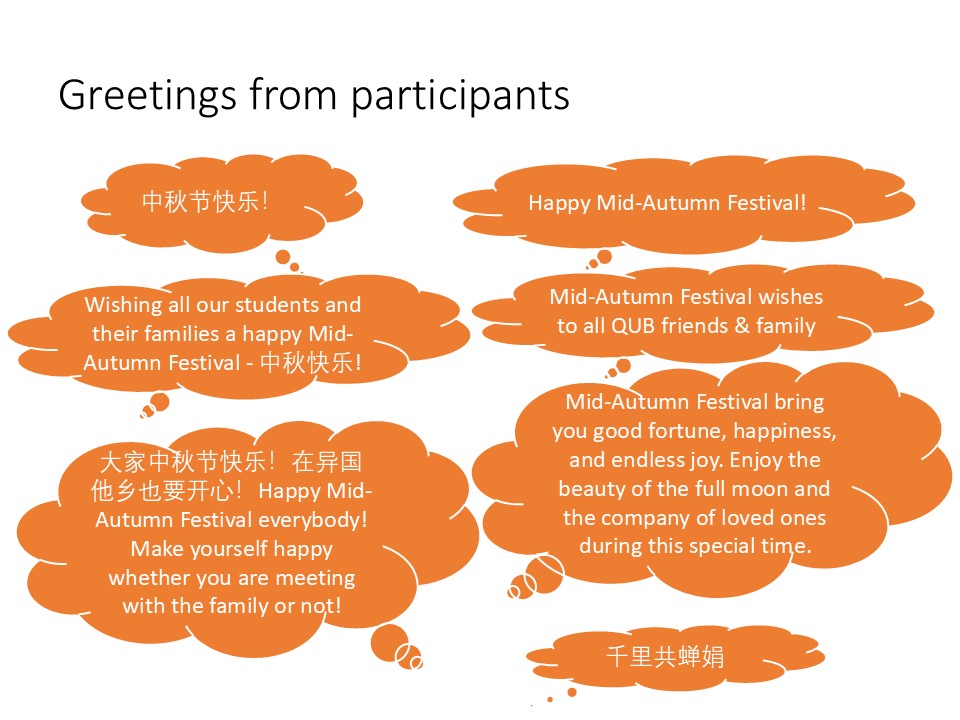
Greetings from the participants 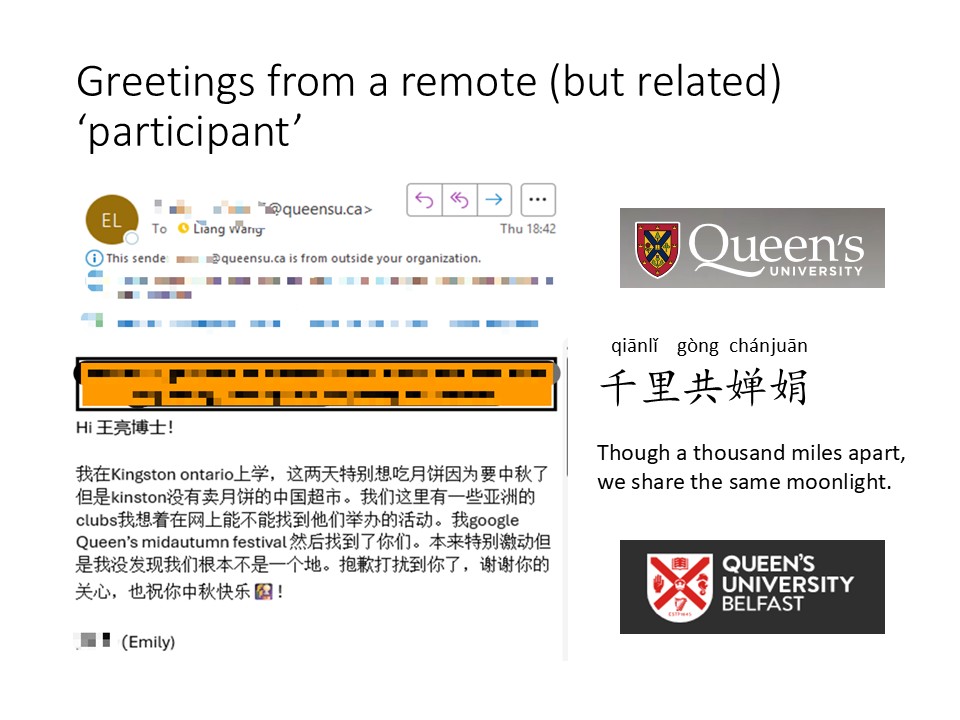
Greeting from a special guest from Queen’s University in Canada 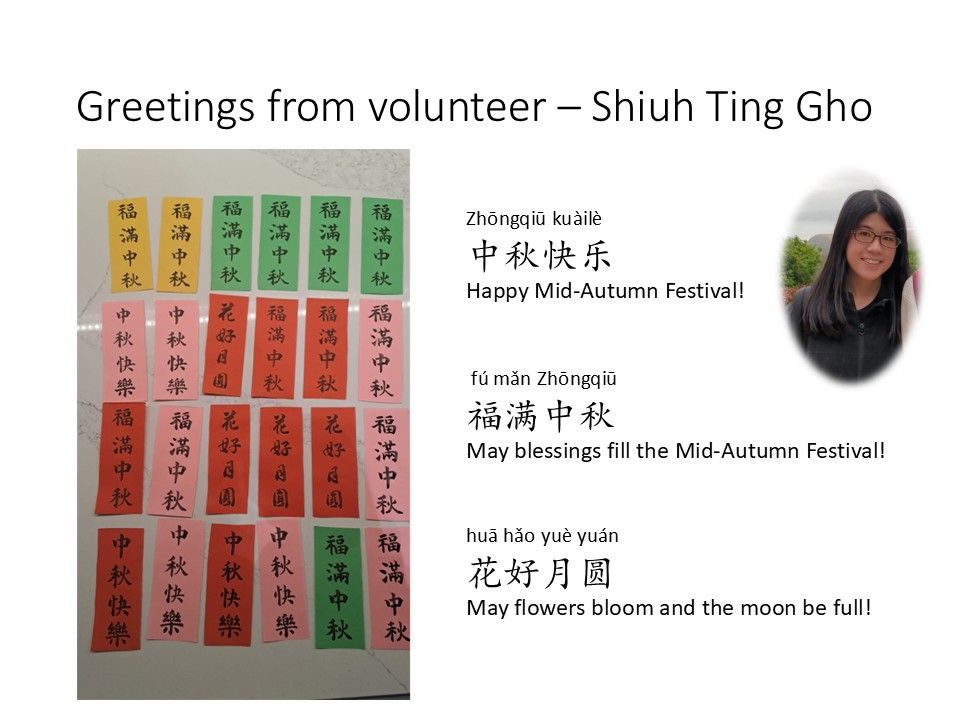
Calligraphy display from Shiuh Ting Gho 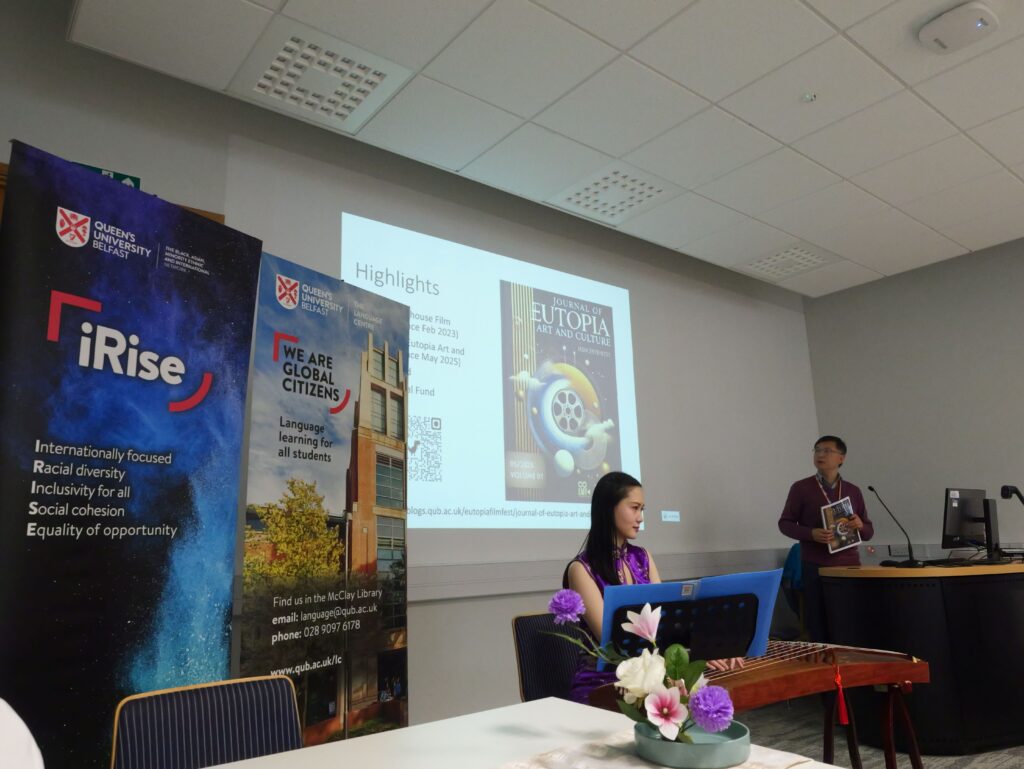
Highlight 1 – Journal of Eutopia Art and Culture 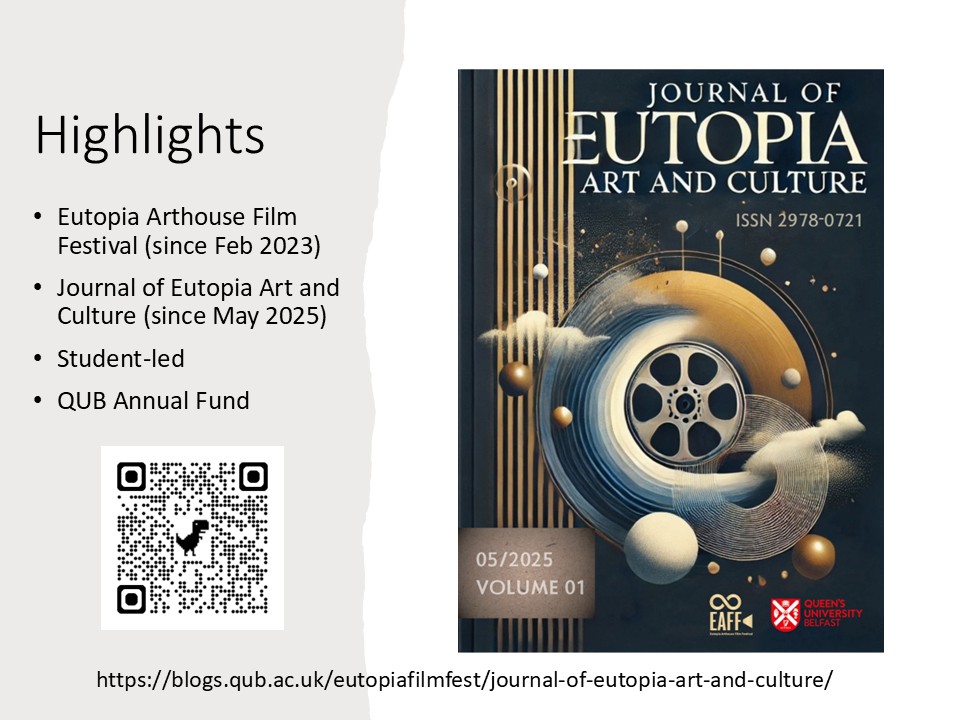
Highlight 1 – Journal of Eutopia Art and Culture 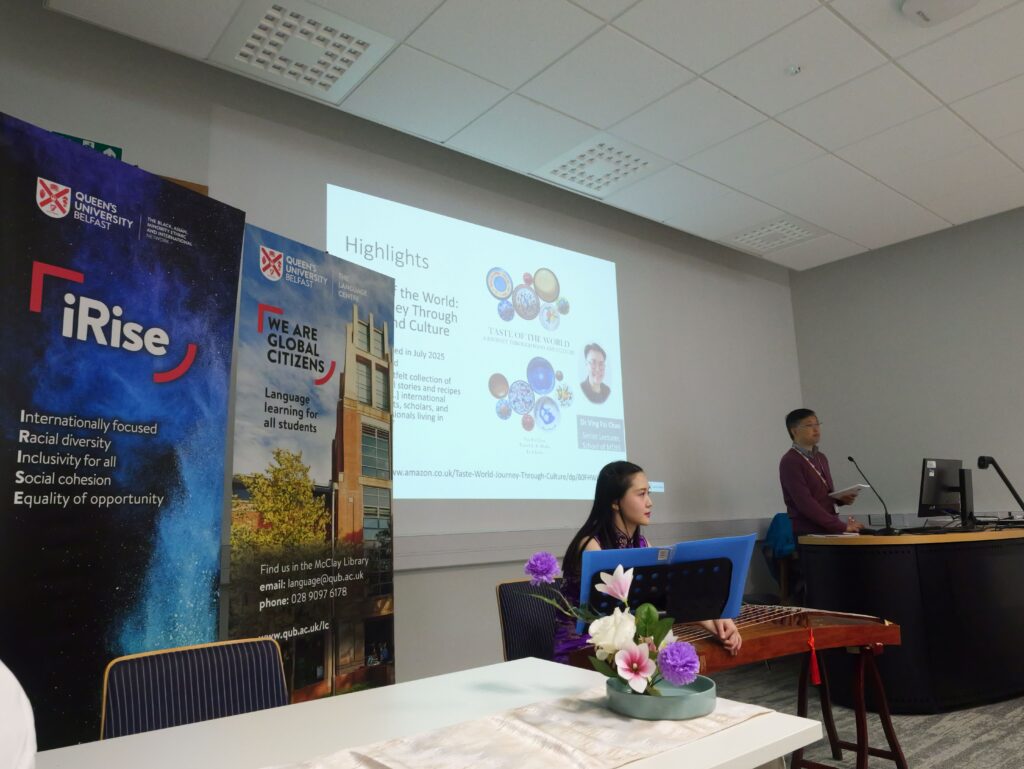
Highlight 2 – Taste of the World: A Journey Through Food and Culture 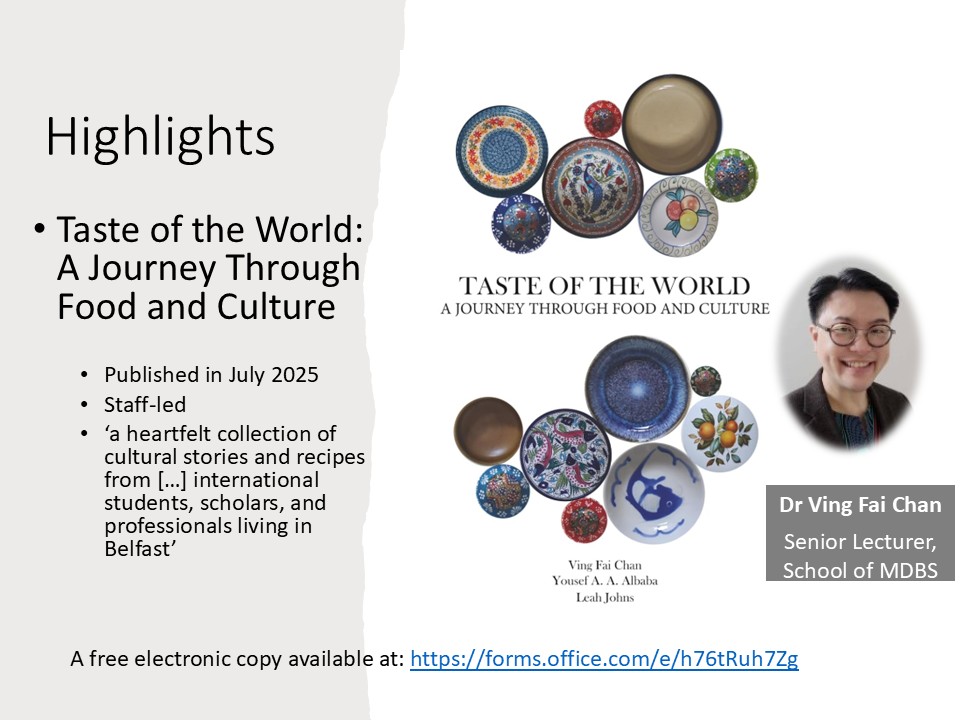
Highlight 2 – Taste of the World: A Journey Through Food and Culture 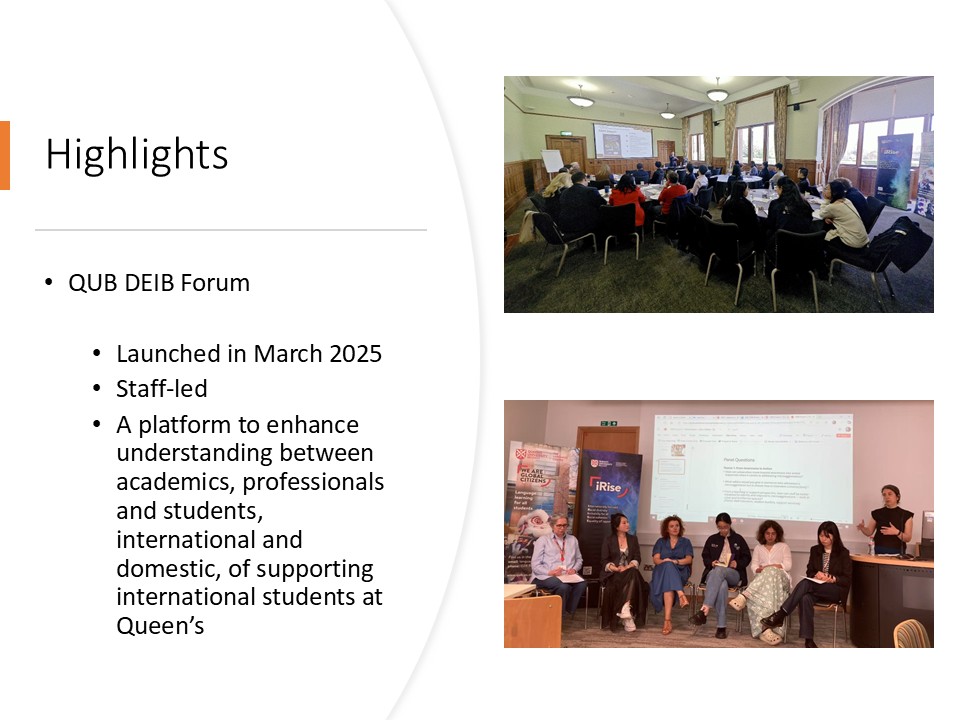
Highlight 3 – QUB DEIB Forum 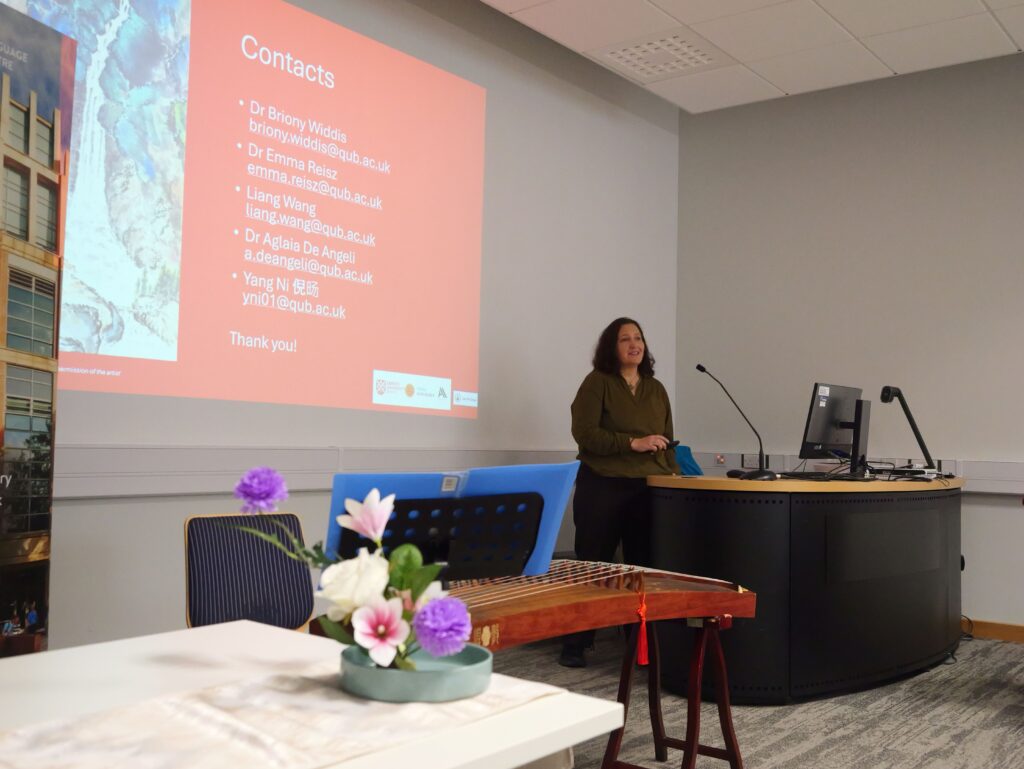
Highlight 4 – Bridges to China Project
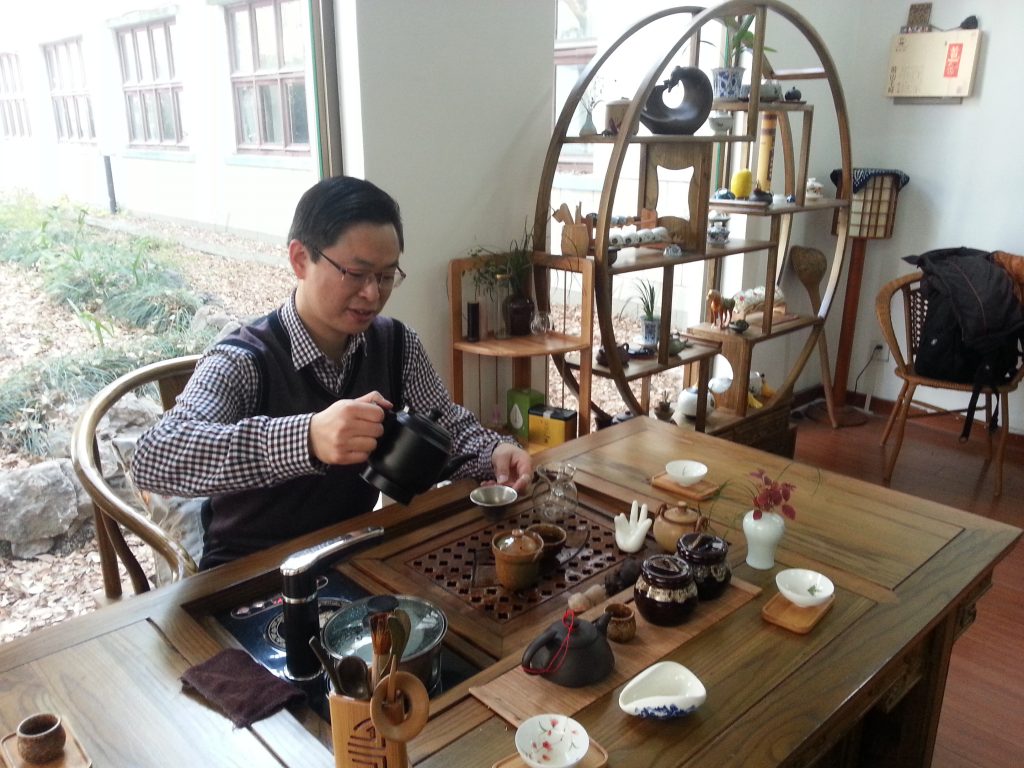
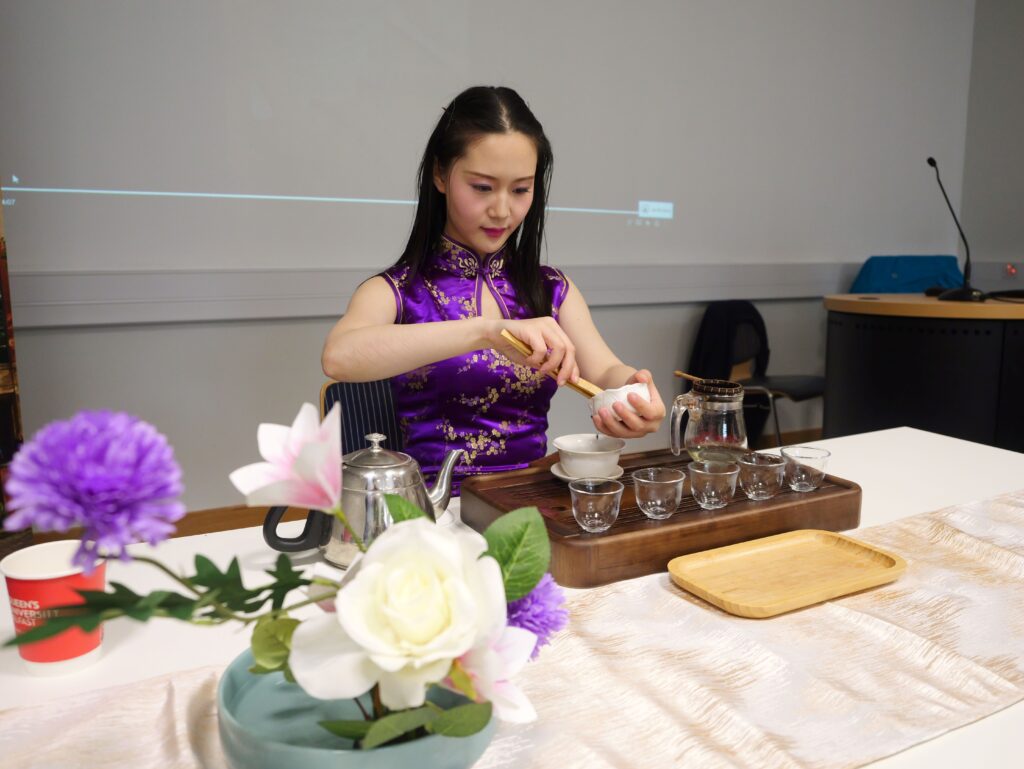
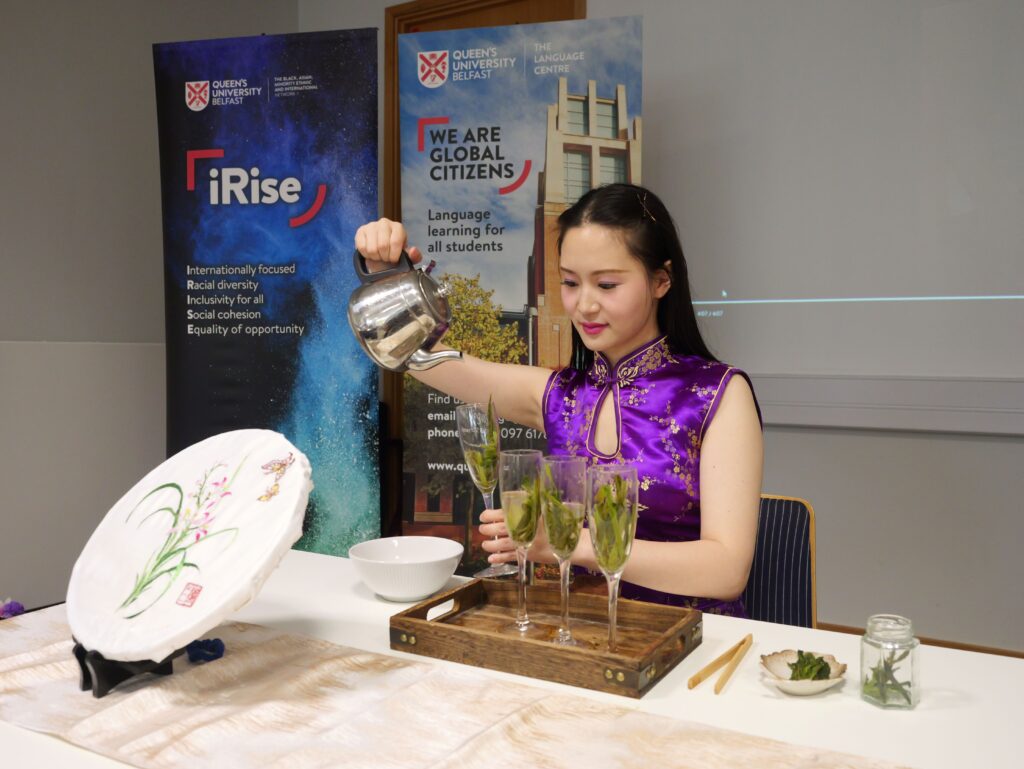
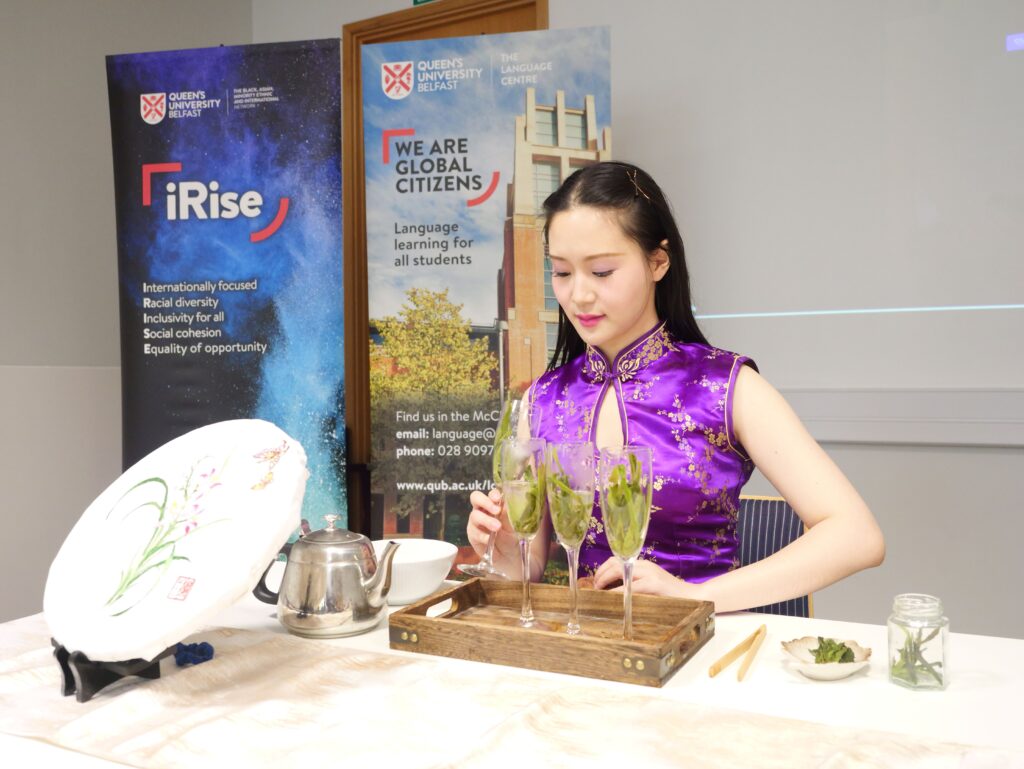
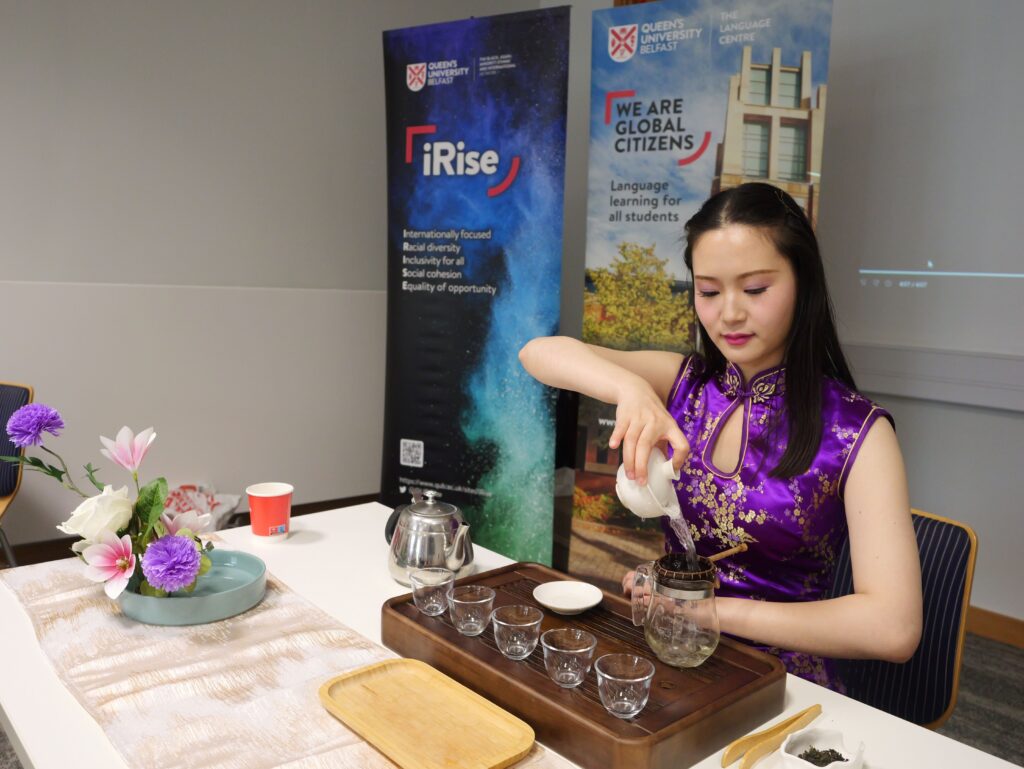
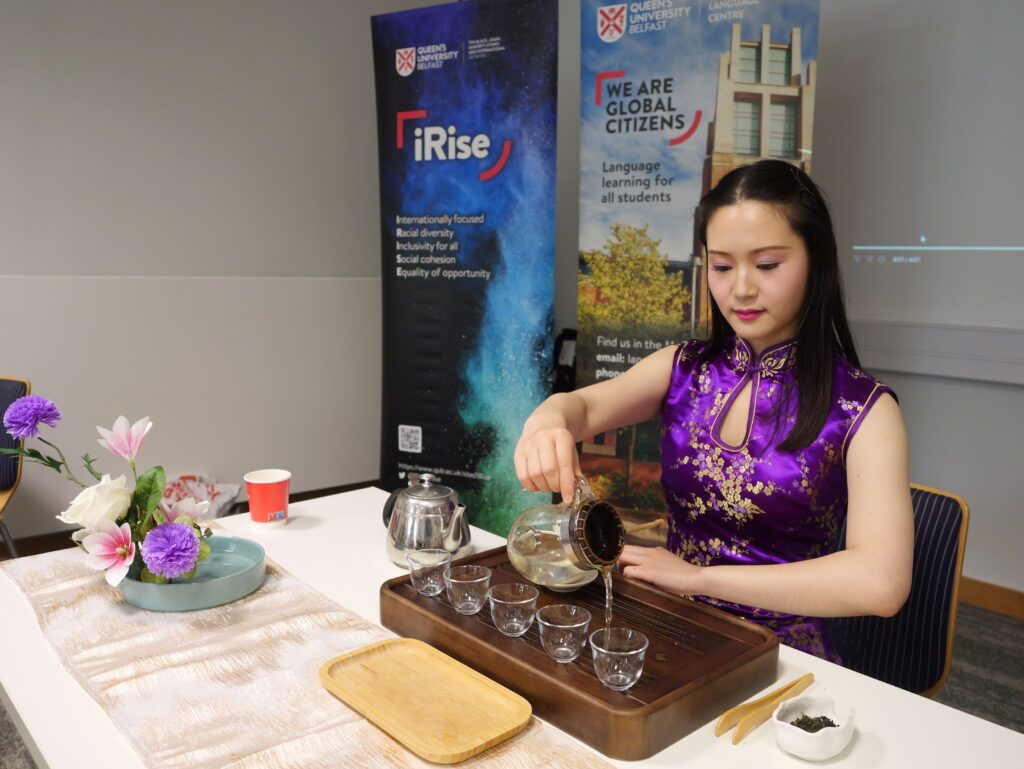
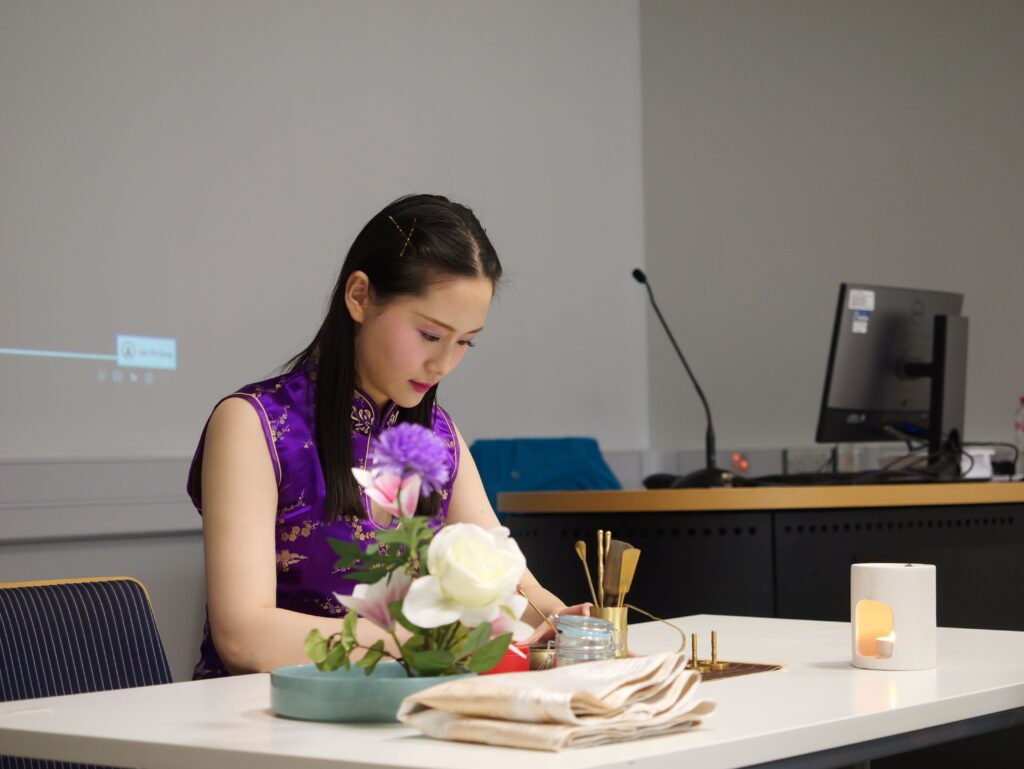
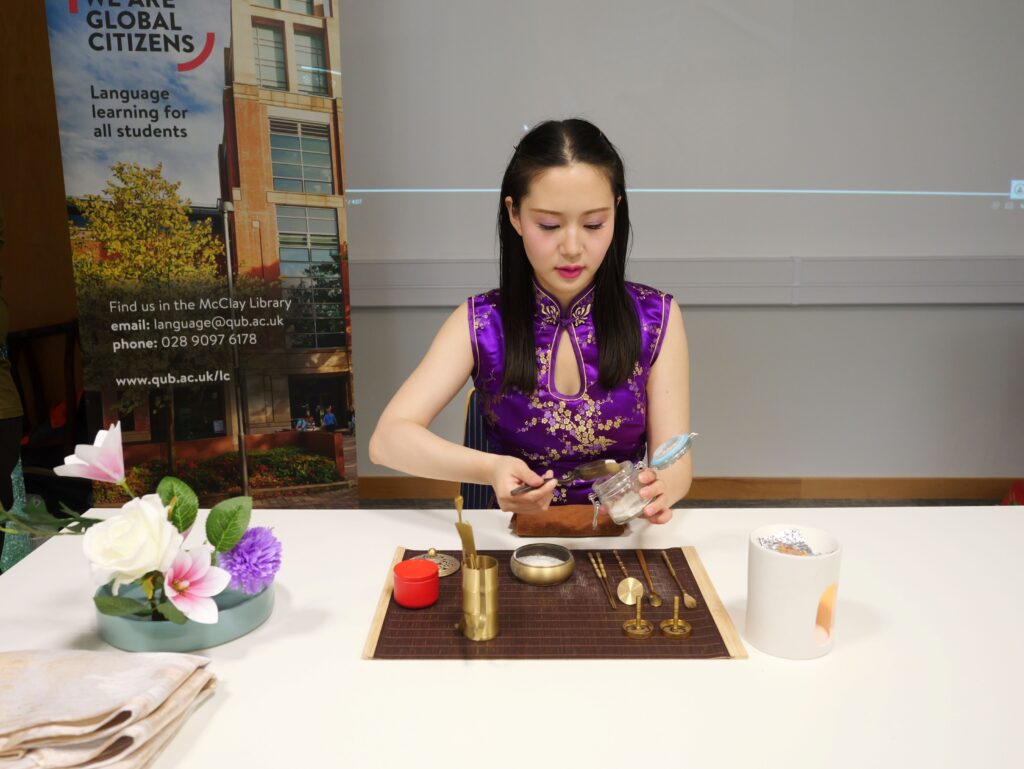
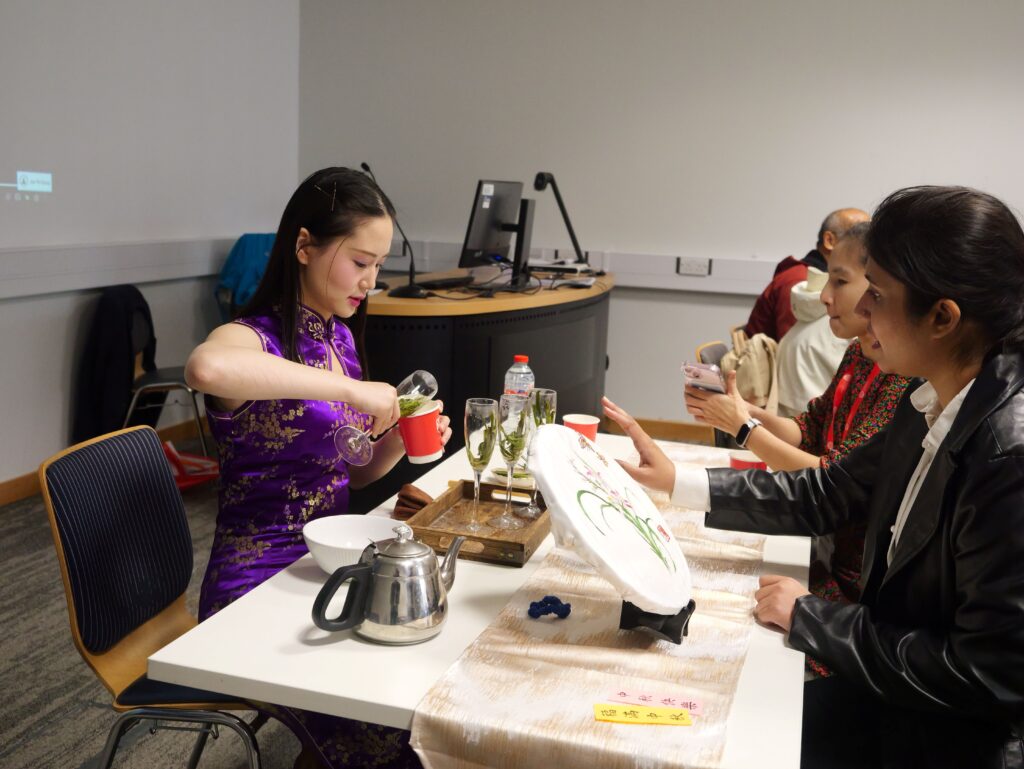
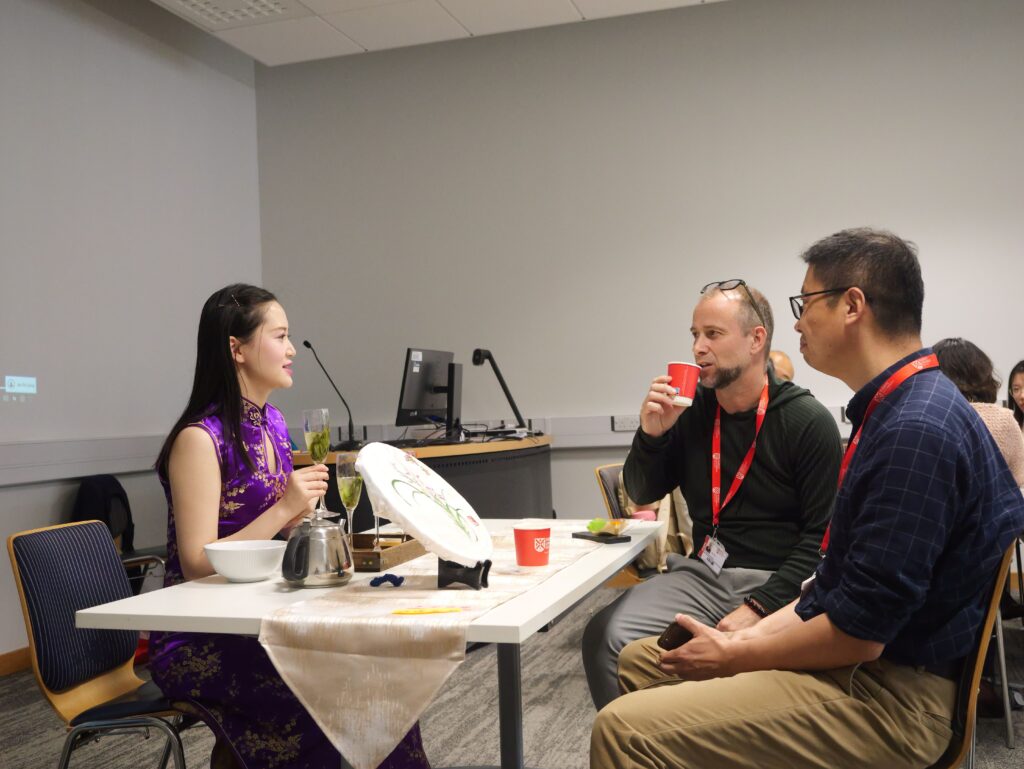
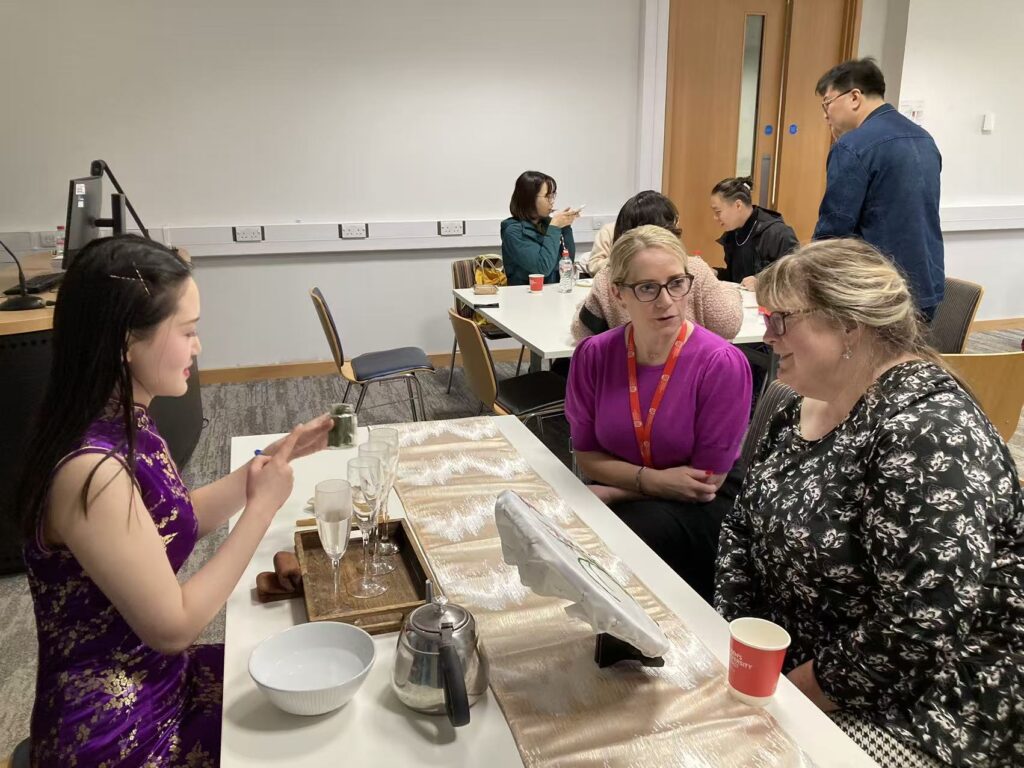
In the cultural display segment, Li Fei further demonstrated her artistry through a traditional tea and incense ceremony, showcasing the elegance and mindfulness of Chinese cultural practices. Attendees showed great enthusiasm, enjoying both the demonstration and a taste of freshly brewed Chinese tea.
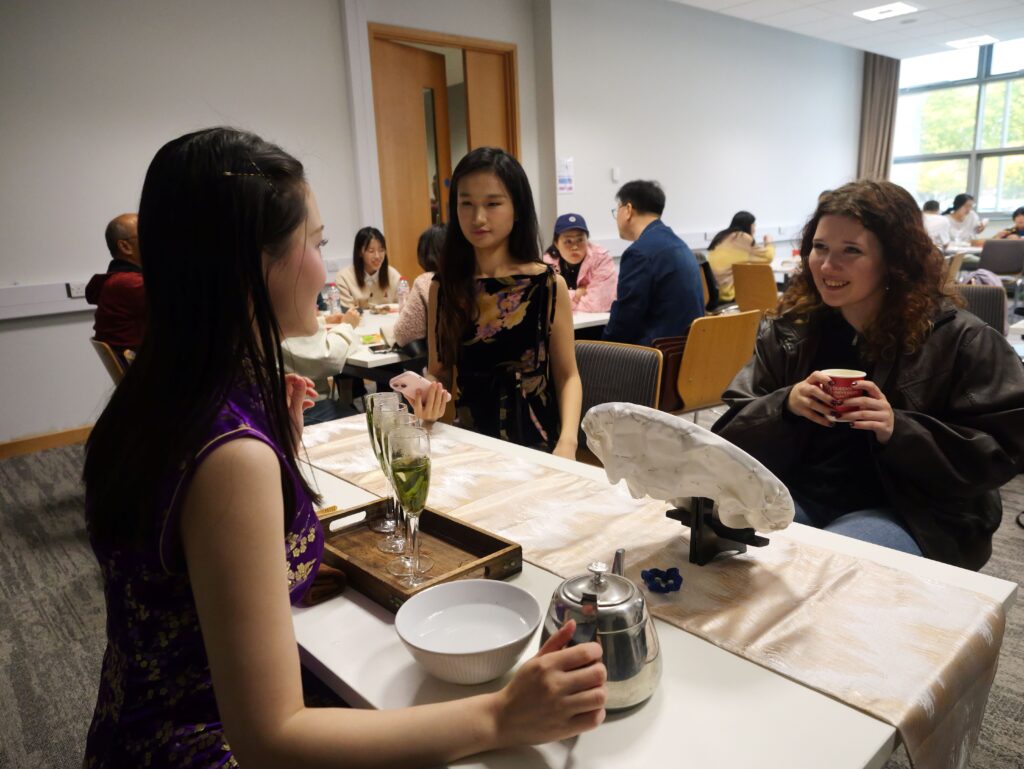
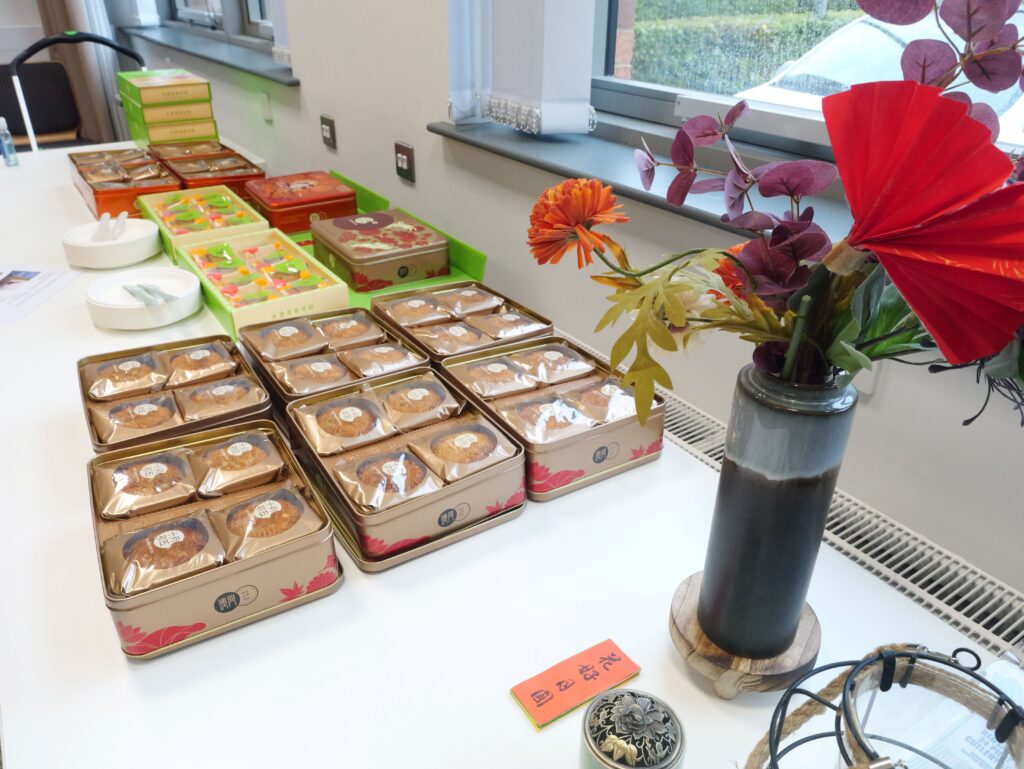
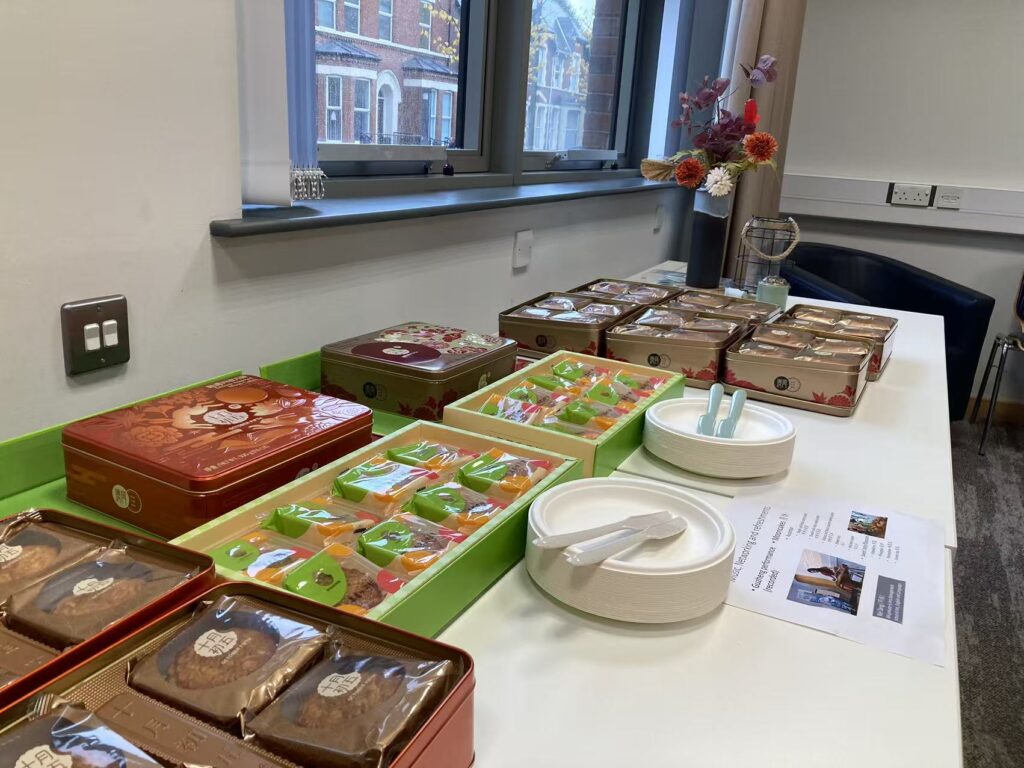
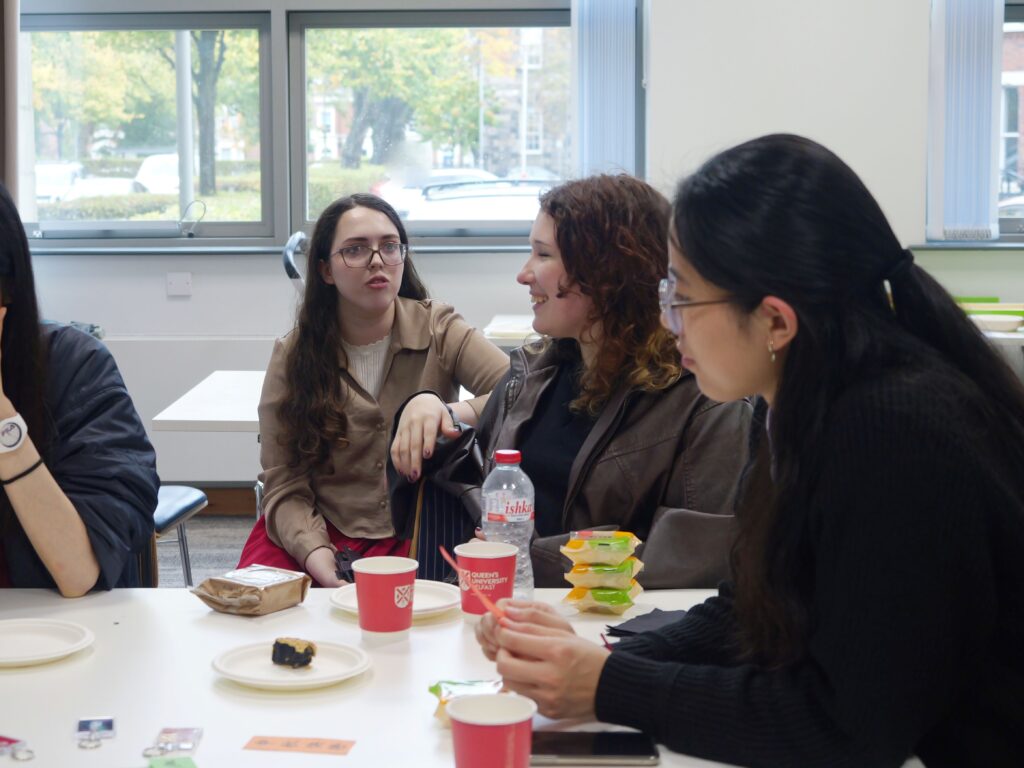
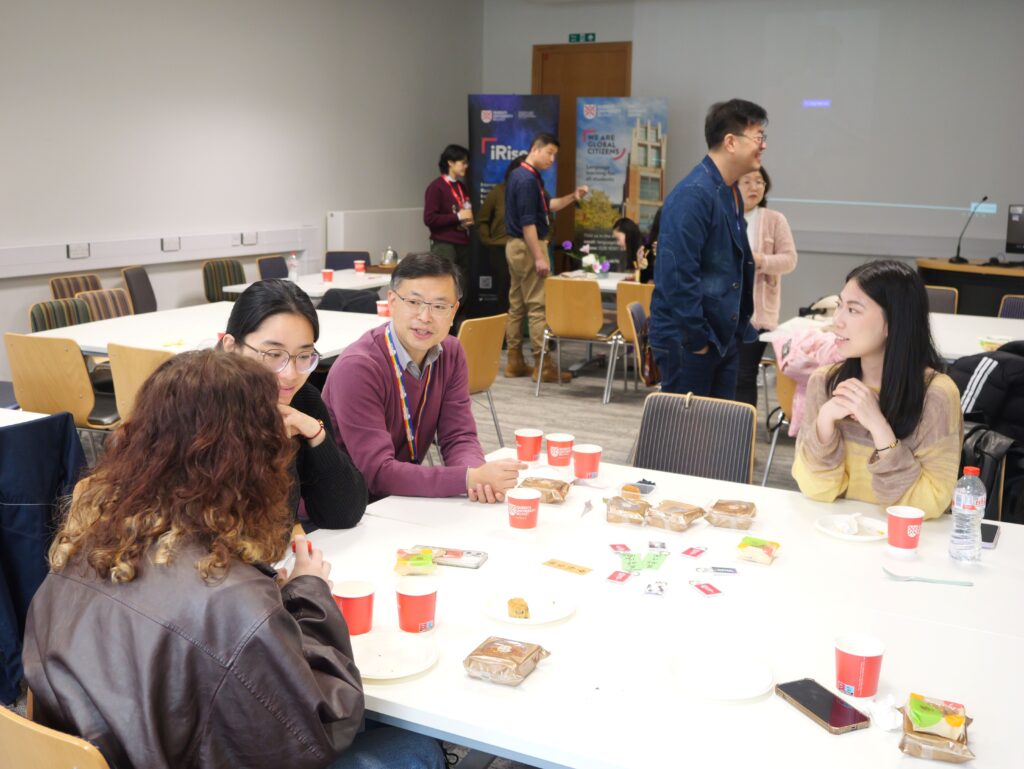
The afternoon concluded with networking, mooncake tasting, and refreshments, leaving everyone with warm smiles and shared appreciation for Queen’s commitment to cultural diversity and inclusion.
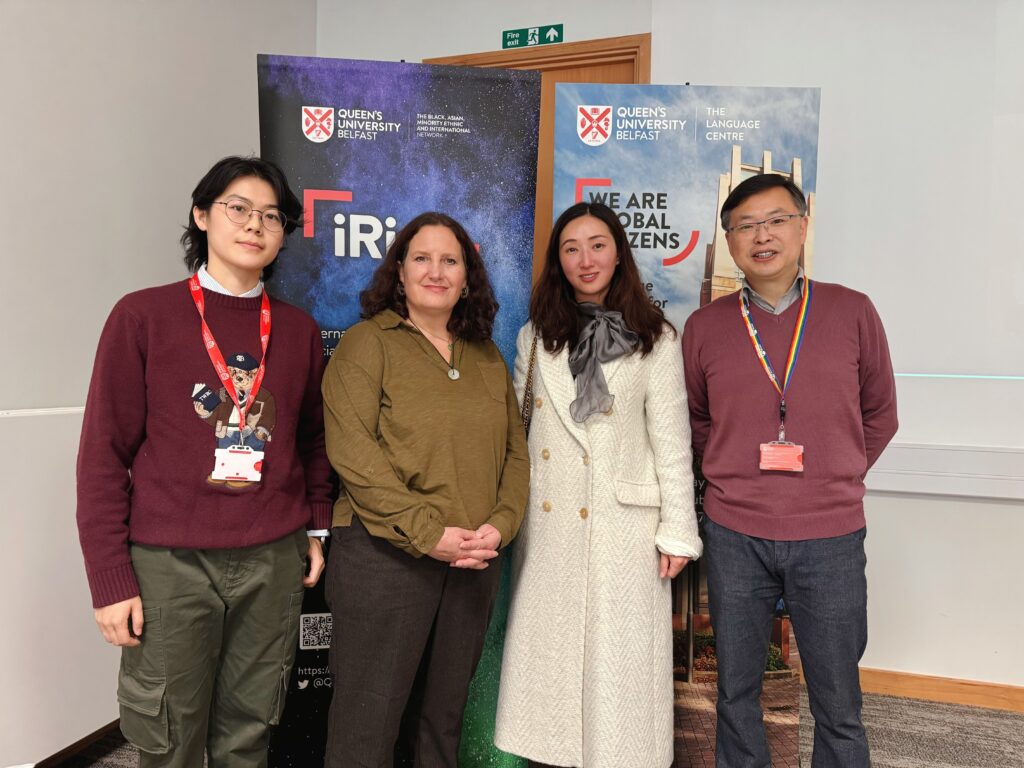
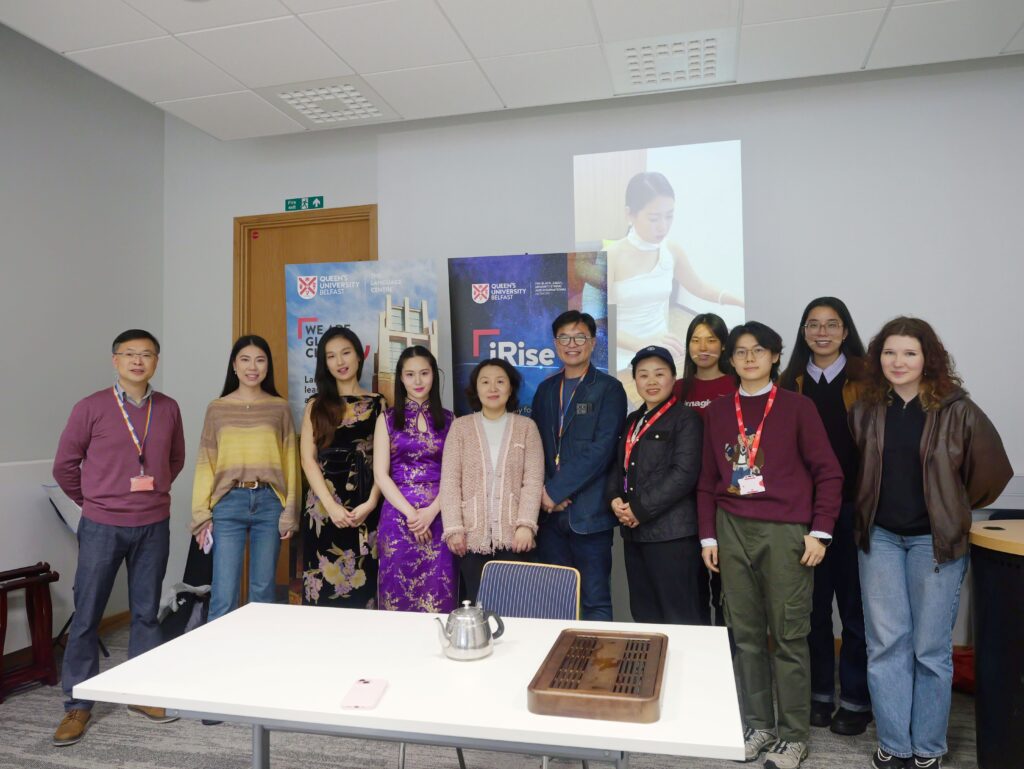
Photographer: Tianpeng Yao, Liang Wang