While many of you may be familiar with this pun-loaded greeting from the Star Wars, Chinese people, especially the youth, have their own special celebration on the day.
May (the) Fourthn. (also 4 May, etc.) Chinese History (attributive) designating or relating to a demonstration held by students in Peking (Beijing) on 4 May 1919 to protest against the Chinese government’s failure to oppose the decision by the Versailles Peace Committee to allocate Germany’s former possessions in China to Japan; (also) designating the wider cultural and intellectual revolution in China for which this demonstration is generally regarded as having been a catalyst; esp. in May (the) Fourth Movement.
Language of Spring, the theme song of 2021 UN Chinese Language Day
In keeping with the themes of inclusivity and cultural exchange, the song was written as a collaboration between Chinese music producer Kelvin Ho, British author Robert Murray and Belgian composer Jean-Francois Maljean who wrote ‘Chime of the Dawn Bells’. It has been performed in Chinese by British artists Phoebe Haines and Freddie Benedict.
To hear this beautiful tune, subscribe to our channel on YouTube (Chinese Language Video Festival)
Don’t miss out the video competition taking place on the day! You can watch it via the Youtube link above. You can also view the Chinese website with many more details and videos via CCTV.
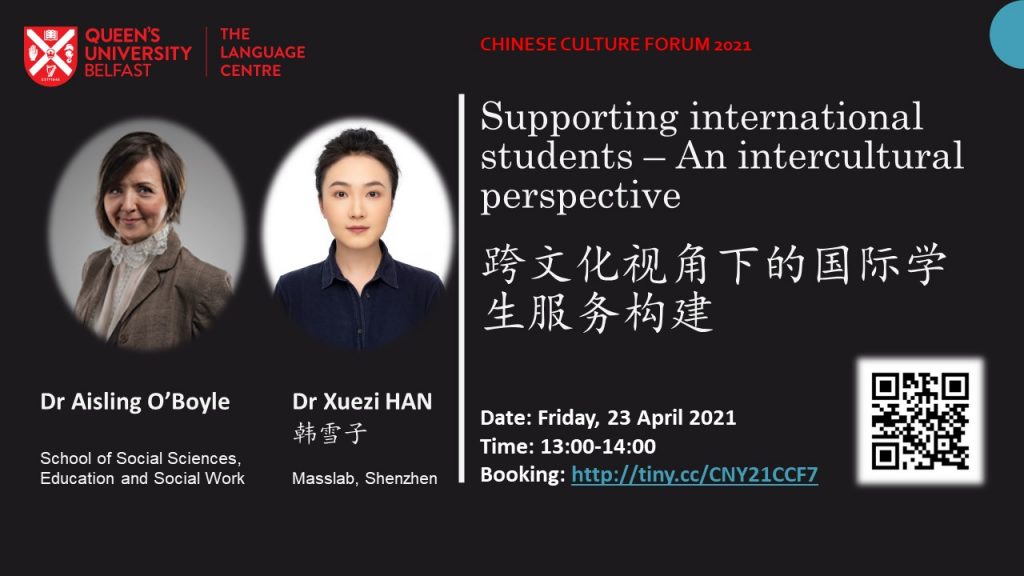
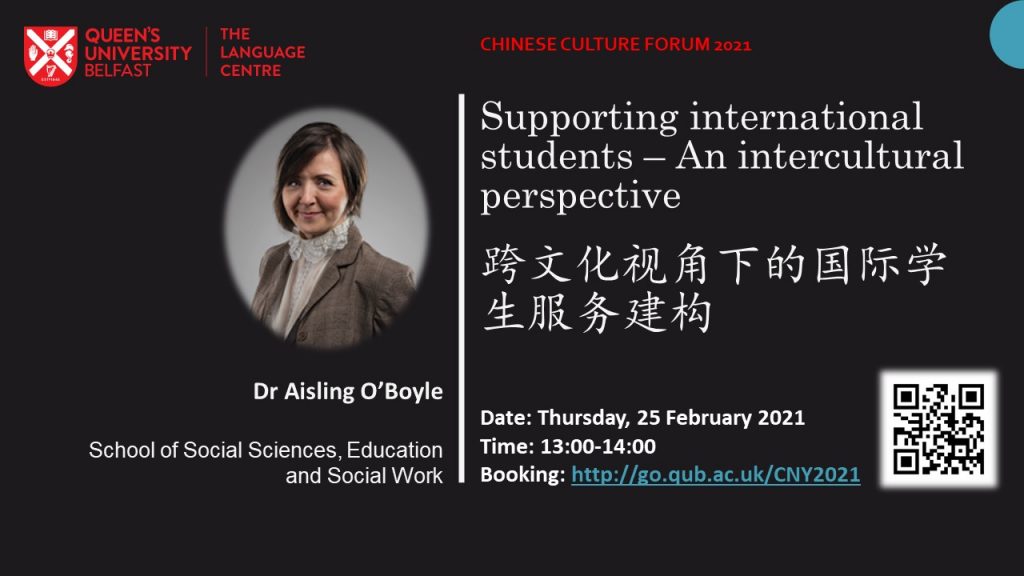
We would also like to invite you to join our culture talk on the topic of supporting international students, delivered by Dr Aisling O’Boyle and Dr Xuezi Han this Friday 23rd April 2021.
Happy World Table Tennis Day! 国际乒乓球日快乐 (Guójì Pīngpāngqiú Rì Kuàilè)!
Did you know that World Table Tennis Day is celebrated annually on 6th April since 2015, which also marks the International Day of Sport for Development and Peace?
Did you know that table tennis, or 乒乓球 (pīngpāngqiú) in Chinese, is considered the national game in China? And did you know that Chinese has become sort of a common language (unofficially) that many top players of the world are using it, especially at international games? Did you know why table tennis play shouted ‘cho’ at their match?
Actually ‘cho’ is not the Chinese spelling of the pronunciation, instead, it should be ‘ 球(qiú)‘ which means ball. In its more complete sense it should be ‘好球 (hǎo qiú)’ – lit. good ball (good point, well played) – in Chinese, a typical way of cheering for themselves when scoring. 好 (hǎo) tends to give a weak sound in the syllable and it is often omitted in competitions. So, shouting ‘球(qiú)’ or ‘cho’ has become a fashion and trend in many international table tennis matches where Chinese players compete.
Then, how to encourage players in a competition, especially when they are in great difficulties, in Chinese? Here are some simple phrases for you to grasp:
加油 (jiāyóu) – lit. add oil; come on, go for it
别放弃 (bié fàngqì) – Don’t give up!
你能行 (nǐ néng xíng) – You can do it!
坚持就是胜利 (jiānchí jiù shì shènglì) – Perseverance leads to victory!
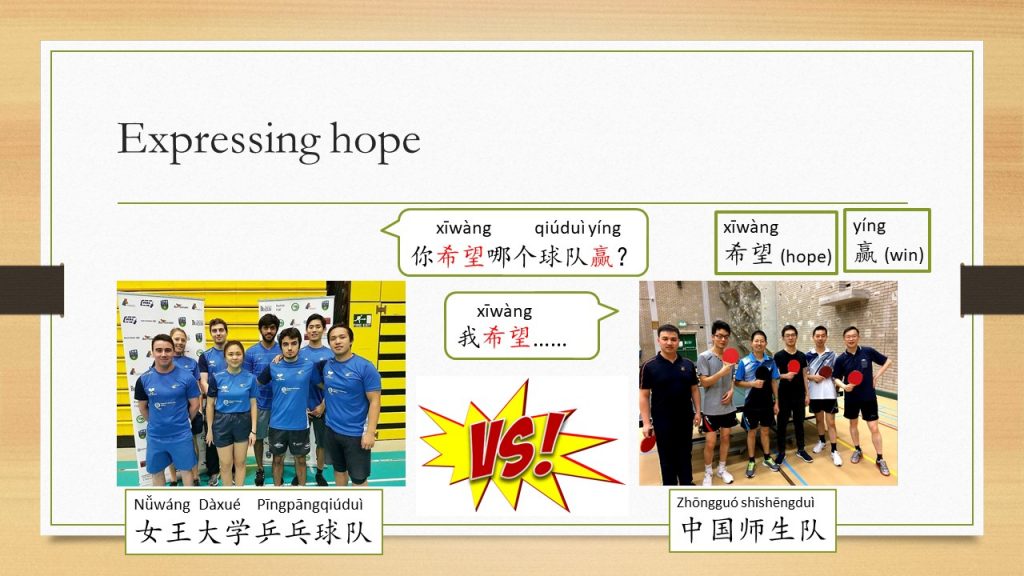
Did you also know that at Queen’s we have a QUB Table Tennis Team (multinational) and there used to be a Chinese team of students and staff members? If they played against each other, which team do you hope to win? Learn how to express hope in Chinese now:
Copyright@LiangWang
女王大学乒乓球队 (Nǚwáng Dàxué Pīngpāngqiúduì) – Queen’s University Table Tennis Team
中国师生队 (Zhōngguó shīshēngduì) – Chinese Student-Staff Team
– 你希望哪个球队赢 (nǐ xīwàng nǎ ge qiúduì yíng)?Which team do you hope to win?
– 我希望…… (wǒ xīwàng…) I hope …
So, which team do you hope to win? Give your answer by using the structure and phrases above and get some practice.
Of course, in many games, we just want to play for fun and to develop friendship. So in this context, we would say ‘friendship first, competition second’ – 友谊第一,比赛第二 (yǒuyì dì yī, bǐsài dì èr).
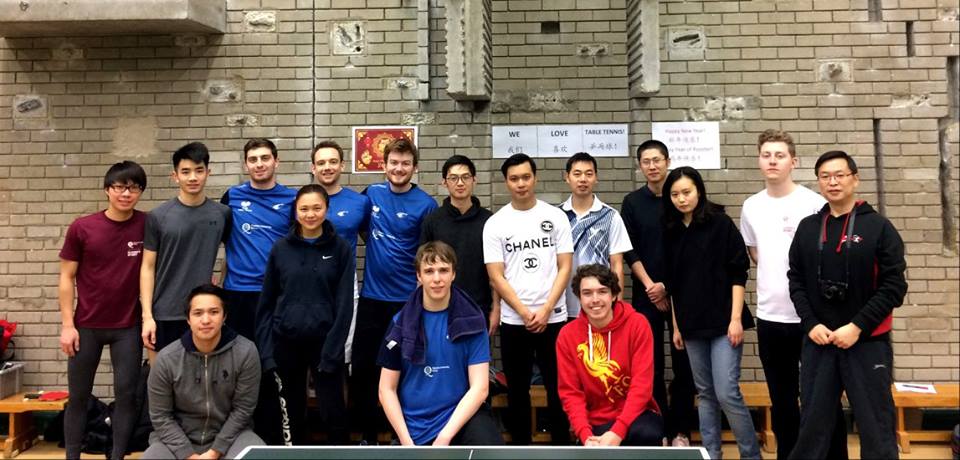
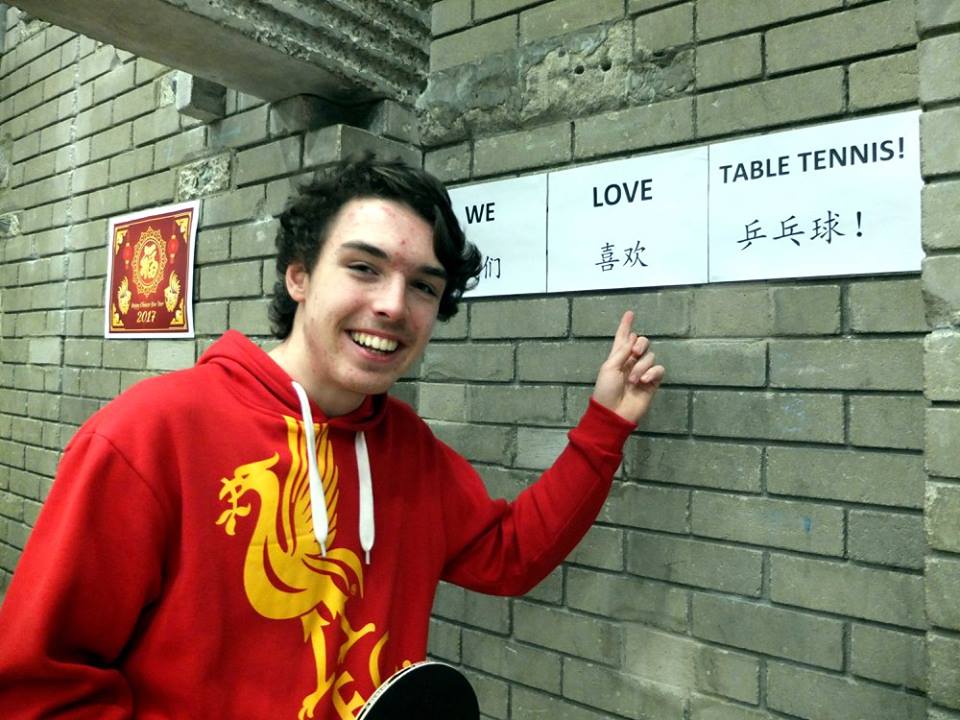
CNY celebration 2017 at Queen’s – Table Tennis Taster Event at PEC
Finally, we hope that you will like table tennis game and join us for fun at some time.
CNY celebration 2017 at Queen’s – Table Tennis Taster Event at PEC
Reminder: Registration will close promptly at 17:00 on Thursday 15 April. Classes are expected to be extremely popular and usually fill up quickly, so early registration is strongly recommended.
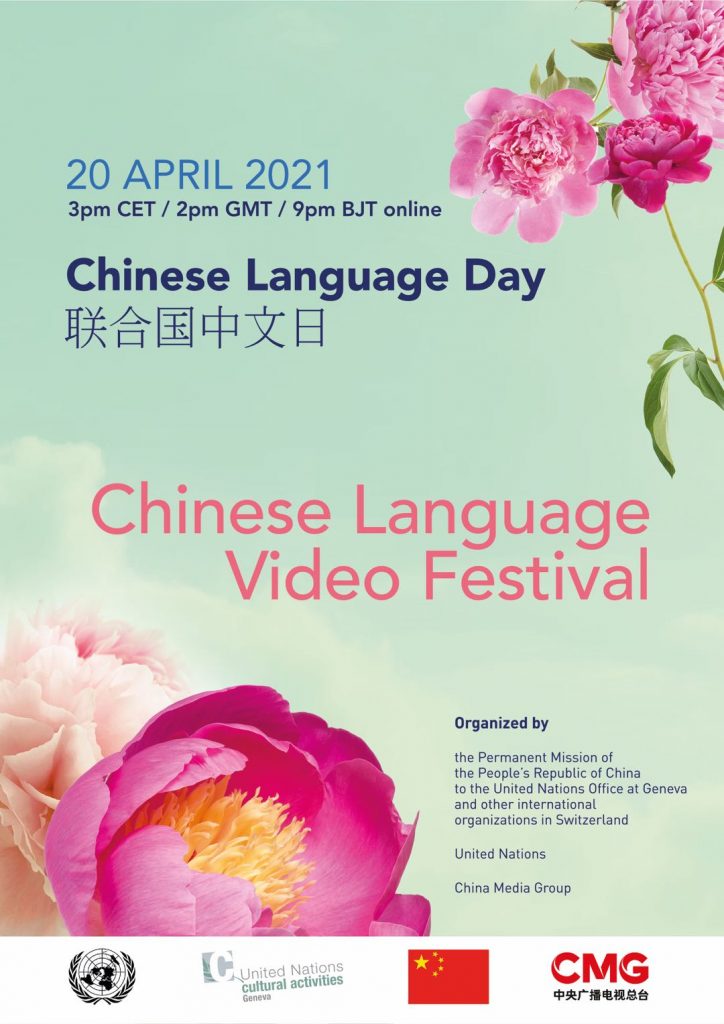
Action Plan for 2021 United Nations Chinese Language Day & First CMG Chinese-language Video Festival Abroad
The first ever Chinese Language Video Festival has been launched to celebrate this year’s United Nations Chinese Language Day.
The festival gives foreigners from across the world the opportunity to enter a competition by submitting a video that celebrates Chinese culture.
Entrants are invited to submit original videos that showcase Chinese calligraphy, Chinese poetry, as well as Chinese culinary culture by recalling their own stories or narrating memories related to spring time.
The video works can include but not limited to the following themes and topics showcasing:
Chinese characters in the Chinese language,
Chinese culinary culture,
Chinese calligraphy,
and the beauty of Chinese poetry.
In addition to the aforementioned topics, candidates can also choose to record their videos by telling their own stories or narrating pieces of memory related to springtime. The format can be flexible, candidates can make their videos through talent show, storytelling, scientific knowledge explanation or Chinese language challenge games etc, as long as the video works are original.
Timetable
18 March-15 April Registration form and video submission
16 April-19 April Final review of works & program packaging
20 April Award Ceremony & broadcasting and streaming of prize-winning video works
Eligibility
The competition is open to all foreigners who love the Chinese culture and language and who have been learning the Chinese language.
Thinking of taking a Chinese language course @ Queen’s?
Registration is open until promptly at 17:00 on Thursday 15 April. Classes are expected to be extremely popular and usually fill up quickly, so early registration is strongly recommended.
All classes will commence week beginning Monday 19 April 2021. All language courses will comprise of online practice activities, pre-class videos and weekly, live online teaching, delivered by a tutor to groups of no more than 20 learners. Courses will last for 10 weeks, with 1 x 90 minute live online teaching session each week.
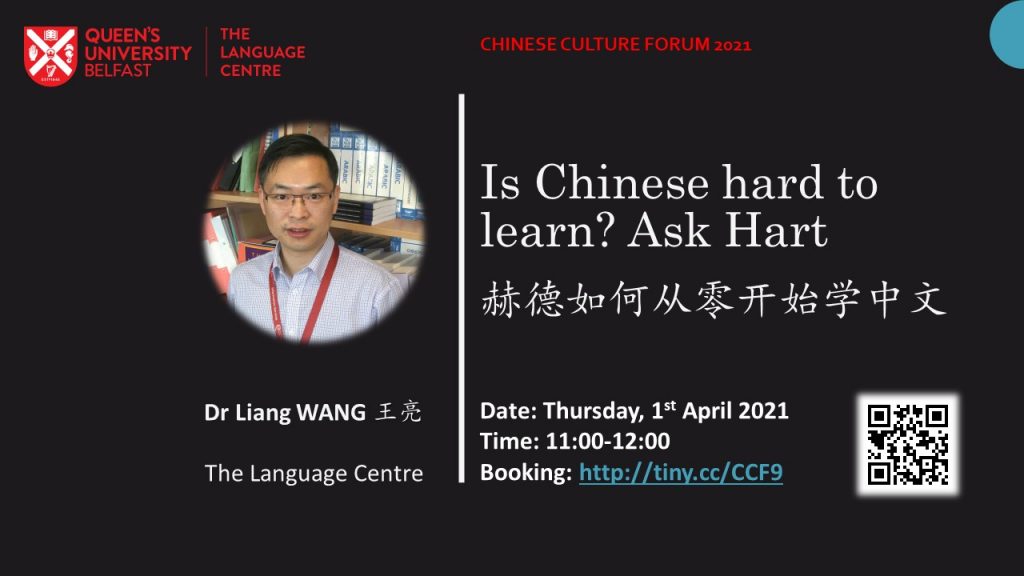
To explore Sir Robert Hart, the first generation of Queen’s graduate and Inspector General of the Chinese Imperial Maritime Customs of the Qing Dynasty, with respect to his trajectory of learning Chinese from his diaries at the Library Special Collections;
To promote Chinese for non-specialist courses to a wider community of students, staff members, as well as members of the public who would have interest in Chinese language and culture;
To introduce Chinese learning resources, approaches and platforms at Queen’s.
International Women’s Day is held on 8th March each year and is a global day which celebrates the social, economic, cultural and political achievements of women. It is a day to mark a call to action for accelerating gender parity. Worldwide, groups and organisations come together to celebrate women’s achievements or to rally for women’s equality.
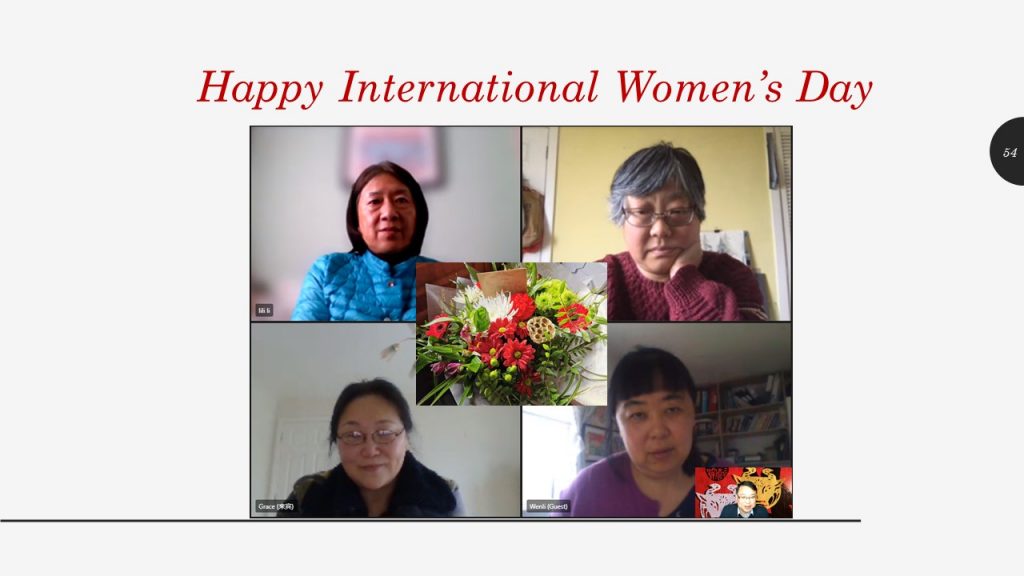
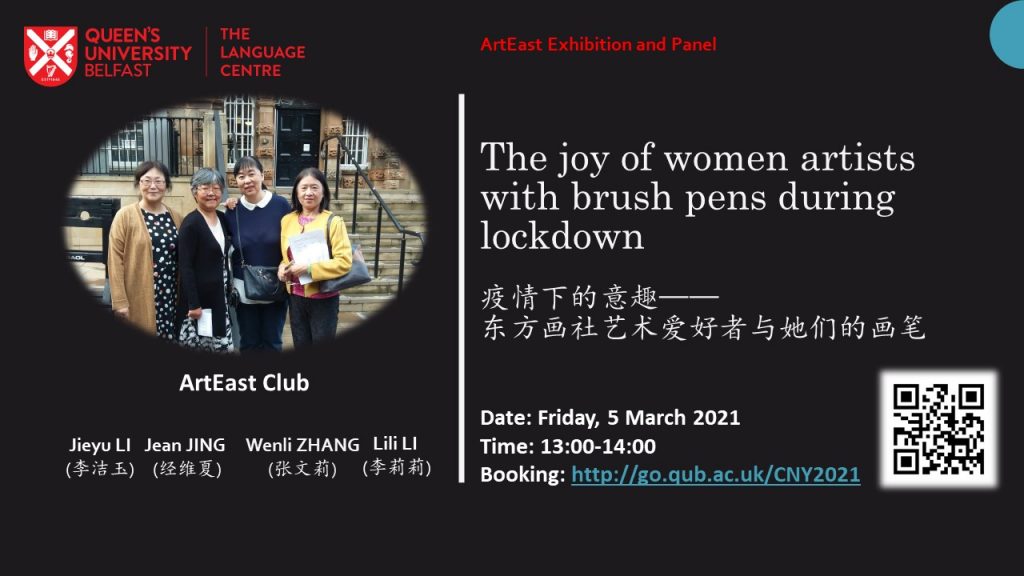
On Friday 5th March, we hosted the last event of CNY2021 celebration, Panel Discussion – The joy of women artists with brush pens during lockdown, which also marked the celebration of International Women’s Day. We were glad that a wide audience of Queen’s students, staff members and members of the public were positively engaged with the artists, sharing their excellent exhibition as well as their positive life attitude.
Top: Lili Li and Jean Jing; Bottom: Jieyu Li and Wenli Zhang
We would also like to express our heart-felt thanks to you who have been engaged, as both contributors and audience, with our CNY celebrations starting from the paper crafts workshop, through the Launch day event featuring performance and a guest talk on Great Books of China, followed by a two-week-long culture forum talks from an array of interesting topics delivered by scholars and research students from across a range of disciplines and diverse cultural backgrounds.
All the recorded talks, including the ArtEast exhibition and discussion, coupled with flashcards of Chinese as language input, are uploaded online for reviewing. We hope this will encourage continuation of such conversations.
Finally, while we are in preparation for our future events, we may wish that the Year of the Ox brings us strength and success!
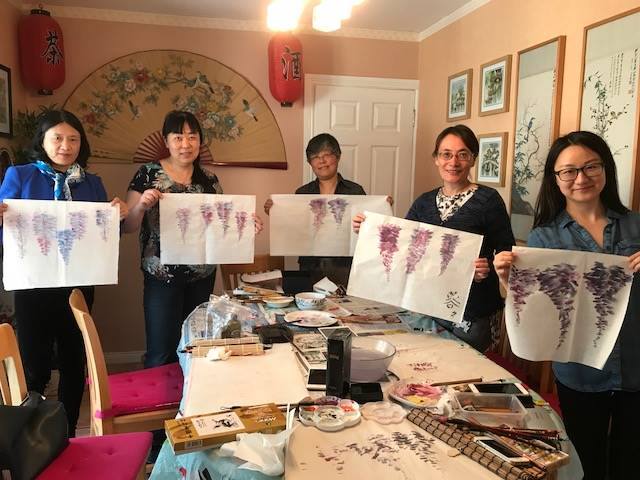
Our CNY2021 QUBLC-ArtEast exhibition provides a cloud space for you to appreciate a selection of paintings from the Art East ladies created during the lockdown period.
It’s amazing that they have kept so positive and productive using their magic brush pens. We hope this exhibition will bring you a different feel towards life and the surroundings.
While this exhibition is ongoing we would like to invite you to join our online panel discussion on 05/03 with the ladies to share their painting perspectives and practice, as well as their positive attitude towards life and art. In particular, we would like to see your vote on the best paintings from each of the artists (e.g. Jing-001, LLi-001, Zhang-001, JLi-001) to match against their own picksin the comment box at the bottom of the exhibition page.
From left to right: Jieyu, Jean, Wenli and Lili
This event also marks the celebration of the International Women’s Day (8th March) which has the theme ‘Choose to Challenge’ this year. Feel free to share on your social media using #ChooseToChallenge #IWD2021.
The CNY2021 celebration programme has reached its second height with a full programme of inviting talks prepared by scholars and research students from across a range of disciplines and diverse cultural backgrounds.
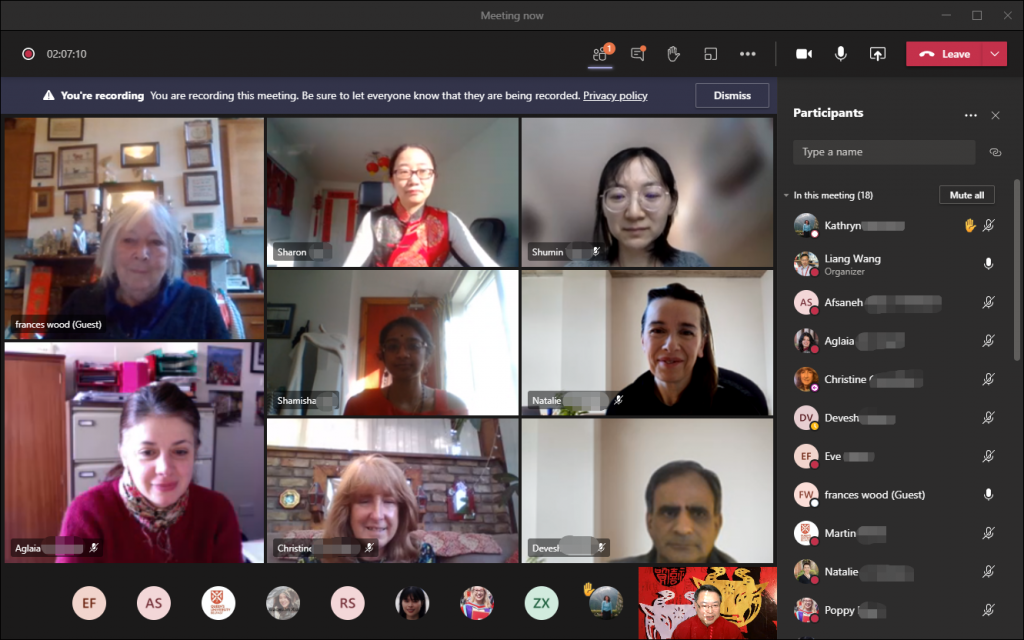
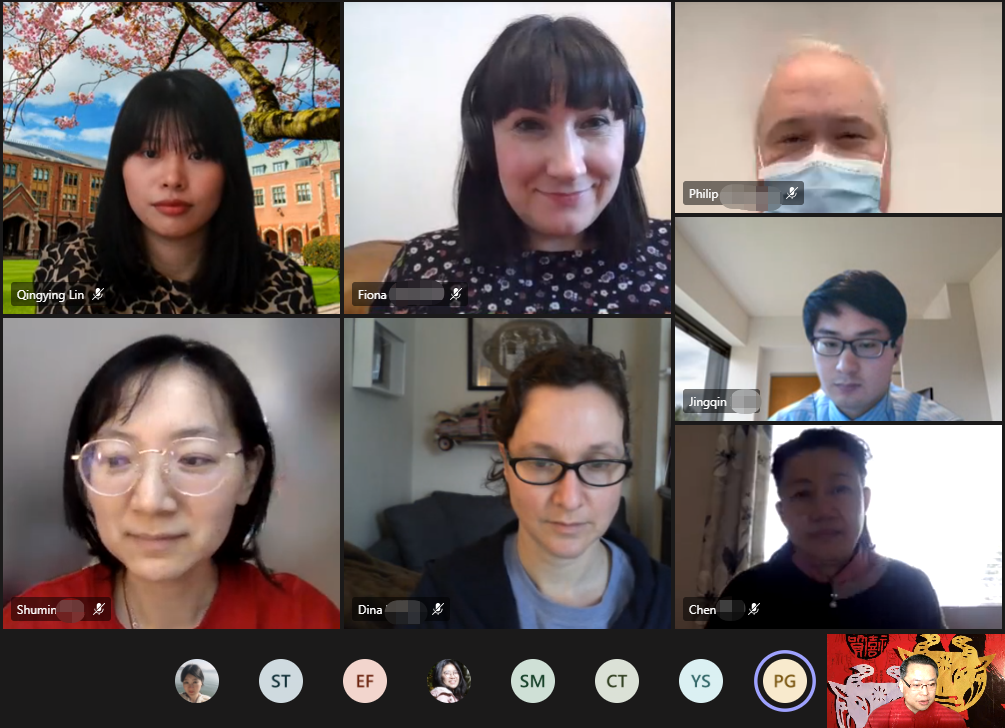
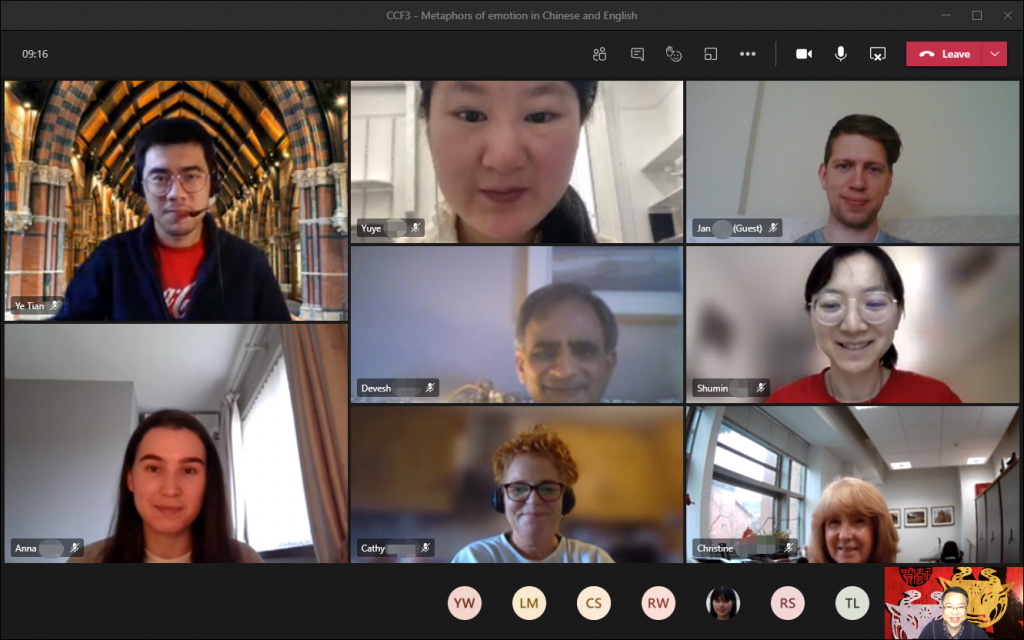
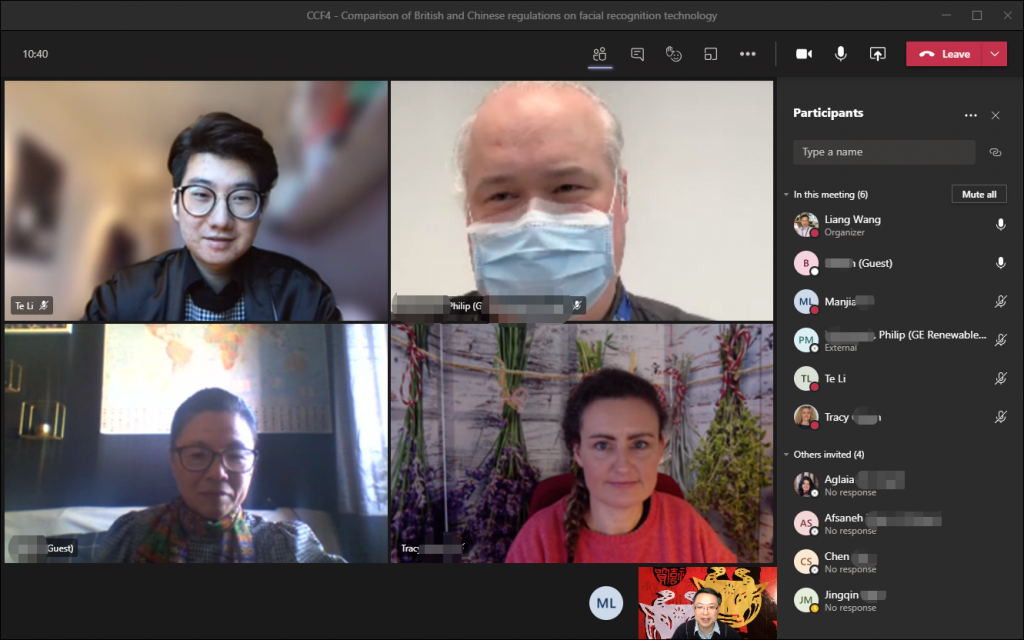
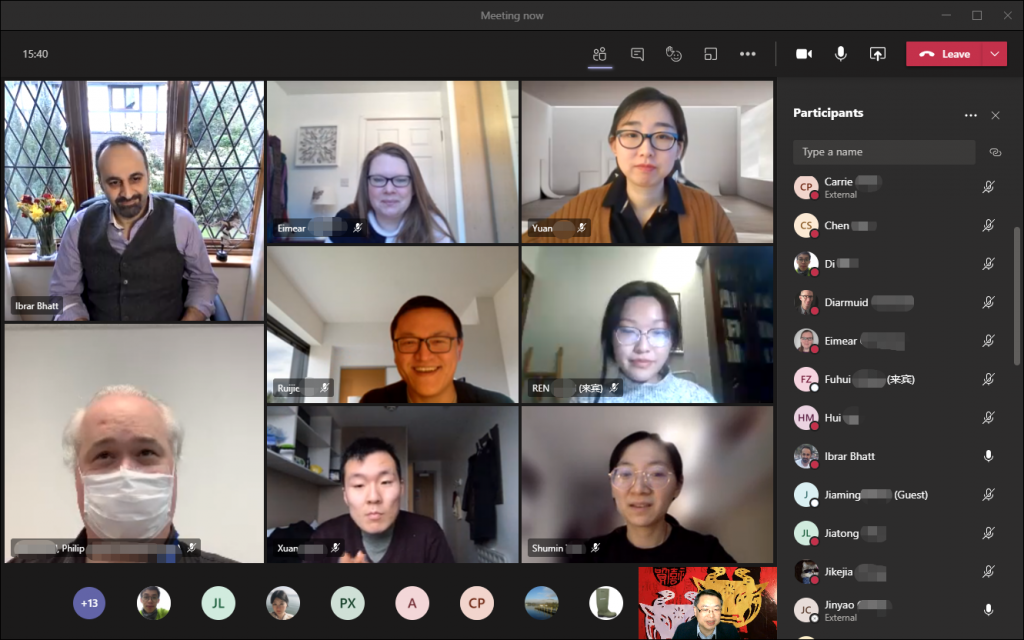
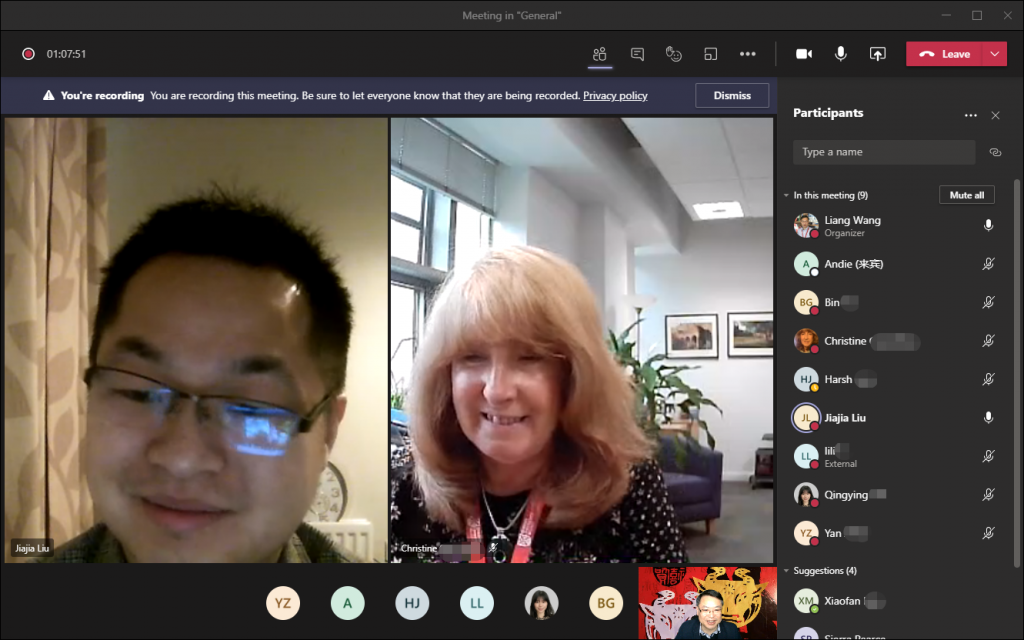
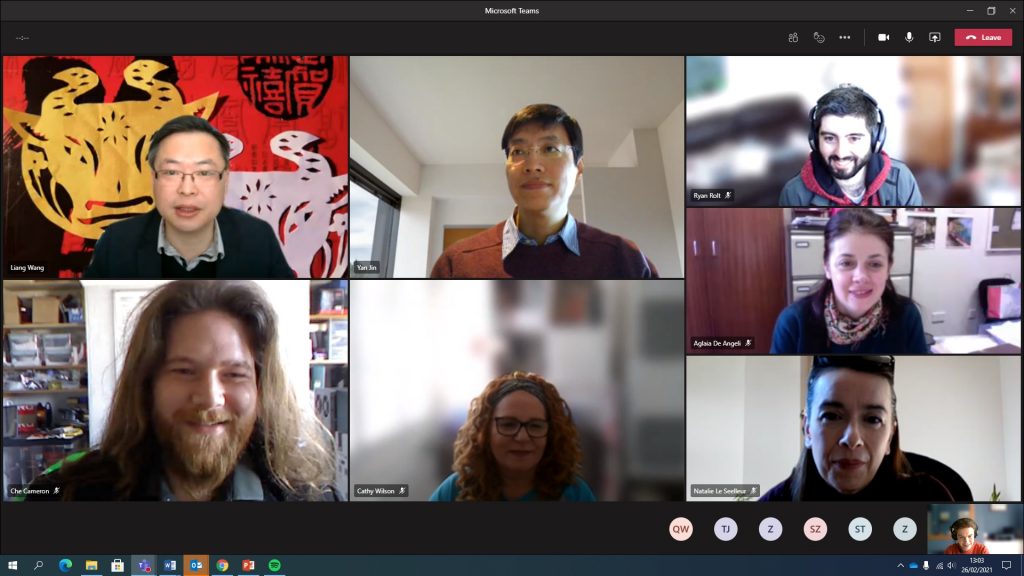
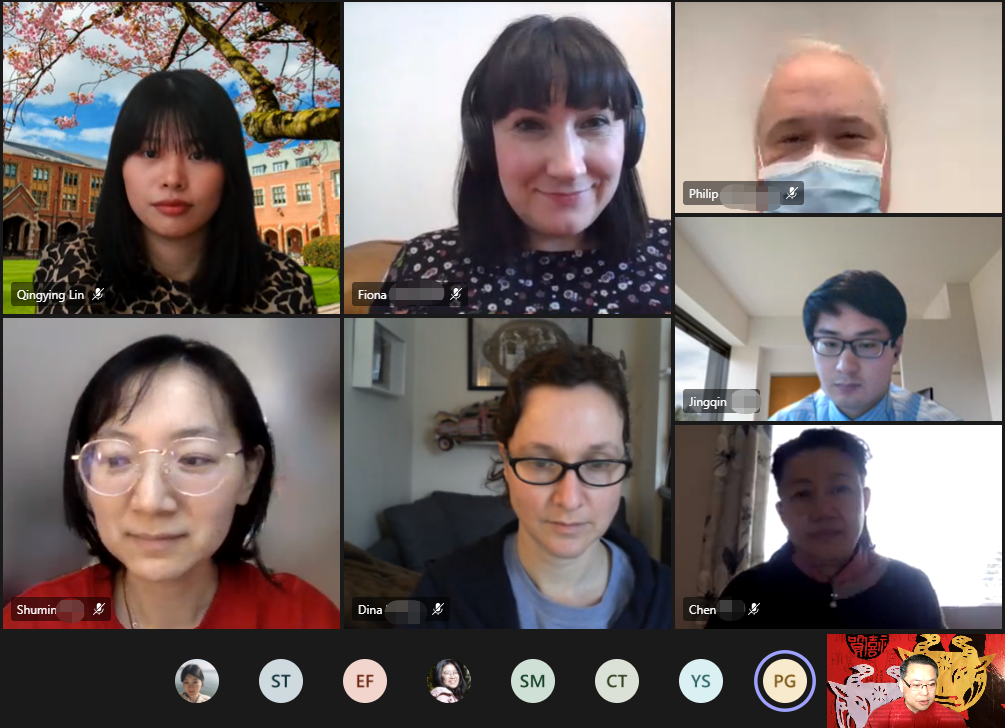
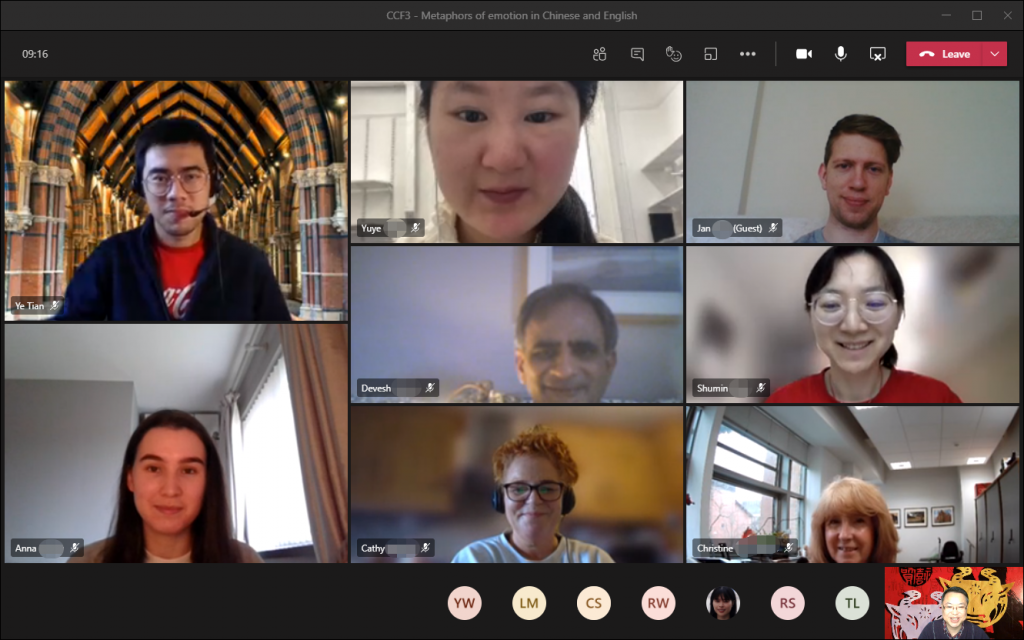
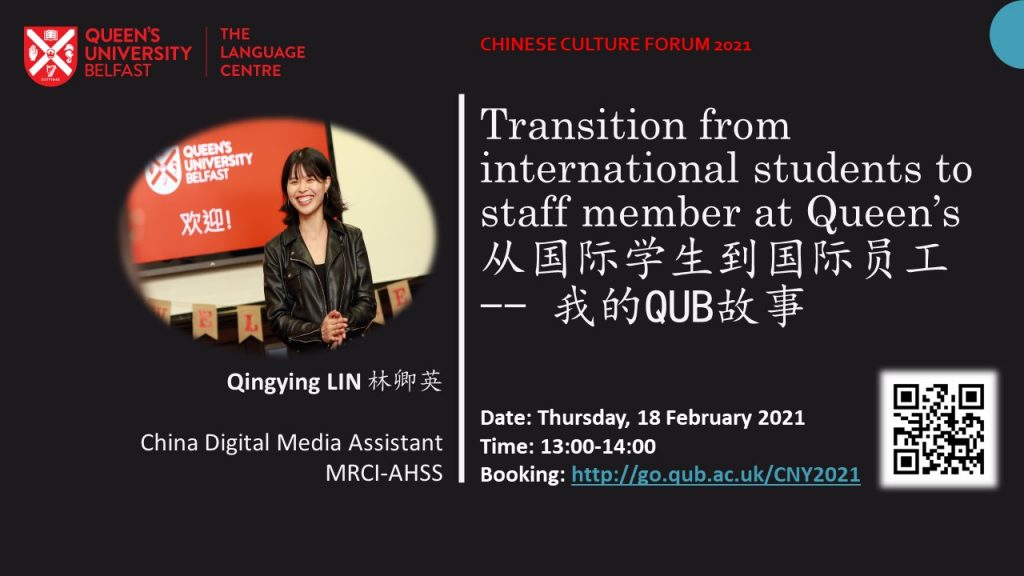
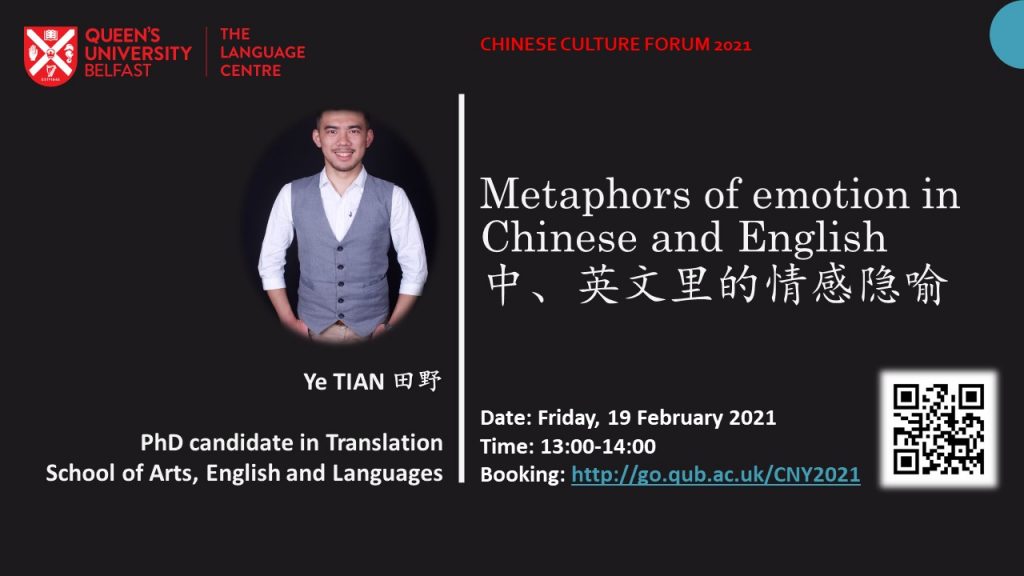
Following the Guest Talk delivered by Dr Frances Wood on 12th February, this week we have enjoyed two interesting talks delivered by Qingying Lin, Queen’s graduate and now an MRCI-AHSS China Media Digital Assistant, and Ye Tian, PhD candidate in Translation from School of Arts, English and Languages.
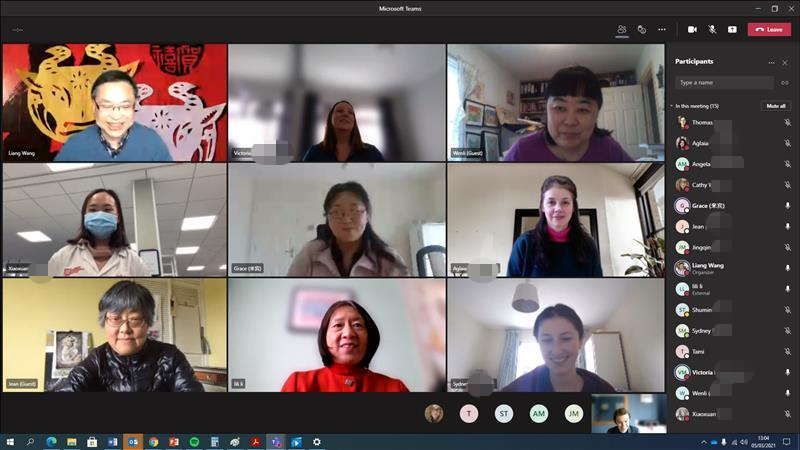
Guest Talk – CNY Launch Event
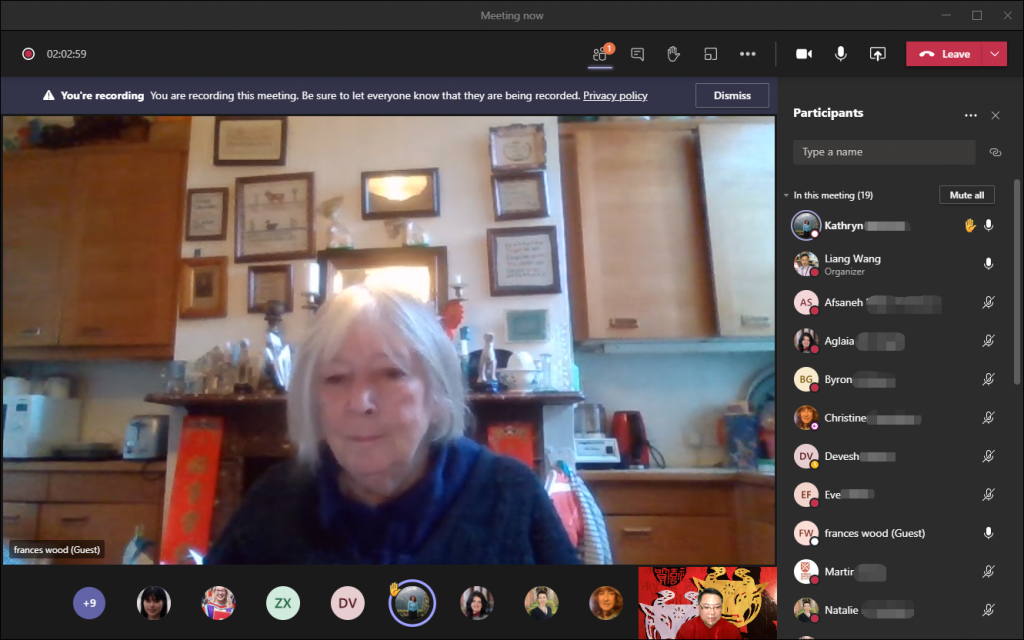
Guest Talk – CNY Launch Event
CCF2 Qingying LIN
CCF3 Ye TIAN
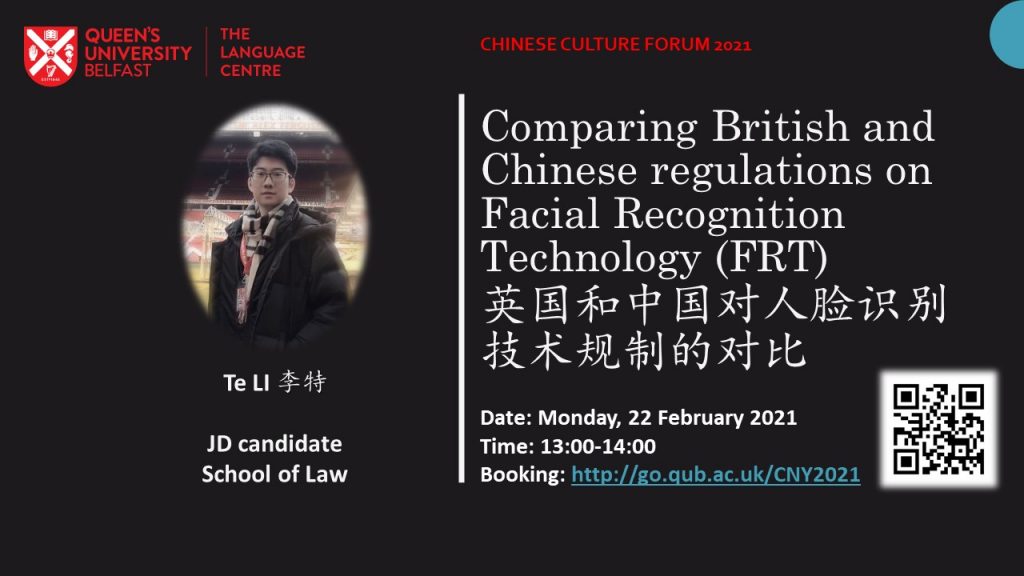
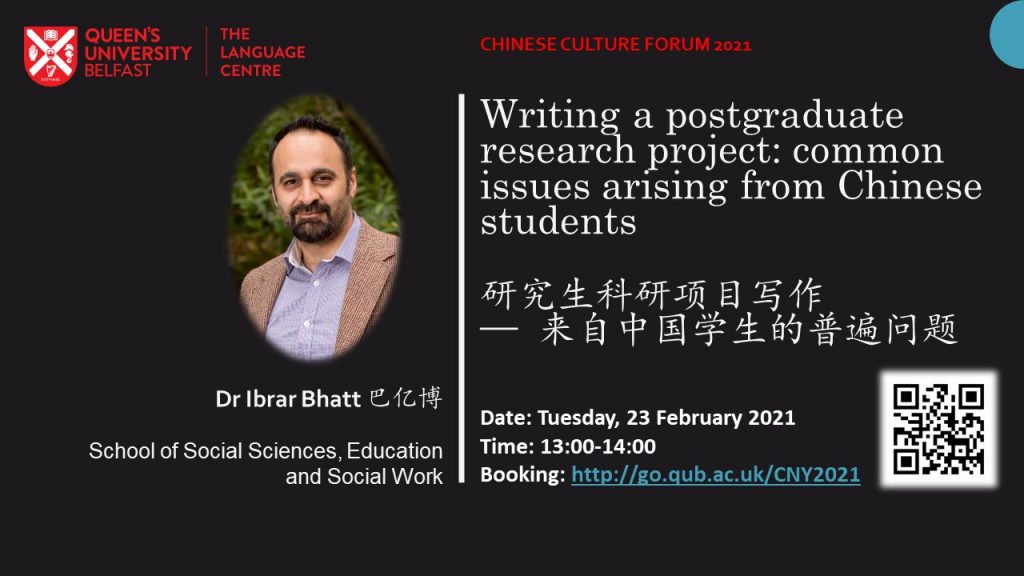
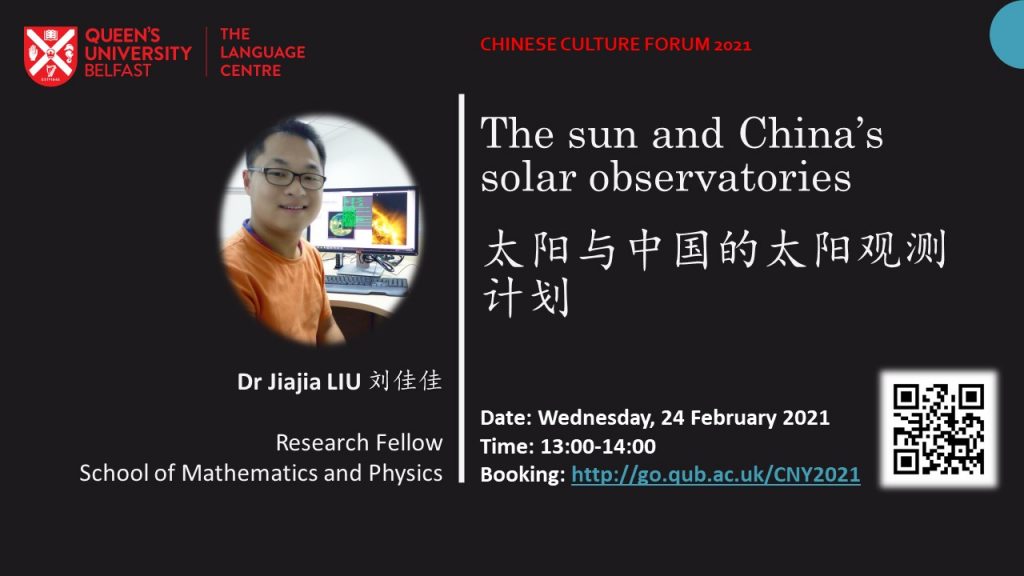
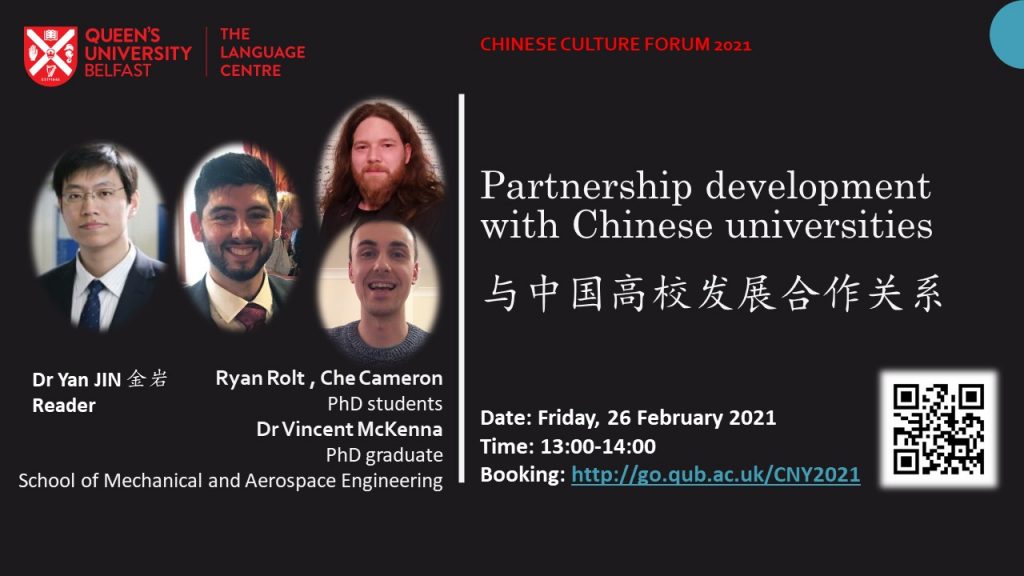
In the coming week (22nd – 26th February) we welcome you to attend a week-long programme of culture talks, featuring:
Meet our ArtEast artists and their paintings!
View the online ArtEast Exhibition
Join the panel discussion on 5th March
To book a place of the forthcoming talks and the ArtEast panel discussion, or to review the recorded talks, just click the button below.
Happy Niu 牛 Year! We have had a great launch of CNY2021 last Friday!
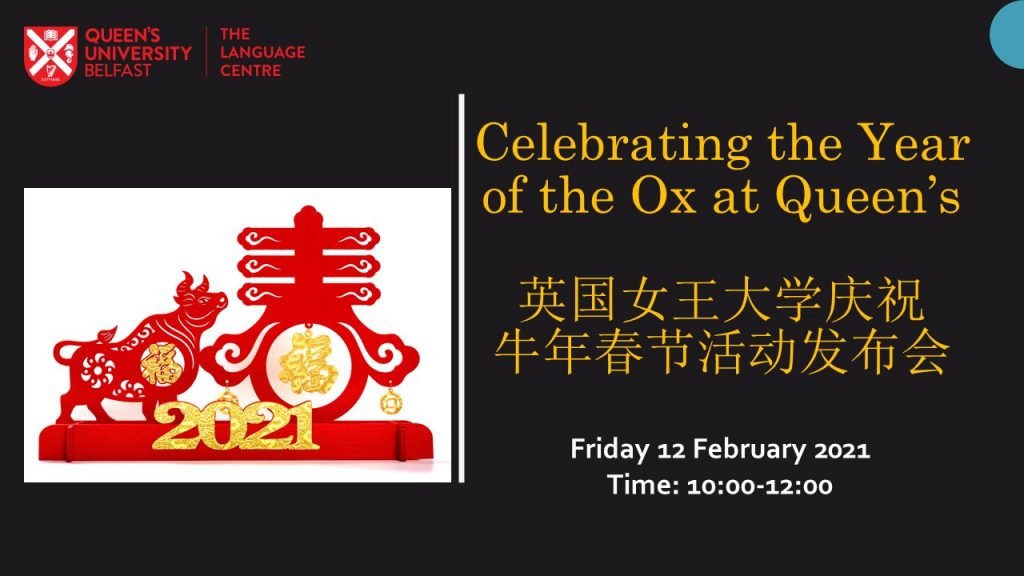
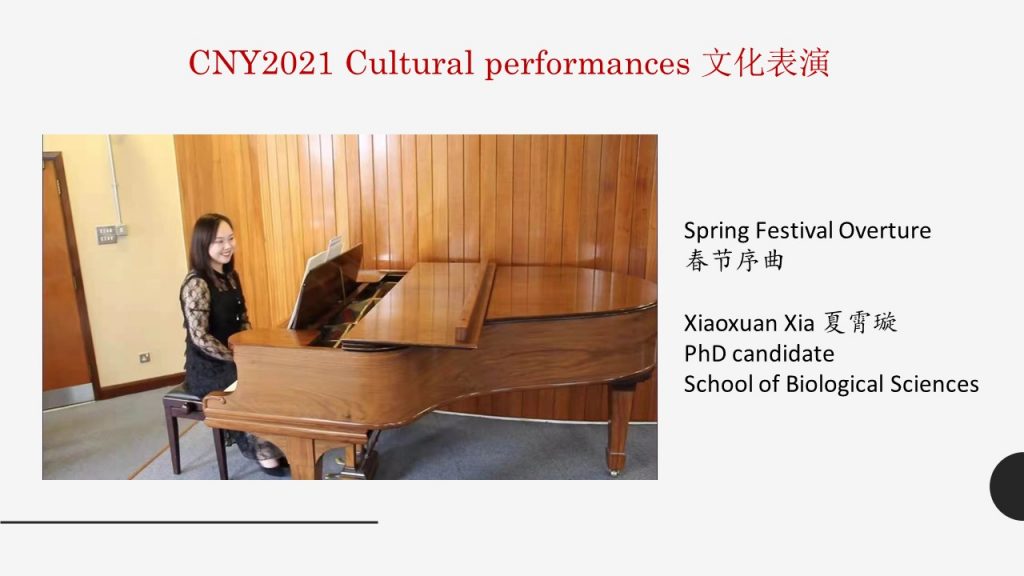
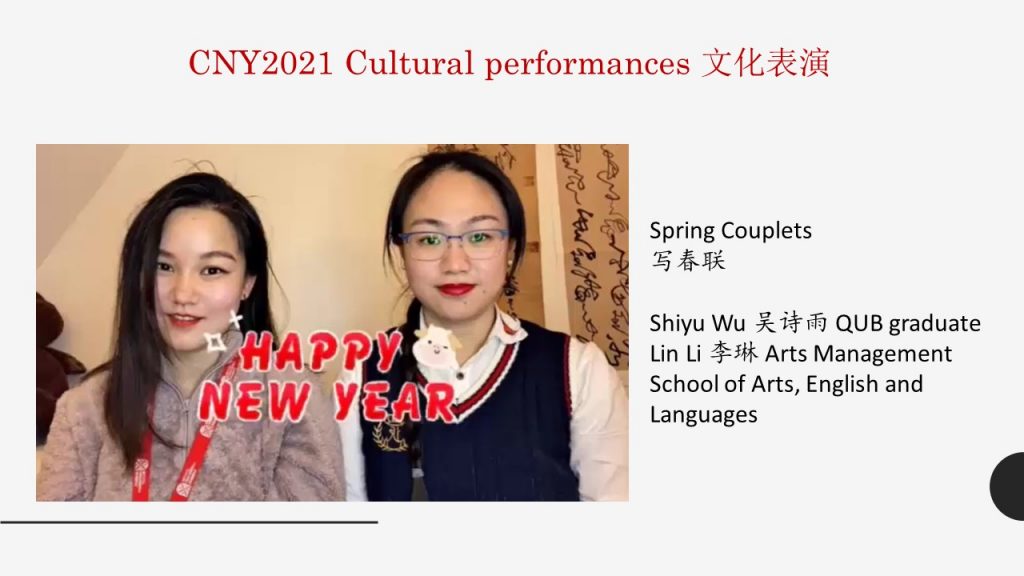
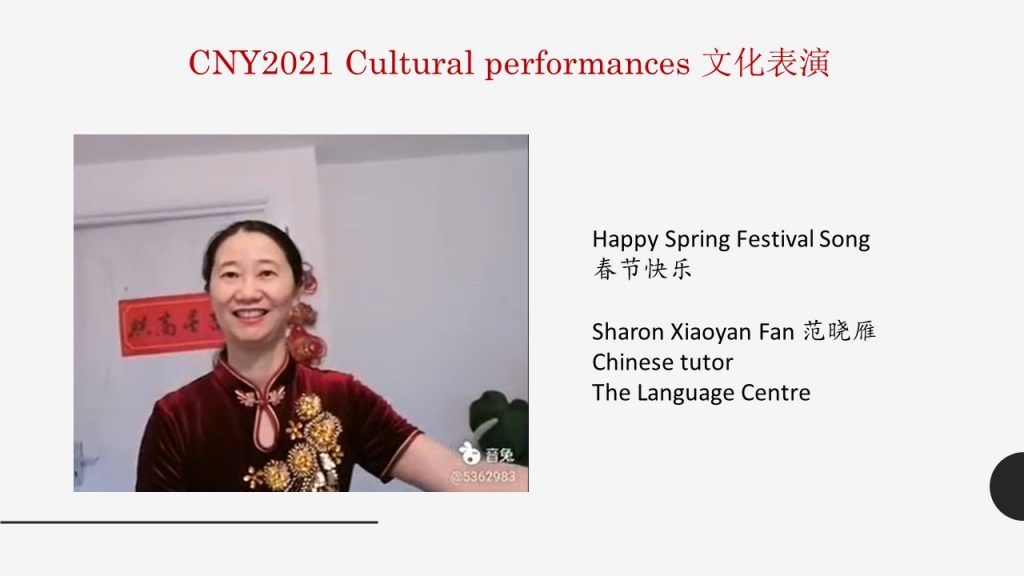
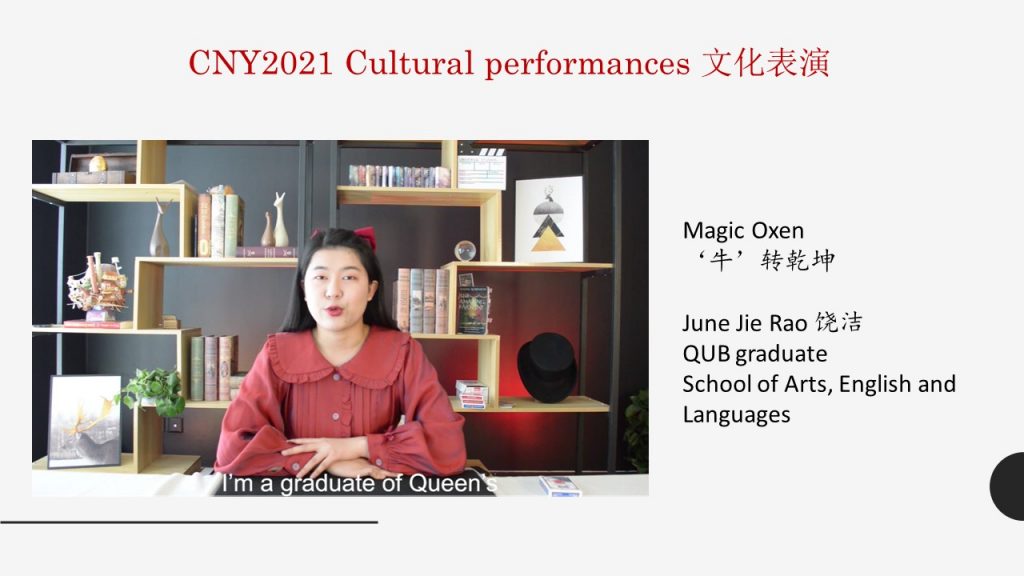
Thanks for many of you who joined in our CNY2021 celebration launch event last Friday. It was a great opportunity for us to get together in a different way to previous years, and it was great fun being with you! In particular, we would like to thank the volunteers who performed for us, and Dr Frances Wood who shared an interesting and inviting topic on Great Books of China. We hope you all have enjoyed it!
If you missed it, you can view the main parts of the programme via the following link.
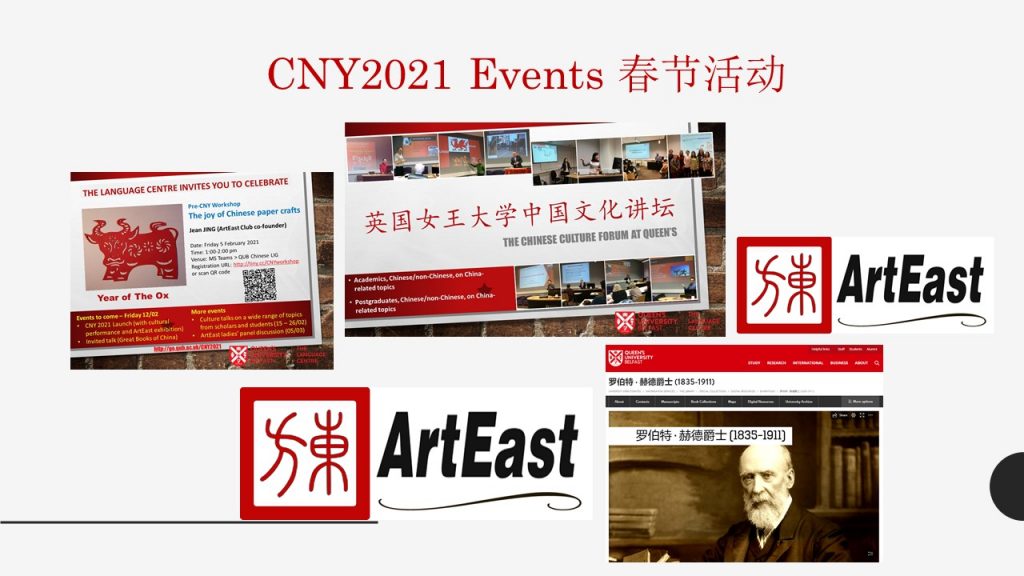
At the launch we proudly introduced two exhibitions – the ArtEast Exhibition and Sir Robert Hart Exhibition, both of which are freely accessible online for your appreciation. The ArtEast exhibition will end with an online panel discussion on Friday 5th March. Your thoughts and comments are welcome and we look forward to seeing you in the panel discussion.
What’s coming?
Our CNY Culture Forum 2021 will start from Tuesday 16th February until Friday 26th February, covering a wide range of topics shared by scholars and students from AHSS and EPS. You are mostly welcome to join in some sessions, if not all, to enrich conversations within our multicultural campus. We also welcome more people to contribute to the Chinese Culture Forum which remains an ongoing platform of sharing knowledge and enhancing intercultural communication. For full details and registration, click the button below.
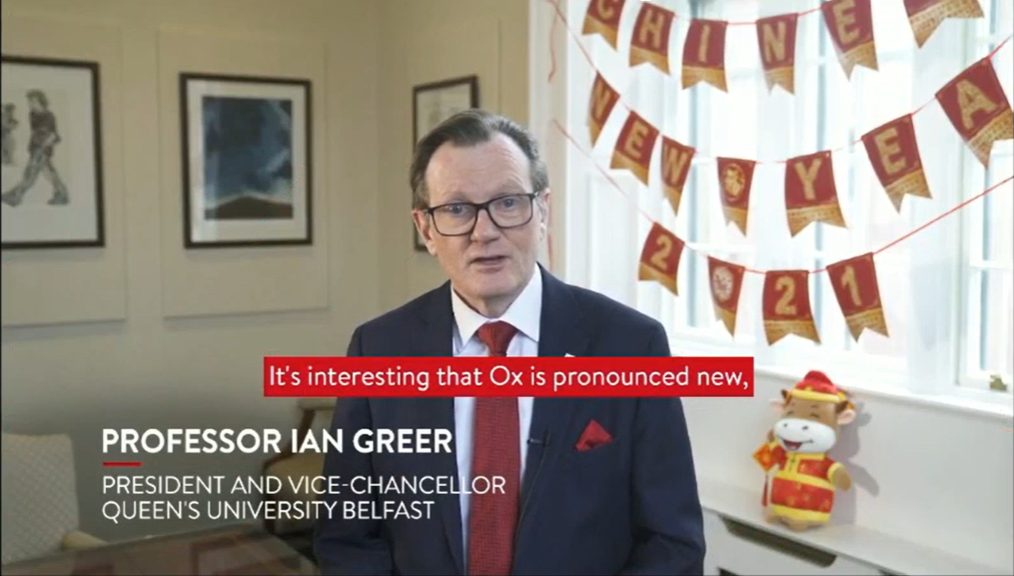
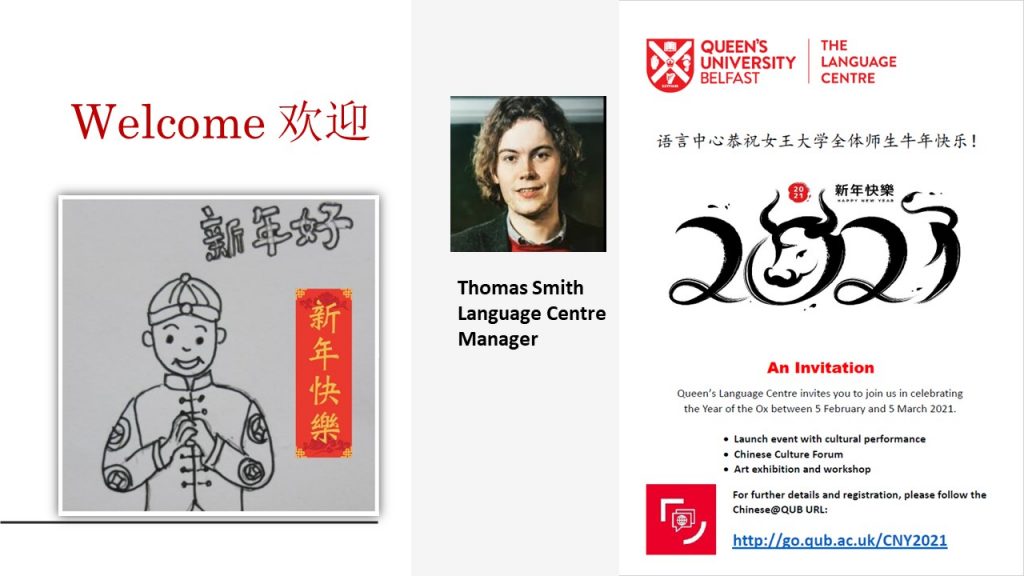
With the start of the Year of the Ox fast approaching, we are planning to see the Chinese New Year slightly differently this year with a number of online talks and events in the coming weeks. You are welcome to attend all of these events, including the featured CNY Launch event with cultural performances and an invited talk on Great Books of China (Friday 12/02), as well as a series of online sessions in the coming weeks, covering a diverse selection of topics and a paper crafts workshop, and an art exhibition with panel discussion. For more information on the programme of events, click here: