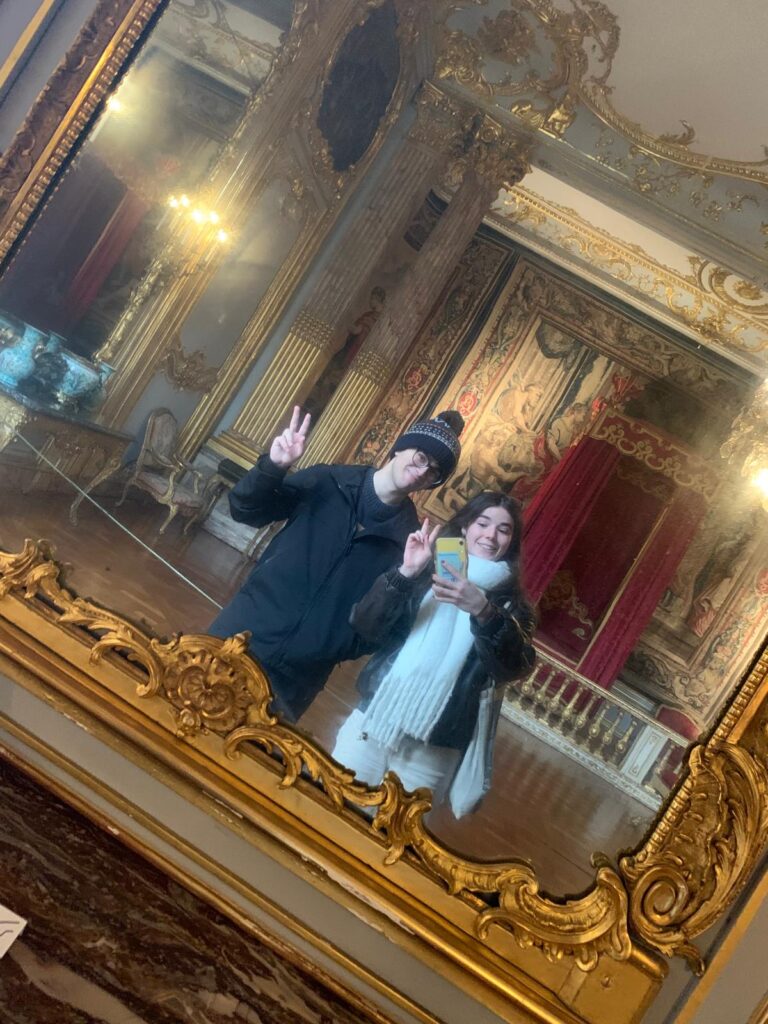
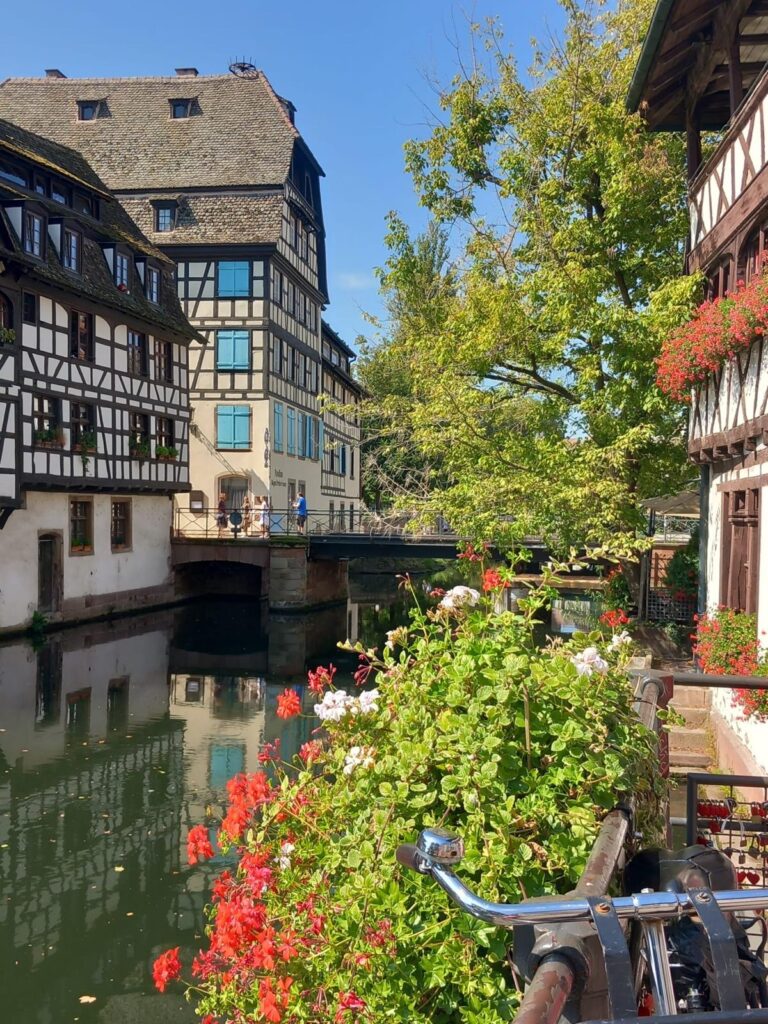
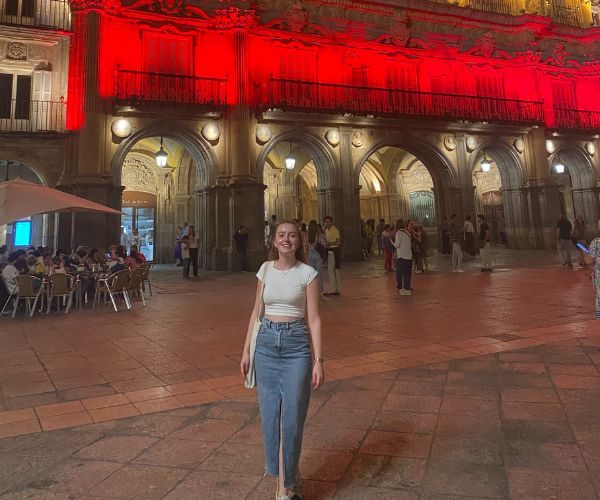
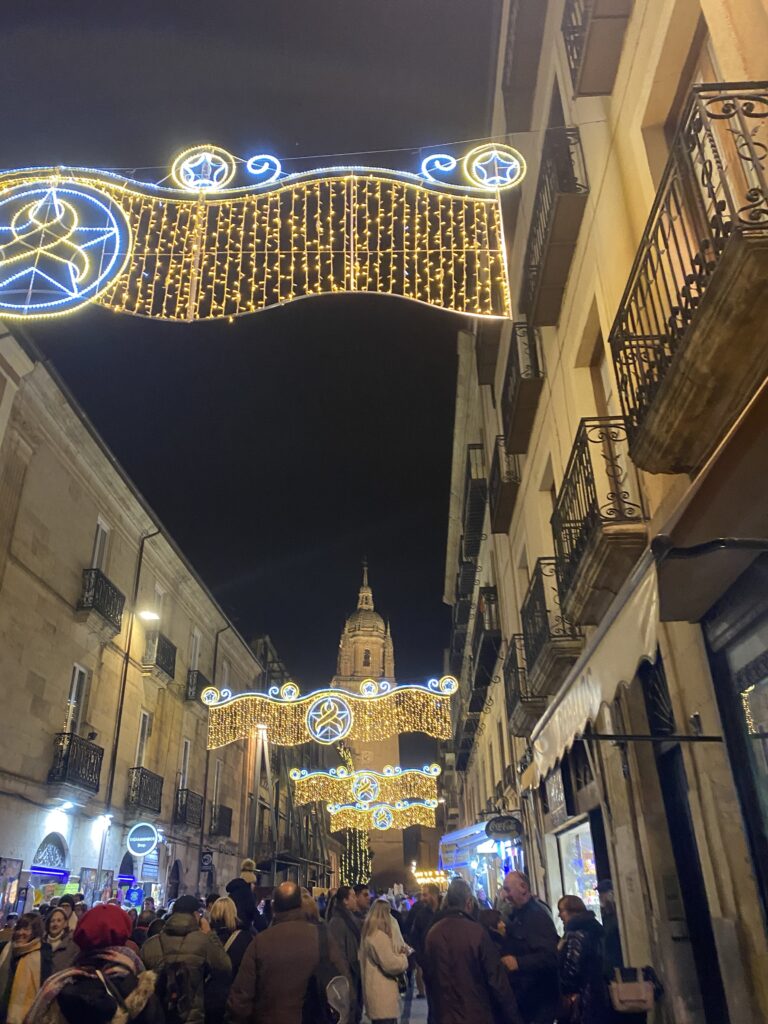
Sinead Hossain tells us about her time spent studying in Strasbourg and then on a work placement in Paris. Take it away Sinead!
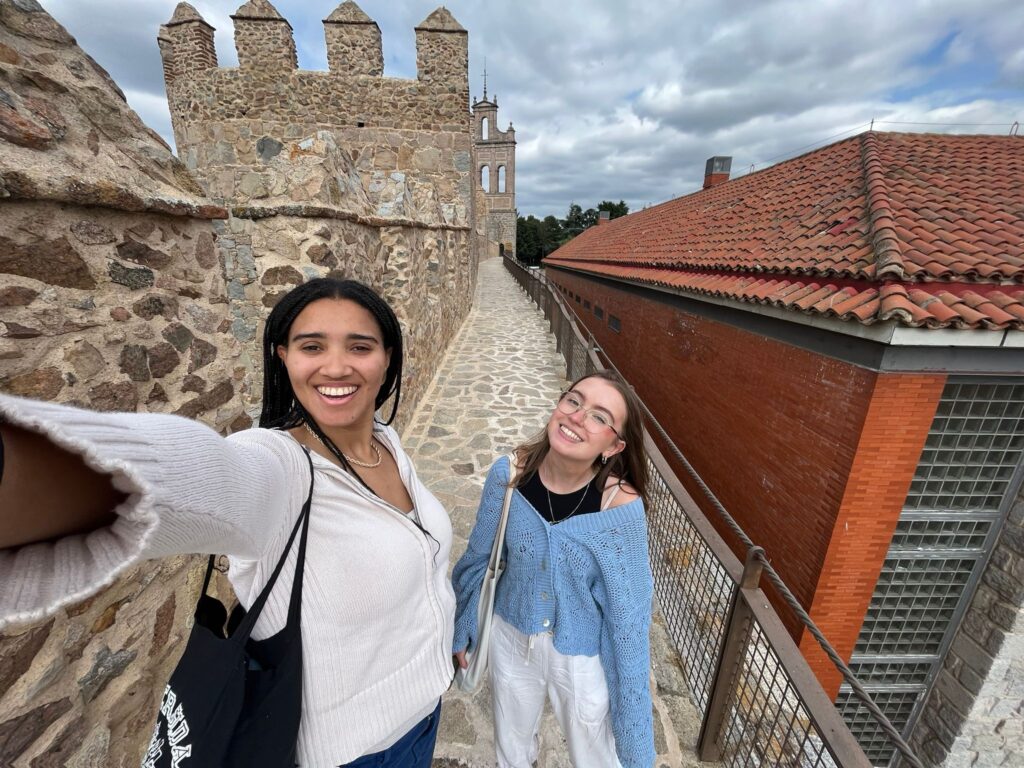
For my year abroad, I decided to take on both a study and work placement in France to make the most of both experiences. I spent my first semester studying in Strasbourg, and an internship in Paris. From these two experiences, I’ve gained valuable insights into the benefits and challenges of each.
Study in Strasbourg
One of the best things about studying in Strasbourg was the flexibility it offered. I could choose my own courses and class times, which gave me more free time to participate in ESN events and pick up new sports through the university clubs. This was a great way to meet local students and try different things! Strasbourg’s location, right on the border of Germany and Switzerland, also made it easy to travel, and I made sure to always have a weekend trip planned to explore nearby cities!
The semester exchange program, specifically for international students, allowed me to meet people from all over the world! However, since most students only spoke English, I didn’t have as many opportunities to practice French. Working on group projects with people from various cultural backgrounds was challenging, as it required time to adjust to different working styles. That said, I truly loved learning about different cultures and hearing the unique perspectives of others along the way!
Internship in Paris
With my internship in Paris, I’ve settled into a routine. While the workdays are longer, the work experience is incredibly insightful. The office primarily uses French, which gives me the opportunity to really improve my language skills!
With a busier schedule, I’ve learned to make time during the week and taking advantage of the weekends for exploring. I’ve enjoyed meeting other interns in the office for lunch and connecting with people my age. While it can be harder to meet new people outside of work, joining Erasmus student groups has been a great way to build friendships.
The biggest challenge so far has been how quickly time is flying by—it’s been a reminder to enjoy every moment of this amazing experience!
Queen’s student Muireann Porter gives her top tips for taking part in a study exchange programme.
Do the Research: Learn about the city you’ll be living in through Google, travel blogs or even TikTok. Look into cultural norms, public transport, safety tips, and the cost of living to feel more prepared.
Complete the Paperwork: Avoid last-minute stress by completing all necessary forms on time. Keep both print and digital copies of important documents such as visas and acceptance letters.
Connect with others: Speak with students who have previously spent time in your host country to gain insights. Many universities have social media groups where you can meet fellow exchange students before you even arrive.
Take a Course: if you don’t speak the language of the country you are going to, consider taking a language course. QUB Language Centre offers discounted classes for students. Getting a TEFL certification could be a great idea if you’re interested in teaching English.
Get Excited!: An exchange is a once-in-a-lifetime opportunity. Embrace the adventure, keep an open mind, and look forward to an unforgettable cultural experience.
Queen’s student Luke Duffy, tells us about his top five things that he did not expect during his study exchange to the University of North Carolina at Chapel Hill. Take it away Luke:
1. “Southern Hospitality” Is Very Real I thought the phrase “Southern hospitality” was just a cliché. But at University of North Carolina at Chapel Hill, (UNC), I was struck by how warm and welcoming everyone was. Me and my fellow exchange students were invited to several of our American friends’ homes for Thanksgiving, as they wanted to make sure we enjoyed the holiday properly.
2. How quickly I would get into the “school spirit”
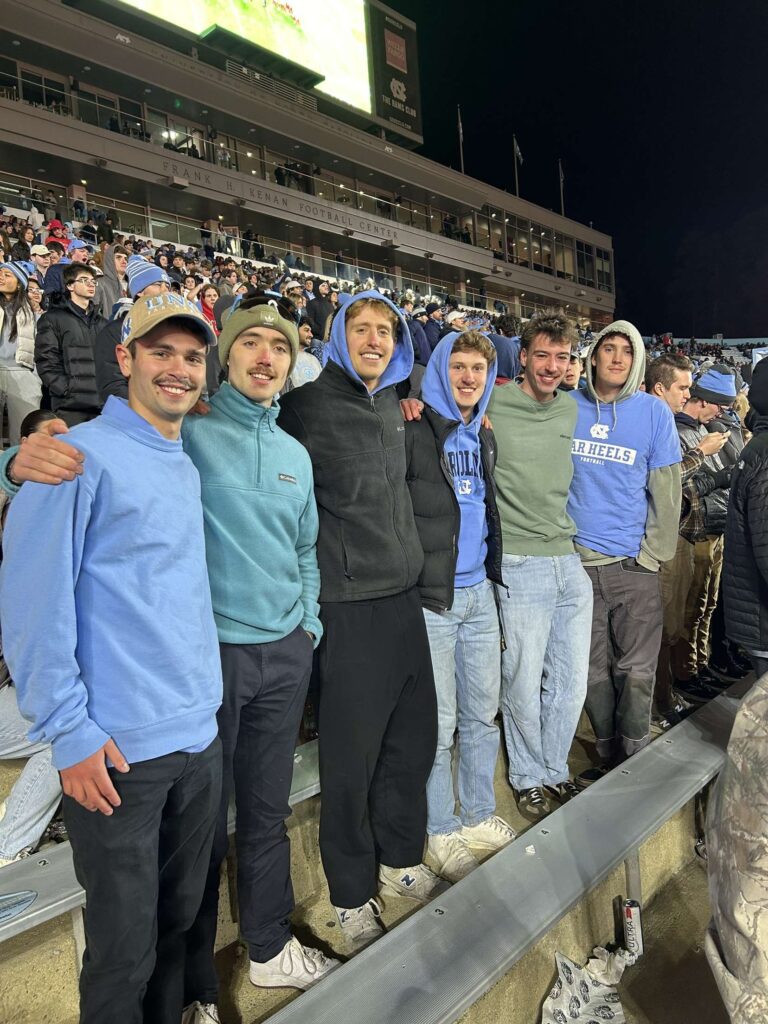
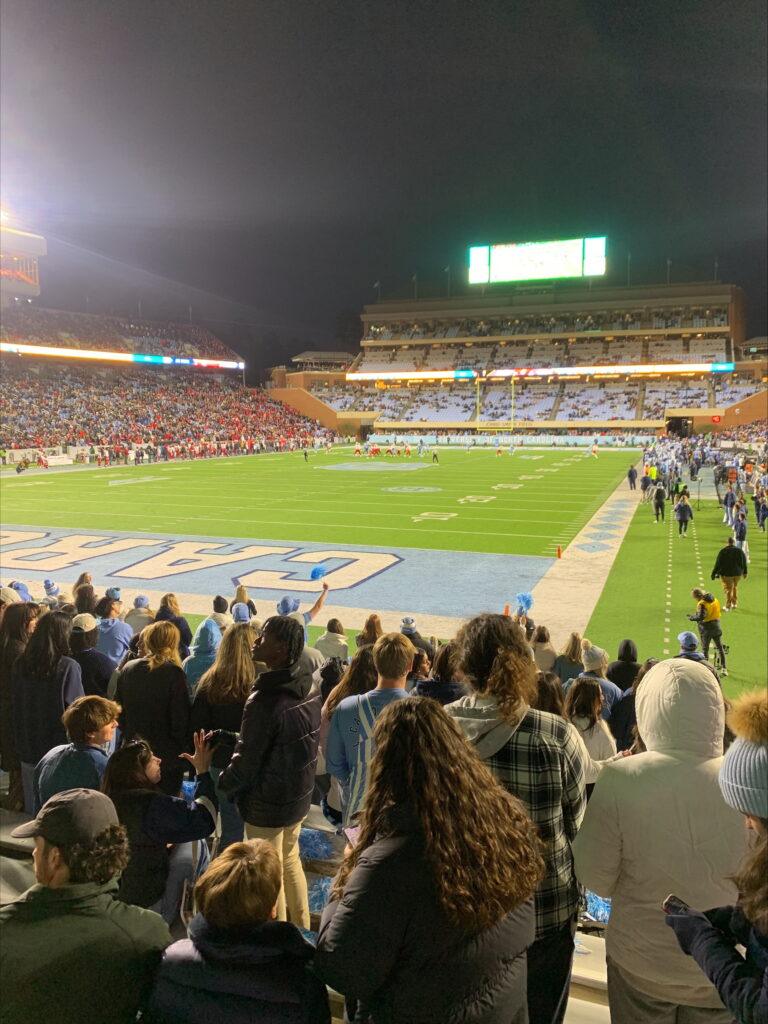
Before I arrived, I thought school spirit was something you saw in the films. But within a week of arriving at UNC, I found myself chanting “Go Heels!” at football games, becoming extremely invested in the UNC-Duke rivalry and wearing Carolina blue. The pride students have in their university is infectious, and being part of that community, even just for a semester, made me feel instantly connected.
3. The Variety of Classes was Incredible
The selection of history modules available at UNC was amazing, and it allowed me to study topics I had never done formally at Queen’s. My favourite class that I took at UNC was on the history of aerial warfare. A retired USAF intelligence officer taught this class. This was very beneficial as he could connect the lecture material to modern trends in aerial warfare. For example, he linked lessons from WWII strategic bombing to today’s use of drones.
4. The variety of food
Before beginning my semester abroad, I paid for a meal plan for the campus dining halls. This allowed me to save time on cooking, as well as giving me the opportunity to try lots of new food. In addition to Southern classics like chicken and waffles, there were international dishes like Thai red curry. Beyond the novelty of all-you-can-eat food, the dining halls were a great social space. Getting together with your mates for dinner became a great ritual.
5. That I’d Grow Professionally Without Realising It
While I wasn’t working during my exchange in the States, so many day-to-day experiences while I was out there fed into my professional development. I developed skills such as delivering a presentation to a mixed audience and planning group projects across time zones. I spoke fairly good Spanish before I left Belfast, but the campus’s significant Spanish-speaking population allowed me to practice even more. Looking back, I gained skills I didn’t even know I was building—language skills, resilience, and initiative, which I’ve already used in job interviews since returning.
Queen’s student Lucy McDonough talks us through the importance of sorting your own ‘admin’ for your year abroad.
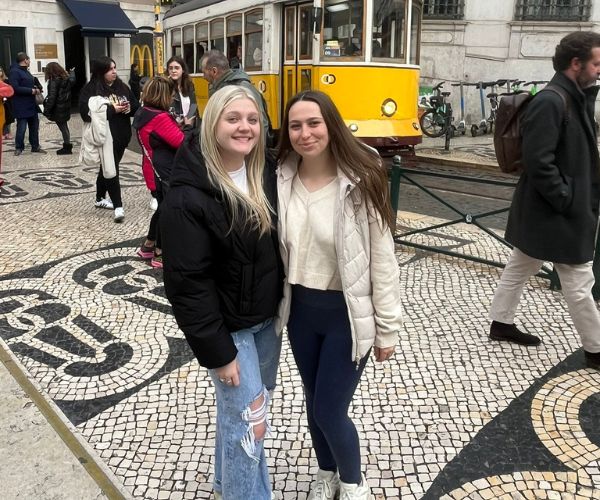
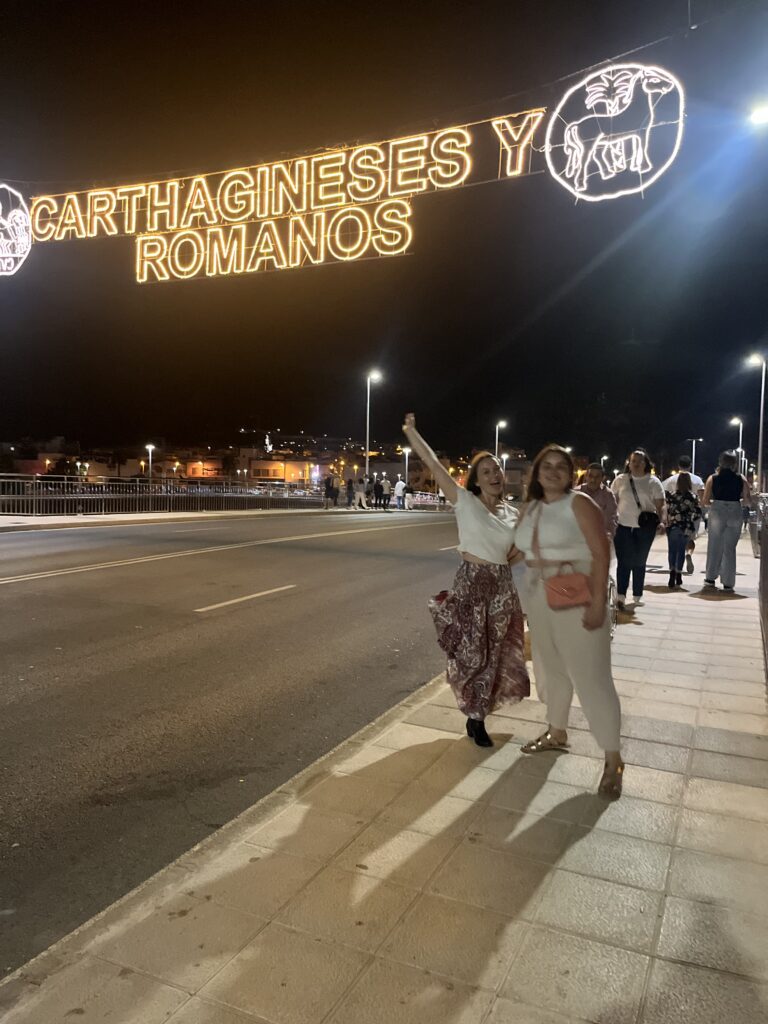
Hey, my name is Lucy and I spent one semester in Murcia, Spain and the second in Lisbon, Portugal during my year abroad. Whilst these were invaluable experiences, the looming stress of admin tasks has the potential to overshadow your enjoyment. Staying on top of it all is a key aspect, so here are some tips and tricks so you can jump straight into the fun!
My first piece of advice is to make sure you’re aware of everything you need, depending on your type of placement this can vary. I recommend making a checklist and ticking things off as you go along. That little sense of achievement goes a long way in preventing you from getting overwhelmed.
For my teaching work placement in Murcia in Spain, I needed an NIE number and a Certificado de Empadronamiento, and in Portugal I needed an NIF number. These appointments take time to get as there is currently a backlog. For this reason, I would recommend arriving to each of your placement destinations a week or two early at the least to ensure you have plenty of time to sort these admin tasks out!
Another really useful tip is to join any Erasmus group chats on sites such as Facebook or WhatsApp. These are not just great tools to organise social events, but many students ask and answer questions on admin issues and you get to learn from the other student’s tips and tricks who are in the exact same position as you.
Lastly, ensure you have photocopies of important documents such as your passport, driving licence, Learning Agreement, any DBS or ICPC (teaching placement specific), rental contracts etc. Some municipal offices require these and often keep the copy so it’s best to have a few of each, preventing you from stressing about where you can make copies or print documents whilst you’re still finding your feet.
Last but not least, whilst the first few weeks of settling in will undoubtably be stressful, this is an incredible experience and a chance for you to shine.
Go in with a positive mindset and allow yourself to enjoy it!
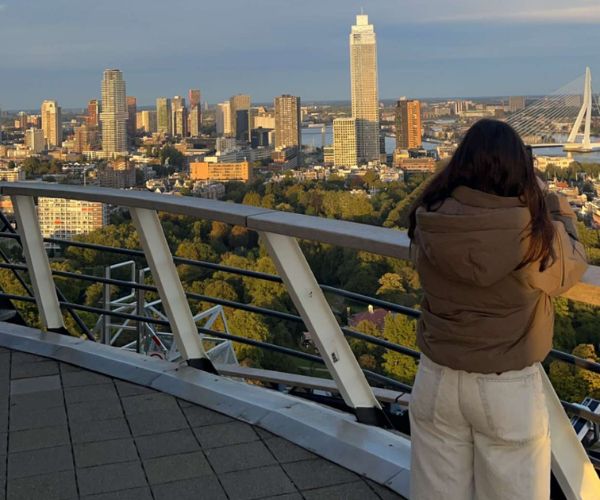
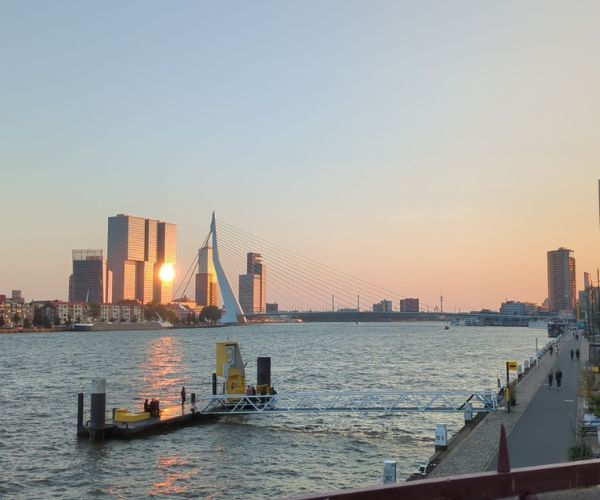
Queen’s student Kara Clerkin talks us through her study exchange semester in Rotterdam.
“Settling in to a completely different campus in another country with new people can be daunting – but it doesn’t have to be! I took part in a study exchange semester to Rotterdam in my final year and here are my tips to help you get settled.”
Be Prepared
“Make sure to be as organized as you can as this will make the overall experience a lot less stressful. Try to get your flights and accommodation organized as soon as possible after your place at the host university has been confirmed; most universities will send information about student accommodation but there are also websites you can use such as housinganywhere.com. “
“It’s also worth doing some research to find out any requirements for living in your host country. Do you need a visa? Do you need to become registered?”
“It’s also smart to have an idea about how local public transport works and what the etiquette is regarding travel whether that be by train, tram, bus, bike or on foot.”
Explore
“Shortly after you arrive, take some time to get to know your surroundings. How far is the university from your accommodation? Is the city centre close? Where is the closest supermarket? Taking this time to get to know the area will help you settle in to your location.”
“It’s also great to have a couple of routes to go for a walk and clear your head as being away from home can sometimes feel a bit overwhelming.”
Get Involved!
“Make an effort to get involved in as many welcome activities as you can – often there will be events for international/exchange students to meet and get to know each other. It’s also worth finding out where the popular student spots are to get out and get talking to other local students and make some friends!”
“You can also join Facebook groups or some universities off apps to help you meet other people before heading out to your host country which is always useful if you’re feeling nervous about not knowing anyone before going.”
Queen’s student Emily Woods gives advice on organising accommodation for studying aboard based on their experience of studying in France and Portugal in the same year.
“During my year abroad I was fortunate enough to experience living in both France and Portugal, so I know more than most how moving away can be daunting, and full of paperwork. Despite this, I had the most incredible time abroad as I took every opportunity that was available to me, and said yes to new experiences and adventures.”
“Once you have been assigned your host city and university, I recommend looking for accommodation as soon as possible. Before leaving Belfast, I contacted the international student’s office of my French university by email, and again by telephone call to get information about accommodation. Calling someone in your second (or even third!) language can be intimidating, but in my experience they are kind and patient, and in many cases, they also speak English!”
“In France, there is a national system of university accommodation called CROUS. You can apply for accommodation through their website, and it’s basically like living in Elms. They’re located close to the university, run events, and have a reception, so it’s super safe and convenient.”
“I accidentally left it too late to apply for university housing in Portugal, so I recommend doing this before the academic year starts, even if you’re travelling there for semester two. I was fortunate enough to find accommodation through an ESN WhatsApp community, and found an Erasmus House. These are houses with anywhere between four and (in my experience) seventeen people living there, and they provide short-term room lets for periods of five or six months, all the way up to a year.”
“Another great thing to do is to follow the Erasmus Student Network (ESN) in your new city before you get there! They will have Instagram and Facebook pages, as well as WhatsApp communities, so you can get to know people and keep up to date with events before you even arrive.”
“My best piece of advice is to put yourself out there as much as you can from the moment you arrive. The first few weeks are very overwhelming so don’t let this get you down, in my experience, everyone feels just like you, they just aren’t letting on.
“Remember that there is support through Queen’s available to you – and don’t forget that your friends and family at home are only a phone call away!”
“Hi, my name is Caitlin Kiddie and I’m from Edinburgh. I am studying Anthropology and Spanish at Queen’s University Belfast and as part of my course, I had the opportunity to live abroad in Spain for one year.”
Where did you go and why?
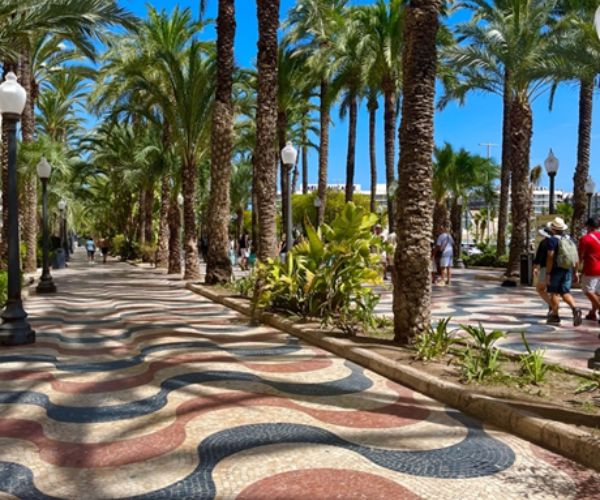
“My Erasmus took place in Alicante in Spain, where I studied at the University of Alicante (UA). This was my top choice as it was important to me to live in a coastal city to experience a different lifestyle; Alicante is also the sunniest city in Europe! I liked the prospect of a smaller city to allow me to engage with the local community and although I had concerns about its touristy reputation, I quickly realised this was not the case. In the local neighbourhoods Spanish was necessary in the supermarkets, cafes, restaurants and public transport.
Alicante is also very popular for Erasmus students, and this really made my experience. In first semester alone, there were 700 students all hoping to make friends and explore Spain.
Making international friends
“This international aspect became the theme of my year abroad. I arrived with a goal to expand my cultural awareness, not only of Spain, but globally. In September, I didn’t know anyone which challenged me to build new relationships.
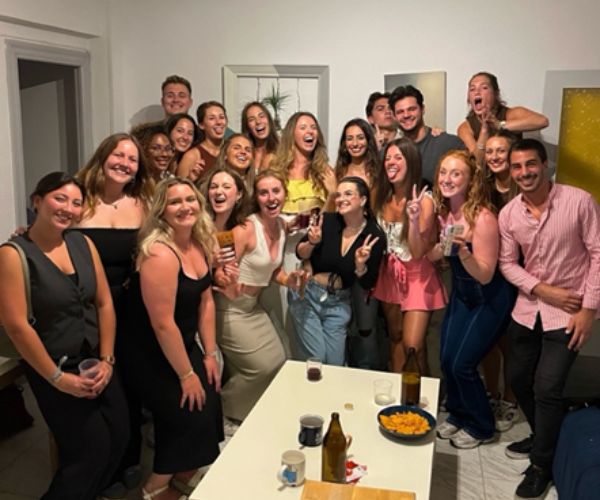
I shared a typical Spanish apartment with girls from Australia, Mexico, France and Belgium. From there, this circle only expanded thanks to the incredible Erasmus Network (ESN) who organised activities and trips almost every day. It was on these trips to Spanish festivals, waterfall excursions and tapas tours where my flatmates and I met wonderful people from Germany, Canada, Italy and funnily enough, Scotland. These friendships were by far the best thing I gained from my year abroad.”
The most exciting part
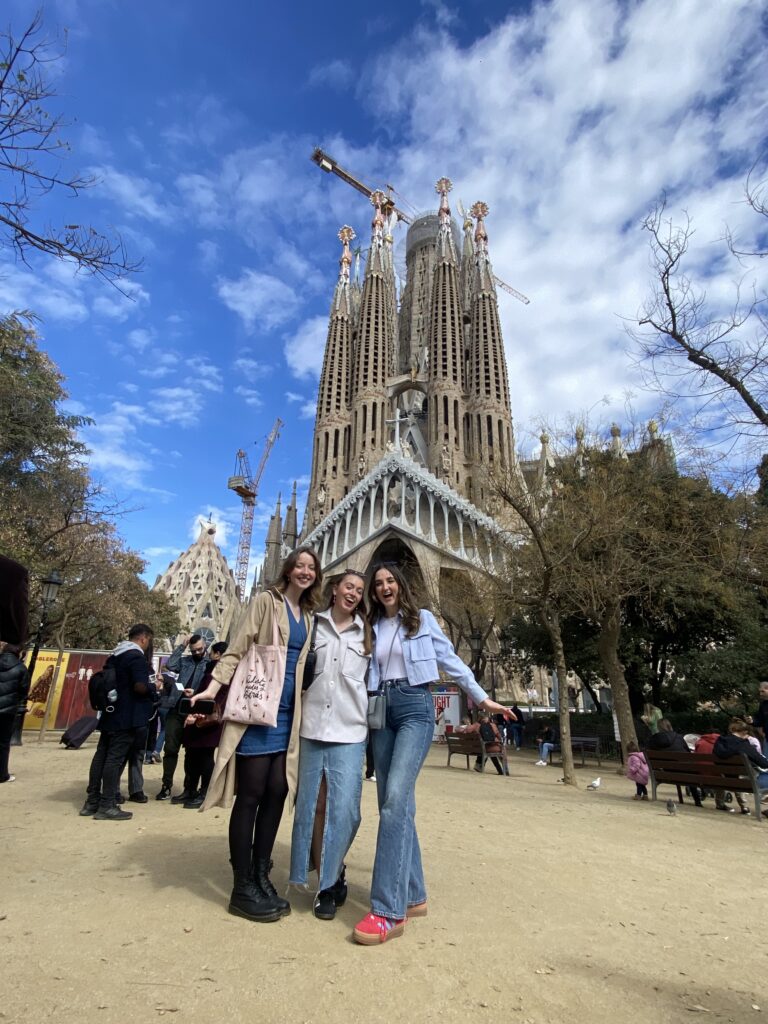
“The most exciting part about studying abroad was the opportunity to travel. The study experience offers lots of free time to explore, so after spending a few months exploring Alicante and its neighbouring coasts my friends and I decided to make the most of this freedom. I travelled to different places in Spain including a trips to Bilbao, Mallorca, Barcelona and a road trip around Andalucía.”
“While I also explored different countries such as Portugal, Germany and Morocco. These travels stand out as some of the highlights of the year and allowed me to learn so much about other cultures and my own independence.”
Spanish culture and daily life
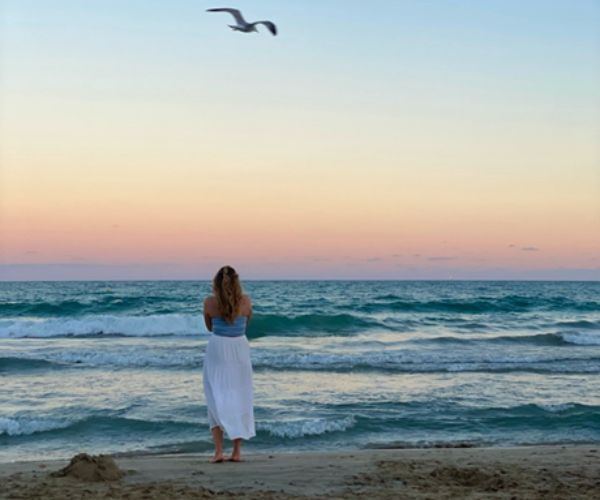
“Spanish culture is very different to the UK. Life is much more relaxed and slow-paced. In Alicante, this meant social gatherings on the beach, heading to the local market to buy fresh fruit and pastries, going to the gym with views of the marina, spending lots of time in creperías and watching every sunset and sunrise possible.
The day does not end after school or work at 5pm and in the evening the streets are still filled with kids playing and people enjoying tapas and drinks. Spain also has lots of cultural festivals such as Carnaval, las Fallas in Valencia and the Semana Santa processions over the Easter period. It was amazing to take part and observe these experiences of Spanish tradition.”
Mindset
“A crucial part of this experience was developing what I have termed the ‘Erasmus Mindset’. This encompasses the skills you learn along the way including confidence, communication and independence but also the ability to be spontaneous and make the most of every opportunity. This mindset extends beyond Erasmus and is something I am aware of now that I am back in Belfast.”
“The personal growth from my year abroad continues to push me to say yes to things I wouldn’t have considered before and enjoy every moment. These are skills important in academic and professional spheres but also on a personal level in the way you view life and those around you.”
Queen’s University Belfast student, Ben Magee, talks us through the process he went through to find accommodation in Stockholm for his study exchange.
“Planning for an exchange semester is exciting, but one of the biggest challenges is securing accommodation. When I made the decision to join the MPlan programme and that I’d be moving to Stockholm, I was actually in Chicago, which made the process even more difficult. Looking back, I wish I had started searching earlier – accommodation is a necessity when moving away, and it’s something that should be planned for months in advance. Even six months before departure, my now roommates and I were struggling to find places, and university accommodation was extremely limited, so Don’t Rely On It As Your First Choice!“
“I was lucky enough to be moving out with two fellow classmates, which made the search slightly easier as we could split costs and widen our options. Since getting a spot in student housing wasn’t guaranteed, we had to explore other alternatives. We started by checking Airbnb for short-term stays and joined as many Facebook housing groups as possible, messaging landlords and students enquiring about their accommodation plans.”
“One of the best decisions I made was reaching out to someone who had previously lived in Stockholm. They gave us great advice and even helped us connect with potential landlords. If your university can put you in contact with a former student, I’d highly recommend taking advantage of that.”
“Eventually, I secured a shared apartment through a private landlord. While it wasn’t in the city center, it was well-connected by public transport, and living with other students made settling in much easier.”
“My biggest recommendation? Start early, be persistent, and explore every option. Don’t rely solely on university accommodation – message as many people as possible, use multiple platforms, and connect with students who have been through the process before.”
“Exchange is an incredible experience, and finding a place to live is one of the most important steps to making it a smooth and enjoyable one.”
Queen’s student Andrew Atkinson talks to us through his top five tips for students going on a study exchange.
Look after yourself It is paramount that you brace yourself for the emotions you will feel once you’ve left your friends & family behind. It’s one thing to think about it, it’s another to experience. The world is smaller than you think, you’re one text away from those you love and they are not going to forget about you while you’re away.
Be open, experience as much as you can! There ought to be events that are hosted, sports teams you can join, and local events in your town! This is your opportunity to try new things, do not let it pass you by, your study abroad experience will pass in the blink of an eye.
You deserve to be here! It’s possible to get impostor syndrome as an exchange student, but understand your host institution invited you! Continue your established studying habits whilst engrossing yourself in the culture.
Travel! You’ll want to travel solo or with friends you’ve made, my personal highlight was travelling from North Carolina up to Niagara Falls and seeing the sights along the way.
You’ll miss it dearly. I miss my exchange friends, I miss the food. I met my girlfriend studying abroad and she came to Queen’s! We’re currently figuring out how we could all reunite in Europe once this semester is over.
Queen’s student, Emily Bond talks us through her experiences working abroad during her studies.
After completing a year in industry at RAL Space in Oxfordshire, I entered the final year of my MEng Aerospace Engineering degree at Queen’s with an ambition to try more and embrace the opportunities around me. Throughout my degree much of my work was based in modern, cosmopolitan-type environments with my degree based in Belfast, conferences in Europe, and completing a research internship in Canada. All these experiences focused on developing my technical knowledge in engineering, primarily composite materials. However undertaking other experiences such as InnovateHer, She Leads, and Sustainable Entrepreneurship Bootcamp, inspired me to explore the world of entrepreneurship and consultancy as a career.
The Think Pacific Global Team Internship (GTI) in Bali offered the opportunity to test my skills in consultancy, explore traditional Balinese culture, and work in an international environment. After an application and suitability/ motivations for applying call, I was accepted in November to join the first cohort arriving in June 2024. From acceptance in November to departure in June, preparation involved payment of project fees, visa application, vaccines, organising flights, and purchasing kit. To support my travel to Bali I also completed a fundraising 10km swim which helped fund my visa application.
Despite all preparations complete, I found myself in May doubting whether I wanted to attend or not, a question that lasted a few weeks. Taking some time to reflect, I realised that with my focus having been on exams until May it was natural that I would begin to question my direction with the future sometimes being intimidating with choice. With this feeling, I packed my bags and on the 2nd June began my next adventure.
Receiving the Sir Thomas Dixon travel scholarship allowed me to support the cost of my three flights from Belfast, with stops in Stansted and Dubai. The project started with a two-day briefing that included a brief history of Bali, details of the projects, and language lesson. Learning basic Balinese and Bahasa Indonesian phrases such as Suksma – Thank you, and Nama Saya Emily – My name is Emily, proved helpful when interacting with services and businesses.
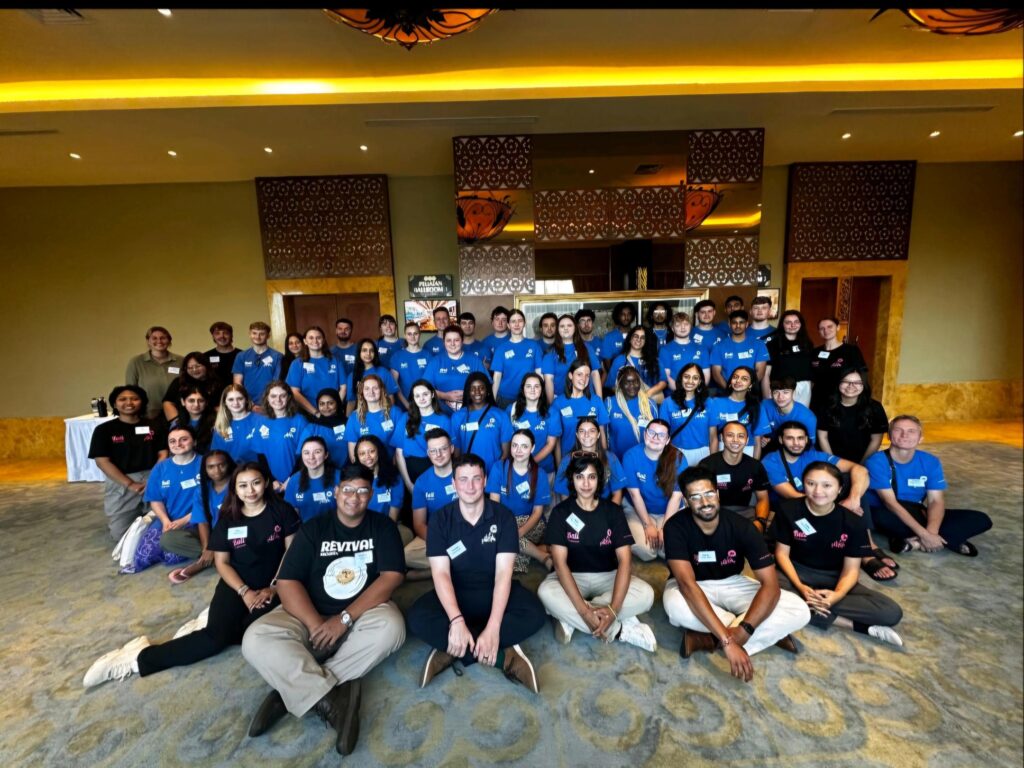
Staying in the hotel also allowed time to meet the other 46 participants including those I would share a room and homestay with as well as members of the same project team. The first few days also allowed adjustment to a new time zone which can be challenging with additional fatigue.
Top tip: adjust your watch to the time zone you’re going to and try to sleep with their night even if it’s in short blocks.
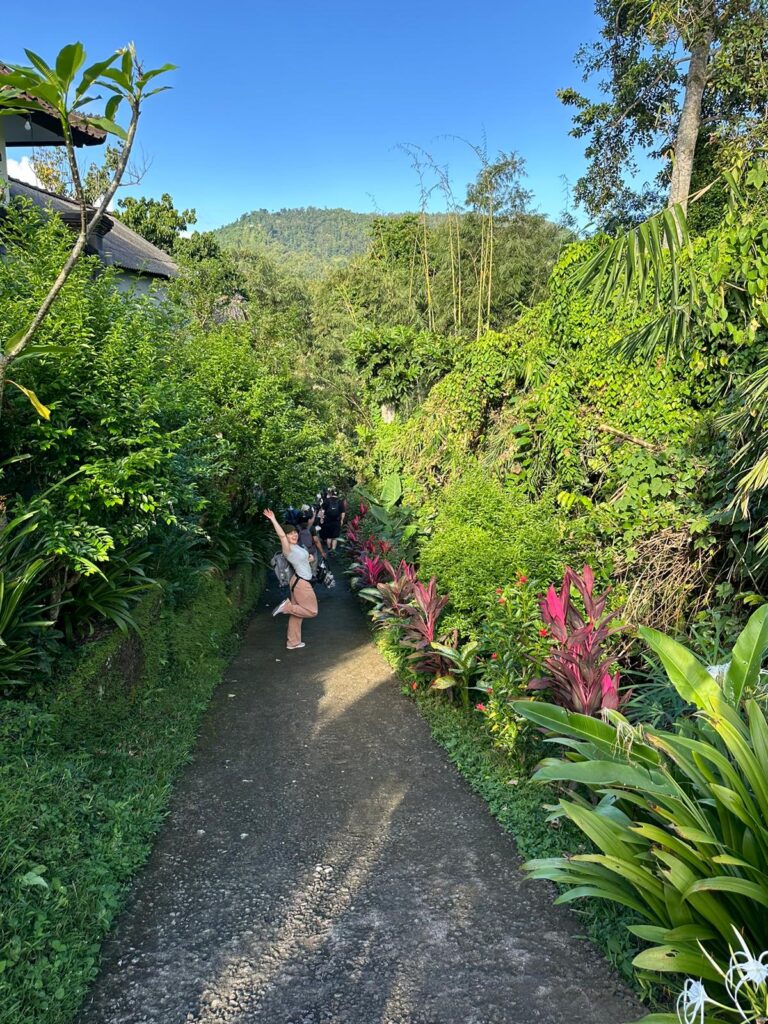
Following the briefing, I travelled to Bali Kuno Tangkup for a dedicated cultural immersion experience led by locals. The camp included sleeping in bamboo and straw buildings with 8 other participants, sharing outdoor rain-water showers, and cooking local Balinese food including Mi Goreng – noodles with vegetables. The time also included further team bonding and developing appreciation for the efforts of rice field workers by completing activities in the muddy rice field and helping to plant rice seeds afterwards. After evening food, we gathered around a fire to sing typical western pop culture songs, giving a sense of home and a feeling of connection. I found the experience at Bali Kuno an opportunity to breath and embrace a more traditional and natural way of living that is a contrast to city life. With stronger group familiarity and time to adjust to the new time zone, we travelled from Bali Kuno to Mas Village where we would spend the remaining project time.
As is traditional for Balinese culture we were greeted with a welcoming ceremony where we presented with a fresh young coconut and Kalung Bunga (Flower necklace). The welcoming ceremony was also an opportunity to meet the homestay family who we would be living with. After the welcoming ceremony we walked to the homestay navigating uneven pavements (common in Bali) and stray dogs, before dinner and an opportunity to rest before the weekend. For the final weekend before project work began, I was fortunate to visit the Tegallalang Rice Terrace where I was able to develop an further appreciation for the work and patience involved in growing rice.
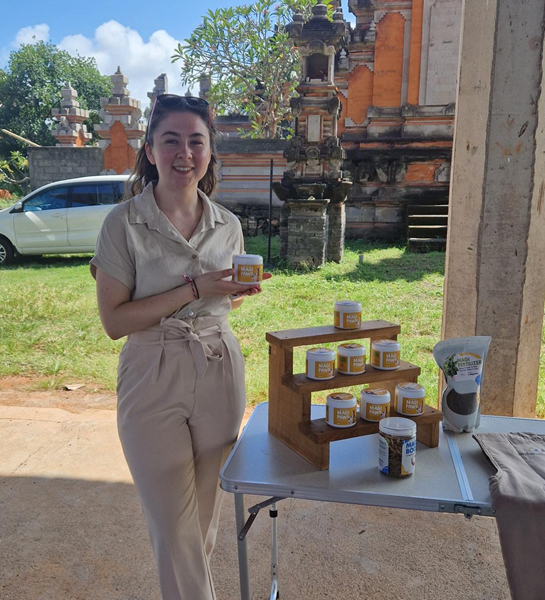
After a week of cultural immersion and education as well as team bonding with fellow participants, I felt an eagerness and curiosity to start the project work. For the first week I was fortunate to work with Magi Farm who utilise the lifecycle of the Black Soldier Fly to tackle food waste and create byproducts including fertiliser, dog food supplement, and fish food to produce a fully circular sustainable waste management system.
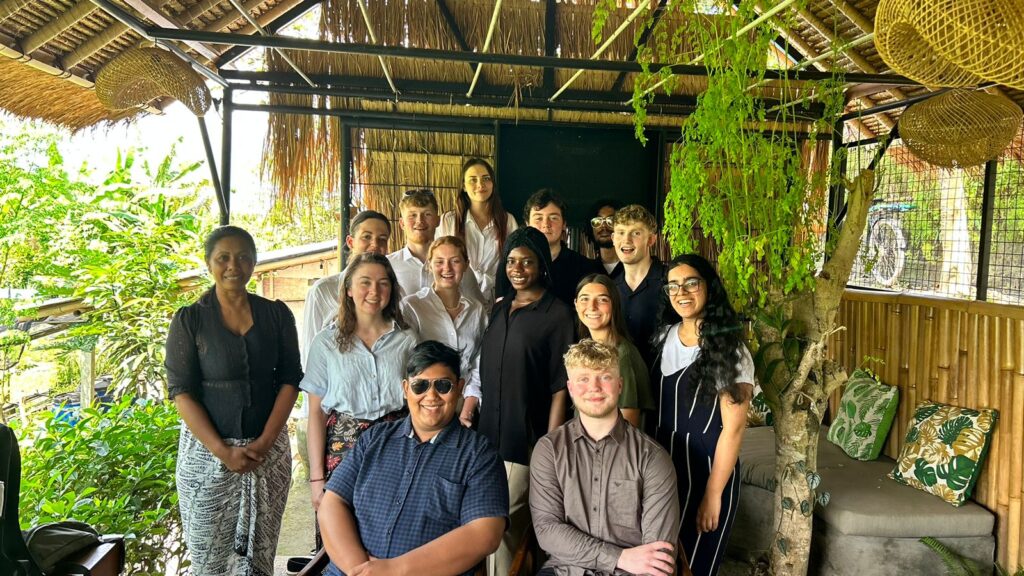
During the first meeting I was able to see how Magi Farm operates and their facilities as well as discuss with the co-founder beneficial outcomes for the week ahead. Throughout the week we worked as a team of 8 to deliver a path forward for Magi Farm, where I focused on developing a strategic plan to foster engagement and partnerships from events and business to business. Presenting the project at the end of the week allowed me to practice my public speaking skills and developing confidence in my ability to.
Following a weekend of reflection and exploration time in Canggu for a free weekend, I returned to Mas Village intrigued by the next project partner. For the second project partner I was grateful to work with Made Tea who utilise organic, sustainable, and all natural herbs and plants to create teas designed to promote wellbeing. Similar to Magi Farm, I was able to gain an insight into how Made Tea is run and operates by a single founder, Roni. It was highlighted early that Roni had a passion for helping those in the community of all including the younger generation.
Throughout the week I used my experience of design and design software to curate a new package design aimed at promoting energy in the younger generation. To support an interest in international partnerships I created a template for a partnership proposal to facilitate discussion. Presentation of the weeks work allowed further development of my presenting and public speaking skills.
To conclude the final week of project work after a weekend of exploring the local Ubud area and seeing a traditional Balinese fire dance, I was honoured to work with HNS Studio Bali, a graphic design and illustration business. HNS Studio Bali was an inspiration business as the founder began his journey while in university and has become an award-winning entrepreneur. However this success posed a challenge for how best to add value during the week. With some brainstorming as a team we identified scope for further more niche partnerships to which I continued on to develop a mock-up visualisation of his artwork as a background for DJ sets or festivals to increase visibility. Creating this visualisation allowed me to use and practice some of my design skills, appreciating transferable skills and the dedication to passion that people have.
Partaking in the Think Pacific GTI in Bali supported by the Sir Thomas Dixon Travel Scholarship and working with local Balinese companies allowed me to realise my passion for problem-solving across specialties as well as appreciate the diversity of culture that exists within our world. I was able to refine skills such as public speaking, generating presentations, and thinking outside the box for unfamiliar challenges; all skills of which will help me foster a successful future as I start my PhD in October with the School or Mechanical and Aerospace Engineering.