Celebrating Day of the Dead

I see it coming – the excitement starts to build up not only in my body, but in my family, in my whole nation, among my people, whether they live or not, in Mexico... The Day of the Dead is expected with illusion everywhere and this festivity is a distinctive feature of our culture.

– Ingrid Briano (QUB alumna)

For many of us, the most special period (between the last day of October until the second of November) of the year, when the smells of mandarins and cempazuchitl flowers float in the air preparing the way to receive our ancestors, it is the time of festive peace, of joyful nostalgic that is hard to understand for many foreigners who are equally fascinated and confused when they are in the boiling atmosphere of the Mexican celebration of the Day of the Dead.
Death is perceived in a very particular way in my country since the pre-Hispanic times, and this is especially shocking for cultures for whom the concept of the death is fearful, dark, painful. For our ancestors like the Mayas and Aztecs, death was in synchrony with life.

Death was needed to sustain life, human blood and sacrifices were needed so their Gods could continue blessing humans with life, crops, prosperity… death was only a stage in the cycle of life.
This is a time for family bonding and gathering, we get together to celebrate the lives of our ancestors, to be grateful for their legacy and to honour their memories. At home, this is one of the few times of the year when all my family sits around the table, sometimes the door rings and suddenly we have uncles, aunties and cousins showing up to eat “un panecito”. This is also a time to discover things about our family, like the time I knew that my great grandparents had to get married in a cave because during that time the government closed the churches and prosecuted priests and Catholics.

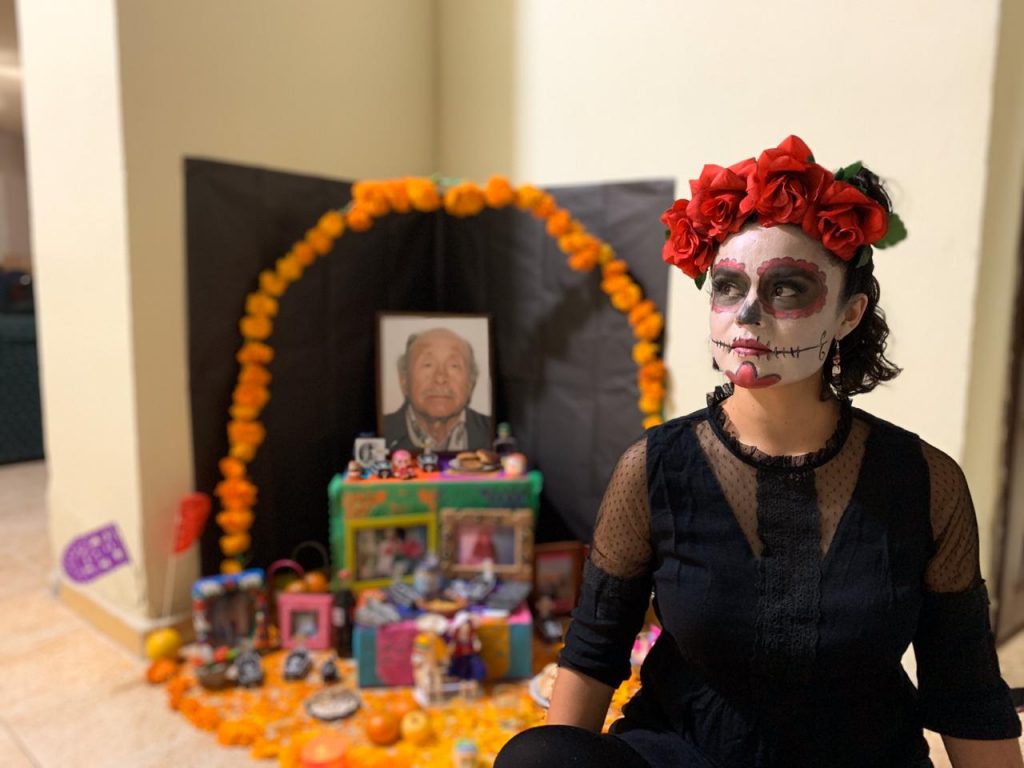
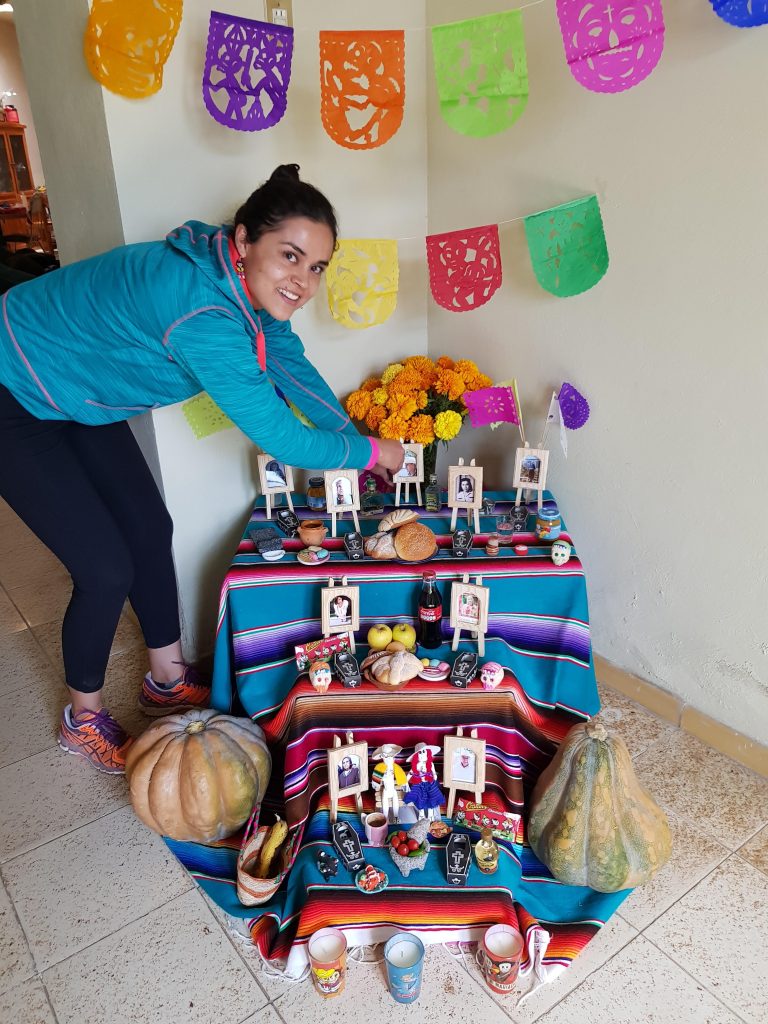
If we keep talking about the essential components of this celebration, we cannot forget the “altar de Muertos”, present equally at home, in public buildings and plazas, or in schools, where since we were kids we made them to join in contests against other groups. The altar must contain some elements, like water, salt, the orange cempazuchilt flowers distinctive of this festivity, the portraits of our beloved ones who already departed, their favourite food, and candles to guide them, to show them the way home.
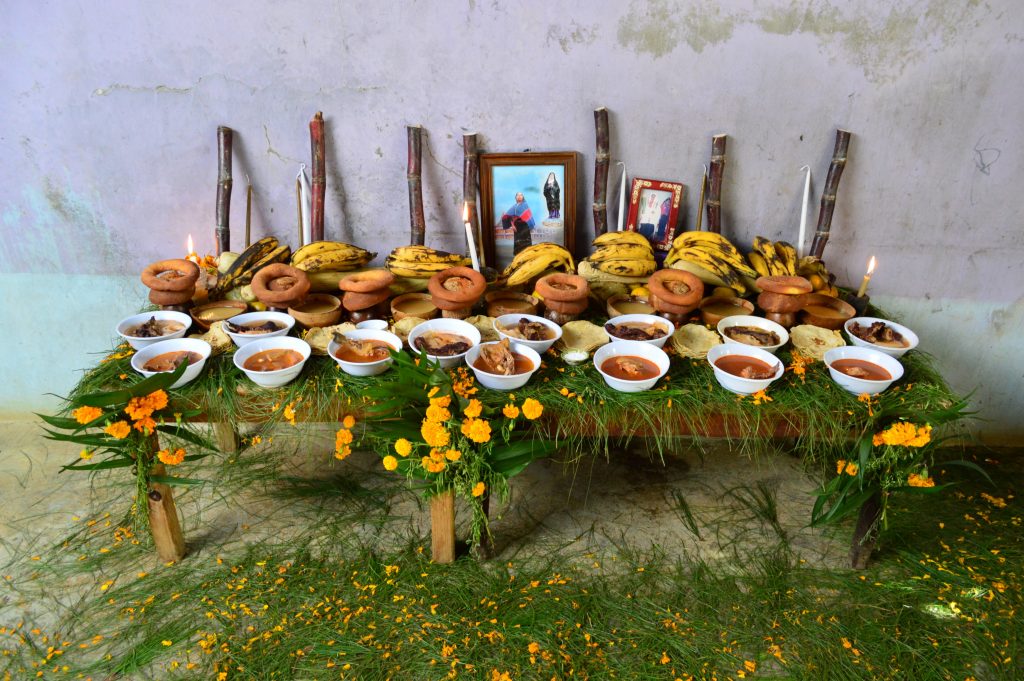
Altar de Muertos

The altar and the elements may vary depending on the region and group. Some indigenous communities put their favourite saints instead of the portraits of their relatives, and in many families we include an arch of flowers that some believe, symbolizes the division between the world of the death and the alive, a species of portal between the two worlds. Because for a couple of days they are among us, they come to taste the food we prepared for them, they come to comfort us for the pain of their loss. It is said that if you try the food later, you won’t find any taste because your hungry relatives already “ate” it.

Although it often takes a few days to design it – buying all the elements and preparing the food – it is a moment of unity not only with the family, but with the community. I always buy the flowers to a man who knows much of my deceased relatives, and I always pull a story out of him of one of my relatives, because “once he saw my abuelito when he was buying some cows bla bla bla….”.

Furthermore, millions of people dress up as the icon of this festivity: the “Catrina”, the fashioned – bony creation of Mexican lithographer Jose Guadalupe Posada, who used to portray skulls and skeletons in his illustrations to protest and criticize the Mexican society of the late 19th and early 20th centuries. These dancing and colourful skeletons invade the streets during the parades held in cities and towns along the country.

And also, you can find the minion version knocking at your door, screaming “el muertito, el muertito” and demanding treats in our Mexican version of trick or treat. This tradition has been changing and getting stronger during the last decades, taking some distance from the similar Halloween, to become a very proud and intrinsic Mexican tradition. You will see fewer and fewer witches, zombies, mummies, and pumpkins, and more and more catrinas and catrines, and characters of the Mexican popular culture like “el chavo del ocho”, Cantinflas or heroes of the Mexican revolution returned from the underworld with a beautiful childish face and some creepy scar and blood on the forehead. I especially wait for this moment, because the kids know that my mom is always prepared with bags and bags of sweets to receive them. When they knock, they are always welcome by an Ingrid – Catrina who gives them sweets, and well, she keeps some to herself, because that day she turns into a little girl herself.
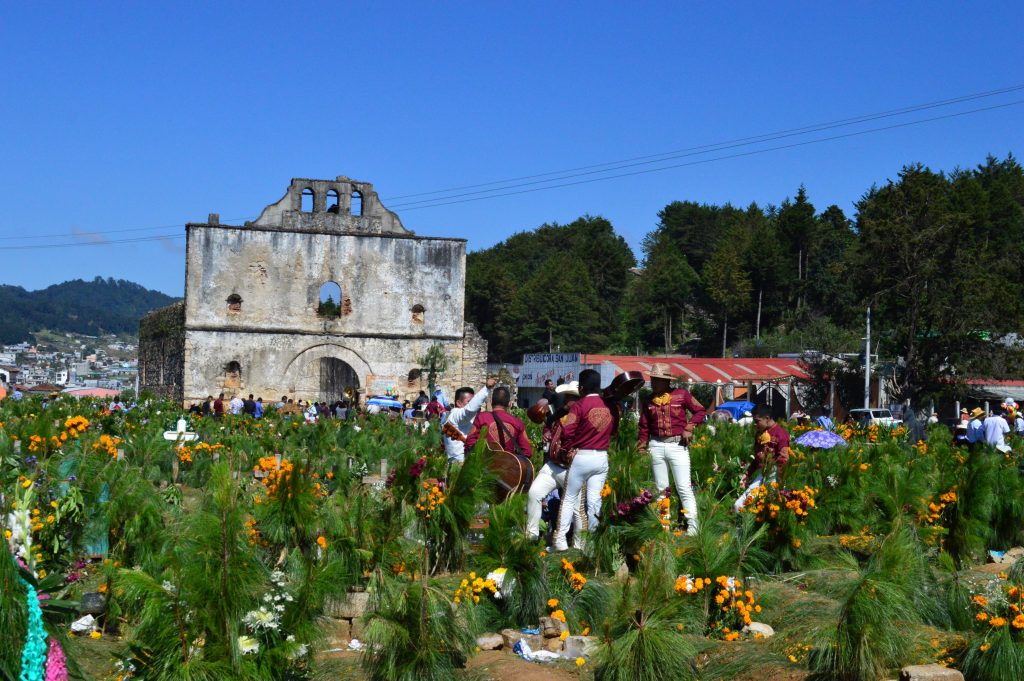
And what about the cemeteries? You would be surprised… don’t expect a chorus of cries and rivers of tears… but to see people cleaning the graves, painting and decorating them, putting fresh flowers and even new toys for a child grave. Pay attention to the families having picnics and laughing around the graves, listen to the mariachis playing ranchera (a genre of traditional music of Mexico) and singing with all their heart… join the party, and above all, don’t be sad. Join our most beautiful tradition, join us to welcome our beloved ones because they never left; join us to celebrate their lives instead of feeling sorry for their passing because they only die when we forget them, and that will never happen, as they will always be alive in our hearts and memory, and they are always loved.

Feliz dia de Muertos!!

About the author
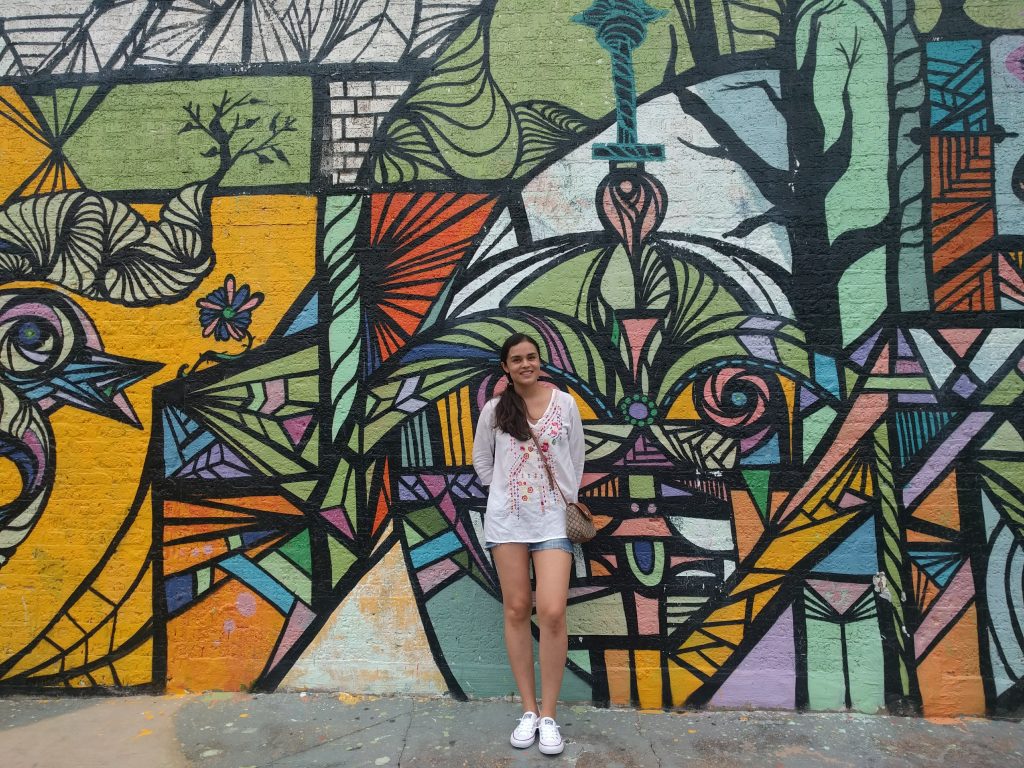
Ingrid Briano Jasso

Ingrid, from Mexico, obtained her MSc in Leadership for Sustainable Development at Queen’s in 2018.

View here to learn more about her QUB experience.

All photos curtesy of Ingrid Briano, all rights reserved.
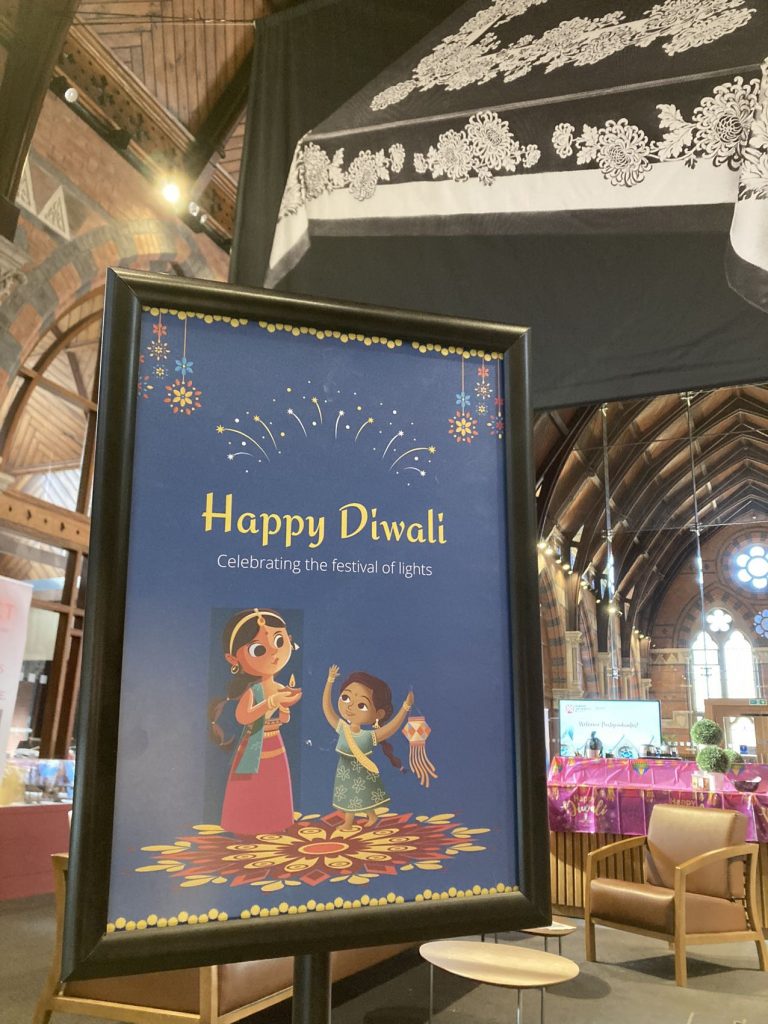
Happy Diwali

Happy Diwali to all who celebrate it at Queen’s and elsewhere!

Diwali (Deepavali or Divali), also known as the Festival of Lights, is a Hindu religious festival and one of the most important festivals within Hinduism. Falling on 24th October this year, it generally lasts five days, and is celebrated during the Hindu lunisolar month Kartika.

“Hindus, Sikhs and Jains both in India and across the world usually take part by decorating houses and public spaces with thousands of lights, candles and colourful designs. As well as the bright colours and glittering lights, there’s music, dancing, delicious food and a cresting wave of community feeling.”

Nimmy john
Lecturer, School of Nursing & midwifery; co-chair of bame & International staff network

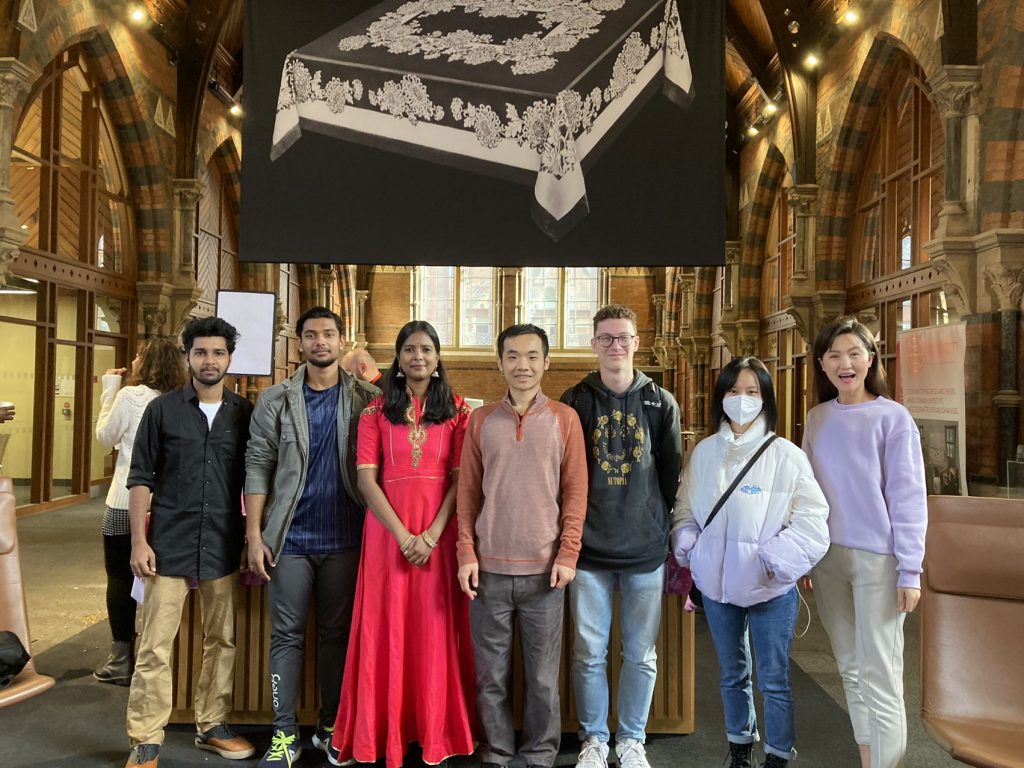
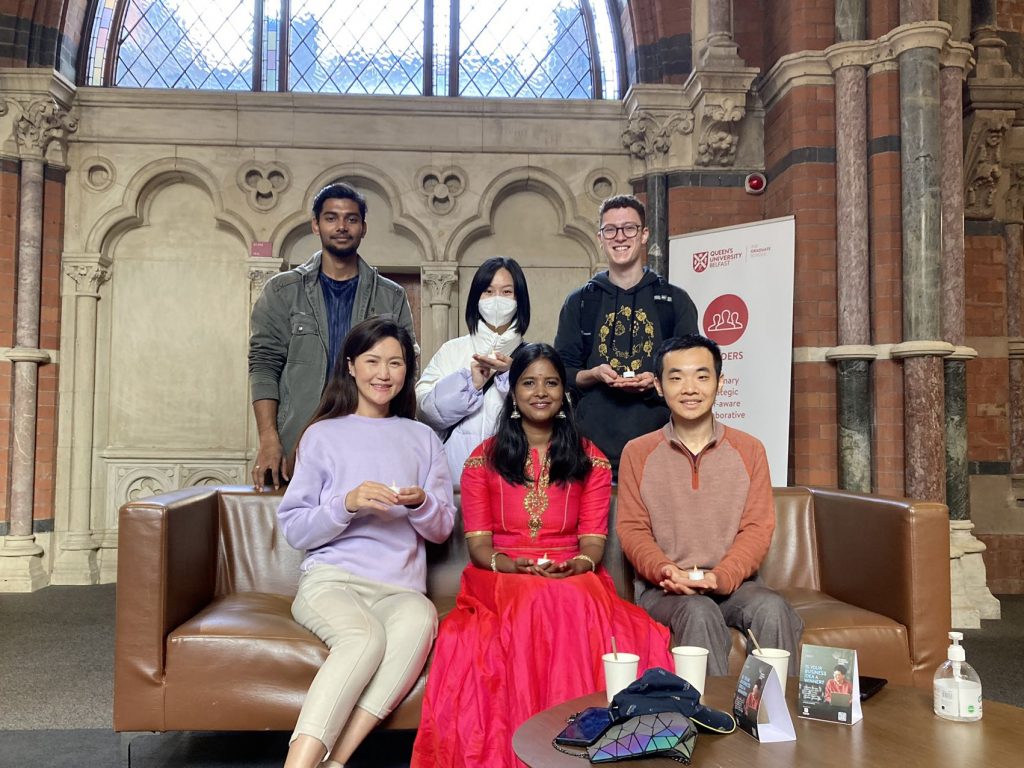
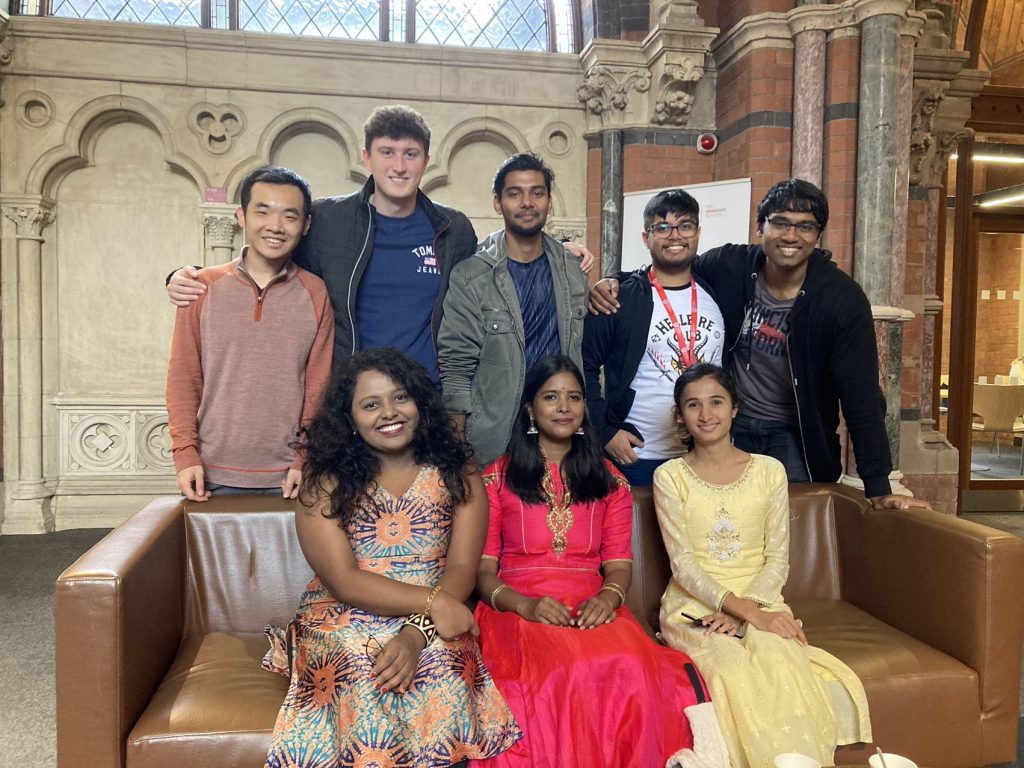
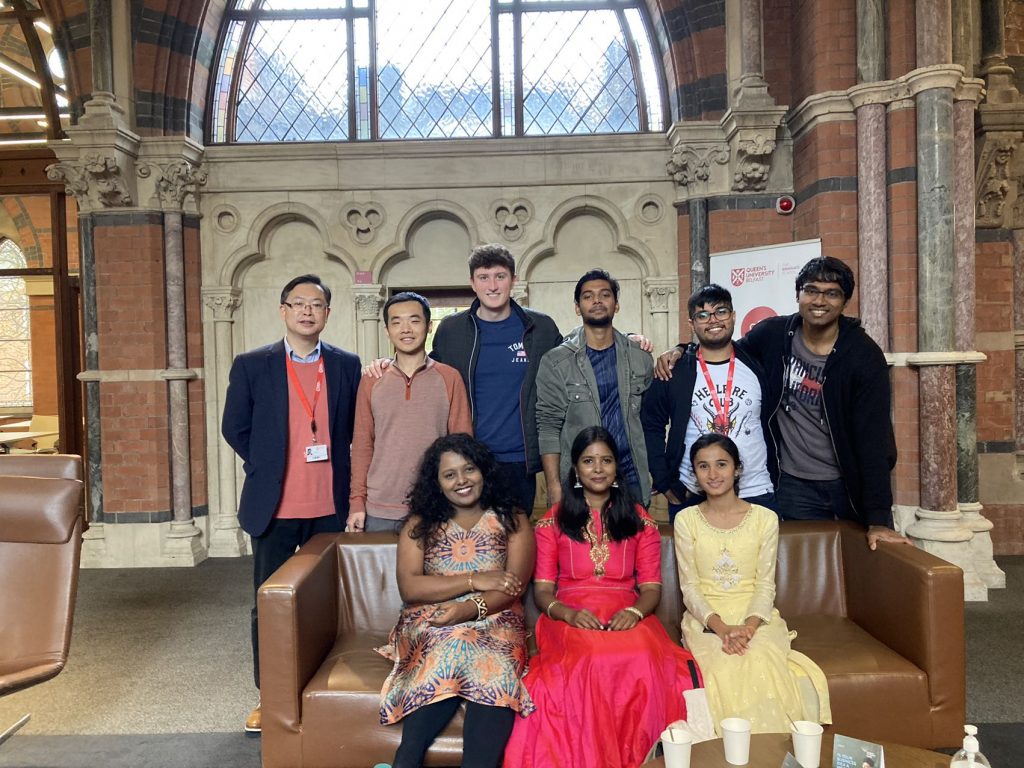
Thanks to the Graduate School’s organisation, on Monday 24th October Queen’s students and staff have joined in the celebration of Diwali at the 1st Floor Social Space of the grand ‘Ruskinesque’ Gothic building, with a taste of Indian tea and sweets.

‘Happy Diwali!’ is the most common festival greeting that people use to send their best wishes to each other.

TLE kicking a start

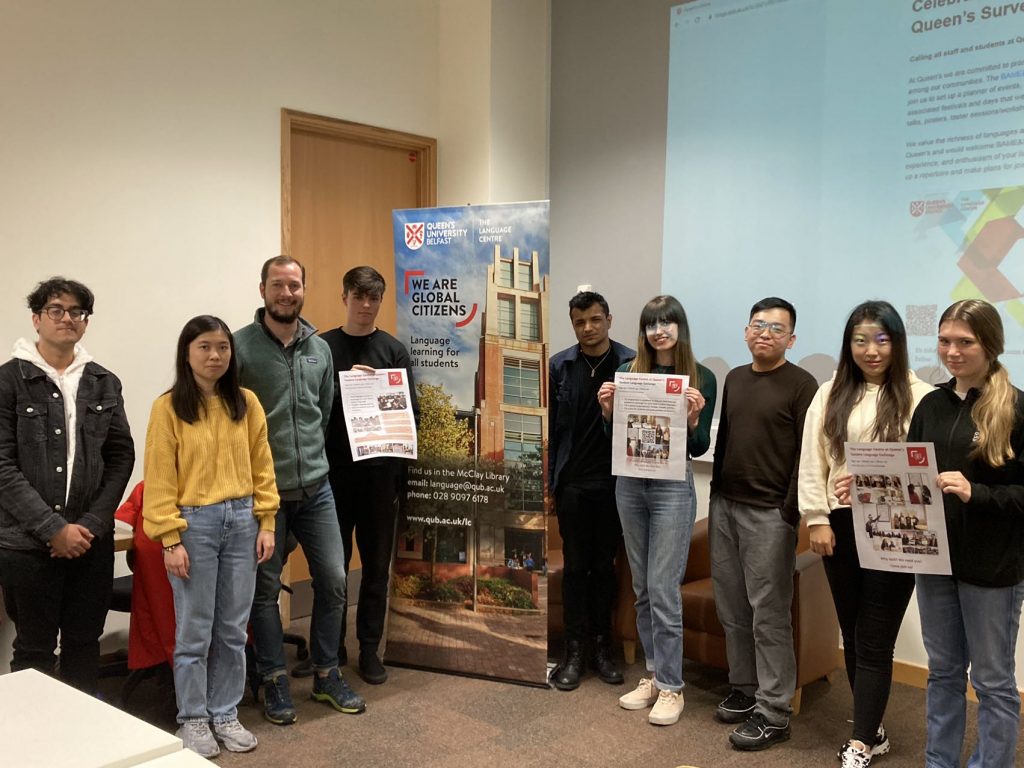
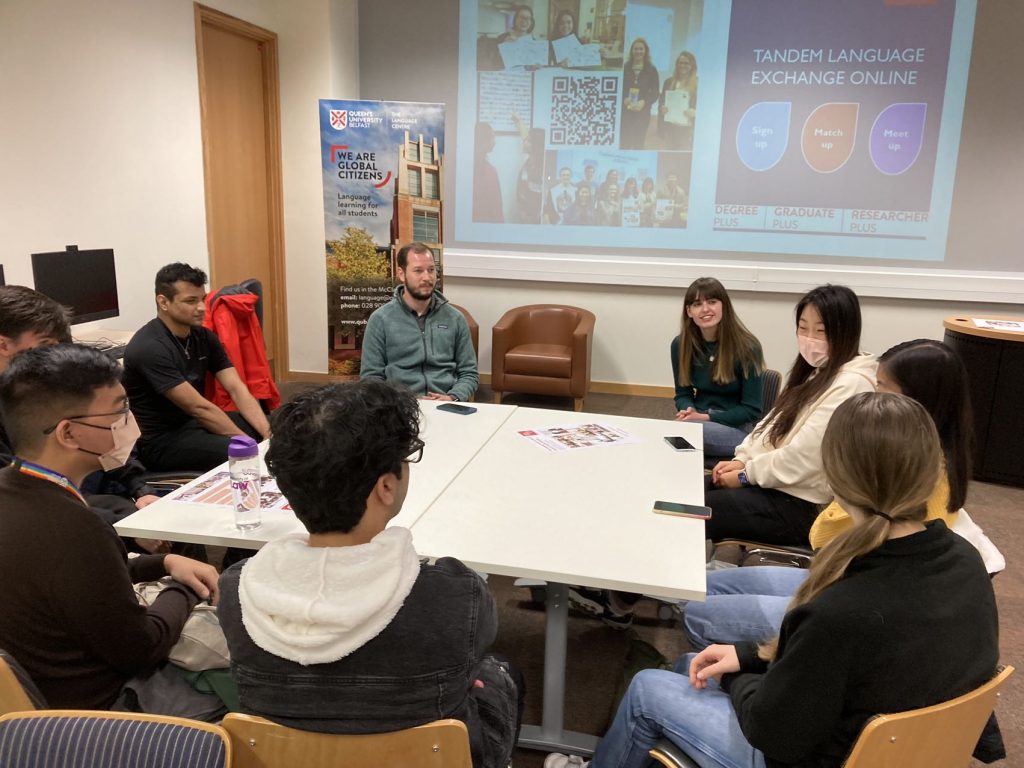
The first TLE session has kicked a start on Wed 19/10 at the Training Room 2 (TR2), McClay Library, despite the bad weather. From a diverse background of both language and disciplines, a dozen of enthusiastic language learners gathered to exchange their linguistic experiences and language demands and supplies. Some were even successfully paired up on site.

To support more participants to get started as soon as possible, we have decided to add two more sessions:

  • Friday 21/10, 11:00-12:30, online (Teams > Tandem Language Exchange at Queen’s)
  • Monday 24/10, 10:30-12:00, in person (Language Teaching Lab, McClay)

More sessions will be added to the TLE page and slots will be made visible on the TLE Canvas (free for teacher) calendar. Please save the dates to your calendar. The TLE platform is an ongoing support that you may join at any time you like.

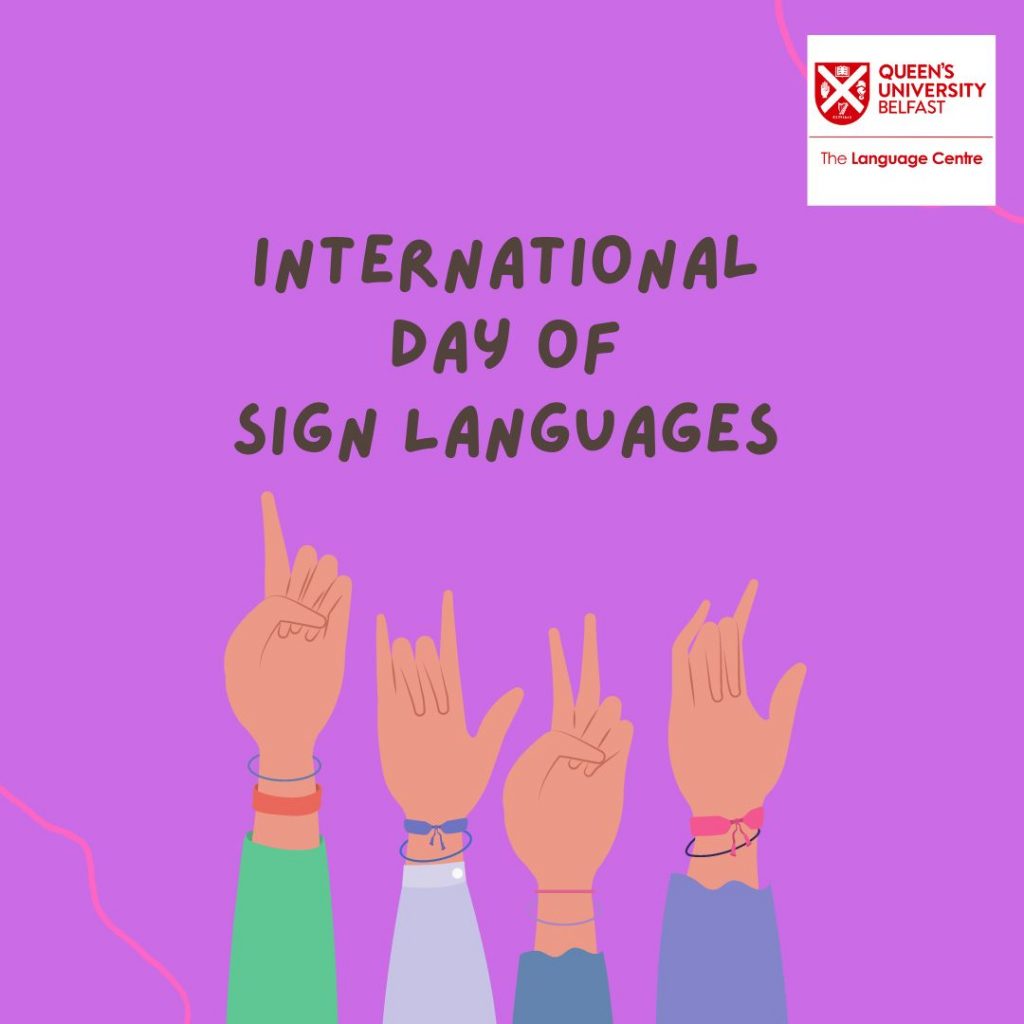
International Day of Sign Languages

Did you know that there are approximately 72 million deaf people in the global population? These people collectively use over 300 different sign languages! Alongside all the national languages, there is a shared international sign language used by the deaf community to communicate socially, on trips abroad, and in international business settings.

This International Day of Sign Languages, celebrated on 23rd September each year, to coincide with the creation of the World Federation of the Deaf in 1951, sits within International Week of Deaf People (19th-25th September 2022). The theme for this year is Building Inclusive Communities for All. Learning basic communication in sign language, whether national or international, can really help to make the global community of deaf people feel more included in society. As actress Rose Ayling-Ellis so aptly puts it, “There’s nothing wrong with being deaf – it’s society that’s the problem”.

The Language Centre offers British Sign Language courses in Levels 1 and 2 and registration for these is open now, via our website: www.qub.ac.uk/lc

Cultural awareness workshop for QUB Accommodation RA training

Goodbye, August, and hello, September!

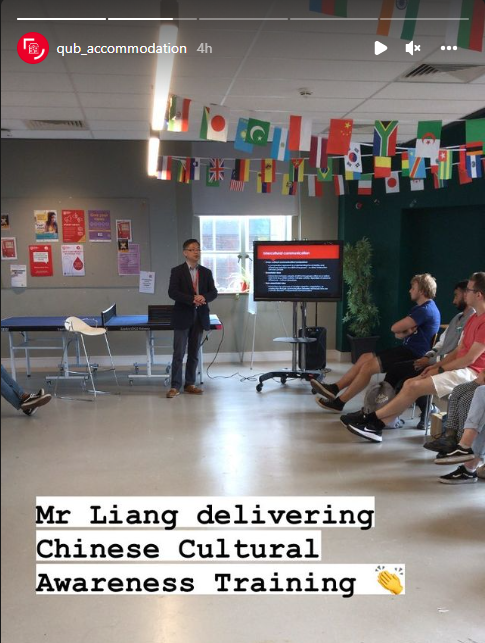
We are very pleased that today, Dr Liang WANG, from the Language Centre, provided a Chinese cultural awareness workshop for the Queen’s Residential Assistant Team who have kicked off their training to welcome international and home students to Queen’s.

While the session had its focus on an understanding of Chinese students, the largest international student body on campus, and the cultures they bring along, the principles of enhancing one’s intercultural awareness and developing intercultural communication skills are essentially applicable to the approach to interacting with all international students, as well as home students from the non-essentialist perspective – embracing cultural diversity, breaking down stereotypes, showing respect, and developing critical cultural awareness.

We hope that our Cultural Awareness training will be helpful to all students, home and abroad, to enhance their life experience while studying at Queen’s. We would like to send our best wishes to the upcoming international students for a successful year ahead.

We are also happy to be contacted for consultation and tailored workshops to suit particular needs relating to language learning and cultural awareness training. For any enquiries, please email us at language@qub.ac.uk.

A tour of the Irish Craft Heroes

Did you know that August is the Craft Month in Northern Ireland?

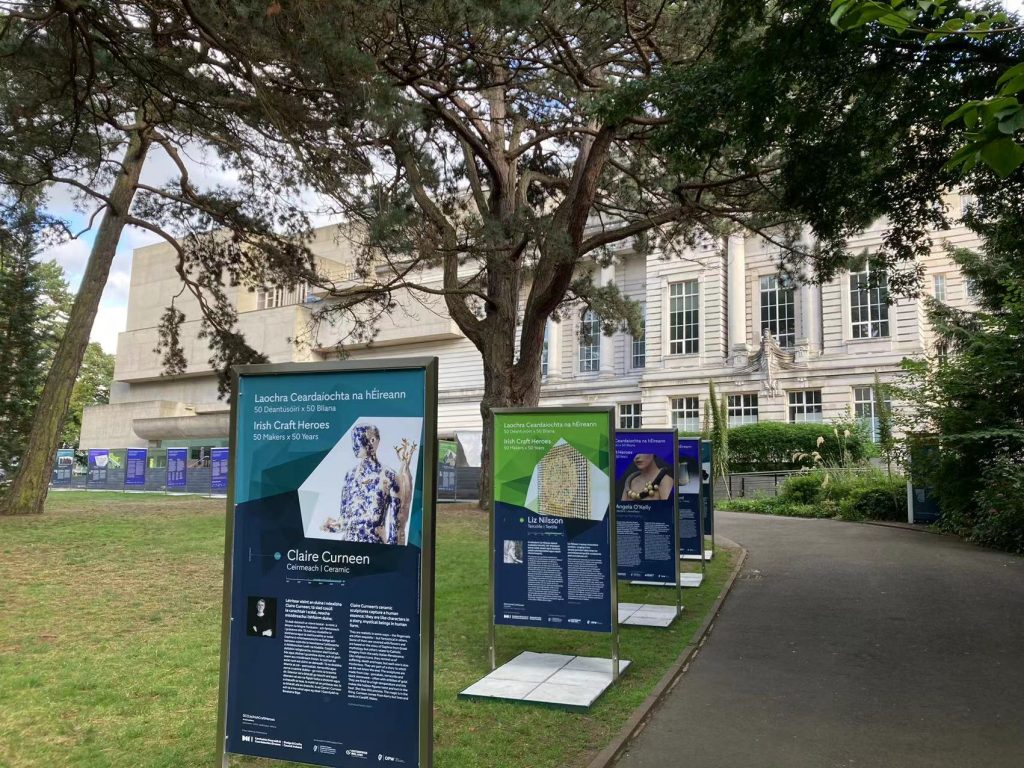
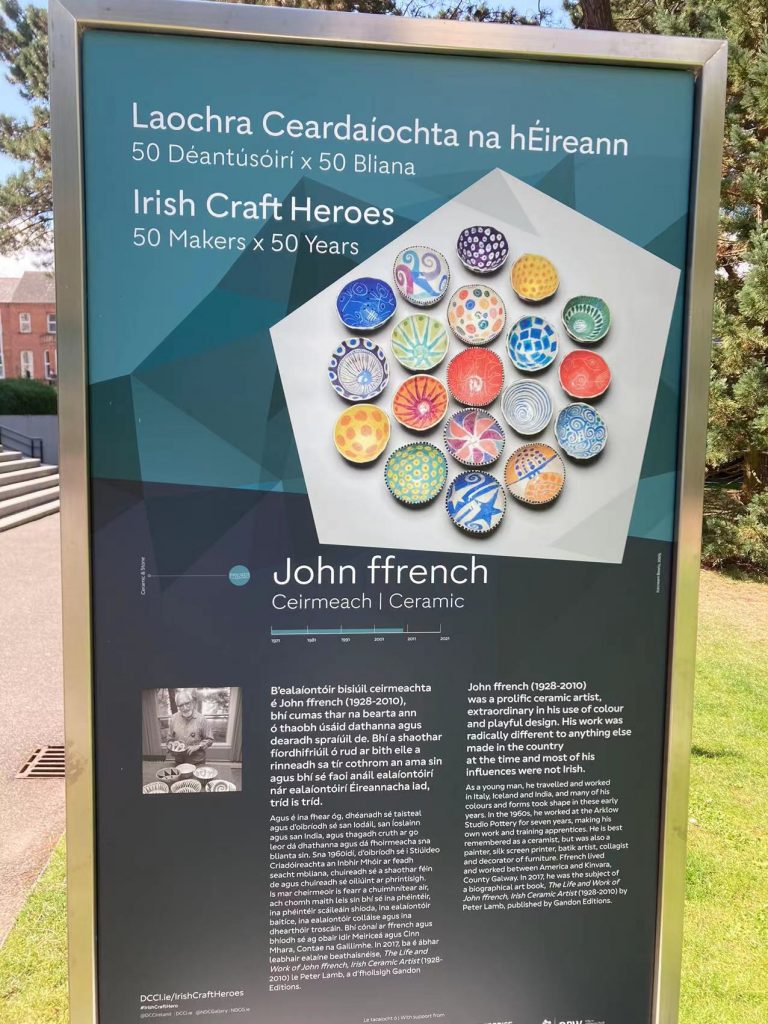
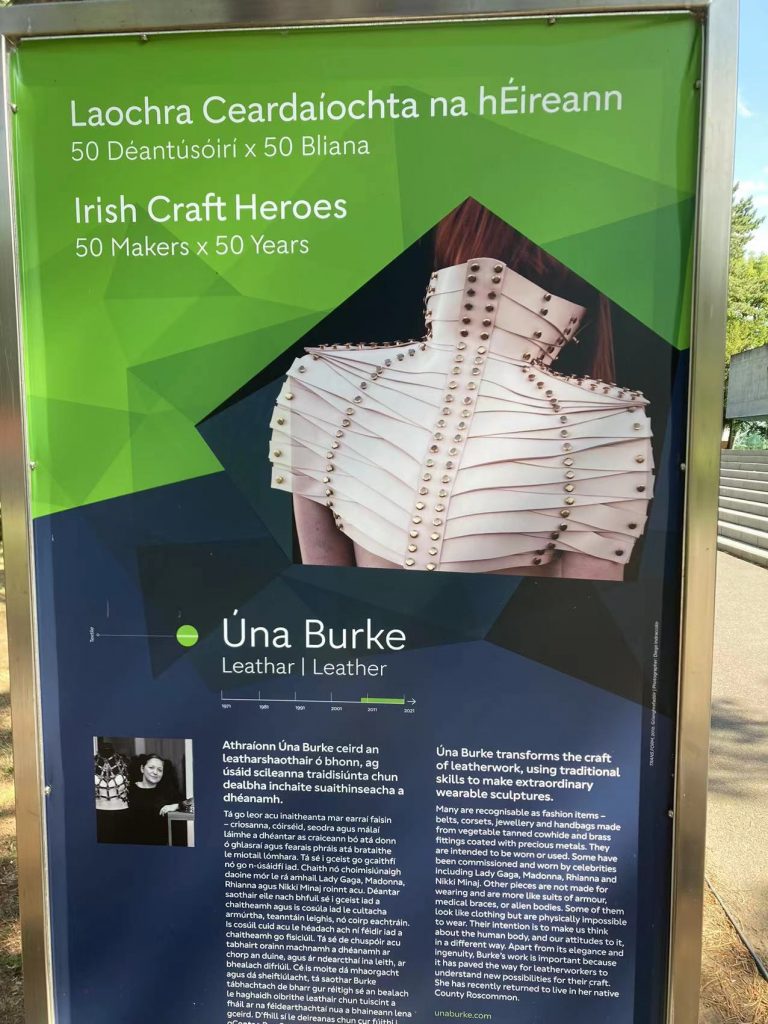
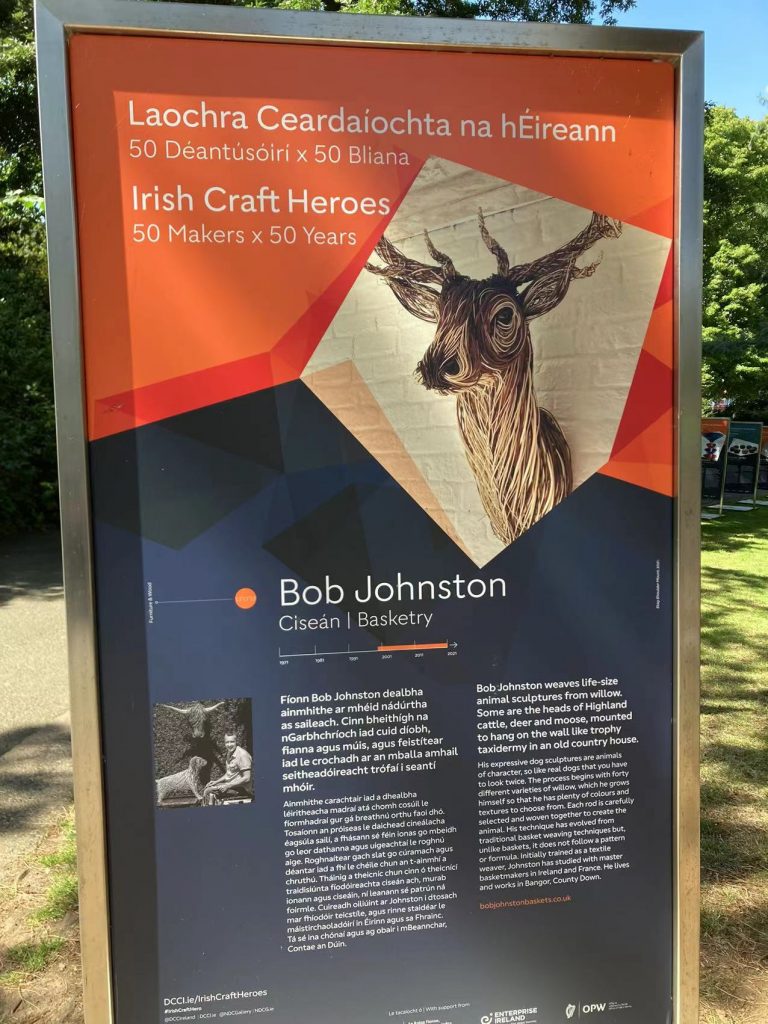
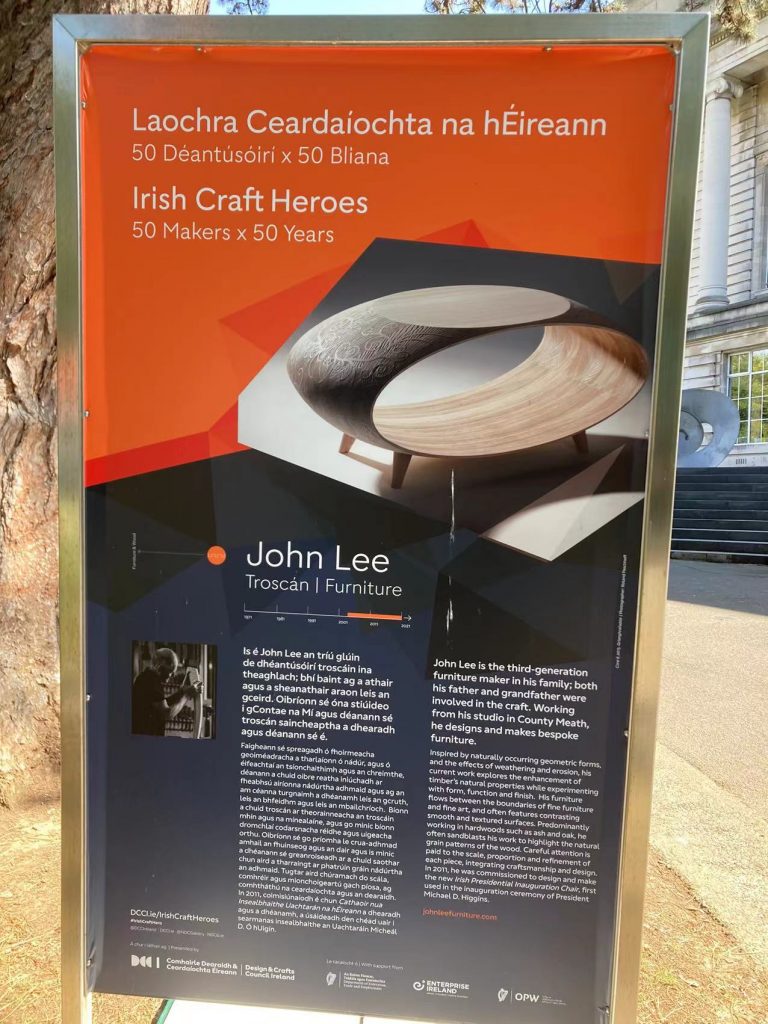
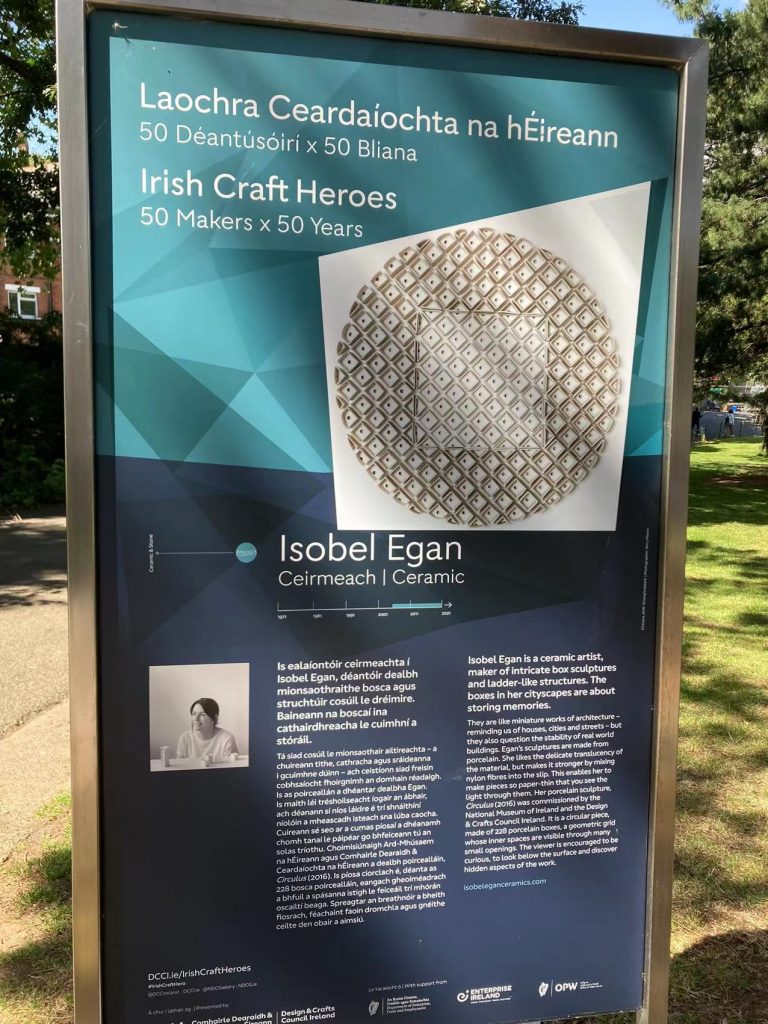
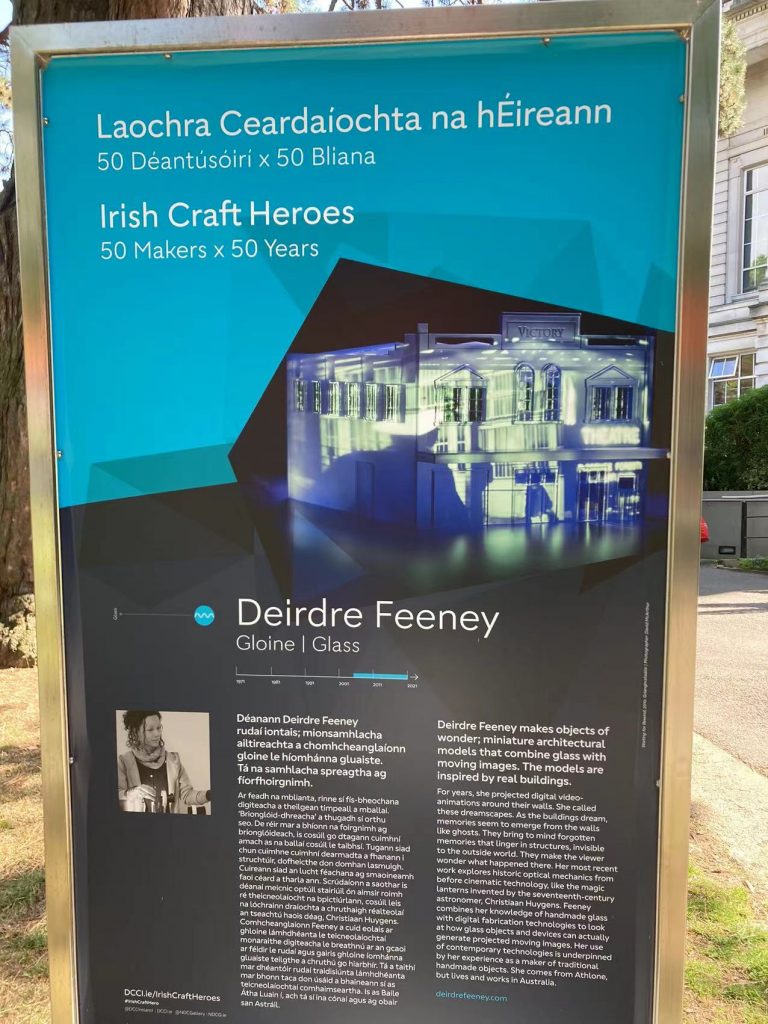
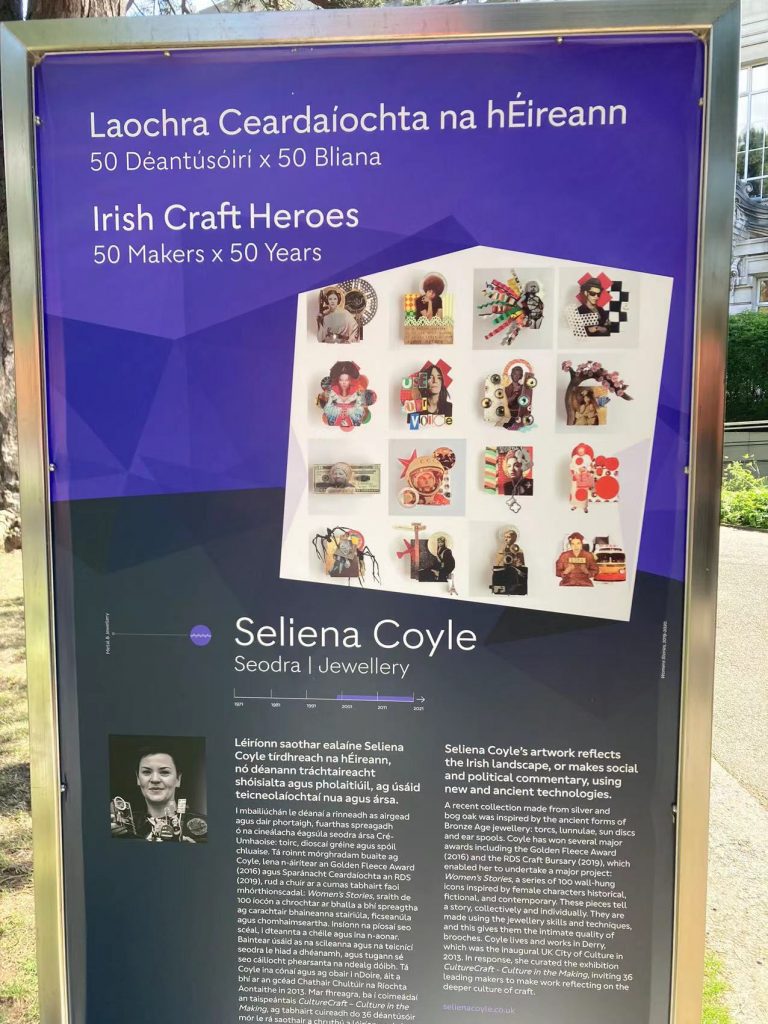
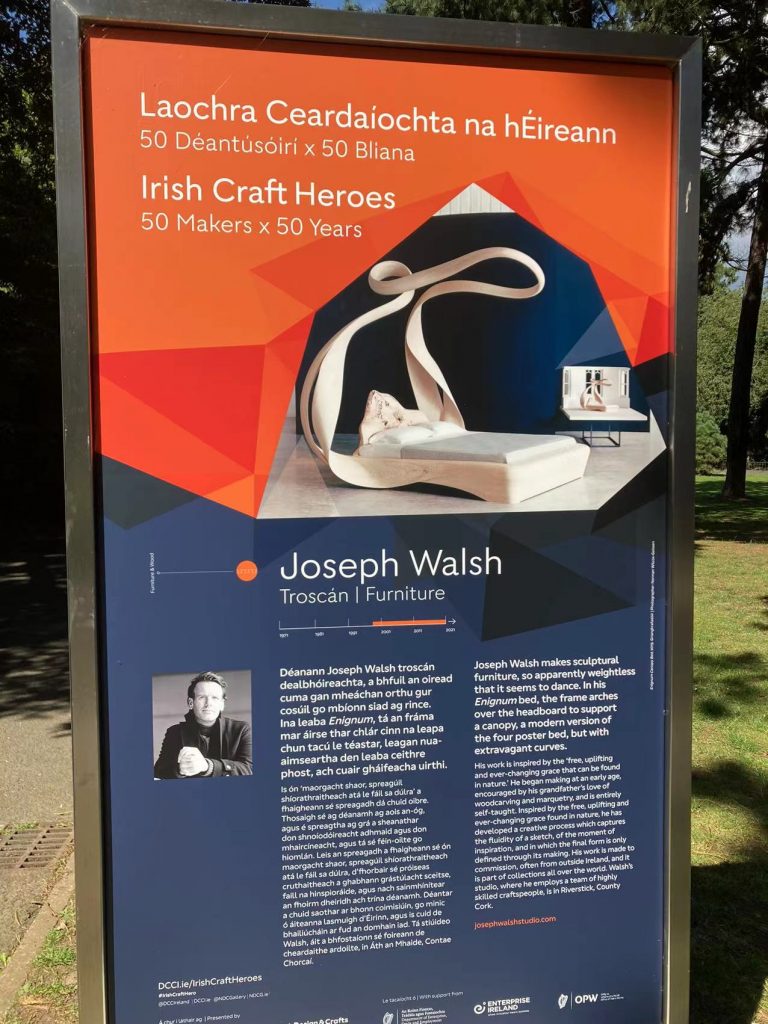
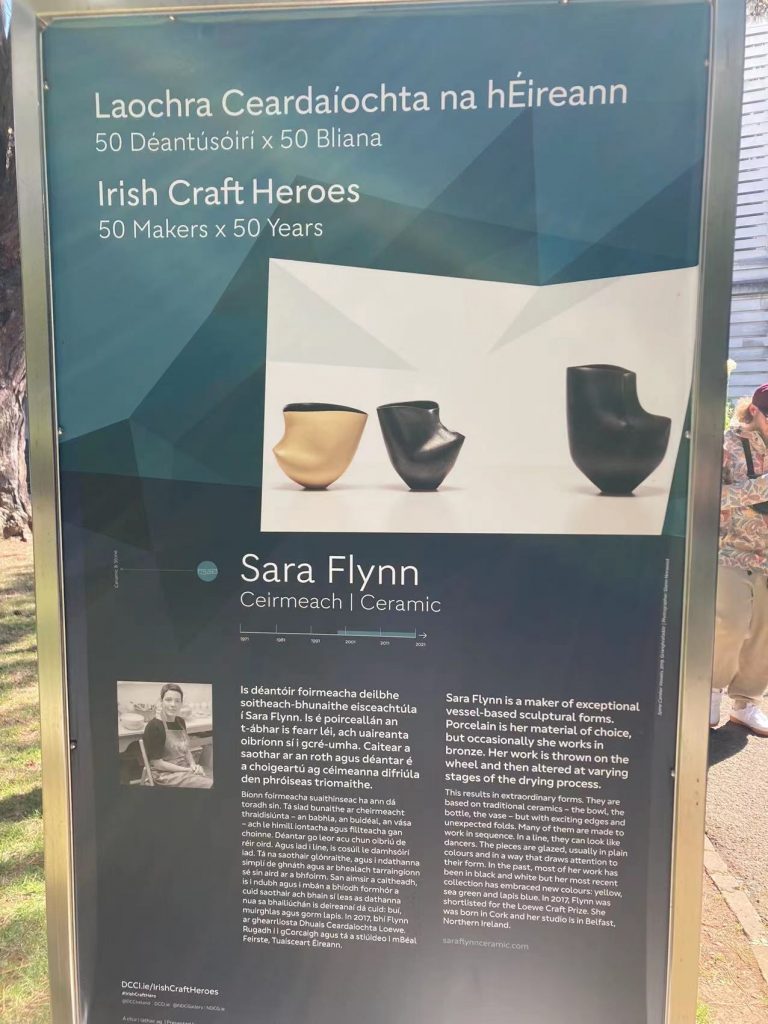
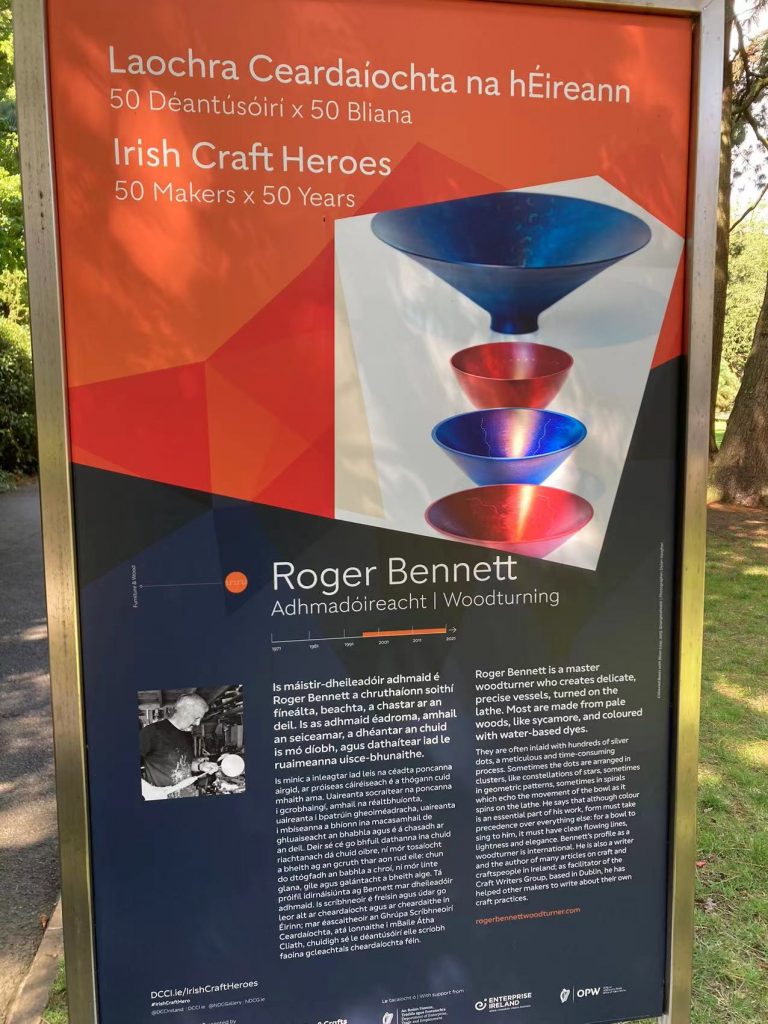
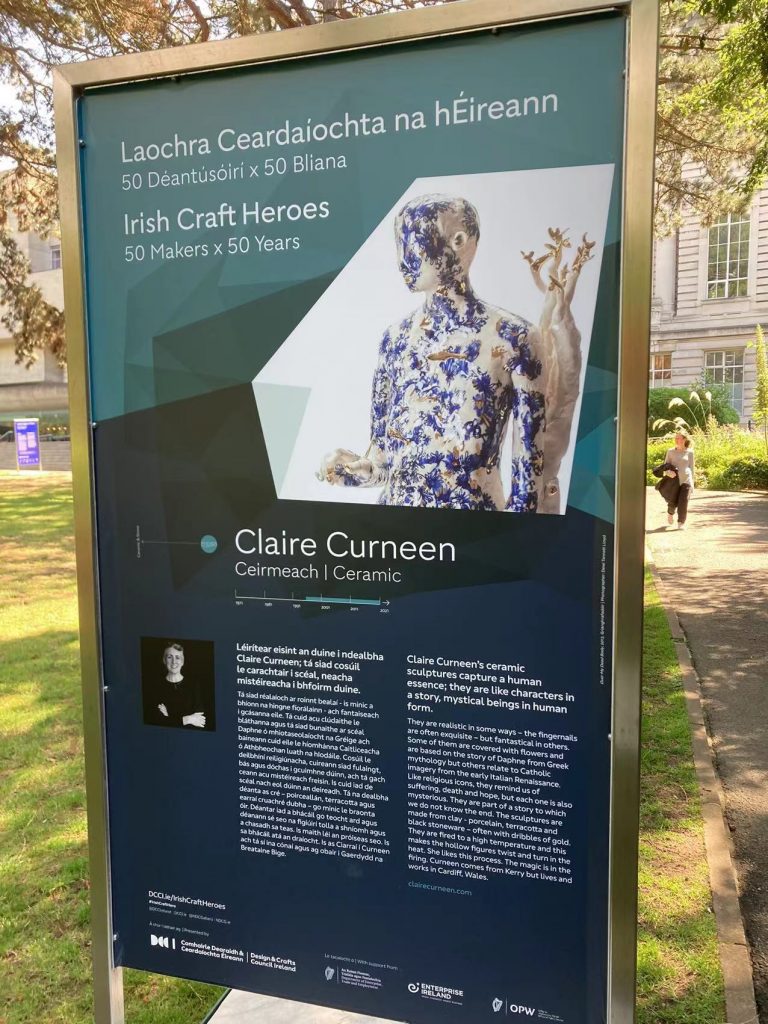
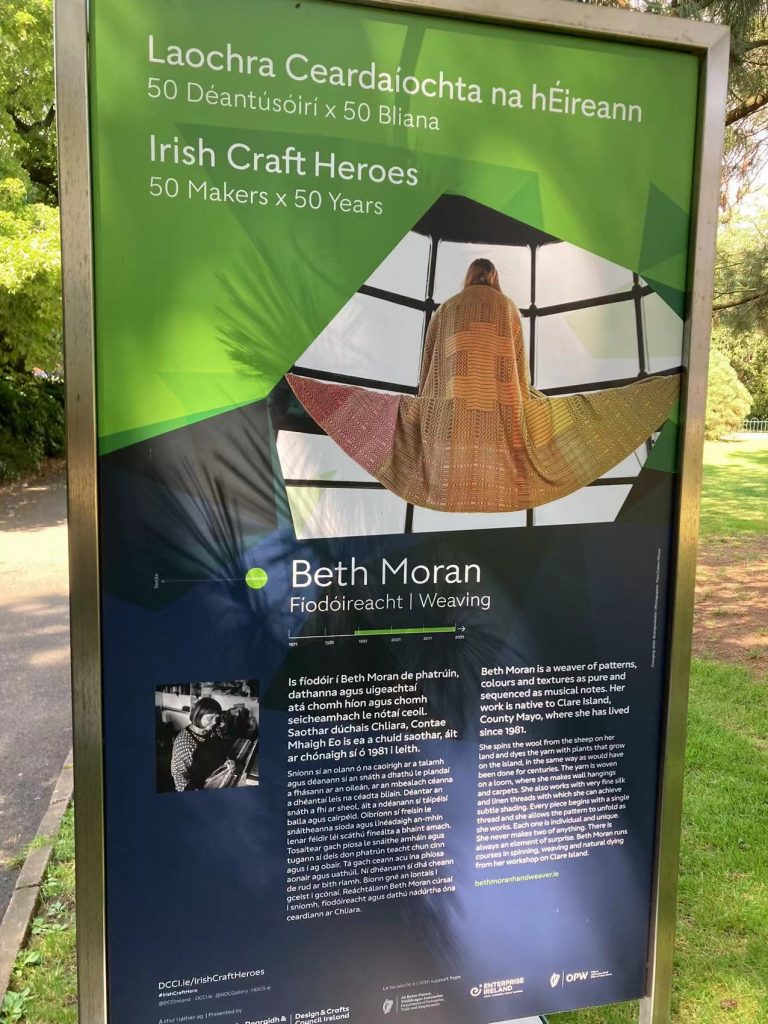
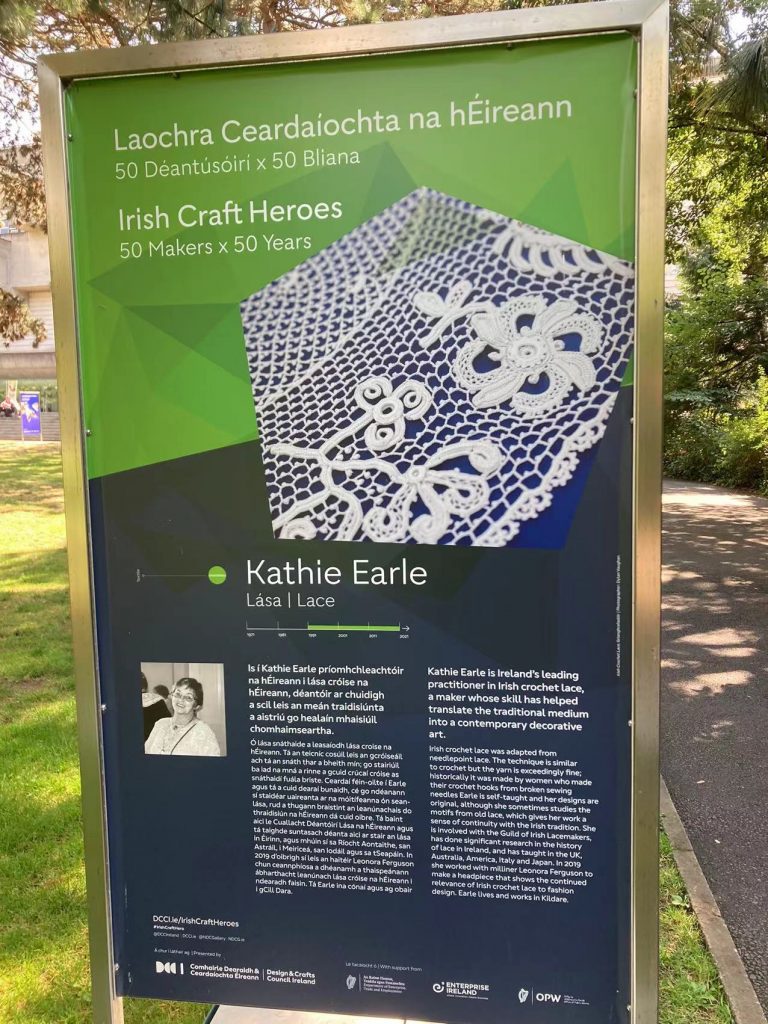
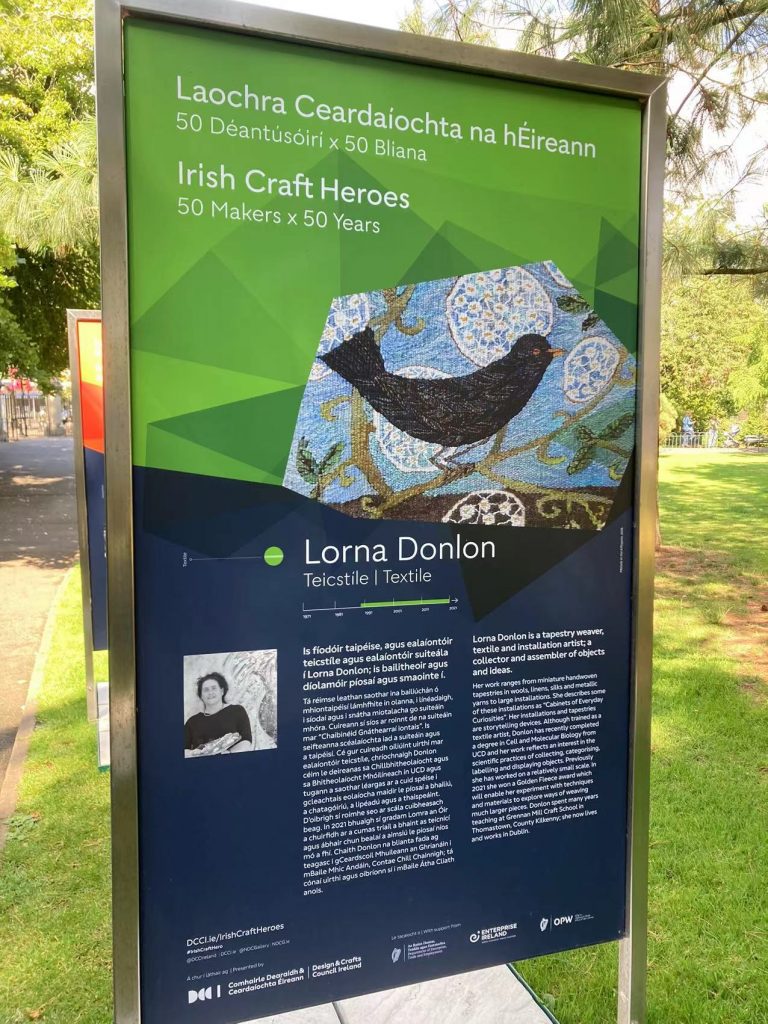
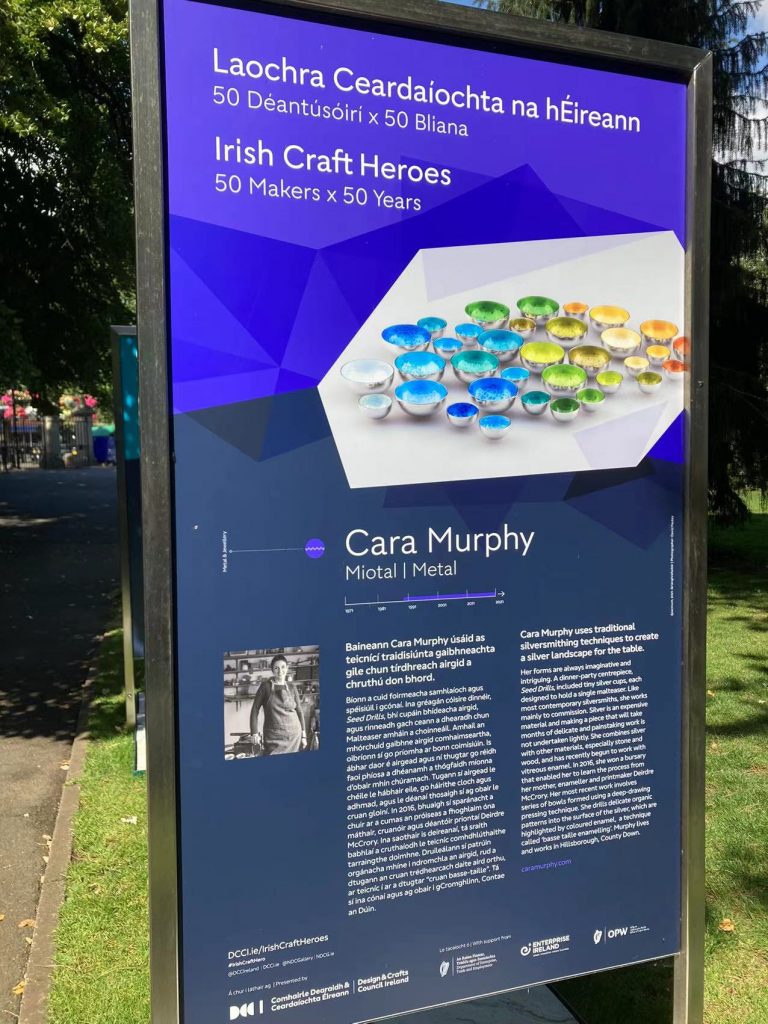
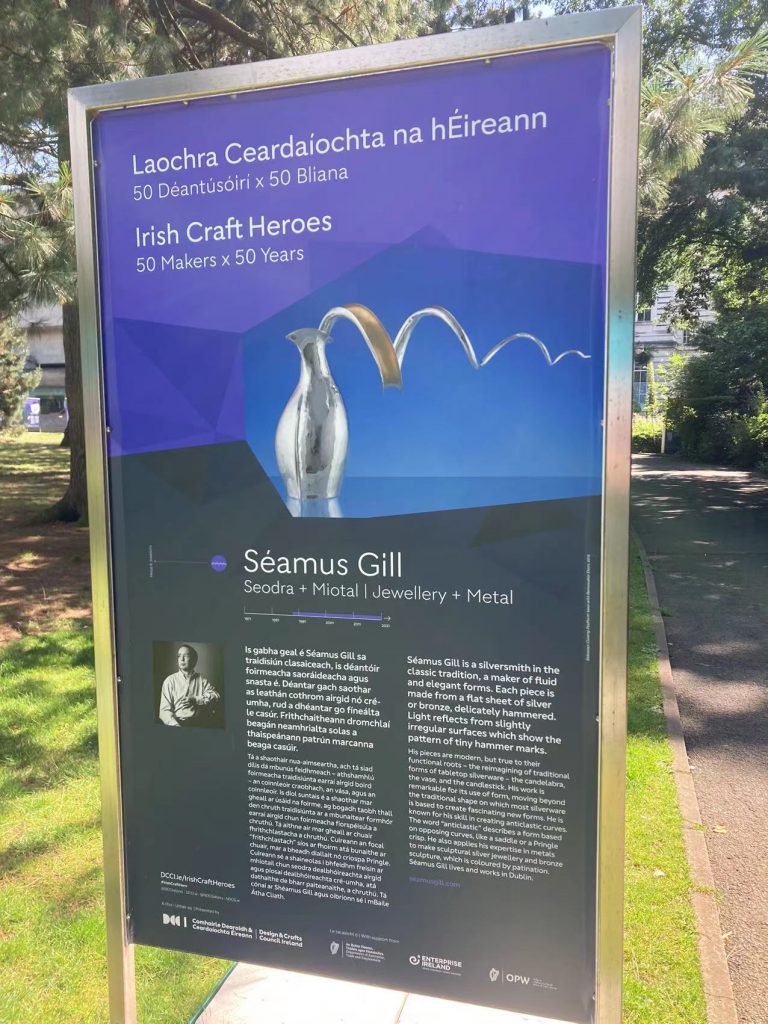
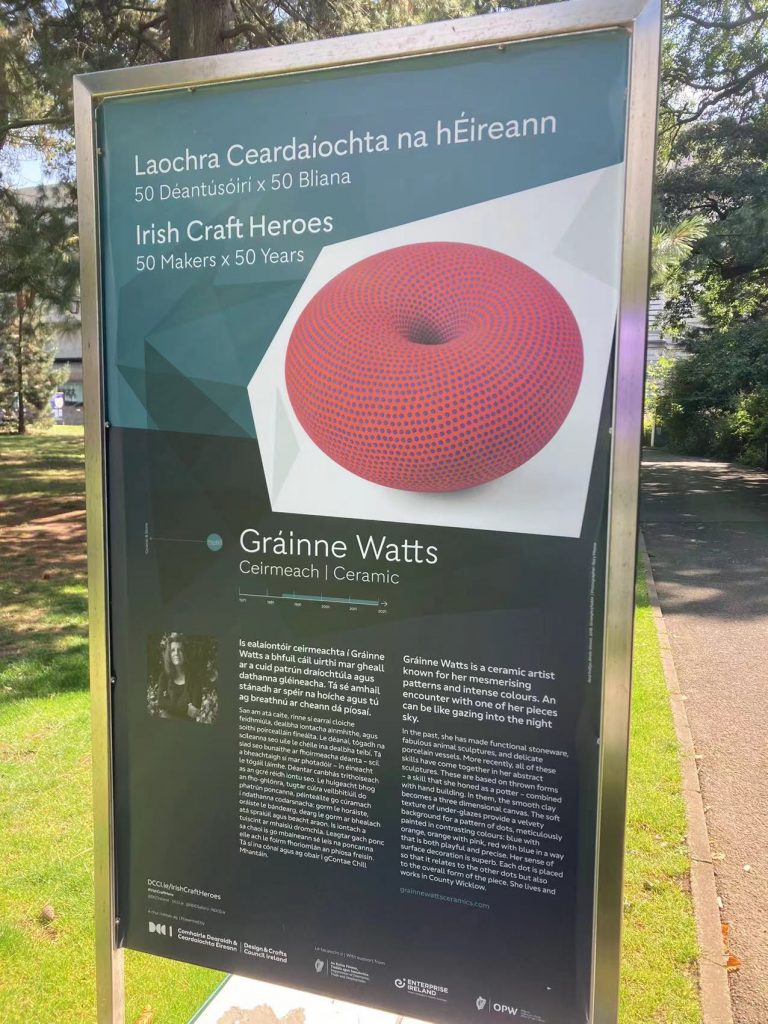
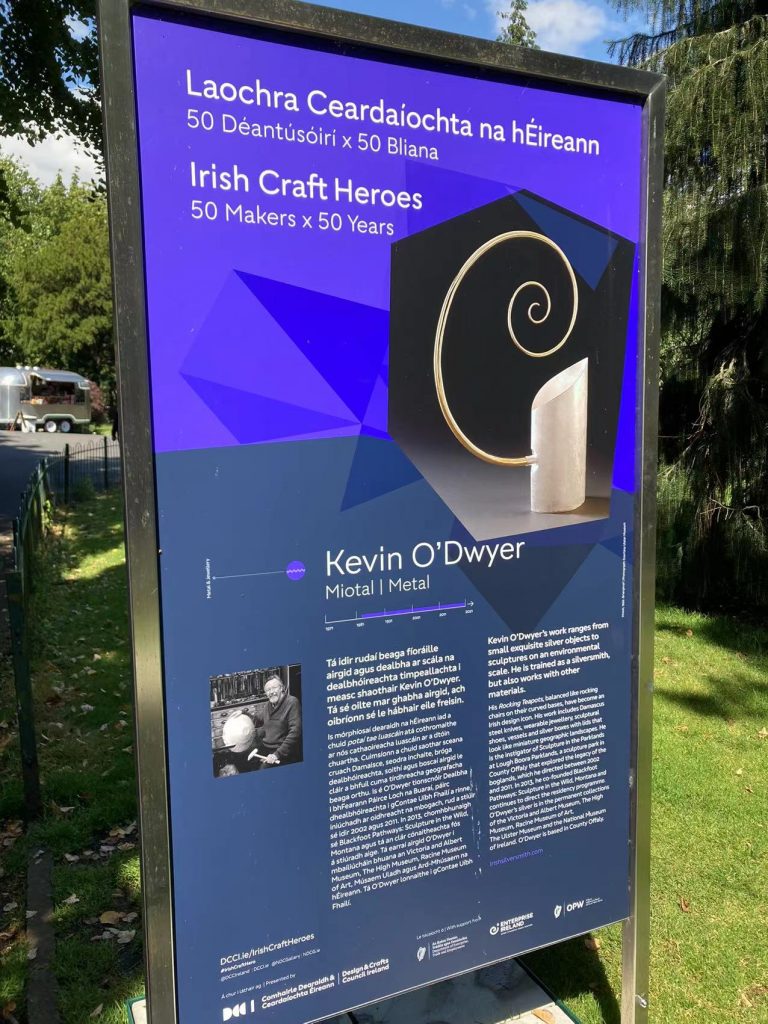
While we hope you are still enjoying the summer days, we would like to recommend the Irish Craft Heroes – 50 Makers X 50 Years outdoor exhibition, as part of the Belfast International Arts Festival, at the Ulster Museum just next to Queen’s. It is such a great opportunity not only to explore the local craft culture but also to taste the Irish language through the exhibition displays.

Outdoor exhibition of Irish Craft Heroes | Image@LiangWANG

What’s the exhibition about?

Irish Craft Heroes is a highly-visual, outdoor panel trail celebrating Ireland’s inspirational craftspeople and makers whose work has contributed to the rich tapestry of craft and design practice in Ireland.

The exhibition charts the evolution of the craft and design sector on the island of Ireland over the last 50 years, and pays homage to the many makers whose work has significant legacy.

Craft NI

Below is our selected photo collection of the exhibits for you to view online but with our great passion we encourage you to take a tour of the outdoor exhibition on a great day out with friends and families.

Cultural Awareness for EPS 2022 Summer School

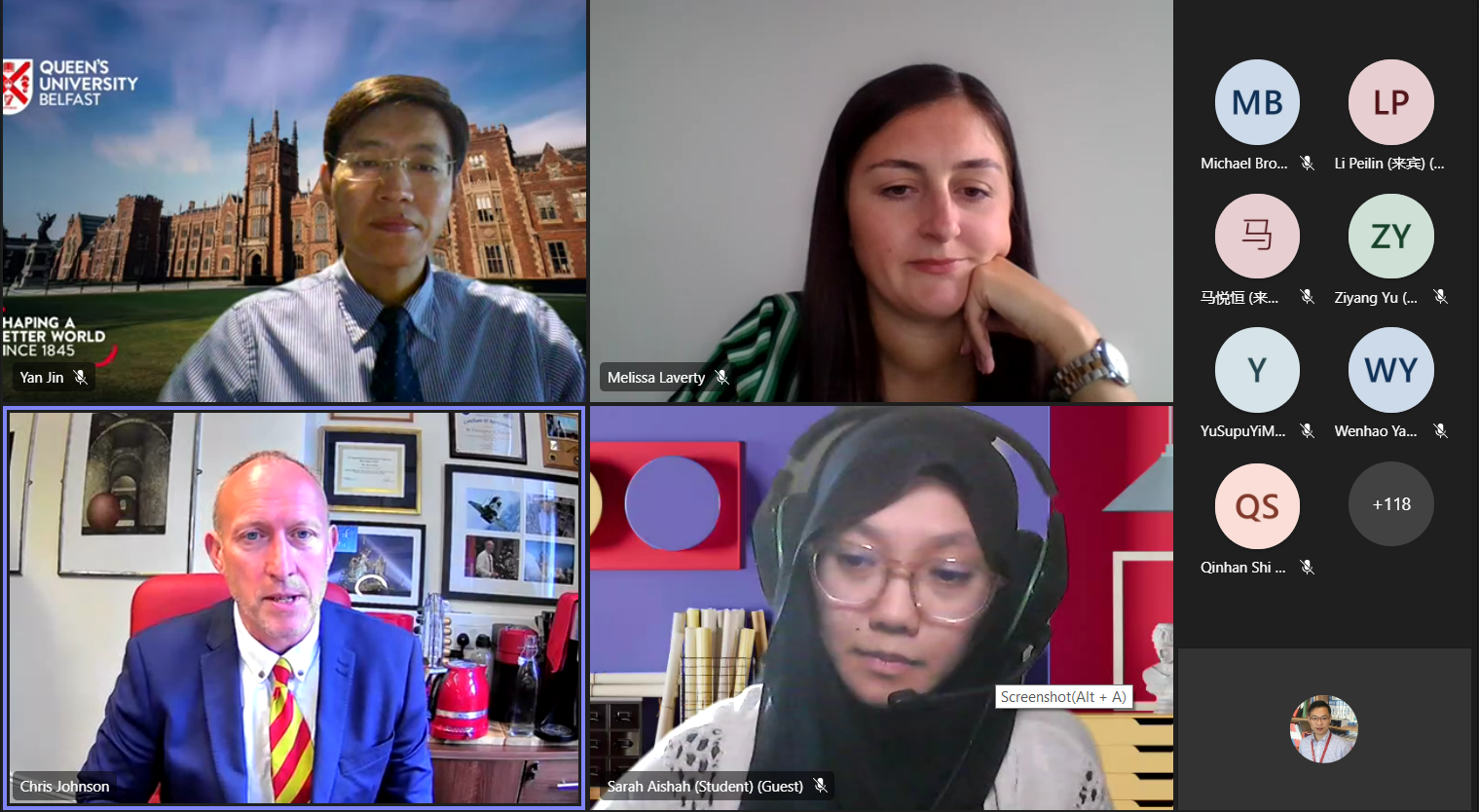
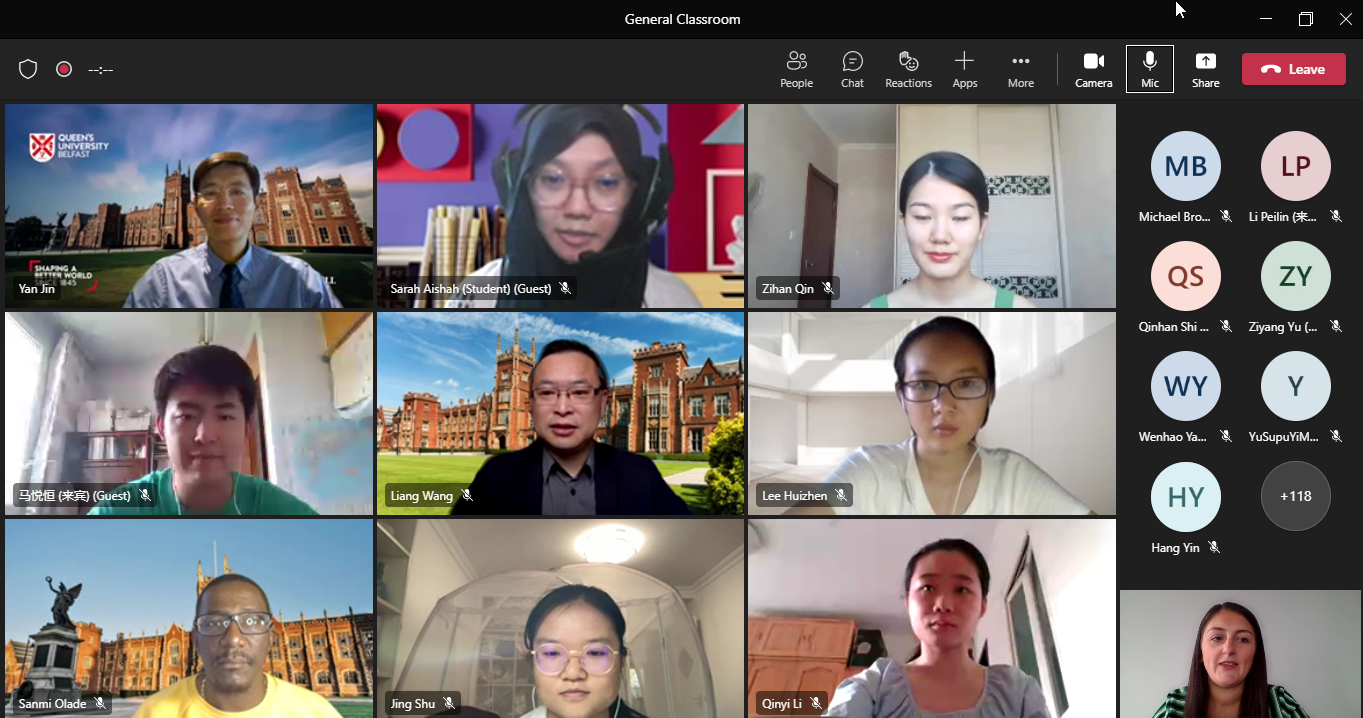
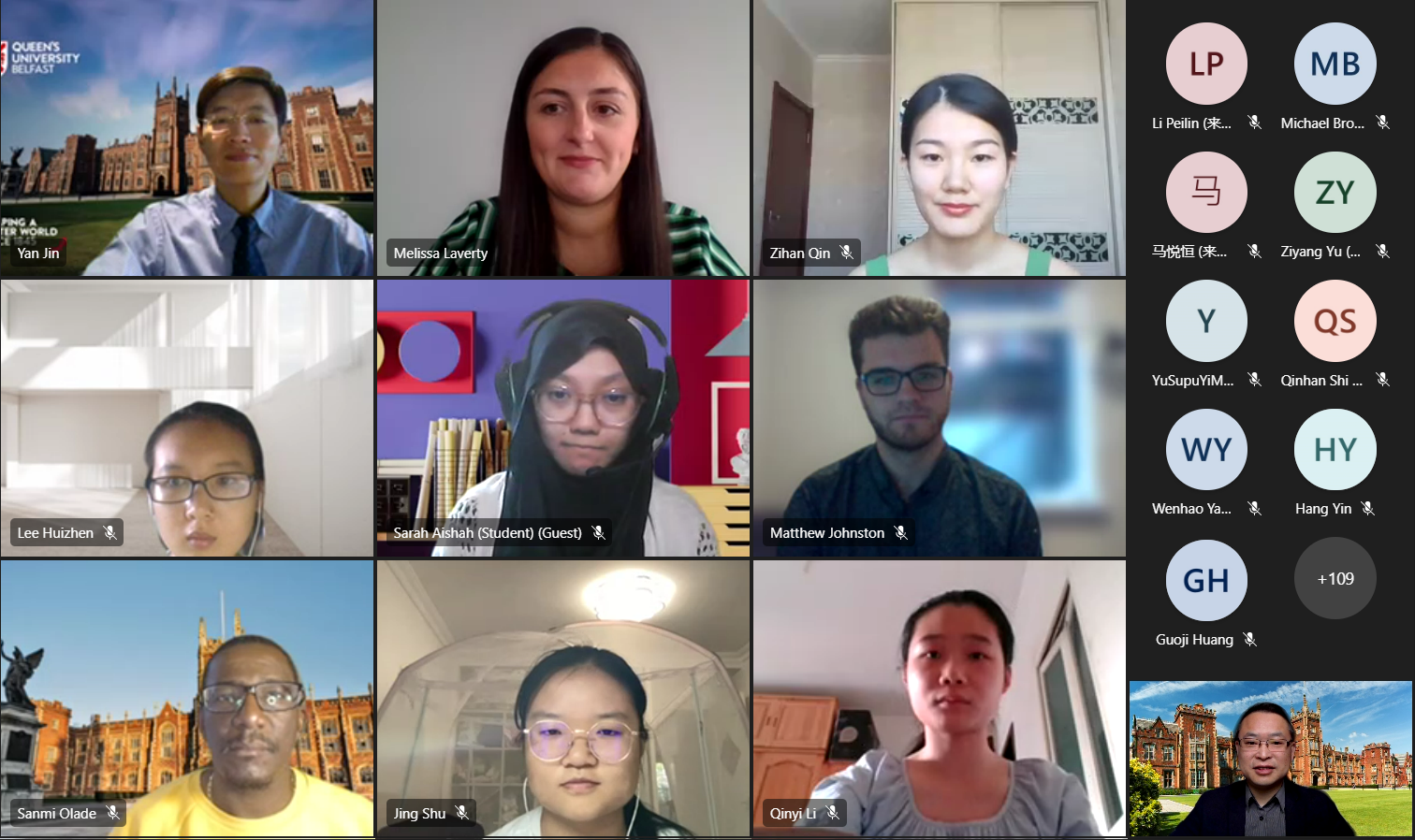
Congratulations to the launch of the 2022 EPS Summer School at Queen’s! On Monday morning 25th July, we welcomed some 120 international students from China, India and Malaysia via MS Teams.

We hope that the students find our Cultural Awareness session useful and interesting, and get a taste of the local cultures, although they cannot fly to Belfast in person. We look forward to welcoming many of them, if not all, to study at Queen’s in the near future.

About the EPS Summer School

Since 2014, the Faculty of Engineering and Physical Sciences (EPS) has welcomed over 500 students from China and across the globe to the annual summer school. In spite of restrictions on travel in 2021, the faculty of EPS successfully launched a virtual summer school. Almost 200 students were welcomed and joined the online programmes.

EPS SUMMER SCHOOL

In 2022, students can pursue their interests in one of six tailored EPS summer school programmes:

  • PSYCHOLOGY
  • CIVIL ENGINEERING
  • ELECTRONICS, ELECTRICAL ENGINEERING AND COMPUTER SCIENCE
  • MATHEMATICS AND PHYSICS
  • MECHANICAL AND AEROSPACE ENGINEERING
  • CHEMISTRY AND CHEMICAL ENGINEERING