

Queen’s Policy Engagement is the ‘front door’ for public policy engagement at Queen’s University Belfast
Supporting academics and policymakers in sharing evidence-based research and ideas on the major social, cultural and economic challenges facing society regionally, nationally and beyond. Our over-arching vision is to share the University’s independent expertise with policymakers so they can make informed decisions about the most effective and sustainable ways to tackle these challenges, now and in the future.
Latest news and views…
-

Omagh bombing: why a public inquiry is being held more than 25 years after the atrocity
Article originally appeared in The Conversation.
-

Saving Lough Neagh: The Contribution of the ‘Rights of Nature.’
When it comes to the climate and ecological crisis in Northern Ireland, there’s a growing interest in the ‘rights of nature’ movement, which believes that nature has intrinsic values which is deserving of legal protection in itself says Erin Marrs.
-
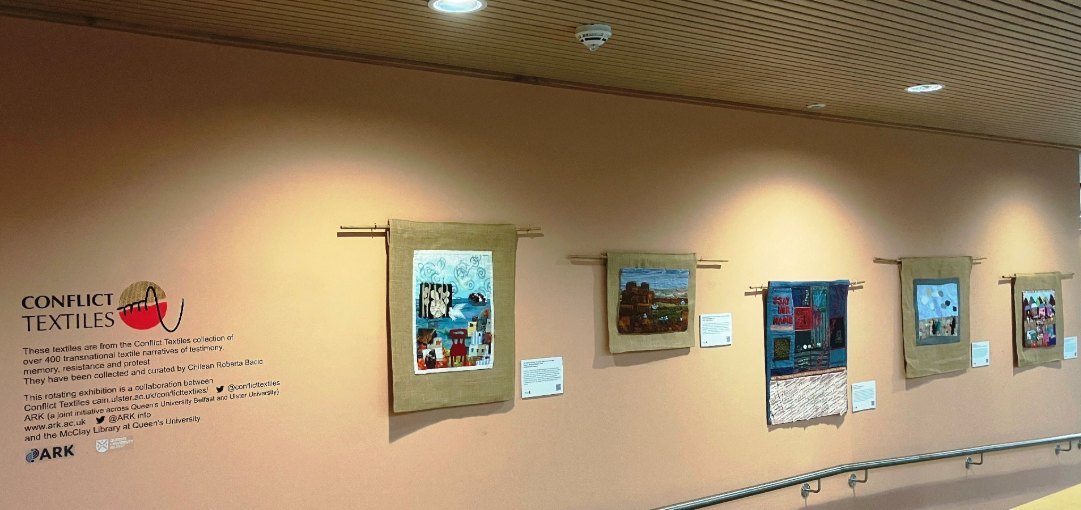
Feeling safe? Violence against women and girls
In Northern Ireland, 30 women and girls were killed by men between 2019 and 2024. The prevalence and complexity of violence against women and girls has therefore gained policy and public attention in recent years, as the necessity for urgent policy and action is unquestionable say Paula Devine. Martina McKnight and Dirk Schubotz.
-

Ministerial portfolio changes adding to policy pressures
This blog draws from an article published in 2023 in Irish Political Studies titled ‘Public policy accumulation in Ireland: the changing profile of ministerial departments 1922–2022’.
-
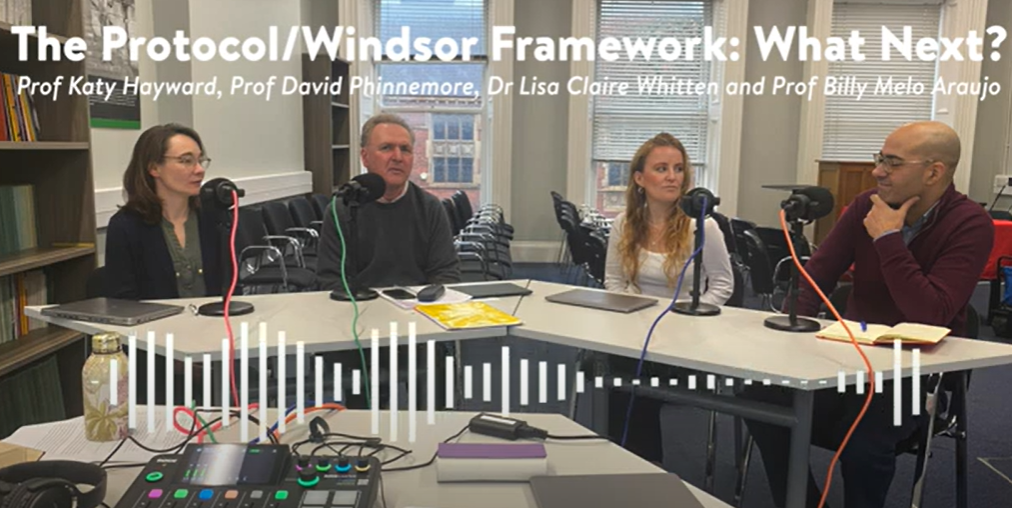
The Protocol/Windsor Framework: What Next?
A new podcast from the Post-Brexit Governance NI team at Queen’s University Belfast.
-

Home sweet home: achieving a Just Transition in Northern Ireland
Environmental social scientist Dr Jonny Hanson looks at the challenges and the opportunities of reaching net-zero in Northern Ireland.
-
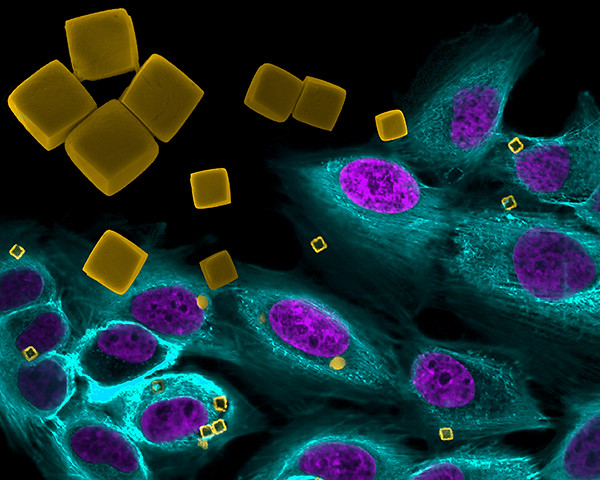
Delivering solutions to the cancer crisis – acting on the evidence
Delivering a keynote address at the Global Innovation Summit being held this week at Queen’s University Belfast, Professor Mark Lawler, Professor of Digital Health at Queen’s University Belfast highlights a new report which he co-authored in the internationally respected journal Lancet Oncology that pulls no punches on the crisis in cancer, but proposes solutions that…
-
Post-Brexit Clinic at Queen’s November 2024
The slides and recording of our November 2024 Post-Brexit Clinic are now available.
-

Business and human rights in Northern Ireland
In international law, states hold the primary responsibility for preventing human rights violations within their territories. However, there is increasing recognition of the significant impact that business operations can have on these rights says Dr Marisa McVey.
-
Investing just £850 million on cancer would help save thousands of lives
With Budget day looming, taking the first steps to reverse the last 14 years of mismanagement of cancer policy, cancer care and cancer investment in the UK must be a priority for the new government says Professor Mark Lawler.