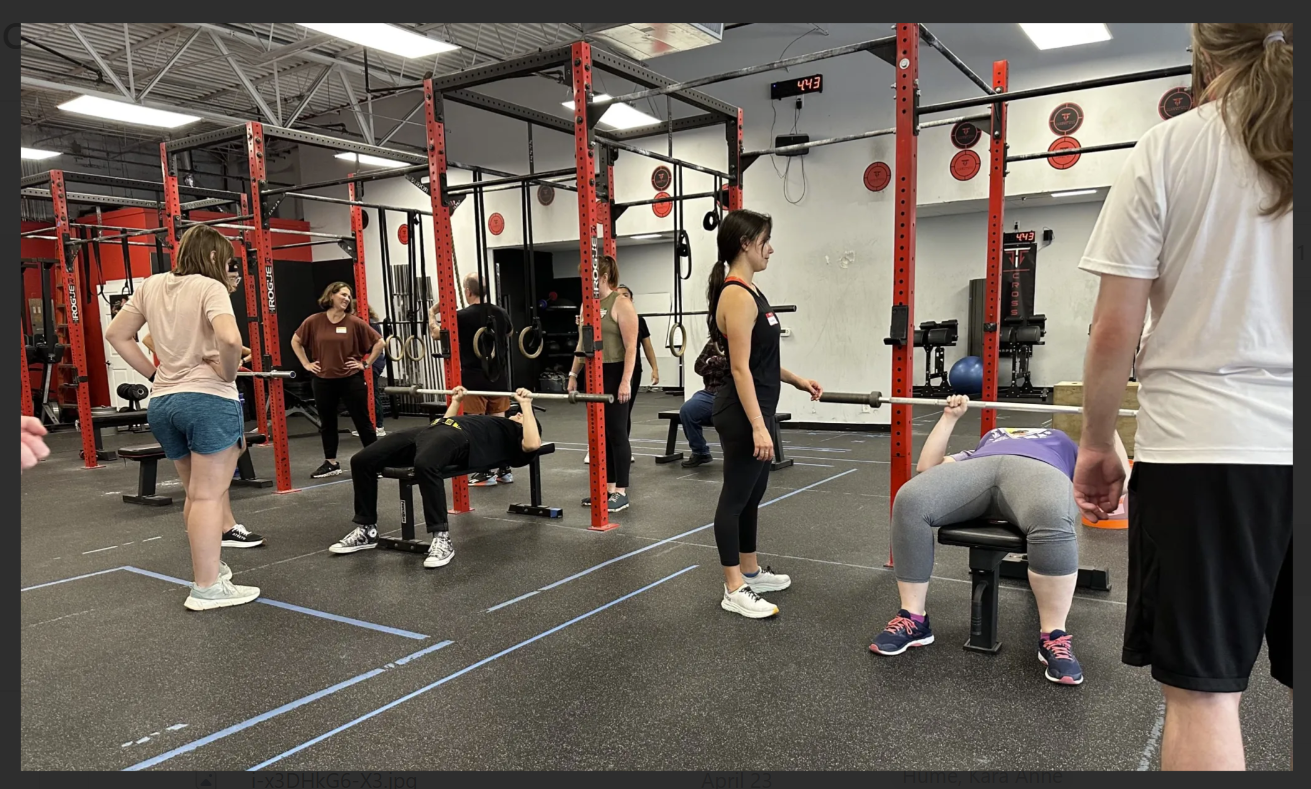
Gym floor
Practical guidance for gym owners, managers, and fitness professionals on creating an accessible and welcoming space – from first contact to ongoing use.
"Always speak directly to the person — not their carer or support worker."
The member journey
The gym floor can feel overwhelming, especially for first-time visitors or disabled people. Small actions from staff can make a big difference in helping people feel welcome, safe and supported. This section covers what you can do before, during and after someone uses the gym.
01
Before someone arrives
Provide clear information in different formats to help people decide if the gym is right for them. Think about:
- What information is shared online (e.g. how to access the building, parking, toilets, distance from entrance to gym floor, quiet times, and available equipment)
- What people know before they visit (e.g. step-by-step guidance, photos, or short videos showing what to expect)
- What is and is not available (e.g. parking, toilet facilities, equipment)
Good practice includes an inclusive website with easy-to-find information, clear language, and visuals (e.g. photos or short videos of the space) to help people plan their visit.
02
First visits and inductions
Some people want a full tour. Others prefer space to explore. Offer information in different ways:
- Verbal explanation
- Demonstration
- Written or visual information (e.g. guides, photos, or short videos)
03
Supporting someone on the gym floor
Don’t assume – ask, listen, adapt. Not everyone needs help or wants the same support. Good practice includes:
- Being available without being intrusive
- Asking open ended questions
- Adapting equipment or exercises with the person
- Recognising that needs can change day-to-day
04
During the workout
Keep the gym environment welcoming and safe for everyone. Tips include:
- Clear space between equipment
- Wide walkways with no clutter or trip hazards
- High-contrast colours on equipment and flooring
- Tactile markings and clear labels on equipment
- Seated and standing cardio options e.g. recumbent bikes, upper‑body ergometers
- Free weights starting from low weights (e.g. 0.5kg) and light weight slam balls (e.g. 1kg)
- Grip aids (e.g. Active Hands), wrist weights and easy grip medicine balls
- Captioned screens and equipment with voice output
- Consider how accessible your gym is such as changing facilities, Changing Places Toilet (CPT), accessible lockers, low level mirrors on gym floor, lower-level water fountains etc.
Ongoing considerations
Keep communication clear. Regularly ask for feedback and adapt your approach.
- Check in with people about how they feel and the support they want
- Ask for feedback and look for ways to improve your approach