Gyms weren't built for Every Body. Let's change that.
Gyms should be places where everyone feels welcome, confident and able to take part in exercise. This is a practical resource for gym owners, managers, fitness instructors, and anyone supporting inclusive gyms. This is designed to help you recognise barriers in fitness spaces and take practical steps to remove them so everyone can take part.
What's at stake and why it matters
Everyone benefits when gyms are inclusive. When people feel welcome and supported, they are more likely to move, stay active, and feel a sense of belonging.
Movement belongs to everyone
Movement improves physical health, mental wellbeing and quality of life for everyone. Gyms play a vital role in making this possible.
Belonging changes everything
When people feel welcome and capable in a gym environment, they move more, return more often, and become long-term members.
Rights, not extras
It is a shared responsibility. Fitness-focused spaces should take steps to reduce barriers and ensure everyone can access and take part fully in gyms.
“Wonderful to see this much needed resource, which is full of practical information, presented in clear format, that will be useful to many. Its implementation will undoubtedly support more people to take part in exercise within their local community."
– Mae Murray Foundation
Practical ideas you can
use straightaway
Explore our core resource areas. Each one includes practical, easy-to-use guidance for your various roles.
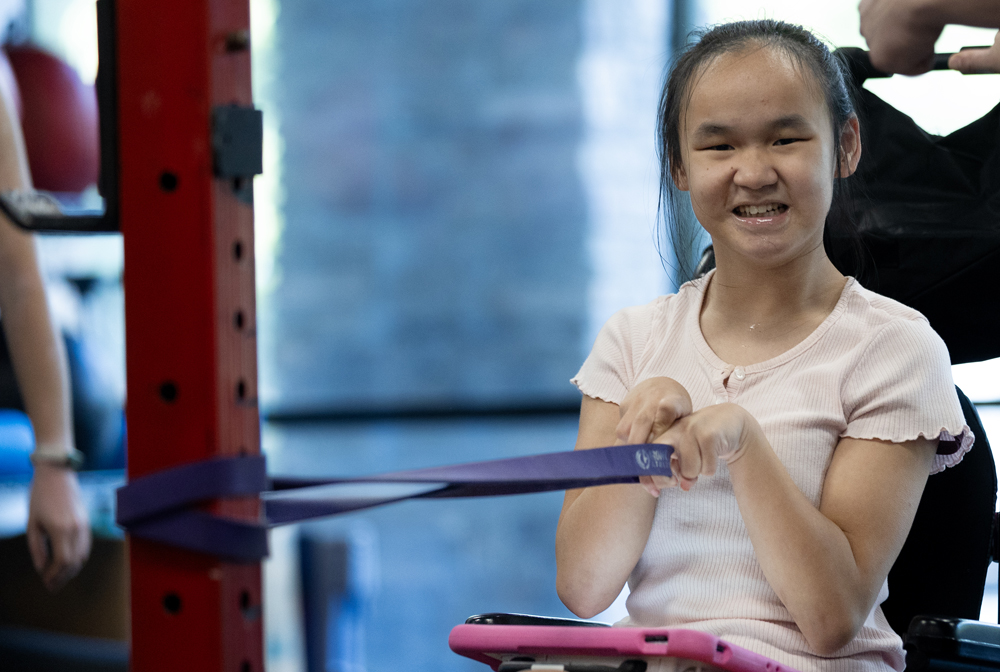
Gym floor
Practical guidance on environment, equipment, inductions, and one-to-one support for all members.
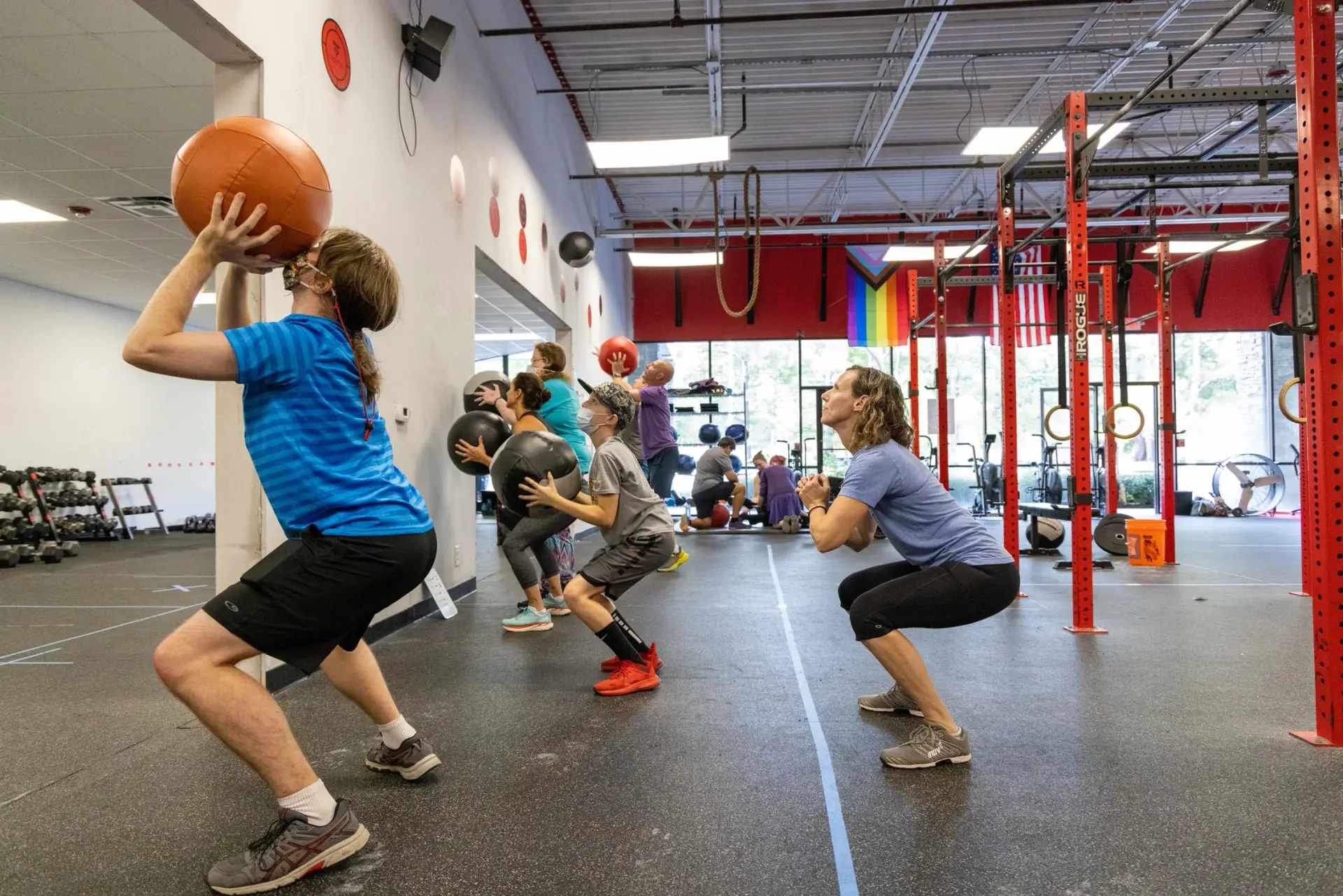
Exercise classes
How to adapt delivery, communication, and class structure so group fitness includes everyone.
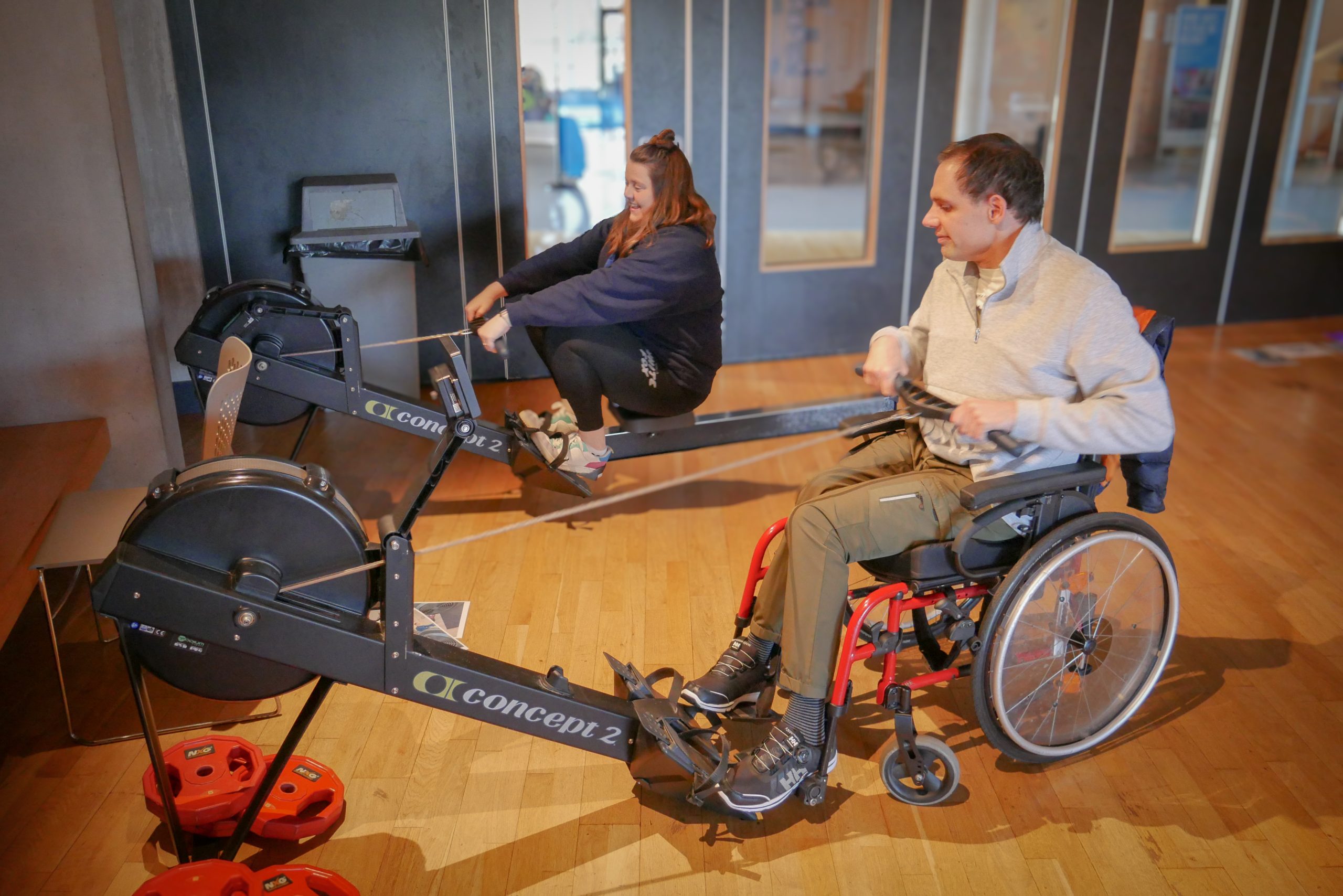
About & ADAPT framework
Understand the co-design process behind this resource and the five ADAPT principles.
What this resource is / is not
Evidence-informed tips from university research partners and people with lived experience navigating gym spaces, including disabled people
This resource IS:
- Evidence-informed tips from university research partners and people with lived experience navigating gym spaces, including disabled people.
- A resource for gym owners, managers, and exercise professionals
- Practical guidance and ideas for creating inclusive gym environments
- A starting point for reflection and positive change in your facility
This resource is NOT:
- A replacement for professional qualifications or formal training
- Medical advice or a substitute for clinical assessment
-
A certification or accreditation
programme - A substitute for appropriate insurance or legal requirements
Scope of practice
Always work within your role, training, and scope of practice. If in doubt, seek advice from a qualified professional. This resource supports your work – it does not replace your professional judgement.
Terminology
On this website, we use identity-first language (for example, “disabled person”). This reflects the idea that people are disabled by barriers in the world around them. You are welcome to use whichever term feels right for you
Built on world-class research and a shared commitment to inclusion
This resource is the result of a prestigious international collaboration between two leading universities and their local community members.

Queen's University Belfast
Northern Ireland

UNC Chapel Hill
Chapel Hill, NC, USA