

Queen’s Policy Engagement is the ‘front door’ for public policy engagement at Queen’s University Belfast
Supporting academics and policymakers in sharing evidence-based research and ideas on the major social, cultural and economic challenges facing society regionally, nationally and beyond. Our over-arching vision is to share the University’s independent expertise with policymakers so they can make informed decisions about the most effective and sustainable ways to tackle these challenges, now and in the future.

Latest news and views…
-

A Public Private Partnership Revival?
Gail Sheppard and Matthias Beck ask whether Public Private Partnership (PPP) is once again ‘open for business’ in the UK and Ireland.
-
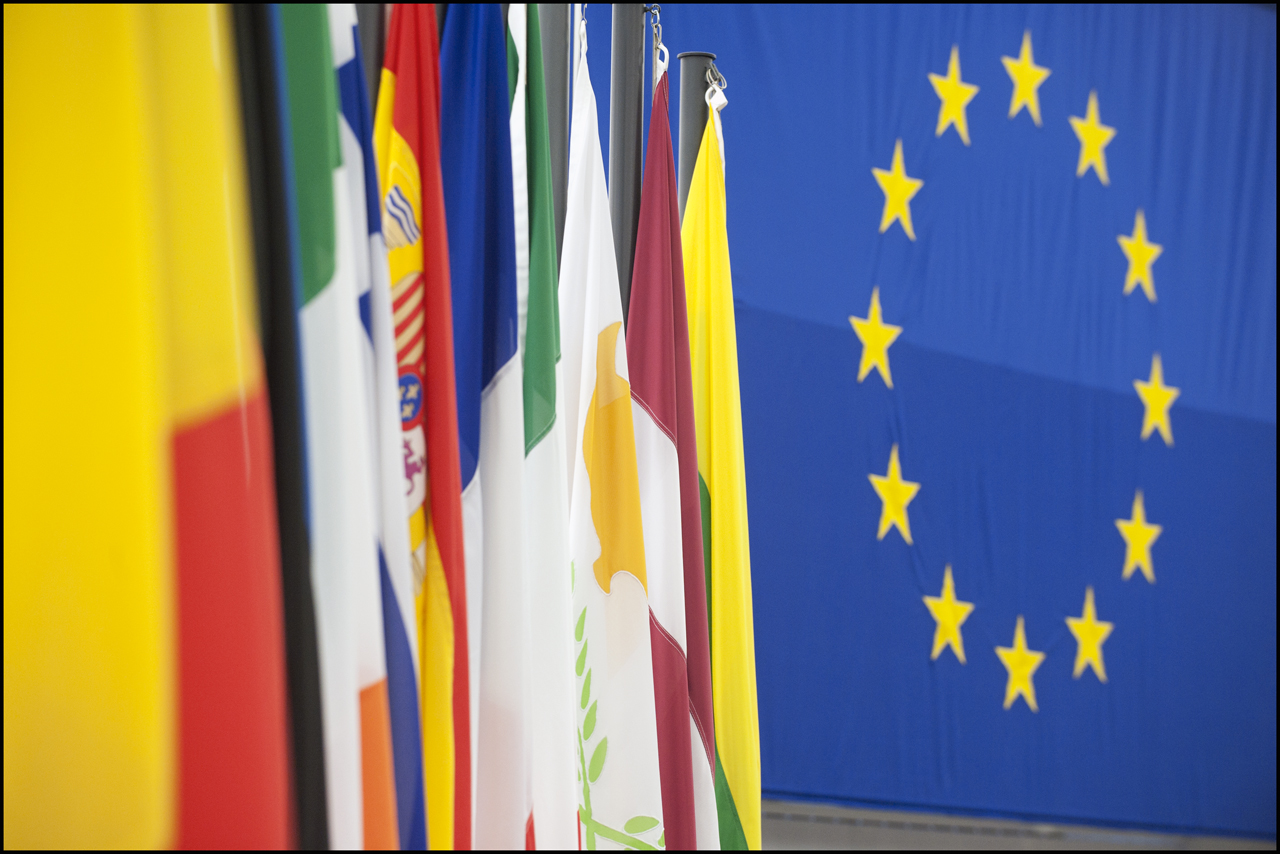
Brexit: Implications for Northern Ireland
Dr Lee McGowan asks what the implications of a ‘Brexit’ might be for Northern Ireland. Is this the starting gun to a referendum or a ticking time bomb for Northern Ireland?
-

Whistleblowers and financial precarity: towards a policy that protects
Dr Kate Kenny looks at the valuable role played by ‘whistleblowers’ in our society and asks, despite admiration for them, why we don’t seem to want to help those who continue to struggle for years after.
-

EU Referendum: Brexit Looming?
As the UK moves closer towards a referendum on EU membership, Professor David Phinnemore asks what chance David Cameron has of ‘renegotiating’ the UK’s membership.
-
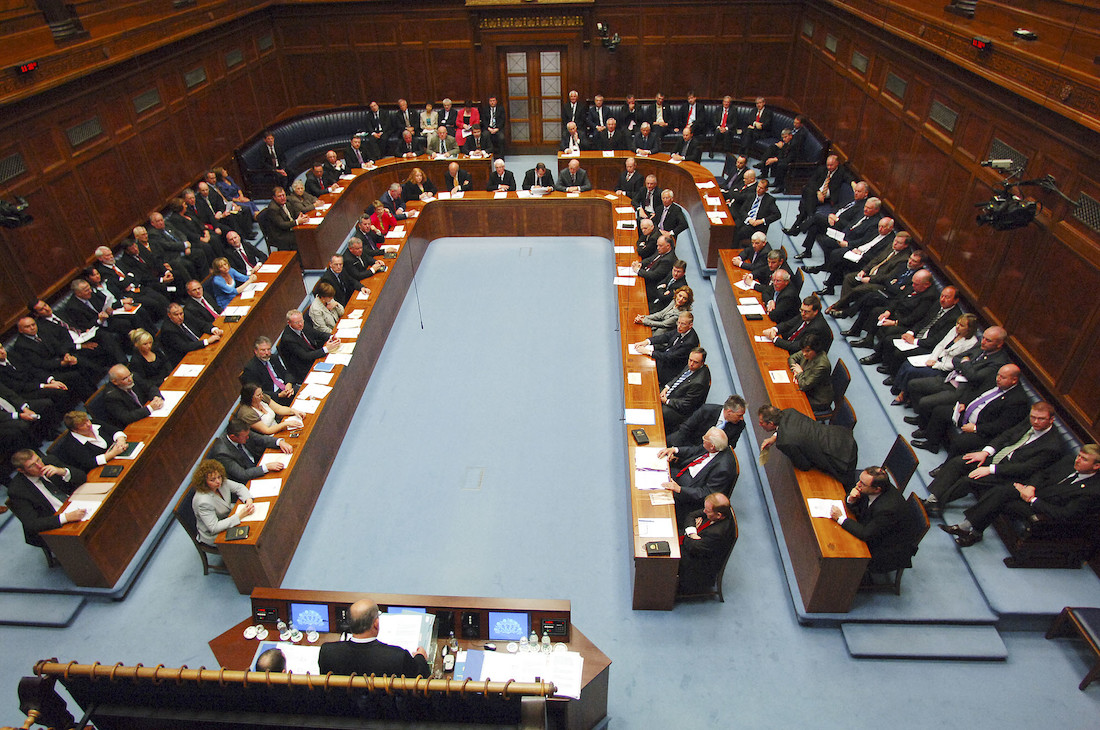
The Problem with Petitions of Concern
Ahead of another divisive debate on welfare reform in the Northern Ireland Assembly, Dr Alex Schwartz examines the Petition of Concern and asks whether it is appropriate to use the procedure to protect party-political interests.
-

The Future of Human Rights?
Amidst Conservative plans to ‘scrap’ the Human Rights Act, Professor Colin Harvey considers the Act’s legacy, the implications of its repeal and whether a new Bill of Rights will really make any difference.
-

Europe’s Emerging Capital Markets Union (Part 2)
In the second installment of a two-part article, Dr Dieter Pesendorfer examines a new wave of integration and deregulation in Europe and why it might be bad for the ‘real economy’.
-
Europe’s Emerging Capital Markets Union (Part 1)
In the first of a two-part article, Dr Dieter Pesendorfer examines a new wave of integration and deregulation and why it might be bad for the ‘real economy’.
-

Why the age of criminal responsibility should be raised in Northern Ireland
Dr Nicola Carr argues that the age of criminal responsibility is too low in Northern Ireland and that we need to think beyond criminal justice to protect and support young people at risk of becoming ‘offenders’.
-
Disability, Welfare Reform, and Northern Ireland’s Inactivity Problem
Professor Duncan McVicar asks whether we are taking the right approach to welfare reform and whether changes to disability benefits in Northern Ireland will really help address an ‘inactivity problem’ in Northern Ireland.