

Queen’s Policy Engagement is the ‘front door’ for public policy engagement at Queen’s University Belfast
Supporting academics and policymakers in sharing evidence-based research and ideas on the major social, cultural and economic challenges facing society regionally, nationally and beyond. Our over-arching vision is to share the University’s independent expertise with policymakers so they can make informed decisions about the most effective and sustainable ways to tackle these challenges, now and in the future.
Latest news and views…
-

What does the 23 June mean for Northern Ireland specifically? Legal Perspectives no 3: Equality legislation
In the third of three articles on the legal implications of a Brexit on Northern Ireland, Professor Dagmar Schiek looks at the future of equality law and policy in Northern Ireland.
-
What does the 23 June mean for Northern Ireland specifically? Legal Perspectives no 2: Peace
In the second of three blogs on the legal implications of a Brexit on Northern Ireland, Professor Dagmar Schiek looks at the role of the EU in the Northern Ireland peace process and highlights the barriers for continuing this process without the common membership of the UK and Ireland in the EU.
-
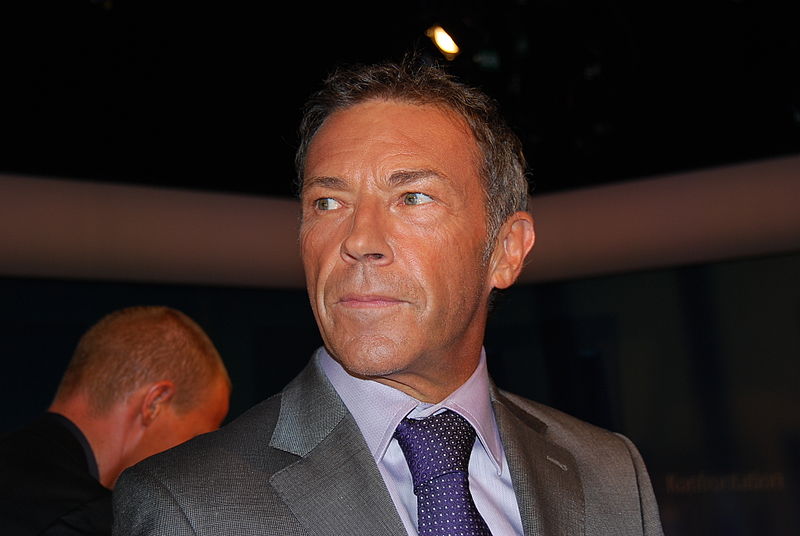
Austria and Mr ‘Far-Right Charming’?
In the wake of the recent presidential election in Austria, Dr Ulrike Vieten reflects on the growing normalisation of pop-populist far-right parties across Europe.
-
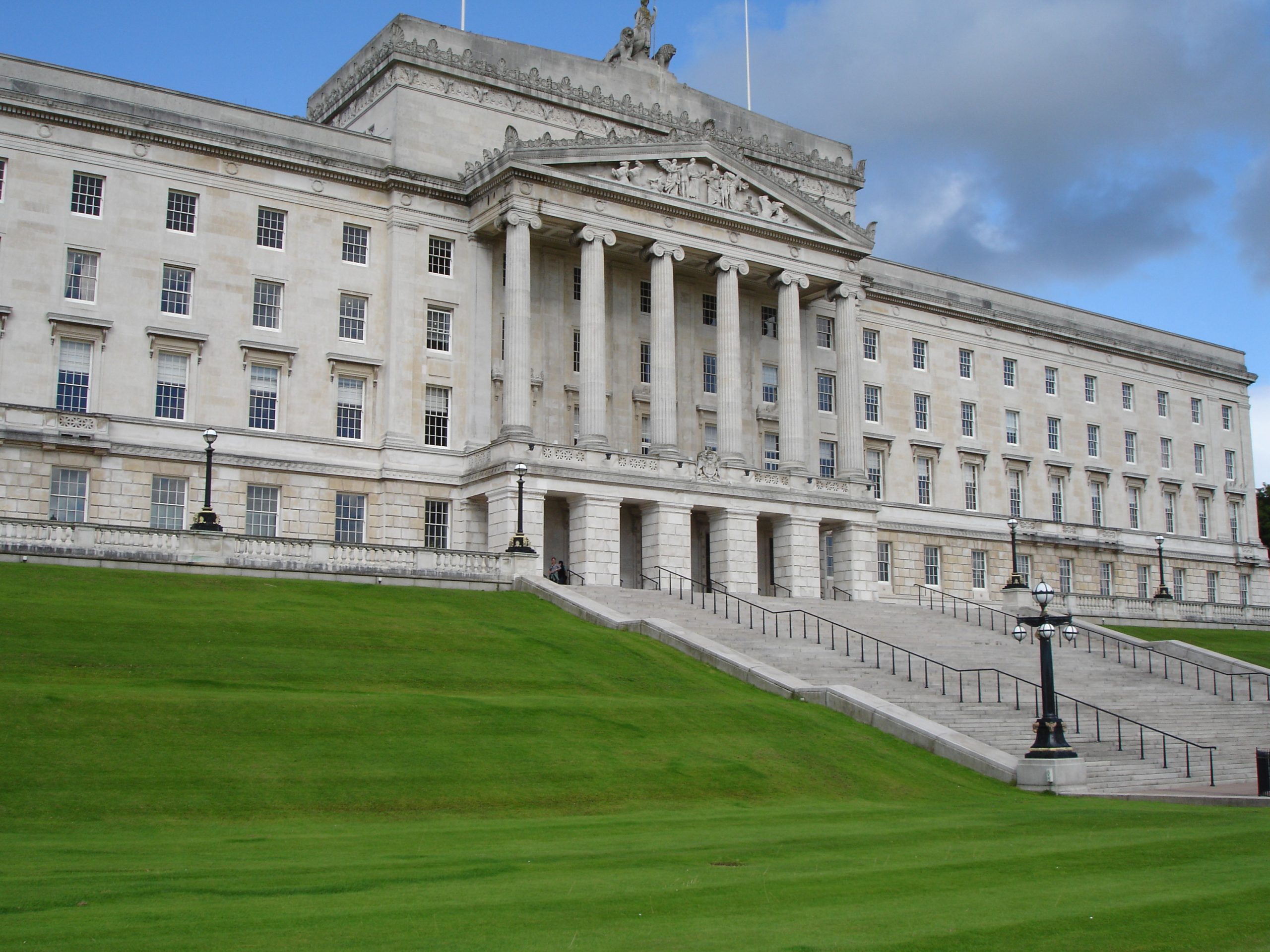
Swapping Sides: Role reversal for parliaments in Dublin and Belfast
Following a year of elections on both sides of the border, Dr Muiris MacCarthaigh looks at how the results of the elections have brought about not just a change of personnel in the respective parliaments but also a structural change in how they will operate.
-

Drug and Alcohol Policy in Australia: A Word from the Experts
In the first of a two-part audio blog, Dr John Moriarty looks at how Victoria in Australia changed its approach to developing its drugs and alcohol policy by putting harm minimisation at the centre of its thinking.
-
EU Referendum: Border impact of a Brexit on Northern Ireland
In the latest of a series of QPol articles around the forthcoming UK referendum on EU membership, Professor Dagmar Schiek asks what does the 23 June mean for Northern Ireland specifically in terms of border issues and highlights some legal truths that are being neglected in the debate.
-

Never mind Brexit scaremongering – Turkey is a long way from joining the EU
With the enlargement of the EU back in the headlines thanks to the Brexit debate and the Syrian refugee crisis, David Phinnemore and Erhan İçener look at the lack of progress in Turkey’s application for EU membership and question whether Turkey, and indeed certain Member States, have the will for them to accede.
-

NI 2016: Centenaries and Forgotten Decennials, Elections and Disenfranchised Millennials
In a follow up to his recent article on election cynicism and disaffection among the so-called Good Friday Agreement Generation, Dr Peter McLoughlin takes a look at this growing disenfranchisement and its impact on the recent Assembly election results and its potential impact on the forthcoming UK referendum on EU membership.
-
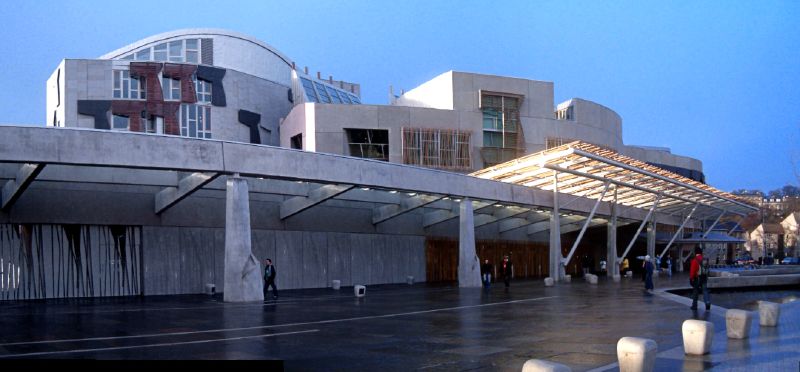
Religion, Referendum and Resentment: Labour’s new place in the Scottish Political Wilderness
Against the backdrop of the shifting sands of Scottish politics, Professor Graham Walker analyses the recent decline of the Labour party in Scotland and highlights that the reports of the party’s demise are far from exaggerated but potentially true.
-
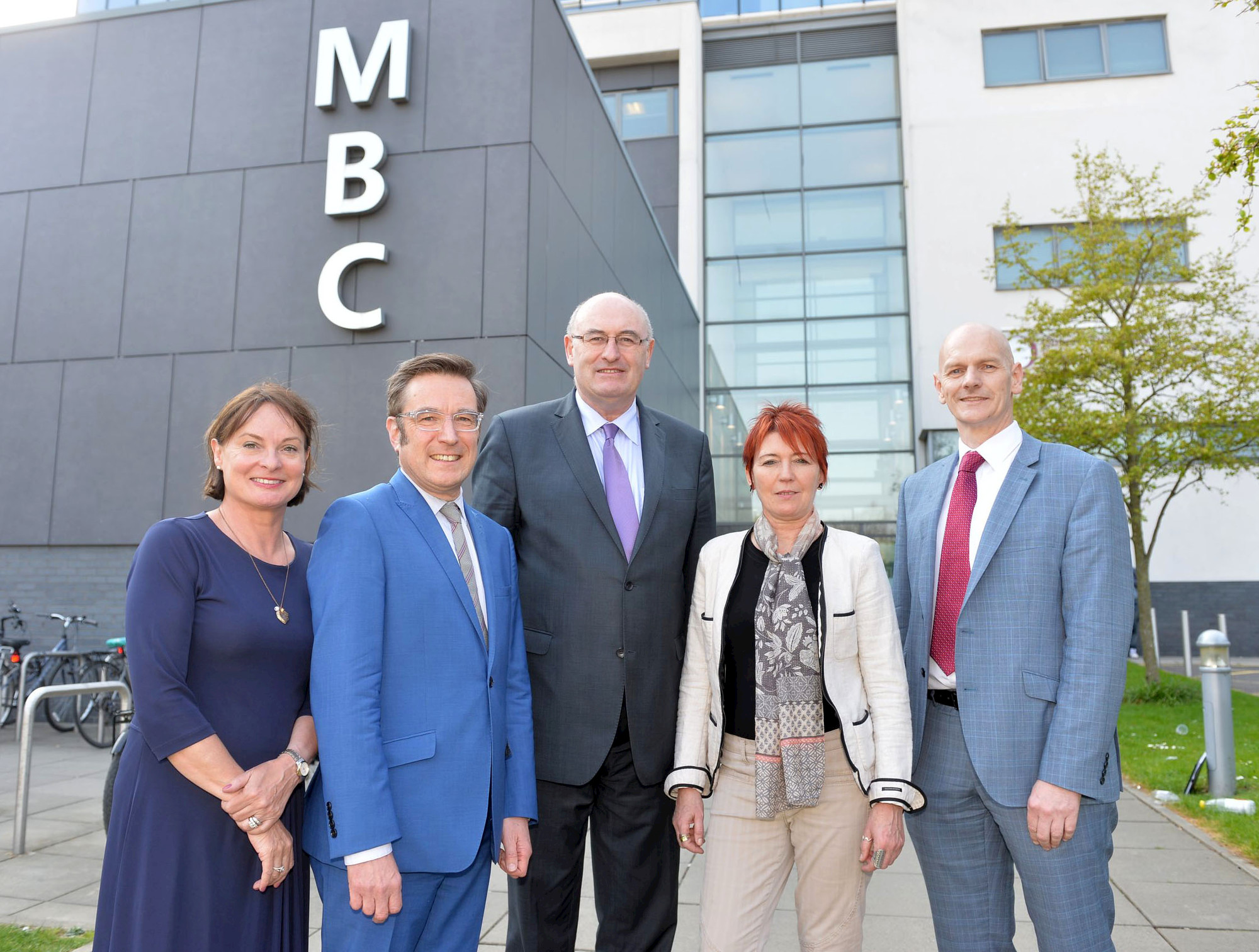
EU Commissioner on effect of Brexit on Irish Agriculture: North and South
A packed house gathered recently at the Gibson Institute for Land, Food and Environment at Queen’s University to listen to EU Commissioner Phil Hogan deliver this year’s Gibson Lecture on Irish Agriculture and Brexit.