
Queen’s Policy Engagement is the ‘front door’ for public policy engagement at Queen’s University Belfast
Supporting academics and policymakers in sharing evidence-based research and ideas on the major social, cultural and economic challenges facing society regionally, nationally and beyond. Our over-arching vision is to share the University’s independent expertise with policymakers so they can make informed decisions about the most effective and sustainable ways to tackle these challenges, now and in the future.
Latest news and views…
-
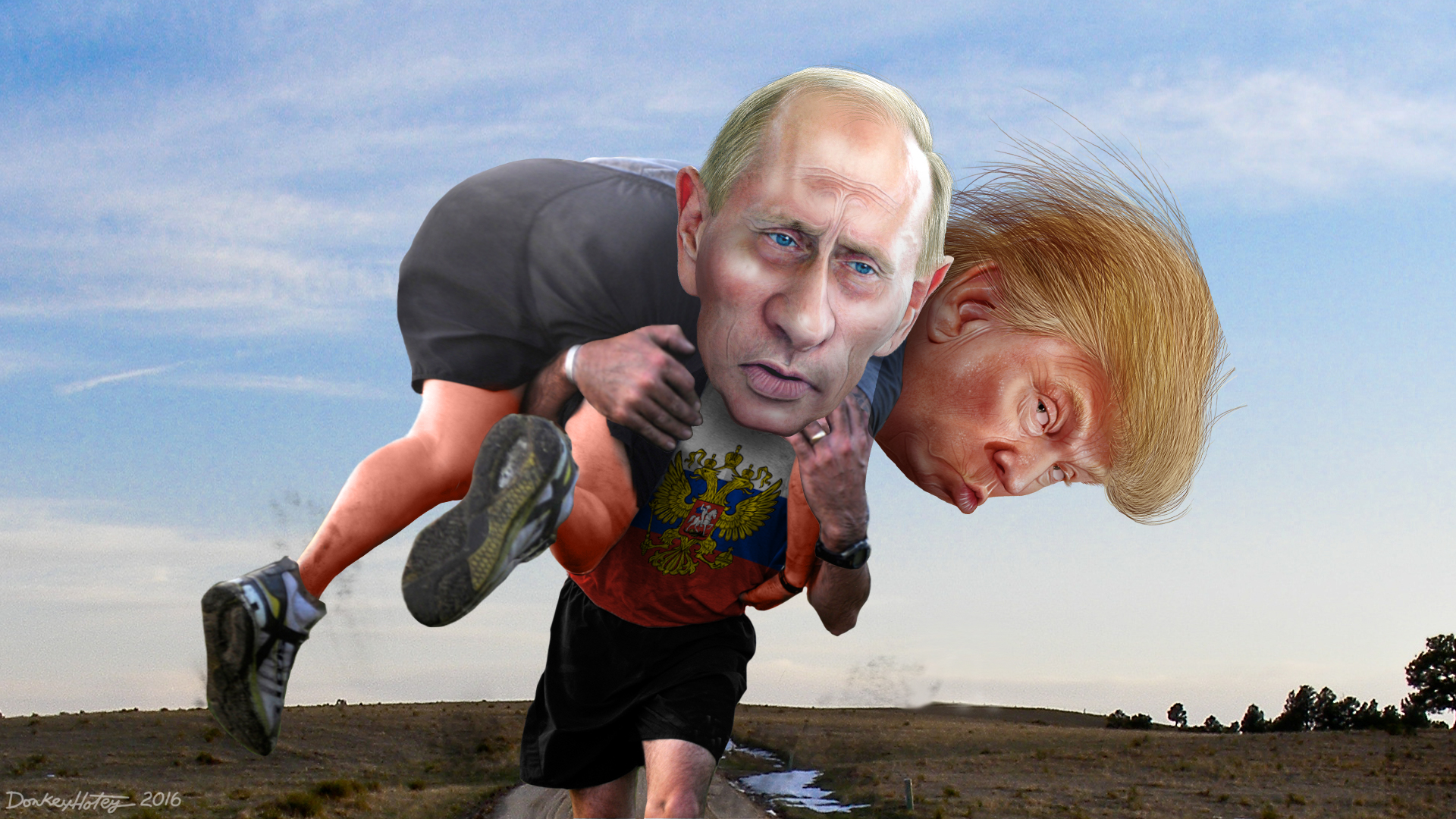
Trump and the cyclical nature of US-Russian relations
If history continues to repeat itself, a possible honeymoon period in U.S.-Russia relations at the start of Trump’s presidency could turn into a new crisis by the end of it says Dr Alexander Titov.
-
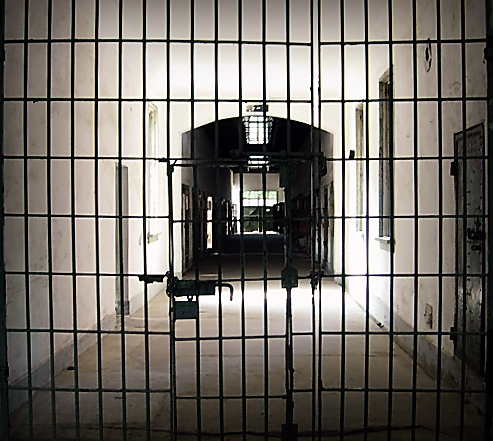
Ending the Separated Regime at Maghaberry Prison: There is Another Way
Ending the practice of housing paramilitary inmates apart is a huge headache for government so Dr Michelle Butler offers an alternative to end the regime at Maghaberry Prison.
-
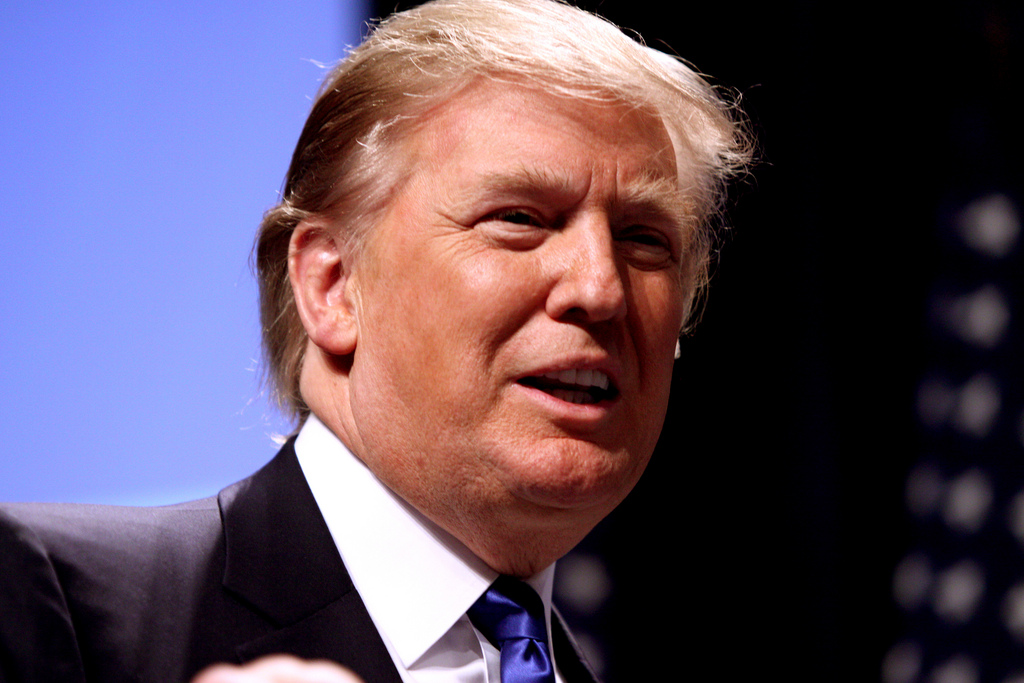
A Word from our Experts: What Trump means for US trade and globalisation
Given the emphasis on trade policy during the US election campaign, Dr Billy Melo Araujo looks at the likelihood of Donald Trump following up on his trade-related promises.
-
A Word from our experts: What the US election result means for the US economy
Professor John Turner looks at the role the economy played in the election of Donald Trump and what Trump’s presidency may mean for the US economy.
-
A Word from our Experts: How Did Donald Trump Win the 2016 Election?!
Following Donald Trump’s election as US President, Dr Christopher Raymond looks at the voting patterns across the country and provides an analysis as to how Trump staged one of the greatest election upsets in American history.
-
A Word from our Experts: Trump – the first world leader to deny climate change
Professor John Barry looks at how Donald Trump’s election victory has thrown the global deal on climate change into uncertainty, heralding a reversal of America’s recent position as a leader in tackling climate change.
-
A Word from our Experts: What the US election result means for US foreign policy
Professor Beverley Milton-Edwards, currently a visiting fellow at the Brookings Doha Centre, highlights the damage that the 2016 US election campaign has done to US foreign policy in the Middle East.
-
Commemorating and remembering World War One
In this, the decade of centenaries, Professor Keith Lilley takes a look at the complexities of the commemoration of war and highlights that the various commemorations in 2016 have led to popular discussion and political debate around remembering.
-
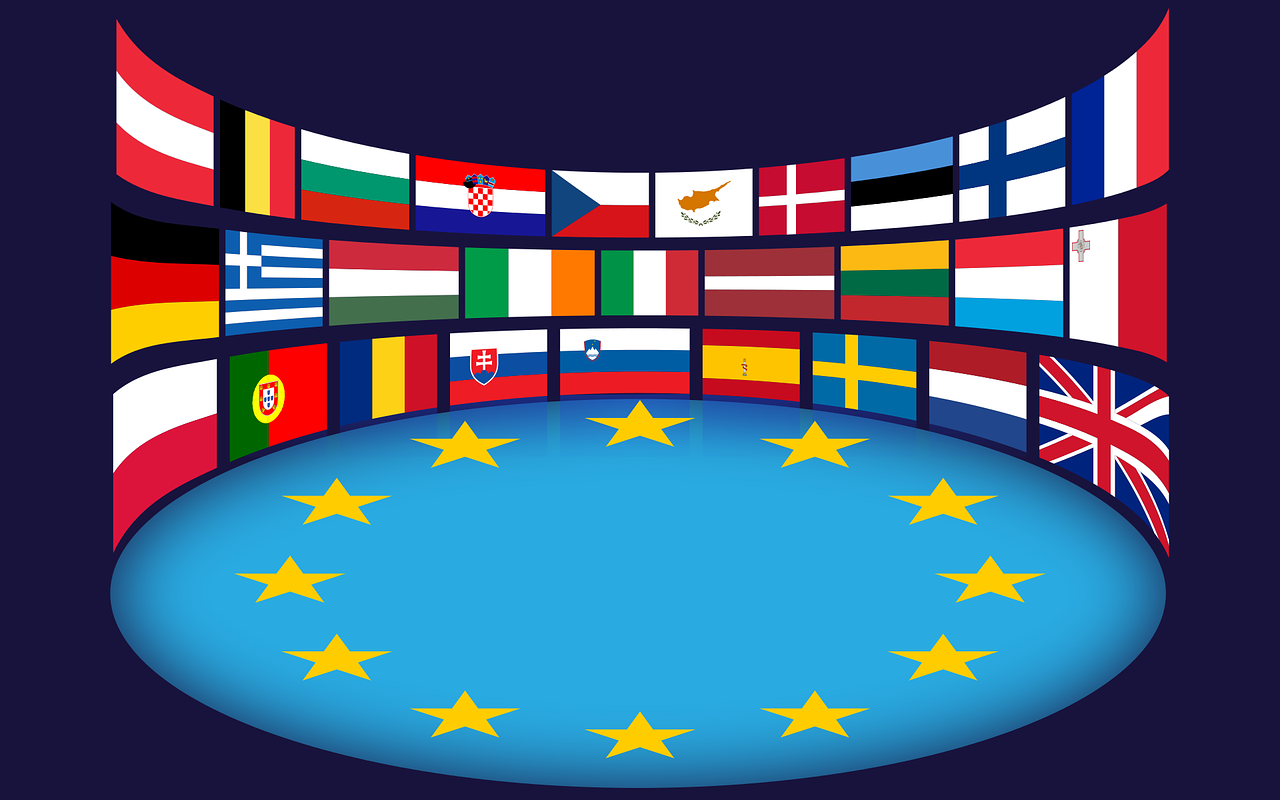
The EU’s approach to Northern Ireland recognises legitimacy of both British and Irish nationalisms
In the looming shadow of Brexit, it is the potential loss of the EU’s accommodation of nationalism, not its transcendence, that will be most missed, says Dr Katy Hayward.
-
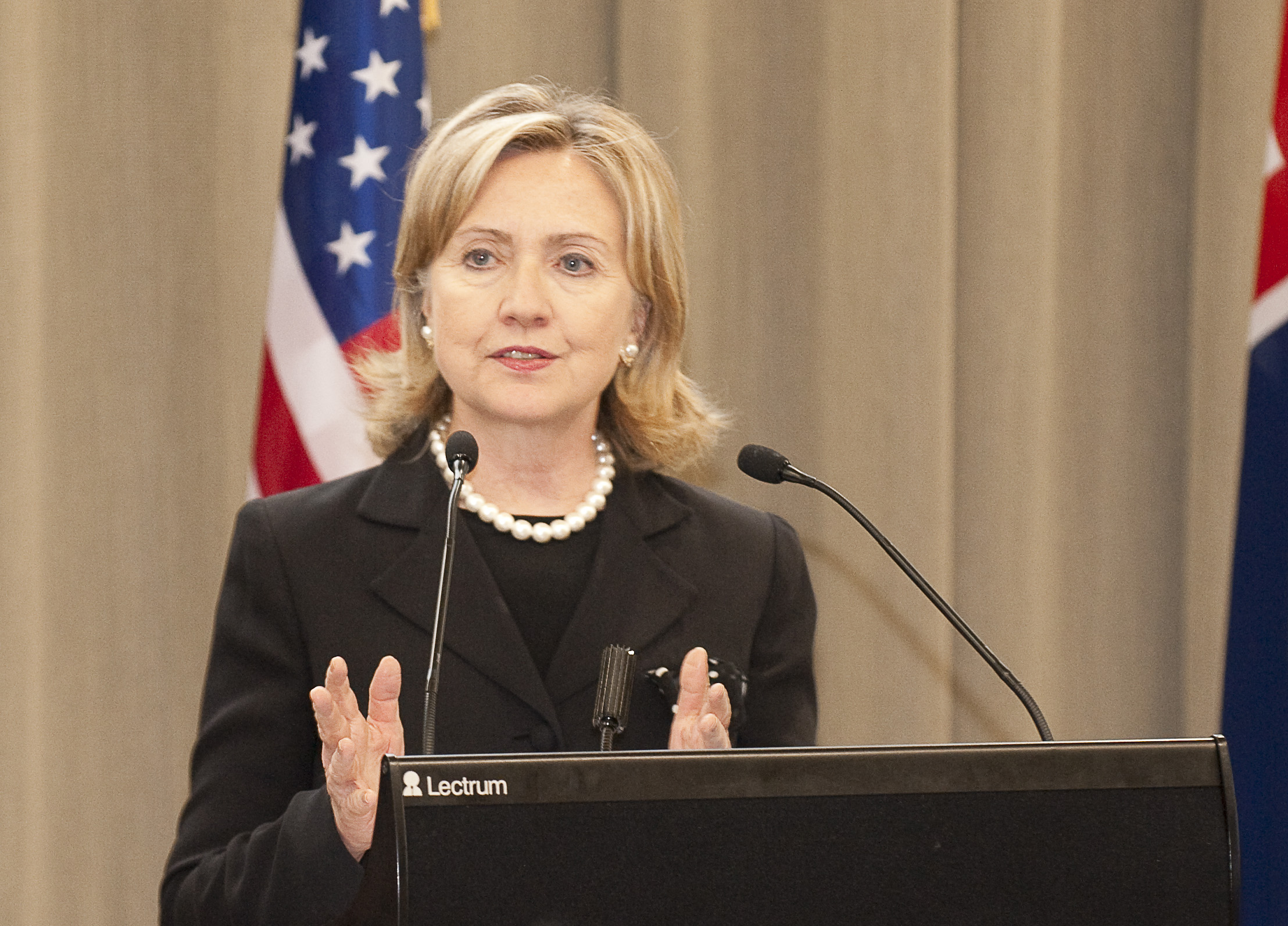
Gender and Political Leadership
In the run-up to the US presidential election, Professor Yvonne Galligan takes a look at gender equality in political leadership across the world and asks what can be done to tackle the cultural bias towards males in such leadership roles and bring about a greater level of gender balance.