
Queen’s Policy Engagement is the ‘front door’ for public policy engagement at Queen’s University Belfast
Supporting academics and policymakers in sharing evidence-based research and ideas on the major social, cultural and economic challenges facing society regionally, nationally and beyond. Our over-arching vision is to share the University’s independent expertise with policymakers so they can make informed decisions about the most effective and sustainable ways to tackle these challenges, now and in the future.
Latest news and views…
-
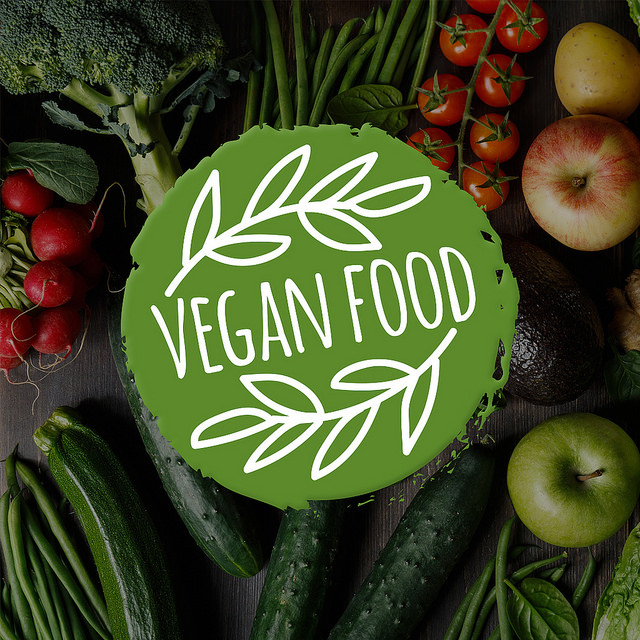
Vegan diets are adding to malnutrition in wealthy countries
While many of the cases of hidden hunger are found in developing countries, this phenomenon is also a growing public health concern in developed countries says Professor Chris Elliott, Dr Chen Situ and Dr Claire McEvoy.
-
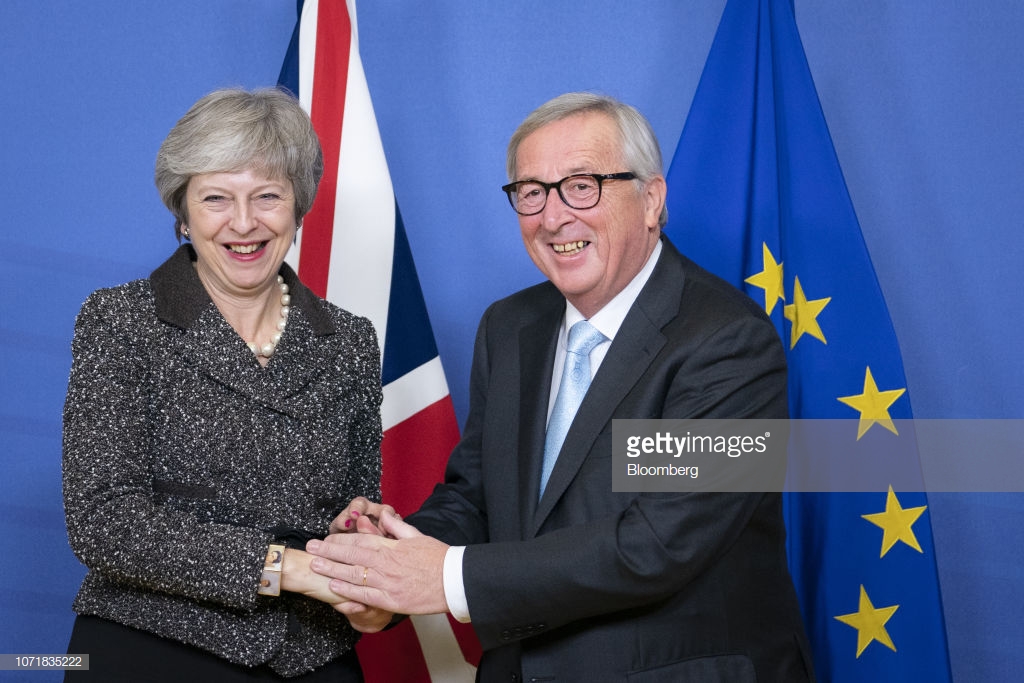
Brexit: why the EU doesn’t want the UK to remain in the backstop indefinitely
It’s pretty clear that the EU does not want the UK to stay in the backstop indefinitely, says Professor David Phinnemore.
-
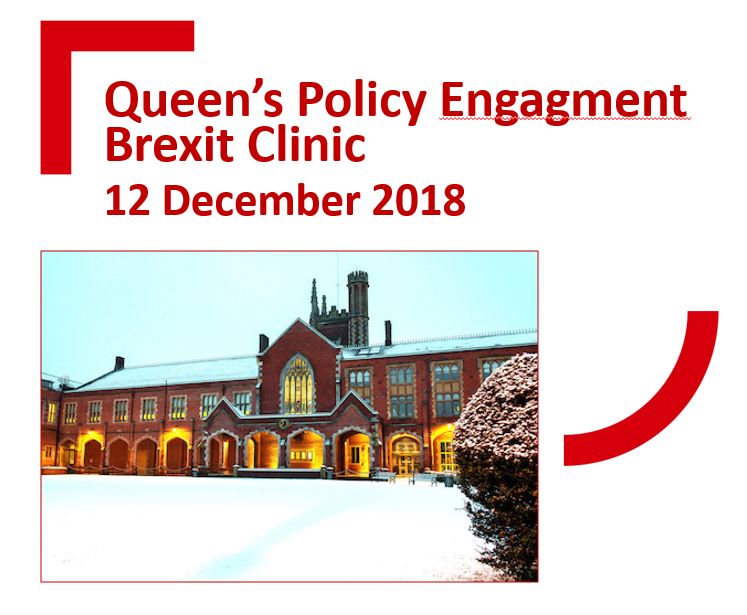
The presentations from the December Brexit Clinic at Queen’s are now available to download or view
-

Brexit – What small things tell us about the big picture
Dr John Moriarty offers a personal reflection on the UK/EU future relationship negotiations and some possible implications of a no-deal Brexit.
-
Brexit and the island of Ireland – any news from the EU’s revised offer for a withdrawal agreement?
Following on from her earlier article, Professor Dagmar Schiek reconsiders her earlier position in light of the November Draft Withdrawal Agreement.
-

Forget the ‘cloud’, soon we’ll be on the ‘edge’ when it comes to smart tech
Dr Blesson Varghese looks at the role of “edge computing” in helping to reduce delays in processing data normally handled by the cloud.
-
Welcome home? Attitudes towards asylum seekers and refugees
Dr Paula Devine and Dr Lucy Michael look at how welcoming Northern Ireland is to people who arrive here as asylum seekers or refugees.
-
Brexit: what does it tell us about the EU?
The following blog is based on a presentation by Professor David Phinnemore at the launch of the report on Kent and Medway: Delivering a Brexit Border: Policing, Security, Freight and Customs at the Centre for European Studies, Canterbury Christchurch University.
-
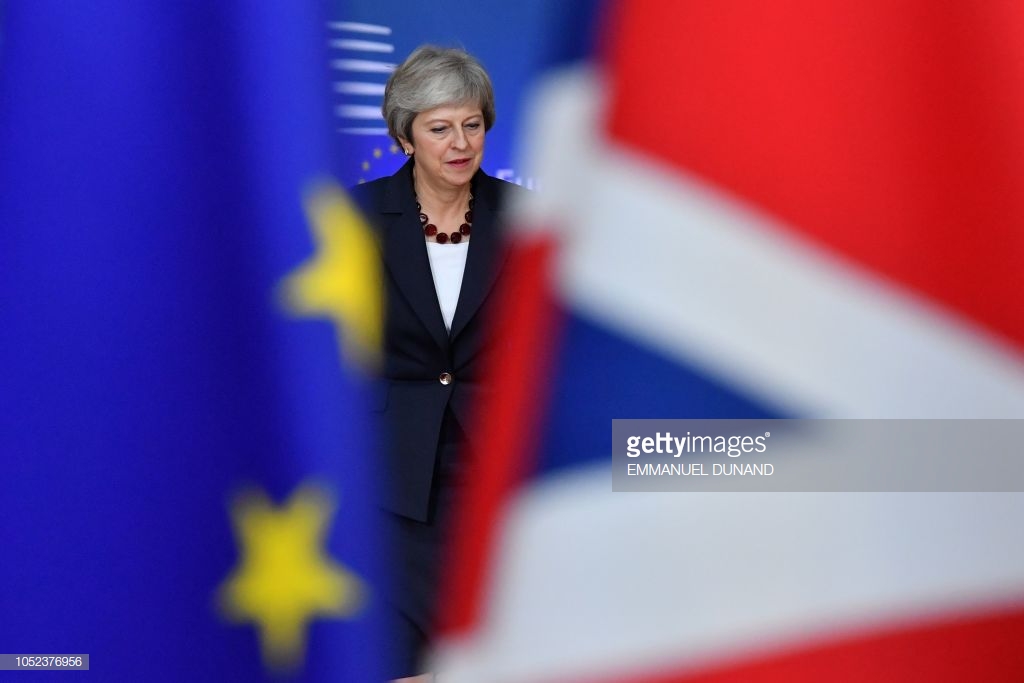
Liberty, wealth or peace: the choice offered by the Brexit deal
When it comes to the Brexit deal, perhaps the Prime Minister’s best bet is to argue explicitly that peace should trump both wealth and freedom says Professor John Garry.
-
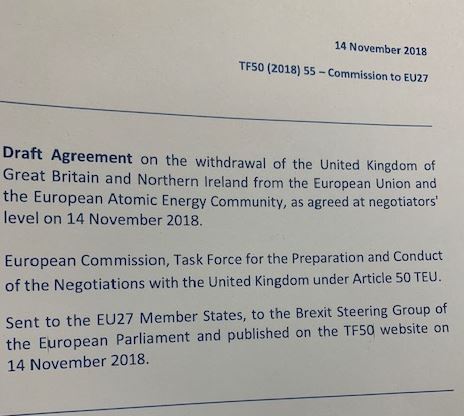
Northern Ireland and the Withdrawal Agreement
Dr Katy Hayward and Professor David Phinnemore reflect on the UK Withdrawal Agreement, particularly on the Protocol on Ireland/Northern Ireland.