
Queen’s Policy Engagement is the ‘front door’ for public policy engagement at Queen’s University Belfast
Supporting academics and policymakers in sharing evidence-based research and ideas on the major social, cultural and economic challenges facing society regionally, nationally and beyond. Our over-arching vision is to share the University’s independent expertise with policymakers so they can make informed decisions about the most effective and sustainable ways to tackle these challenges, now and in the future.
Latest news and views…
-
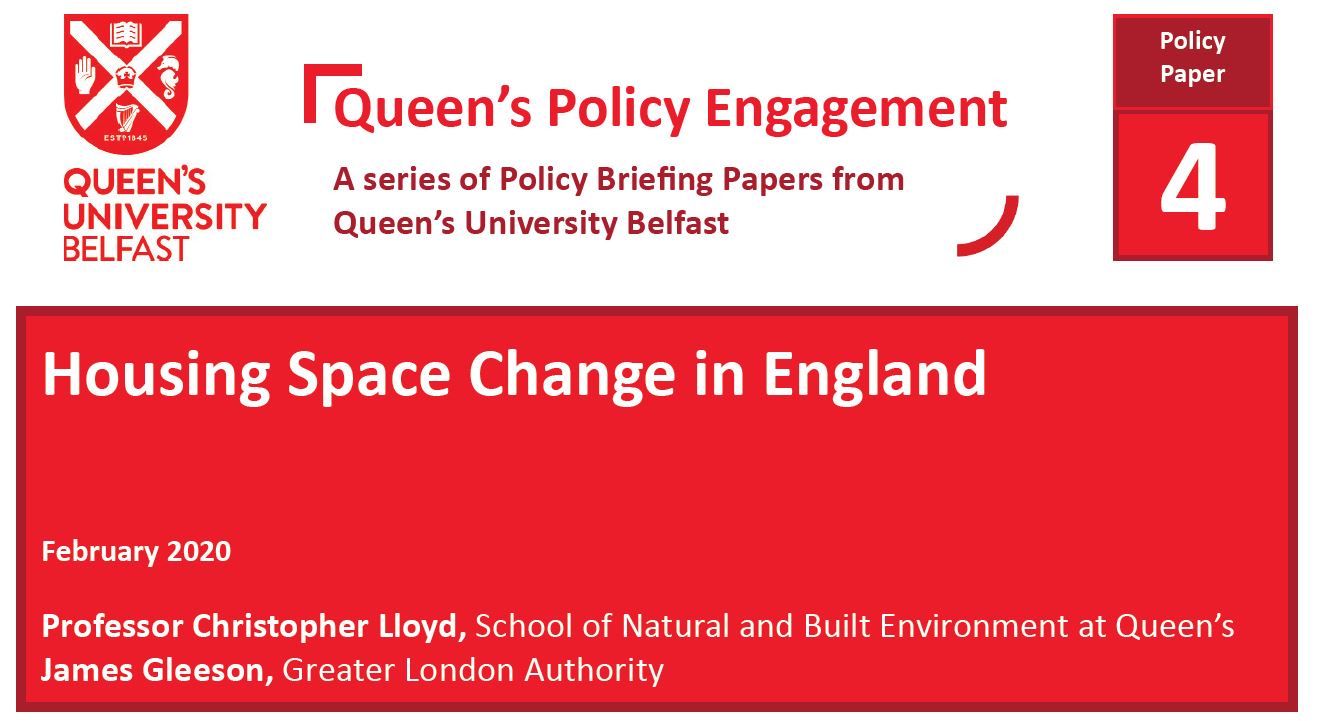
Housing Space Change in England – Briefing Paper
In the latest of our series of Queen’s Policy Engagement Briefing Papers, Professor Christopher Lloyd and James Gleeson from the Greater London Authority look at changes in housing space in small areas within England between 1971 and 2017.
-
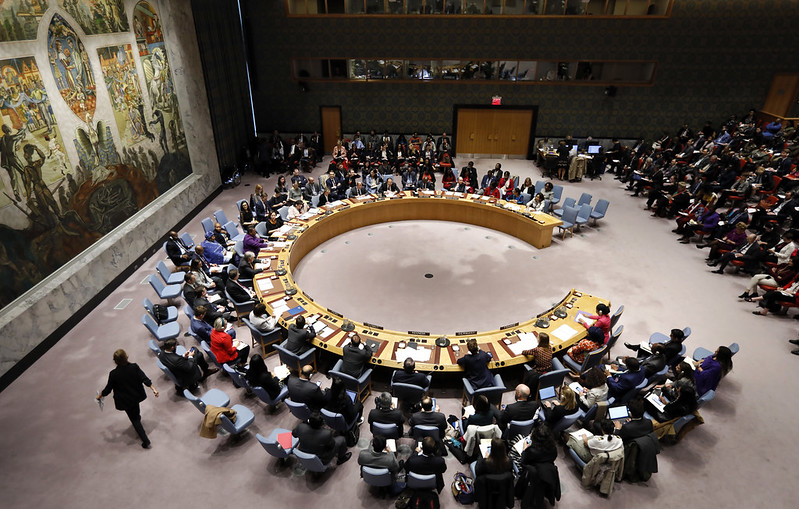
The Future of LGBTQ Human Rights in the Women, Peace and Security Agenda
Twenty years on from the adoption of Resolution 1325 on women, peace, and security, Dr Jamie Hagen argues that the next generation of WPS programmes should include an awareness of the varied sexual orientations and gender identities of women in conflict around the world.
-
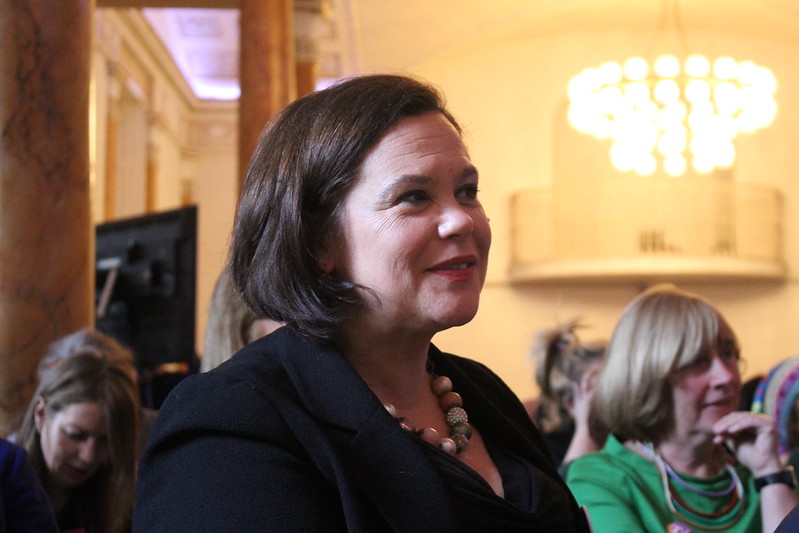
General Election 2020 Explained
Dr John Moriarty casts an eye over the recent generation election results in Ireland.
-
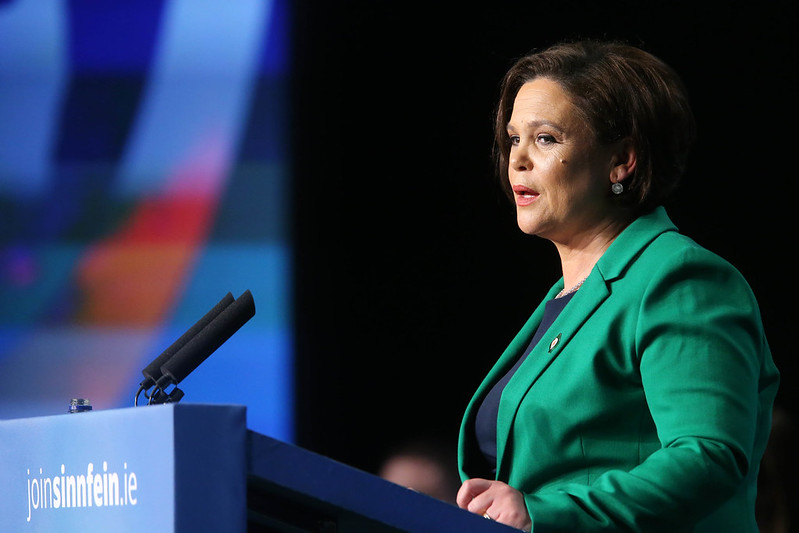
The 2020 Irish general election was overshadowed by 1920
This weekend’s electoral success of Sinn Féin has parallels with an electoral contest held a century ago. Dr Marie Coleman reflects on commemorations, ‘RIC-gate’ and the general election results.
-

Post-Brexit Clinic Presentations Now Available
The slides from this week’s Brexit Clinic are now available.
-

Coronavirus shows how UK must act quickly before being shut out of Europe’s health protection systems
The threat posed by 2019-nCoV and the fragmentation of existing health protection systems caused by Brexit call for urgent assessment of cross Europe cooperation, say Professor Anniek de Ruijter of the University of Amsterdam, Professor Martin McKee of the London School of Hygiene & Tropical Medicine, and QUB’s Dr Mark Flear.
-
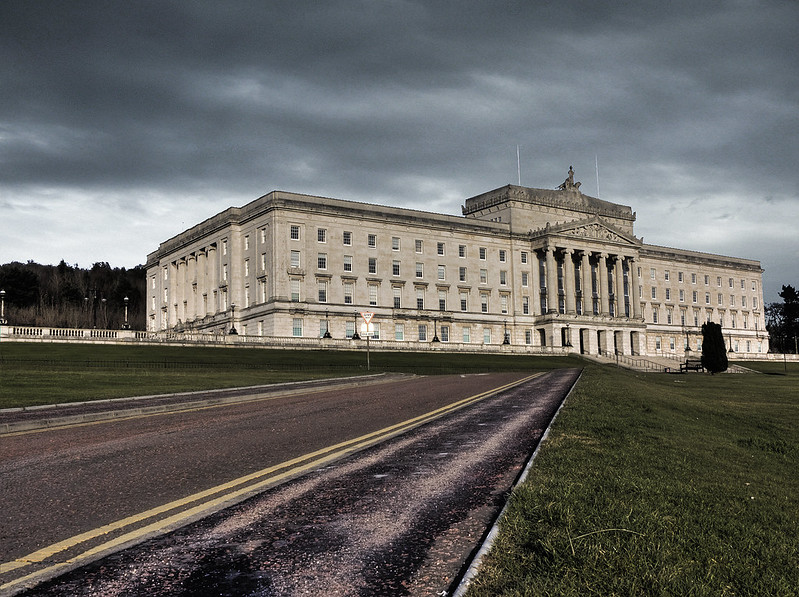
Northern Ireland: politics on the move, destination uncertain
Three years on from the collapse of the Northern Ireland Executive prompted by the RHI scandal, a power sharing government has returned to Stormont. Alan Whysall analyses the new deal, how it might work in practice and what pitfalls might await the new ministerial team.
-
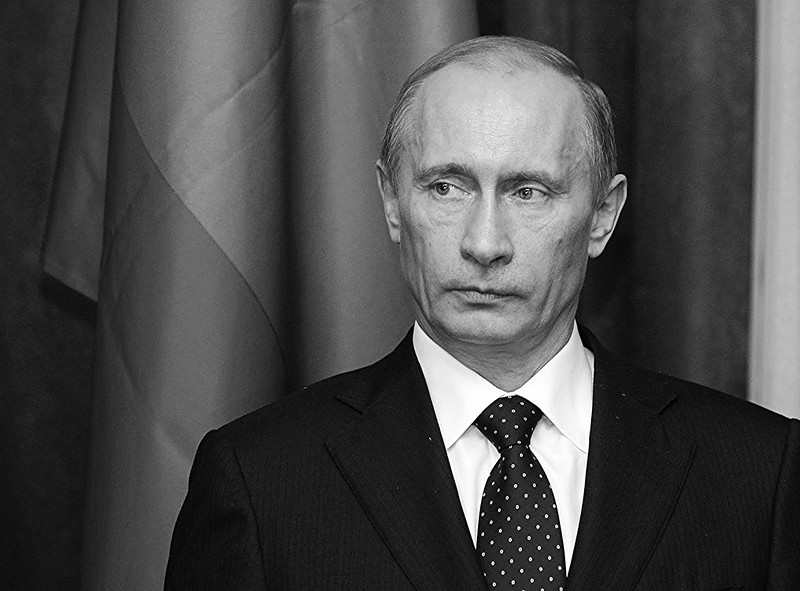
‘Getting Russia Off Its Knees:’ How Putin Ensures His Legacy Far Beyond 2024
A major watershed is coming in 2024, when Putin is required to step down as president. Dr Alexander Titov analyses new proposals put forward by Putin that will divide political authority between the president and other collective institutions.
-
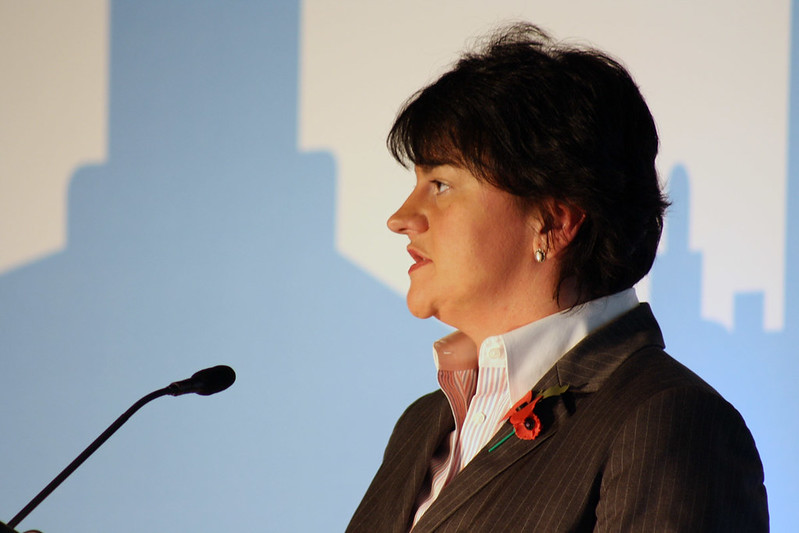
Northern Ireland reforms ‘ethnic veto’ to help get its legislature back to work
One of the most significant reforms of New Decade, New Approach deal is to the process for petition of concern. Dr Allison McCulloch, of Brandon University, and Dr Drew Mikhael describe the changes that are ahead.
-

The Return of Power-Sharing in Northern Ireland
The New Decade, New Approach deal is a lengthy text containing many proposals, plans and initiatives. Professor Colin Harvey explores the main sections and challenges.