

Queen’s Policy Engagement is the ‘front door’ for public policy engagement at Queen’s University Belfast
Supporting academics and policymakers in sharing evidence-based research and ideas on the major social, cultural and economic challenges facing society regionally, nationally and beyond. Our over-arching vision is to share the University’s independent expertise with policymakers so they can make informed decisions about the most effective and sustainable ways to tackle these challenges, now and in the future.
Latest news and views…
-
In the future, your phone could test you for coronavirus – here’s how
Chris Elliott, Gonçalo Rosas da Silva and Joost Nelis from the Institute of Global Food Security at Queen’s look at the potential of using mobile phone technology to fight the coronavirus.
-

Coronavirus: how artists in the Spanish-speaking world turn to religious imagery to help cope in a crisis
Some artists have used their time in isolation to create work using religious imagery as a way to tell the story of the crisis says Dr Ricki O’Rawe, and Dr Eamon McCarthy from the University of Glasgow.
-
Covid-19 in Northern Ireland – A New Economic Vision
Pivotal – the Public Policy Forum has issued a new report entitled ‘Covid-19 in Northern Ireland – a new economic vision.’
-
Police Leadership – Time for a Debate
The death of George Floyd has sparked a far reaching and heated debate about structural oppression, black rights, institutional racism and the economic legacy of slavery. Dr Joanne Murphy calls for a conversation about what leadership means in a policing context.
-
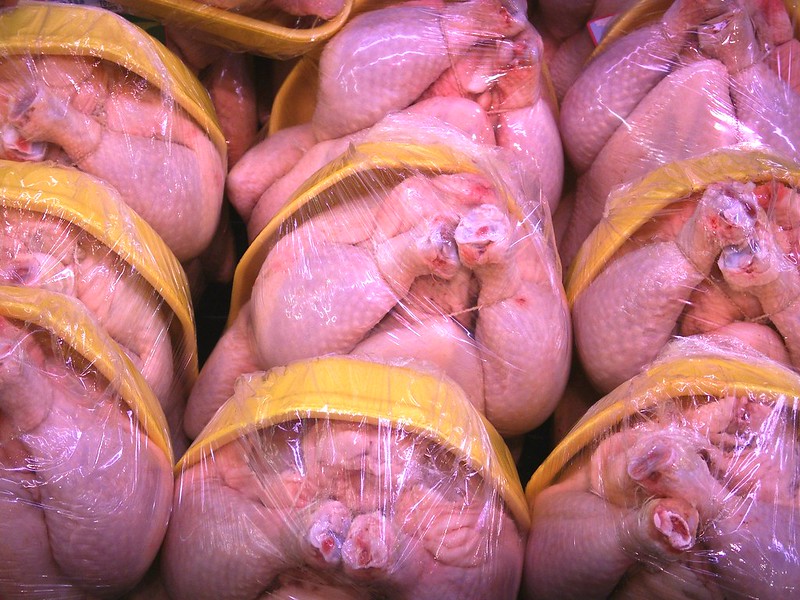
Chlorinated chickens cluck again
Dr Viviane Gravey and Professor Charlotte Burns from Sheffield University look at how the US continues to push for the inclusion of meat produced at lower standards in the UK-US trade deal currently under negotiation.
-
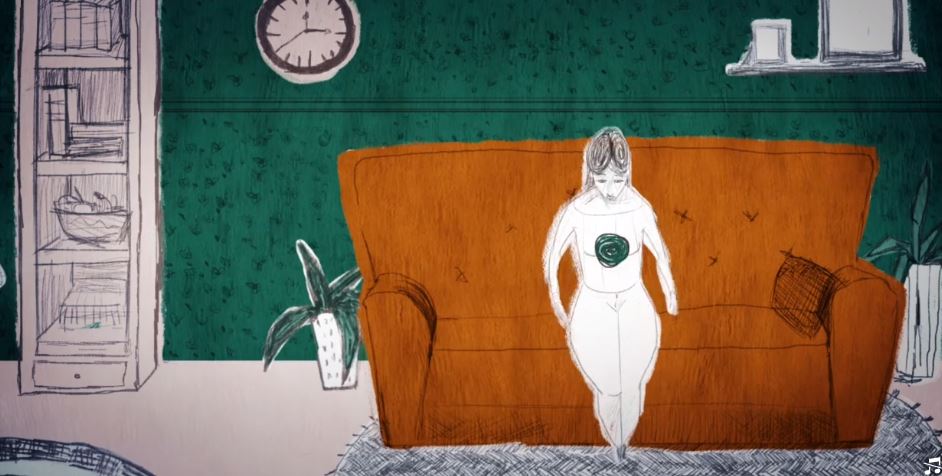
How I use film, animation and VR to capture the experience of mental abuse
Lucy Baxter looks at the Mental Abuse Matters project which raises awareness of mental abuse by telling stories through animation and virtual reality.
-
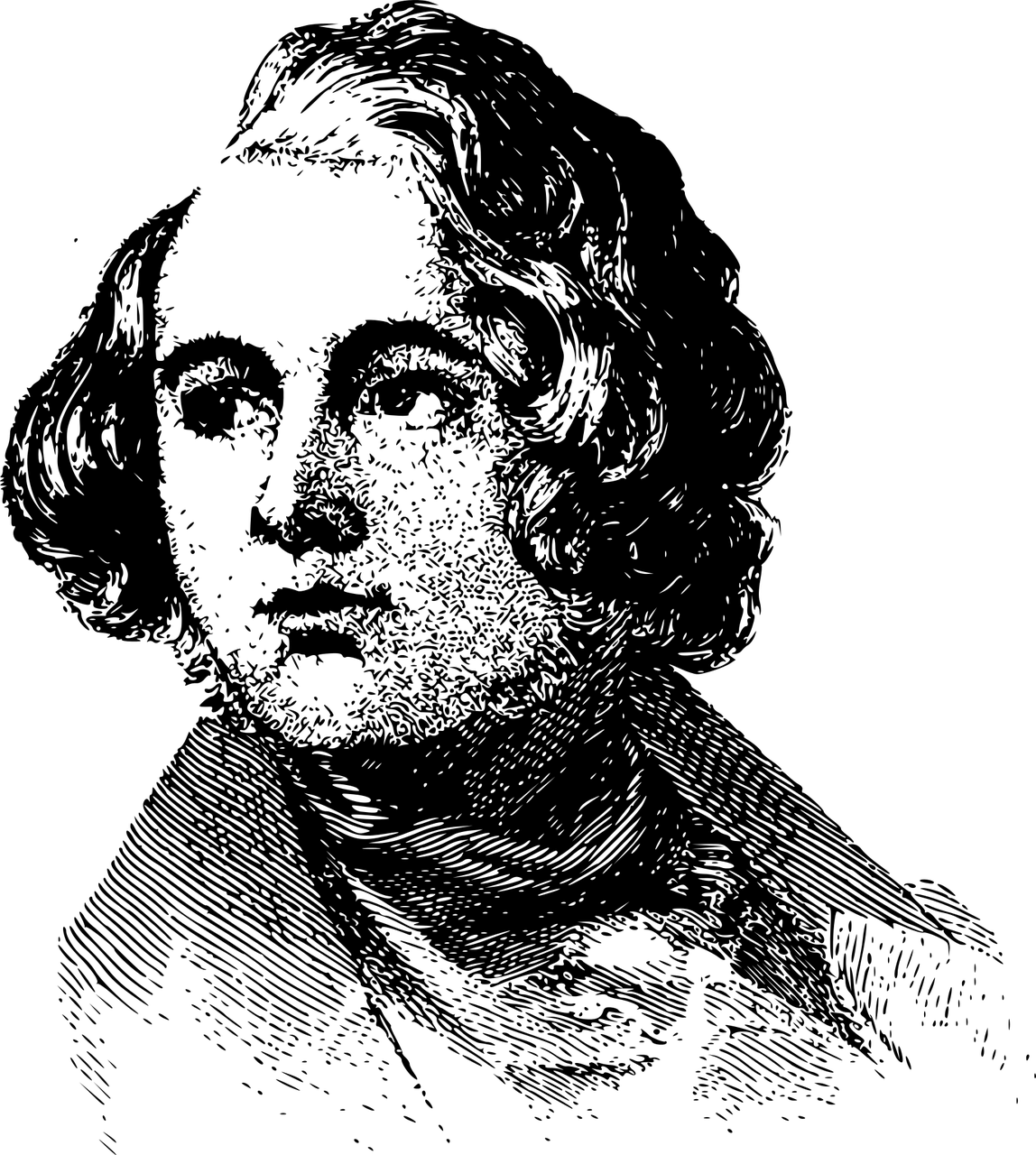
Dickens: Irish Friends and Family Ties
‘Dickens: Irish Friends and Family Ties’ marks the 150th anniversary of the death of celebrated Victorian writer, Charles Dickens.
-

What can we learn from historical recessions and depressions?
While the Covid-19 recession has some unique characteristics, research on past experiences of economic downturns offers valuable lessons on how long recovery takes and what policies might accelerate that process.
-

How the US government seized all citizens’ gold in the 1930s
During extreme economic crises, governments have been known to seize people’s gold says Dr Chris Colvin and Dr Philip Fliers.
-
The original Sars virus disappeared – here’s why coronavirus won’t do the same
The idea that letting the coronavirus run wild would protect us is unlikely to be valid says Dr Connor Bamford.