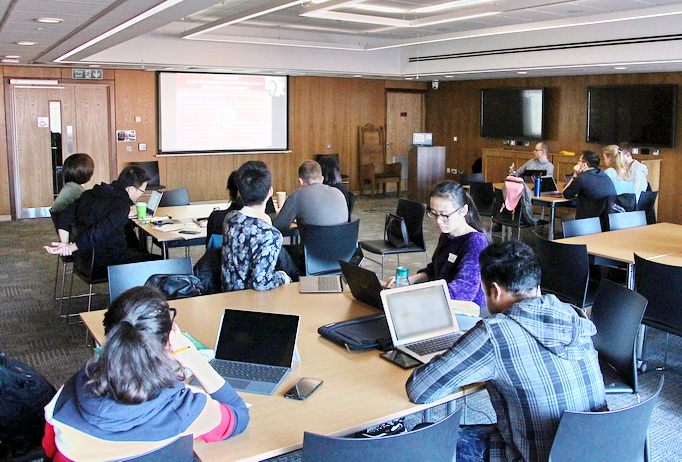
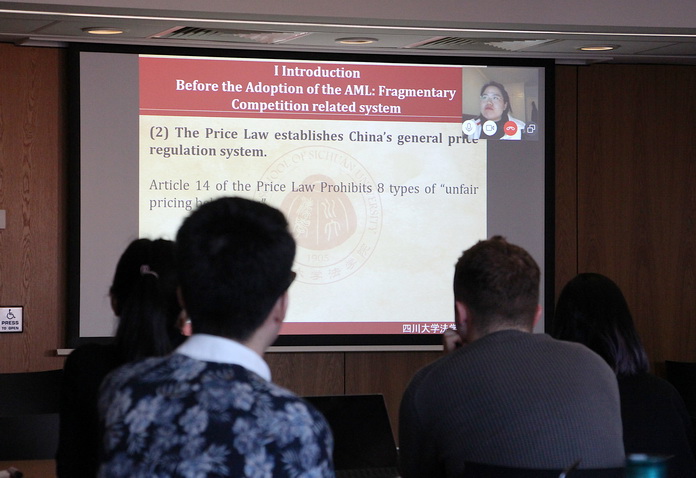
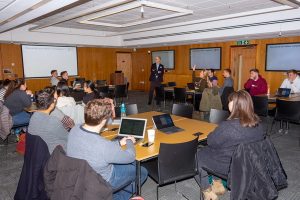
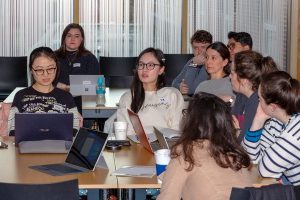
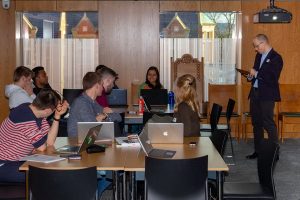
I am delighted to share that, based on feedback collected anonymously via an online form, decisive majority of students find this module intellectually stimulating and challenging, with ALL considering that the class is interactive and encourages participation.
What do students enjoy most? Here are some unredacted comments:
‘Interactive Sessions and I feel really motivated and involved in class. Also, some intellectual humour to the module works absolutely perfect. I think I have made the best decision to be a part of this class and may even consider taking it up for my dissertation.’
‘Interactivity and diversity of materials used (videos, graphs, stats, articles)’
‘Class very well-prepared, amazing motivation of the Professor, pleasant atmosphere where everyone can participate’
‘The activities where you have to research subjects in the class and answer them on OneNote to share them with everyone’
‘Group interaction and challenging discussions’
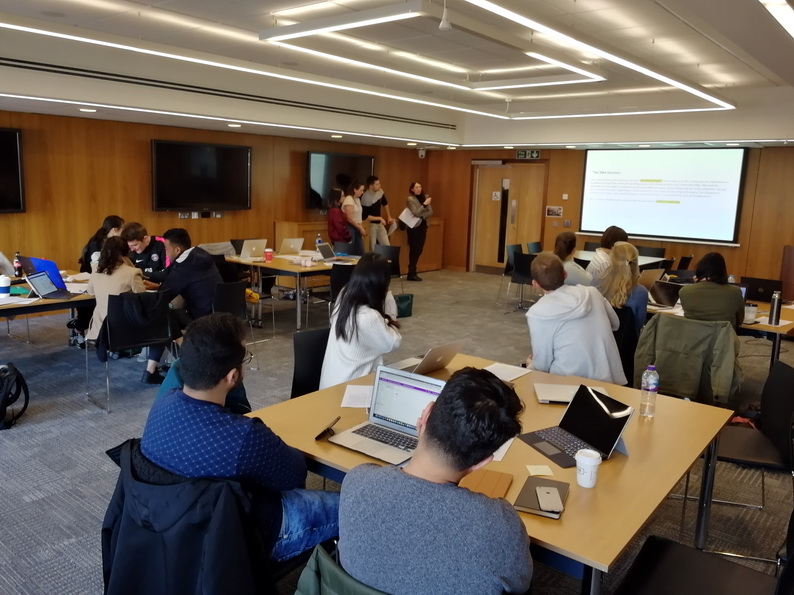
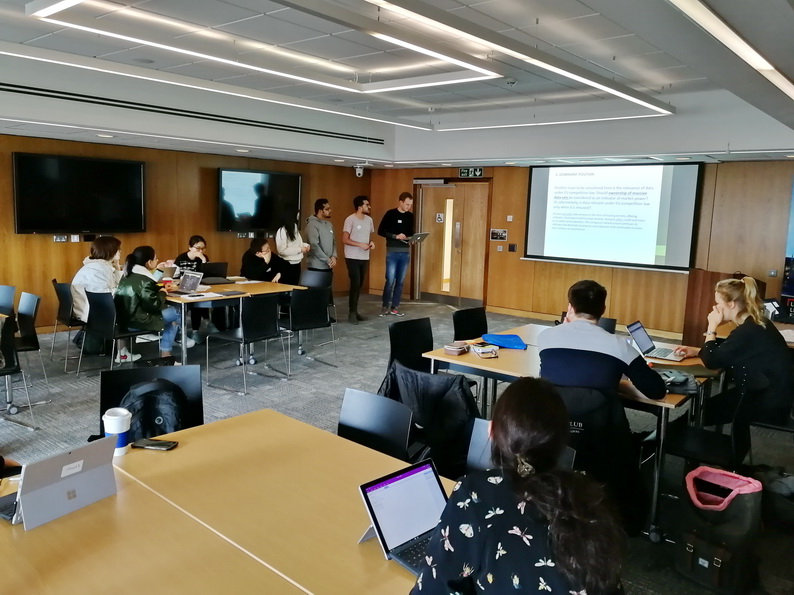
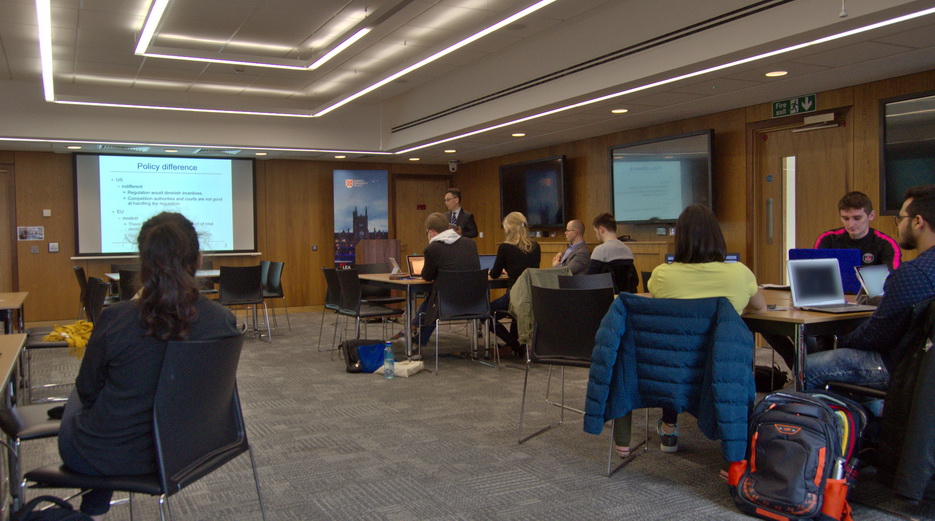
What are some of the basic take home lessons from this for staff? Students appreciate opportunities to engage. They seek to and benefit from contributing and interacting, both in class and outside the classroom. Diverse teaching methods and aids, as well as technology can facilitate it. Althought all this requires considerable upfront planning and preparing for diverse outcomes, it can positively impact on students engagement with the module content, develop their interest and curiosity—leading, hopefully, to better educational outcomes.
PS: I enocurage all colleagues to run in-semester anonymous evaluations to seek students’ feedback.

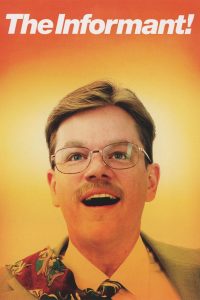 If you missed this session: a DVD with the Informant! is available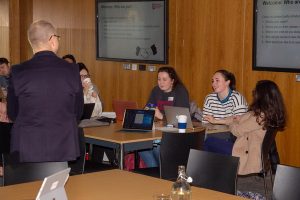
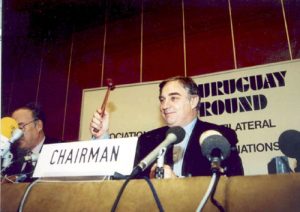 Peter Sutherland was Attorney General of Ireland from 1981 until 1984. Subsequently he became the youngest ever European Commissioner, looking after the competition portfolio from 1985 until 1989. Later on he became the founding Director-General of the World Trade Organization, from 1993 until 1995. Due to his leadership in the latter role he was often referred to as the ‘father of globalization’. In fact, Sutherland served as the chairman during the Uruguay round of trade negotiations leading to the creation of the WTO (photo: WTO website). These successful trade talks largely dealt with public barriers to trade—putting private barriers to trade in the limelight and making competition legislation only more relevant, contributing to its spread internationally.
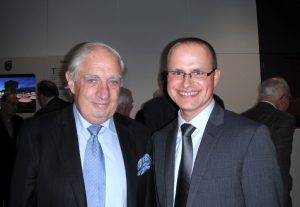 I had the pleasure of meeting Peter Sutherland in 2011, during my doctoral studies in competition law at University College Dublin (hence the attached photo). Sutherland made
 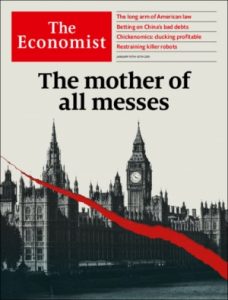 The recent edition of the Economist, a liberal weekly, devoted two pieces to the phenomenon of extraterritoriality, that is application of domestic rules beyond the country’s shores. See
  As the new semester approaches I was wondering whether I should assign a reading from what is one of the first books comparatively exploring competition law and the one doing so from the legal and economic perspectives– namely