
Students don’t usually attend Drop-in for specific advice on lifestyle. Queries would generally be relating to managing stress or anxiety, which often leads to a discussion on lifestyle as this can have a big impact on mood.
We are a service that not only signposts students when in distress but hopes to help them use their personal power to thrive while undertaking studies. It would be remiss to presume that everybody is aware of the lifestyle choices that increase the chances of thriving and therefore success. This blog is essentially a checklist of behaviours that can improve not only overall health but mood and wellbeing, which will help people perform at their best. As always, these are personal choices and each of us has the power to make decisions about our lifestyle as we see fit. Having all the information helps us with these decisions.
Physical and mental health are difficult to separate. It is worth saying that you have probably heard much of this information before, but although an answer may be simple, it does not make it easy. There are reasons that people adopt certain lifestyles and sometimes understanding those are the only way to make changes. On the positive side, even small changes can make a difference.
Diet
- Energy drinks- it is not uncommon for a student to report sleep, focus or mood difficulties while sipping on a can. While this is neither here nor there regarding their individual difficulties, students should be made aware that there is evidence to suggest a relationship between energy drink consumption in young people and symptoms of anxiety, depressive mood, hyperactivity, risk taking behaviours and poor academic performance.
- Healthy fats found in olive oil, nuts, oily fish, avocado, etc are essential for the brain. Trans fats found in processed food however can be detrimental to mood and heart.
- Water- Being even mildly dehydrated can impact mood.
- Eating regularly- Fluctuations in blood sugar will impact mood. They don’t call it ‘hangry’ for nothing.
- Gut- There is evidence linking gut health and mood. A balanced diet including fruit, vegetables, beans and probiotic will help with this.
- Protein-Amino acids help with mood regulation.
- Alcohol is a depressant that alters brain chemistry. This can lead to worsening of mental health symptoms. It is also linked to impaired decision-making and therefore risk-taking behaviours. The same can be said for any drug taken for recreational or self-medicating purposes.
Physical Activity
There is so much research to back the claim that physical activity is linked to improved physical and mental health. The UK guideline is 150 minutes over the course of a week. This can be done through a variety of activities. The activity needs to raise heart rate and increase breathing rate to count. It is a common way that students tell us they manage their stress, often feeling the effects when they find themselves prioritising time elsewhere.
Sleep
Sleep is necessary for both body and mind to function at its best.
- Establish a nightly routine that is relaxing leading up to bedtime. This may take planning and reprioritising. A regular routine that you can stick to daily will help with getting to sleep including going to sleep and waking at the same time every day.
- Avoid using screens in the run-up to bedtime- the light and stimulation of content will affect brain activity.
- Exercise is helpful, but not directly before bedtime.
- Caffeine and alcohol will impact the likeliness of falling asleep easily. Avoid these before bed.
- If worries are keeping you awake, write them down and tell yourself that you will focus on them tomorrow.
- Don’t give yourself a hard time if you can’t sleep. Get up and do a relaxing activity (listen to music, read) and then try again.
Rest
Students regularly tell us that guilt comes into play when taking a break from study. Many are also working whilst studying due to financial worries, which all has an impact on time. It can be argued however, that lack of rest will eventually impact body and mind, therefore lowering the chances of success.
Rest is not just sleep. There is an article below in the resources section that explains the 7 different types of rest. These are physical rest, mental rest, sensory rest, creative rest, emotional rest, social rest and spiritual rest. Students often tell us that they use spare time scrolling on their phones. It is questionable if this would count as rest, as content is often designed to elicit an emotional response. It will also have an impact on concentration and focus as the brain acclimates to shifting attention to new content every few seconds.
Connection
Connecting socially with others can increase feelings of happiness, belonging, meaning and self-worth. In relation, isolation and/or loneliness is correlated with poor mental health. Therefore, getting involved in activities, events or groups can be beneficial in trying to build connections. We have a blog specifically about this on our site.
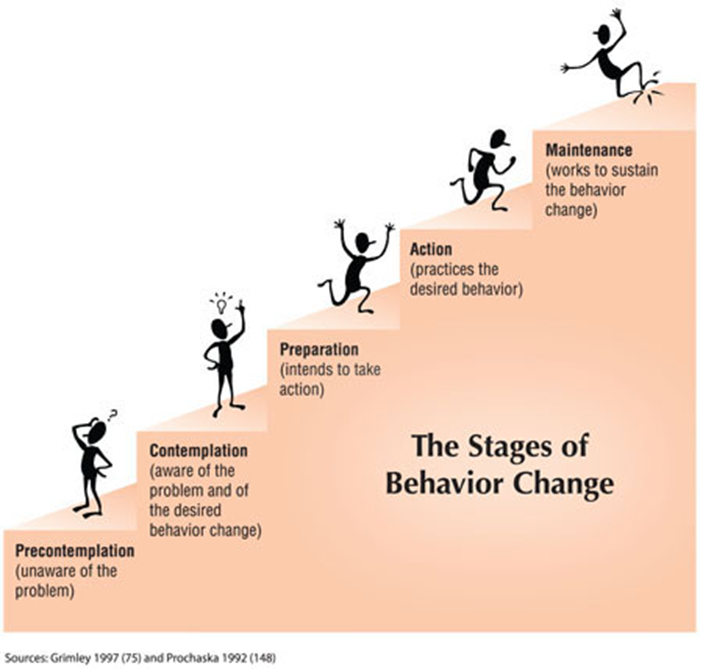
Time is an issue for most students, but it is important to balance studies with doing things you enjoy to maintain your mental wellbeing. You probably haven’t read any new information here, but it can be helpful to reflect on current lifestyle if you are noticing things aren’t feeling quite right. Making changes early can prevent future or increasing difficulties. Similarly, it is never too late. It should be acknowledged that change is never easy and if you find it difficult, this is normal. So be gentle with yourself if you find yourself drawn into old habits. Tomorrow is another day. You also might not be at the stage of change where you are ready to act. That is ok too. If you need help with implementing changes, reach out for support.
Resources and Further Information
Diet and mental health | Mental Health Foundation
END0002 – Evidence on Energy drinks
More Than a Gut Feeling: How Your Microbiome Affects Your Mood | Cognitive Enhancement
How are physical activity and mental health connected | Mind
Sleep and mental health | Mental Health Foundation
The 7 types of rest that every person needs |
Social connections for mental wellbeing | NHS inform
